Read Hangeul in a weekend
Learn to read the Korean alphabet in one weekend with a clear hour-by-hour plan, the history behind Hangeul, and where to practice in Seoul.
By Jae Park · Updated Jul 14, 2026
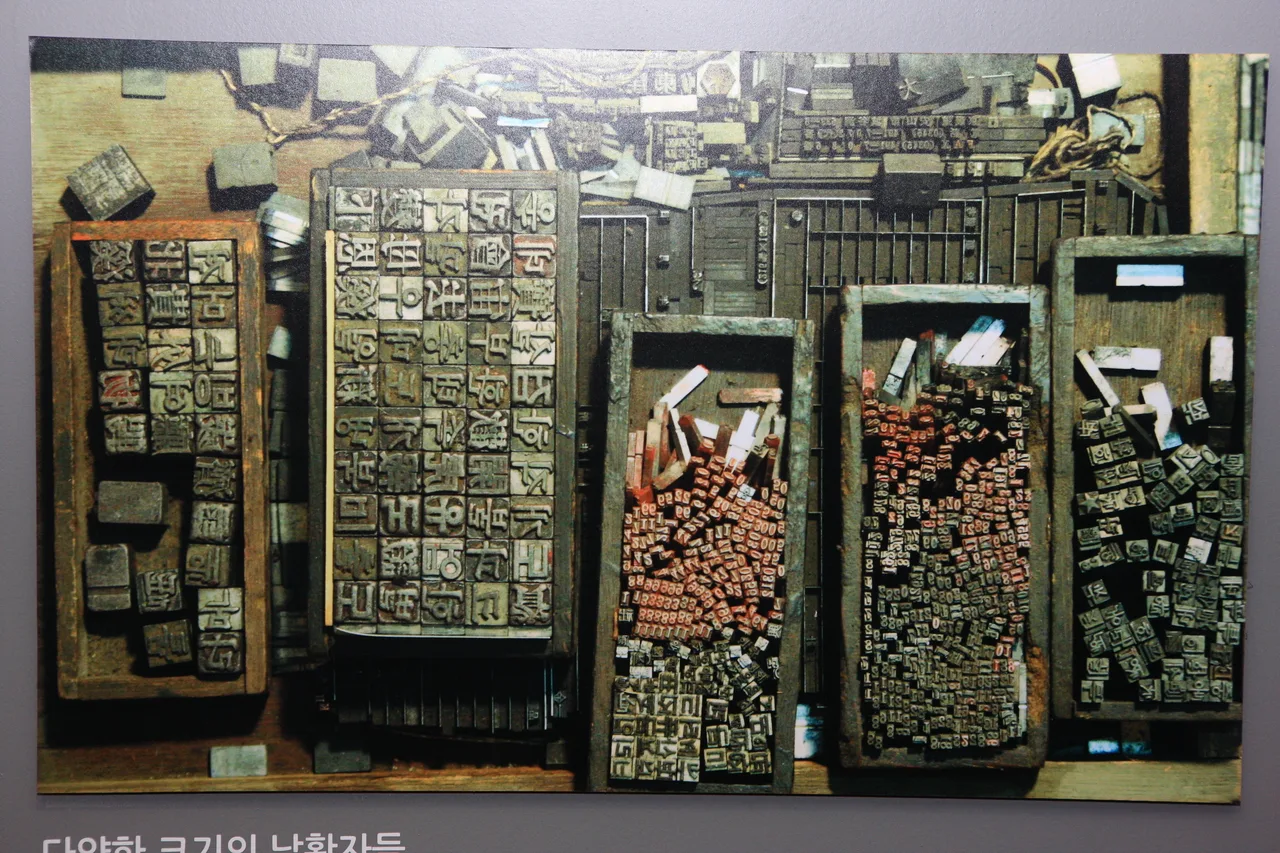
The first Korean word I read on my own was 불닭 — *buldak*, "fire chicken" — off a ramyeon packet a friend dared me to finish. I'd been watching Korean variety shows for the better part of a year and still treated Hangeul as decoration, a pretty pattern sitting behind the subtitles. Then someone showed me the trick, and about twenty minutes later those little blocks stopped being wallpaper and turned into sounds I could say out loud.
That's the part nobody warns you about when you fall for Korea through a drama or a comeback stage. The writing looks like the hardest wall to climb, and it's actually the easiest. King Sejong, the king who commissioned the alphabet in the 1440s, basically promised as much. One of his scholars wrote that a clever person could learn it before a morning was out, and even a slow learner within ten days. He wasn't exaggerating to flatter the boss. Hangeul was engineered to be learned fast, and a focused weekend really is enough to go from "no idea" to sounding out shop signs, idol names, and half a menu.
You won't *understand* everything you read at the end of two days — that's vocabulary, a completely separate job. But you'll read. You'll stand in a convenience store and decode the label before you buy it. For most people that alone changes the whole trip.
Why Hangeul is the easiest alphabet you'll ever learn
Here's the history that the "learn Korean in 5 minutes" videos skip, and it's the reason the weekend plan works at all.
Before the 1440s, Korea had a spoken language but no writing of its own. Educated men wrote in Classical Chinese, a foreign system with thousands of characters that took years to master. If you were a farmer, a fisherman, or almost any woman, you were locked out of reading and writing entirely. You couldn't file a complaint, read a contract, or leave a note. King Sejong the Great found this genuinely unjust, and in 1443 he and scholars from the Hall of Worthies designed a brand-new script from the ground up. In 1446 he published it in a document called *Hunminjeongeum* — "the correct sounds for the instruction of the people." The name tells you the whole political project: a writing system so simple that anyone could learn it.
What makes Hangeul special isn't that it's exotic. It's that the letters were *designed*, not inherited. Most alphabets, including the Latin one you're reading now, are accidents of history that drifted from older scripts over centuries. Hangeul was built on purpose by people who understood how the mouth makes sound. Linguists call it a "featural" alphabet, which is a fancy way of saying the shape of each letter is a diagram of how you pronounce it.
Take the consonants. ㄱ (a *g/k* sound) is a sketch of the back of your tongue humping up against the roof of your mouth. ㄴ (*n*) shows the tongue tip touching the ridge behind your teeth. ㅁ (*m*) is a closed pair of lips seen from the front, a little square. ㅅ (*s*) points like a tooth. Once someone tells you this, the letters stop being random squiggles and start being instructions. The vowels come from a different, almost philosophical idea: a dot for heaven, a flat line for earth, and an upright line for a standing human. Every vowel is a combination of those three marks.
The world noticed. The original *Hunminjeongeum* manuscript was added to UNESCO's Memory of the World Register in 1997, and to this day UNESCO hands out an annual King Sejong Literacy Prize, funded by Korea, to people fighting illiteracy around the globe. Korea takes this so seriously that October 9 is a public holiday — Hangeul Day — celebrating the alphabet itself. Not many countries throw a national day for their letters. If you want the wider backdrop on the king and his era, our Joseon dynasty in 10 minutes guide sets the scene.
Saturday morning: learn the vowels
Start with vowels, because they anchor everything and there are only ten basic ones. I found it easier to say them out loud on a loop while walking, which felt ridiculous and worked.
The six core vowels:
- ㅏ = *a*, as in "father"
- ㅓ = *eo*, closer to the "u" in "hut"
- ㅗ = *o*, as in "go"
- ㅜ = *u*, as in "moon"
- ㅡ = *eu*, a tight sound with no real English match — say "eee" but pull your lips flat and back
- ㅣ = *i*, as in "machine"
Notice the logic. ㅏ and ㅓ are the same vertical line with the little tick pointing opposite ways. ㅗ and ㅜ are the same horizontal line with the tick up or down. That mirroring is deliberate, and it means you're really only memorizing a handful of moves.
Then add a "y" glide by doubling the little tick, and you get the other four:
- ㅑ = *ya*, ㅕ = *yeo*, ㅛ = *yo*, ㅠ = *yu*
That's it for the ten. The two that trip up beginners are ㅓ (*eo*) and ㅡ (*eu*), because English doesn't have them cleanly. Don't sweat perfection on day one. Get close, keep moving, and let your ear correct you over the weekend.
Saturday afternoon: learn the consonants
There are 14 basic consonants. Lean hard on the mouth-shape idea from earlier — it turns memorization into understanding.
- ㄱ = *g/k*, ㄴ = *n*, ㄷ = *d/t*, ㄹ = *r/l*, ㅁ = *m*
- ㅂ = *b/p*, ㅅ = *s*, ㅇ = silent or *ng*, ㅈ = *j*, ㅎ = *h*
- ㅊ = *ch*, ㅋ = *k*, ㅌ = *t*, ㅍ = *p*
The neat trick: several consonants are just a simpler one with an extra stroke added, and the stroke means "push more air." ㅈ (*j*) with a line on top becomes ㅊ (*ch*). ㄱ (*g*) with a stroke becomes ㅋ (*k*). ㄷ becomes ㅌ. You're not learning 14 separate shapes so much as a few base shapes plus a rule.
Two consonants deserve a warning. ㅇ is a placeholder when it sits at the front of a syllable — it makes no sound at all, it's just there so the block has a consonant slot filled. At the *end* of a syllable, though, the same ㅇ becomes the "ng" in "song." And ㄹ is the famous one: it's a single sound halfway between English "r" and "l," which is why *Seoul* and *ramyeon* sound a little different from how you'd expect. Don't chase a perfect version. Aim for a light flick of the tongue and you'll be understood.
Korea also has "tense" consonants written as doubled letters — ㄲ ㄸ ㅃ ㅆ ㅉ — pronounced harder and tighter. Glance at them Saturday, but don't let them slow you down. They're a polish-later detail.
Saturday evening: build syllable blocks
This is the move that makes Hangeul click, and it's where I lost an evening happily reading nonsense off my own notebook.
Korean doesn't write letters in a straight line like English. It stacks them into square syllable blocks, and each block is one syllable. A block has a first consonant on top or top-left, a vowel next to it or under it, and sometimes a final consonant at the bottom. Vertical vowels (ㅏ ㅓ ㅣ) sit to the right of the first consonant. Horizontal vowels (ㅗ ㅜ ㅡ) tuck underneath it.
Work through a few real words and it stops being abstract:
- 안녕 (*annyeong*, "hi") — first block ㅇ(silent)+ㅏ+ㄴ = *an*, second block ㄴ+ㅕ+ㅇ = *nyeong*
- 김치 (*kimchi*) — ㄱ+ㅣ+ㅁ = *gim*, then ㅊ+ㅣ = *chi*
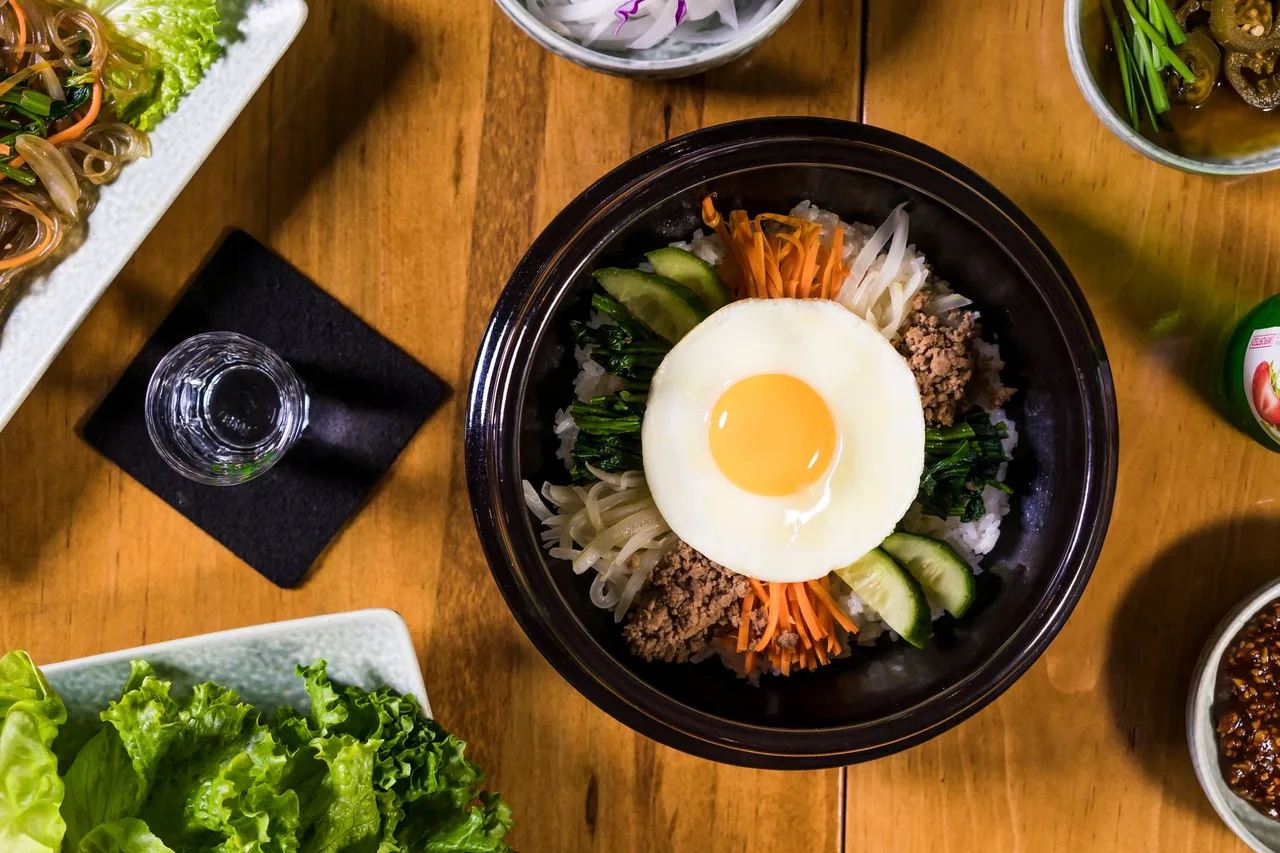
- 비빔밥 (*bibimbap*) — *bi*, *bim*, *bap*, exactly how you already say it
Watch how ㅇ does its two jobs in 안녕: silent at the front of a block, then "ng" at the back. That single letter switching roles is the last real puzzle piece.
There are, in theory, 11,172 possible syllable blocks in Hangeul. That number sounds terrifying and means nothing in practice, because you never memorize blocks — you assemble them from the roughly 40 pieces you already know. Try spelling your own name in blocks tonight. Mine came out clumsy and slightly wrong, and writing it anyway is exactly what wired it in.
Sunday: read in the wild
Day two is not new theory. It's reps. The whole point of Hangeul is that once you know the pieces, reading becomes a mechanical skill that gets faster with mileage, like touch-typing.
The best practice text in Korea is a menu, because you already know half the words from watching mukbang. 삼겹살 (*samgyeopsal*), 떡볶이 (*tteokbokki*), 라면 (*ramyeon*), 김밥 (*gimbap*) — you'll read them and grin, because your mouth already knows them and now your eyes catch up. Our how to read a Korean menu guide is basically a full Sunday afternoon of drills disguised as lunch.
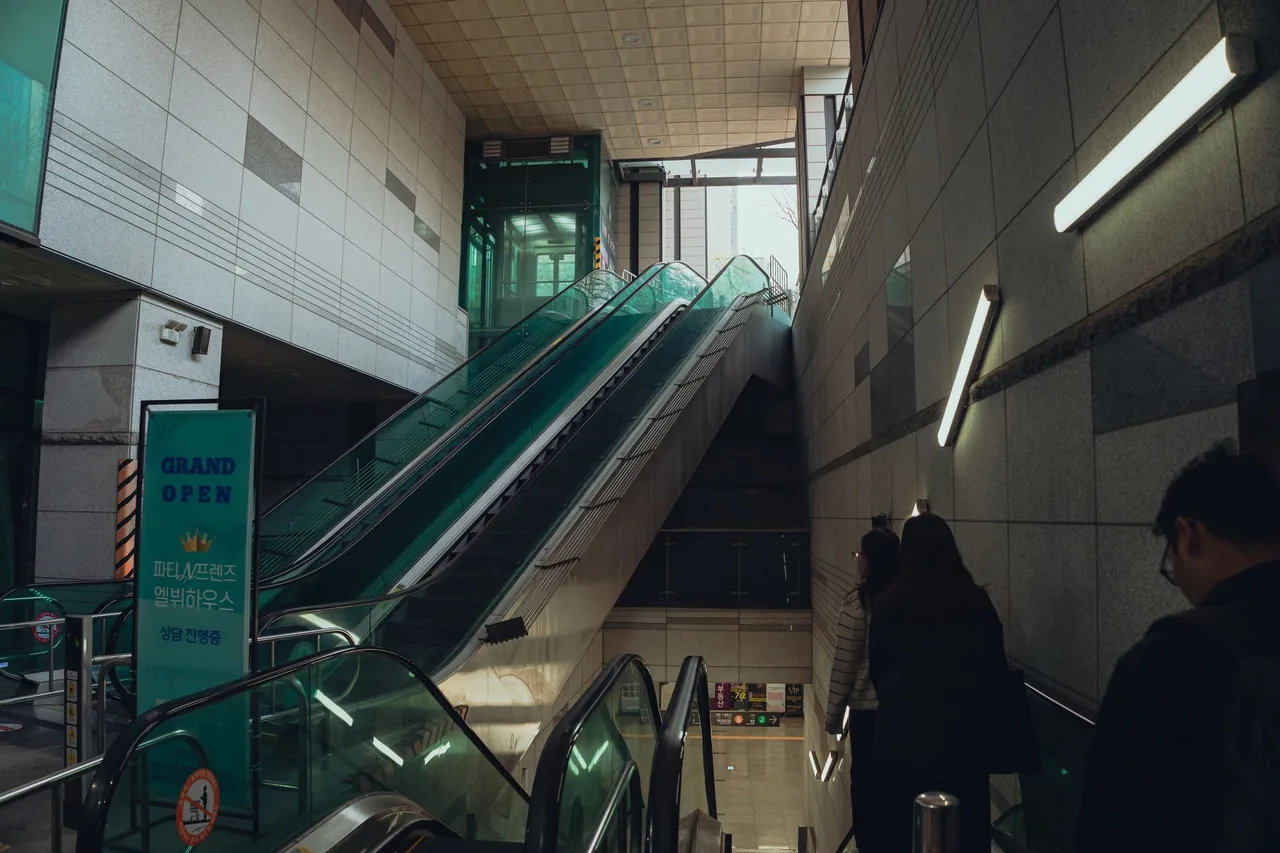
Then move to signs. Subway stations show every stop in Hangeul above the romanization, so you get an instant answer key. Sit on a train, cover the English with your thumb, read the Korean, then check yourself. Convenience-store shelves work the same way: sound out the label, then look at the picture. 우유 is *uyu*, milk. 물 is *mul*, water. You'll be right more often than you expect, and being right is what makes it stick.
One honest caveat for Sunday. When a consonant lands at the bottom of a block — Koreans call it *batchim* — its sound often softens or shifts, and blocks bleed into each other when you speak them quickly. That's why a word can look like one thing and sound slightly different out loud. Don't let it rattle you. Reading the letters correctly is the weekend goal; the pronunciation smoothing comes naturally once you're hearing and speaking more.
The sounds that will trip you up
A few honest trouble spots, so they don't ambush you:
- ㅓ (*eo*) versus ㅗ (*o*). Foreign ears mash these together. ㅓ is an open "uh," ㅗ is a rounded "oh." *Seoul* is 서울, *seo-ul*, not "so-ul."
- ㅡ (*eu*). There's no English equivalent. Smile flat, say a tight "eu" from the back of your throat. It shows up constantly, so wrestle with it early.
- ㅐ versus ㅔ. Both sound like the "e" in "bed" to most learners, and honestly even many Koreans pronounce them nearly the same now. Don't waste weekend energy separating them.
- Aspirated and tense pairs (ㅋ vs ㄲ, ㅌ vs ㄸ). The difference is real to Korean ears and mostly invisible to new ones. File it under "later."
The reason I keep saying "later" is that the weekend is about reading, not sounding like a native. Perfectionism is the enemy of the two-day plan. Get to "good enough to decode," then let real exposure do the fine-tuning.
Where to go deeper in Seoul
Once you can read, a few spots in Seoul turn abstract history into something you can stand in front of.
The obvious pilgrimage is the National Hangeul Museum in Yongsan, at 139 Seobinggo-ro, a short walk from Ichon Station (Line 4 and the Gyeongui-Jungang Line, Exit 2). Admission is normally free. One important heads-up: after an expansion project and a fire, the museum has been closed and, according to Korean press reporting, is slated to reopen around October 2028. Do not build a trip around it right now — check the museum's official site for the current status before you go.
In the meantime, the best free substitute sits right under Gwanghwamun Square. Beneath the enormous gilded statue of King Sejong is an underground exhibition, "The Story of King Sejong," on basement level 2 of the Sejong Center. It's free, generally open Tuesday to Sunday from late morning to early evening (confirm current hours before you go), and it walks you through exactly how and why the alphabet was made. You reach it from Gwanghwamun Station on Line 5, Exit 2 or 9. Standing under that statue after a weekend of learning his letters hits differently than it would have the week before.

If your dates happen to line up, October 9 — Hangeul Day — brings calligraphy events and pop-ups around the city each year. Treat those as a bonus, not a plan, and check listings closer to the date.
What reading actually gets you
Let me set expectations honestly, because the internet oversells this. After a weekend you can decode Hangeul; you cannot speak Korean. Those are different skills. What reading gives you is leverage. Menus stop being a lottery. You can find your subway exit, recognize a brand, read the name of the café from the drama you came to find, and catch a lyric on a screen. It also makes every future Korean lesson twice as efficient, because you're no longer bottlenecked by romanization that lies to you.
The natural next step is to bolt a little spoken survival kit onto your new reading. Our 20 survival Korean phrases guide pairs perfectly with a fresh Hangeul brain, since you'll finally see how those phrases are actually spelled instead of guessing. And if you want to know what to do with all those menu words you can suddenly read, what to order first is where I'd point a first-timer.
King Sejong built this thing so a farmer could learn it in ten days. You've got a weekend and a smartphone. Give it the two days, read your first shop sign out loud on a Seoul street, and I promise the whole country gets a little less foreign and a lot more fun.
Sources
This guide was researched using the references below. Prices and times change, so confirm anything time-sensitive on the official page before you rely on it.
Related guides
- Hangul alphabet: a guide for beginnersDiscover the history, structure, and cultural significance of Hangul, the Korean alphabet, and learn how to read and write it.
- Essential Korean phrases for daily lifeMaster key Korean phrases to navigate daily interactions, from greetings to ordering food, enhancing your experience in Korea.
- Essential Korean phrases for travelersMastering key Korean phrases enhances your travel experience, making interactions smoother and more enjoyable.
- Learn Korean language: a practical guide for foreignersMastering Korean is achievable with structured study: start with Hangul, use quality resources, and practice consistently.
- Korean phrases you will hear in K-dramasDiscover essential Korean phrases commonly heard in K-dramas, their meanings, and how to use them in real-life conversations.
- Korean numbers explained for travelersKorea uses two number systems. Learn native and Sino-Korean numbers, when to use each, and how to read prices, tell time, and count in won.