Busan International Film Festival: A Visitor's Guide
Your comprehensive guide to attending the Busan International Film Festival, including dates, venues, ticketing, and travel tips.
By Jae Park · Updated Aug 19, 2026
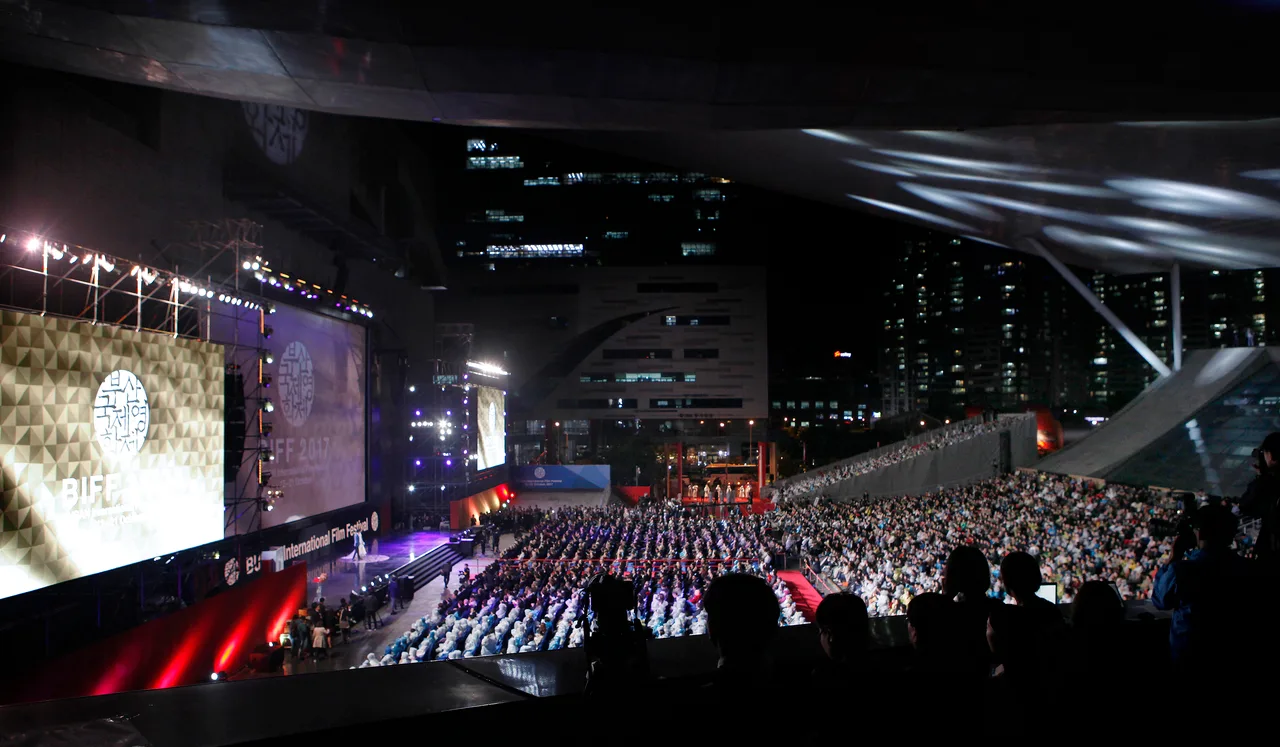
The Busan International Film Festival (BIFF), Asia's largest film festival, is set to take place from October 6 to 15, 2026. (info.biff.kr) This annual event showcases a diverse range of films from around the world, with a special focus on Asian cinema.
What is the Busan International Film Festival?
The Busan International Film Festival, or BIFF, is widely recognized as Asia’s premier film festival, screening over 300 films from more than 70 countries every year since 1996. If you’re even a little interested in cinema, BIFF is the one festival in Korea that industry insiders, critics, and film fans all talk about. It’s not just a marathon of movies—this is where new Asian directors get discovered, major world premieres happen, and the next global trends in cinema often start. I’d say what makes BIFF special is its openness: you’ll find everyone from international directors to first-time local filmmakers sharing the same spaces. The festival’s energy is infectious, and the city of Busan feels transformed for those ten days in October.
What’s also distinctive is the accessibility. BIFF has built its reputation on welcoming both industry delegates and regular moviegoers. You’re as likely to catch an indie short from an emerging Southeast Asian director as you are a red-carpet gala. There are outdoor screenings, Q&A sessions, and workshops, making it easy for visitors to get involved beyond just watching films. Over the years, BIFF has earned 'A Festival' status from FIAPF, confirming its rank among the world’s top-tier film festivals. If you’re planning a trip to Korea and want to experience the country’s famous film scene firsthand, BIFF is the event that sets the standard.
When and where is BIFF 2026?
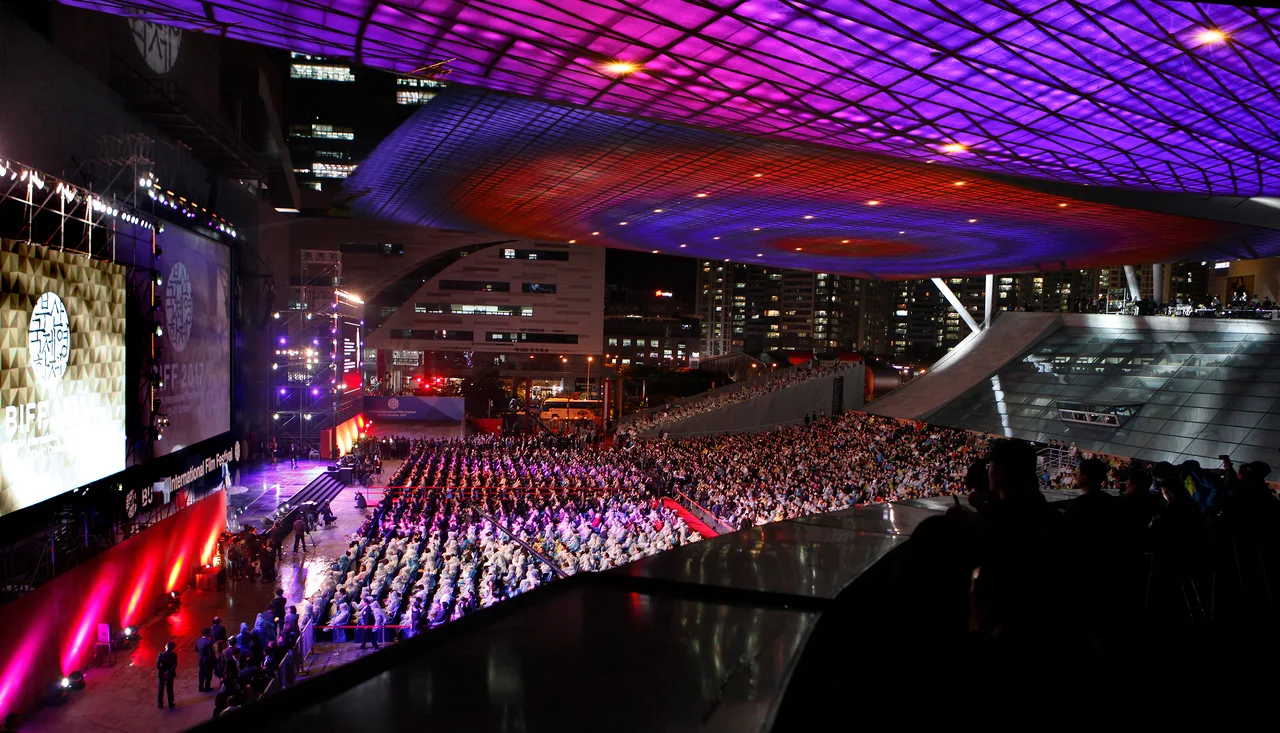
The 31st Busan International Film Festival is set for October 6–15, 2026, centering around the Busan Cinema Center in Haeundae-gu. From my own planning experience, I recommend locking in your accommodation early—rooms in Haeundae, Centum City, and Seomyeon fill up quickly the moment BIFF dates are announced. The Busan Cinema Center is the beating heart of the festival, with its striking architecture and open-air events, but many screenings also happen at CGV Centum City and Lotte Cinema Centum City. Outdoor events on Haeundae Beach are a signature BIFF experience, especially if you want to catch a film with the sea breeze in the background.
Haeundae itself is easy to reach, about an hour from Gimhae International Airport by subway or airport limousine bus. Busan’s subway is straightforward—hop on Line 2 for Centum City or Haeundae, and you’ll walk straight into the festival buzz. I find the area around the Cinema Center especially lively during BIFF, with pop-up food stalls and fans crowding the plaza hoping for a star sighting. While most events are concentrated in and around Haeundae, the whole city feels connected to the festival, with banners and film posters everywhere you look. If you want to make the most of your trip, block out those ten days in October and plan to explore both the festival and Busan’s neighborhoods.
How to purchase tickets for BIFF?
Tickets for BIFF films are always in high demand, and sales usually open in late September—so you’ll want to mark your calendar and keep a close eye on the official BIFF website for updates. From my experience, it pays to be ready the moment ticketing goes live, as the most popular screenings (especially red carpet events or big premieres) can sell out in minutes. Most tickets are sold online through the BIFF website, with a limited number available on-site at the main box offices during the festival. The process can feel a bit frantic if you’re aiming for high-profile films, but for less-hyped titles, you can often snag tickets later or even on the day.
Don’t forget that many festival films are international and often screen with English subtitles. If you’re worried about the language barrier or navigating Korean ticketing systems, check out our guide to buying Korean performance tickets in English—it covers step-by-step instructions and what to expect. BIFF also updates their ticketing policies and schedules each year, so always consult the official site to confirm the latest details. If you’re flexible and open to exploring new directors or genres, there’s nearly always something rewarding available, even last minute.
What are the main venues for BIFF?
The heart of the Busan International Film Festival beats at a handful of distinct venues, each offering a different flavor of the event. The Busan Cinema Center in Haeundae is the festival’s hub: it’s where the red carpet is rolled out, the opening and closing ceremonies happen, and where you’ll find the largest crowds. The Cinema Center’s futuristic architecture makes it an attraction in itself, but what I really notice each year is how it becomes a magnet for film fans from all over Asia. Most of the major premieres, Q&As, and gala presentations happen here, so if you want that “I’m at BIFF” feeling, this is the spot.
For everyday screenings, CGV Centum City and Lotte Cinema Centum City are practical choices. Both are located inside the massive Shinsegae Centum City complex, just a quick walk from the Cinema Center, and are fully equipped for the high volume of festival-goers. They tend to run a packed schedule, and you’ll often see lines of fans waiting for popular films—so plan to arrive early if you want a good seat.
One thing I always look forward to is the outdoor screenings at Haeundae Beach. There’s nothing quite like watching a film with the sea breeze and a crowd of locals on the sand. These open-air events attract both hardcore cinephiles and casual attendees, making them a highlight of the festival atmosphere. If you’re after that classic BIFF photo op, this is where you’ll find it.
How to get to Busan and navigate the city?
Getting to Busan is straightforward, especially if you’re flying in from overseas or another Korean city. Gimhae International Airport serves as the main gateway, with direct flights from across Asia. The airport is about 40 minutes from Haeundae by subway or taxi, and I usually recommend taking the subway if you want to avoid traffic and keep costs down. It’s clean, safe, and all station signage is in English, which makes things easy for non-Korean speakers.
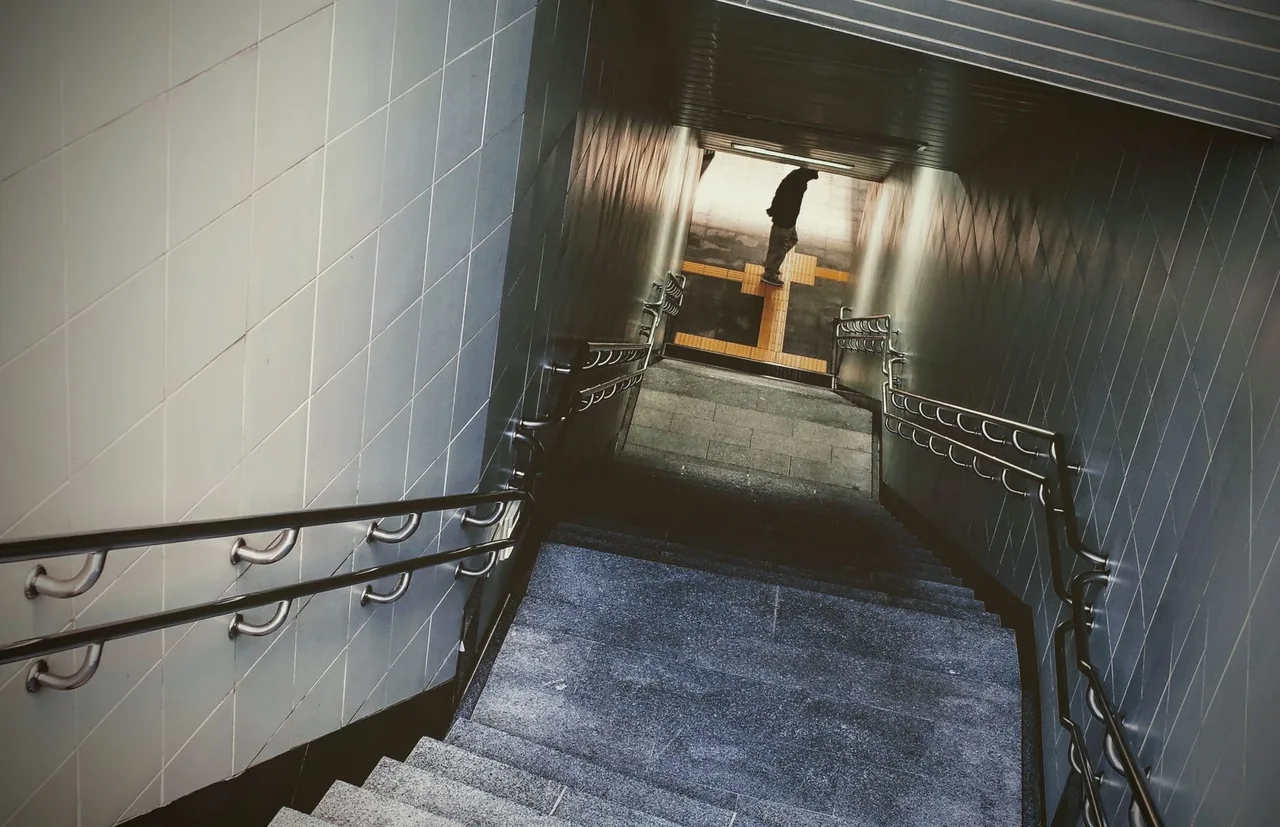
The city’s subway system is genuinely efficient and covers the major festival venues. Line 2 (the Green Line) runs through Centum City and Haeundae, so you can hop between locations like the Busan Cinema Center, CGV Centum City, and Lotte Cinema Centum City without much hassle. For the beach screenings, Haeundae Station is your stop—just be ready for a bit of walking, as the area can get crowded during the festival.
If you’re planning to use public transport a lot, I’d suggest grabbing a T-money or Cashbee card, which works on buses and subways throughout Busan (and even in Seoul). You can find more on how to use these cards in our guide here. Taxis are also plentiful, but they can get stuck in festival traffic, so I only use them late at night when trains stop running. In short, the subway will be your friend during BIFF, and the city is small enough that you’ll rarely spend more than 30 minutes getting between venues.
Where to stay during BIFF?
BIFF season turns Busan into one of Korea’s busiest cities for hotel bookings, so where you stay can make or break your festival experience. The most convenient area is Haeundae, right by the main venues and the beach. Here you’ll find high-end hotels like the Paradise Hotel and Westin Josun, both of which are popular with filmmakers and press. They aren’t cheap, but if you want to roll out of bed and be at a red carpet event in five minutes, it’s hard to beat the location.
If luxury isn’t your priority, there are mid-range hotels and guesthouses scattered around Haeundae and Centum City. In recent years, I’ve noticed more boutique options and family-run hostels popping up, which are great if you want a quieter stay or something a bit more personal. These fill up fast during BIFF, so booking at least two or three months in advance is smart.
For travelers on a tighter budget, Seomyeon is a solid alternative. It’s Busan’s downtown, about 25 minutes by subway to the main festival sites, and packed with affordable motels, guesthouses, and even a few capsule hotels. The area is lively at night, with plenty of food and bars, so it’s a good choice if you want to explore more of the local scene after screenings. Wherever you stay, reserve as early as you can—BIFF week brings visitors from around the world, and last-minute rooms are rare.
What else to do in Busan during BIFF?
When you’re in Busan for BIFF, it’s worth carving out time to explore the city’s unique sights beyond the red carpet. Personally, I’d start with Jagalchi Fish Market—there’s nothing like wandering the rows of fresh seafood and watching the market’s famous ajummas expertly fillet fish for a raw lunch right on the spot. If you’re feeling adventurous, choose your catch and have it prepared upstairs; it’s a wake-up call for the palate and a dose of local life you won’t find at the festival venues.
Gamcheon Culture Village is another stop I always recommend. Perched on a hillside, this neighborhood is instantly recognizable for its pastel-painted houses, winding alleys lined with murals, and surprise sculptures at every turn. It’s a real change of pace from the formal atmosphere of film screenings, and you’ll spot plenty of other festivalgoers snapping photos or grabbing coffee at quirky cafés. Wear comfortable shoes—there’s a lot of walking and plenty of stairs, but that’s half the fun.
If you’re seeking a quieter escape, Beomeosa Temple on the northern edge of the city feels worlds away from the festival crowds. It’s especially peaceful in the early morning, surrounded by forested slopes and the scent of pine. This is where I like to reset after a few days of late-night screenings and city noise.
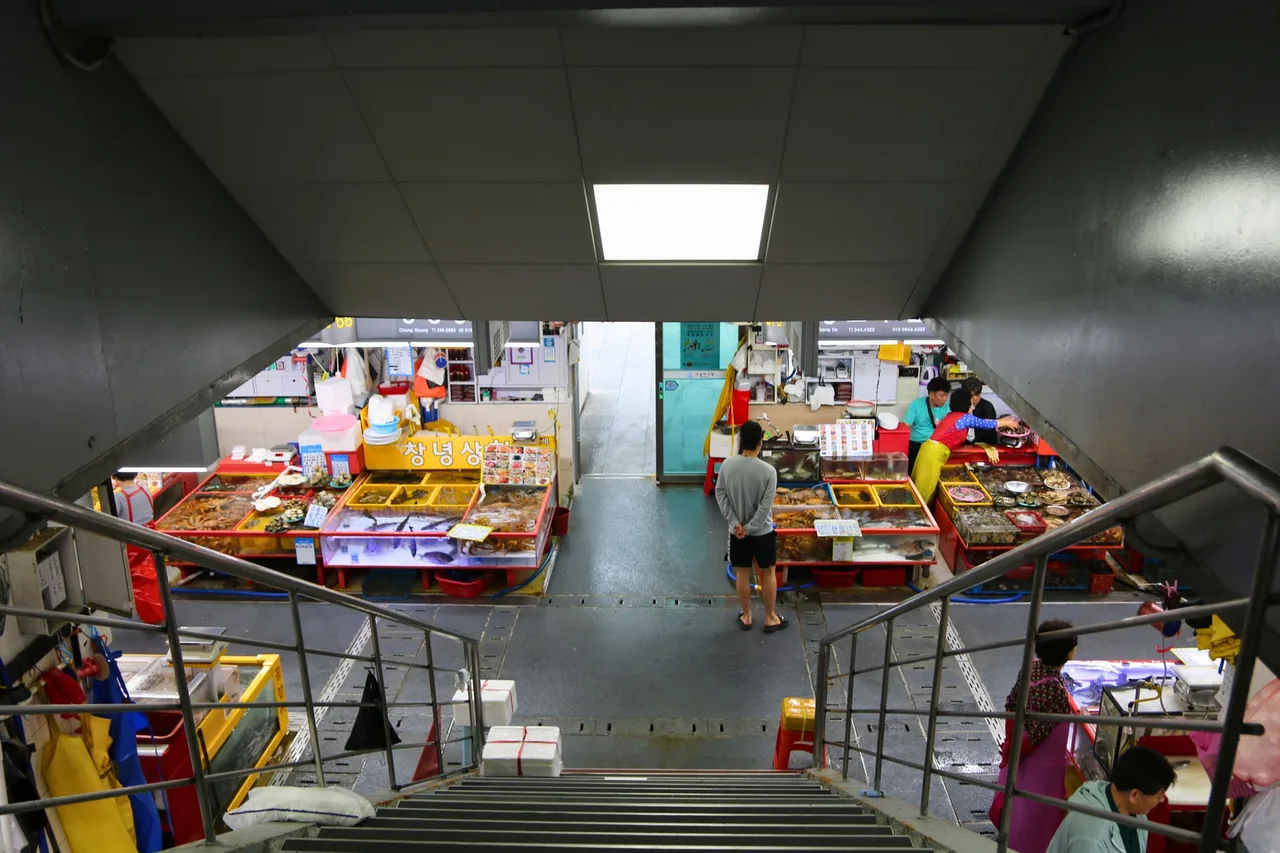
These spots round out a BIFF trip, and honestly, skipping them means missing out on what makes Busan feel alive during festival week.
What is the history and significance of BIFF?
Since 1996, the Busan International Film Festival has transformed from a regional event into Asia’s most prestigious film festival. In 2026, BIFF was officially recognized as an ‘A Festival’ by the International Federation of Film Producers Associations (FIAPF), placing it in the same league as Cannes, Venice, and Berlin. This milestone isn’t just a formal title—it signals BIFF’s influence on the global film calendar and its power to draw both industry insiders and fans from around the world.
Over three decades, BIFF has showcased more than 300 films from over 70 countries each year, with a special focus on emerging Asian directors. The festival’s main hub, the Busan Cinema Center in Haeundae, has become an architectural and cultural landmark, especially during the ten-day October run when the city fills with directors, actors, and film lovers. Outdoor screenings at Haeundae Beach give the festival a uniquely open, approachable vibe, blending cinema with Busan’s coastal energy.
For anyone who cares about K-culture, BIFF’s story is about more than movies. It’s a symbol of Busan’s rise as a global city and Korea’s place in the international arts scene. The festival’s growth tracks the ascent of Korean cinema itself, which now commands attention everywhere from Hollywood to streaming platforms. If you’re visiting during BIFF, you’re catching the city at its most cosmopolitan and creative.
(Sources: busan.go.kr, info.biff.kr)
Attending the Busan International Film Festival offers a unique opportunity to experience the best of Asian cinema in a lively city setting. Plan ahead to make the most of your visit.
Location
Busan Cinema Center, Busan
View on Google MapsFrequently asked questions
When is the 2026 Busan International Film Festival?
The 31st BIFF is scheduled for October 6–15, 2026.
Where is the main venue for BIFF?
The primary venue is the Busan Cinema Center in Haeundae-gu, Busan.
How can I purchase tickets for BIFF?
Tickets typically go on sale in late September; check the official BIFF website for the latest information.
What are some recommended accommodations during BIFF?
Options range from luxury hotels in Haeundae to budget-friendly guesthouses in Seomyeon; early booking is advised.
What other attractions can I visit in Busan during BIFF?
Consider exploring Jagalchi Fish Market, Gamcheon Culture Village, and Beomeosa Temple to enhance your experience.
Sources
This guide was researched using the references below. Prices and times change, so confirm anything time-sensitive on the official page before you rely on it.
Related guides
- Korean movies to watch in 2026Explore the standout Korean films of 2026, from historical dramas to innovative thrillers, and discover the industry's evolving trends.
- Korean dramas in 2026: top picks and trendsExplore the standout Korean dramas of 2026, from high-rated series to emerging trends and must-watch titles.
- K-pop groups: a guide for international fansAn in-depth look at the most influential K-pop groups in 2026, their achievements, and the evolving landscape of the genre.
- KPop Demon Hunters: what the record-breaking film got rightThe 2025 Netflix film became the platform's most-watched title and won Best Animated Feature. What it borrowed from real K-pop, and what to watch next.
- Where to buy K-pop albums, photocards, and merch in SeoulA comprehensive guide to the best places in Seoul to purchase K-pop albums, photocards, and merchandise, including major record stores, entertainment compa
- K-drama cafes and spots in Seoul you can actually visitExplore real-life Seoul locations from your favorite K-dramas, including iconic cafes and filming sites, with practical tips for your visit.