Navigating Korea's transportation with travel cards
A guide to Korea's travel cards — T-money, the Climate Card, WOWPASS, NAMANE, and the Discover Seoul Pass — with 2026 prices, where to buy them, and how to top up, so you can get around without cash.
By Jae Park · Updated Jul 15, 2026
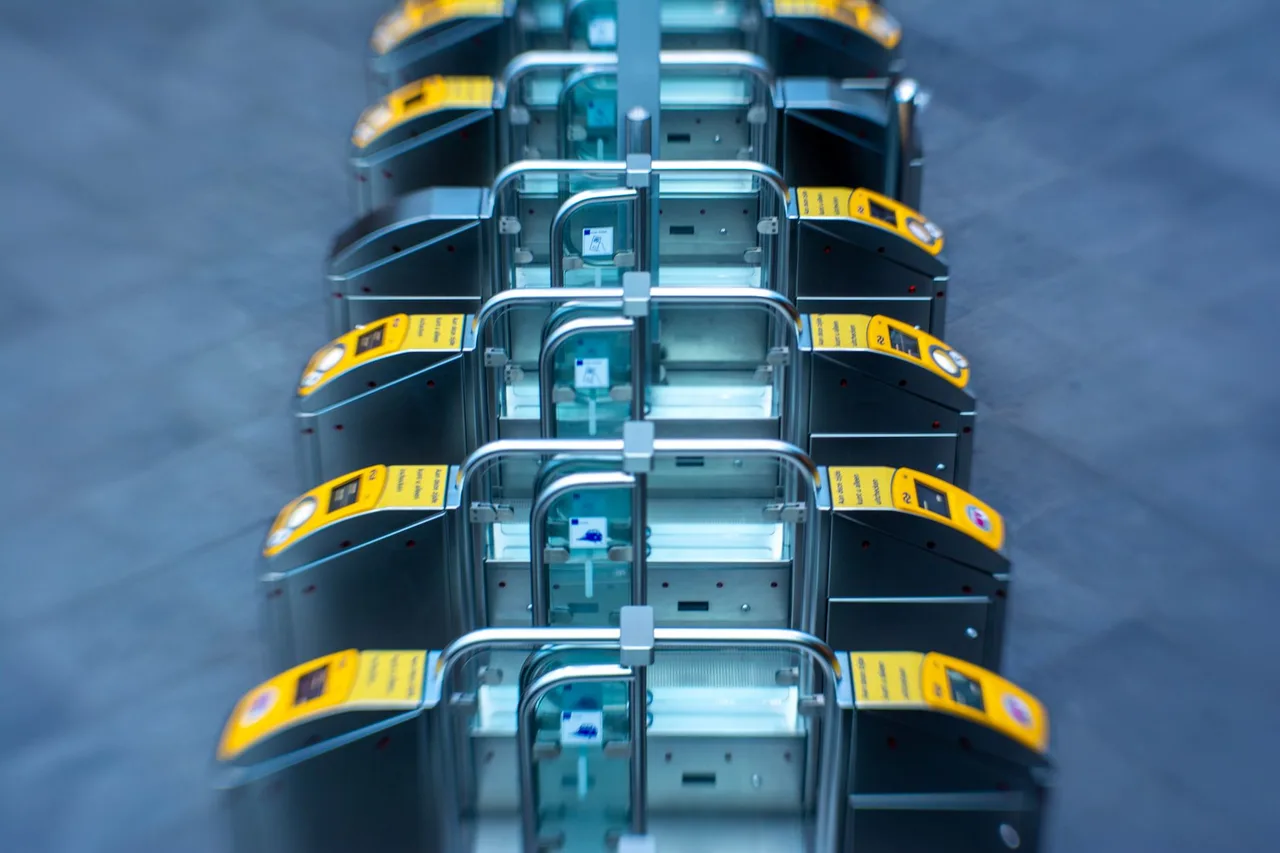
The first thing I sort out when I land in Korea, before I even think about food, is how I'm going to pay for the subway. The whole country runs on tap-and-go transit cards, and once you have one loaded, everything opens up: subways, city buses, most taxis, and a bottle of water at the convenience store on the way out. Cash technically works, but almost nobody uses it, and fumbling for coins at a fare gate while a line of commuters stacks up behind you is a rite of passage I'd rather help you skip. Below is how each of the main cards actually works, what it costs in 2026, and which one I'd put in your hand depending on the kind of trip you're taking. Prices do shift, so treat these numbers as a guide and confirm the current ones on the official sites before you buy.
What is a T-money card?
The T-money card is the rechargeable smart card Korea has run on since 2004, and it's the one I recommend to almost everyone. You can buy it at any convenience store — 7-Eleven, GS25, CU, emart24 — or at the ticket machines inside subway stations, and you don't need any ID or registration to get one. A plain card runs about ₩3,000 to ₩4,000; the character editions with Kakao Friends or Line Friends printed on them cost more, sometimes ₩7,000 and up, and make decent souvenirs. You load it with cash at the same counters and machines, in whatever amount you like. If you would rather have one waiting when you land, you can pre-book a T-money card on Klook for airport pickup.
This guide contains affiliate links. If you book through them we may earn a small commission, at no extra cost to you.
Once it's topped up, T-money works nationwide: subways, city buses, most taxis, and small purchases at convenience stores. In Seoul a single subway trip is ₩1,550 with the card in 2026, roughly ₩100 cheaper than a single-journey ticket, and a standard city bus is ₩1,500. The real value is the transfer system: tap on and tap off, and you can switch between bus and subway up to five times within 30 minutes — an hour late at night — without paying a second base fare. The balance stays valid for five years from your last tap, and the card works in other cities too — Busan, Daegu, Incheon — so one card covers a multi-stop trip. You can check the balance at any station machine or on the little screen when you tap through a gate.

When you leave, you can refund a remaining balance of ₩20,000 or less at a GS25, CU, 7-Eleven, or Ministop: they take a ₩500 fee and hand you the rest in cash, and you keep the card itself. Honestly, I usually just spend the last few thousand won on snacks at the airport instead of bothering with the refund.
How does the Climate Card work?
The Climate Card (기후동행카드) started as a monthly unlimited pass for Seoul residents, but there's now a short-term version built for visitors. You buy the physical card once for ₩3,000, then load a pass onto it: ₩5,000 for one day, ₩8,000 for two, ₩10,000 for three, ₩15,000 for five, and ₩20,000 for seven. Each pass gives you unlimited rides and activates on your first tap, so buy it the morning you'll actually start using it.
The pass covers Seoul's subway lines and Seoul-licensed city buses, which is most of what a visitor rides day to day. The short-term tourist version does not include the Ttareungi public bikes or the Hangang River buses, and it won't work on airport limousine or certain express buses. It also can't tap you in at Incheon Airport, so keep a T-money card or a single-journey ticket for that first leg. Since March 2026 you can buy and reload the pass with an overseas Visa or Mastercard at the subway ticket machines on Lines 1 through 8, which finally removes the cash hurdle.
On the subway you tap in and out as normal; on buses you tap both when you board and again when you get off so the ride registers. The math is simple. Five separate subway rides run about ₩7,750, so a ₩5,000 day pass pays off once you're taking four or more rides in a day. If you're only doing two or three, plain T-money still comes out cheaper.
What is the WOWPASS card?
WOWPASS is the card I point international travelers to when they want one piece of plastic that does everything. It bundles three things: an automated currency exchange, a prepaid debit card accepted at Korean shops, and a built-in T-money transit chip. At any of the 320-plus kiosks — including several in Incheon Airport arrivals, Gimpo, and major subway stations — you feed in foreign cash and it loads the equivalent Korean won at a rate that often beats the banks. The card costs ₩5,000 and takes 16 currencies.
The one thing that trips people up is that WOWPASS keeps two separate wallets. The shopping balance holds the won you exchanged; the transit balance is a standard T-money chip that starts at zero and has to be topped up on its own. You can load the transit side with cash at a convenience store or kiosk, or, on an iPhone, move money from the shopping wallet to the transit wallet over NFC in the WOWPASS app. If you're grabbing one on arrival, you can pick it up before you even leave the terminal — my Incheon Airport to Seoul guide covers how that first ride into the city works.
How does the NAMANE card compare?
NAMANE does most of what WOWPASS does, with two differences I like. First, you can top up the T-money transit balance directly in its app using Apple Pay, Google Pay, or a foreign credit card for a small fee — no kiosk hunt, no cash, done from wherever you're standing. Second, you can print a custom face on the card at a kiosk, whether that's a photo from your trip or a K-pop design, which makes it a favorite souvenir.
The card itself costs ₩7,000. I'd choose NAMANE over WOWPASS if topping up from your phone matters more to you than exchanging cash, and if a personalized card appeals. One catch worth naming: the app top-up needs mobile data, so make sure you've sorted connectivity first — my SIM vs eSIM guide walks through the options.
What is the Discover Seoul Pass?
The Discover Seoul Pass is a different animal — it's really a sightseeing pass that happens to include T-money. It gets you free entry to more than 70 Seoul attractions and discounts at another 150-plus, and the physical card doubles as a transit card. There are a few formats: the Pick 3 Basic (any three attractions) starts around ₩49,000, the Pick 3 Theme Park version is about ₩70,000, and the time-based passes run roughly ₩35,900 for 24 hours, ₩49,500 for 48 hours, ₩90,000 for 72 hours, and ₩130,000 for 120 hours. Prices vary by seller, so compare before you book.
One detail that matters: only the physical card carries the T-money transit function — the mobile app version does not. You collect the physical card at the Myeongdong Tourist Information Center or, if you buy through resellers like Klook or Trazy, straight at Incheon Airport. The pass activates when you tap into your first free attraction, not when you buy it, so you can pick it up early and start later.
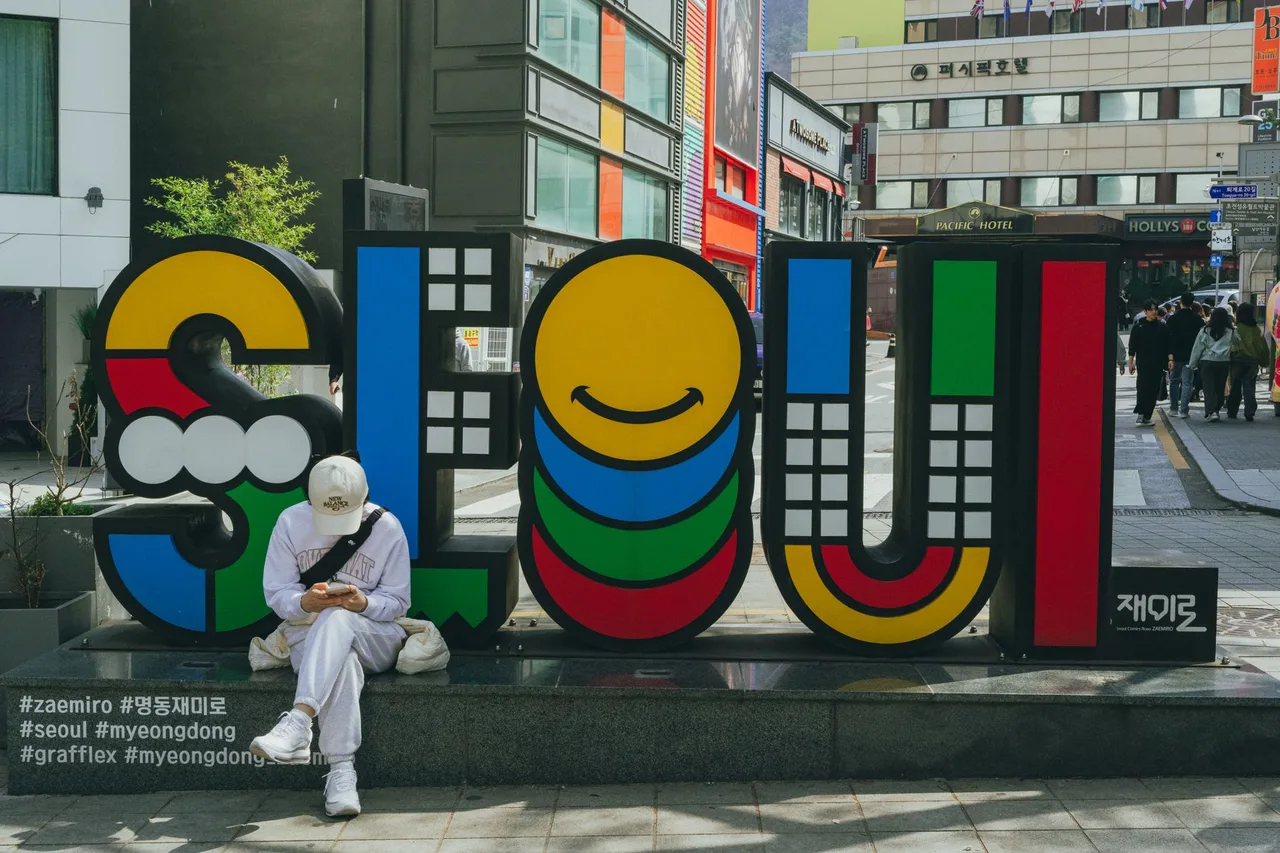
This one only pays off if you're packing several ticketed attractions into two or three days. Some editions also throw in a free eSIM, which can tip the value if you were going to buy data anyway.
How do I choose the right card for my trip?
Here's how I'd hand these out. If you're visiting more than one city, or you just want the simplest thing that always works, get a T-money card — it's the default for a reason. If your trip is Seoul-heavy and you're the type to hop on and off transit all day, the Climate Card's unlimited rides will save you money. If you'd rather carry one card that exchanges your cash and works at shops and restaurants, WOWPASS is the pick; if you want that same convenience but with phone top-ups and a custom design, go NAMANE. And if your days are stacked with palaces, towers, and theme parks, the Discover Seoul Pass can pay for itself in entry fees alone.
As a quick example, on a four-day Seoul trip built around neighborhood-hopping, I'd load a T-money card for the airport run and pick up a 3-day Climate Card for the packed middle days. The two together usually beat leaning on either one alone, and I'm never stuck at a gate for the sake of saving a few hundred won.
Transit is only one line on the budget, of course. If you're still mapping out the whole trip, my how much a Korea trip costs guide breaks down where the money actually goes, from getting around to food to where you sleep.
Where do I buy and top up these cards?
T-money cards are the easiest to find: any convenience store or subway station machine, anywhere in the country. Climate Cards are sold and reloaded at Seoul subway station machines and information centers. WOWPASS and NAMANE come from their own kiosks at the airports and major subway hubs, and both can be topped up through their apps. The Discover Seoul Pass is bought online, then collected in person at Myeongdong or the airport. Since March 2026 many subway ticket machines take overseas credit cards, so you can reload without hunting down Korean cash — a genuinely welcome change if you've done this the old way. From Incheon, the AREX airport train readers take T-money too, so a topped-up card gets you all the way into the city.
A few things I've learned the hard way
- Keep a buffer on the card. Getting stopped at a fare gate with an empty balance in rush hour is not the moment you want to be topping up.
- On buses, tap when you board and again when you get off. Skip the second tap and you can lose the free transfer and get charged extra.
- Refund or spend the balance before you fly out. The ₩500 refund fee is small, but leaving ₩8,000 stranded on a card stings more.
- The app-based cards need data to top up. Sort your connectivity before you rely on them.
- Treat the card like cash. Lose it and you lose whatever balance and passes were on it — there's no PIN and no recovery.
Sort the card out in your first hour on the ground, and you'll spend the rest of the trip tapping straight through the gates without thinking about it.
Location
Seoul, South Korea
View on Google MapsFrequently asked questions
Where can I buy a T-money card, and how much is it?
T-money cards are sold at convenience stores like 7-Eleven, GS25, CU, and emart24, and at subway station machines across Korea. A plain card is about ₩3,000 to ₩4,000, and character editions cost more. Confirm current prices at the point of sale.
Can I use the Climate Card to get to or from the airport?
No. The Climate Card covers Seoul subway lines and city buses, but not airport limousine or certain express buses, and it can't tap you in at Incheon Airport. Keep a T-money card or a single-journey ticket for the airport leg.
How do I top up my WOWPASS card for transit?
WOWPASS keeps a separate transit wallet that starts at zero. Load it with cash at a convenience store or station kiosk, or, on an iPhone, move money from the shopping wallet to the transit wallet over NFC in the WOWPASS app.
Does the Discover Seoul Pass work as a transit card?
Only the physical card includes the T-money transit function. The mobile app version does not, so pick the physical card if you want to ride the subway and buses on it.
Can I use a foreign credit card to top up these cards?
Since March 2026, many Seoul subway ticket machines on Lines 1 to 8 accept overseas Visa and Mastercard for buying and reloading Climate Cards and T-money, so you can top up without Korean cash. Availability can still vary by station.
Sources
This guide was researched using the references below. Prices and times change, so confirm anything time-sensitive on the official page before you rely on it.
Related guides
- Things to do in Seoul this weekendExplore Seoul this weekend with the Hangang River Festival, Official HIGE DANdism concert, and more. Enjoy cultural events, concerts, and outdoor activitie
- Top things to do in Seoul, KoreaExplore Seoul's rich history, lively neighborhoods, and unique experiences with our curated guide to the city's top attractions and activities.
- 10-day South Korea itinerary for first-time visitorsA comprehensive 10-day itinerary covering Seoul, Gyeongju, Busan, and Jeju Island, blending cultural landmarks, natural beauty, and culinary experiences.
- Top places to visit in SeoulExplore Seoul's blend of ancient palaces, lively markets, and modern attractions with this guide to the city's must-visit spots.
- Seoul travel passes: a comprehensive guide for visitorsExplore Seoul efficiently with travel passes like the Discover Seoul Pass and Climate Card, offering free entry to attractions and unlimited transit rides.
- Seoul travel guide for foreignersA comprehensive guide for foreigners visiting Seoul, covering transportation, budgeting, accommodations, dining, attractions, and cultural etiquette.