K-drama cafes and spots in Seoul you can actually visit
Explore real-life Seoul locations from your favorite K-dramas, including iconic cafes and filming sites, with practical tips for your visit.
By Jae Park · Updated Jul 22, 2026
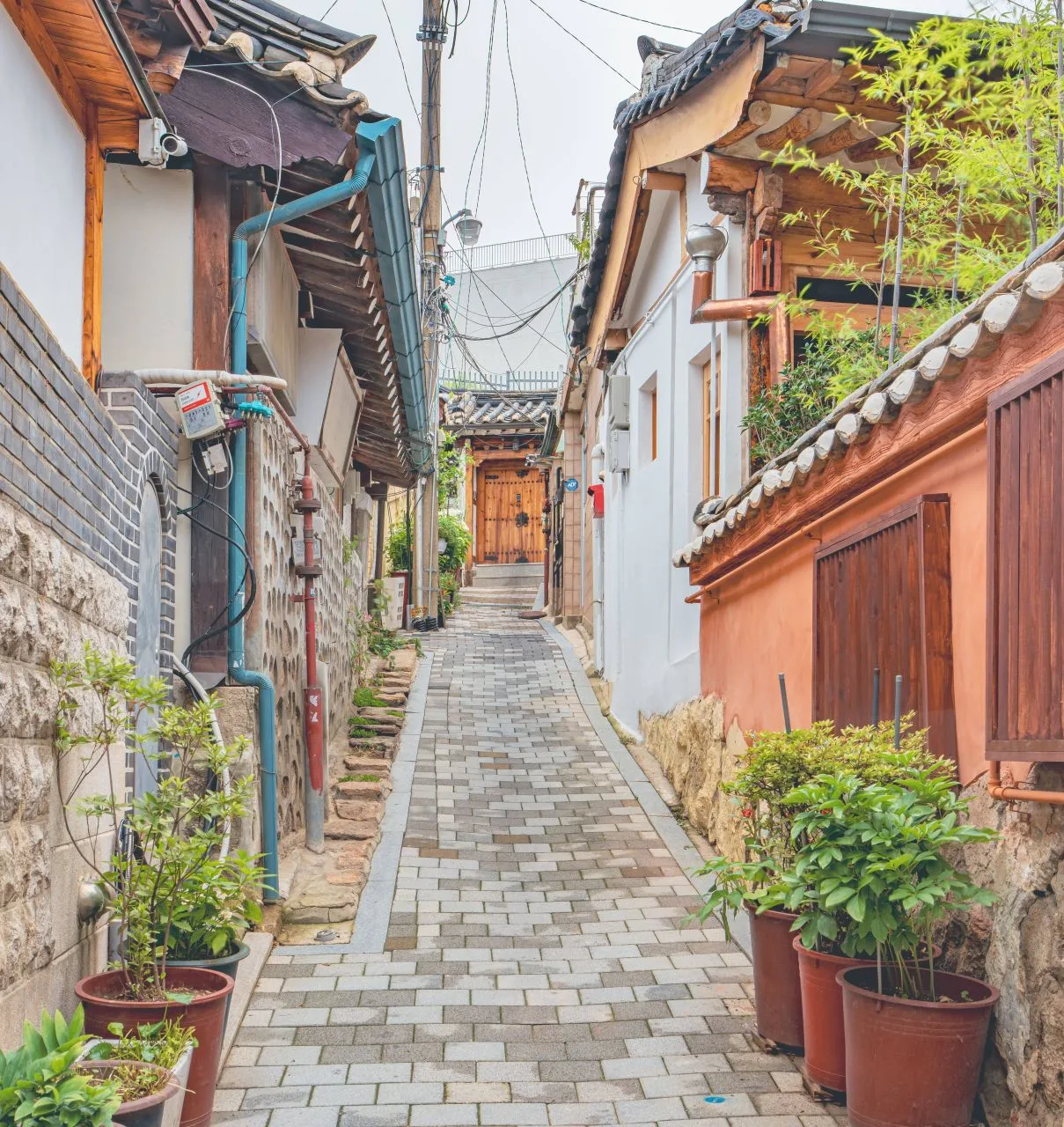
Seoul is a wealth for K-drama enthusiasts, with numerous real-life locations featured in popular series. From charming cafes to historic streets, you can step into the scenes of your favorite dramas and experience them firsthand.
Bukchon Hanok Village: A walk through traditional Korea
Bukchon Hanok Village sits right between Gyeongbokgung and Changdeokgung Palaces, and it’s one of those rare places in Seoul where you can wander through hundreds of traditional hanok houses just like the characters in your favorite dramas. I still remember my first time there, standing on a quiet stone lane before 9 AM, feeling like I’d walked into a scene from ‘Goblin’ or ‘Personal Taste’. The village has over 900 hanok, which makes it a magnet not only for tourists but also for drama crews—think ‘The Heirs’, ‘Boys Over Flowers’, and even the historical ‘Jewel in the Palace’. Most people don’t realize that the area is still a residential neighborhood, so you’ll catch glimpses of daily life as you follow the winding paths.
If you want to snap those iconic photos without a crowd in the background, go early on a weekday. The easiest way in is via Gyeongbokgung Station (Line 3, Exit 2), then it’s just a ten-minute walk. For anyone already planning to visit the palaces, you can hit Bukchon as a detour between Gyeongbokgung and Changdeokgung—there’s a reason dramas keep returning to this spot. And if you’re curious about the palaces themselves, our palace guide breaks down what makes each one unique. Just don’t be surprised if you recognize a hanok from a K-drama scene before you see it in person.
Ikseon-dong Hanok Cafes: Modern charm in historic settings
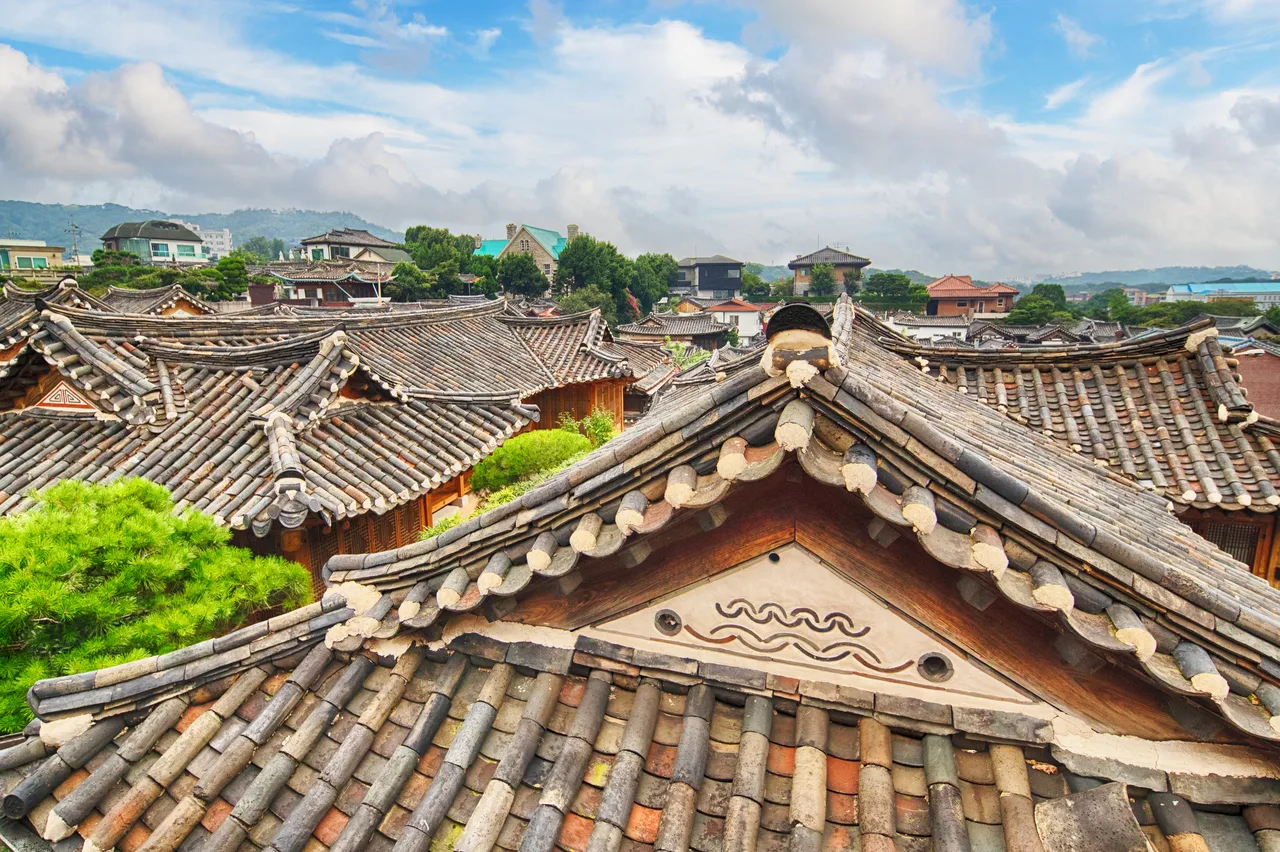
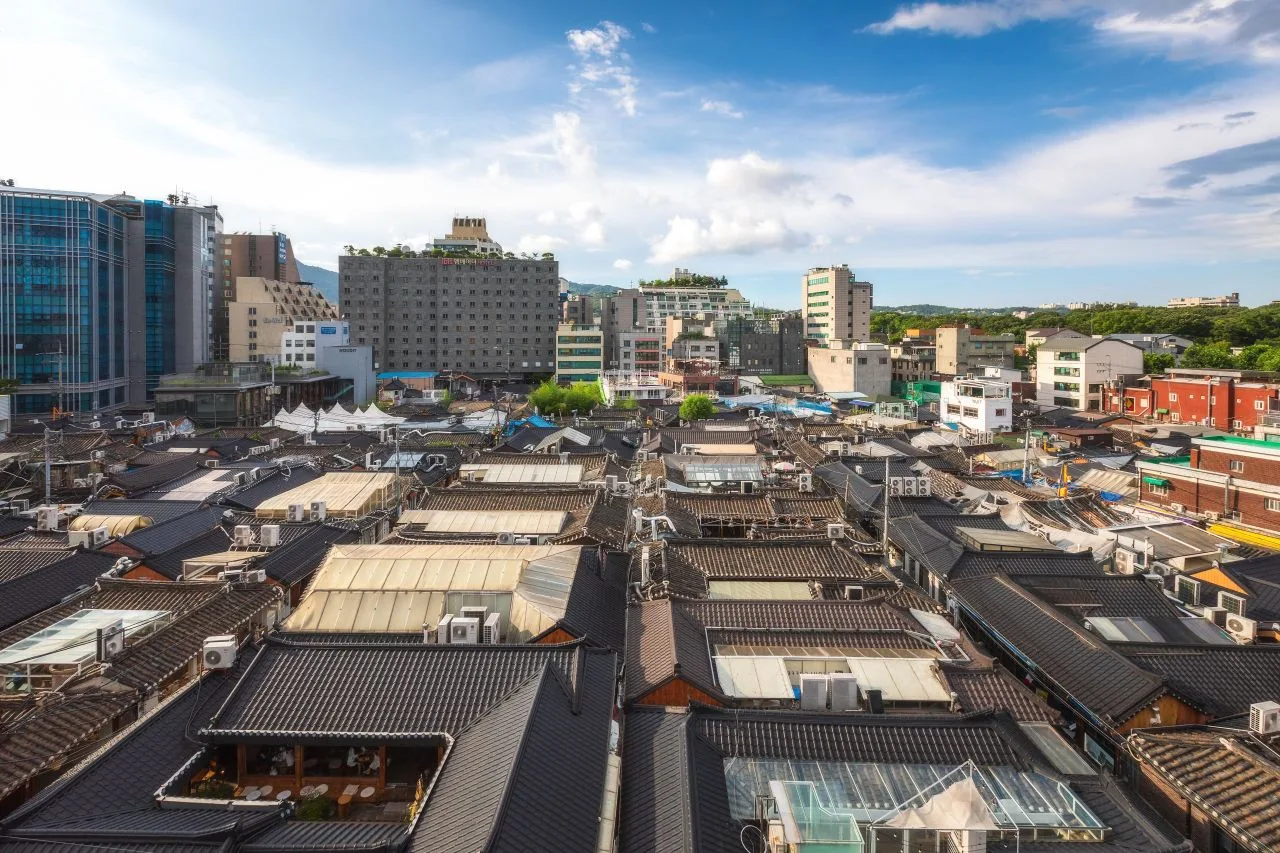
Ikseon-dong is where I take friends who want a taste of old Seoul layered with a modern twist. The neighborhood is a maze of skinny alleys lined with hanok cafes, each offering its own take on tradition. You’ll spot the same tiled roofs and wooden beams seen in ‘Mr. Sunshine’, but here they’re paired with neon signs, artful desserts, and indie playlists. It’s a place where you can sip matcha lattes in a 100-year-old house with floor seating, or duck into a cafe with cloud-like soufflé cakes that almost look too pretty to eat.
One spot that stands out is Cheongsudang, famous for its lantern-lit entrance and soufflé cakes, which run about ₩18,000—a little splurge, but worth it for the atmosphere. The whole area feels both historic and alive, especially in the evenings when the alleys glow with lanterns and low lights. If you’re a fan of Korean tea, these cafes make a perfect intro before diving deeper into Korean tea culture. I always recommend getting lost here for a while—Ikseon-dong rewards wandering, and you’re almost guaranteed to stumble on a corner or courtyard straight out of a drama set.
Deoksugung Stone Wall Road: Romantic strolls from 'Goblin'
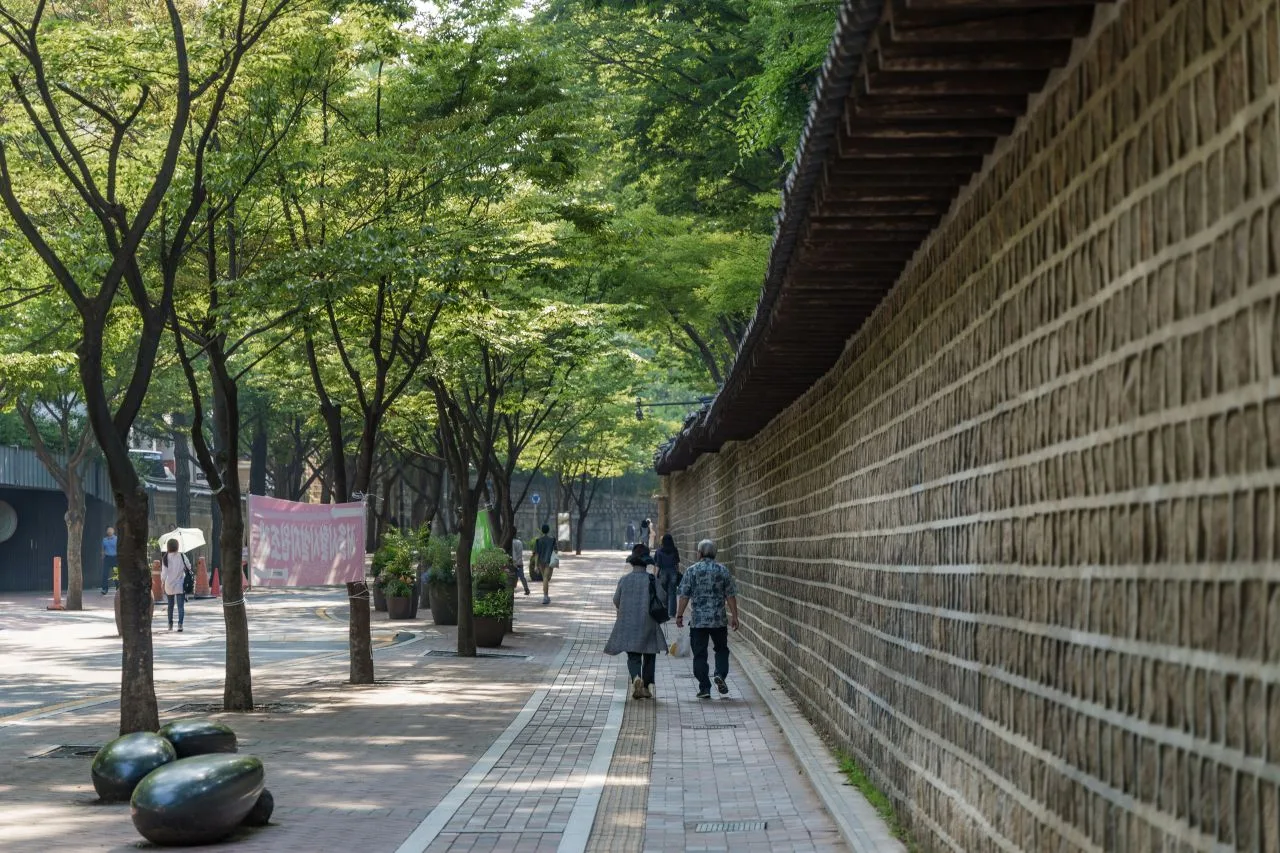
The stone wall road at Deoksugung Palace is legendary among K-drama fans—thanks to ‘Goblin’, it’s become Seoul’s unofficial backdrop for romantic walks. I’ve walked it in every season, but autumn is something special: the gingko trees turn gold, the air cools, and couples drift along the curved path, sometimes stopping right where Kim Shin and Eun-tak filmed their famous scene. The road traces the palace’s edge, with high stone walls on one side and old-growth trees on the other, making it feel both peaceful and cinematic.
Getting there is simple—just take City Hall Station (Line 1 or 2, Exit 2) and you’ll find the start of the wall road in minutes. The whole stretch is great for photos, but I like to begin at the palace gate and walk the length, ending up at one of the nearby cafes for a warm drink. If you’re interested in the palace itself, don’t skip our palace deep-dive; Deoksugung is the only palace in Seoul with a mix of traditional and Western-style buildings. Even if you visit just for the walk, it’s easy to see why this spot keeps showing up in dramas—there’s a quiet magic to it that doesn’t fade.
Itaewon Streets: The lively backdrop of 'Itaewon Class'
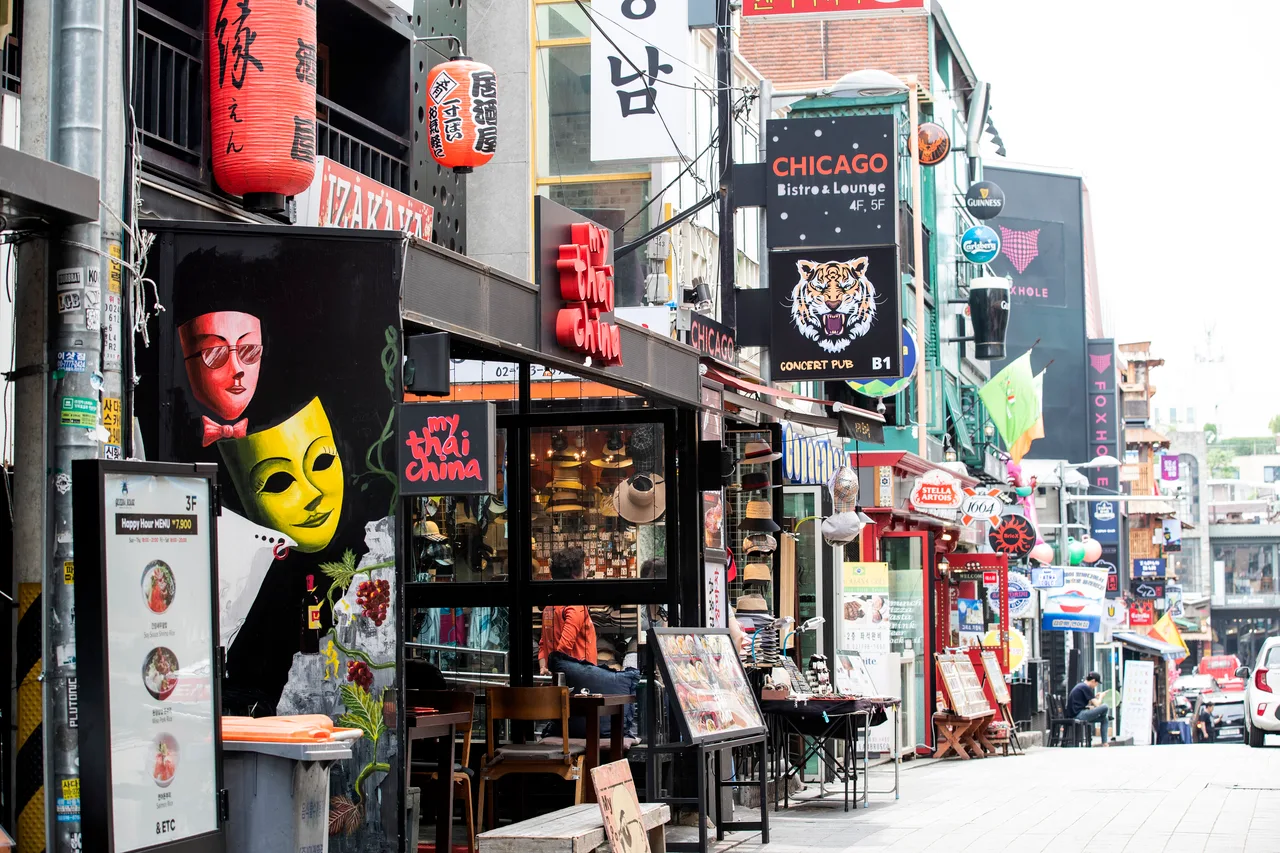
Itaewon's main streets are instantly recognizable to anyone who watched 'Itaewon Class'. The drama put this multicultural neighborhood on the global K-drama fan map, and when you walk out of Itaewon Station (Line 6, Exit 3), you’ll quickly see why. Itaewon is famous for its blend of international restaurants, bars, and shops, and it's one of the few places in Seoul where you can find Turkish kebabs, American brunch, and Korean barbecue all on one block. The energy here is tangible, especially after dark, echoing the nightlife and diverse crowds shown in 'Itaewon Class'.
Fans often trace the route along the main street and up Gyeongnidan-gil, where many of the show’s memorable scenes were filmed. I’ve wandered these alleys myself, and it’s true: you’ll spot expats, local students, and travelers mingling in the same cafes and pubs. The area’s open attitude and late-night hours make it perfect for a casual evening out or a K-drama-inspired bar crawl. Just keep in mind that weekends can get extremely busy, and some venues fill up quickly after 7pm.
If you’re curious about Korea’s drinking scene beyond what you see in dramas, Itaewon is a great introduction. It’s also a good launching point for exploring Seoul’s unique bar culture—something I’d recommend reading about in our drinking culture guide. It’s easy to see why 'Itaewon Class' chose these streets: there’s nowhere else in Seoul quite like it.
Café Onion in Seongsu-dong: Industrial chic from 'Our Unwritten Seoul'
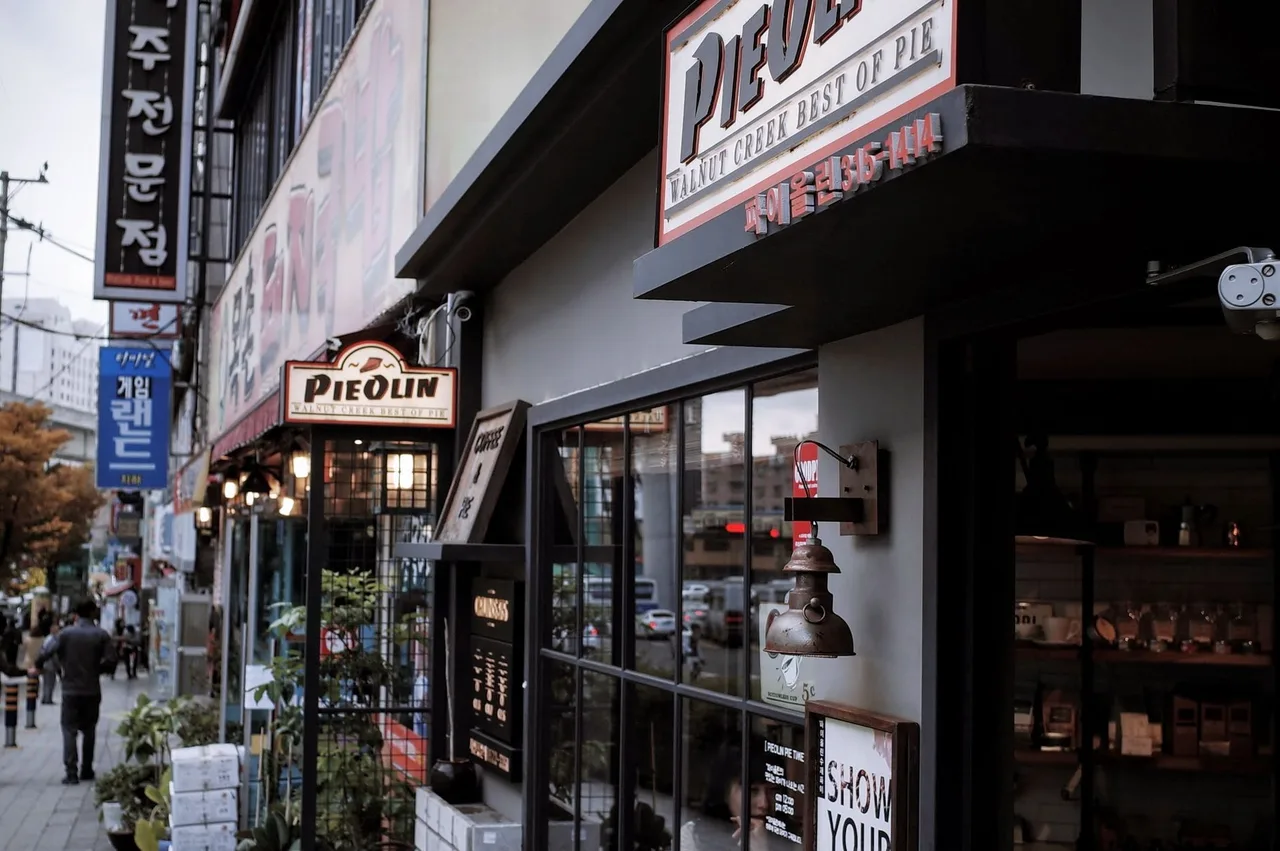
Café Onion in Seongsu-dong has become something of a pilgrimage spot for K-drama fans and Seoul’s cafe-hopping crowd alike. Housed in a converted factory, this spot nails the industrial-chic look—raw concrete, exposed pipes, and huge windows—and it often shows up on screen, like in 'Our Unwritten Seoul'. The first time I walked in, it felt like stepping onto a set: hip locals tapping away on laptops, trays stacked with the bakery’s famous pastries, and sunlight pouring in over communal tables.
Weekends here are busy, so expect to wait 15–20 minutes just to grab a seat. An Americano will set you back about ₩6,000, and their signature bread and pastries are the sort of thing you’ll see all over Instagram. What sets Café Onion apart is how it reflects Seongsu-dong’s transformation from industrial zone to hipster haven—a story that feels every bit as dramatic as a K-drama plot twist.
Many visitors are surprised by how much the space feels like the dramas: it’s not “just” a filming location, but a living, breathing part of Seoul’s current cafe culture. If you’re a fan of Korean tea as well as coffee, you might enjoy reading our guide to Korean tea culture before your visit. This is a place where you can sip, snap a few photos, and imagine yourself as an extra in your favorite scene.
Namsan Seoul Tower: Iconic scenes from 'My Love from the Star'
Namsan Seoul Tower is one of those places that feels familiar even on your first visit, especially if you’ve watched 'My Love from the Star'. This landmark rises above central Seoul, offering panoramic views that have been featured in countless dramas. I remember my first trip up via the Namsan Cable Car—the city spread out below, and suddenly I was standing where Cheon Song-yi and Do Min-joon shared so many memorable moments.
Getting there is part of the fun. You can hike through Namsan Park if you’re up for it, or take the cable car for an easier ride. Once at the top, you’ll find not only the viewing platform but also the famous “Locks of Love” fence, covered in padlocks left by couples—another K-drama favorite. The observation deck is open late, making it one of the best places to catch the sunset over Seoul.
The tower is more than just a photo op; it’s woven into the city’s modern pop culture. Visiting after dark, you’ll see the tower illuminated, just like in those dramatic nighttime scenes. For a full evening, I’ve paired a trip here with a stop in Itaewon for dinner and drinks—both iconic, but very different sides of Seoul. If you want to understand how drinking and nightlife play into K-drama storylines (and real life), our drinking culture guide gives you the local context.
Cheonggyecheon Stream: Serene scenes from 'City Hunter'
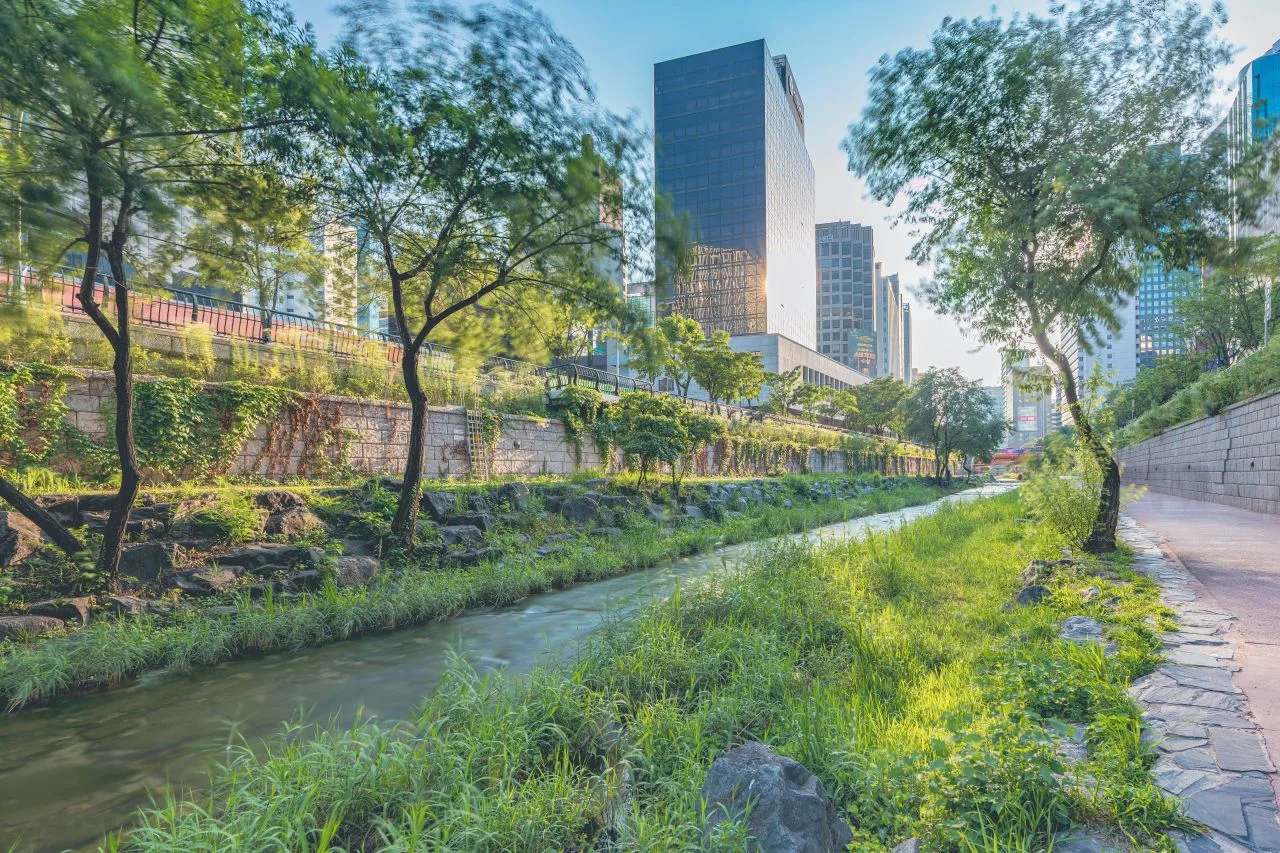
Cheonggyecheon Stream is one of those rare places in central Seoul where you can actually find a bit of quiet—right beneath the city’s roar. If you watched 'City Hunter', you’ll probably recognize this 11-kilometer-long waterway, as several pivotal scenes were shot along its banks. The stream was restored in 2005, and what used to be a covered, forgotten canal is now a favorite spot for both locals and drama fans looking for a break from the concrete and crowds.
I’ve walked the popular stretch between the 1st and 5th bridges, just as recommended, and it’s easy to see why crews keep coming back here. The path dips below street level, so even in the middle of the city, you’re surrounded by water and greenery rather than cars and buses. You’ll spot couples, families, and sometimes groups reenacting scenes from their favorite shows. In 'City Hunter', the calm, flowing water often set the mood for tense conversations or quiet reflection, and it really does feel cinematic in person.
It’s easy to get here—just take Seoul Metro Line 2 to Euljiro 1-ga Station and use Exit 3. Within a few steps, you’re at the stream, and from there you can wander as long as your feet allow. At night, the city lights reflect on the water and the mood shifts again. If you’re curious about how locals unwind, you might also want to read our Korean drinking culture guide since the stream is a classic spot for a late-night stroll after a meal or a drink.
Exploring these locations offers a unique way to connect with your favorite K-dramas and experience Seoul's rich culture firsthand. Remember to respect local customs and residents during your visits.
Location
Bukchon Hanok Village, Seoul
View on Google MapsFrequently asked questions
Are these K-drama filming locations free to visit?
Most of the locations mentioned are public spaces and free to visit, though some cafes may require a purchase.
How can I find the exact filming spots?
Using apps like Gosetify can help you locate specific filming spots and plan your visit accordingly.
Is it appropriate to take photos at these locations?
Yes, but be mindful of local residents and any posted signs regarding photography restrictions.
What is the best time to visit these spots?
Weekday mornings are generally less crowded, providing a more enjoyable experience.
Are these locations accessible by public transportation?
Yes, all mentioned locations are accessible via Seoul's extensive subway and bus systems.
Sources
This guide was researched using the references below. Prices and times change, so confirm anything time-sensitive on the official page before you rely on it.
Related guides
- Busan International Film Festival: A Visitor's GuideYour comprehensive guide to attending the Busan International Film Festival, including dates, venues, ticketing, and travel tips.
- Korean movies to watch in 2026Explore the standout Korean films of 2026, from historical dramas to innovative thrillers, and discover the industry's evolving trends.
- Korean dramas in 2026: top picks and trendsExplore the standout Korean dramas of 2026, from high-rated series to emerging trends and must-watch titles.
- K-pop groups: a guide for international fansAn in-depth look at the most influential K-pop groups in 2026, their achievements, and the evolving landscape of the genre.
- KPop Demon Hunters: what the record-breaking film got rightThe 2025 Netflix film became the platform's most-watched title and won Best Animated Feature. What it borrowed from real K-pop, and what to watch next.
- Where to buy K-pop albums, photocards, and merch in SeoulA comprehensive guide to the best places in Seoul to purchase K-pop albums, photocards, and merchandise, including major record stores, entertainment compa