How to Buy Tickets for Korean Performances Online (in English)
Book Korean concert, musical and gugak tickets online in English. Real platforms, prices, subway stops and the account tricks that beat the sell-out.
By Jae Park · Updated Jul 14, 2026

The first time I really wanted to be in a Korean audience, it was because of a three-minute fancam. An IU high note, the crowd's answering roar, a field of light sticks moving as one thing — and me on a couch in another time zone, tapping a heart on a screen. That gap between watching Korea and being there closes at exactly one place: the ticketing page. And Korean ticketing pages, I learned the hard way, do not care that you flew fourteen hours to get there.
This is the part of the trip nobody films. There is no glossy montage for refreshing a checkout screen at 7:59:50 with your hands sweating. But it is the difference between standing in the pit at a Seoul show and scrolling resale listings you cannot afford. Here is how the system actually works in English in 2026, which sites to trust, and the small mistakes that quietly cost people their seats.
The sites that actually work in English
Korea's ticketing world used to funnel foreigners through one door: Interpark Global. As of December 1, 2025, that door has a new sign. Interpark rebranded its international platform as NOL World (world.nol.com), and it is still the most reliable English option. It runs in English, Japanese and Chinese, takes foreign VISA, Mastercard, AMEX and JCB cards, and lists most of what a visitor wants — K-pop concerts, big musicals, exhibitions, even baseball games — under one login.
NOL World is not the only game, though, and which site you use depends entirely on the artist:
- NOL World (world.nol.com) — the default. Broadest catalogue for foreigners, cleanest English, and the one I reach for first.
- Yes24 Global (ticket.yes24.com/English) — Korea's bookstore-turned-ticketer. It hosts a lot of fan-club presales and mid-size shows. The English site works but sometimes lags the Korean one by a few hours on new listings, and a lot of its tickets are will-call: you collect them at the venue with your passport rather than getting a mobile ticket.
- Melon Ticket Global (tkglobal.melon.com) — run by Kakao Entertainment, strong on festivals and smaller club concerts. Honestly, it is the hardest for non-Korean speakers; the global layer is thin. If a show is Melon-exclusive, budget extra patience, lean on your browser's translate button, and being able to sound out a little Korean genuinely helps. Learning to read hangeul over a weekend pays off faster here than you would think.
- Weverse and Ticketmaster — HYBE artists (the BTS and SEVENTEEN universe) route their presales through Weverse membership. Your fan-club membership number doubles as your presale code, and outside Korea those presales often redirect to Ticketmaster.
The takeaway: pick the artist first, then the platform, not the other way round. Show up on the wrong site and you will refresh an empty page while the sale happens somewhere else.
Set up your account long before you need it
The single biggest rookie error is signing up on the day of the sale. Do not. Build your account days ahead, because verification is where foreigners get stuck, not the buying itself.
On NOL World, sign-up sits at the top right. You enter an email — a plain Gmail address behaves best — then type back a six-digit code that arrives within about five minutes. Then comes the part that trips everyone: your name. Enter it exactly as it reads in your passport, every given name, correct spacing, and the platform can be fussy about capitalization. That exact string has to match your payment card and, later, the name printed on any name-locked ticket. The gap between "Anna-Maria" and "Anna Maria" is a real reason people show up as verified members and still cannot claim their seat.
Keep three things ready before you go anywhere near a sale:
- A passport valid for at least six more months.
- A foreign credit card (VISA, Mastercard, AMEX or JCB).
- A phone number that reliably receives international SMS. Some verification flows still assume a Korean +82 number; if the code never lands, look for the app-based verification path instead. If you are picking up a local SIM or eSIM for the trip anyway, sort out SIM versus eSIM before the sale, not after.
For Weverse and other fan-club presales, join the membership early too. The checks run quietly after your card clears, and a name or phone mismatch there is the number-one cause of "I am a member but the presale will not let me in." Fix it in advance, when you have time to email support, not in the sixty seconds before a sale.
피켓팅: why Korean tickets vanish in minutes
Koreans have a word for this: 피켓팅 (pi-ket-ting), a mash-up of the words for "blood" and "ticketing." It is not an exaggeration. Popular concerts and hit musicals can sell their good seats in the time it takes to read this paragraph. Coming from the comparatively sleepy queues of Western ticketing, the speed is a genuine shock the first time.
A few structural things make it brutal, and knowing them changes how you play:
- Presales eat the best seats. For major concerts, roughly 80 percent of the prime seats disappear through fan-club presales before the general sale even opens. If you are serious about one artist, the membership is the ticket, not a nice-to-have.
- The clock is exact. Sales open at a stated minute — 8:00 p.m. Korea time is common — and the servers are strict about it. Regulars keep a synced clock open in a second window (Naver's server-time page is the classic choice) so they are not trusting their own laptop's drift by a few crucial seconds.
- You are racing bots and veterans. You are up against people who do this weekly and, frankly, against automated buyers. You will not out-click them, so you compete on position instead.
That last point is the real tip. Do not chase the single best seat. Everyone lunges for front-and-center, so those clear first and the checkout queue for them is deepest. Aim one section back or slightly off to the side and you will often walk away with a ticket while the perfectionists collect error screens. My routine, which has actually worked: log in 10 to 15 minutes early, save my card details in advance, close every other tab, and decide my seat grade before the clock hits zero so I am confirming quantity, not browsing, when the pressure is on.
Buying a concert ticket, step by step
Once the account is ready, the flow on NOL World is not complicated:
1. Search the artist or event and open the product page. Check the date, the venue, and — this one matters — the exact Korea-time on-sale moment.
2. When sales open, refresh into the seat-selection screen and pick your grade. Concert grades usually run VIP, R, S and sometimes standing. VIP costs more and often bundles perks like early entry, a soundcheck slot, or a photo op.
3. Set quantity. There is almost always a per-account limit, frequently two. Then confirm your contact details and delivery method, either a mobile ticket or venue pickup.
4. At payment, choose the foreign-card option — on NOL World it is flagged clearly — and enter your card. If it clears, you are in. Screenshot the reservation number immediately.
Prices swing by artist, but as a rough 2026 guide, general K-pop concert seats commonly land somewhere around 110,000 to 180,000 won, with VIP packages climbing higher. Treat that as the shape of it, not a promise, and confirm the real figure on the page. If you want to understand why these shows are produced the way they are, our look at the K-pop industry in Seoul fills in the machine behind the fancam.
Musicals are the underrated move
Here is my honest opinion after a few failed concert wars: if the lottery breaks your heart, book a musical instead. Korea runs one of the most serious musical-theatre scenes on the planet — licensed blockbusters and homegrown originals both — and those tickets are far easier to land than a stadium show. Idols star in them constantly, which is its own reason to go; I have watched fans who missed a concert catch the same face on a musical stage a month later.
Three venues you will see again and again, and how to reach each one:
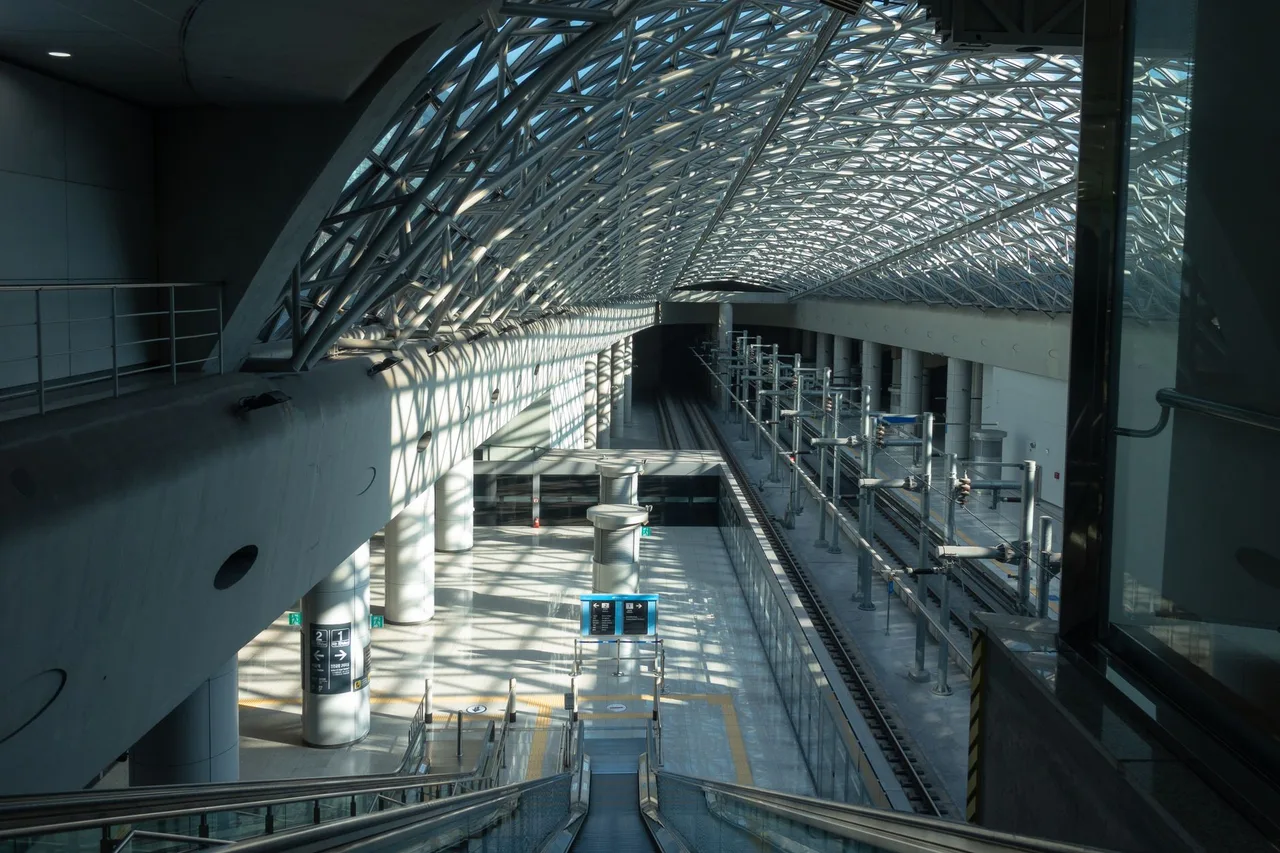
- Blue Square (Yongsan) — purpose-built for pop and musicals, the main hall seats around 1,766. It sits directly on top of Hangangjin Station, Line 6, Exit 2 or 3, with the station connecting straight into the building, which you will appreciate in a Seoul January.
- Charlotte Theater (Jamsil) — a plush single-hall house of about 1,241 seats attached to the Lotte World complex. Take Jamsil Station, Lines 2 and 8, Exit 3.
- Sejong Center (Gwanghwamun) — the grand civic theatre downtown, a short walk from Gwanghwamun Station, Line 5.
Musical seats use the same VIP, R, S and A tiers as everything else. As of 2026, a big licensed production typically prices VIP somewhere around 150,000 to 190,000 won and scales down to roughly 60,000 to 70,000 for an A seat, though it varies per show, so check each one. Book directly on NOL World or Yes24 Global; both list the major houses in English. A quiet trick: weekend matinees are usually a touch calmer to book than a Saturday-night opening, and the seats are identical.
Do not skip the traditional stage
The K-content that pulled you toward Korea has roots much deeper than any debut, and the live version is genuinely moving. If your pulse jumped at the pansori scenes in a period drama, or at the gugak break dropped into an idol track, go hear it in a real room instead of through a phone speaker.
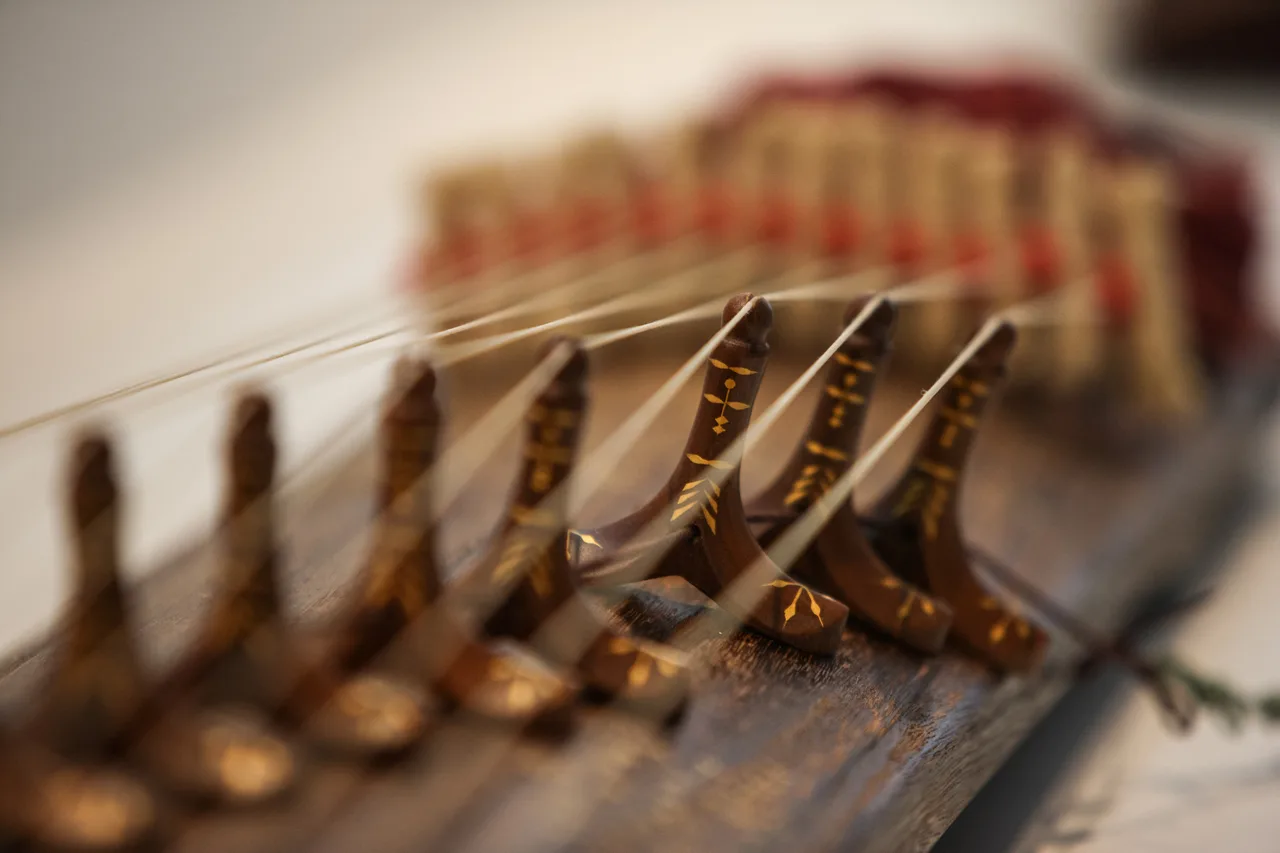
The easiest entry point is the National Gugak Center's Saturday concert. It runs most Saturdays at 15:00, lasts about 90 minutes, mixes stately court music with livelier folk pieces, and costs a very fair 20,000 won — a fraction of any concert. There is even a free English guided tour at 2 p.m. beforehand and a free shuttle bus from the subway. Reach it via Nambu Bus Terminal Station, Line 3, or Bangbae Station on Line 2 and a short local bus. You can book the whole thing in English through NOL World or through activity platforms like Klook and KKday.
This guide contains affiliate links. If you book through them we may earn a small commission, at no extra cost to you.
Want the story behind what you are hearing? Our guides on gugak and pansori unpack the instruments and that raw, rasping vocal technique before you go. And if the 90-minute Saturday concert leaves you hungry for more, the National Theater of Korea on Namsan, reachable from Dongguk University Station on Line 3, stages larger traditional productions across the year.
A word on festivals and outdoor shows
Summer changes the math. Korea's festival season fills fields and parks with rock, hip-hop and idol line-ups, and festival tickets tend to be easier than a single-artist concert — the sell-out pressure spreads across a whole weekend of acts rather than one 8 p.m. sale. Day passes and full-run wristbands both sell through NOL World and Melon, and the same account-setup rules apply. If you are planning a July or August trip around music, our Korea summer festivals guide maps the big ones. Confirm this year's dates on each festival's official page, since line-ups and exact weekends shift every year.
Payment, pickup, and the passport rule
Two things catch people right at the finish line.
First, cancellations. On NOL World the standard policy lets you cancel up to about seven days before the show for a refund minus fees; after that window closes, tickets generally cannot be refunded at all. Policies vary by event, so read the specific show's rules before you commit. Resale in Korea is also heavily restricted, and buying from a scalper can get your ticket voided at the door, so it is not the safety net it looks like.
Second, the passport. For most concerts and fan events, the name on your ticket is checked against your ID at entry. Bring the original passport, not a photo or a copy, along with your reservation number and your mobile ticket if one was issued. Identity is often verified through the last four digits of your registered phone number, and if that check fails, your passport is the fallback. This is exactly why the name you typed at sign-up has to be your passport name. The whole chain — account, card, ticket, gate — has to agree, and any weak link in it is where entry goes wrong.
What I would tell a friend flying in for a show
A short list I wish someone had handed me before my first attempt:
- Decide the artist, then choose the platform. HYBE acts mean Weverse; a musical means NOL World or Yes24; a niche festival might strand you on Melon.
- Finish every scrap of account and fan-club verification days ahead. The sale is not the moment to discover your SMS code will not arrive.
- Keep a synced Korea-time clock open, log in early, and take the good-enough seat over the perfect one.
- Screenshot your reservation number, and keep your passport name identical across your account, your card and your ticket.
- If the concert war beats you this trip, a musical or a Saturday gugak concert will still put you inside a Korean audience, and those seats are far less of a fight.
The couch and the fancam got you this far. The ticketing page is just one more screen between you and the roar of a Seoul crowd, and now you know how to get past it. Book the account today, so the only thing left to sweat is the show.
Sources
This guide was researched using the references below. Prices and times change, so confirm anything time-sensitive on the official page before you rely on it.
Related guides
- Things to do in Seoul this weekendExplore Seoul this weekend with the Hangang River Festival, Official HIGE DANdism concert, and more. Enjoy cultural events, concerts, and outdoor activitie
- Top things to do in Seoul, KoreaExplore Seoul's rich history, lively neighborhoods, and unique experiences with our curated guide to the city's top attractions and activities.
- 10-day South Korea itinerary for first-time visitorsA comprehensive 10-day itinerary covering Seoul, Gyeongju, Busan, and Jeju Island, blending cultural landmarks, natural beauty, and culinary experiences.
- Top places to visit in SeoulExplore Seoul's blend of ancient palaces, lively markets, and modern attractions with this guide to the city's must-visit spots.
- Seoul travel passes: a comprehensive guide for visitorsExplore Seoul efficiently with travel passes like the Discover Seoul Pass and Climate Card, offering free entry to attractions and unlimited transit rides.
- Seoul travel guide for foreignersA comprehensive guide for foreigners visiting Seoul, covering transportation, budgeting, accommodations, dining, attractions, and cultural etiquette.