How much does a trip to Korea cost?
What a 2026 trip to Korea really costs, in won and dollars: flights, hotels, food, transport, tickets, daily budgets, and a sample 7-day total.
By Jae Park · Updated Jul 15, 2026
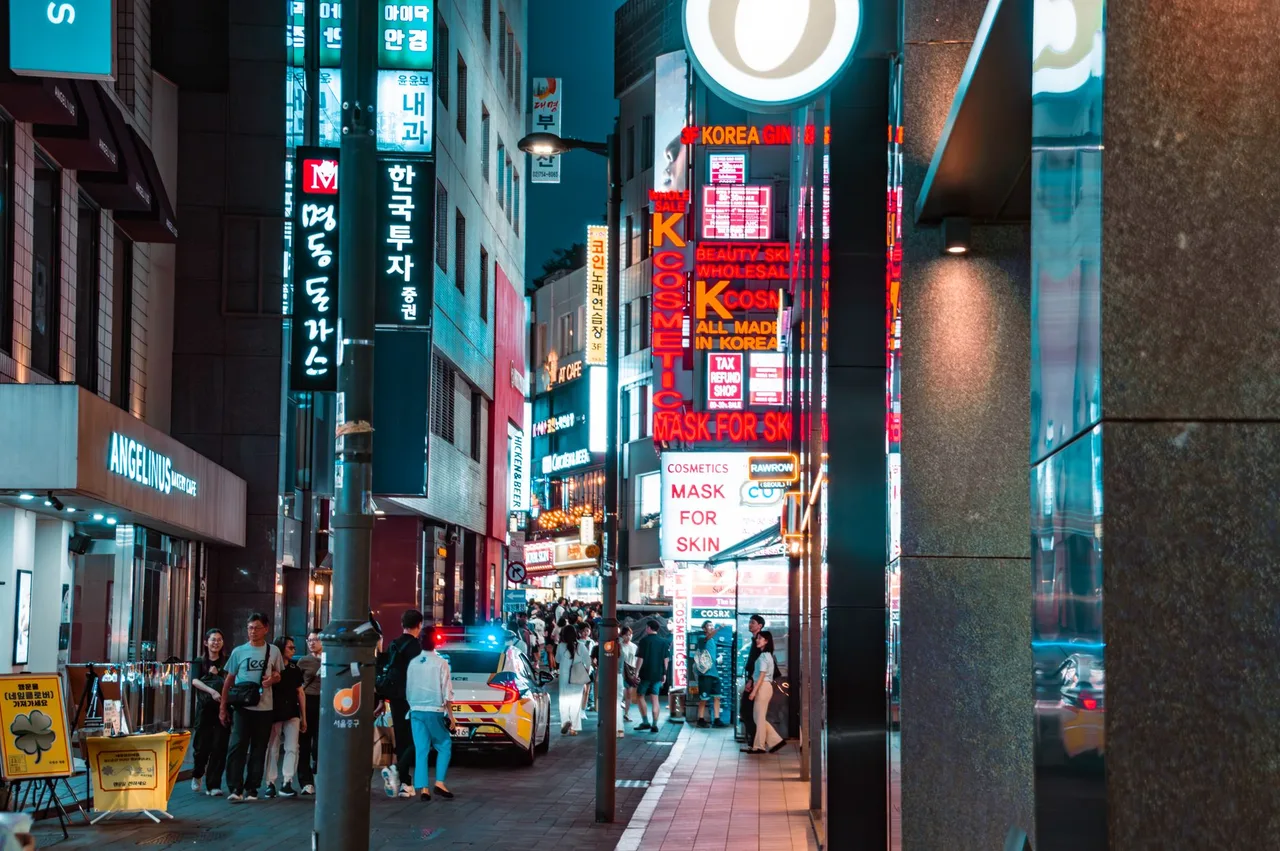
The first time Korea got into my head, it was a drama I meant to watch one episode of and finished at 4 a.m. A few years and far too many playlists later, I finally booked the flight. The thing that stalled me longest wasn't the itinerary. It was the money. How much does this actually cost? Here's the breakdown I wish someone had handed me before I went: real 2026 prices, in won and dollars, from the plane ticket down to the last skewer of tteokbokki.
The short answer, and a word about the won
If you want one number to hold in your head, here it is. A week on the ground in Korea, not counting your flight, runs somewhere between roughly ₩500,000 ($345) if you travel lean and ₩2,000,000+ ($1,380+) if you like your comfort. Most first-timers I know land in the middle, around ₩850,000 to ₩1,200,000 for the week.
A note on the exchange rate, because it matters more than people expect. As I write this in mid-2026, the dollar buys roughly ₩1,450, and it has bounced past ₩1,500 more than once this year. That's good news for visitors: your money stretches further than it did a few years back. I've done the conversions below at about ₩1,450 to the dollar, but check a live rate before you budget, because it moves and every price here can shift with a menu reprint or a new season.
Compared to its neighbors, Korea sits in a comfortable middle. Food and transit cost noticeably less than in Japan or Western Europe. Flights and mid-range hotels are roughly on par.
Flights: what it costs just to land in Korea
Your single biggest line item is almost always the flight, and it swings wildly by where you start.
From North America, round-trip economy to Seoul (Incheon) tends to run $650 to $1,300, with the low end showing up when you book a couple of weeks out, or far in advance, and fly midweek. I've seen San Francisco and Los Angeles deals near $700 return; East Coast departures sit higher. From Europe, expect something similar, roughly $650 to $1,200 for a direct or one-stop routing.
The bargains live in Asia. From Southeast Asia or Japan, budget carriers like Jeju Air, T'way, Air Busan and Scoot fly to Korea for as little as $120 to $450 return. From Australia, plan on $500 to $900.
A few habits consistently saved me money. Flying out on a Thursday beats Sunday by around 15 percent. Avoid the peak walls of mid-summer, Chuseok and Lunar New Year (Seollal), when prices climb and seats vanish. And set a fare alert months ahead instead of staring at prices daily.
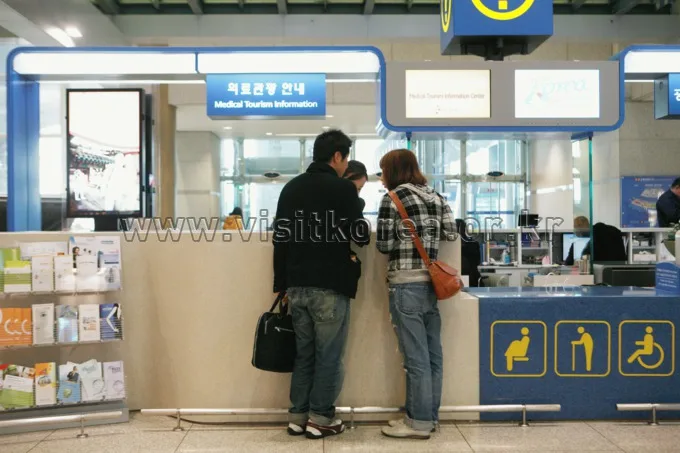
Treat the flight as the fixed cost. Everything after it is where your choices actually move the total.
Where to sleep, from a hostel bunk to a hotel room
Accommodation is the lever with the widest range, and Korea gives you real options at every level.
A hostel dorm bed in a central neighborhood like Hongdae, Jongno or Myeongdong runs ₩20,000 to ₩45,000 ($14–$31) a night. Private rooms in guesthouses, including the traditional hanok stays with heated ondol floors, and the everywhere-you-look budget motels, land around ₩40,000 to ₩80,000 ($28–$55) for a double. I've had spotless motel rooms near a subway stop for ₩55,000 that beat hotels twice the price.
Mid-range hotels with a proper front desk and private bath sit at ₩80,000 to ₩150,000 ($55–$105). Above that, four-star and luxury properties start around ₩250,000 ($170) and climb without limit.
Two budget tricks worth knowing. A jjimjilbang, the Korean bathhouse-sauna, lets you sleep on the heated floor for ₩12,000 to ₩20,000, which is both an experience and an emergency-cheap bed. And capsule hotels split the difference between a dorm and a private room for around ₩30,000.
Book through Agoda or the Korean apps rather than walking in; last-minute motel rates online are often a third below the posted desk price.
My one strong opinion: pick your location by subway access, not by neighborhood buzz. A room two stops out on a direct line beats a pricier one in the tourist core, because in Seoul the train gets you everywhere fast and cheap.
Food: how cheaply you can actually eat here
This is where Korea quietly spoils you. You can eat well for very little, and the ceiling is only as high as you want it.
At the bottom, and I mean this fondly, is the convenience store. A triangle kimbap is about ₩1,500, a cup ramyeon ₩1,200, a banana milk ₩1,500, so a hot, filling stop lands under ₩5,000 ($3.50). Street markets like Gwangjang or Myeongdong sell tteokbokki, hotteok and skewers for under ₩5,000 a go.
Sit-down meals are the sweet spot. A bowl of bibimbap, a kimbap roll or a bubbling jjigae at a neighborhood spot costs ₩8,000 to ₩12,000 ($6–$8), and lunch set menus (baekban) pile on free banchan refills. Water and side dishes come free almost everywhere.
Then there's the meal you came for. Korean BBQ runs about ₩15,000 to ₩25,000 per person for the meat, and a bottle of soju adds around ₩4,500. A proper table for two with a couple of rounds lands near ₩60,000. Fine dining opens at ₩50,000 and climbs past ₩200,000. Coffee deserves its own line, because the country runs on cafes: a latte at a chain is ₩4,500 to ₩5,500, though a small local place will pour you an americano for ₩2,500.
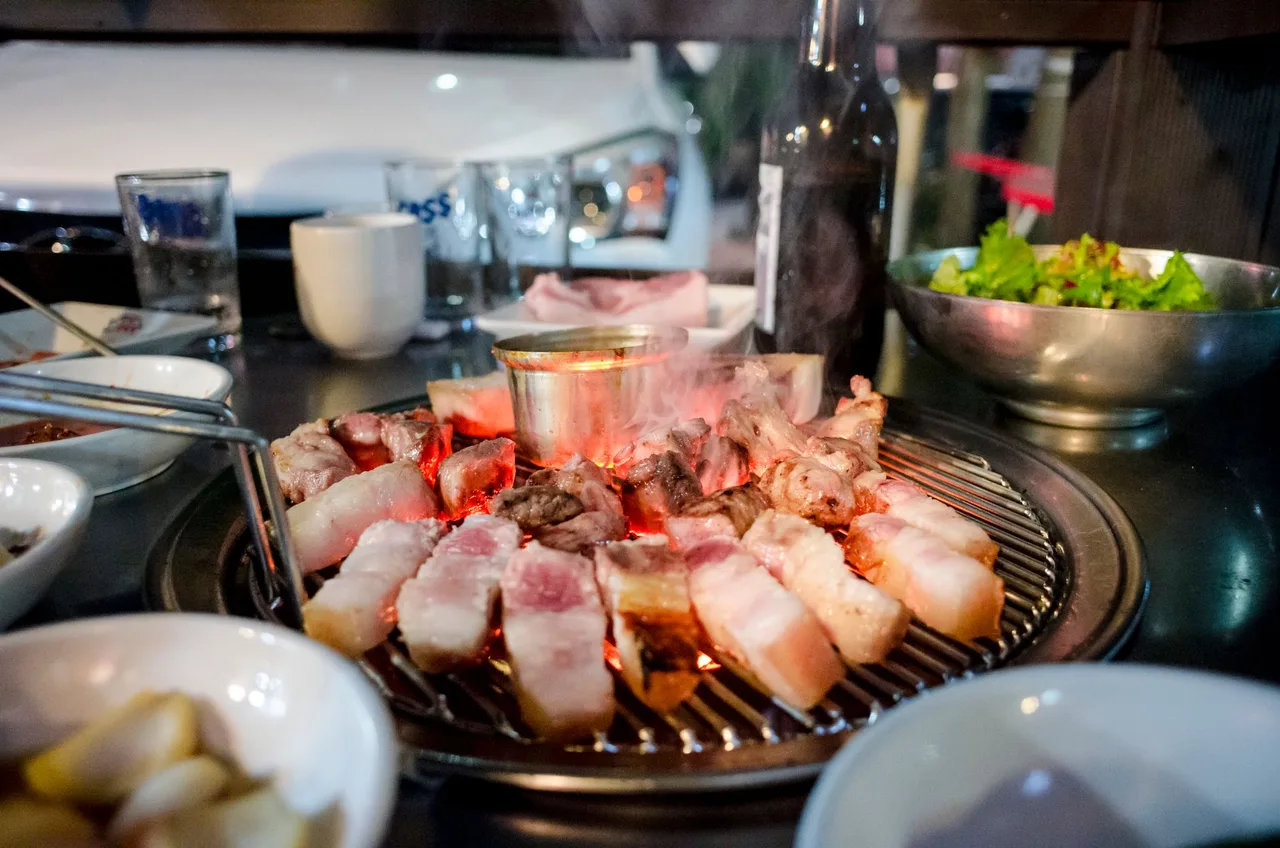
If you're unsure what to order first, my first-timer's guide to Korean food walks through the dishes worth prioritizing. Budget ₩15,000 to ₩30,000 a day for food and you'll eat happily.
Getting around on T-money, subways, and the KTX
Korea's public transport is cheap and fast, and one card unlocks most of it.
Buy a T-money card at any convenience store for about ₩4,000, load it with cash, and tap on. The subway base fare is ₩1,550 and a city bus is ₩1,500, with free transfers between them inside 30 minutes, so a normal day of getting around costs maybe ₩4,000 to ₩6,000. New for 2026, short-term Climate Card passes give tourists unlimited Seoul subway and bus rides for ₩5,000 (1 day), ₩10,000 (3 days) or ₩15,000 (5 days).
From Incheon airport, the AREX all-stop train into the city is about ₩4,500, the nonstop express runs around ₩11,000, an airport limousine bus is ₩17,000, and a taxi is ₩60,000 to ₩90,000. I break down every option in the Incheon airport to Seoul guide.
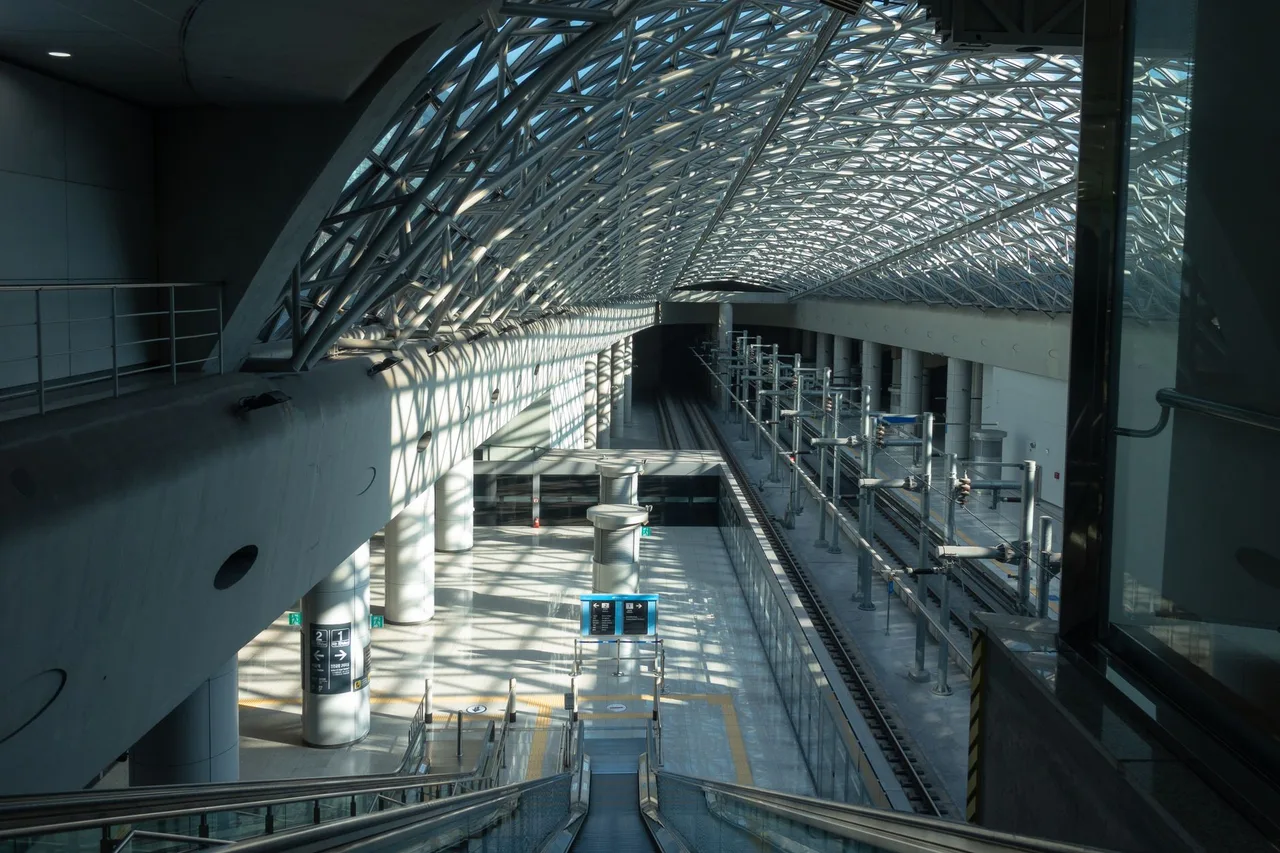
Going intercity is where the KTX bullet train earns its keep. Seoul to Busan is about ₩59,800 ($41) and takes 2 hours 40 minutes; intercity buses cover the same route for ₩23,000 to ₩35,000 if you have more time than money. City taxis are cheap too, with a ₩4,800 starting fare, and a cross-town Seoul ride rarely tops ₩12,000, so splitting one three ways can beat the subway on a tired night.
Things to do, and what a ticket really costs
Here's the happy surprise: a lot of the best of Korea is free or close to it.
The grand palaces charge almost nothing. Gyeongbokgung is ₩3,000 ($2), and if you rent a hanbok for ₩15,000 to ₩30,000, you walk in free and get the photos everyone wants. I unpack the whole palace circuit in the five grand palaces guide. N Seoul Tower's observatory is about ₩21,000, and a foreigner day pass to Everland or Lotte World runs ₩50,000 to ₩62,000.
The big-ticket items are experiences. A half-day DMZ tour is $45 to $55 (₩65,000–₩80,000) with transport and guide; full-day versions pass $100. And the dream for a lot of us, a K-pop concert, ranges from ₩99,000 for a festival slot to ₩275,000 and up for a stadium show, plus small booking and delivery fees.
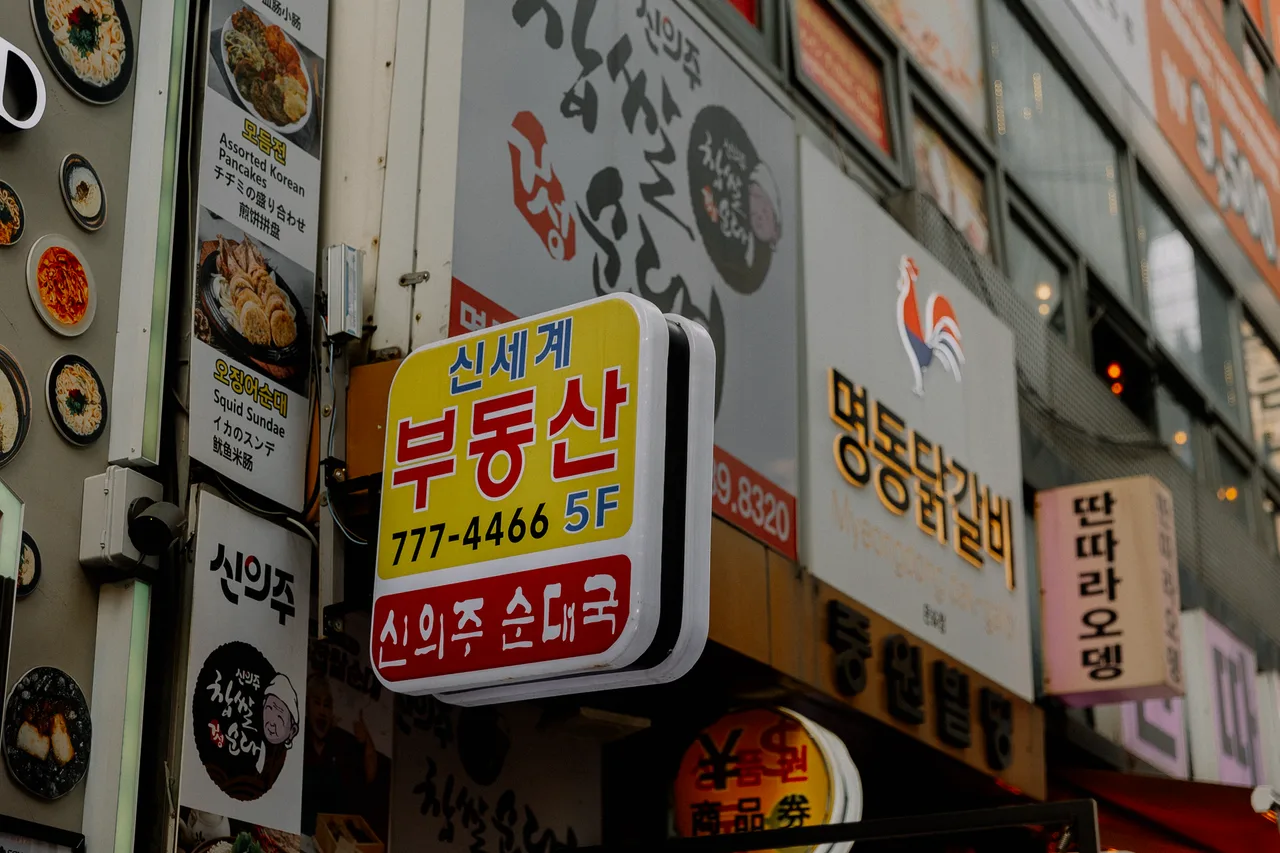
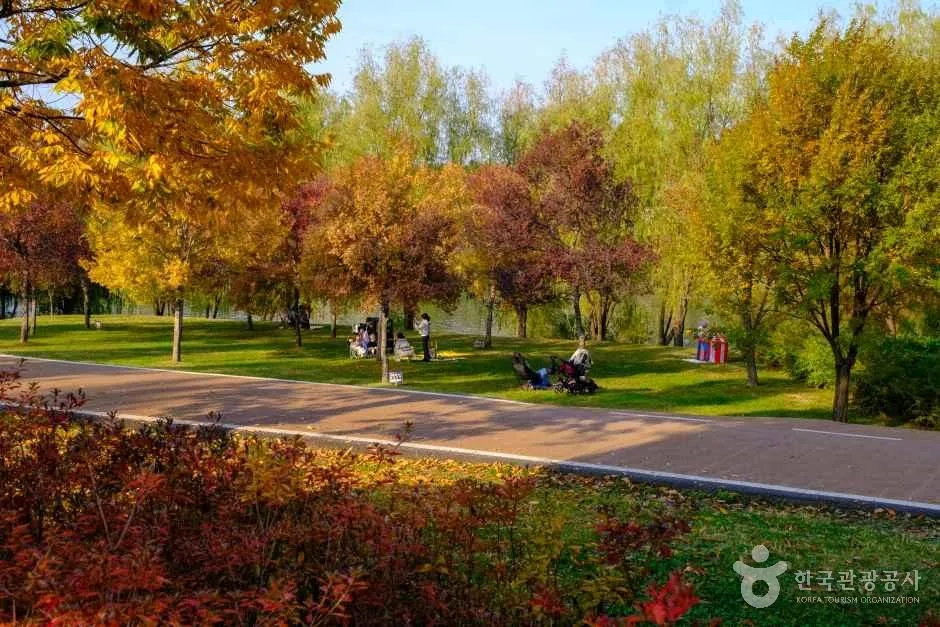
But you can fill days for almost nothing. Wandering Bukchon Hanok Village, hiking Bukhansan, browsing Myeongdong, temple-hopping and people-watching at the markets all cost zero. Budget ₩20,000 to ₩50,000 a day for sights and you'll rarely feel like you're missing out, then splurge on the one or two experiences that pulled you to Korea in the first place.
Daily budgets for three kinds of traveler
Everything above adds up differently depending on how you travel. Here's how the tiers shake out per person, per day, at Seoul prices; the rest of the country runs cheaper.
- Budget backpacker: ₩50,000 to ₩90,000 ($35–$62). A hostel dorm, convenience-store and street-food meals with one cheap restaurant, T-money on the subway, and mostly free sights. Doable and genuinely fun.
- Mid-range: ₩150,000 to ₩220,000 ($105–$150). A private guesthouse or three-star room, sit-down meals, one paid tour or attraction most days, and the occasional taxi when your feet give out. This is where most first-timers land.
- Comfortable to luxury: ₩300,000 to ₩450,000+ ($210–$310+). A four-star hotel or better, Korean BBQ and the odd fine-dining night, taxis over trains, guided tours, and room in the budget for a shopping haul.
The gap between tiers is mostly two things: where you sleep and how often you sit down to eat. Shift those and the daily number moves more than any single splurge. I've traveled Korea at the low end and the middle, and honestly the budget version never felt like sacrifice, because the cheap food is some of the best food and the free sights are the famous ones.
A sample seven-day trip, and how to trim it
Let me make it concrete. Here's a real mid-range week for one person in Seoul with a day trip, not counting the flight.
- Accommodation, 6 nights in a private guesthouse at ₩60,000: ₩360,000
- Food, 7 days at about ₩35,000: ₩245,000
- Transport, T-money plus AREX both ways: ₩55,000
- Activities: a palace and hanbok, N Seoul Tower, one DMZ tour, odds and ends: ₩120,000
- Souvenirs and coffees: ₩80,000
That comes to about ₩860,000, or roughly $590 on the ground for the week. Travel lean and the same week drops near ₩480,000 ($330); go comfortable and it climbs past ₩2,000,000 ($1,380). Add your flight on top of any of these.
To trim without suffering: get a T-money or Climate Card, eat the ₩8,000 lunch sets instead of dinners out, and claim your tax refund (spend ₩15,000+ in one shop for 4–7 percent back, or use a WOWPASS for instant 5 percent cashback). Skip the pricey airport SIM and sort connectivity ahead with the SIM vs eSIM guide. And keep some evenings free by the river, where a convenience-store beer and a night view cost almost nothing.
So, how much does a trip to Korea cost? Roughly $350 to $600 a week on the ground if you're careful, more if you're not, plus a flight that depends on where you start. Prices and the exchange rate both moved while I wrote this and will move again, so treat every figure as a range and confirm the ones your trip leans on. Then book it. The country that pulled you in through a screen is even better in person.
Sources
This guide was researched using the references below. Prices and times change, so confirm anything time-sensitive on the official page before you rely on it.
Related guides
- Things to do in Seoul this weekendExplore Seoul this weekend with the Hangang River Festival, Official HIGE DANdism concert, and more. Enjoy cultural events, concerts, and outdoor activitie
- Top things to do in Seoul, KoreaExplore Seoul's rich history, lively neighborhoods, and unique experiences with our curated guide to the city's top attractions and activities.
- 10-day South Korea itinerary for first-time visitorsA comprehensive 10-day itinerary covering Seoul, Gyeongju, Busan, and Jeju Island, blending cultural landmarks, natural beauty, and culinary experiences.
- Top places to visit in SeoulExplore Seoul's blend of ancient palaces, lively markets, and modern attractions with this guide to the city's must-visit spots.
- Seoul travel passes: a comprehensive guide for visitorsExplore Seoul efficiently with travel passes like the Discover Seoul Pass and Climate Card, offering free entry to attractions and unlimited transit rides.
- Seoul travel guide for foreignersA comprehensive guide for foreigners visiting Seoul, covering transportation, budgeting, accommodations, dining, attractions, and cultural etiquette.