Winter in Korea: Snow, festivals and tips
A first-hand winter guide to Korea — snow, ice festivals, ski resorts, seasonal food, and practical tips on when to go and what to pack.
By Jae Park · Updated Jul 15, 2026
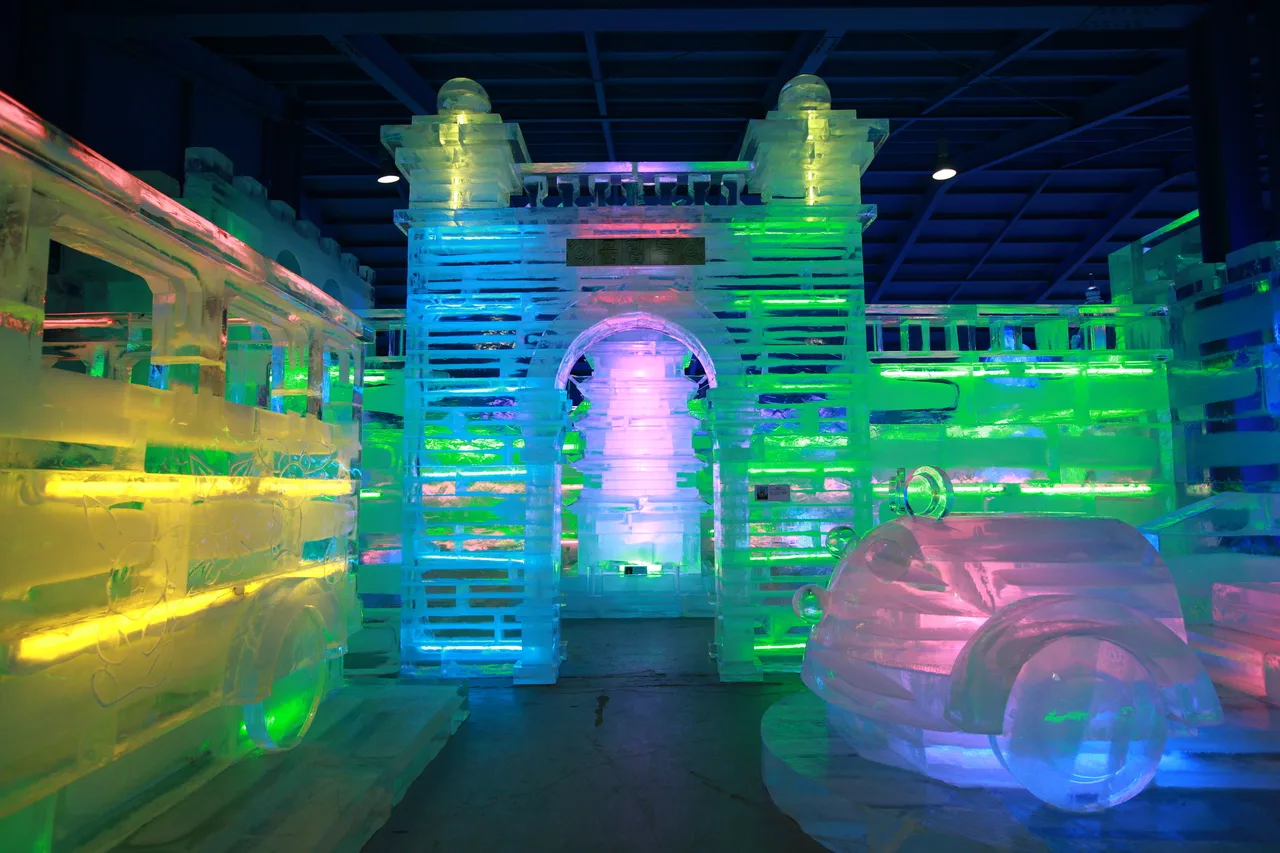
I've spent parts of five Korean winters chasing snow, ice-fishing holes, and bowls of soup that fog up your glasses, and it's still the country's most underrated season. The crowds thin out, the light turns crisp and blue, and the mountains east of Seoul go white. It's cold — properly cold — but that's the point. Here's how I'd plan a winter trip, from the festivals and ski slopes to the food and the small comforts that make the cold worth it. If you're weighing up when to come, the autumn foliage that peaks through November is the gentler season, but winter rewards anyone willing to bundle up and lean into it.
What is the weather like during winter in Korea?
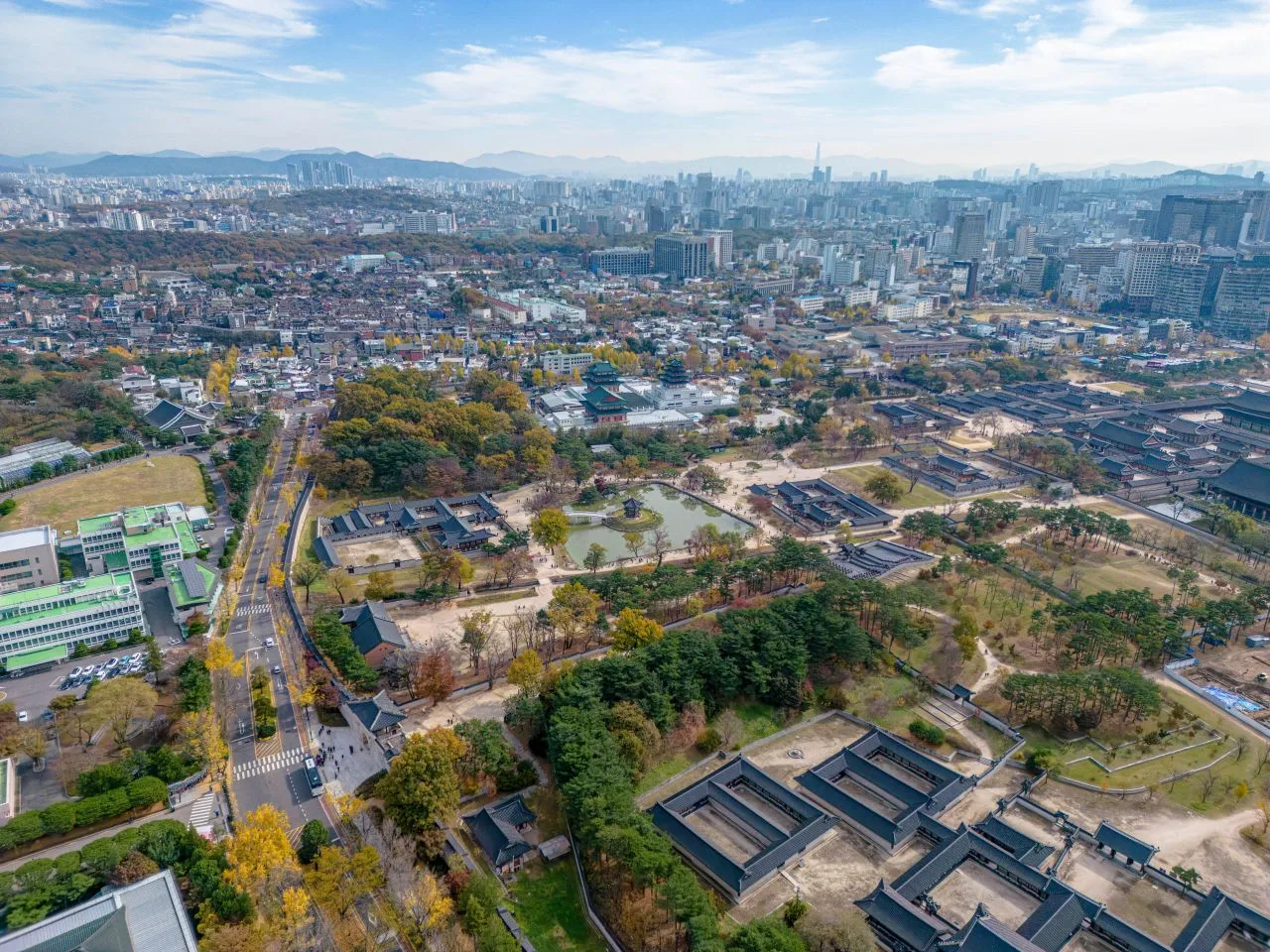
Korean winters run cold and dry, driven by Siberian high-pressure systems that push down the peninsula from December through February. In Seoul, January is the coldest month: daytime highs sit around 1-2°C (34-36°F) and nights drop to about -6°C (21°F), colder once the wind picks up. Go into the mountains of Gangwon Province in the northeast and you can meet -15°C (5°F) or lower on exposed ridges. Locals live by a rhythm they call samhan-saon — "three cold days, four warm days" — where a brutal cold snap softens into a milder stretch before the next front rolls in. The east coast and the mountains get the heaviest snow; the west and Seoul stay drier, with a handful of proper snowfalls each winter; and Jeju Island in the far south is milder but windy. There are few better winter sights than fresh snow settling on the black-tiled roofs of Gyeongbokgung Palace before the courtyard fills up.
When should you go, and what should you pack?
December through February is the winter window, and each month has a different character. Early December is the mildest, the illuminations are already lit, and prices are lower. January is the coldest and the best bet for ice festivals and reliable snow. February eases a little and usually carries the Lunar New Year holiday, when the country slows down and travels home. For deep snow — skiing, or snowy hikes — aim for mid-January through mid-February.
Packing is where most first-timers go wrong: they either haul one enormous coat or underestimate the wind. Layers beat a single heavy coat every time. I travel with a thermal base layer, a fleece or light down mid-layer, and a windproof outer shell, and that stack handles both a -12°C ski slope and an overheated subway car — because indoors, everything is heated hard, so you need to peel down fast. Add a warm hat, gloves, a scarf, and thick socks, and bring shoes with grip; sidewalks turn to refrozen slush. Two cheap things punch above their weight: disposable hand warmers (핫팩), sold in every convenience store for around ₩1,000, and lip balm and lotion, because the dry air chaps skin within a day.
What are Korea's best winter festivals?
Winter is festival season, and the headliner is the Hwacheon Sancheoneo Ice Festival, held each January on the frozen Hwacheoncheon Stream in Hwacheon, Gangwon Province, roughly 2.5-3 hours from Seoul. It's built around ice fishing for sancheoneo — mountain trout — where you drill through the ice, drop a line, and hand whatever you catch to a stall that will grill or fry it on the spot. There's ice sledding, ice soccer, and snow sculptures too. It runs for about three weeks from early January into early February; in 2026 the dates were January 10 to February 1, but they shift with the ice every year, so check the official site before you lock in travel. It draws huge crowds — foreign-visitor time slots and packages sell out — so book ahead.
Two more are worth the cold. The Taebaeksan Snow Festival in Taebaek fills the mountain with giant snow and ice sculptures, usually in late January or early February. The Pyeongchang Trout Festival, in the county that hosted the 2018 Winter Olympics, runs ice fishing, sledding, and snow rafting from early January to early February. Unlike the water fights and night markets of Korea's summer festivals, these lean all the way into the freeze. Confirm current dates directly with organizers, since they adjust to how well the ice sets.
Where should you ski or snowboard in Korea?
Korea's ski resorts cluster in Gangwon Province and run from roughly late November to March, many with floodlit night skiing that's a genuinely fun way to end a day.
Yongpyong Resort in Pyeongchang is the biggest, with dozens of runs for every level and one of the longest seasons; it's about 2.5 hours from Seoul by car, or a KTX to Jinbu Station plus a shuttle. Full-day adult lift passes run roughly ₩80,000-100,000. High1 Resort in Jeongseon sits farther out — around three hours from Seoul — with wide, well-groomed runs and a self-contained resort of hotels and a casino, which makes it a good multi-day base. Elysian Gangchon is the easy one: it's the closest resort to Seoul, reachable in about an hour on the ITX-Cheongchun train to Baegyangni Station and a free shuttle. It's smaller and beginner-friendly, and it's my pick for a first-timer or a day trip. Most resorts rent skis, boards, and cold-weather clothing on site and offer English lessons, so you can turn up with just warm gloves.
What winter foods should you try?
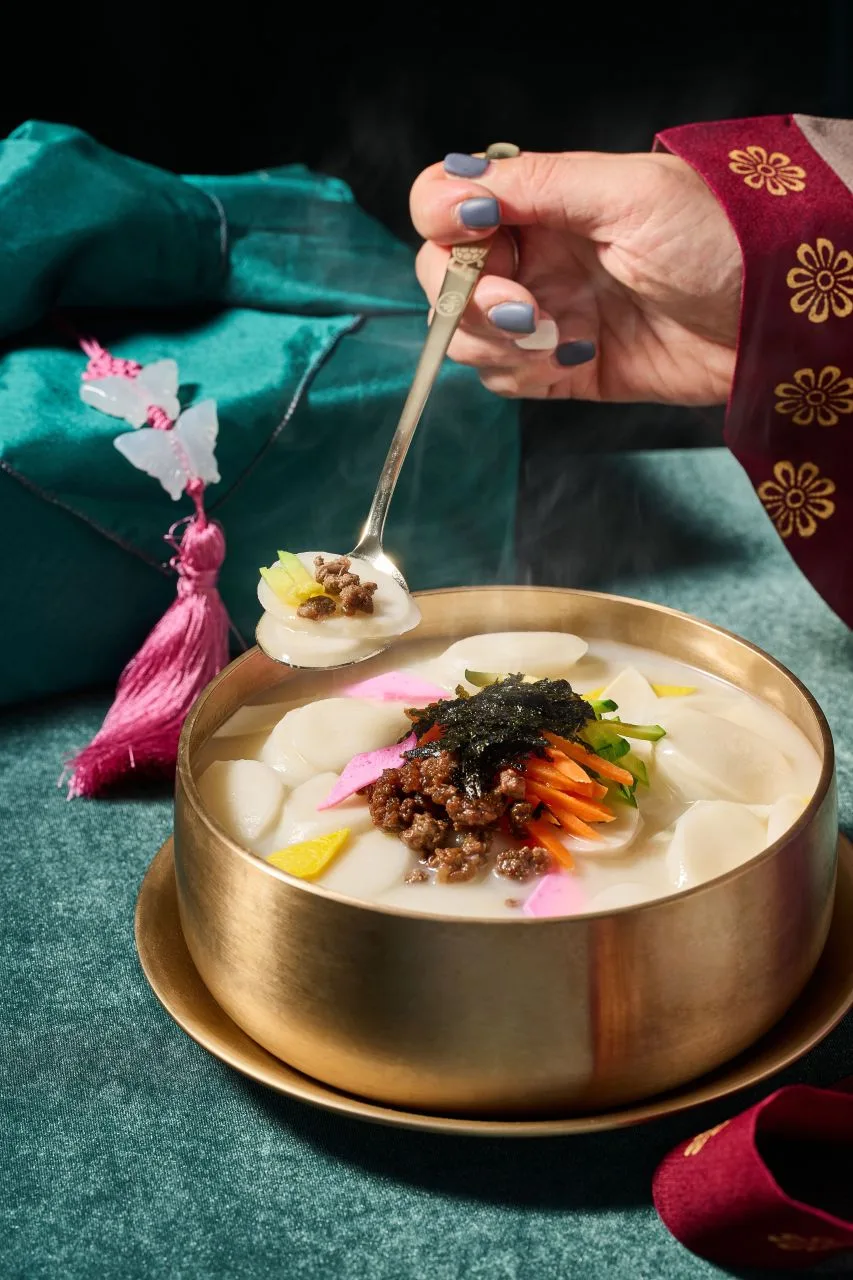
Cold weather is Korea's excuse for its best comfort food. Tteokguk — thin-sliced rice cakes in a clear beef or anchovy broth, topped with egg, seaweed, and scallions — is the bowl everyone eats at Lunar New Year, and tradition holds that finishing one adds a year to your age. It's mild, warming, and available year-round, but it tastes right in January.
Street food is half the reason to be out in the cold. Hotteok are sweet pancakes stuffed with brown sugar, cinnamon, and crushed peanuts, fried until the filling melts to syrup — cradle it in the paper cup they hand you and let it warm your fingers. Bungeoppang, fish-shaped pastries filled with sweet red-bean paste (or custard), come straight off cast-iron molds for about ₩1,000 for a few. For something heavier, chase a paper cup of odeng broth and its fish-cake skewers, or sit down to galbi-jjim or a bubbling stew. Roasted chestnuts and sweet potatoes from a street cart round out the winter map.
How do Koreans celebrate the winter holidays?
The biggest winter holiday is Seollal, the Lunar New Year, when families gather for ancestral rites, folk games, and that bowl of tteokguk. Millions travel to their hometowns, so trains and buses fill up and some smaller shops close for a few days — plan around it rather than through it. In 2026 Seollal falls on February 17, with the public holiday spanning February 16-18, though the lunar date moves each year. If you want the customs behind it, I've written a fuller piece on Seollal and Chuseok, Korea's two great family holidays.
Winter is also a shopping window. The Korea Grand Sale, a government-backed promotion aimed at foreign visitors, runs across a stretch of winter — usually December into February — with discounts on shopping, dining, stays, and attractions. Check the official VisitKorea page for the current dates and how to sign up.
How can you enjoy Seoul in winter without skiing?
You don't need a mountain to have a good winter here. When the cold wins, I head for a jjimjilbang — a Korean bathhouse and sauna where, for around ₩10,000-15,000, you soak in hot pools, sweat through themed kiln rooms, and doze on a heated floor. Dragon Hill Spa near Yongsan Station is the easy one for visitors and runs around the clock.
For something outdoors but manageable, the city opens ice rinks each winter. Seoul Plaza freezes into a rink in front of City Hall from December to February, and an hour of skating with rentals costs about the price of a coffee. There's a second rink on Nodeul Island out in the middle of the Han River, where you skate with the water and bridges behind you. The river no longer freezes thick enough to walk on, but its edges ice over and the riverside paths stay open for cold, bright walks.
Don't skip the palaces, either. Gyeongbokgung and Changdeokgung are hushed in winter, and entry is free if you rent and wear hanbok — a warm-hearted way to spend a cold afternoon, and the photos are better with a little snow on the roofs.
Which winter day trips from Seoul are worth it?
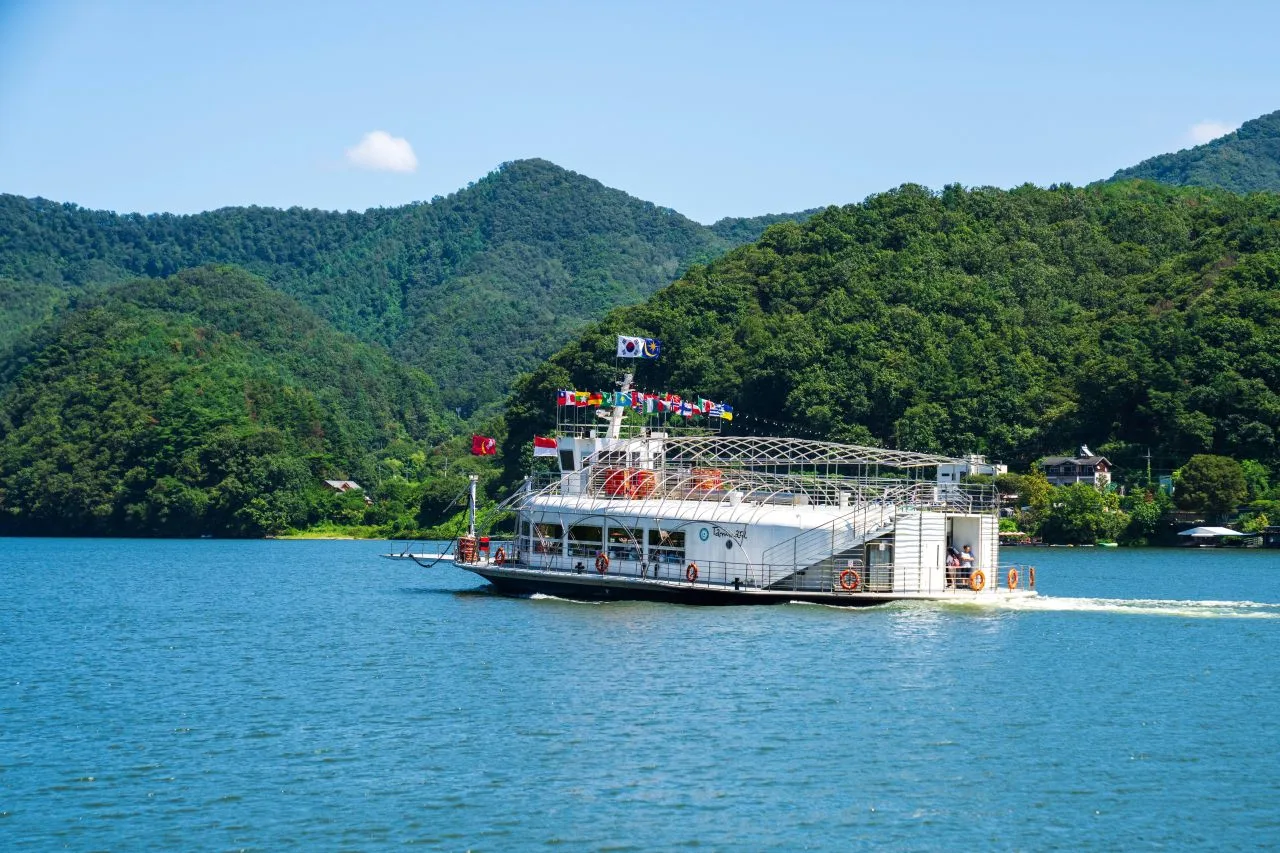
With a spare day, Gapyeong — a little over an hour northeast on the ITX-Cheongchun train — bundles two of my favorites. Nami Island, the half-moon islet made famous by the K-drama Winter Sonata, becomes a snow-globe of frosted metasequoia lanes and pine paths, and you reach it by a short ferry (or a zip-line) from Gapyeong Wharf.
A short hop away, the Garden of Morning Calm hosts Korea's largest and oldest winter light festival, when millions of LEDs wash over the gardens from December into March. Go after 5 p.m., once the lights come on and the paths glow. You can link both in a single day using the Gapyeong city tour bus, which loops between the sights.
Where can you go winter hiking?
Snow doesn't stop Koreans from hiking; it just changes the gear. Bukhansan, on Seoul's northern edge, hands you a snowy granite summit inside the city limits in half a day. For something bigger, Seoraksan National Park near Sokcho — about 2.5-3 hours from Seoul by express bus — turns spectacular between December and February, with frozen waterfalls, ice-glazed valleys, and snow-dusted peaks.
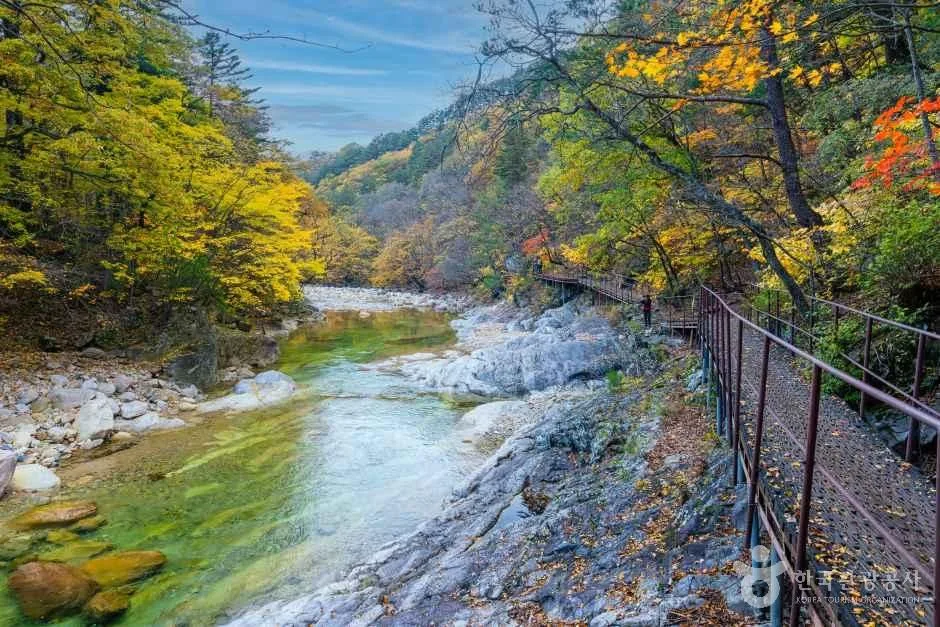
Seoraksan's upper trails are no joke in winter: crampons are essential, the high ridges can hold well over a meter of snow, and the cable car sometimes shuts in strong wind, so check conditions with the park office and start early. The lower trails and valley temples are gentler and still lovely under snow if you'd rather keep it easy.
How should you plan a winter trip to Korea?
A few habits make winter here go smoothly. Book ski resorts, marquee festivals, and any travel over the Seollal holiday week well ahead, because they sell out. Lean on public transport; the subway and intercity buses keep running through snow that would make mountain driving miserable. Carry some cash, since a few festival stalls and rural vendors don't take cards. Download Papago and Naver Map for translation and navigation, and grab a tourist SIM or eSIM at the airport so you're never offline. Learn a couple of phrases — even annyeonghaseyo and gamsahamnida go a long way. Do that, dress in real layers, and Korea in winter turns from daunting into one of the best times you can possibly visit.
Location
Hwacheon Sancheoneo Ice Festival, Hwacheon
View on Google MapsFrequently asked questions
When is the Hwacheon Sancheoneo Ice Festival held?
The Hwacheon Sancheoneo Ice Festival runs for about three weeks each January into early February. In 2026 it was scheduled from January 10 to February 1, but the dates shift with the ice each year, so confirm on the official festival site before you travel.
What are the average winter temperatures in Seoul?
January is Seoul's coldest month, with daytime highs around 1-2°C (34-36°F) and nights near -6°C (21°F), and colder still with wind chill.
Which ski resort is closest to Seoul?
Elysian Gangchon is the closest, reachable in about an hour on the ITX-Cheongchun train plus a short shuttle, and it is the most beginner-friendly of the major resorts.
What traditional Korean dish is eaten during Seollal?
Tteokguk, a soup of thin-sliced rice cakes in a clear broth, is the dish eaten on Seollal (Lunar New Year); tradition says finishing a bowl adds a year to your age.
When does the Korea Grand Sale take place?
The Korea Grand Sale, a discount promotion for foreign visitors, runs across winter, usually from December into February. Check the official VisitKorea page for the current dates and how to register.
Sources
This guide was researched using the references below. Prices and times change, so confirm anything time-sensitive on the official page before you rely on it.
Related guides
- Jeju black pork: a guide for foreign visitorsDiscover Jeju's famed black pork: its history, unique flavor, and where to savor it on the island.
- Jeju car rental guide for foreignersA comprehensive guide for foreigners on renting a car in Jeju, covering requirements, costs, insurance, and driving tips.
- Jeju Island weather: what to expect each seasonA practical guide to Jeju Island's weather by season, helping you plan the best time to visit based on climate, activities, and crowd levels.
- Flying with Jeju Air: A guide for international travelersA comprehensive guide for international travelers on flying with Jeju Air, covering booking, baggage policies, check-in procedures, and seasonal travel tip
- Korea festivals in May 2026: A guide for visitorsExplore Korea's lively festivals in May 2026, from the dazzling Lotus Lantern Festival in Seoul to the fragrant Rose Festivals in Samcheok and Gokseong.
- Seoul Lantern Festival: what to know before you goSeoul's biggest winter light show runs free along the Cheonggyecheon stream downtown. Here is when it is held, how to reach it by subway, and what to see.