The Boryeong Mud Festival, explained
A first-person guide to Korea's Boryeong Mud Festival at Daecheon Beach: its origin, the mud zones and prices, dates, and how to get there from Seoul.
By Jae Park · Updated Jul 14, 2026
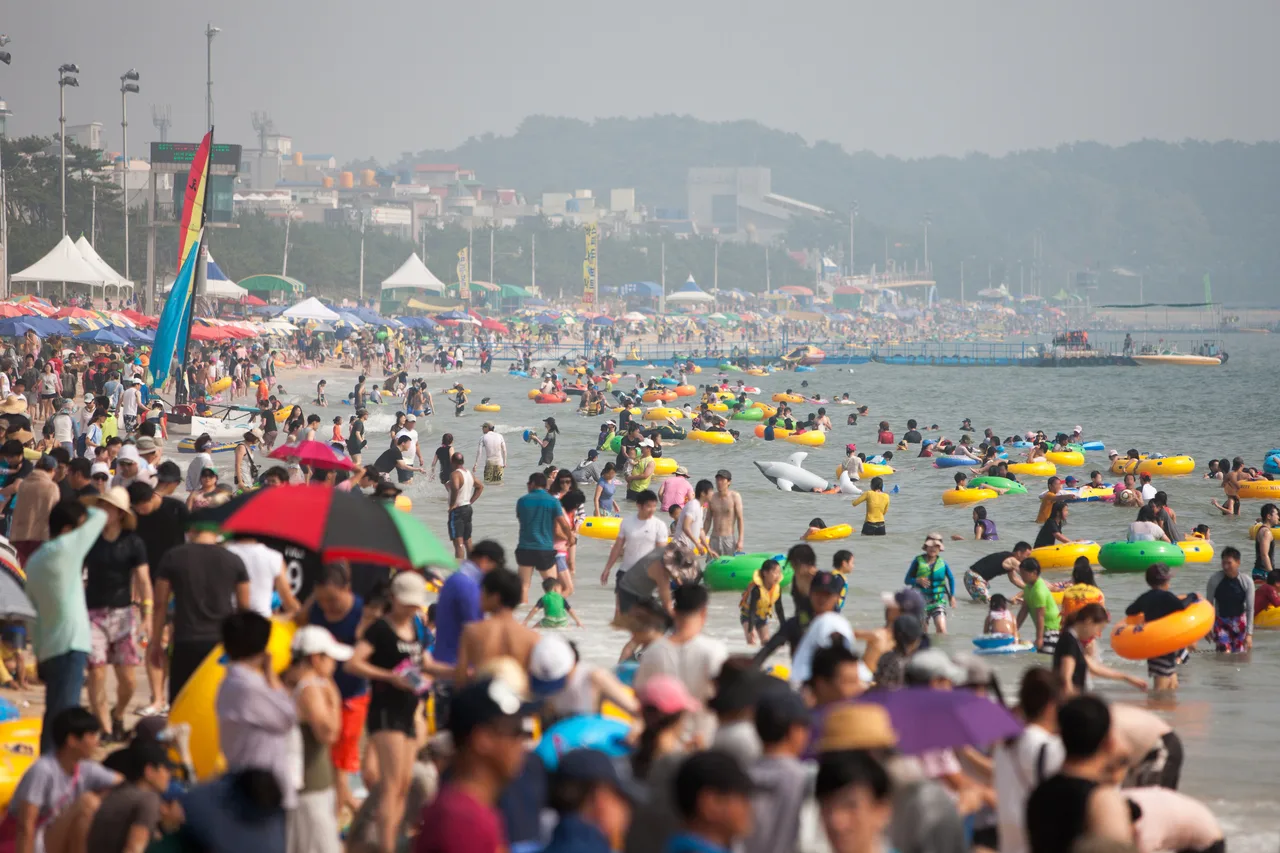
The first time I saw the Boryeong Mud Festival I wasn't in Korea. I was on my couch watching a summer music-show special where a row of idols in white shirts got blasted with gray sludge from a water cannon and completely lost their composure on live TV. Korean music programs have been filming summer editions at this festival for years, and the guest list over time reads like a lineup card: IU and NCT 127 back in 2017, GFriend and NCT Dream a couple of summers later, Chungha buried to the eyebrows. KBS runs a K-Pop Super Live from the beach on opening night. That is usually how people outside Korea first meet Boryeong. You see the mud before anyone explains why a whole coastal city throws a two-week party about it.
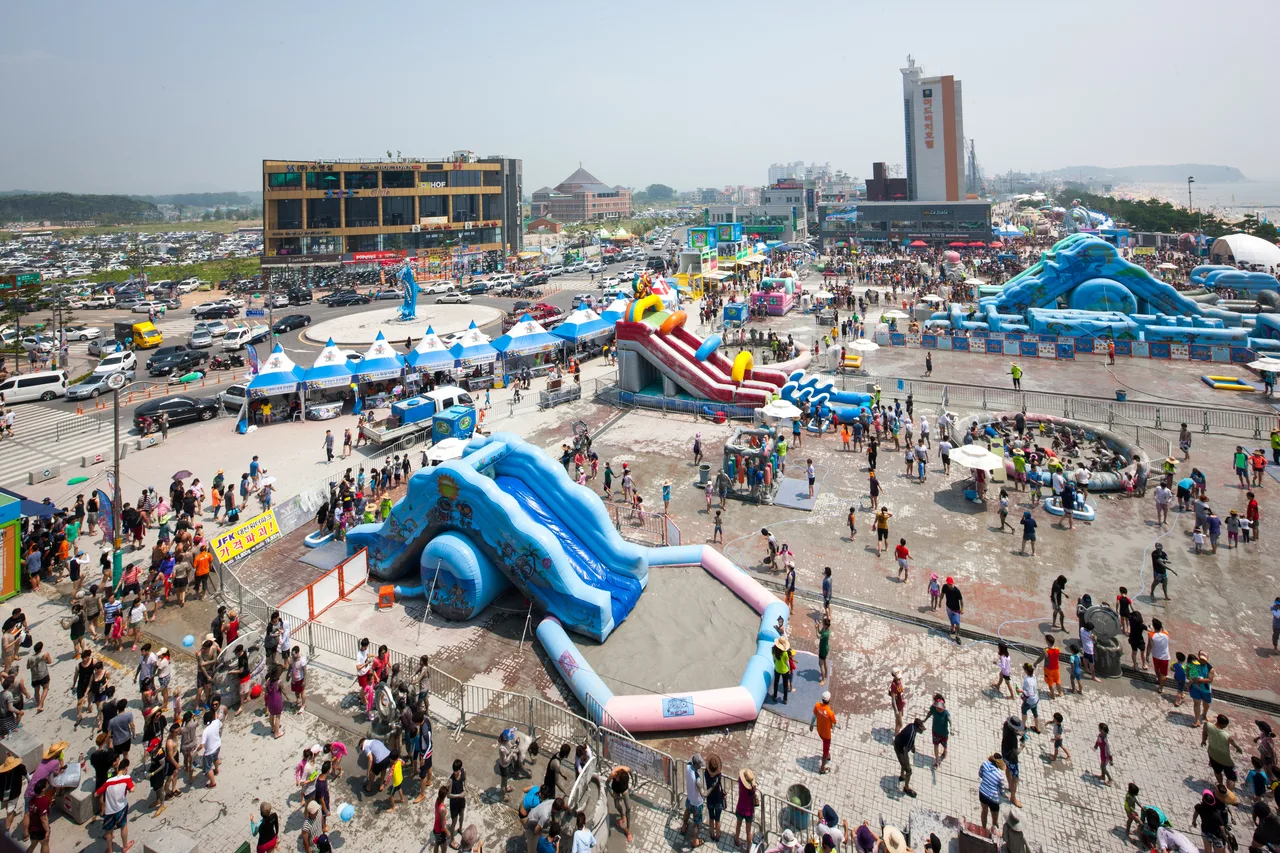
Here is the part the thirty-second clip skips: why the mud, why this exact stretch of sand, and how you actually get yourself into it without wasting a day.
Why a city built a festival out of mud
Boryeong is on Korea's west coast, in South Chungcheong Province, and for most of the 20th century it ran on coal. When the mines closed in the early 1990s, the local economy fell apart, and the city needed a new reason to exist. The answer came from the tidal flats just offshore.
A pharmacy professor named Kim Jae-bek studied the mud from Boryeong's mudflats and found it unusually rich in bentonite and germanium, minerals that are genuinely good for skin. The city ran with that. In 1994 the first mud-related business, the Daecheon Natural Mud Massage House, opened. In 1995 a Boryeong mud-mask cosmetics line won the grand prize at a national business competition. Then someone had the idea to market the whole cosmetics program with a beach party, and in July 1998 the first Boryeong Mud Festival launched over four days at Daecheon Beach.
So the origin story is not folklore. It is a mineral-cosmetics marketing campaign that got wildly out of hand, in the best way. The festival was meant to sell face masks and ended up drawing 2.2 million people by 2007. These days the crowd runs around 1.6 million a summer, and by most counts roughly a third of visitors are international. For years it has quietly been the most foreigner-friendly festival in the country, the one English teachers, exchange students and US military families circle on the calendar. In 2026 the Ministry of Culture, Sports and Tourism and the Korea Tourism Organization named it an official "Global Festival," which comes with 800 million won a year in funding for three years. Translation: the mud is now a national tourism asset.
What actually happens in the mud
The core of the festival is a walled-off stretch of Daecheon Beach that gets filled with imported mud and turned into a very silly adult playground. The mud you roll in isn't scooped straight off the beach in front of you; it's harvested from the mudflats, processed, and trucked in so it's a consistent, thick, cool gray.
The grounds are split into a few zones. The General Zone is the full-contact one: mud pools you wade into, inflatable slides that dump you into more mud, a mud prison that is exactly as dumb and fun as it sounds, tug-of-war and wrestling pits, and obstacle runs where staying upright is not really the goal. There's a "mud mob scene" a few times a day where DJs run EDM sets while mud water cannons soak the whole crowd at once. Colored-mud body painting stations let you come out looking like abstract art in blue, red and yellow. The Family Zone is gentler and shallower, built for kids and parents who want the experience without the rugby-scrum energy. A Water Park Zone with slides and pools is there for rinsing off and cooling down, which you'll want, because west-coast Korea in late July is hot and sticky.
If you're the type who actually cares about the skincare claim the whole thing was built on, the Mud Theme Park has a Boryeong Mud Skincare Center offering proper treatments at festival-discount pricing. It's a nice counterpoint to spending the afternoon being hosed down like a car.
What it costs to get in
The mud experience zones are ticketed, and the price depends on the zone and the day. These are the current published rates, and they hold steady year to year, but confirm on the official site before you go:
- General Zone, weekdays (Monday to Thursday, roughly 1 p.m. to 6 p.m.): about 12,000 won for adults, 11,000 won for youth.
- General Zone, weekends (Friday to Sunday, roughly 10 a.m. to 6 p.m.): about 16,000 won for adults, 14,000 won for youth.
- Family Zone: around 11,000 won per person on weekdays, 13,000 won on weekends, for both the guardian and the child.
A useful detail buried in those hours: on weekdays the mud zones don't open until the afternoon. If you're day-tripping midweek and show up at 10 a.m. expecting the full circus, you'll be early. Weekends open earlier but the crowds are heavier and the beach town books out. There's usually one rest day mid-festival when the zones close, so don't build your whole trip around a single date without checking the schedule.
When it runs, and why last year's dates won't help you
The festival lands in high summer every year, opening in the back half of July and running about 17 days into the first week or two of August. Recent editions have opened around July 24 or 25 and closed around August 9 or 10. The 2026 edition was the 29th.
I'm being deliberately vague on the exact days because dates shift by a week from year to year, and the single most common mistake I see foreign visitors make is copying a date off an old blog post. Plan for "late July into early August," then lock the real dates from the official festival site (mudfestival.or.kr) or Korea Tourism's VisitKorea page a couple of months out, once the year's schedule is published. Weekends and the opening night — when the K-pop concert and drone show happen — draw the biggest crowds and the tightest accommodation. If you want mud without the crush, a weekday in the second week is the move.
For the broader picture of what else is happening around the same weeks, our Korea summer festivals guide is worth a look, and if you're chasing live music specifically, the Pentaport Rock Festival guide covers Korea's biggest summer rock weekend, which overlaps the same season up in Incheon.
Getting to Daecheon Beach from Seoul
Boryeong is about two and a half hours from Seoul, and there's no bullet train straight there yet. A direct Seohae Line KTX has been in the planning stage for a while, but as of now it isn't running, so ignore anyone who tells you to book one.
Your two mainline options both take roughly the same time:
- By express bus. Intercity buses run from Seoul's terminals to Boryeong (the terminal is labeled Boryeong, but the beach district is Daecheon) in about two and a half hours. During the festival there are usually extra and sometimes direct services, so it's the simplest choice for most people.
- By train. Take a Janghang Line service from Yongsan Station to Daecheon Station. Depending on the train and whether it routes via Asan, it runs roughly 2 hours 40 minutes to just under 3 hours. Buy seats ahead on Korail during festival weekends because they sell out.
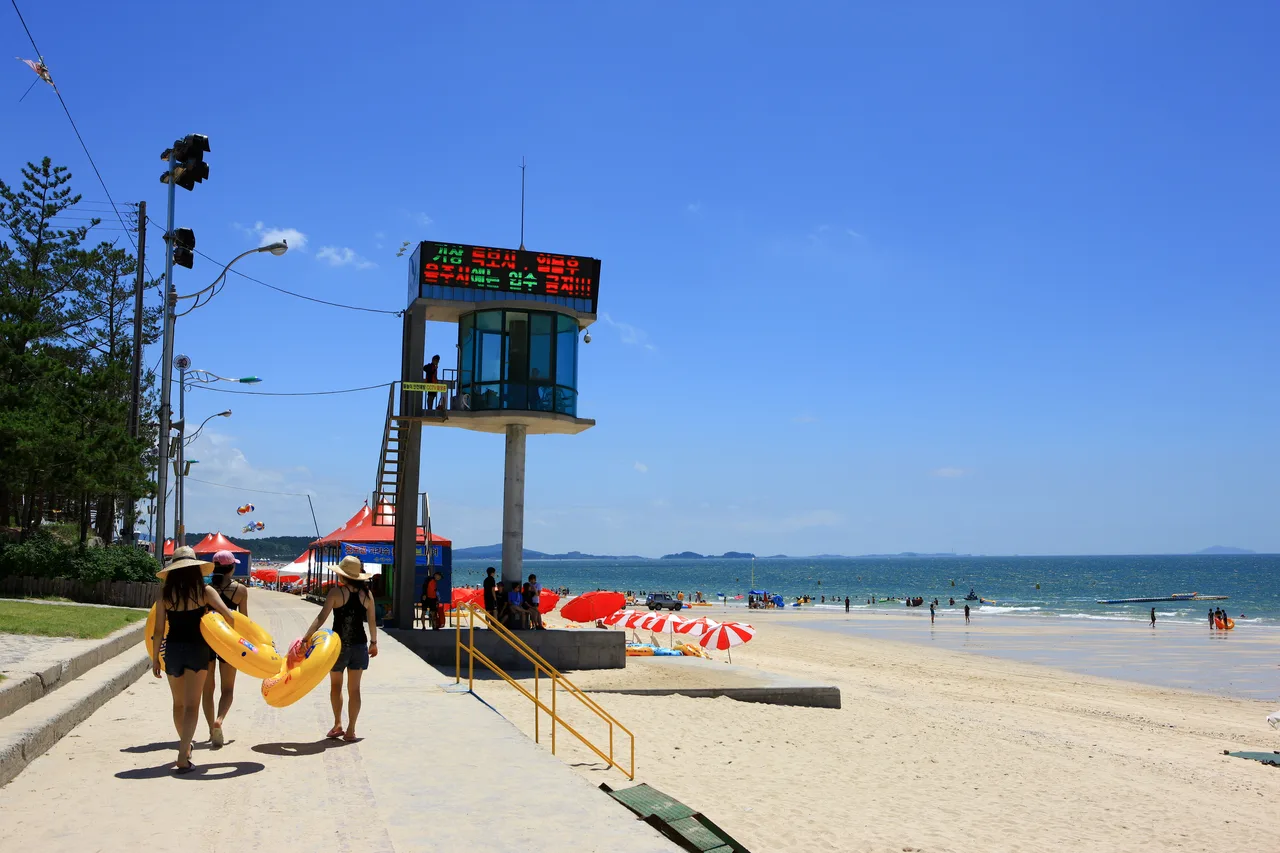
Neither the bus terminal nor Daecheon Station drops you at the sand. From either one, hop a local city bus — routes 202, 203 or 555 all run to the beach — or grab a taxi, which is only about 10 minutes and cheap when split between a few people.
There's also a newer option aimed squarely at foreign visitors: an international shuttle service called k.ride that runs from several Seoul-area pickup points, including Seoul Station, Sadang, Jamsil, Hapjeong and a stop near Pyeongtaek. It's built for tourists — the booking supports around 100 languages and takes international cards — so if the idea of navigating a Korean intercity bus terminal on a festival weekend stresses you out, it's a reasonable, if pricier, shortcut. Check current pricing when you book.
However you travel, a working data connection makes the day massively easier for tickets, maps and the shuttle app. If you haven't sorted that yet, our SIM vs eSIM in Korea guide breaks down which to get.
What to bring, and what the mud does to you
A few things I wish someone had told me before my first mud day.
Wear clothes you are prepared to throw away, or at least a dark swimsuit under an old T-shirt. Boryeong mud is fine and gray, and it stains lighter fabrics; white shirts come out beige no matter how hard you scrub. Bring cheap water shoes or sandals with a strap, because the ground around the pools is a churned-up mess and you do not want to be barefoot in a crowd.
Everything else you value — phone, passport, wallet — should be in a locker or a fully sealed waterproof pouch, not "just in your pocket for a second." Mud gets everywhere. There are rinse-off showers and changing areas on site, but bring your own towel and a plastic bag for the muddy clothes.
Sunscreen matters more than you'd think. You're on an exposed west-coast beach in peak summer with almost no shade in the mud zone, and reapplying is awkward once your hands are caked, so go heavy before you start. Drink water. It is hot, physical and easy to underestimate.
As for the skincare payoff: your skin does feel weirdly smooth and tight after a good soak and rinse, thanks to those minerals. Whether that's the germanium or just the exfoliation of rolling around in fine clay for two hours, I couldn't tell you. It feels good either way.
Beyond the mud pit
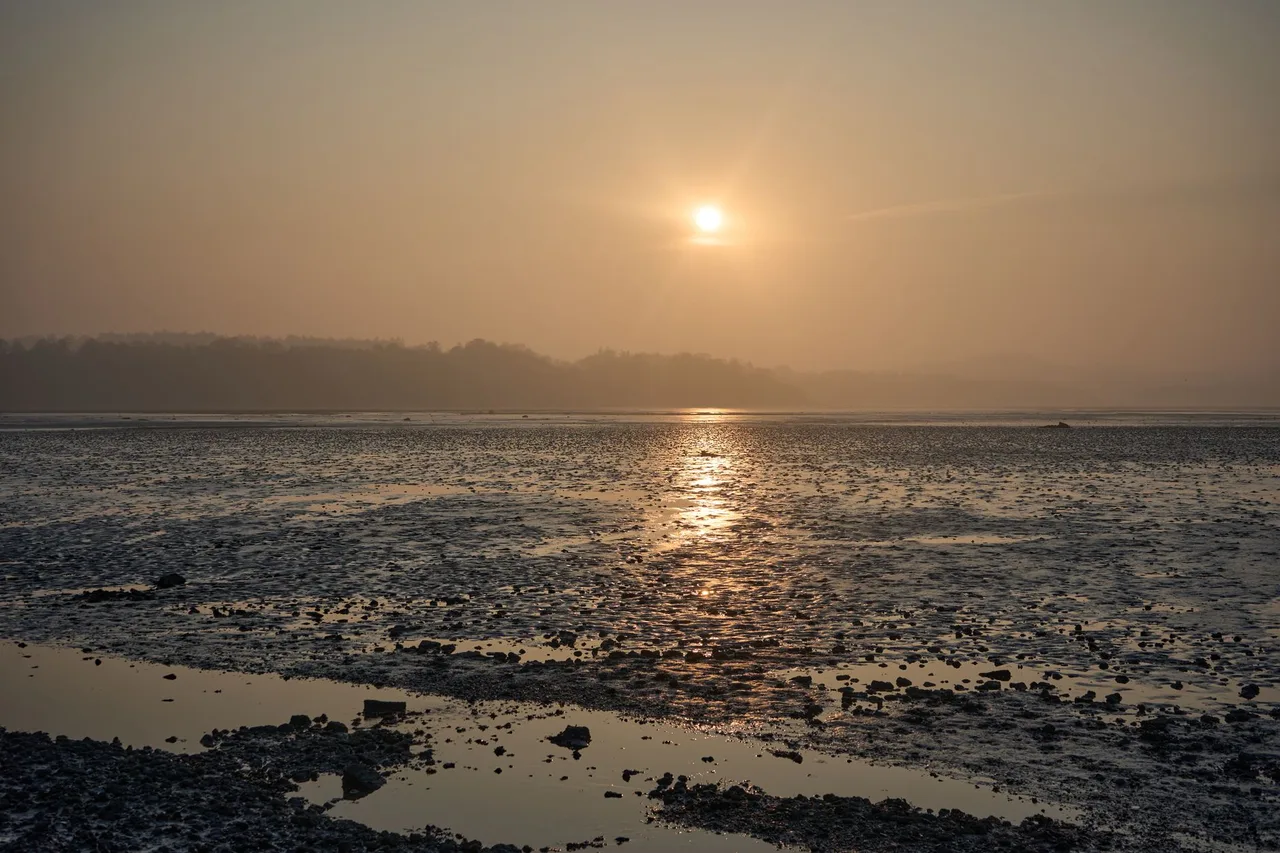
It's easy to treat Boryeong as a one-thing town, but Daecheon Beach is a genuine summer resort strip the rest of the time. The beach runs long and wide, the west-coast sunsets over the Yellow Sea are the kind people drive out for, and the seafood is the real reason a lot of Koreans come. This coast is known for its shellfish and its raw fish; a plate of grilled clams or fresh hoe with a cold drink after a day in the mud is close to perfect. If you're new to reading a menu at a place like that, our guide on how to eat like a local in Korea will keep you from pointing blindly.
The festival also runs a full night program, which is honestly when the beach is at its best. Recent editions have featured a Mud Night Parade on Friday and Saturday evenings, mud busking sets Friday through Sunday, a nightly "Mud on the Beach" block of live rock, EDM and DJ sets running past 9 p.m., and drone light shows on opening and closing nights. If you can, stay for at least one evening rather than doing a pure daytime dash — the temperature drops, the crowd loosens up, and the beach turns into an open-air concert.
Is it worth the trip?
Honestly, it depends on what you want. If your idea of a good day out is a spa and a quiet museum, a mud water cannon to the face will not convert you. But if the clips of idols and tourists losing it in a pit of gray sludge made you grin, the real thing delivers exactly that, at scale, with a genuine origin story underneath the chaos. It's one of the few places in Korea built explicitly for foreign visitors to just show up and join in, no Korean required.
Go on a weekday if you hate crowds, book your train or bus early if you're going on a weekend, bring clothes you'll never wear again, and confirm this year's dates before you commit to anything. Then let the mud do its thing.
Location
Daecheon Beach, Boryeong
View on Google MapsSources
This guide was researched using the references below. Prices and times change, so confirm anything time-sensitive on the official page before you rely on it.
Related guides
- Jeju black pork: a guide for foreign visitorsDiscover Jeju's famed black pork: its history, unique flavor, and where to savor it on the island.
- Jeju car rental guide for foreignersA comprehensive guide for foreigners on renting a car in Jeju, covering requirements, costs, insurance, and driving tips.
- Jeju Island weather: what to expect each seasonA practical guide to Jeju Island's weather by season, helping you plan the best time to visit based on climate, activities, and crowd levels.
- Flying with Jeju Air: A guide for international travelersA comprehensive guide for international travelers on flying with Jeju Air, covering booking, baggage policies, check-in procedures, and seasonal travel tip
- Korea festivals in May 2026: A guide for visitorsExplore Korea's lively festivals in May 2026, from the dazzling Lotus Lantern Festival in Seoul to the fragrant Rose Festivals in Samcheok and Gokseong.
- Seoul Lantern Festival: what to know before you goSeoul's biggest winter light show runs free along the Cheonggyecheon stream downtown. Here is when it is held, how to reach it by subway, and what to see.