How to experience the K-pop industry in Seoul
A fan's real guide to experiencing K-pop in Seoul: agency districts, official stores, music-show tapings, dance classes and birthday cafes.
By Jae Park · Updated Jul 14, 2026
When a major group drops a comeback, you feel it in Seoul before you read a single headline. The screens in subway stations flip to a new album teaser, cup sleeves with an idol's face show up in cafe windows, and the queue outside a certain building in Yongsan doubles overnight. I've chased a few of these weeks now, and the thing nobody tells you before a first trip is that 'the K-pop industry' isn't one place you can visit. There's no theme-park version of it. It's spread across four or five neighborhoods, and experiencing it means learning to move between them the way a fan who lives here would.
This is a guide to doing exactly that: the agency districts, the official stores, the music-show tapings, the dance classes, the birthday cafes and the photo spots. I'll be straight about what's genuinely worth your time and what's a fifteen-minute photo stop.
There is no single K-pop headquarters
The four big companies sit in four different corners of the city, and none of them run public tours. What you're actually visiting is the building, the neighborhood around it, and whatever pop-up or store happens to be open.
HYBE, the label behind BTS, SEVENTEEN, LE SSERAFIM, ENHYPEN and TXT, is at 42 Hangang-daero in Yongsan, a short walk from Hangangjin Station on Line 6. The offices are off-limits, but in early 2026 HYBE opened a pop-up space on the ground floor of the headquarters, and that changed the math for visiting. Entry runs through a reservation system on the Weverse app, the concept rotates with each artist's release, and the room is built around a wall-sized LED panel (around 17 meters across) playing music videos and album visuals. The first one was a BTS 'ARIRANG' pop-up. Book a slot before you fly if a group you love has a comeback lined up, because space is limited and the good release windows fill fast.
SM Entertainment moved out of Gangnam years ago and now sits in Seongsu-dong, the old factory district that has become the most design-led part of Seoul. Their retail space, KWANGYA @ SEOUL, is on the basement level of the SM building and connects underground from Seoul Forest Station, Exit 4. It's free to enter, open daily from roughly 10:30 to 20:00, and it's the most polished official store of the lot: albums, lightsticks and seasonal goods for NCT, aespa, EXO, Red Velvet and the rest, plus an AR message zone and a transparent OLED media wall. Go on a weekday morning. During a comeback week the weekend line can run past an hour.
JYP (Stray Kids, TWICE, ITZY, NMIXX) is out east in Gangdong-gu near Olympic Park, closest to Mongchontoseong Station on Line 8. YG (BLACKPINK, TREASURE, BABYMONSTER) sits in Hapjeong-dong in Mapo, by Hapjeong Station. Both are working office buildings with a lobby cafe or a small merch counter at most, so keep expectations low. Take your photo out front, look for a pop-up, and move on. And a real request from someone who's watched it go wrong: don't hang around hoping to catch an idol coming or going. Staff notice, fans have been banned from spaces for it, and it makes the whole fandom look bad.
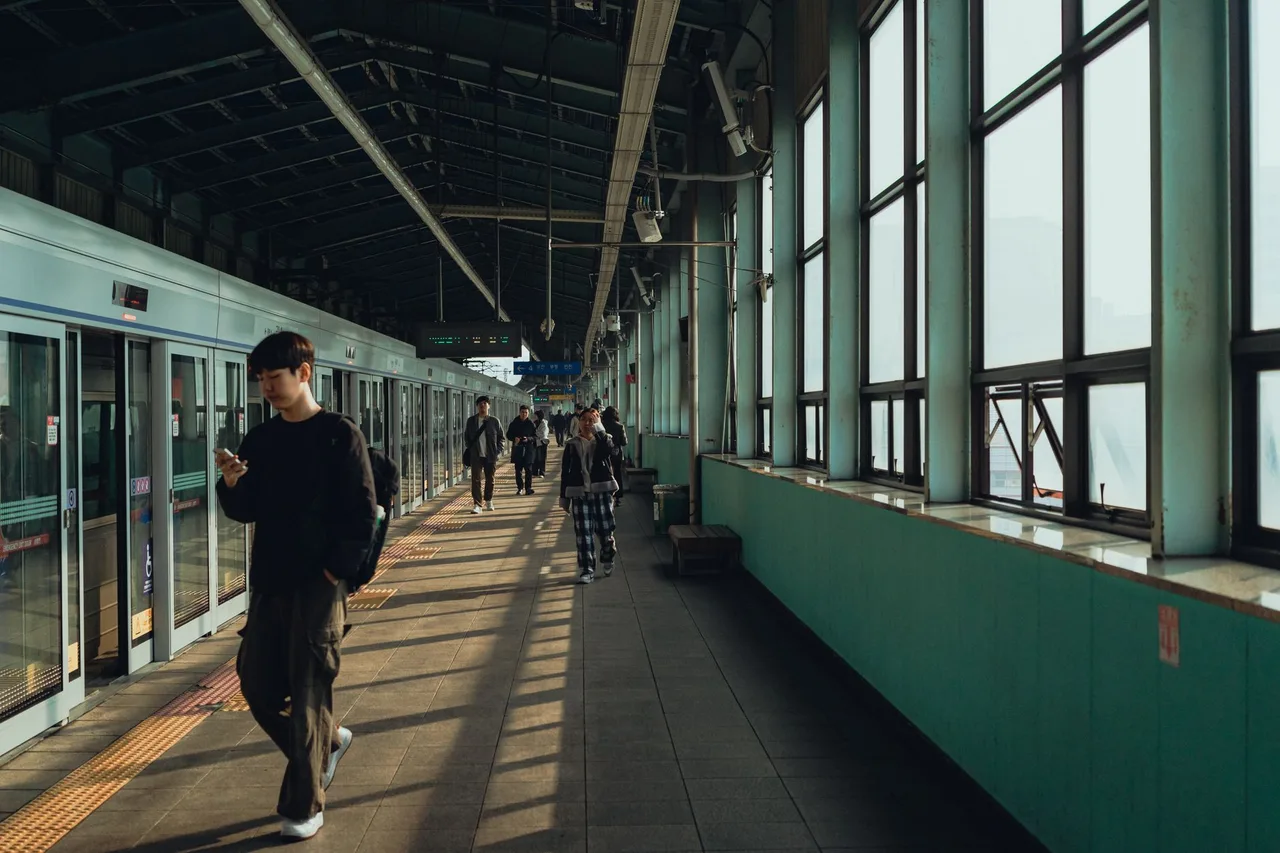
You'll spend a lot of your trip on the subway hopping between these districts, so grab a T-money card at any convenience store and keep Naver Map or KakaoMap open. Google Maps walking directions are unreliable in Korea.
Official stores and pop-ups worth your money
Beyond the agency retail spaces, the merch you actually want lives in a handful of places.
Line Friends is the easy win. The character brand runs the official BT21 line that the BTS members designed, and the flagship stores double as photo spots. The Myeongdong branch has a giant Brown bear at the entrance that everyone queues to stand next to, and there's a large Line Friends store inside K-Pop Square in Hongdae too. Both stock BT21 plus rotating K-pop collaborations; I've seen groups like NewJeans get their own sections. Myeongdong is the most tourist-friendly because you can fold it into a shopping and street-food afternoon.
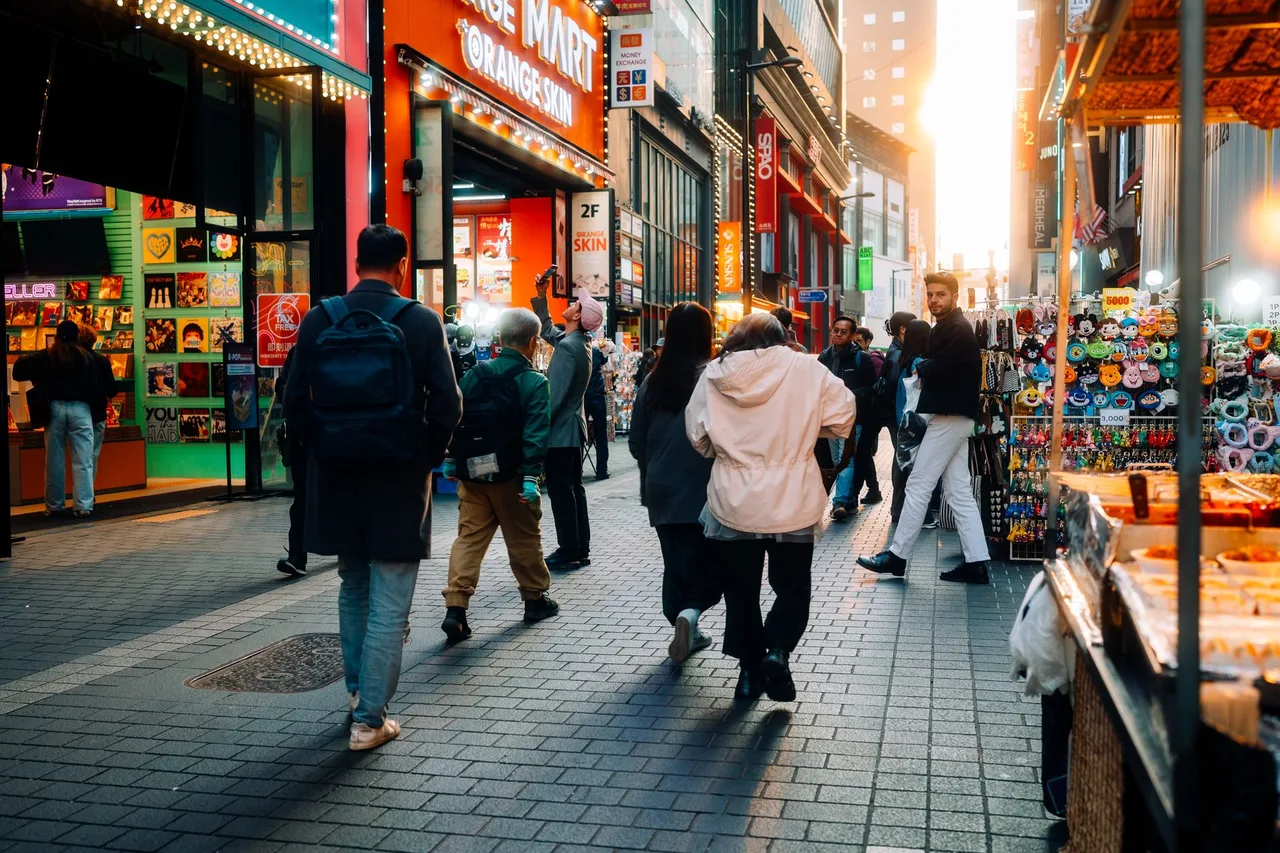
For albums and photocards, the physical stores fans name-drop are the ones to trust: ktown4u and the Weverse-linked shops carry the widest album selection, and smaller K-pop goods shops cluster around Myeongdong and Hongdae. One correction, because outdated blogs still list it: the old SMTOWN COEX Artium in Gangnam closed back in 2020. Don't build a day around it. KWANGYA in Seongsu is where SM's official experience lives now.
The smartest move is to check what's on before you go. Pop-ups drive this whole scene, they change every few weeks, and they're usually timed to comebacks. Apps and social accounts that track current Seoul pop-ups will tell you which artist has a space open the week you're in town.
Getting into a music-show taping
This is the thing people most want and least understand. The weekly music shows (Music Bank, Inkigayo, M Countdown, Show! Music Core and others) are live TV recordings, not ticketed concerts, and they're where you'll see six or eight groups perform in one afternoon.
Here's how it actually works. Music Bank tapes at KBS in Yeouido, near National Assembly Station on Line 9. To get in as an overseas fan you register a KBS account (as a 'Foreigner Living Abroad', which needs a passport copy for verification), then apply for a specific recording date through the audience application menu. It's free, but seats go by random lottery, and if you win you must show the physical passport that matches your application at the door. Inkigayo (SBS) and M Countdown (Mnet, taped out at the CJ ENM Center in the Sangam media district) work in a similar way through their own channels.
If the fan-club route sounds like a lot for a first trip, it is. Most of it assumes a Korean phone number, a membership card and proof you bought the album. The shortcut for visitors is a foreigner-only package. Platforms like Klook, Trazy and Creatrip sell audience spots for Inkigayo and Music Bank, and as of 2026 Mnet sells a foreigner M Countdown Live Pass you can buy without any fan-club membership. You pay for the convenience, but you skip the lottery and the paperwork.
Two things I wish I'd known. First, a taping is a half-day standing commitment, three to five hours between the pre-record and the live broadcast, on your feet, phones usually away during performances. Second, you don't pick which groups perform; you get that week's lineup. If one specific comeback stage is your dream, check who's promoting that week before you commit. For anything that is properly ticketed, like concerts and fan meetings, my ticketing guide walks through the Korean booking sites in English.
Learn the choreography in a real dance studio
Taking a K-pop dance class was the most fun I had on my last trip, and you don't need to dance well. Two kinds of classes exist, and it's worth knowing the difference.
The famous one is 1MILLION Dance Studio in Seongsu, the studio whose YouTube choreography videos you've almost certainly watched. In 2026 a single drop-in class runs about 30,000 won and a four-class pass around 110,000 won, booked through the 1MILLION app, where you buy credits first and then reserve a slot. Look specifically for their 'Beginner' or single-lesson classes; the regular classes move fast and assume you already know the studio's style. You're learning from the actual choreographers who build routines for major groups, which is the appeal and also the intimidation.
The other kind is the tourist-oriented class, mostly in Hongdae, built for total beginners who want to nail one song in one session. These run roughly 90 minutes for around 40 to 50 US dollars, teach a current hit from a group like SEVENTEEN, aespa or NewJeans, and usually include a filmed video of your group performance at the end, so you leave with something. You book these through the same travel platforms that sell the music-show packages. If you've never danced, start here, not at 1MILLION.
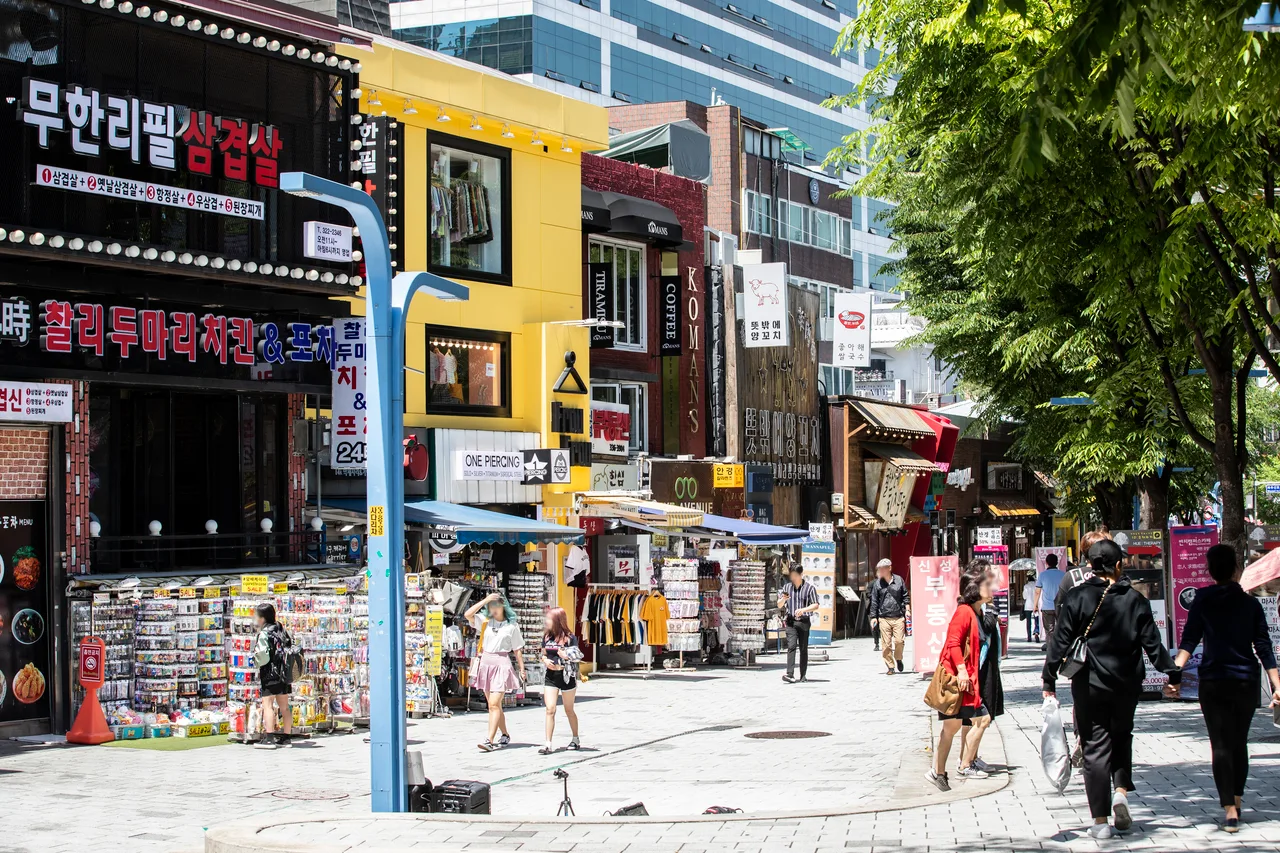
Hongdae, the university and nightlife district around Hongik University Station, is the right base for this side of the trip anyway. It's where street crews cover the latest choreography on weekend nights, and where a lot of the fan culture that isn't controlled by the companies actually happens.
Birthday cafes: the fan ritual you can't book in advance
If you want to feel what being inside a Korean fandom is like, find a birthday cafe. When an idol's birthday or debut anniversary comes around, fans rent out a regular cafe for a few days and turn it into a temporary shrine: banners, printed photos, a slideshow of the member, and custom drinks that come with a free cup sleeve and often a photocard. You buy a coffee, you collect the freebies, you take 'yejeol' shots of your bias's photocards on the table, and you cafe-hop to the next one.
You can't plan these far ahead because they're event-based, and that's part of the charm. The catch is finding them. Information lives almost entirely on X (Twitter), in Korean, under hashtags like #Happy_[Name]_Day, and fans publish little maps showing every participating cafe. The densest cluster is in Mapo (Hongdae, Hapjeong and Mangwon), with a more design-led version in Seongsu. Search the idol's name in Korean plus 생일카페 the week you arrive. Even a translated search will surface the current events. Learning to read a bit of Hangul before you go pays off constantly here, from cafe signs to cup-sleeve event rules.
Photo spots and the Gangnam K-pop trail
Gangnam is where K-pop tourism was born, and even though most agencies have moved away, the fan-facing trail is still here. K-Star Road runs about a kilometer along Apgujeong-ro, from Apgujeong Rodeo Station toward the Cheongdam intersection, lined with waist-high 'GangnamDol' bear statues decorated for different groups, among them Girls' Generation and EXO. It's free, it's outdoors, and it's a pleasant walk through one of Seoul's most expensive neighborhoods. A small souvenir shop by the station sells miniatures if you want a keepsake.
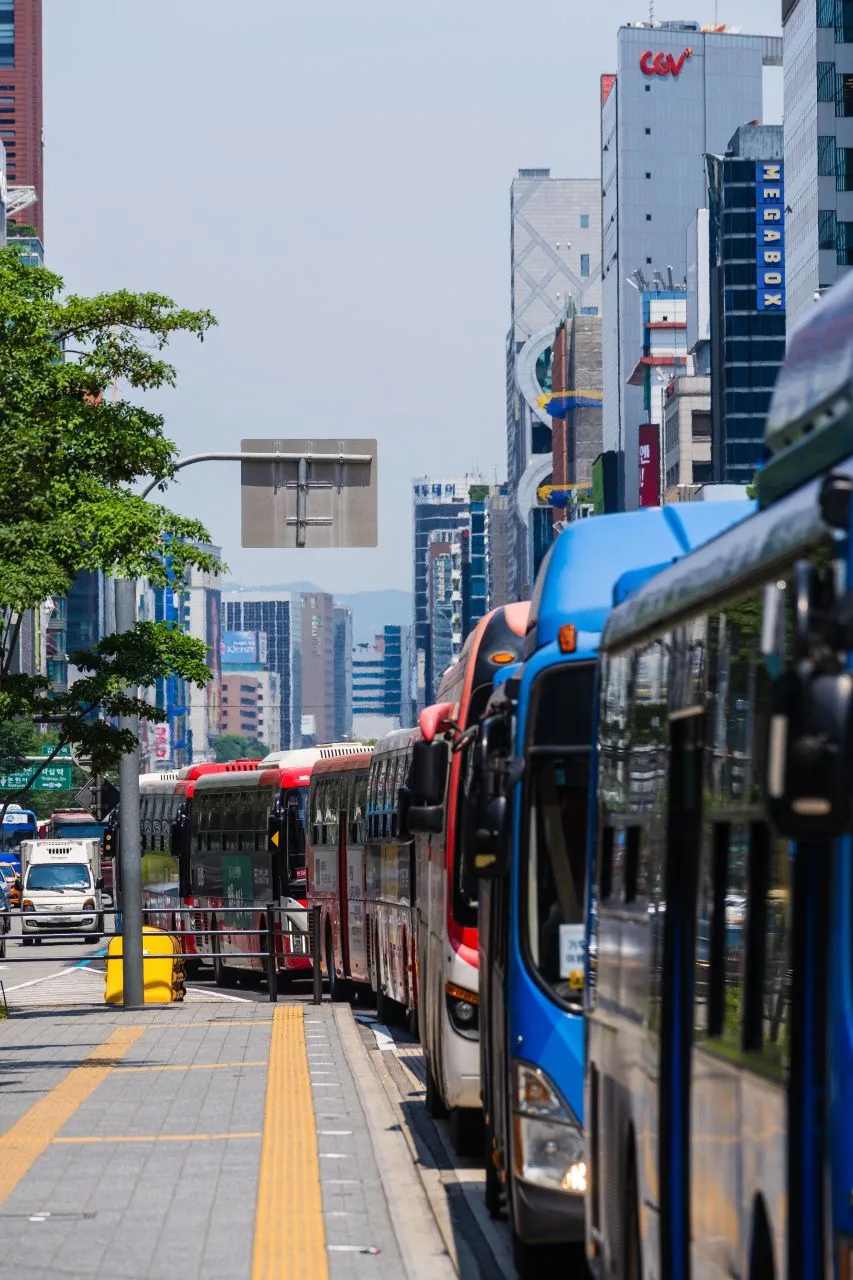
While you're on this side of the river, COEX Mall is worth a loop for the Starfield Library (that giant open-shelf library you've seen on Instagram) and the PSY 'Gangnam Style' sculpture out front, and Apgujeong itself is thick with the clinics and boutiques that make up the industry's off-camera economy. It's a very different texture from Seongsu or Hongdae, and seeing both is part of understanding how the business spreads across the city. If you also chase drama backdrops, the K-drama filming locations guide overlaps with a lot of these same neighborhoods.
Free ways to feel the industry
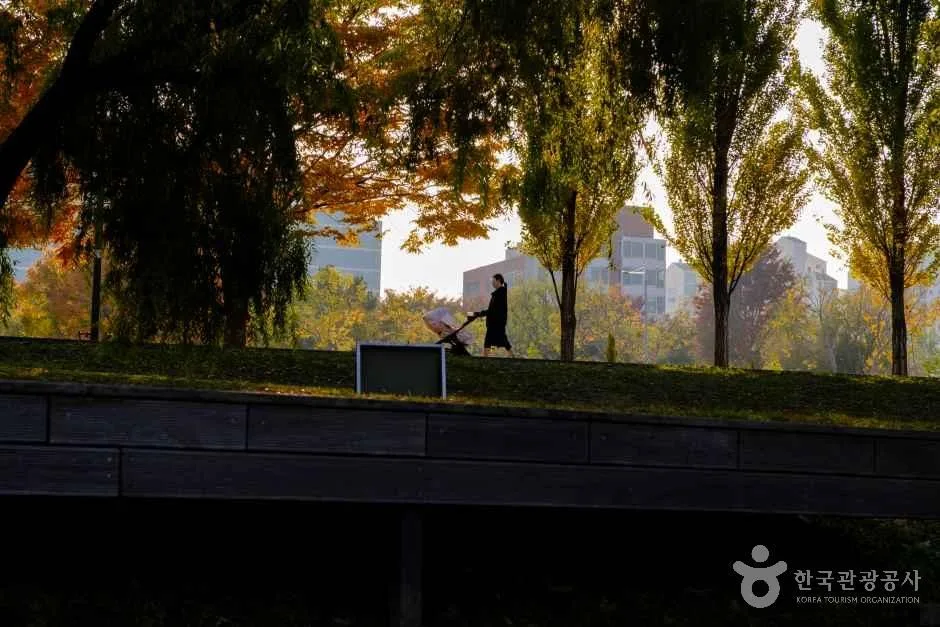
You can have a full K-pop day in Seoul without buying a single ticket. Ride the subway and you'll pass idol birthday ads that fans buy on the station screens. The Han River parks, Yeouido and Banpo especially, show up constantly in music videos and variety shows, and on a summer evening they're where young Seoul actually hangs out, with ramyeon and picnic mats and all.
Add the free stuff up (KWANGYA, a Line Friends store, K-Star Road, a birthday-cafe coffee, the HYBE pop-up if you land a reservation) and you'll have touched more of the industry than most package tours deliver, for the price of transit and a few drinks.
A few practical notes
- Base yourself somewhere central, ideally on or near Line 2. It crisscrosses the city and puts Hongdae, Gangnam and the Seongsu approach within easy reach.
- Download Naver Map or KakaoMap, get a T-money card, and set up mobile data before you leave the airport so you can check pop-up accounts on the move. My SIM versus eSIM breakdown covers the options.
- Follow the etiquette. Don't film idols at the agency buildings, keep your voice down in residential Seongsu, and read a cup-sleeve event's rules before taking freebies. A little Korean etiquette goes a long way with staff and fans alike.
- Confirm everything current before you rely on it. Store hours, pop-up dates and music-show application windows all shift, and the official Weverse, app and company channels are the only sources that stay accurate.
The best K-pop day I've had in Seoul wasn't the taping or the famous studio. It was a slow afternoon in Seongsu: KWANGYA in the morning, a stranger's photocard trade over coffee, and a birthday cafe I found on Twitter an hour before it closed. You come for the groups. You end up hooked on the city they come from.
Sources
This guide was researched using the references below. Prices and times change, so confirm anything time-sensitive on the official page before you rely on it.
Related guides
- Busan International Film Festival: A Visitor's GuideYour comprehensive guide to attending the Busan International Film Festival, including dates, venues, ticketing, and travel tips.
- Korean movies to watch in 2026Explore the standout Korean films of 2026, from historical dramas to innovative thrillers, and discover the industry's evolving trends.
- Korean dramas in 2026: top picks and trendsExplore the standout Korean dramas of 2026, from high-rated series to emerging trends and must-watch titles.
- K-pop groups: a guide for international fansAn in-depth look at the most influential K-pop groups in 2026, their achievements, and the evolving landscape of the genre.
- KPop Demon Hunters: what the record-breaking film got rightThe 2025 Netflix film became the platform's most-watched title and won Best Animated Feature. What it borrowed from real K-pop, and what to watch next.
- Where to buy K-pop albums, photocards, and merch in SeoulA comprehensive guide to the best places in Seoul to purchase K-pop albums, photocards, and merchandise, including major record stores, entertainment compa