K-drama filming locations you can visit
A been-there guide to K-drama filming locations you can actually visit, from Nami Island and Gapyeong to Goblin's breakwater, with prices and transport.
By Jae Park · Updated Jul 14, 2026
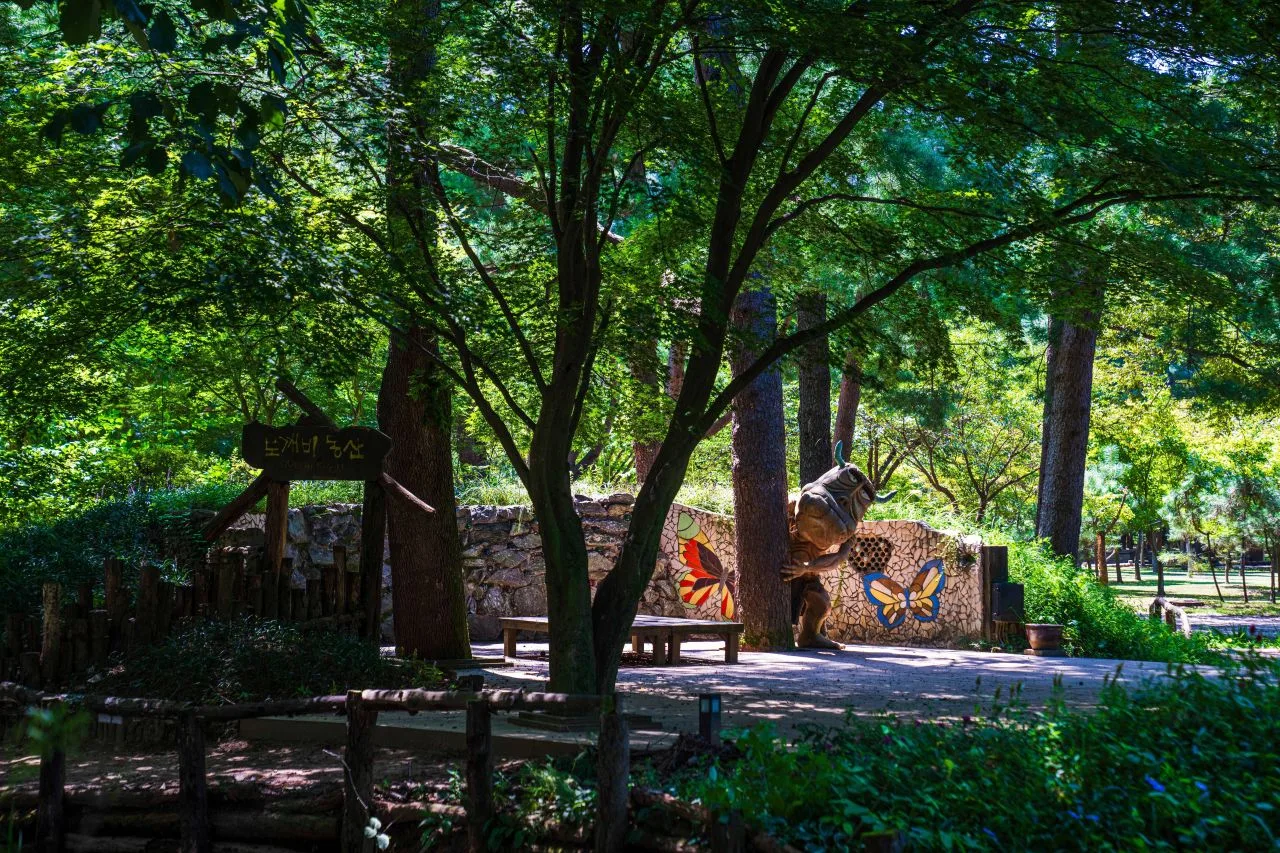
The first time I rode the ferry across to Nami Island, half the people on the boat were quietly humming the same tune. It was the theme from Winter Sonata, the 2002 KBS drama that turned a small half-moon island in the Bukhan River into one of the most photographed places in Korea. More than twenty years later the crowd has shifted — more Goblin fans clutching red scarves, more couples who found the place through a 15-second Reels clip — but the pull is identical. You watched something on a screen, it lodged somewhere, and now you want to stand on the exact patch of ground where it happened.
I've done this circuit more times than I can count, usually because a visiting friend asks me the same question: which K-drama spots are actually worth the trip, and which are just a tree that looks like every other tree. So this is the honest version. It centers on Nami Island and the wider Gapyeong area, where the density of filming sites is highest and the logistics are kindest, then branches out to a breakwater on the east coast and a tower in central Seoul that you've almost certainly seen without knowing it.
Why a tiny island became a pilgrimage site
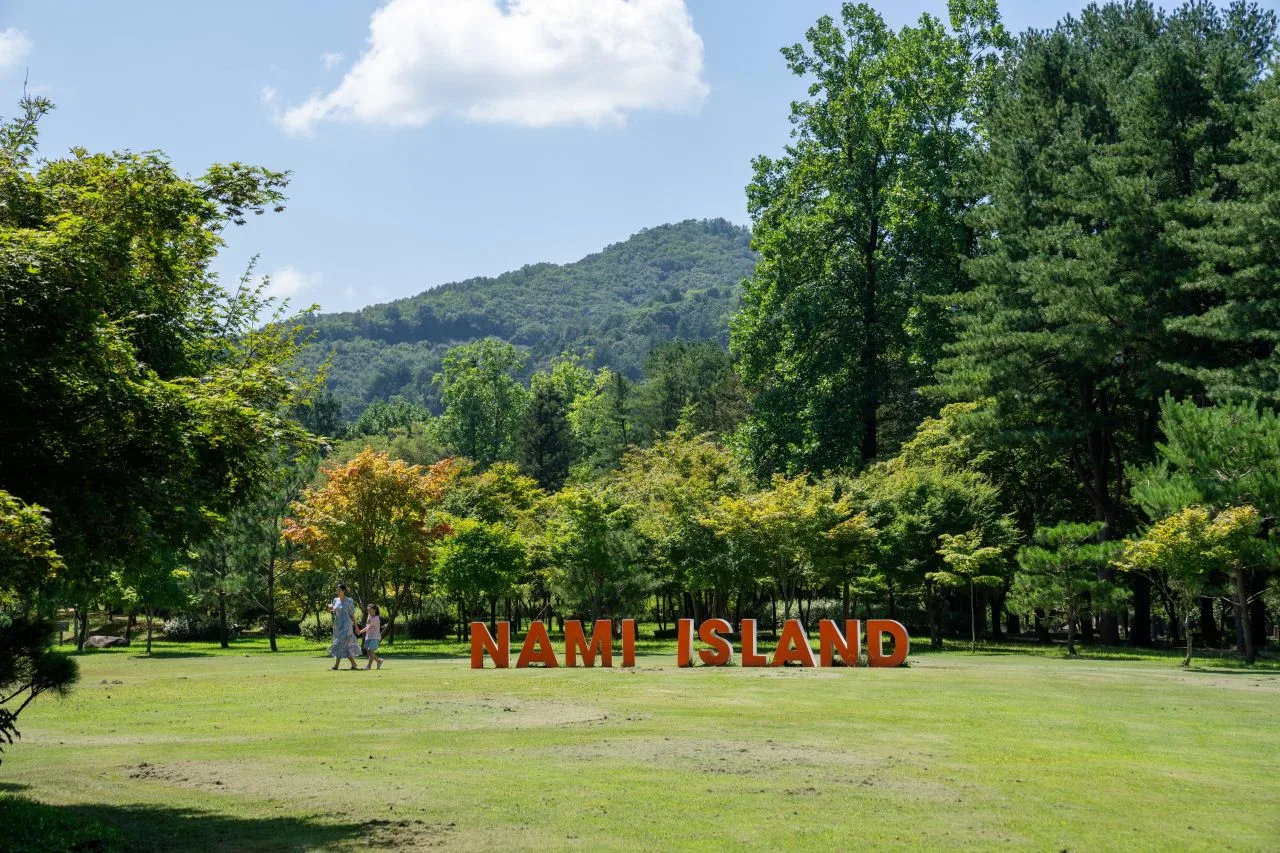
Nami Island didn't start as anything glamorous. The land around it flooded when Cheongpyeong Dam raised the Bukhan River, leaving a half-moon of higher ground marooned in the water. It takes its name from General Nam Yi, a Joseon-era commander who was executed at 28 after being falsely accused of treason during King Yejong's reign in the late 1460s. A stone burial mound on the island marks him, though historians place his real grave down in Gyeonggi Province. A businessman named Min Byeong-do bought the island in 1965 and turned it into a resort, and in 1977 metasequoia saplings were transplanted here from Seoul National University's agriculture college. Those fast-growing trees are the reason you're coming.
Because in 2002, the drama Winter Sonata filmed its snowy walks along that metasequoia lane, and the image traveled. Japanese tour groups arrived by the busload, then Southeast Asian fans, and the island rebranded itself as the "Naminara Republic," a tongue-in-cheek micronation with its own stamps and passports. It's kitsch, and it works. The point I'd make to any first-timer is that Nami earns its reputation on foot: the appeal is the tree-lined avenues, the tame squirrels and ostriches wandering the paths, and the light coming through the canopy. Give it three or four unhurried hours, not forty photo-stop minutes.
Getting to Nami Island from Seoul
The wharf is in Gapyeong, about an hour and a half northeast of central Seoul, and you have three sensible ways to reach it.
- ITX-Cheongchun train (my default). From Cheongnyangni Station you catch the ITX to Gapyeong Station in roughly 40 minutes for about 5,700 to 8,500 won one way. Book a seat in advance on the Korail app, because weekend trains sell out and standing-room tickets are miserable with a day bag.
- Gyeongchun Line subway (the budget option). The same Gapyeong Station sits on the Gyeongchun Line, so you can ride the regular metro all the way out for the price of a normal subway fare. It's slower — closer to two hours with no reserved seat — but it's the cheapest door-to-door route and needs no booking.
- The official Nami shuttle bus. Nami runs its own coach from Hongdae, Myeongdong and DDP, leaving mid-morning and returning around 4:30pm for roughly 22 US dollars round trip. Convenient if you don't want to think about transfers, but it locks you to its schedule.
Here's the catch nobody mentions in the flashy videos: Gapyeong Station is not the wharf. You're still about 2km away. Cross the road outside the station and take the Gapyeong city bus (route 10-4) to the Nami Island ferry dock, or split a taxi — it's a five-minute ride for around 5,000 won, which four people can share for pocket change. If you'd rather see several Gapyeong sights in one loop, the Gapyeong City Tour Bus is a hop-on-hop-off coach for about 8,000 won that links the station, Nami, Petite France and the Garden of Morning Calm.
At the wharf, admission is 19,000 won for adults and 16,000 won for students and seniors, and that price already includes the round-trip ferry — you don't buy a separate boat ticket. Toddlers under 36 months go free. Ferries run from 8am to 9pm, leaving every 10 to 20 minutes during the busy 9am-to-6pm window and every half hour outside it. The crossing itself takes barely five minutes.
Riding the zipline in, and picking your season
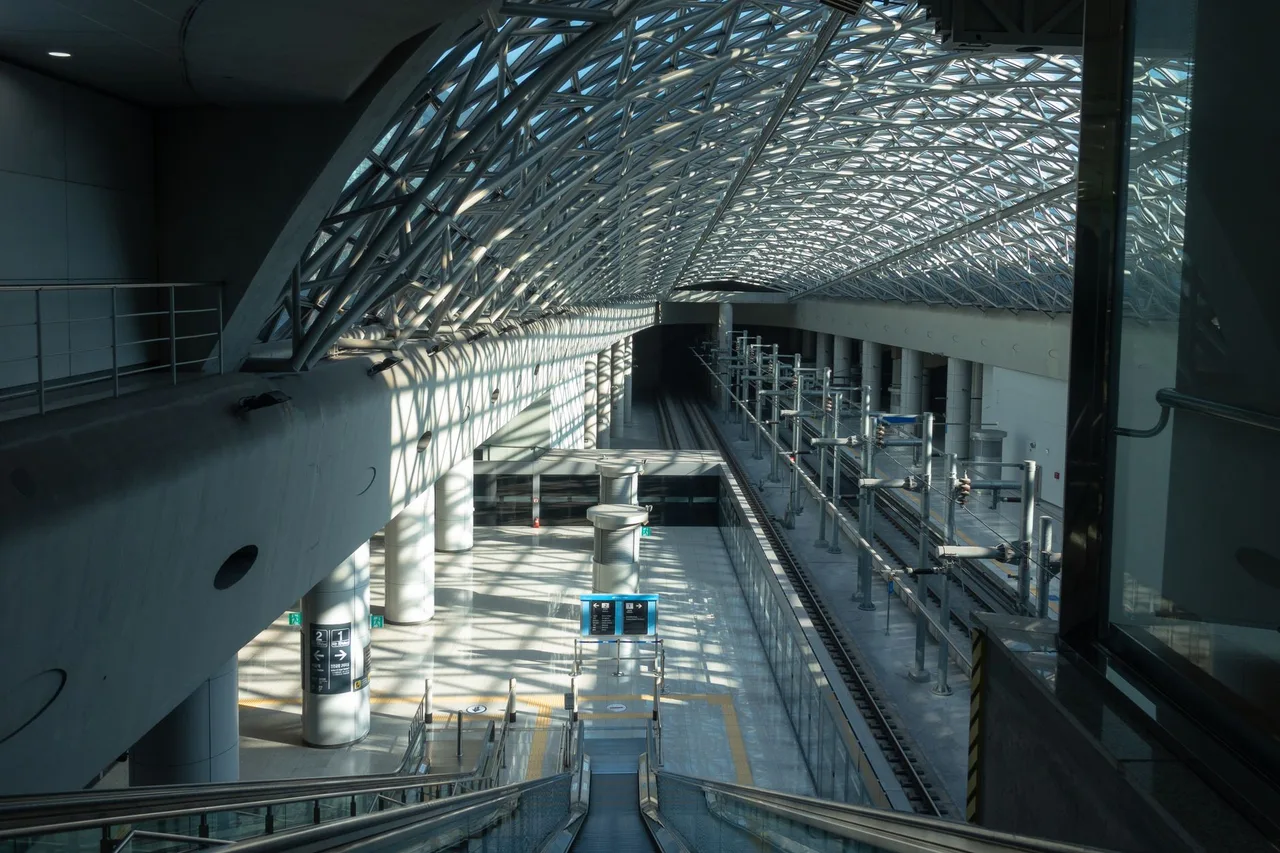
If you want to arrive like a drama character, skip the ferry queue and fly. The Aranabi zipwire launches from a tower on the Gapyeong side and carries you 940 meters over the river to the island at up to 80km/h. It costs around 50,000 won, and — this is the part people miss — that fare already bundles your island admission and the return ferry, so it's not as steep as it first sounds. I've done it once; the view of the water opening up beneath you is genuinely worth the nerves.
Season changes the island completely, and it's worth choosing deliberately.
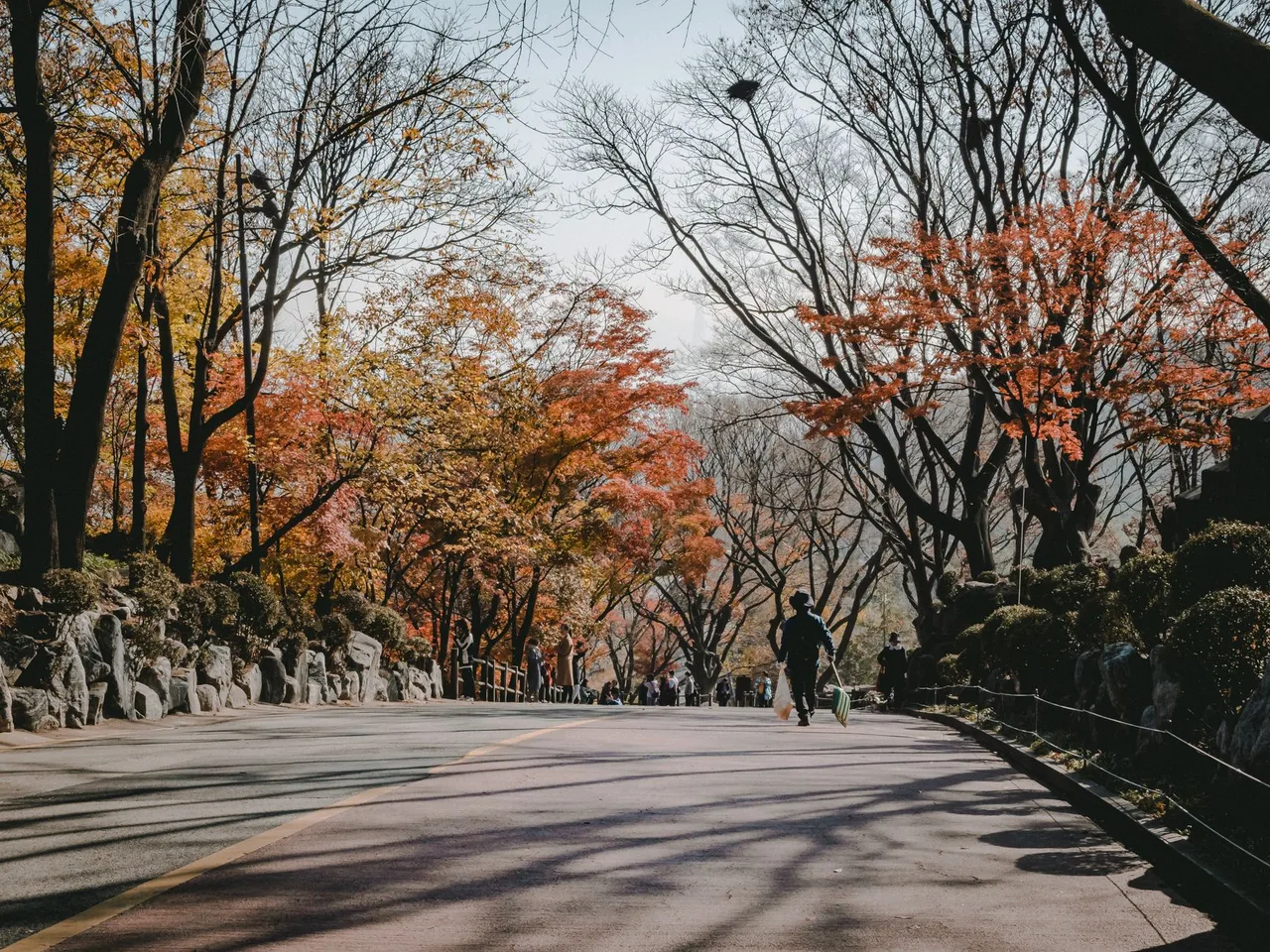
- Autumn is the classic. Late October into early November lights the ginkgo and maple avenues gold and red, and it's the version most people picture. If you're timing a trip around fall color, our Korea autumn foliage guide covers the wider peak-week windows across the country.
- Winter gives you the actual Winter Sonata look, the bare metasequoia trunks under snow. Cold, quiet, cinematic.
- Spring brings blossoms and the smallest crowds of the pretty seasons.
- Summer is green and shady but humid; go early to beat the tour buses.
The rest of the Gapyeong drama circuit
The smart move is to treat Nami as one stop on a Gapyeong loop rather than a solo destination, because two other filming sites sit within a short ride. If you would rather not piece the transfers together yourself, you can book a K-drama location day tour on Klook that bundles several of these stops.
This guide contains affiliate links. If you book through them we may earn a small commission, at no extra cost to you.
Petite France is the pastel French-village theme park where My Love from the Star filmed several of its most-shared scenes in 2013 — the row of storybook cottages, the little square, the marionette shows. It opened in 2008 and leans into a Little Prince motif throughout. Admission runs about 12,000 won for adults and 10,000 for children, and it's open roughly 9am to 6pm in winter and to 7pm in summer. Right next door, the newer Italian Village (Pinocchio & Da Vinci), opened in 2021, charges around 16,000 won on its own or about 28,000 won for a combined ticket with Petite France if you want both.
The Garden of Morning Calm is the other one I'd prioritize. It's a 330,000-square-meter arboretum that stood in for scenes in That Winter, the Wind Blows, and it shifts hard by season. Adult admission is about 11,000 won, with youth around 8,500. From early December to mid-March it runs a winter Lighting Festival that keeps the garden open late — I've walked it after dark with the whole hillside strung in lights, and it's the rare attraction that lives up to the photos. Confirm the festival's exact opening and closing dates on the garden's official site before you build an evening around it, since the schedule shifts a little each year.
If you're eating out here, you're in dakgalbi country — Chuncheon, just up the line, is the home of that spicy stir-fried chicken. Ordering it the way locals do is covered in our guide on how to eat like a local in Korea.
Goblin's breakwater, and why some fans go all the way east
Not every great location is a day trip. The single most requested spot I get asked about now isn't in Gapyeong at all — it's the Jumunjin breakwater near Gangneung on the east coast, where Ji Eun-tak blew out her birthday candles and accidentally summoned the Goblin, Kim Shin, in the first episode of the 2016 hit. Fans reenact the scene daily, often with a bought bouquet as a prop.
The honest logistics: the breakwater is free, public, and open year-round with no ticket or gate. Getting there is the cost. A KTX from Seoul Station reaches Gangneung in a little under two hours, and a round trip lands somewhere around 55,000 to 60,000 won depending on the train. Because it's a haul, most people who make the trip stretch it into an overnight and pair the breakwater with Gyeongpo Lake, the beaches and Gangneung's famous coffee street. If Goblin is the drama that got you into all of this, it's worth doing properly rather than as a rushed same-day sprint.
Drama spots you can hit without leaving Seoul
If your schedule is tight, you don't actually have to leave the city to stand in a scene. N Seoul Tower on Namsan Mountain has appeared in so many dramas it's practically a supporting character — the love-lock fences and the "locks of love" terrace show up in Boys Over Flowers and My Love from the Star, among dozens of others. Couples still hang padlocks by the thousand.
You can walk, ride the Namsan cable car (roughly 14,000 won round trip), or take the yellow Namsan circulation bus up to the base. The observatory itself is about 12,000 won for a single ticket. Honestly, you can experience the famous fence and the mountain-top plaza for free without ever buying the observation-deck ticket, which is what I'd do if you're only there for the drama backdrop and the view over the city. It's open late — generally to around 10:30 or 11pm — so it doubles as a night stop after dinner.
For a deeper city-side hit of fandom beyond filming spots, our guide to experiencing the K-pop industry in Seoul maps out the agency neighborhoods and idol cafes.
How to plan it so the day actually works
A few things I've learned the slow way.
- Start early. The first ferries and the earliest ITX trains are the difference between empty metasequoia lanes and a river of selfie sticks. Aim to be at Gapyeong wharf before 10am on weekends.
- Stay central. A base near Cheongnyangni or on subway Line 2 trims the morning trip to the wharf; you can compare Seoul hotels on Agoda.
- Download Naver Map or Kakao Map. Google Maps navigation is limited in Korea, and these two are how you'll actually route buses and check the ITX. Sorting out data before you land makes this painless — see our SIM vs eSIM in Korea guide.
- Buy a T-money card at any convenience store for the Gyeongchun Line, the city bus and the 10-4 shuttle. It saves fumbling for cash at every transfer.
- Confirm current prices and dates. Everything above reflects what I could verify at the time of writing, but admission fees, festival dates and ferry timetables are adjusted periodically. Treat recurring events like the Garden's winter lights as "each winter, dates announced yearly" and check the official pages before you commit.
- Give Nami real time. If I could change one thing about how most visitors do this, it's the pace. The island rewards a slow loop of the outer paths, not a beeline to the one famous avenue.
If you're building a whole first trip around K-content and food, our modern culture Discover hub collects the rest of the guides — dramas, webtoons, K-pop and where they all physically live. The screen got you here. The trees, the breakwater and the tower are the part that stays with you after the credits roll.
Location
Nami Island, Gapyeong
View on Google MapsSources
This guide was researched using the references below. Prices and times change, so confirm anything time-sensitive on the official page before you rely on it.
Related guides
- Busan International Film Festival: A Visitor's GuideYour comprehensive guide to attending the Busan International Film Festival, including dates, venues, ticketing, and travel tips.
- Korean movies to watch in 2026Explore the standout Korean films of 2026, from historical dramas to innovative thrillers, and discover the industry's evolving trends.
- Korean dramas in 2026: top picks and trendsExplore the standout Korean dramas of 2026, from high-rated series to emerging trends and must-watch titles.
- K-pop groups: a guide for international fansAn in-depth look at the most influential K-pop groups in 2026, their achievements, and the evolving landscape of the genre.
- KPop Demon Hunters: what the record-breaking film got rightThe 2025 Netflix film became the platform's most-watched title and won Best Animated Feature. What it borrowed from real K-pop, and what to watch next.
- Where to buy K-pop albums, photocards, and merch in SeoulA comprehensive guide to the best places in Seoul to purchase K-pop albums, photocards, and merchandise, including major record stores, entertainment compa