Korean etiquette: do's and don'ts for visitors
A first-person guide to Korean etiquette for visitors: bowing, pouring with two hands, shoes off, no tipping, and the subway rules locals quietly notice.
By Jae Park · Updated Jul 14, 2026
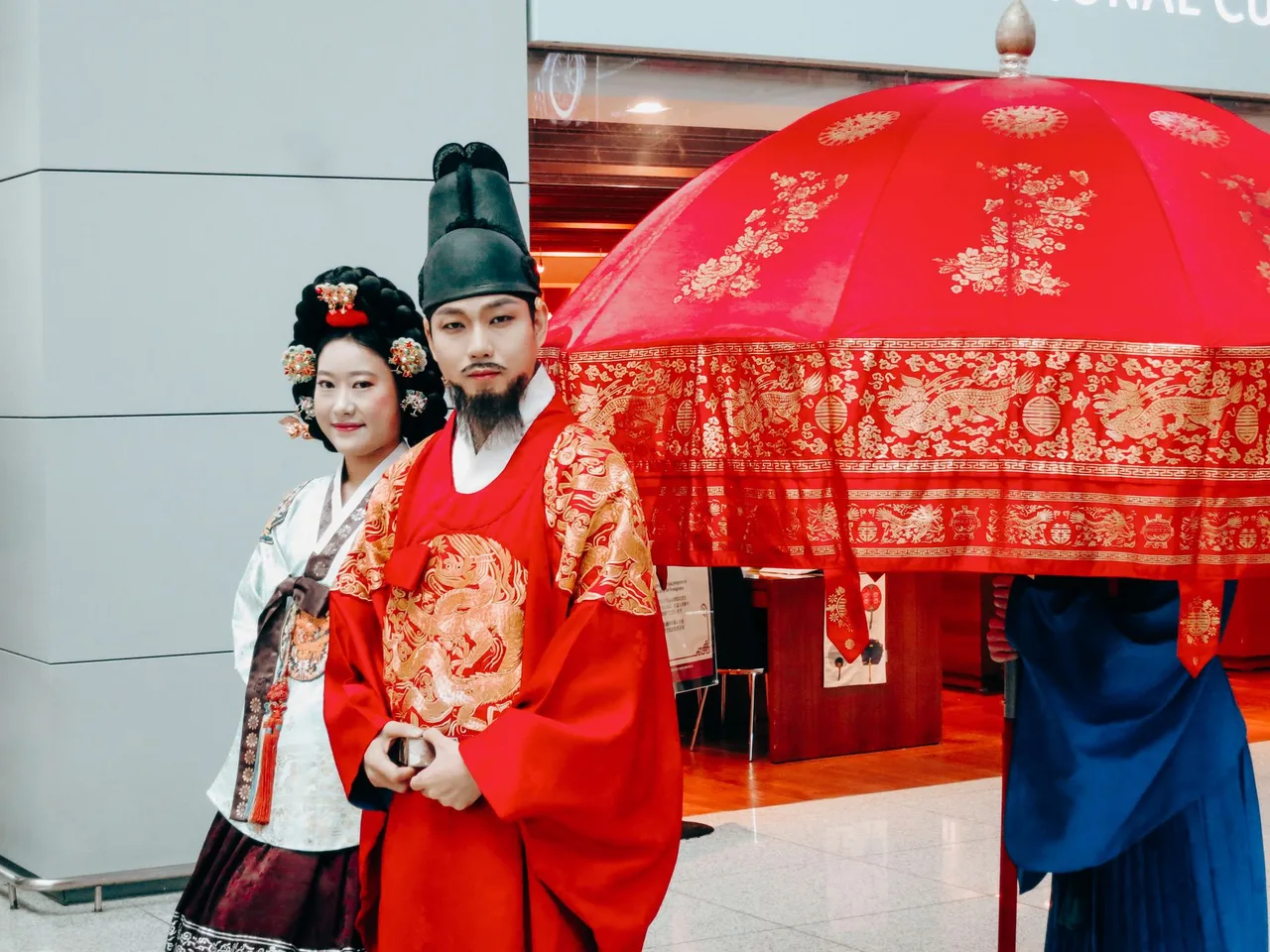
The first time it really clicked for me was during a drinking scene I'd already watched a dozen times. A younger character at a plastic-tented pojangmacha turns his shoulder away from his senior, cups the soju glass in both hands, and knocks it back facing the wall. I'd always read that as shyness. It isn't. It's a whole grammar of respect performed in half a second, and once you see it you can't unsee it.
Korea rewards visitors who notice things like this. Nobody expects perfection, and locals are genuinely forgiving with tourists, but the small efforts land. Take your shoes off before anyone points at the floor, or pour a refill with two hands, and you'll feel the temperature of the room change. Here's what I wish someone had told me before my first trip, sorted by the moments where it actually comes up.
The one idea under all the rules
Almost every custom here traces back to a single question Koreans answer within minutes of meeting you: where do we stand relative to each other? Age, and the seniority riding on it, sets the tone for how people speak, who pours first, who walks through the door first. This is why a friendly stranger might ask your age early on. It isn't nosiness. They're working out which words to use with you.
Korean splits into 존댓말 (jondaemal), the polite register, and 반말 (banmal), the casual one reserved for close friends, kids, or people clearly younger. Guess wrong and it stings, so the age question clears things up fast.
One wrinkle worth knowing: in June 2023 Korea legally scrapped its traditional counting system, where you were "one" at birth and gained a year every New Year's Day, and switched official documents to international age. So a Korean friend who once called themselves 30 might now say 28. In casual talk people still fudge it, but on paper everyone got a year or two younger overnight.
If you want the words to match the customs, our 20 survival Korean phrases guide covers the greetings that matter most.
Greetings: the bow and the two hands
You don't need to bow like a period-drama courtier. Day to day, a small nod, head and shoulders dipping maybe fifteen degrees, is your hello, thank-you, and excuse-me all in one. Do it when you meet someone, when a shopkeeper hands back your change, when you squeeze past a person on the stairs.
The deep, kneeling bow you see in dramas is a different animal. That's 절 (jeol), and the full version, 큰절 (keunjeol), is saved for formal moments like weddings, funerals, and the New Year. On 설날 (Seollal, Lunar New Year), younger family members perform a version called 세배 (sebae) for their elders and receive cash and a blessing in return. As a tourist you won't be asked to do this, but if you're lucky enough to be pulled into a family holiday, watch once and follow along. Our Seollal and Chuseok explained guide walks through the choreography.
The two-hands rule is the one to actually memorize. Give or receive anything from someone older or senior, a business card, a gift, a drink, your card at a counter, with both hands, or with your right hand while your left lightly touches your forearm. It reads as respect. One-handed feels careless, the way tossing something across a table might back home.
At the table
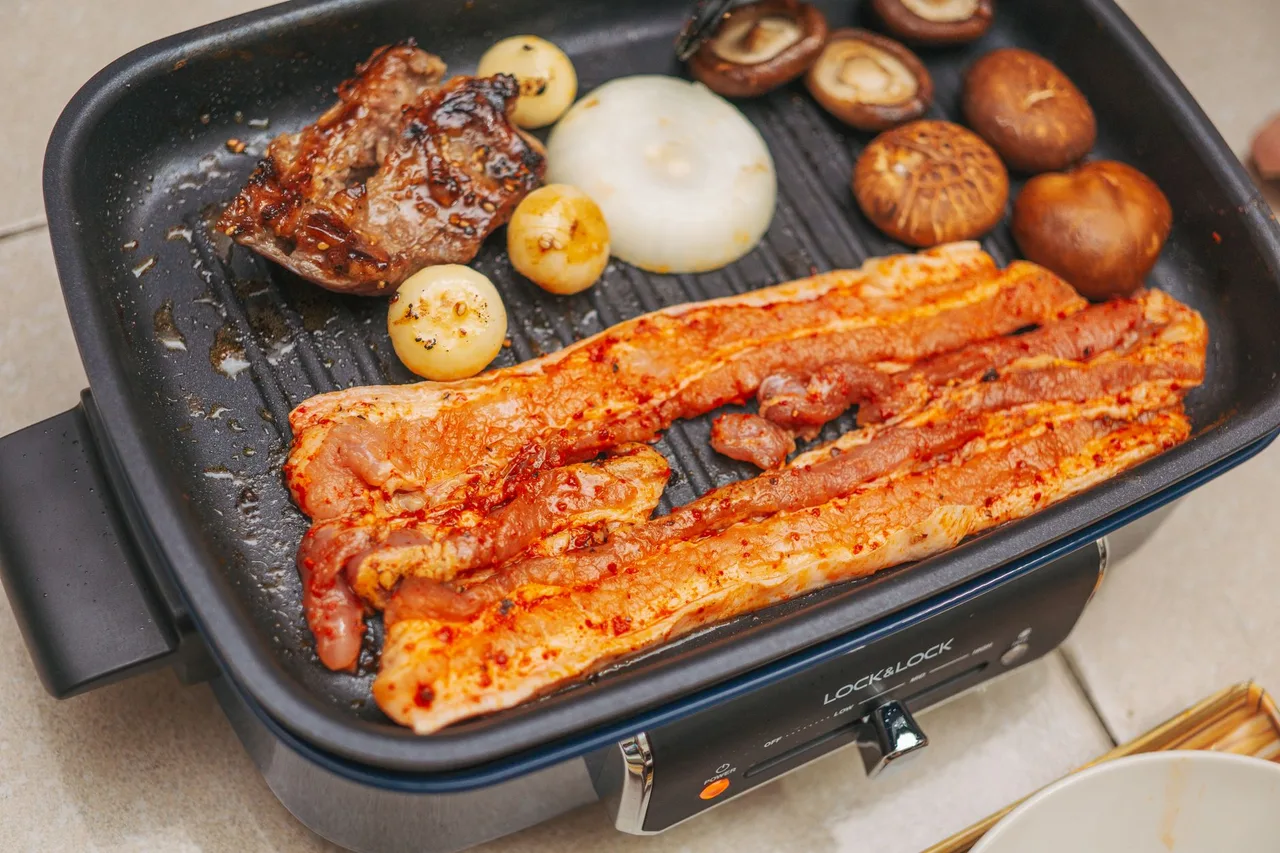
Meals are where the rules cluster thickest, partly because Koreans eat together constantly and partly because the table is where hierarchy gets performed most warmly. Start with the easy ones. Wait for the oldest person to lift their spoon before you dig in. Don't raise your rice bowl to your mouth the way you might in Japan. Here bowls stay on the table and you lean in with the spoon. Rice and soup are spoon work; side dishes are chopstick work.
Now the big one. Never stand your chopsticks upright in a bowl of rice. It mirrors the way rice is offered to the dead at a memorial rite, so at a dinner table it reads as deeply unlucky. Lay them across the rim or on the rest instead. While we're here, don't spear food with a single chopstick, and don't pass food chopstick-to-chopstick, which echoes a funeral custom of moving cremated bones.
Sharing is the default. Stews arrive in one communal pot and everyone dips in. The banchan side dishes are refilled free and meant for the whole table. If you're at a Korean barbecue and you're the youngest, expect to end up on grill-and-scissors duty. It's a small honor, not a chore. Our Korean BBQ 101 guide covers the mechanics of the grill itself.
Pouring and drinking
This is the choreography from that drama scene, and it's real. When someone older pours for you, hold your glass with both hands to receive it. Never fill your own glass. You pour for others and let them pour for you, keeping an eye out for anyone running low. The eldest person, or whoever's hosting, typically opens the first bottle of soju.
When you take that first sip in front of an elder, turn your head away, shoulder toward them, glass toward the wall, and drink. It looks bashful because it's meant to. The gesture signals modesty and has been baked into Korean drinking for generations. No one will scold you for skipping it, but do it once and you'll get a nod that says you get it.
Shoes off, and what the floor is telling you
Koreans take their shoes off indoors: always at home, and often at traditional restaurants, guesthouses, temples, and some cafes. The tell is architectural. If there's a raised step or a change in flooring just past the entrance, that's the line between outside-shoes and inside-feet. Cross it in your socks. Walking onto that raised floor with shoes on is one of the few mistakes that genuinely makes people wince, because homes here are places you sit and often sleep on the floor.
Two practical notes. Wear socks you're happy to be seen in, and slip-on shoes will save you a lot of crouching in doorways. At a traditional restaurant you'll often tuck your shoes in a cubby by the door and sit on floor cushions, so your feet will thank you for not choosing that day to wear the boots with nineteen eyelets.
Money: why your tip might come back to you
Korea has no tipping culture, and I mean genuinely none. Restaurants, taxis, hotels, tour guides: the price is the price, and service is already folded in. Leaving cash on the table doesn't read as generous so much as confusing, and a server may well chase you down the street to return what you "forgot." The right currency here is a sincere 감사합니다 (thank you) and a nod.
A few upscale hotels and Western-facing restaurants add a service charge to the bill, which covers it. Otherwise, keep your coins. If someone does something truly above and beyond, a small wrapped gift or a coffee lands far better than money pressed into a hand.
Riding the subway without stepping on toes
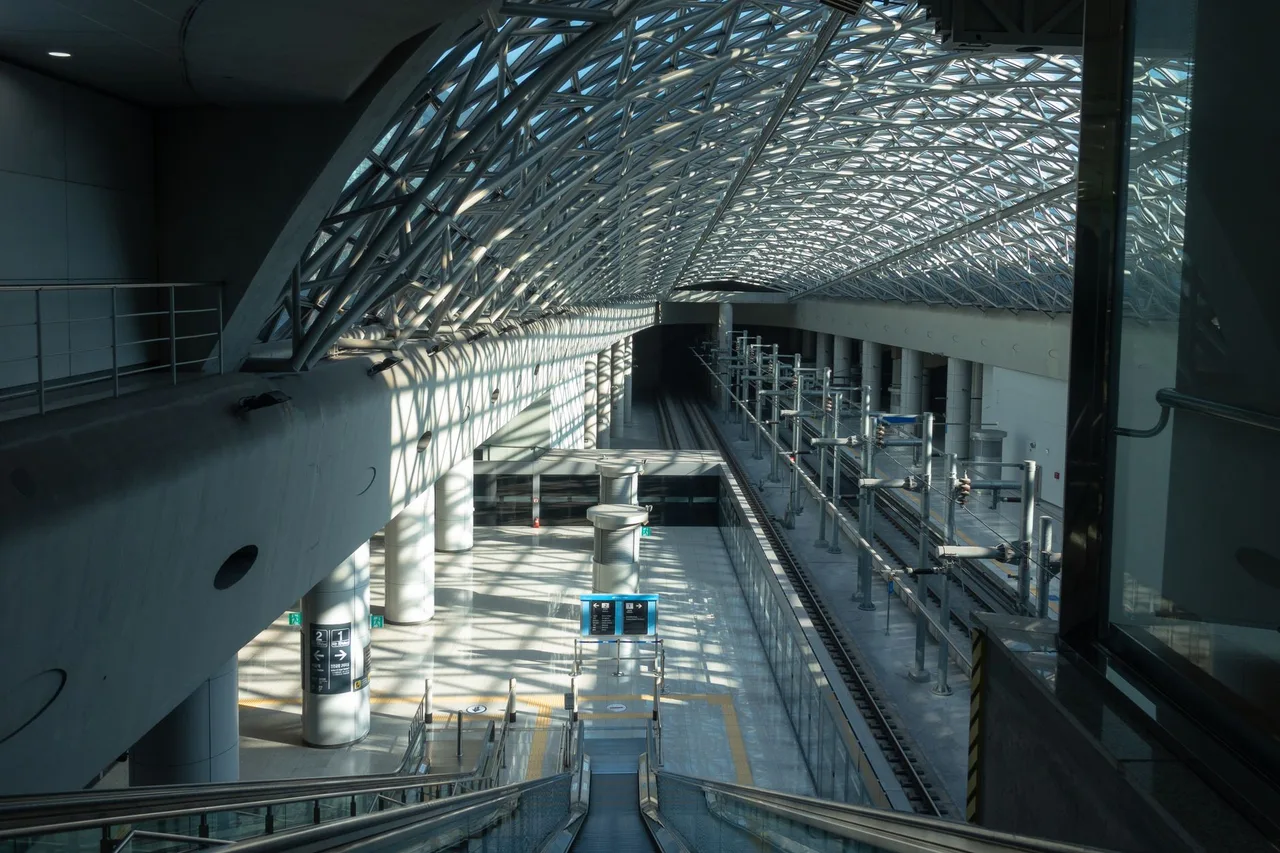
Seoul's subway is clean, cheap, and easy, roughly 1,400 won a ride on a T-money card, but it comes with an unwritten rulebook. Keep phone calls short and quiet. You'll notice locals texting in near silence rather than chatting. Let people off before you board. In a crowd, backpacks come off your shoulders and onto your front or the floor.
The seats are where tourists trip up. Both ends of every car have priority seats, usually a different color and often empty even when the car is packed, held for the elderly, disabled, and passengers with small children. Koreans leave them alone out of habit, and so should you.
Then there are the pink seats. Introduced in 2013 after pregnant women kept getting hassled for using the general priority seats, these are set aside specifically for expectant mothers, including women in early pregnancy who don't look it yet. Many carry a small pink badge on their bag as a signal. The rule is simple: don't sit there. If you accidentally do and a pregnant passenger boards, get up. When in doubt, just stand. You're on holiday, and your feet can take it.
Palaces, temples, and the hanbok hack
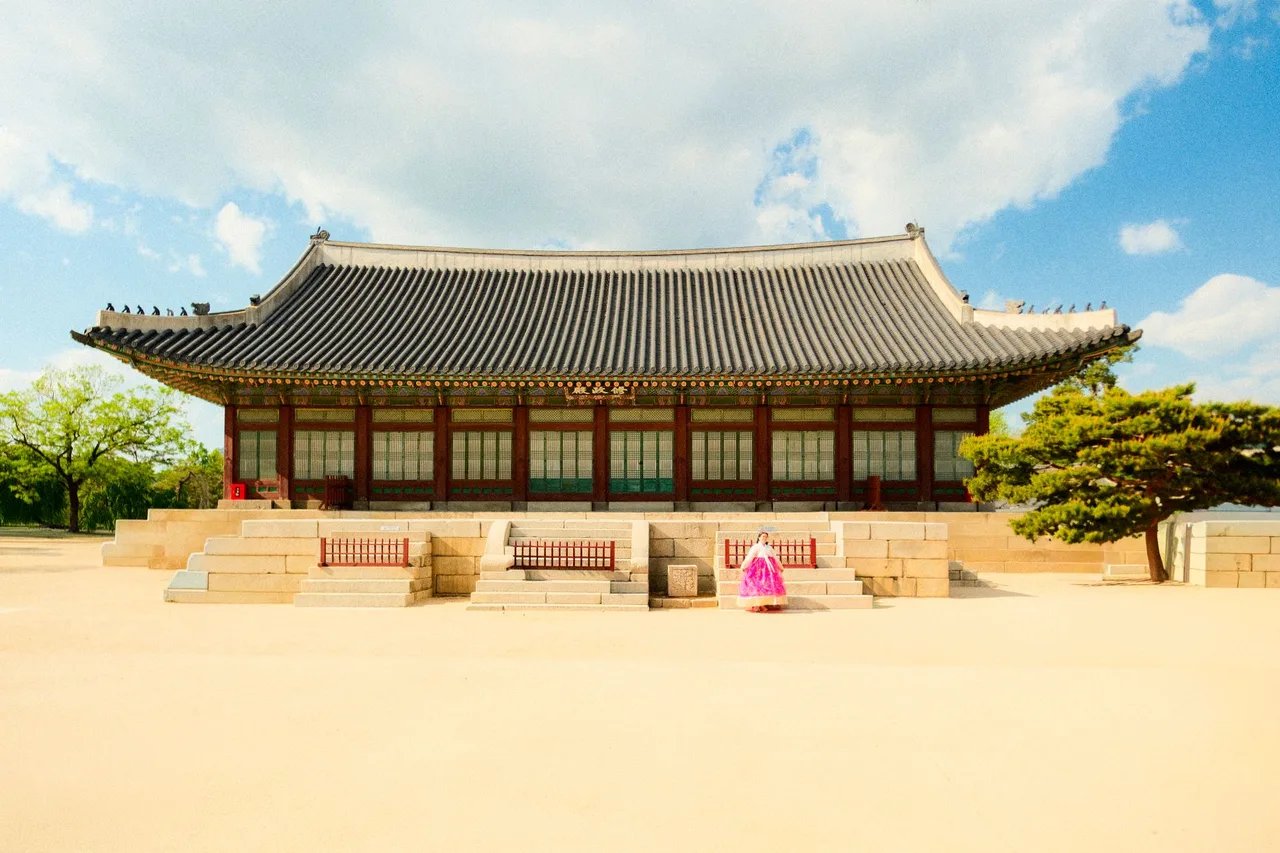
If you visit Gyeongbokgung or any of Seoul's other main palaces, and you should, there's a lovely loophole: wear hanbok and you get in free. Rental shops cluster around Exit 5 of Gyeongbokgung Station and charge from around 10,000 to 20,000 won for a two-to-four-hour rental, which more than covers the 3,000-won entry you're skipping. Half of Instagram's palace photos are people cashing in on exactly this.
One catch before you rent. The free-entry rule has real standards. A proper hanbok, a jeogori (the jacket with its overlapping collar) worn with a matching skirt or trousers, qualifies. A hanbok-inspired dress, or a jeogori thrown over jeans, does not. The rental shops know the rules and will kit you out correctly. Our five grand palaces of Seoul guide covers which one to pick.
At Buddhist temples the tone shifts. Dress modestly with shoulders and knees covered, speak softly, and don't photograph monks or people at prayer without asking. Step over thresholds rather than on them, and if you enter a hall of worship, use a side door rather than the center one, which is traditionally reserved.
Small superstitions that shape daily life
Two are worth carrying in your head. The number four is quietly avoided because the Sino-Korean word for four sounds like the word for death. You'll spot elevators labeled with an "F" where the fourth floor should be, or buildings that skip it entirely. It rarely affects tourists, but now you know why the button panel looks off.
The other: never write a living person's name in red ink. Red was historically used to record the names of the dead, so a name in red carries a whiff of a curse. Signing a guestbook or a birthday card, reach for any color but red.
A quick don'ts list to screenshot
- Don't stand chopsticks upright in rice, or pass food chopstick to chopstick.
- Don't pour your own drink, or take one from an elder single-handed.
- Don't tip. A thank-you is the tip.
- Don't sit in the pink or priority seats.
- Don't blow your nose at the dining table. Step away first.
- Don't write a living person's name in red ink.
- Don't wear shoes past the raised step indoors.
What actually matters
Here's the honest truth after all these rules: you will get some of them wrong, and it will be fine. Korea sees a lot of visitors, and a foreigner making an obvious, good-faith effort earns more goodwill than a local doing everything correctly on autopilot. The two-hands habit, taking your shoes off unprompted, leaving the pink seat empty, turning your head for that first sip, those are the ones people actually notice, and they cost you nothing but attention.
Pay that attention and the country opens up. You stop being a tourist who's tolerated and start being a guest people want to feed. That shift, more than any single rule, is what you came for.
Sources
This guide was researched using the references below. Prices and times change, so confirm anything time-sensitive on the official page before you rely on it.
Related guides
- Korean dining etiquette: a guide for foreignersMastering Korean dining etiquette enhances your experience and shows respect for local customs. This guide covers essential table manners, from seating to
- Hanboknam: Your guide to renting hanbok in SeoulDiscover how to rent traditional Korean hanbok at Hanboknam in Seoul, including locations, pricing, and tips for an authentic experience.
- Hanbok rental in Seoul: a guide for visitorsExperience Seoul's heritage by renting a hanbok near Gyeongbokgung Palace. This guide covers top rental shops, costs, and tips for a memorable visit.
- Korean wedding traditions explainedExplore the rich mix of Korean wedding traditions, from the symbolic exchange of wooden ducks to the lively hanbok attire, blending ancient customs with mo
- Korean age and honorifics explainedUnderstanding Korean age systems and honorifics is essential for navigating social interactions in Korea, as they reflect respect and social hierarchy.
- Korean Templestay: A Foreigner's Guide to Temple LifeLive monastic life at a Korean Buddhist temple for a night or two. What you do, which temples run English programs, and how to book on the official site.