Hanbok: what it is and where to wear it
A K-fan's guide to hanbok: parts, history, colors, holiday and wedding wear, modern styles, Seoul rental prices, and free palace entry.
By Jae Park · Updated Jul 15, 2026
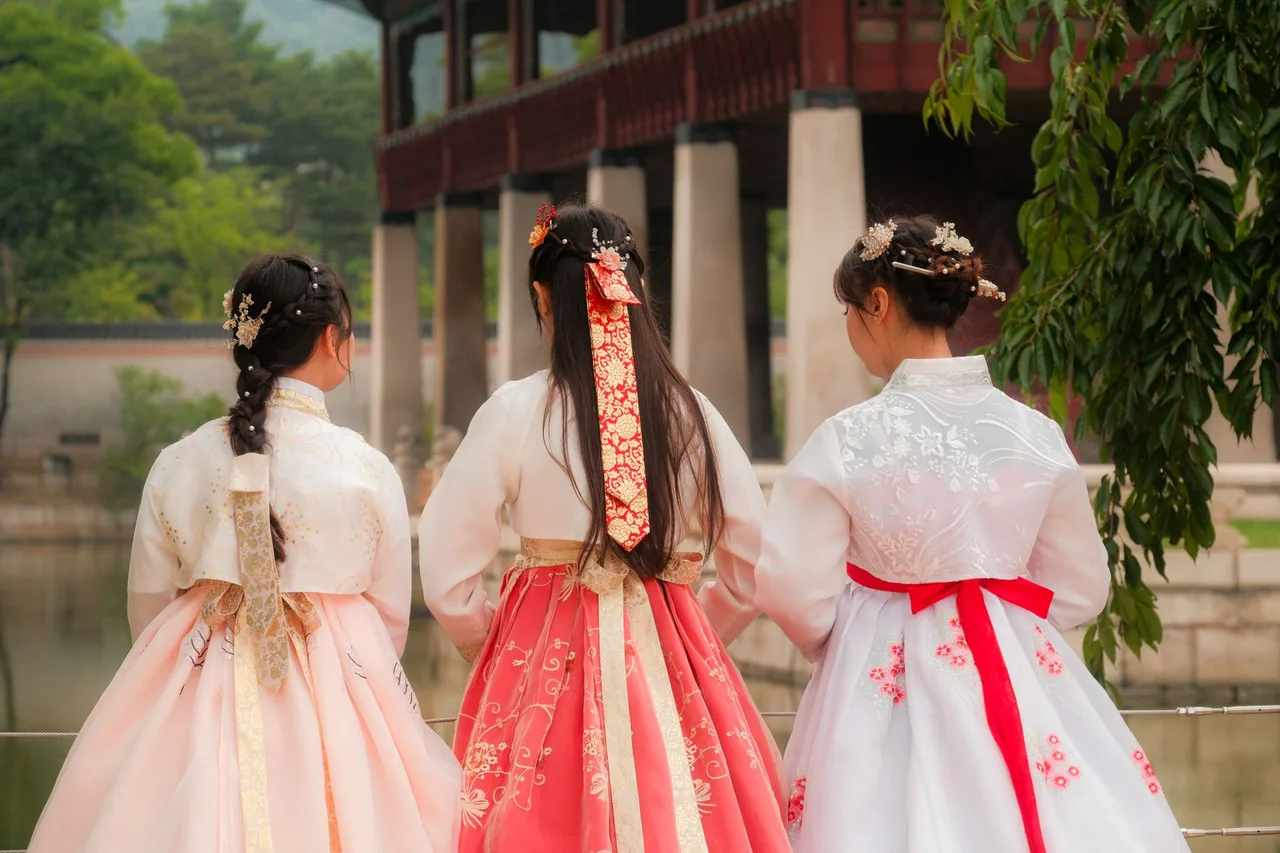
The first time a hanbok really registered for me, it was on a screen. BLACKPINK released 'How You Like That' in 2020, and in the last dance break all four members wore hanbok that had been cut short and rebuilt for choreography. Jennie and Rosé wore phoenix patterns borrowed from Joseon royal treasures. The video passed 200 million views in eight days, and Danha, the designer behind those pieces, later said her orders jumped by thousands of percent. If you have worked through a sageuk like 'Mr. Queen' or 'Under the Queen's Umbrella', you have met the older version too: floor-length skirts, stiff court robes, sleeves that swallow the hands.
Most of us fall for the look before we understand it. Then you land in Seoul, stand outside Gyeongbokgung, and realize you cannot name a single part of what you are seeing. This is the guide I wanted back then. What a hanbok is, where its shape came from, what the colors once signaled, and the useful bit at the end: how to rent one near the palace and walk straight in for free.
What a hanbok actually is
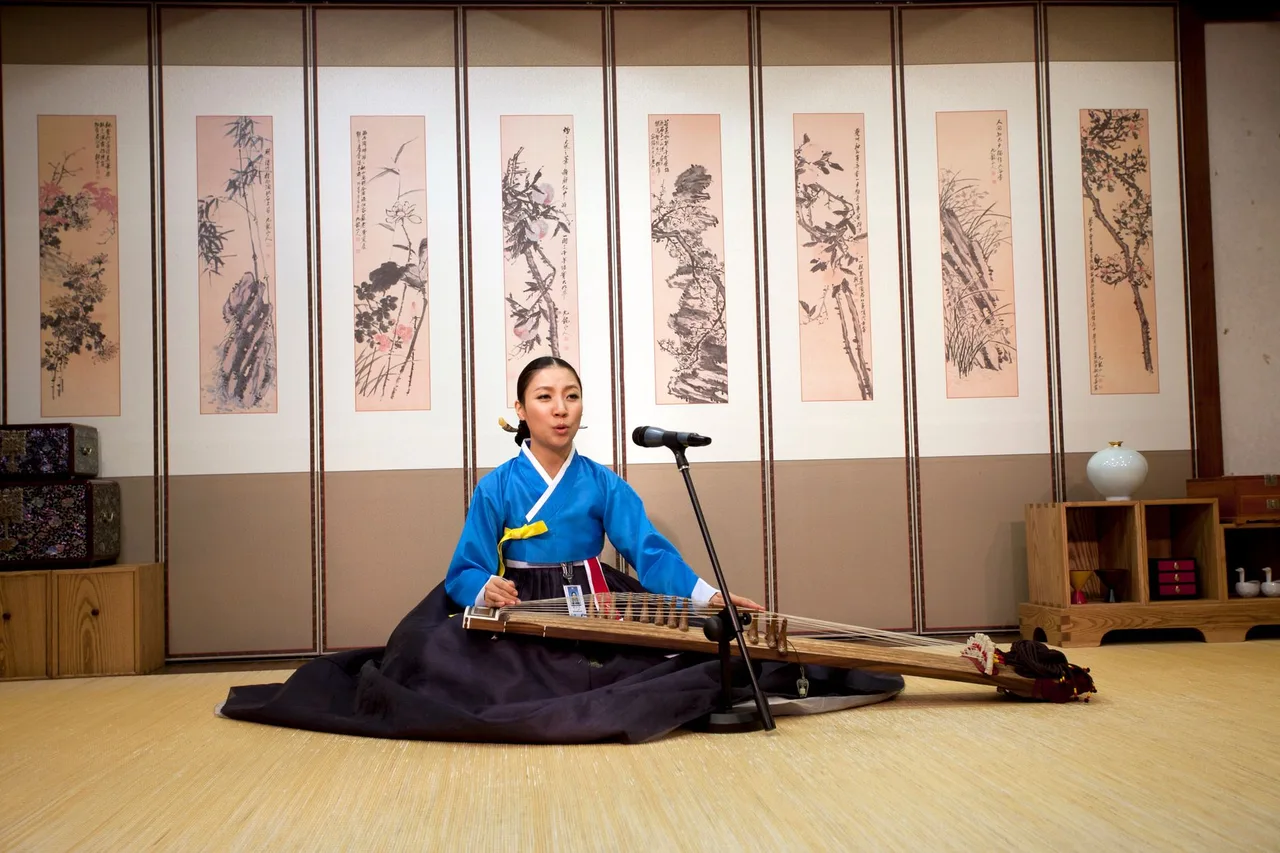
Hanbok simply means 'Korean clothing'. In everyday use it points to the two-piece outfit that settled into its recognizable form during the Joseon dynasty, which ran from 1392 to 1897. Knowing the design logic helps before you ever put one on, because a hanbok behaves nothing like a Western dress.
The build is always the same idea: a short jacket up top, a full garment below. The waistline sits high, often just under the chest, and everything hangs loose from there. Nothing clings. The collar and hem trace clean straight lines while the sleeves and skirt fall into soft curves, and that contrast is the whole aesthetic. There is no zip or row of buttons holding the structure together either. A single fabric tie does that job.
Men and women share the top half and split on the bottom. Women pair the jacket with a wide wrap skirt; men wear it with roomy trousers gathered at the ankle. Layer, season, and occasion change the fabric, from breathable ramie in summer to quilted silk in winter, but the silhouette stays put. Once you can read that shape, every version you meet, from a museum piece to an idol's stage costume, starts to make sense.
The parts, named
Rent a hanbok and the staff hand you the pieces in a set order. Here are the ones worth knowing by name.
- Jeogori: the short upper jacket worn by everyone. A woman's version ends just below the chest; a man's runs a little longer. It is the heart of the outfit.
- Goreum: the two long ribbons, also called otgoreum, that tie the jeogori shut. The short inner tie meets the long outer one and they knot into a single loose bow that hangs down the front. Learning the knot takes one try and a patient shop assistant.
- Chima: the women's skirt. It wraps high around the torso and falls to the floor in a bell shape, held up by a fitted band and straps over the shoulders.
- Baji: the men's trousers, cut wide and deep so you can sit cross-legged on a heated floor without a fight. Ties at the waist and ankle cinch them.
- Norigae: the ornamental pendant, usually a knotted cord with a tassel and a small charm, tied to the goreum or the skirt band. Queens wore them and so did commoners; it is the one flourish that crossed every class line.
Add-ons round it out: a durumagi overcoat for cold weather, white beoseon socks with their upturned toe, and hairpieces like the binyeo pin or a bride's jokduri crown.
A short history, and how the shape kept moving
The basic hanbok, jacket plus skirt or trousers, goes back well over a thousand years; you can see the layout in Goguryeo tomb murals. What changed across the centuries was the proportion, and it changed a lot.
During the Goryeo period the jacket and skirt traded lengths, one long when the other was short. Under Joseon the jeogori began a slow shrink. By the late 18th and 19th centuries it had climbed so high and pulled so tight that it barely reached the chest, while the chima ballooned out beneath it into that full, triangular-backed shape people still copy today. Fashion, not comfort, drove the change, and Confucian officials grumbled about it the whole way.
Western clothing arrived in the late 19th century and slowly took over daily wear. Through the 20th century, war and colonization and rapid industrialization pushed hanbok to the margins. It became something you wore for holidays, weddings, and formal photographs rather than a Tuesday. That is roughly where it sat until the recent revival, when younger Koreans and a wave of K-pop and drama styling pulled it back into view. If the dynasties behind all this are a blur, our Joseon in ten minutes primer sorts them out.
Colors, and who was allowed to wear what
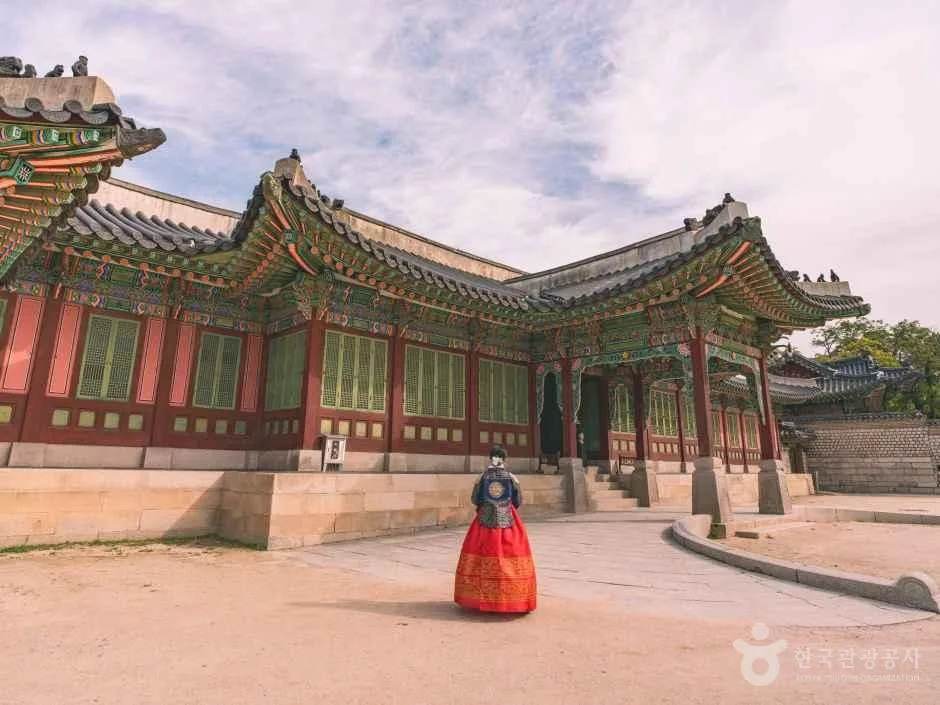
Before the modern era, a hanbok told you exactly who was wearing it. The color system rested on obangsaek, the five cardinal colors: blue, red, yellow, white, and black. Each maps to a direction and an element, with yellow at the center standing for earth. Those colors were not decoration so much as a code.
Yellow and gold sat at the top. They read as royal and imperial, so ordinary people did not touch them. Bright, saturated colors and woven patterns generally marked the aristocracy, whose rank you could half-read from a sleeve. Commoners, by contrast, mostly wore white, so much so that Koreans have long called themselves baekui minjok, the 'white-clad people'. White stood for purity and a life without greed, and the habit was stubborn: the throne banned white clothing more than once and people ignored it. On feast days, commoners were allowed softer tones, light pink, pale green, muted grey.
Children were the loud exception. Their jackets often had saekdong sleeves, bands of rainbow stripes sewn from the obangsaek palette, believed to ward off bad luck and bless a long life. You still see saekdong on toddlers at first-birthday parties, and designers now borrow it for adult pieces too.
Hanbok for Seollal, Chuseok, and weddings
For most Koreans today, hanbok comes out of the closet on a handful of days a year, and the biggest are the two major holidays. On Seollal, the lunar new year, families gather and children in fresh hanbok perform sebae, a deep formal bow to their elders, and receive sebaetdon, a little money and a blessing in return. Chuseok, the autumn harvest holiday, brings similar gatherings and the same dressing up. If those days are new to you, we break them down in our Seollal and Chuseok guide.
Weddings are the other big occasion, and the garments there are a class of their own. A bride historically wore a hwarot, a heavily embroidered ceremonial robe, red on the outside with a blue lining to signal the yin and yang balance of the couple, its long sleeves striped in red, blue, and yellow and finished with white cuffs. A slightly less formal option was the wonsam, another ceremonial overcoat once reserved for royalty and noblewomen. Most Korean weddings now run Western-style, but the old robes survive in the paebaek, the family bowing ceremony where the couple honors the groom's relatives. Grooms wear their own formal set, often a jacket, wide trousers, and an overcoat in deeper tones.
Modern and fusion hanbok
The hanbok you actually see on the street is rarely a museum reproduction. Two newer categories have taken over.
The first is saenghwal hanbok, or 'daily hanbok', which took off in the 1990s as an attempt to make the garment wearable on a normal day. Designers kept the silhouette but fixed the annoyances: shorter, sturdier jackets, lighter skirts, machine-washable fabric, and zippers or snaps instead of a tie you relearn each morning. The second is fusion hanbok, which plays harder with the form, a cropped jeogori over a full modern skirt, sequins, unexpected fabrics, Western tailoring spliced into a Korean line.
This is the lane those K-pop looks live in. When Danha reworked hanbok for BLACKPINK, she was not putting them in historical dress; she was building stage pieces on a traditional frame. That distinction matters when you rent, because most shops near the palaces stock exactly this range, from near-traditional sets to heavily themed and fusion styles. It also feeds a real debate in Korea about how far you can bend the garment before it stops being hanbok, a question designers and cultural authorities have not fully settled. For a first-time wearer the takeaway is simpler: you get to choose where on that spectrum you land.
Renting one near Gyeongbokgung and Bukchon
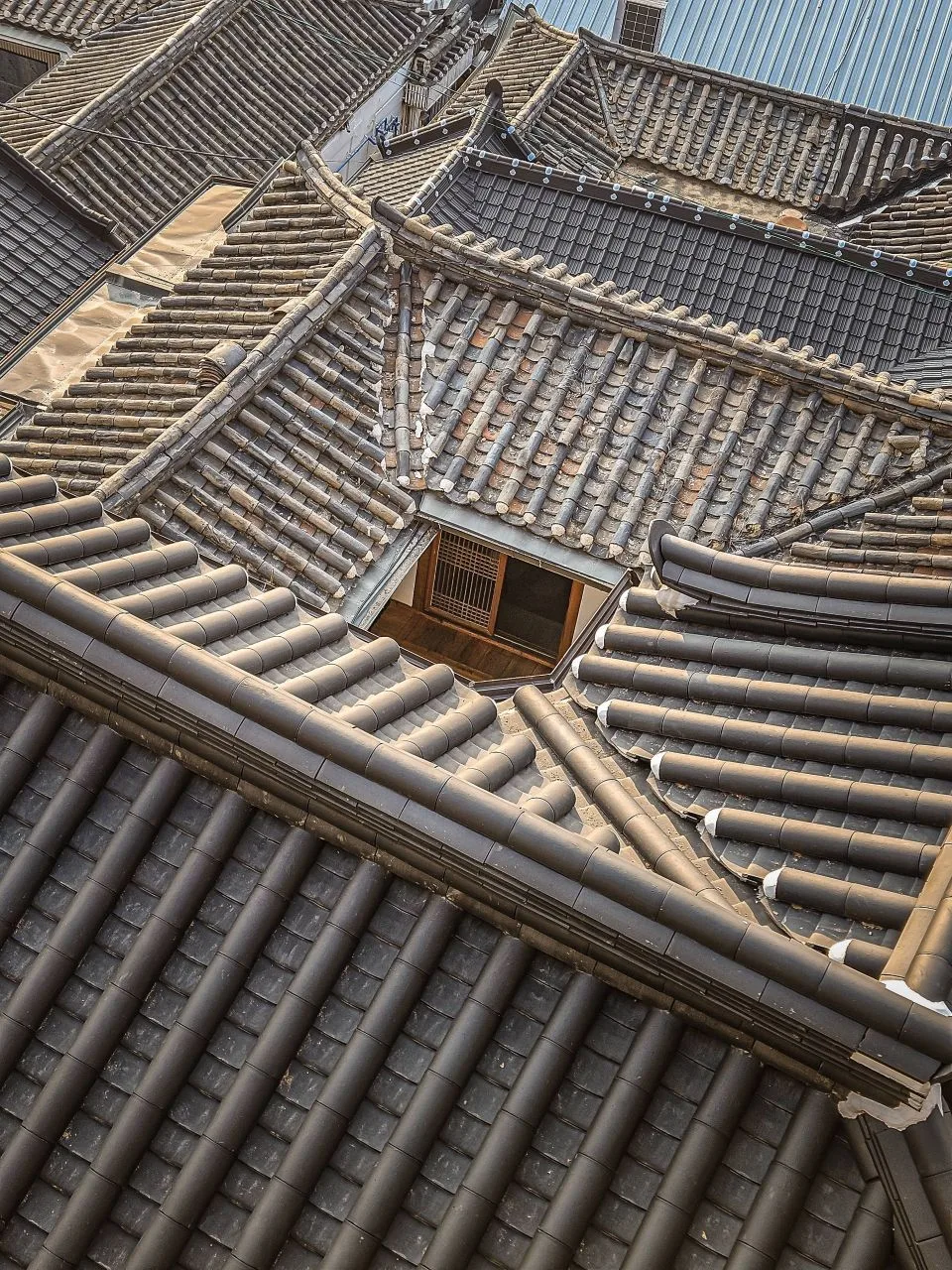
Renting is easy, cheap, and genuinely fun, and the shops cluster where you want to be anyway: the streets around Gyeongbokgung Station, the lanes of Bukchon Hanok Village just uphill, and nearby Insadong. You walk in, pick a design off the rack, change, and the staff help with the ties and often style your hair.
Prices shift by shop, season, and how fancy you go, but the shape of it in 2026 looks roughly like this:
- Basic hanbok: about 15,000 to 20,000 won for a two-to-four-hour slot.
- Premium or themed sets: about 25,000 to 35,000 won.
- Royal or luxury hanbok with full accessories: about 45,000 to 55,000 won.
As concrete anchors, one well-known shop lists four-hour rentals around 24,000 won and all-day around 32,000 won, with extra hours added on top; another starts two-hour rentals near 25,000 won and all-day near 35,000 won. Run over your time and you pay a small overage, often a few thousand won per hour or per ten minutes. Most packages fold in a hairpiece or two and a locker for your own clothes; elaborate hair styling or a fur wrap in winter can cost a bit more. Book ahead on weekends and during the cherry-blossom and autumn-leaf weeks, when the good racks empty early. Treat every number here as a ballpark and confirm at the shop, since rates change.
The free palace perk, and the rule that trips people up
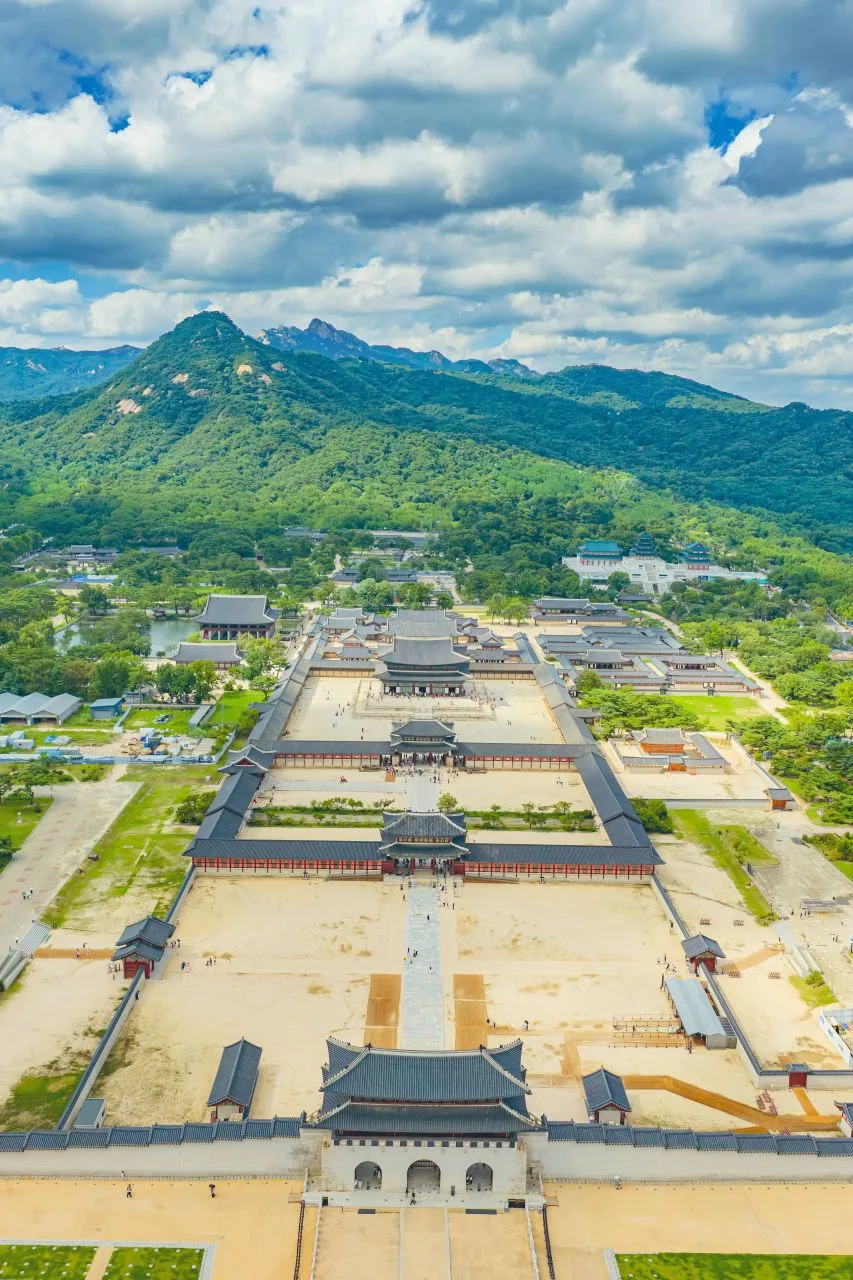
Here is why half of Seoul seems to be in hanbok on a nice weekend. Since 2013, anyone wearing hanbok gets in free to the four grand palaces, Gyeongbokgung, Changdeokgung, Changgyeonggung, and Deoksugung, plus Jongmyo Shrine and the Joseon royal tombs. Gyeongbokgung normally costs 3,000 won, so the saving is small, but it is real, and it is why the rental shops sit right next door. Our five grand palaces guide covers each site.
The perk comes with a rule that catches people out. It has to be an actual hanbok, meaning a proper top-and-bottom set: jeogori with a skirt, or jeogori with trousers. Wearing half of one does not count, so a jeogori over jeans, or a chima with a t-shirt, gets waved back to the ticket line. One-piece hanbok-style dresses can be refused as well. The good news is that modern and fusion hanbok qualify, as long as the outfit keeps the two-piece structure and the overlapping collar; the authorities deliberately allow contemporary styles to help popularize the garment. Anything a standard rental shop hands you will pass. If you are in your own creative version, check at the gate first. And while you are dressed up, mind the basic manners, our etiquette do's and don'ts will keep you on the right side of things.
Before you go
A hanbok is one of the cheapest, most memorable things you can do in Seoul, and you do not need to understand every thread to enjoy it. Rent near Gyeongbokgung or Bukchon, spend a few thousand won, and give yourself an afternoon to walk the palace grounds and the hanok lanes with a camera. Knowing what you are wearing, the high waist, the tie instead of buttons, the colors that once marked rank, just makes the photos mean a little more. Prices and palace rules do drift, so confirm the current numbers with your shop and at the ticket gate on the day. Then go slow, and let the outfit do its thing.
Sources
This guide was researched using the references below. Prices and times change, so confirm anything time-sensitive on the official page before you rely on it.
Related guides
- Korean dining etiquette: a guide for foreignersMastering Korean dining etiquette enhances your experience and shows respect for local customs. This guide covers essential table manners, from seating to
- Hanboknam: Your guide to renting hanbok in SeoulDiscover how to rent traditional Korean hanbok at Hanboknam in Seoul, including locations, pricing, and tips for an authentic experience.
- Hanbok rental in Seoul: a guide for visitorsExperience Seoul's heritage by renting a hanbok near Gyeongbokgung Palace. This guide covers top rental shops, costs, and tips for a memorable visit.
- Korean wedding traditions explainedExplore the rich mix of Korean wedding traditions, from the symbolic exchange of wooden ducks to the lively hanbok attire, blending ancient customs with mo
- Korean age and honorifics explainedUnderstanding Korean age systems and honorifics is essential for navigating social interactions in Korea, as they reflect respect and social hierarchy.
- Korean Templestay: A Foreigner's Guide to Temple LifeLive monastic life at a Korean Buddhist temple for a night or two. What you do, which temples run English programs, and how to book on the official site.