How to Eat Like a Local in Korea
How to eat like a local in Korea: banchan and sharing, table etiquette, Gwangjang market, honbap solo meals, chimaek nights, no tipping, and call buttons.
By Jae Park · Updated Jul 14, 2026
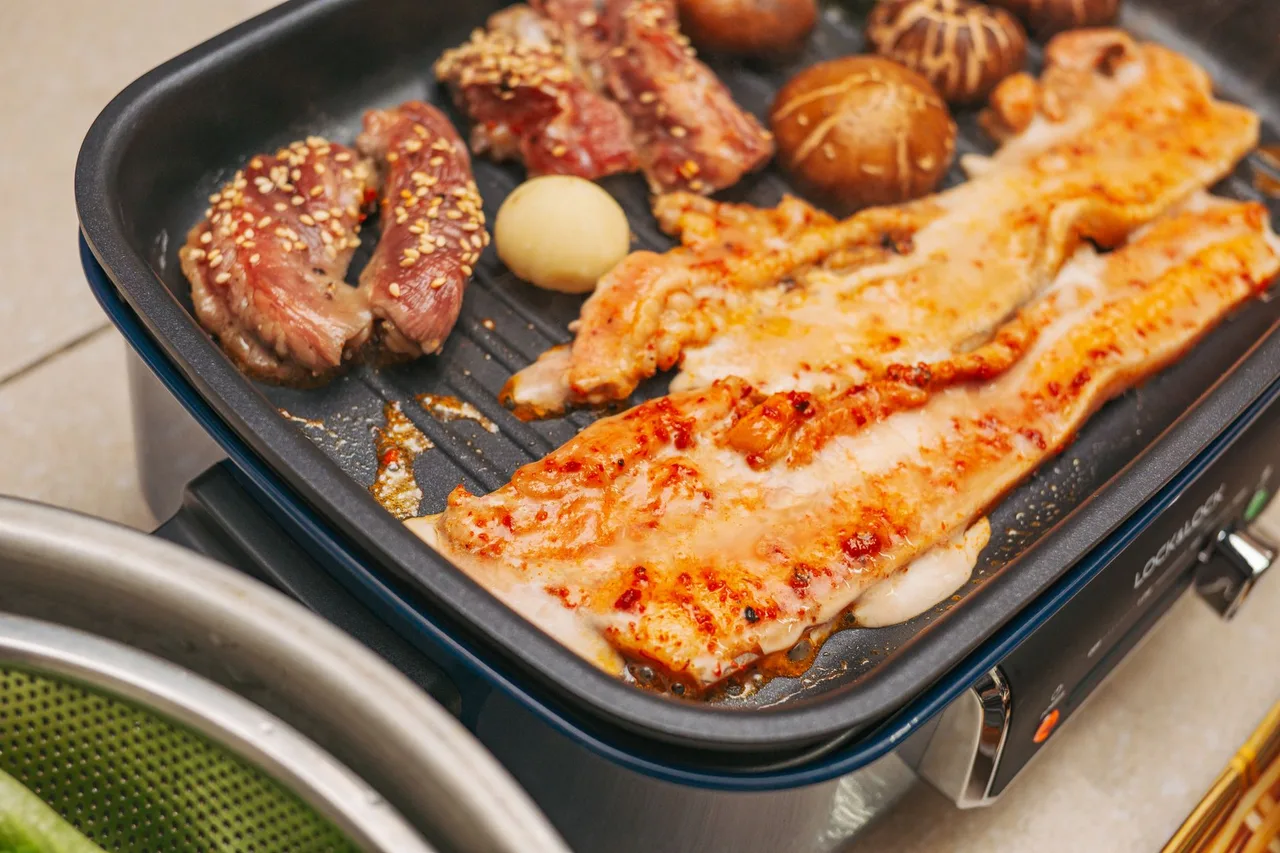
There's a scene in almost every Korean drama you've fallen for. Someone is heartbroken, it's freezing out, and they end up hunched on an orange plastic stool under a tarp, jabbing at tteokbokki and pouring soju they never ordered for themselves. Or it's the chimaek scene, the one Jun Ji-hyun made famous in *My Love from the Star* when she announced that a snowy day was made for fried chicken and beer, and half of Asia promptly went out and ordered chicken.
I arrived half-expecting the food to be scenery, the way it reads on screen. It isn't. Eating is the main event here, and there's a quiet grammar to it that the subtitles never translate. Once you catch the rhythm, you stop looking like a tourist working through a checklist and start eating the way the people around you do. Here's what I wish someone had told me before my first meal.
A Korean meal is a shared table, not a plate
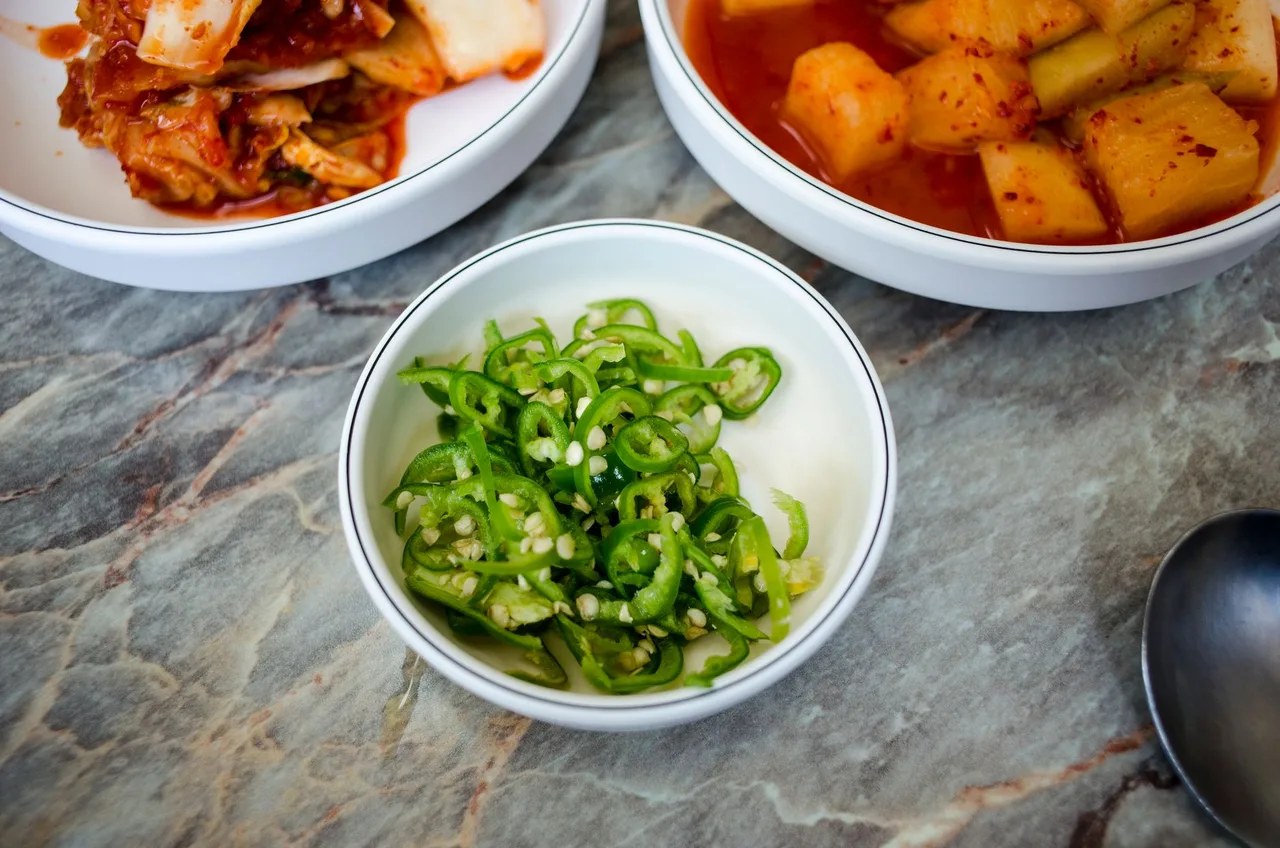
The first thing that throws newcomers is the sheer number of little dishes. You order one thing and the table fills up with six more you didn't ask for. These are banchan, the side dishes, and they are free. Kimchi, seasoned spinach, braised potatoes, pickled radish, a fried egg, whatever the kitchen made that morning. They come with the meal, they're meant to be shared, and in most places you can ask for more at no charge. I've watched foreigners guard their own little plate of kimchi like it was rationed. It isn't. If the radish runs low, catch the server's eye and point.
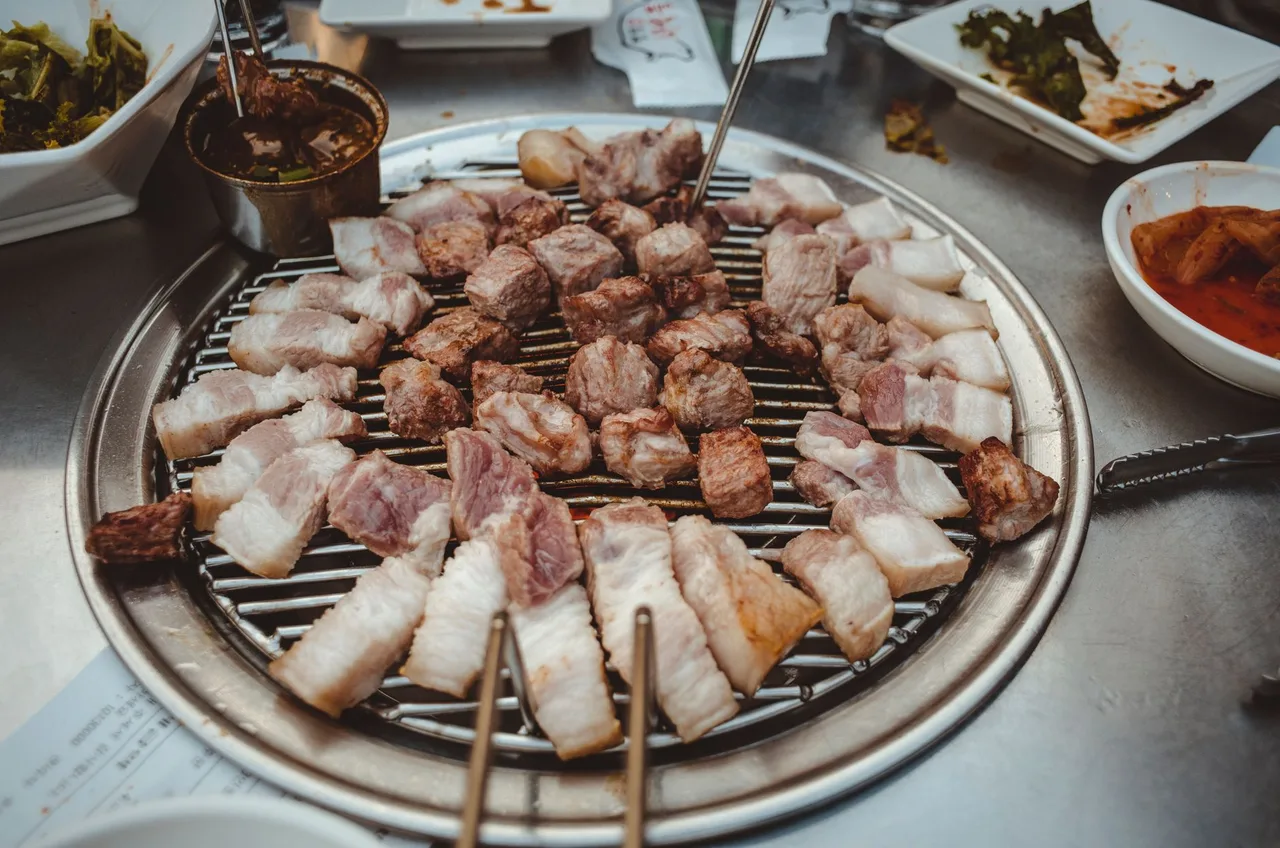
The sharing goes deeper than the sides. A pot of kimchi jjigae or a tray of grilled pork sits in the middle, and everyone reaches into the same thing. Rice and soup are the exceptions, the two items that belong to you alone, served in your own bowl. Grilled meat, stews, pancakes, noodles pulled from a shared pot, all of that is communal. If you're eating with Koreans, expect someone to grill the meat for the whole table and drop the best cut onto your plate before touching their own. It's not fussiness. It's the whole point.
The etiquette locals actually notice
Nobody expects a visitor to get everything right, and honestly most of it you can fake by watching the table for ten seconds. But a few habits register instantly, and getting them right earns you a small nod of surprise.
- Wait for the eldest person to lift their spoon first. Age sets the tempo of a Korean meal, and starting before the senior person is the one slip people genuinely notice.
- Use both hands when you receive something, especially a drink from someone older. Two hands on the cup, or your right hand held up by your left, is the default sign of respect.
- The spoon is for rice and soup; chopsticks handle everything else, from banchan to grilled meat. Koreans rarely hold both at once, and they don't lift the rice bowl off the table to eat from it the way you might in Japan.
- Never stand your chopsticks upright in a bowl of rice. Two sticks poking straight up echo the incense set out for the dead, and it will land badly.
None of this is a test. It's the same instinct as taking your shoes off at the door, a small courtesy that says you noticed where you are. If you want the full picture before you sit down, our Korean etiquette dos and don'ts guide walks through the situations that trip people up most.
Start where locals actually eat: the market
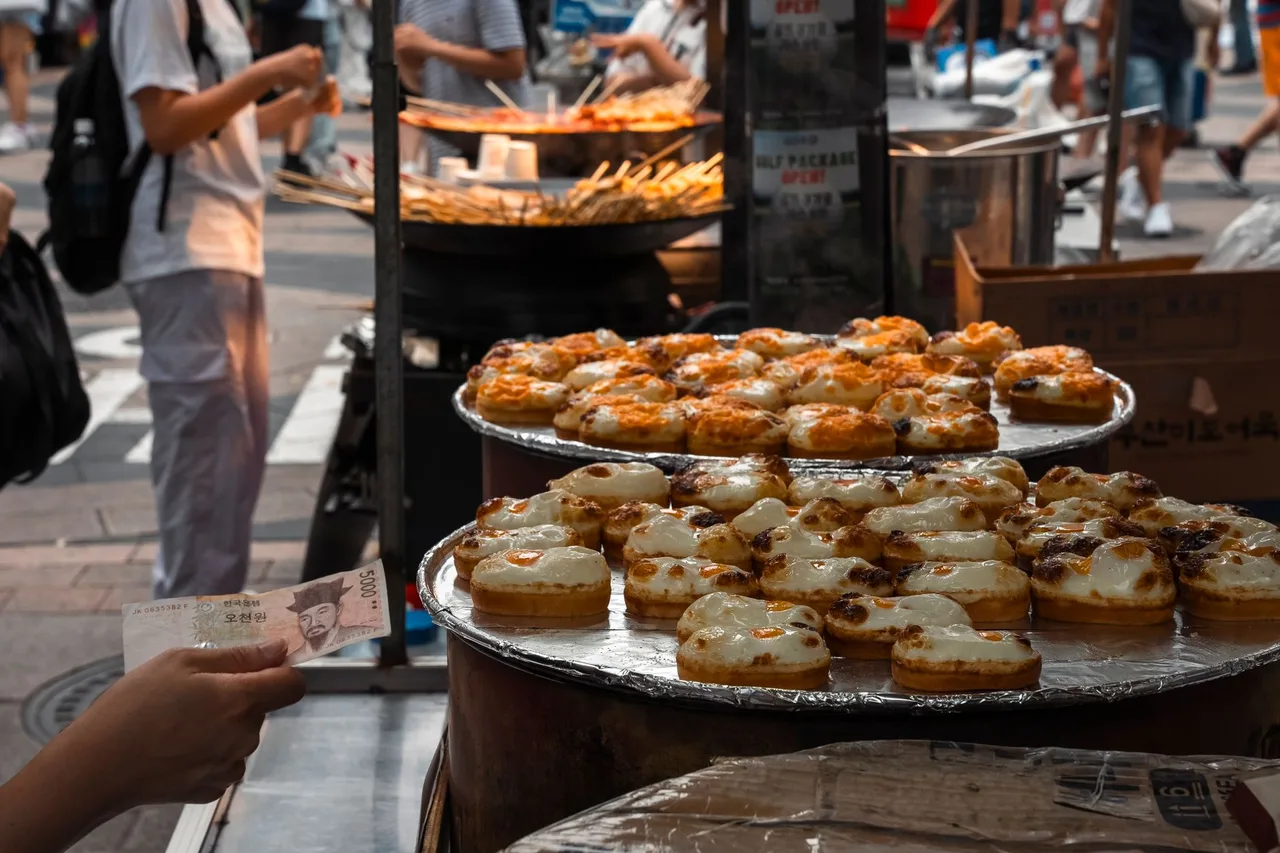
If you only have room for one real meal outside a restaurant, make it a traditional market, and in Seoul that means Gwangjang. It's the oldest daily market in the country, and the food alleys in the middle are pure sensory overload in the best way. You've probably already seen it. This is where the Netflix series *Street Food* found Cho Yonsoon, the knife-cut noodle grandmother whose kalguksu stall, Gohyang Kalguksu, still draws the longest queue in the market. Her story is the kind the show does well: she took over an in-laws' blood-sausage stall to pay off family debts, hated selling it, and switched to the hand-cut noodles her own mother taught her. Follow the crowd or the Netflix signs and you'll find her.
Even if you skip the famous noodles, the market rewards grazing. A few things worth the calories, with prices that hovered around these numbers on recent visits and can shift stall to stall:
- Bindaetteok, the mung-bean pancake ground fresh and fried crisp at the edges, usually around 5,000 won and big enough to share.
- Mayak gimbap, the "narcotic" mini seaweed rolls, dangerously easy to keep eating while you wait for everything else.
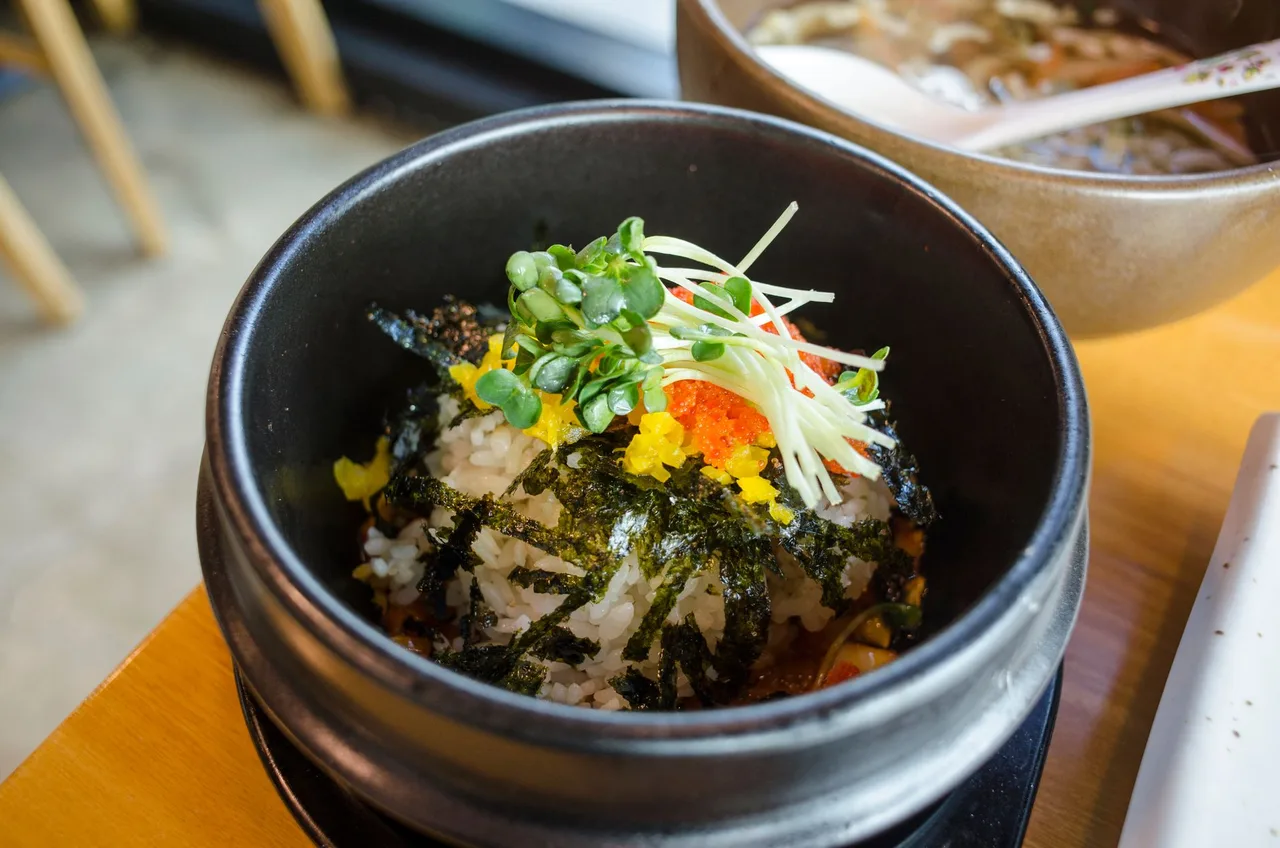
- Bibimbap, roughly 6,000 to 7,000 won for the hot-stone version in winter, vegetables and barley and a fried egg you mix yourself.
- Hotteok, the sweet pancake filled with molten brown sugar, from about 1,500 won, worth burning your mouth for.
Getting there is easy. Take Subway Line 1 to Jongno 5-ga Station and come out around Exit 8, or ride Lines 2 or 5 to Euljiro 4-ga; the market sits between them. Go in the morning if you can. By lunchtime the aisles jam up, and the noodle grandmother's stall, like a lot of the market, closes on Mondays and can sell out by early afternoon. Confirm current hours before you build a day around one stall.
Gukbap, jjigae, and the art of eating alone
Somewhere along the way Korea decided that eating alone deserved its own word, honbap, and its own genre of restaurant. If you're traveling solo, this is a gift. The awkwardness you might feel walking into a barbecue place by yourself mostly evaporates in the right kind of shop.
Gukbap is the answer I give everyone. It's rice in a bowl of deep, long-simmered broth, sometimes with the rice already in, sometimes served alongside so you can tip it in yourself. Dwaeji-gukbap, the pork-bone version that's a Busan specialty but everywhere in Seoul now, and seolleongtang, the milky ox-bone soup simmered for half a day, are built for one person and comfort you the way instant ramyeon never quite does. You add your own salt, scallions, and a spoon of the fermented shrimp on the table, then eat. A single bowl of jjigae, a stone pot of doenjang or kimchi stew with rice, does the same job.
Here's the encouraging part for solo travelers: the old two-serving minimum that once made barbecue and stew places refuse a lone diner is fading fast. Whole chains of one-person barbecue booths have opened specifically for people eating alone, and single-portion staples like gukbap, jjigae, kalguksu, and naengmyeon are your safest bet if you'd rather not negotiate. When the menu on the wall is nothing but photos and Korean, our how to read a Korean menu guide gets you from confused to ordering in a couple of minutes.
The convenience store is a real meal, not a snack stop
I resisted this one for a while, and I was wrong. The Korean convenience store, whether it's a CU, GS25, or 7-Eleven, is a legitimate place to eat, and locals treat it that way. Many branches now have a stainless ramyeon machine on the counter that dispenses exactly the right amount of boiling water and times your noodles to three minutes. You grab a packet off the shelf for somewhere between roughly 1,200 and 1,900 won, cook it right there, add a triangle kimbap and a boiled egg, and eat at the window bar watching the street.
You've seen this in a hundred dramas, the character slurping ramyeon under fluorescent light at midnight while something falls apart in their life. It's real, it's cheap, and the seating area is designed for it. Late-night convenience-store dining has only grown; the chains reported sharp jumps in after-midnight orders through early 2026, and plenty of stores now run all-night delivery. It's not a compromise meal. Standing at a tall table in a GS25 at eleven at night with a bowl of ramyeon and a cold barley tea is about as ordinary and as Korean as sitting down for pork belly.
Chimaek, soju, and the plastic-stool night
The drinking table has its own customs, and this is where the on-screen scenes come to life. Chimaek, the fried-chicken-and-beer pairing, evolved right here before it went global, and it earns the hype: double-fried chicken, one half plain and crisp, one half in sticky-sweet yangnyeom sauce, with light lager to cut it. Order it to a Han River park on a summer night and you've walked straight into the fantasy the dramas sell.
The pojangmacha, the tented street stall with the plastic stools, is the other icon, and it's where soju etiquette matters. Two rules carry you through most nights. You don't pour your own drink; you fill your neighbors' glasses and let them fill yours, oldest person first, and you pour with two hands. If someone senior tops you up, turn your body slightly away and cover the glass with your free hand as you sip, a small gesture of deference that older Koreans still clock. Everything you drink comes with anju, food ordered specifically to go with alcohol, because drinking on an empty stomach is faintly frowned upon. Tteokbokki, spicy stir-fried rice cakes, and eomuk, the fish-cake skewers in hot broth, are the classic tent order. For the sit-down grill-and-drink version of all this, our Korean BBQ 101 guide covers ordering cuts, grilling them right, and the soju-and-beer math.
Paying, water, and the little red button
A few mechanics confuse first-timers, so let me spare you the hesitation.
Most tables have a call button, a little buzzer you press to summon a server rather than waving or calling out. Press it when you're ready to order or need more banchan, and someone comes over. Where there's no button, a firm "yeogiyo" ("over here") does the job.
Water is almost always self-service. There's usually a dispenser or a fridge with stacked steel cups near the door, and you help yourself. Don't sit waiting for someone to fill your glass; get up and pour.
And you don't tip. Not at restaurants, not in taxis, not at the market. Prices already include everything, and leaving extra money on the table reads as confusion more than generosity. When you're done, you almost never pay at the table. You take your check, or just remember what you ordered, and pay at the counter by the door on your way out. Card works nearly everywhere; small market stalls may prefer cash.
Before you go
Two habits will keep you eating well. First, treat every price and opening time in any guide, including this one, as a starting point and confirm the current details, because a beloved stall can move, raise prices, or close for a family holiday without warning. Markets and small shops keep their own calendars. Second, learn the handful of phrases that turn a transaction into a small human exchange, the ones that make a market grandmother actually smile. A quick "jal meokkessumnida" before you eat and "masisseoyo" (delicious) after go a long way, and our survival Korean phrases guide has the rest.
Eating like a local isn't about hunting down the single most authentic dish. It's smaller than that. It's reaching into the shared pot, pouring for the person across from you before yourself, taking the free refill without guilt, and being willing to eat a great bowl of noodles standing up. Do that, and the food stops being a scene you watched and becomes an afternoon you had.
Sources
This guide was researched using the references below. Prices and times change, so confirm anything time-sensitive on the official page before you rely on it.
Related guides
- Korean recipes with ground beefExplore easy and flavorful Korean dishes using ground beef, from bulgogi bowls to kimchi mandu, perfect for quick meals.
- Korean dining etiquette: a guide for foreignersMastering Korean dining etiquette enhances your experience and shows respect for local customs. This guide covers essential table manners, from seating to
- Hanboknam: Your guide to renting hanbok in SeoulDiscover how to rent traditional Korean hanbok at Hanboknam in Seoul, including locations, pricing, and tips for an authentic experience.
- Hanbok rental in Seoul: a guide for visitorsExperience Seoul's heritage by renting a hanbok near Gyeongbokgung Palace. This guide covers top rental shops, costs, and tips for a memorable visit.
- Korean BBQ options near Incheon AirportA guide to enjoying authentic Korean BBQ near Incheon Airport, including top restaurant recommendations and practical tips for travelers.
- Korean BBQ in Incheon: A guide for foreignersDiscover the best Korean BBQ spots in Incheon, understand local dining etiquette, and learn how to enjoy this culinary experience like a local.