Seoul's five grand palaces, explained
A first-person guide to Seoul's five grand Joseon palaces: real 2026 prices, hours, subway exits, the hanbok free-entry hack, and how to see them without burning out.
By Jae Park · Updated Jul 14, 2026
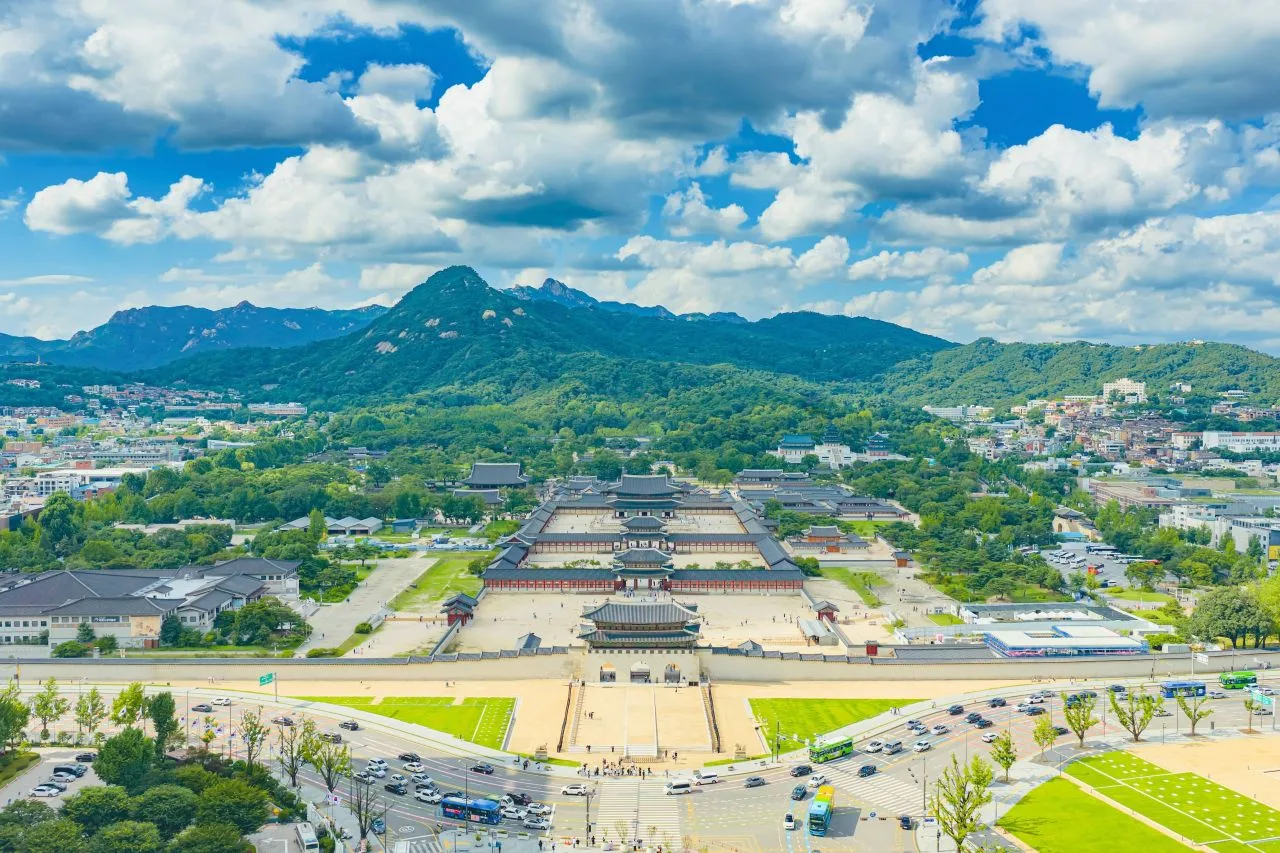
The first time I walked up to Gwanghwamun, the great gate of Gyeongbokgung, I realized I'd already seen it a hundred times without knowing. That courtyard is where BTS danced "Idol" for The Tonight Show. That palace silhouette sits behind half the sageuk — Joseon-era historical dramas — you binged at 2 a.m. Seoul keeps five of these royal palaces inside a walkable core, and most visitors do exactly one, photograph the throne hall, and leave convinced they've "seen the palace."
You can do so much better, and it barely costs anything. Let me take you through all five — what happened there, what you'll actually pay, which subway exit spits you out closest, and how to string them together without frying your feet on a July afternoon.
Why Seoul has five palaces, not one
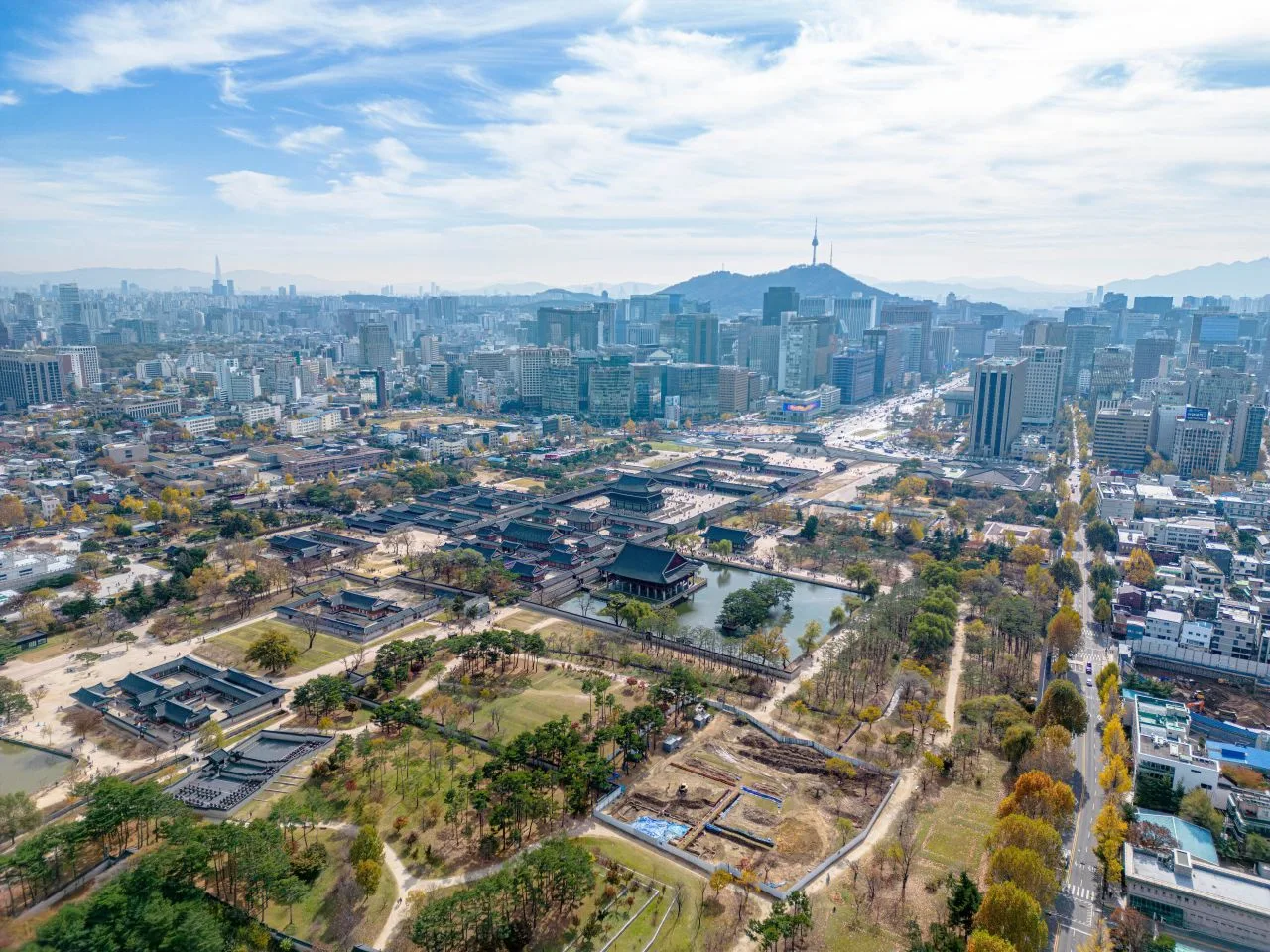
When the Joseon dynasty was founded in 1392, the court moved the capital to Hanseong — today's Seoul — and built a main palace almost immediately. Over the next five centuries, kings added, abandoned, and rebuilt palaces as fires, invasions, and politics demanded. What survives is a cluster Koreans call the "five grand palaces" (오대궁): Gyeongbokgung, Changdeokgung, Changgyeonggung, Deoksugung, and Gyeonghuigung.
They aren't five versions of the same thing. One is a UNESCO garden. One got turned into a zoo. One has a neoclassical Western hall in the middle of it. If you want the political backstory of the kings who lived here, the palace hopping makes a lot more sense after a quick read of the Joseon dynasty in 10 minutes. Come for the drama backdrops, stay for the fact that people actually ruled a country from these courtyards for 500 years.
Gyeongbokgung: the one everyone means
When someone says "the palace in Seoul," they mean Gyeongbokgung. It was the first, built in 1395, three years after the dynasty began. The name roughly means "greatly blessed by heaven," and for two centuries it was the beating heart of the kingdom.
Then it burned. During the Japanese invasions of 1592 the palace was destroyed, and — this is the part that surprises people — it sat in ruins for about 270 years. It wasn't rebuilt until 1867, under the regent Heungseon Daewongun during King Gojong's reign, in a huge and hugely expensive project. Barely half a century later the Japanese colonial government tore most of it down again, wedging a governor-general's building in front of the throne hall. The reconstruction you walk through today is largely the fruit of a restoration campaign that has been running since the 1990s and still isn't finished. When you stand in that courtyard, you're looking at a building Koreans have insisted on rebuilding, twice, out of sheer refusal to let it disappear.
Practical bits. Take Line 3 to Gyeongbokgung Station and leave by Exit 5 — you surface almost inside the grounds. Adult admission is 3,000 won, which is under three US dollars. Hours shift with the season: roughly 09:00–17:00 in winter, until 18:00 in spring and autumn, and until 18:30 in summer, with last entry an hour before closing. It's the one palace closed on Tuesdays, not Mondays, so double-check the day you go.
Don't skip the changing of the guard. The Sumunjang (royal gate guard) ceremony runs at 10:00 and 14:00 daily except Tuesday, lasts about 20 minutes, and is full of drums, halberds, and men in astonishing coats. Get there 15 minutes early for a clear sightline. Two excellent museums sit on the grounds — the National Palace Museum and the National Folk Museum — and both are free.
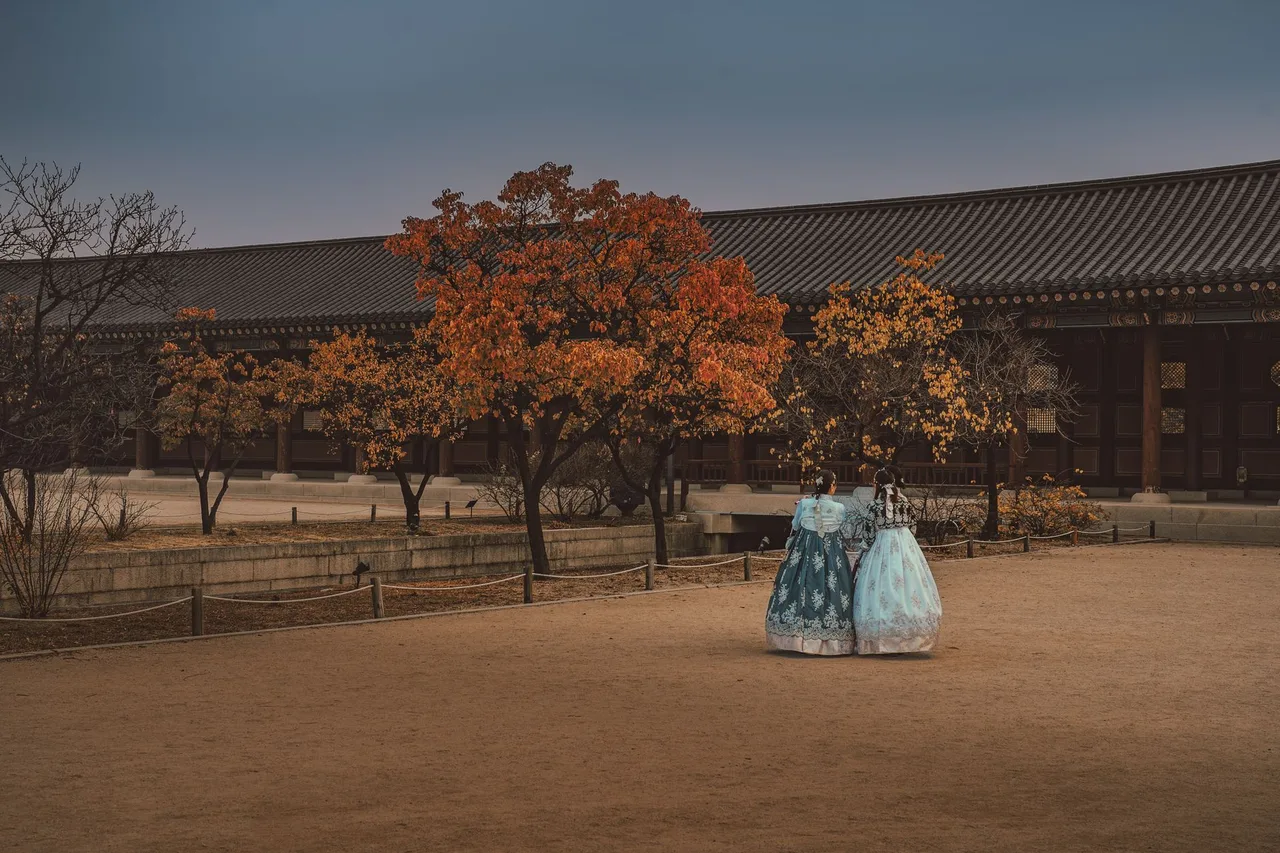
Here's the hack every K-drama fan should know: wear hanbok and you get in free. Rental shops ring the palace, charging roughly 15,000–30,000 won for a few hours, and you'll see idols and honeymooners alike drifting through the gates in silk. It's not a tourist trap so much as the single best photo decision you'll make in Seoul. If you're chasing the drama-set feeling specifically, cross-reference our K-drama filming locations to visit — several sit within a short ride of here.
Changdeokgung and its Secret Garden
If Gyeongbokgung is the grand statement, Changdeokgung is the one I quietly love more. Built in 1405 as a secondary palace, it became the effective main residence of the kings for roughly 270 years after 1592, precisely because Gyeongbokgung lay in ashes. In 1997 it was inscribed as a UNESCO World Heritage Site, and the citation nailed why: unlike Gyeongbokgung's rigid symmetry, Changdeokgung was shaped to fit the hills instead of flattening them. The buildings bend around the topography. It feels lived-in rather than staged.
The reason to come, though, is Huwon — the "Secret Garden" out back, which swallows something like two-thirds of the palace grounds. Ponds, pavilions, a 300-year-old tree or two, and paths the royal family walked for centuries. Because it's fragile and popular, you enter Huwon only on a timed guided tour, and slots sell out, so book ahead online or grab one the moment you arrive.
Admission to the palace proper is 3,000 won; the combined ticket that adds the Secret Garden tour is 8,000 won. Take Line 3 to Anguk Station, Exit 3, and walk a few minutes. It's closed Mondays. In spring and autumn the palace also runs the celebrated Moonlight Tour, a lantern-lit evening walk with live gugak music — magical, tightly capped, and lottery-allocated, so treat it as a bonus rather than a plan. Changdeokgung is also a good anchor for the wider Korea UNESCO World Heritage sites if you're building a heritage itinerary.
Changgyeonggung: the palace that became a zoo
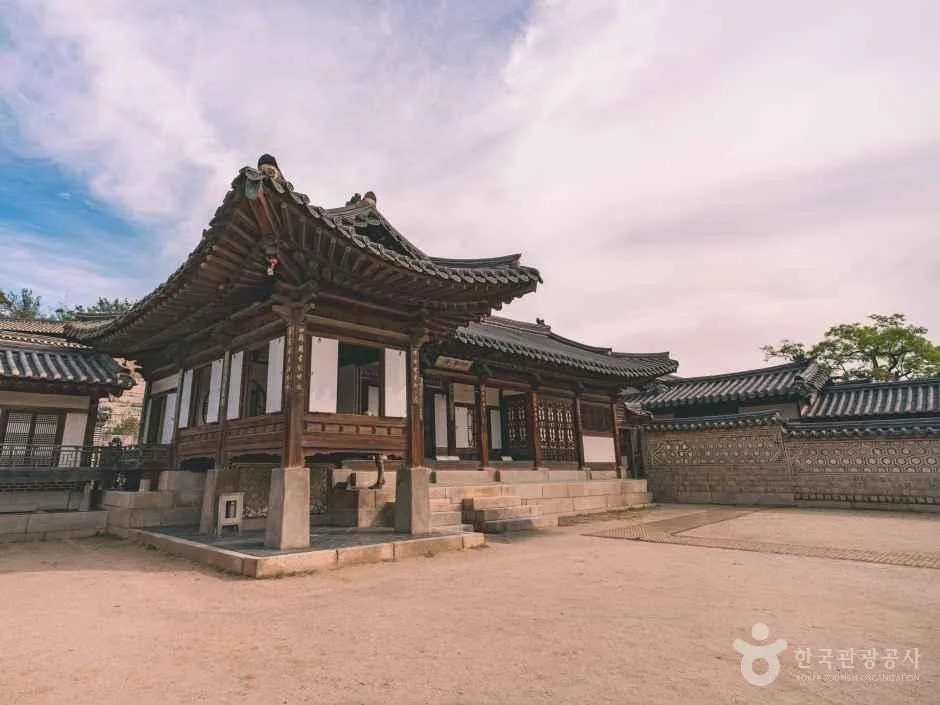
Changgyeonggung has the strangest story of the five, and hardly anyone tells it. It started in 1418 as Suganggung, a residence King Sejong built for his retired father, and was enlarged and renamed in 1483. It served for centuries as a home for queens and dowagers — the domestic, backstage half of palace life.
Then came the indignity. Around 1907–1911, the Japanese authorities converted the palace into a public amusement ground: a zoo, a botanical garden, and a European-style glass greenhouse called Daeonsil, renaming the whole thing Changgyeongwon to strip it of its royal rank. For decades Koreans came here to look at animals on the ground where their queens once lived. The zoo wasn't relocated to Seoul Grand Park until 1983, after which serious restoration finally began. That 1911 greenhouse still stands, oddly beautiful, now preserved as its own piece of modern heritage.
Adult admission is just 1,000 won, the cheapest paid palace in the city. The smart move is to pair it with Changdeokgung — the two connect directly through the Hamyangmun gate, so you can walk from the Secret Garden straight into Changgyeonggung without going back to the street. It's closed Mondays. Come in April for cherry blossoms around the pond or in late autumn for the maples; our cherry blossom guide for Korea has the timing details, though palace bloom dates shift a little each year.
Deoksugung: where East meets West downtown
Deoksugung is the palace you'll trip over even if you weren't looking for it, because it sits right across from City Hall in the modern downtown. Take Line 1 or Line 2 to City Hall Station, Exit 2, and it's at the crosswalk. Admission is 1,000 won, and it's closed Mondays.
What makes it worth your time is the collision of eras inside the walls. Amid the traditional wooden halls stands Seokjojeon, a stone neoclassical building finished in 1910 with columns that wouldn't look out of place in Washington. It went up as King Gojong tried to modernize a cornered kingdom and declare the Korean Empire, a last bid for sovereignty before Japanese annexation swallowed the country. Walking from a 15th-century throne hall to an Edwardian-style palace in fifty paces tells you more about Korea's brutal turn into the 20th century than any placard could.
Outside the wall runs Deoksugung Doldam-gil, the stone-wall path — nearly 900 meters of mossy masonry on one side and city on the other. It's one of the most romantic strolls in Seoul, wrapped in a half-joking local superstition that couples who walk it together will break up. Deoksugung also stages a guard-changing ceremony at its main gate, Daehanmun, several times a day; check the schedule board when you enter.
Gyeonghuigung: the free, quiet one
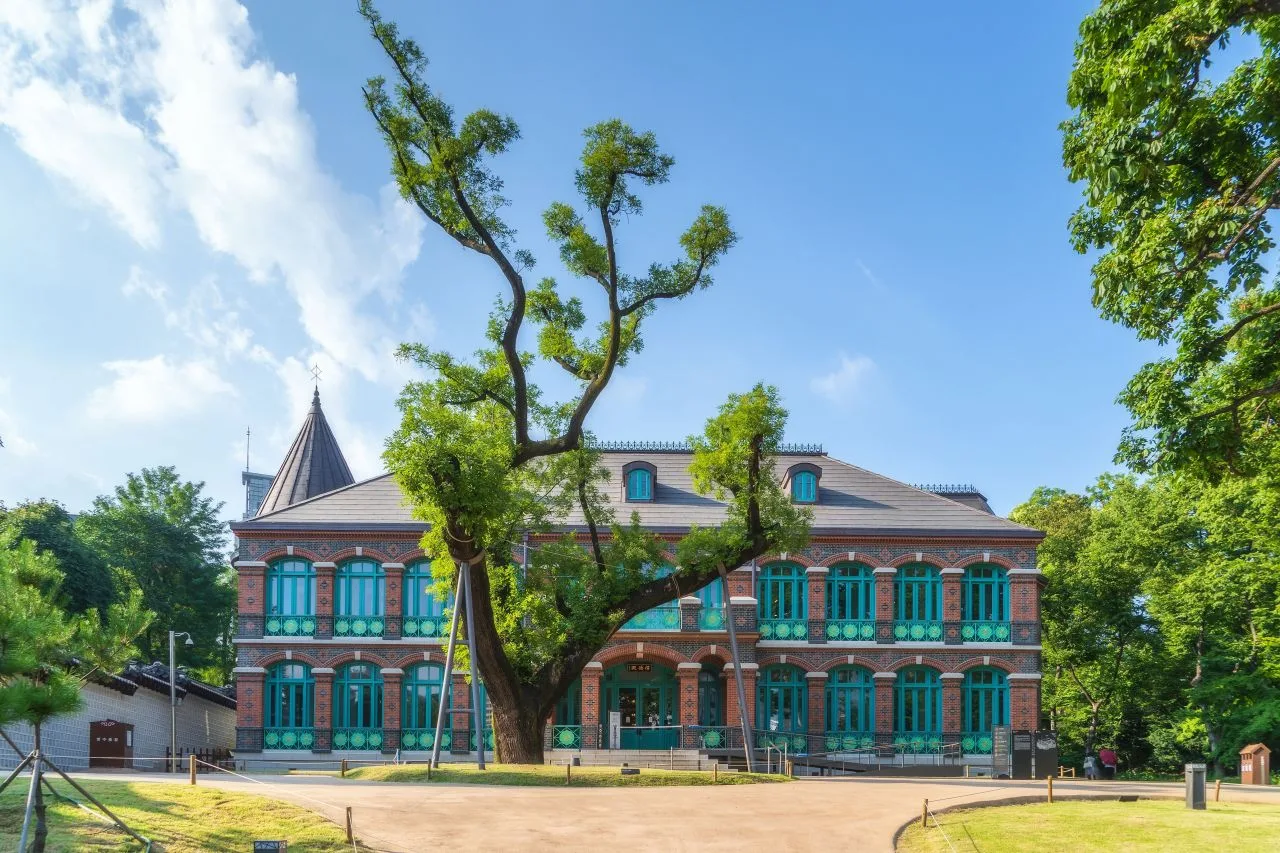
Few tourists make it to Gyeonghuigung, which is exactly why I send friends there. Built between 1617 and 1623 under Prince Gwanghae, it served as a secondary palace in the later Joseon period and sat on the western side of the old city, earning the nickname Seogwol, "the west palace." Kings used it as a refuge and alternate court for two centuries.
Almost none of its original hundred-odd buildings survived the colonial era; what you see is a restoration reopened to the public in 2002. Because so much is reconstruction, it's smaller and calmer than the others, and admission is completely free — the only one of the five that costs nothing. Take Line 5 to Seodaemun Station, Exit 4, or walk over from Gwanghwamun. The Seoul Museum of History sits right beside it, which makes a tidy pairing. Go here when you want a palace without a single tour flag in sight.
How to see them without burning out
Do not attempt all five in one day. You'll hate palaces by dinner. Here's how I split them.
- The integrated ticket costs 10,000 won and is valid for three months. It covers Gyeongbokgung, Changdeokgung including the Secret Garden, Changgyeonggung, Deoksugung, and Jongmyo Shrine. Bought separately those add up to 14,000 won, so it saves about 4,000 won and a lot of queuing. Note it does not include the special night tours.
- Day one, the northern cluster: Gyeongbokgung, then walk or hop Line 3 to Changdeokgung and Changgyeonggung, which connect to each other on foot. Three palaces, one neighborhood.
- Day two, downtown: Deoksugung and Gyeonghuigung, both near City Hall and Gwanghwamun, plus the stone-wall walk in between.
- Mind the closures. Gyeongbokgung closes Tuesdays; the others close Mondays. Plan around whichever day you're free.
A few things I wish I'd known the first time. Wear real shoes — the courtyards are gravel and stone, and hanbok sandals plus 20,000 steps is a mistake you make once. Each palace runs free guided tours in English at set times; look for the board near the ticket booth, because a good docent turns a pretty courtyard into a story. Bring water in summer; there's little shade in those vast forecourts. And the seasonal night tours and festivals rotate their dates every year, so confirm the current schedule on the official Korea Heritage Service or VisitKorea site before you build a trip around them.
The palaces reward slowness. Sit on a veranda, watch the light move across the painted eaves, and remember that a real king once did paperwork ten feet from where you're standing. That's the part the quick-snap crowd never gets.
Location
Gyeongbokgung Palace, Seoul
View on Google MapsSources
This guide was researched using the references below. Prices and times change, so confirm anything time-sensitive on the official page before you rely on it.
Related guides
- Exploring Seoul's Buddhist temples: a guide for visitorsDiscover Seoul's Buddhist temples, from the central Jogyesa to the serene Bongeunsa, and learn about their history, architecture, and visitor experiences.
- Exploring Seoul's royal palaces: a guide for visitorsDiscover Seoul's five grand palaces, their unique features, and practical tips for your visit.
- Korean folk villages worth visitingExplore Korea's rich history by visiting these traditional folk villages, each offering unique insights into the country's cultural heritage.
- Gyeongju: A guide to Korea's ancient Silla capitalGyeongju was Silla's capital for nearly 1,000 years. A practical guide to its UNESCO temples, royal tombs, night views, and how to visit by KTX.
- Visiting the Korean DMZ: A 2026 Guide for Foreign TravelersHow to visit the Korean DMZ from Seoul in 2026: guided tours only, passport rules, the main sites, and why JSA access at Panmunjom keeps changing.
- UNESCO World Heritage Sites you can visit in KoreaA first-person guide to Korea's UNESCO World Heritage sites, with real hours, won prices, and directions to Bulguksa, Changdeokgung and Jeju.