Korean tea culture and where to experience it
A visitor's guide to Korean tea, from Boseong's green tea fields and the darye ceremony to jujube and citron brews and where to drink it in Seoul.
By Jae Park · Updated Jul 18, 2026
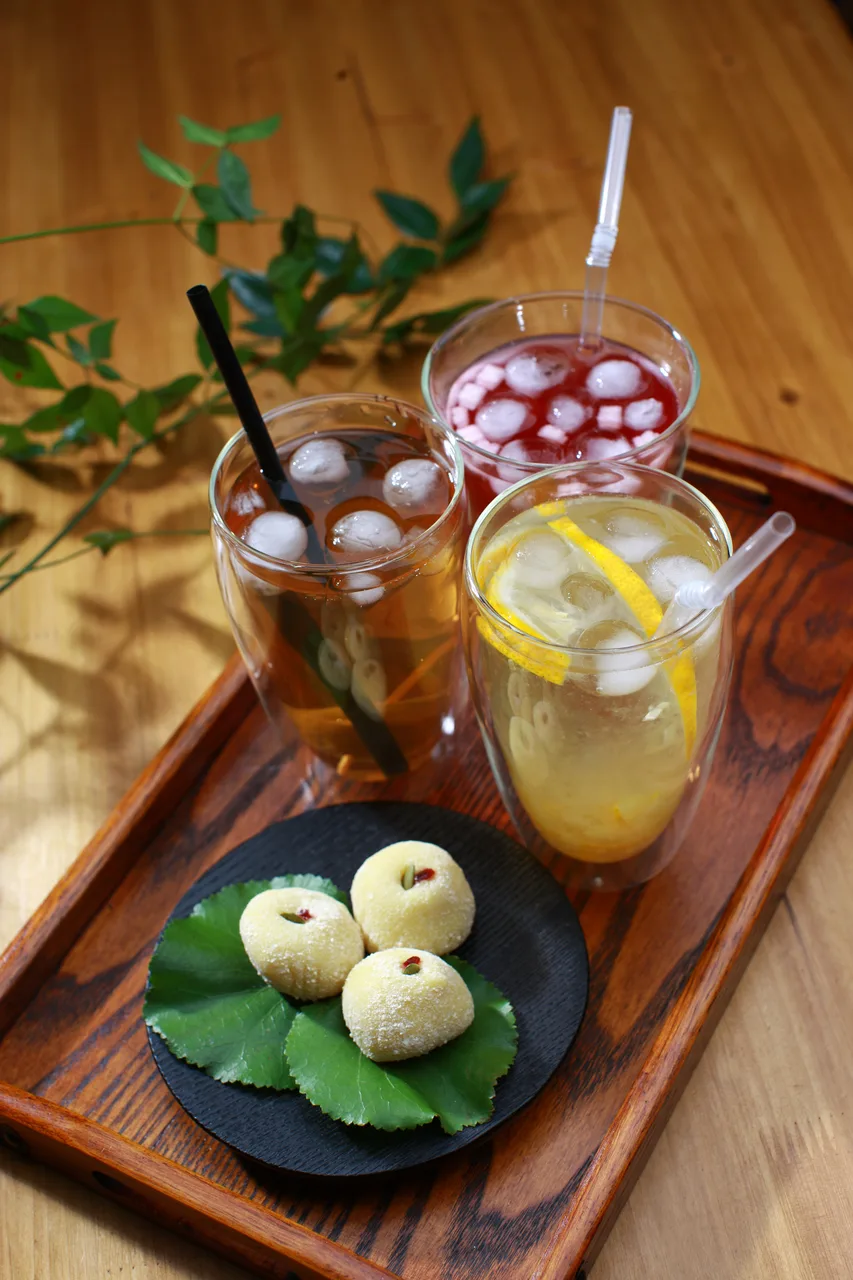
A cup of tea in Korea is rarely just a drink. Order one in a wooden teahouse off an Insadong alley and it arrives with a small dish of dried persimmon or honeyed rice cake, set on a low table where you have already slipped off your shoes. The tea itself might be green tea from the hills of Boseong, or it might be brewed from jujubes, citron, or roasted barley, because in Korea the word for tea covers far more than a single leaf. For a visitor, tea is one of the easiest doors into the country's history, and one of the cheapest. Here is what to drink, where to find it, and how the ritual works.
Green tea and the fields of Boseong
Green tea, or nokcha, is the plant most people picture when they think of tea, Camellia sinensis, and Korea's center for it is Boseong County in South Jeolla Province. Boseong grows much of the country's green tea, and its terraced rows climbing the hillsides at Daehan Dawon have become one of the most photographed landscapes in Korea. That plantation was first laid out in 1937, though tea has been cultivated in the wider region for well over a thousand years. Warm, wet weather and more than 1,500 millimetres of rain a year suit the plant.
The fields are open to visitors, and the walk up through the shaded rows is the main reason people make the trip south. Each May the county holds the Boseong Green Tea Festival, when you can try picking leaves and pressing your own tea. Korean green tea is graded by harvest time. The earliest spring leaves, called ujeon, are the most prized and delicate, followed by sejak from a little later in the season. Two other regions matter for anyone tracing Korean tea: Hadong, near Jirisan, where wild tea bushes have grown since the ninth century, and Jeju Island, home to the O'sulloc brand and its large plantations. Boseong is still the name most Koreans reach for first, and its tea tends to taste clean and grassy with a faint sweetness. The county sits several hours south of Seoul by train and bus, so most visitors fold it into a wider trip through Jeolla rather than a quick day return.
The teas that aren't really tea
Ask for tea in Korea and you may be handed something with no tea leaf in it at all. The word cha stretches to cover almost any warm infusion, and many of the drinks a visitor will love most are made from fruit, grain, or root. Daechucha is brewed from dried jujubes, the small red Korean dates, and tastes mellow and naturally sweet. Yujacha is a winter staple, a spoonful of citron marmalade stirred into hot water until it turns tart and golden, and it is the drink Koreans reach for at the first sign of a cold. Omijacha comes from the omija berry, whose name means five flavors, and a good cup really does land as sweet, sour, salty, bitter, and pungent at once. It is often served cold and ruby-red in summer.
Then there are the everyday ones. Boricha, roasted barley tea, is the plain brown drink poured free at countless restaurants, caffeine-free and faintly nutty, taken hot in winter and chilled in place of water when it is warm. Saenggangcha, ginger tea sweetened with honey, is another cold-weather warmer. Behind all of these sits an old idea that food and medicine share a root, so many of the drinks are chosen as much for how they make you feel as for their taste. If you are still learning your way around a Korean menu, our guide to what to order as a first-timer covers the meals these teas usually round off.
Darye, the Korean way of tea
The formal side of Korean tea is called darye, which translates roughly as etiquette for tea, or tea rite. The practice is more than a thousand years old and grew up alongside Buddhism, whose monks valued tea for keeping the mind clear during long meditation. One of the earliest written records describes a tea offering made in 661 to the spirit of King Suro, the legendary founder of the Gaya kingdom, and tea offerings stayed part of court and ancestral rites for centuries after.
Compared with the stricter Japanese tea ceremony, darye is calm and unfussy. The aim is to prepare and share a well-made cup with attention and respect rather than to follow a rigid script. A host warms the pot, pours water that has been cooled to the right temperature, measures the leaves, and serves guests in a quiet, unhurried order. Simplicity and harmony with the season count for more than showmanship. The tradition nearly died out during the late Joseon period and was rebuilt in the twentieth century, largely through the monk Choi Beom-sul, later known as Venerable Hyodang, who gathered up practices still kept in monasteries. You do not need to know any of this to enjoy a cup, but a little care goes a long way at the table. Receiving your cup with both hands is a small courtesy Koreans notice, and our guide to everyday Korean etiquette explains why.
Tea, temples, and a quiet history
Tea reached Korea from China around the seventh century, during the Three Kingdoms period, and it took root through the temples. Monks drank it to stay alert, offered it to the Buddha, and planted it near their mountain monasteries, which is one reason the oldest tea areas sit close to old temple country. Under the Silla and then the Goryeo dynasties, tea rose to the top of society. Goryeo courts wove it into major state festivals, and dedicated tea offices supplied the palace. The growing areas that survive today still cluster in the warm south, near where many of those early temple gardens once stood.
The Joseon dynasty changed the picture. As Neo-Confucian scholars pushed Buddhism to the margins, tea lost its most devoted patrons, and green tea in particular fell out of fashion for its temple associations. War and hard times thinned the habit further, and for long stretches ordinary Koreans drank grain and fruit infusions rather than leaf tea. The craft survived mostly where it began, inside Buddhist monasteries, carried by monks who kept growing and drinking it. That thread is why the modern revival leaned so heavily on temple knowledge. Today the link is easy to experience directly. Many temples run templestay programs open to foreigners, and a shared pot of tea with a monk is a common part of them. Sitting on a wooden floor with a warm cup while a monk talks about slowing down is about as close to the origin of Korean tea as a visitor can get.
Where to drink it: Insadong and Seoul's teahouses
You do not have to travel to Boseong to drink well. Seoul's easiest introduction is Insadong, the downtown district that has been the heart of Korea's traditional arts and antiques trade since the Joseon era. Tucked into its side lanes are old teahouses set inside hanok, the low tile-roofed houses built around a small courtyard. Inside, you leave your shoes at the step and sit on floor cushions over an ondol, the heated floor that makes winter tea especially welcome. A pot usually comes with a plate of Korean sweets, dried fruit, or rice cake, and most places keep English menus, so ordering nokcha, omijacha, or yujacha is straightforward. Expect to pay a few thousand won more than a chain cafe would charge, which buys you the room and the quiet as much as the tea itself.
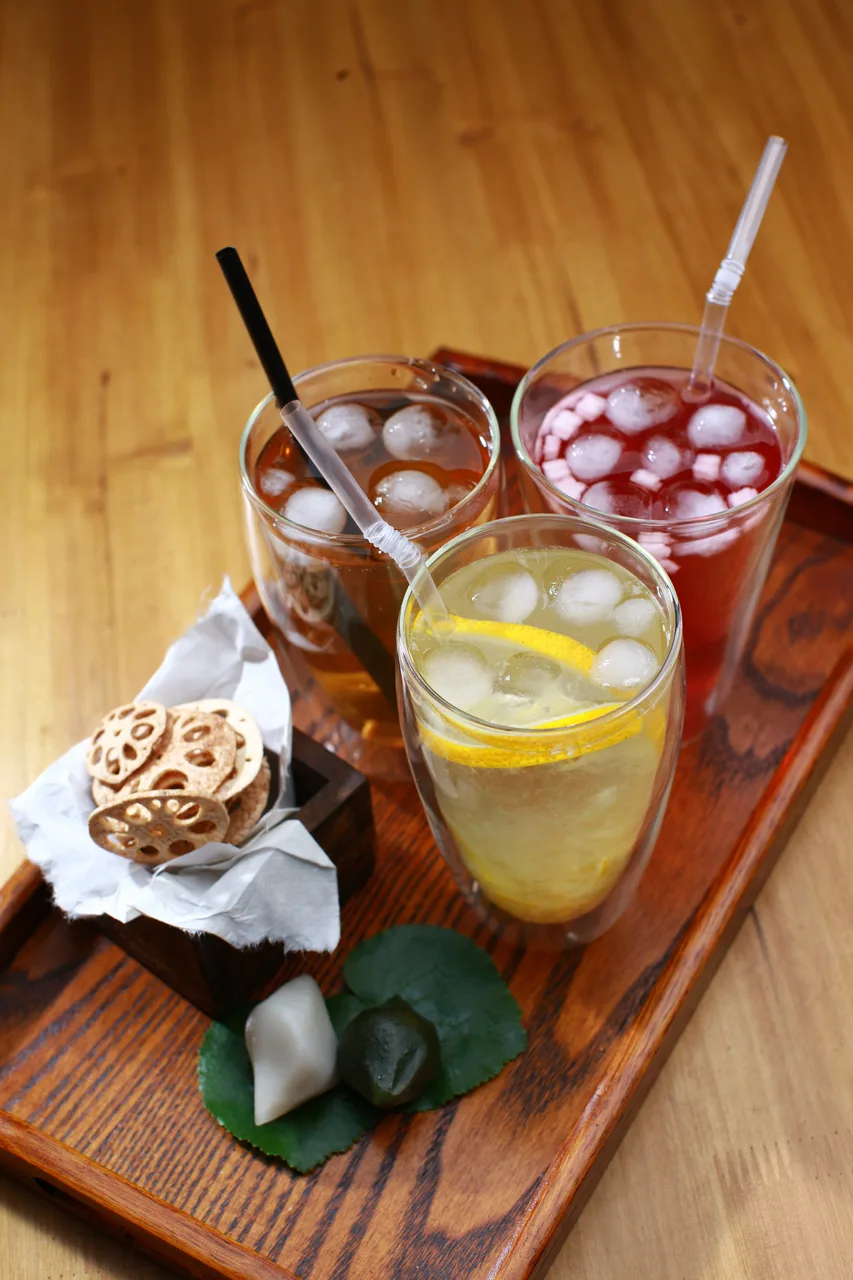
Insadong is also one of the best places in the city to shop for pottery, paper, and brushwork, so a teahouse pause fits naturally into a slow afternoon of browsing. If crafts are part of your plan, see our guide to where to try Korean crafts. Beyond Insadong, the Bukchon Hanok Village and the narrow alleys of Ikseon-dong hold more teahouses in the same style, some quieter than others. For a modern take, the O'sulloc tea houses pour Jeju green tea, matcha, and tea desserts in a sleeker setting. A word of honesty: individual shops open, close, and change hands often, so treat any single name you read online as a starting point rather than a fixed address, and let the alley lead you in.
Brewing Korean green tea at home
Korean green tea is forgiving once you learn its one firm rule: keep the water cool. Boiling water scorches the leaves and pulls out a harsh, bitter edge, so let a freshly boiled kettle rest until it drops to around 70 to 75 degrees Celsius. For the finest early-spring grades, cool it a little more. Use roughly three grams of leaf, about a generous teaspoon, for every 100 to 150 millilitres of water.
Pour the cooled water over the leaves and give the first steep only about a minute, then taste. Korean green tea is built for repeat brewing, and the same leaves will happily give three or four more infusions, each a little different, often at their most balanced on the second pour. A ceramic or stoneware pot is the traditional choice, since metal can dull the tea's delicate aroma. None of this needs special equipment. A small teapot, a way to judge temperature, and a little patience are enough. If you want to slow down further, warming the empty cups first and pouring in a steady, unhurried rhythm brings you close to the spirit of darye without any of the formality. Fruit and grain teas are simpler still. Citron or plum marmalade dissolves straight into hot water, and barley tea is made by simmering roasted grains, then drunk hot or kept chilled in the fridge for days.
What to bring home as a gift
Tea travels home well, and it makes a gift that feels genuinely Korean without being fragile or bulky. Loose-leaf green tea is the obvious choice. Boseong and Hadong leaf and the Jeju-grown O'sulloc range are sold in sealed tins that survive a suitcase, and O'sulloc's shops and airport counters make it easy to restock on the way out. For someone unlikely to brew loose leaf, a jar of yuja citron marmalade is a safe bet, since it keeps for months and needs nothing but a spoon and hot water. Individually wrapped tea bags of omija, jujube, or barley tea are cheap, light, and easy to hand out one at a time.
The other half of a good tea gift is the ware. A simple celadon or white-porcelain cup and pot set turns a bag of leaf into a proper present, and Insadong is the natural place to look. The Ssamziegil complex in the middle of the district packs small ceramics studios and craft stalls around a spiraling ramp, and the surrounding lanes hold potters and paper shops. Stick to ceramic or stoneware rather than metal, both because it suits the tea and because handmade Korean pottery is worth carrying home in its own right. Prices climb quickly for named artists, but a plain, well-made cup costs little and lasts for years.
Korean tea asks very little of a visitor and gives back a lot. A single day can cover most of it: a slow pot in an Insadong hanok, a jar of citron tea for the flight home, and, if you have the time, the green hills of Boseong to see where the leaf begins. Order with both hands, take your time, and let the cup set the pace.
Location
Boseong Green Tea Fields, Korea
View on Google MapsFrequently asked questions
Is Korean tea only green tea?
No. In Korea the word cha covers almost any warm infusion. Alongside green tea (nokcha) from Boseong, common drinks include daechucha (jujube), yujacha (citron), omijacha (five-flavor berry), boricha (roasted barley), and saenggangcha (ginger), many of them caffeine-free.
What is darye?
Darye means 'etiquette for tea,' Korea's traditional tea ceremony. It is calmer and less rigid than the Japanese version, focused on preparing and sharing a well-made cup with care, and it grew up alongside Buddhism more than a thousand years ago.
Where can I experience Korean tea culture in Seoul?
The easiest place is Insadong, where old teahouses inside hanok houses serve green, citron, and five-flavor teas with Korean sweets, usually with English menus and floor seating. Bukchon and Ikseon-dong have more in the same style.
Can I visit the Boseong green tea fields?
Yes. The terraced plantations in Boseong County, South Jeolla Province, are open to visitors, and the Boseong Green Tea Festival each May lets you pick and press your own tea. Hadong and Jeju Island are other notable growing areas.
How do I brew Korean green tea at home?
Let boiled water cool to about 70 to 75 degrees Celsius, use roughly 3 grams of leaf per 100 to 150 millilitres, and steep the first pour for about a minute. The same leaves give three or four more infusions. Use a ceramic pot rather than metal.
Sources
This guide was researched using the references below. Prices and times change, so confirm anything time-sensitive on the official page before you rely on it.
Related guides
- Where to buy Korean pottery: a guide for foreignersDiscover where to purchase authentic Korean pottery, from traditional markets in Seoul to renowned ceramic towns, and learn about the rich history behind t
- Exploring traditional Korean art stylesAn in-depth look at traditional Korean art styles, including painting, ceramics, and crafts, highlighting their history and cultural significance.
- What is minhwa, Korean folk painting?Minhwa, meaning 'painting of the people,' is Korean folk art created by anonymous artists to depict everyday life and convey symbolic meanings.
- An introduction to Korean traditional dance for visitorsA clear guide to Korean traditional dance for foreigners: court and folk forms, buchaechum, talchum, salpuri, seungmu, and where to watch them live.
- Korean traditional music (gugak) and where to hear itWhere to hear Korean traditional music in Seoul, from the National Gugak Center's Saturday concerts to Jongmyo rite music, plus what the sounds mean.
- Where to try Korean crafts: pottery, calligraphy and hanjiTry Korean pottery, calligraphy and hanji papermaking in Insadong, Icheon and Jeonju, with real prices, subway routes and how to book.