Korean Drinking Culture: Soju, Makgeolli, and Etiquette
A beginner's guide to Korean drinking culture: soju and makgeolli ABV, somaek, pouring etiquette with two hands, anju food pairings, and hangover soup.
By Jae Park · Updated Jul 16, 2026
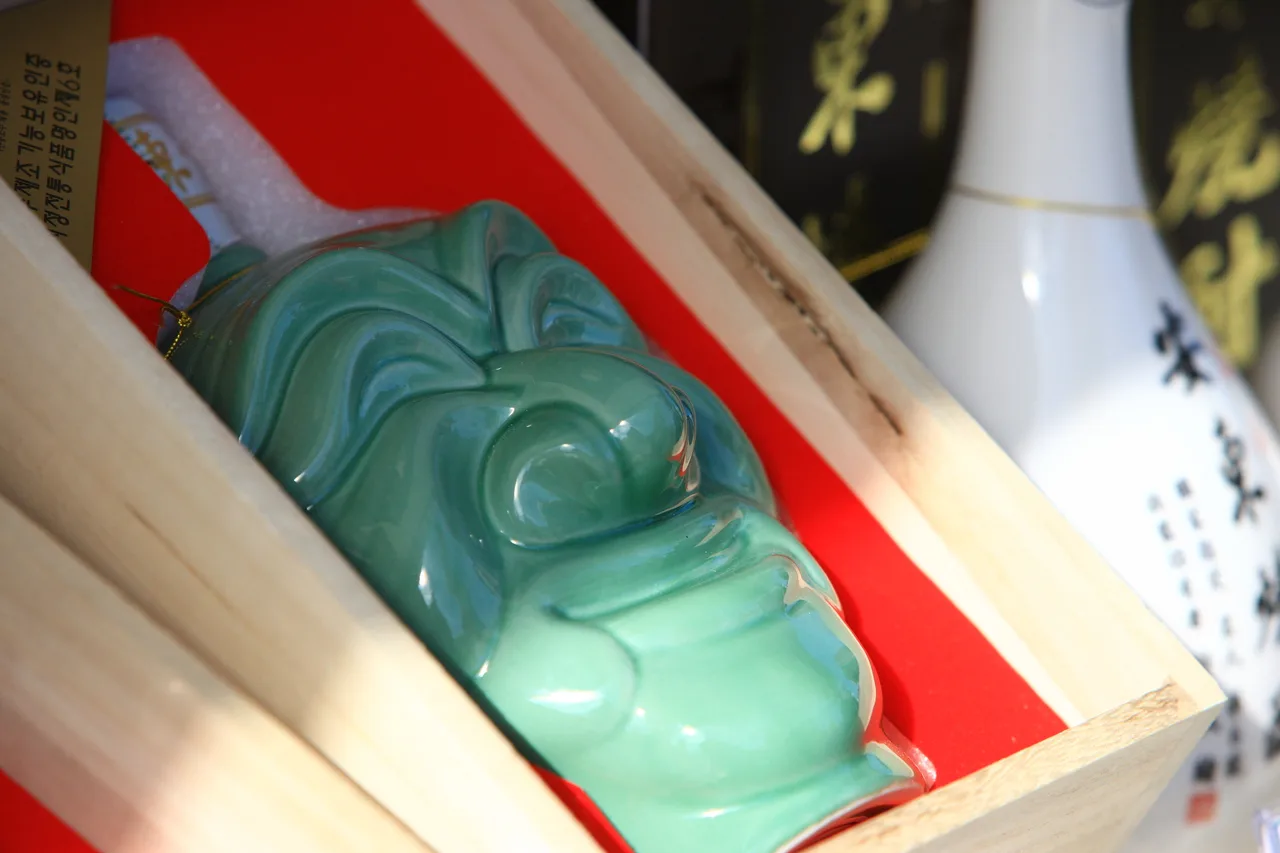
The first time a Korean colleague filled my glass, I grabbed the bottle to return the favor and poured his drink while he was still holding his own cup with one lazy hand. Wrong on two counts, he told me afterward, laughing. Korea drinks a lot, and it drinks by rules. The country goes through billions of bottles of soju a year, and the ritual around them, who pours, which hand, when you turn your head, is older than any of the brands on the shelf. None of it is hard once you have done it a single time. Here is what actually happens at the table, from the green bottle at dinner to the soup you eat the next morning.
Soju, the green bottle that runs the table
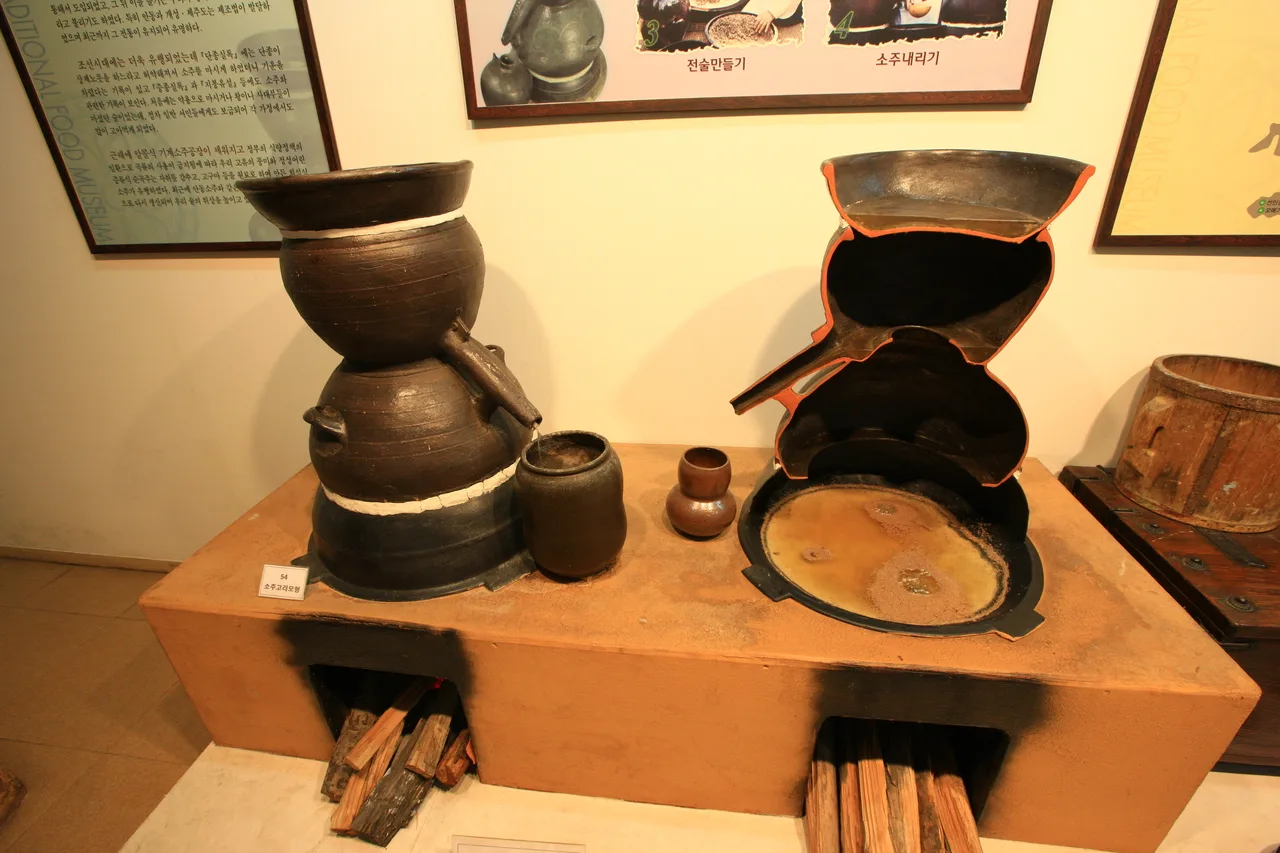
Soju is the default. It is a clear, mostly neutral spirit, and the standard green bottle you see everywhere pours into small glasses meant to be knocked back rather than sipped. The strength surprises people who expect vodka. Most bottles today land around 16 to 17 percent alcohol, with the range across brands running roughly 12 to 20 percent. That is a long way down from where soju began. Until 1965 it was distilled from rice at about 35 percent, but a government ban on rice distillation during grain shortages pushed makers toward a diluted soju built from other starches. The number kept sliding after that, to 25 percent by the early 1970s, 23 percent by the late 1990s, and under 20 percent as the norm since the mid-2000s. The sweeter fruit-flavored versions aimed at younger drinkers can dip to around 12 percent. Price is part of why it is everywhere. A green bottle runs somewhere near 1,800 to 1,900 won at a convenience store, sometimes closer to 1,300 at a big supermarket, and roughly 4,000 to 6,000 won at a restaurant, higher in Gangnam. Jinro and Chamisul are the names you will see most. Order grilled pork and soju is the assumed partner, a pairing our Korean BBQ 101 guide walks through cut by cut.
Makgeolli and the rest of the shelf
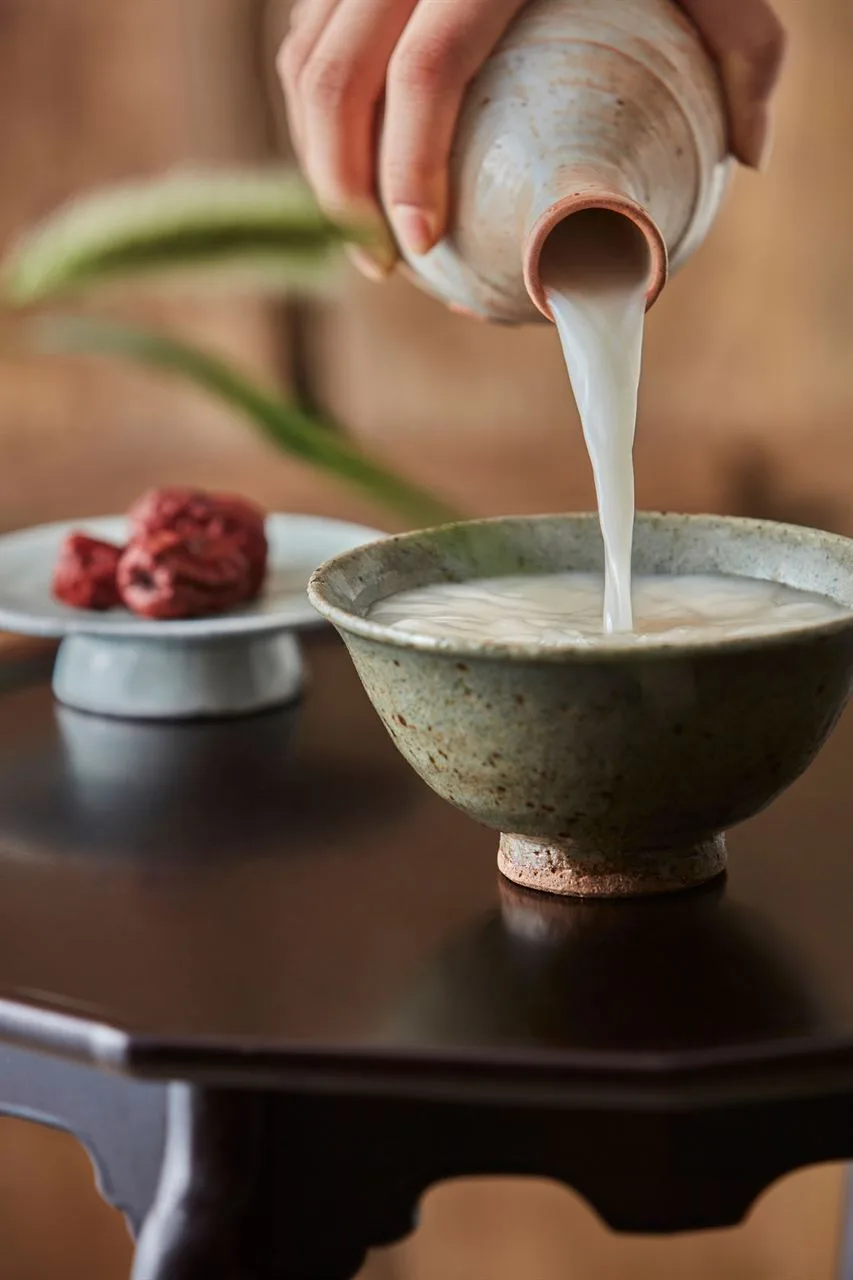
Makgeolli is the older drink, and for years it was the unfashionable one, the cloudy brew your grandparents drank in the countryside. It has come back hard. Milky, faintly sweet and sour with a soft natural fizz, it is a fermented rice wine made from steamed rice, water, and nuruk, a starter full of wild yeast and bacteria. Most commercial bottles sit around 6 to 8 percent alcohol, much lighter than soju, though traditional homebrews climb higher. The cloudiness is the whole character. Makgeolli is unfiltered or barely filtered, so rice sediment settles at the bottom and you swirl the bottle before pouring, usually into a wide brass or ceramic bowl instead of a glass. Unpasteurized versions still carry live cultures, which is why fans talk about it the way people talk about kombucha. A bottle costs a few thousand won at a convenience store and more at a specialist bar.
Past those two, beer, maekju, is the everyday lager, with Cass and Terra the big domestic names and a real craft scene growing behind them. Then come the harder traditional pours: cheongju, a clear refined rice wine, and baekseju, an herbal rice wine that shows up at celebrations. Soju and makgeolli are the two you will meet first, and the two worth learning by name.
Somaek and the drinking games
Somaek is the drink that appears on no menu, because you build it yourself. The name jams soju (소주) and maekju (맥주, beer) together, and that is precisely what it is, soju poured into beer. The mix tames both sides. Soju loses its edge, the beer loses its bitterness, and the result goes down far too easily, which is the entire reputation. Ratios start real arguments, but a common baseline is about three parts soju to seven parts beer, filling the glass roughly a third with soju before topping it with beer. People spin a chopstick through it, flick the foam, or rap the glass on the table to make it froth.
Games arrive once the table warms up. The most theatrical is Titanic: an empty shot glass floats in a wide glass of beer, and each person adds a splash of soju in turn until someone sinks it and has to drink the whole thing. Others turn on flicking the twisted tail of the bottle cap, or number games where losing costs you another shot. Do not read any of it as pressure to keep pace. "One shot," won-syat, means draining the glass, but declining politely or nursing a beer is completely fine, especially for a guest. Nobody is keeping a real score.
The pouring rules foreigners should actually learn
Almost all of the etiquette comes down to one idea. You look after other people's glasses, not your own. You never pour your own drink. Filling your own cup reads as a little greedy, so you top up your neighbors and trust them to top up you, and you keep half an eye out so nobody sits with an empty glass for long.
Hands matter. When you pour for someone older or senior, hold the bottle with both hands, or steady your pouring arm at the elbow with your free hand. When someone pours for you, lift your glass and take it with two hands the same way, with a small dip of the head. Here is the move that catches visitors off guard: when you actually drink in front of an elder, turn your body slightly to the side and often cover the glass or your mouth with your free hand. It is a gesture of modesty, not secrecy, and older Koreans still notice it.
You also wait for the eldest person to take the first sip before you start, and toasts land on geonbae, the Korean cheers. None of this is a test you can fail badly. Watch the table for thirty seconds and copy the oldest person present. Our Korean etiquette dos and don'ts guide carries the same instincts into meals and everyday situations.
Anju, because nobody drinks on an empty stomach
Koreans do not really drink without eating. The food you order alongside alcohol has its own word, anju, and the rough sense of it is "that which settles the drink." This is not an afterthought or a bowl of peanuts. Anju is often the reason to sit down in the first place, and the drink follows the food as much as the reverse.
Some pairings are close to law. Fried chicken belongs with beer, a match so beloved it earned its own name, chimaek, from chikin and maekju. Makgeolli belongs with pajeon, the savory scallion and seafood pancake, and the classic moment for it is a rainy afternoon, since the sound of the pancake frying is said to echo the rain outside. Soju leans toward strong, salty, fatty things: grilled pork belly, jokbal, the braised pig's trotters, spicy stir-fried squid, or a bubbling stew. The logic is practical as much as cultural. Fat and salt slow the drinking down and keep you upright. For a fuller tour of what tends to land on the table, the Korean street food guide covers much of it.
Where the drinking happens
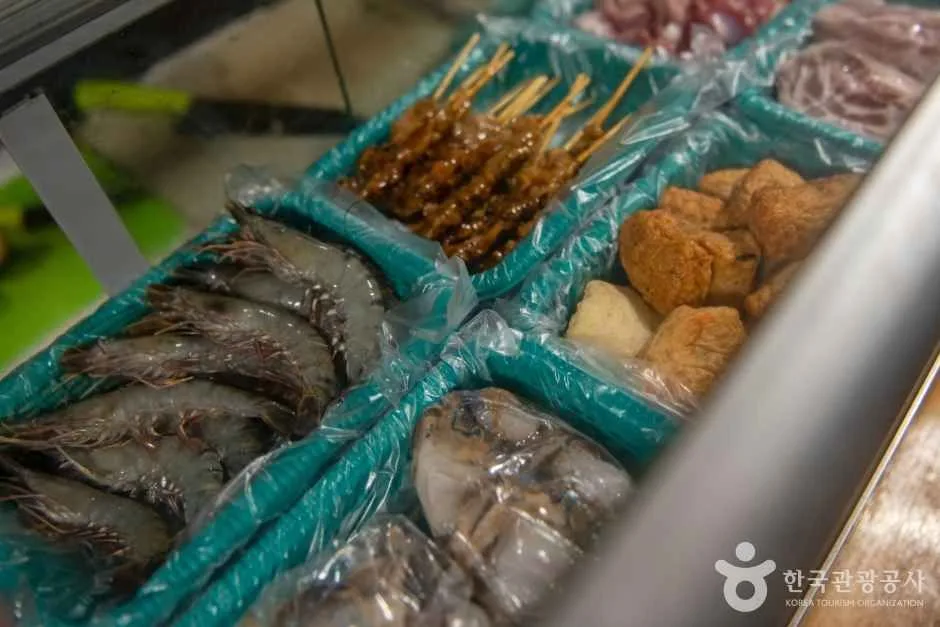
Three kinds of room, roughly. The pojangmacha is the street tent, an orange tarp thrown over a cart with plastic stools, where you drink soju and beer over fish cakes, tteokbokki, and grilled skewers with strangers at your elbow. It is cheap, loud, and the setting for half the drinking scenes in your favorite K-dramas. The tarp and the heater make the winter version especially good.
A hof is the Korean take on a beer hall, the standard neighborhood bar. Beer is the point, usually Korean lagers, and the anju menu leans on fried chicken and fries. This is where friends land for a casual few hours after work. Then there is the newer wave of craft beer pubs, cocktail bars, and makgeolli specialist houses that have spread through Seoul districts like Euljiro, Hongdae, and Seongsu, aimed at drinkers who want range over volume.
You do not tip in any of them, and you usually pay at the counter on your way out, card accepted almost everywhere. Drinking in public is not illegal either, so a convenience-store beer by the Han River or soju on a park bench is entirely normal, the budget option our Korean convenience store food guide gets into.
Hoesik and the social weight of a shared bottle
Drinking in Korea is social glue, and nothing shows that more plainly than hoesik, the company dinner. A few times a year a team heads out together, and it is often treated as semi-mandatory. The night runs in stages called cha. First round, il-cha, is dinner over grilled meat and soju. Second round, i-cha, might be a bar. A third can drift to noraebang, the private karaoke rooms. Each stage loosens the hierarchy that keeps a Korean office formal, which is the quiet job the whole thing does. The boss and the newest hire share a bottle and speak more freely than they ever could at their desks.
The culture is shifting, though. Younger workers push back on drinking-heavy hoesik, and plenty of teams now settle for lunch, a movie, or a café instead. The old expectation to drink until sunrise has faded a long way from where it stood a generation ago. You will still see it in dramas because it makes good television, but real offices are calmer than the fiction. As a visitor you will not be dragged into hoesik, yet you will feel the same warmth any time Koreans insist on refilling your glass. Sharing a bottle is how affection gets said out loud here.
Haejang, the morning-after ritual
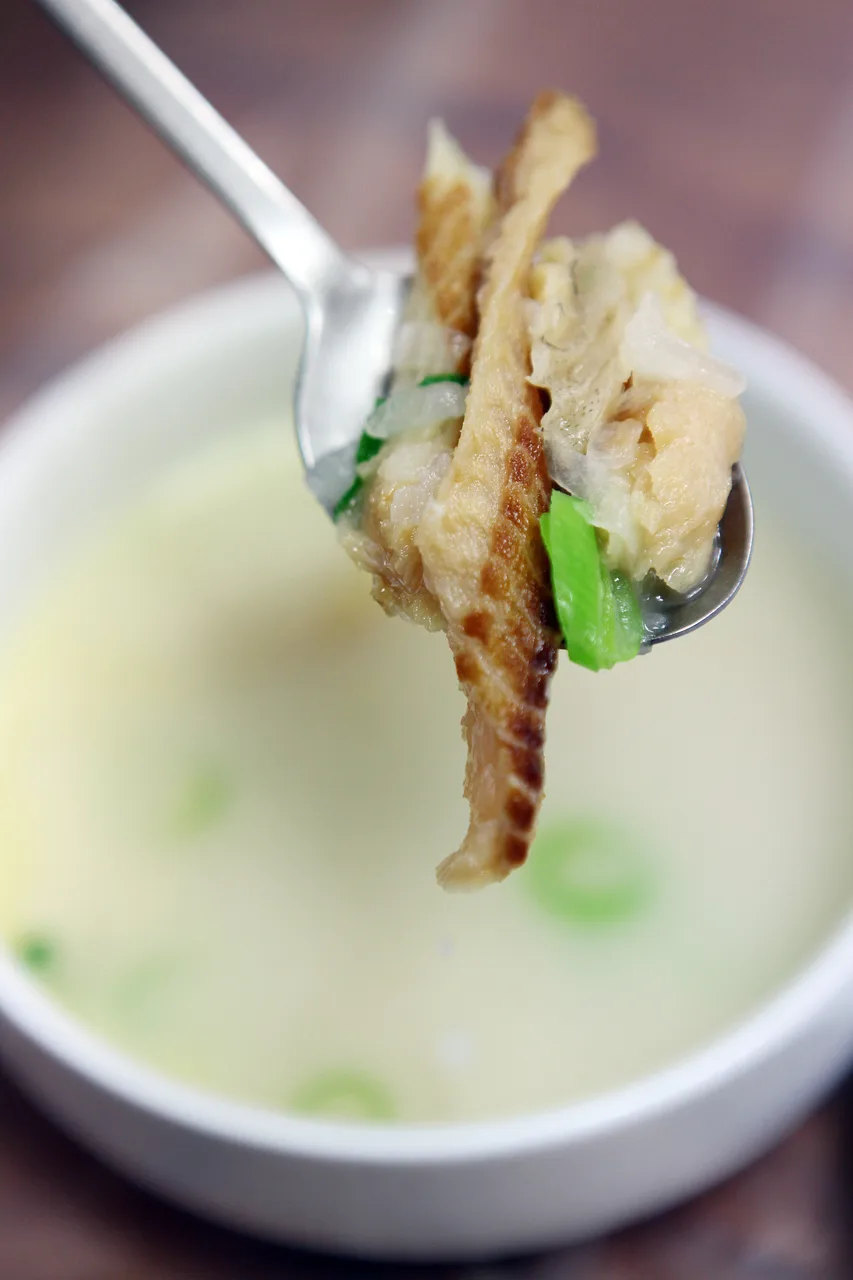
Korea drinks hard, so it built a whole cuisine around recovery. Haejang-guk translates roughly as "soup to chase away the hangover," and it is a genuine category, not a punchline. The idea reaches back centuries, with mentions in Joseon-era texts and folk paintings of people eating it after a heavy night. Restaurants that specialize in it open early on purpose, to catch yesterday's drinkers on their way home or to work.
The soup takes different shapes by region. Seoul's classic is seonji haejang-guk, a spicy beef-bone broth with bean sprouts, cabbage, and slices of congealed ox blood that is milder than it sounds. Jeonju is known for kongnamul gukbap, bean-sprout soup over rice with a raw egg cracked in. Busan answers with dwaeji gukbap, a pork-and-rice soup. The common threads are hot broth, bean sprouts, and doenjang, the fermented soybean paste, and bean sprouts in particular have long been the folk hangover cure. Beyond the dedicated soup, people also reach for any bowl of gukbap or the small hangover-relief tonics sold by the convenience-store counter. Pace yourself the night before and you may skip it, but knowing the ritual is half of understanding the drinking.
One last pour
None of this should feel like homework. Korean drinking runs on a short exchange. You keep the other person's glass filled and trust them to keep yours filled. You eat while you drink. And you let the oldest hand at the table set the pace. Get those right and the rest works itself out over the first bottle. Learn one word, geonbae, take the pour with two hands, and turn your head when you sip in front of someone's grandmother. A Korean table will fold you in fast once you do. Keep water within reach, and find out where the soup shop sits before you need it.
Frequently asked questions
Is it rude to pour my own drink in Korea?
Yes. You do not fill your own glass in Korea. You pour for the people around you and let them pour for you, keeping an eye out so nobody sits with an empty cup. Filling your own reads as a little greedy, so wait a moment and someone will top you up.
How strong is soju compared to makgeolli?
Soju is stronger. Most soju bottles today are around 16 to 17 percent alcohol, with sweeter fruit versions dropping toward 12 percent and a full range of roughly 12 to 20 percent. Makgeolli, the cloudy rice wine, is much lighter, usually about 6 to 8 percent.
What is somaek?
Somaek is soju mixed into beer, the name combining soju and maekju. A common ratio is about three parts soju to seven parts beer. It smooths out both drinks, which is why it goes down easily and shows up in so many drinking games.
Why do Koreans turn away when drinking with elders?
Turning your body slightly to the side and covering the glass or mouth with your free hand when you drink in front of an older person is a gesture of modesty and respect. It is not about hiding. Older Koreans still notice and appreciate it.
What is haejang-guk?
Haejang-guk means, roughly, soup to chase away the hangover. It is a real Korean dish category, usually a hot broth with bean sprouts and fermented soybean paste. Regional versions range from Seoul's ox-blood seonji soup to Jeonju's bean-sprout rice soup and Busan's pork gukbap.
Sources
This guide was researched using the references below. Prices and times change, so confirm anything time-sensitive on the official page before you rely on it.
Related guides
- Korean recipes with ground beefExplore easy and flavorful Korean dishes using ground beef, from bulgogi bowls to kimchi mandu, perfect for quick meals.
- Korean BBQ options near Incheon AirportA guide to enjoying authentic Korean BBQ near Incheon Airport, including top restaurant recommendations and practical tips for travelers.
- Korean BBQ in Incheon: A guide for foreignersDiscover the best Korean BBQ spots in Incheon, understand local dining etiquette, and learn how to enjoy this culinary experience like a local.
- Korean BBQ in Seoul: A guide for first-time visitorsDiscover the essentials of enjoying Korean BBQ in Seoul, from ordering and etiquette to top restaurant recommendations and solo dining options.
- Korean chicken recipes to try at homeExplore a variety of Korean chicken dishes, from spicy stir-fries to comforting soups, with recipes and cultural insights.
- Easy Korean recipes for beginnersDiscover simple Korean dishes like kimchi fried rice and bulgogi that you can make at home with minimal ingredients and time.