Jeju black pork: a guide for foreign visitors
Discover Jeju's famed black pork: its history, unique flavor, and where to savor it on the island.
By Jae Park · Updated Aug 22, 2026
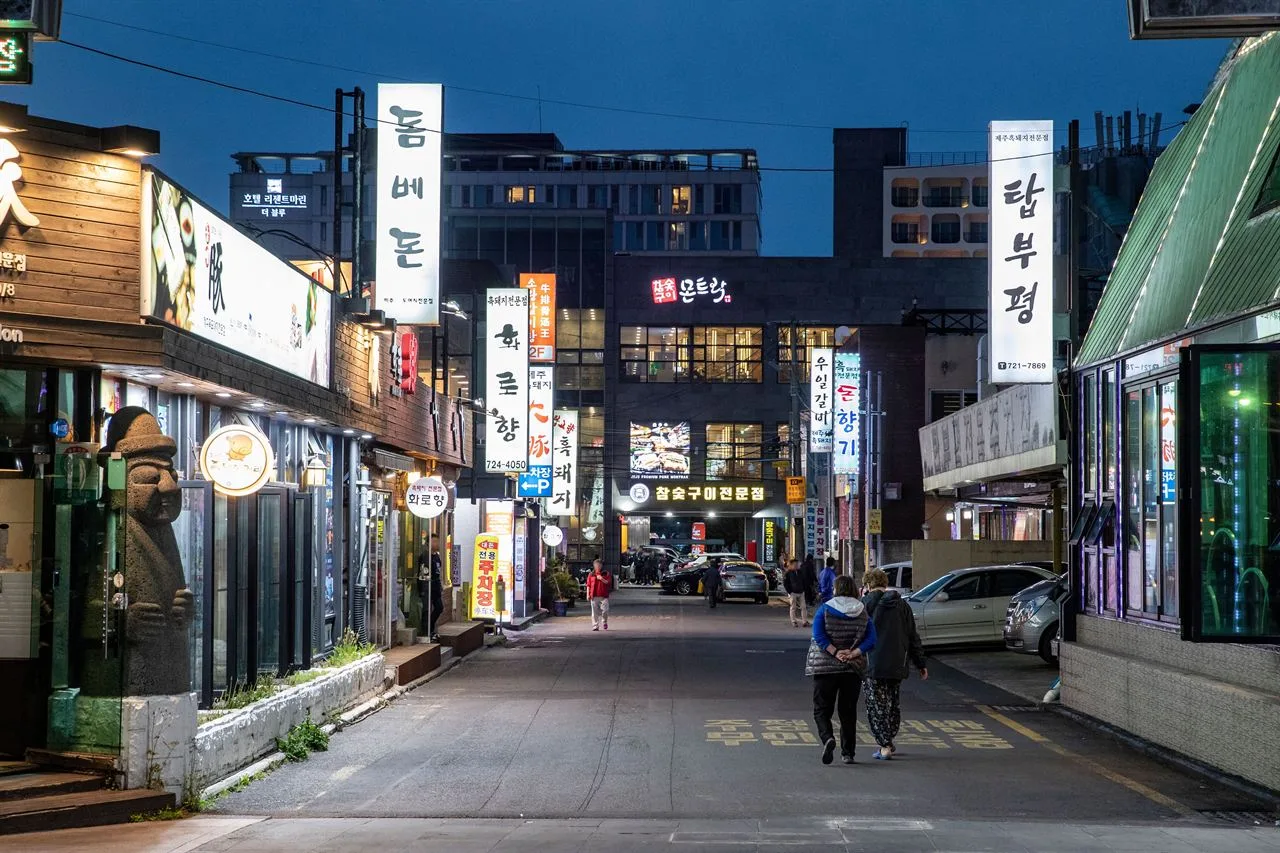
Jeju Island's black pork, or 'heuk-dwaeji' (흑돼지), stands out for its distinctive taste and cultural significance. This native breed, raised exclusively on Jeju, offers a culinary experience unlike any other in Korea.
What makes Jeju black pork unique?
Jeju black pork stands out for its smaller size, black skin, and smooth coat, but what really gets people talking is the meat itself—tender, juicy, and packed with a deep, savory flavor I haven’t found in other Korean pork. The secret is in the pig’s genetics and the island’s unique environment. Jeju’s cool sea breeze and volcanic ash soil seem to influence everything raised there, and the black pig is no exception. Their meat has a natural marbling and a firmer texture, making every bite rich and satisfying without being overly fatty.
If you’re new to Korean barbecue, this is where I’d start: order the belly (samgyeopsal) or neck cuts and keep it simple—just a sprinkle of salt or a dab of sesame oil lets the flavor shine. I always tell friends, skip the heavy marinades at first. The point here is to taste the difference that Jeju’s environment and traditional breeding make. There’s a reason locals will line up for hours at the most popular spots. For a deeper dive into how Korean barbecue works, check out our Korean BBQ 101 guide. And if you’re curious about the pigs themselves, you’ll notice their black coats right away at any farm or restaurant display. You won’t get this experience on the mainland—this is something distinct to Jeju.
A brief history of Jeju black pigs
The Jeju black pig isn’t just a modern foodie trend—it’s a breed with roots going back to the end of the Goryeo Dynasty, around the 1400s. Historically, these pigs were raised for special occasions, not everyday meals. Their meat was prized for its taste and especially for the hard, white fat, which older generations still rave about. If you ask islanders, they’ll often recall childhood memories of black pork at weddings, birthdays, or community feasts.
Things changed in the early 1900s when foreign pig breeds were introduced to Jeju. These newcomers grew faster and provided more meat, so many farmers switched over, and the pure black pig population shrank dramatically. Only in recent decades did people start to realize what was being lost, and efforts to revive and protect the breed picked up. Today, Jeju black pork is a symbol of local pride and a must-try for visitors who want to taste living history.
If you’re a history buff or just curious about how food connects to a place, it’s worth comparing Jeju’s story to the broader changes during the Joseon Dynasty—our 10-minute Joseon guide is a good starting point. Eating Jeju black pork isn’t just about the flavor; it’s a taste of centuries-old tradition that’s still evolving.
Traditional and modern cooking methods
Traditional Jeju black pork was all about the smoke—literally. Before gas and charcoal grills, locals smoked the pork over burning hay. The result? A distinctive, earthy aroma and a slightly chewy bite that’s still talked about among older islanders. If you ever get a chance to try pork smoked this way, don’t pass it up—it’s very different from what you’ll find elsewhere in Korea.
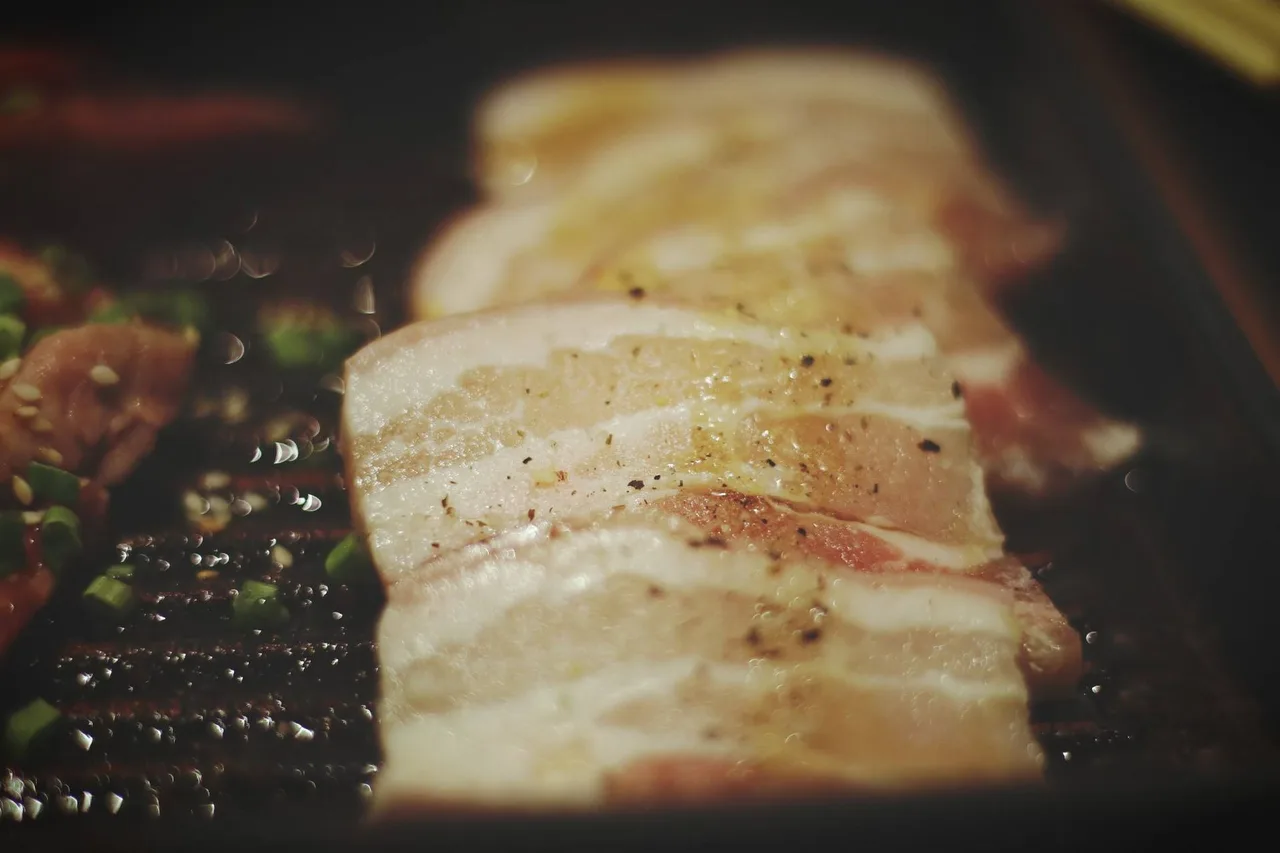
Nowadays, most restaurants grill black pork over charcoal or even slabs of Jeju’s volcanic lava rock. The intense heat sears the outside, locking in juices and giving a subtle mineral note that sets Jeju barbecue apart. I always recommend starting with just salt, maybe a little sesame oil, and some raw garlic. You’ll see people in Jeju skipping the more elaborate sauces—here, the point is to let the meat speak for itself.
Sides like kimchi, lettuce wraps, and pickled radish are always on the table, but the star remains the pork. If you’re new, ask for the belly (samgyeopsal) or neck cut—these are the most popular, and you’ll get the full spectrum of texture and taste. For more on how to eat like a local, check out our local dining guide. It’s worth noting that some places still use traditional cooking techniques for special menus or events, so if you see “hay-smoked” on the menu, go for it.
Where to savor authentic Jeju black pork
If you're searching for the classic Jeju black pork experience, Jeju City is the place to go. Donsadon is often the first name that comes up among locals and returning visitors. The draw here is the grilling method: thick slices of black pork are cooked right at your table over a briquette fire. The result is meat with a smoky perfume that you just can't replicate with gas or electric grills. The staff will help you get the perfect char without drying out the pork, and you can really taste the difference in texture and richness. Personally, I'd start with their grilled belly or neck cuts—these show off the savory, slightly sweet flavor that makes Jeju black pork so famous.
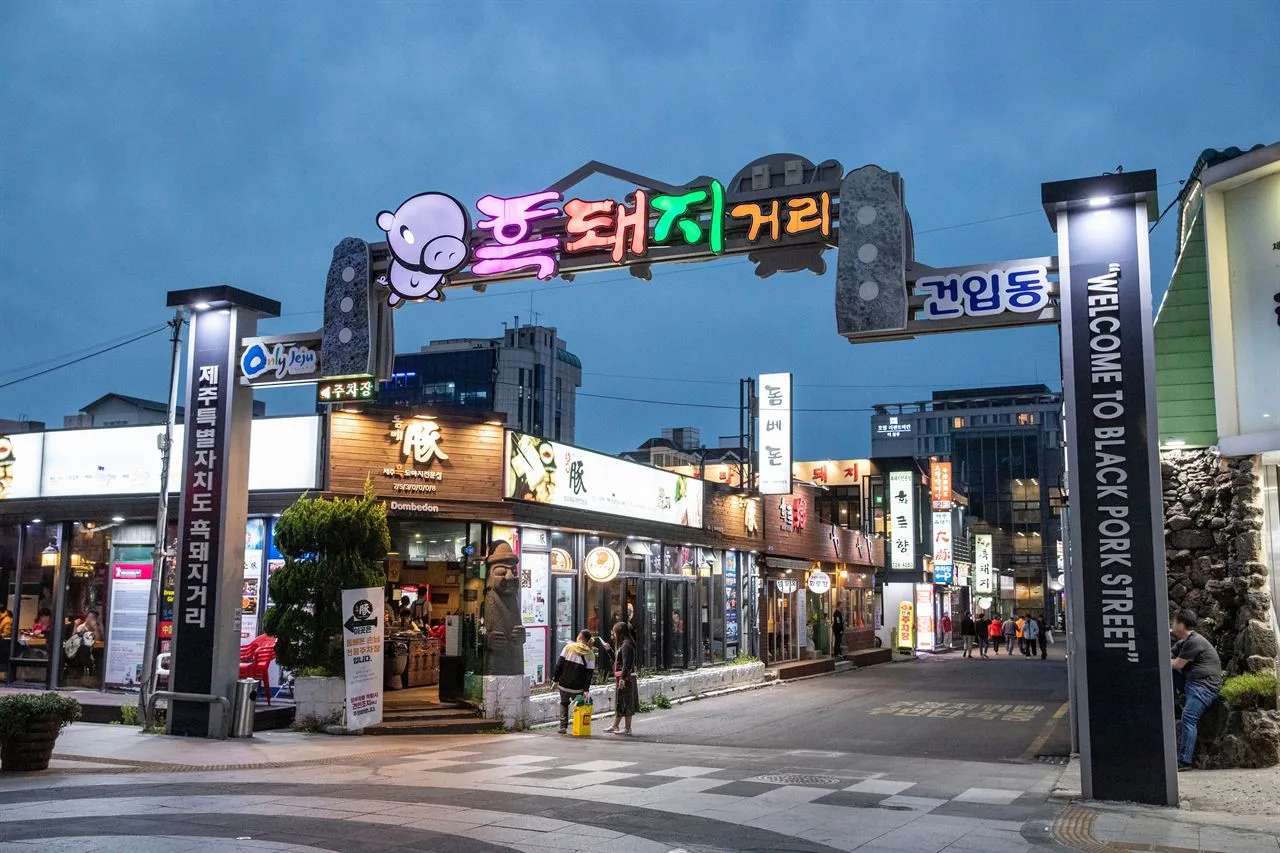
Not far away, Dombedon offers another take on the tradition. Located near the lively Dongmun Market, Dombedon specializes in generous sets, including a 450-gram platter of black pork for ₩46,000. The portions are ideal if you're sharing with a friend or two, and the proximity to the market makes it easy to combine with a stroll through Jeju City's older neighborhoods. If you're used to Korean BBQ in Seoul, you might find the service style and side dishes a bit different here—Jeju restaurants often highlight the pork itself, with just a few fresh accompaniments like salt, green onion, and raw garlic.
If you want to compare with how BBQ is done on the mainland, check out our Korean BBQ guide for Seoul. But honestly, the smoky, slightly chewy black pork on Jeju is in a league of its own.
Understanding the cost of Jeju black pork
Expect to pay around ₩20,000 for a 200-gram serving of Jeju black pork at most restaurants, with a minimum order of two servings per table. This isn't just a local quirk—it's how Korean BBQ places ensure the grill is worth firing up, and portion sizes are made for sharing. So if you're dining solo, be ready for a generous spread or consider going with a friend. At places like Dombedon, the 450-gram set comes out to about ₩46,000, which is in line with the going rate and feeds two to three people comfortably.
Keep in mind that the initial price only covers the pork and basic sides. Most places will offer extras like rice (₩1,000-2,000 per bowl), kimchi stew, and drinks, which can add ₩5,000-10,000 or more to your final bill if you're ordering a full meal. I always recommend checking the menu for portion sizes and confirming minimum orders before you sit down, especially if you only want a light meal. Some restaurants may have different sets or prices for lunch versus dinner, but the ₩20,000 per 200g is a solid benchmark.
For a sense of how this fits into a typical travel budget, see our full breakdown in how much does a Korea trip cost?. Jeju black pork is a splurge compared to everyday meals, but for most visitors, it's a highlight worth the price.
Cultural significance and festivals
Jeju black pork is more than just a dish—it's a point of pride for locals and often takes center stage at community gatherings and island festivals. While you won't find a festival dedicated solely to black pork, it's a fixture at most major Jeju events, from harvest feasts to food fairs and holiday celebrations. The presence of black pork at these functions speaks to its deep roots in the island's culture, going back to the end of the Goryeo Dynasty. Traditionally, the pigs were raised for special occasions, and their meat was reserved for festivities or to honor guests.
These days, you'll spot sizzling black pork at pop-up stalls during events across Jeju, especially in the autumn and spring when the island comes alive with outdoor celebrations. The way locals grill and serve the meat—with just a pinch of salt or a brush of sesame oil—shows a reverence for the pork's natural flavor. It's not just about eating; it's about sharing a centerpiece of Jeju's identity. If you're lucky enough to visit during a festival, join a communal table and see how black pork brings people together in a way that's both down-to-earth and celebratory.
For more on what festivals are happening and when, check our May 2026 Korea festival guide. Even outside festival season, you’ll find black pork on tables at weddings, birthdays, and local markets, reflecting its lasting place in Jeju's culinary traditions.
Tips for first-time tasters
If it’s your first time sitting down to Jeju black pork, I’d recommend starting with the grilled belly (samgyeopsal) or neck (moksal) cuts. These are the best way to get a real sense of the black pig’s signature flavor—tender, rich, noticeably more savory than regular pork. The meat’s natural taste comes forward when grilled over charcoal or lava rocks, so skip the marinades at first and go straight for the plain cut with salt, a dab of sesame oil, and maybe a slice of fresh garlic. I find that pairing the pork with the tang of kimchi and some basic dipping sauces really rounds out the experience. Most Jeju BBQ spots will lay out an array of banchan (side dishes), and you’ll want to try a bit of everything, but don’t drown the pork in sauces—the flavor stands on its own.
One thing I wish someone had told me before my first visit: portions are generous, and restaurants often have a minimum order—usually two servings, which comes out to about 400g. This can be a surprise if you’re dining solo or not that hungry, so it’s smart to ask about portion sizes and minimums before you order. The average price for a 200g serving of black pork is around ₩20,000, and extras like rice, stew, or drinks add up quickly. If you’re new to Korean BBQ, you might want to review our food guide for first-timers to get a sense of what to order and how to pace yourself.
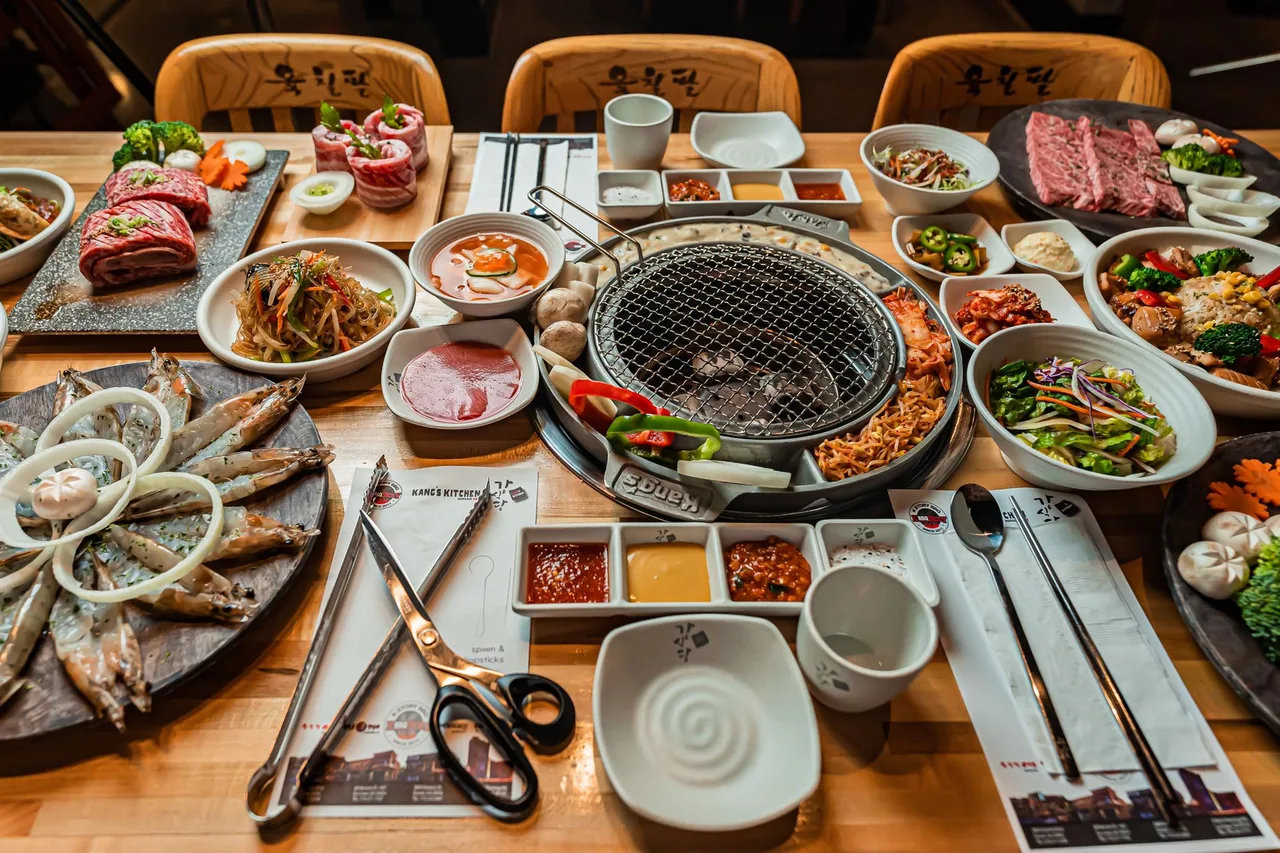
Exploring Jeju's black pork offers a deep dive into the island's rich culinary traditions. Whether you're a seasoned foodie or a curious traveler, this delicacy is a flavorful journey worth embarking on.
Location
Jeju Island
View on Google MapsFrequently asked questions
What is Jeju black pork?
Jeju black pork is a native breed from Jeju Island, known for its tender texture and rich, savory flavor.
How is Jeju black pork traditionally cooked?
Traditionally, it's smoked over burning hay; today, it's commonly grilled over charcoal or lava rocks.
Where can I try authentic Jeju black pork?
Donsadon in Jeju City and Dombedon near Dongmun Market are renowned for their black pork dishes.
How much does Jeju black pork cost?
A 200g serving typically costs around ₩20,000, with many restaurants requiring a minimum order of two servings.
Is Jeju black pork available year-round?
Yes, Jeju black pork is available and enjoyed throughout the year.
Sources
This guide was researched using the references below. Prices and times change, so confirm anything time-sensitive on the official page before you rely on it.
Related guides
- Jeju car rental guide for foreignersA comprehensive guide for foreigners on renting a car in Jeju, covering requirements, costs, insurance, and driving tips.
- Jeju Island weather: what to expect each seasonA practical guide to Jeju Island's weather by season, helping you plan the best time to visit based on climate, activities, and crowd levels.
- Flying with Jeju Air: A guide for international travelersA comprehensive guide for international travelers on flying with Jeju Air, covering booking, baggage policies, check-in procedures, and seasonal travel tip
- Korea festivals in May 2026: A guide for visitorsExplore Korea's lively festivals in May 2026, from the dazzling Lotus Lantern Festival in Seoul to the fragrant Rose Festivals in Samcheok and Gokseong.
- Seoul Lantern Festival: what to know before you goSeoul's biggest winter light show runs free along the Cheonggyecheon stream downtown. Here is when it is held, how to reach it by subway, and what to see.
- Winter in Korea: Snow, festivals and tipsA first-hand winter guide to Korea — snow, ice festivals, ski resorts, seasonal food, and practical tips on when to go and what to pack.