Seoul Lantern Festival: what to know before you go
Seoul's biggest winter light show runs free along the Cheonggyecheon stream downtown. Here is when it is held, how to reach it by subway, and what to see.
By Jae Park · Updated Jul 16, 2026
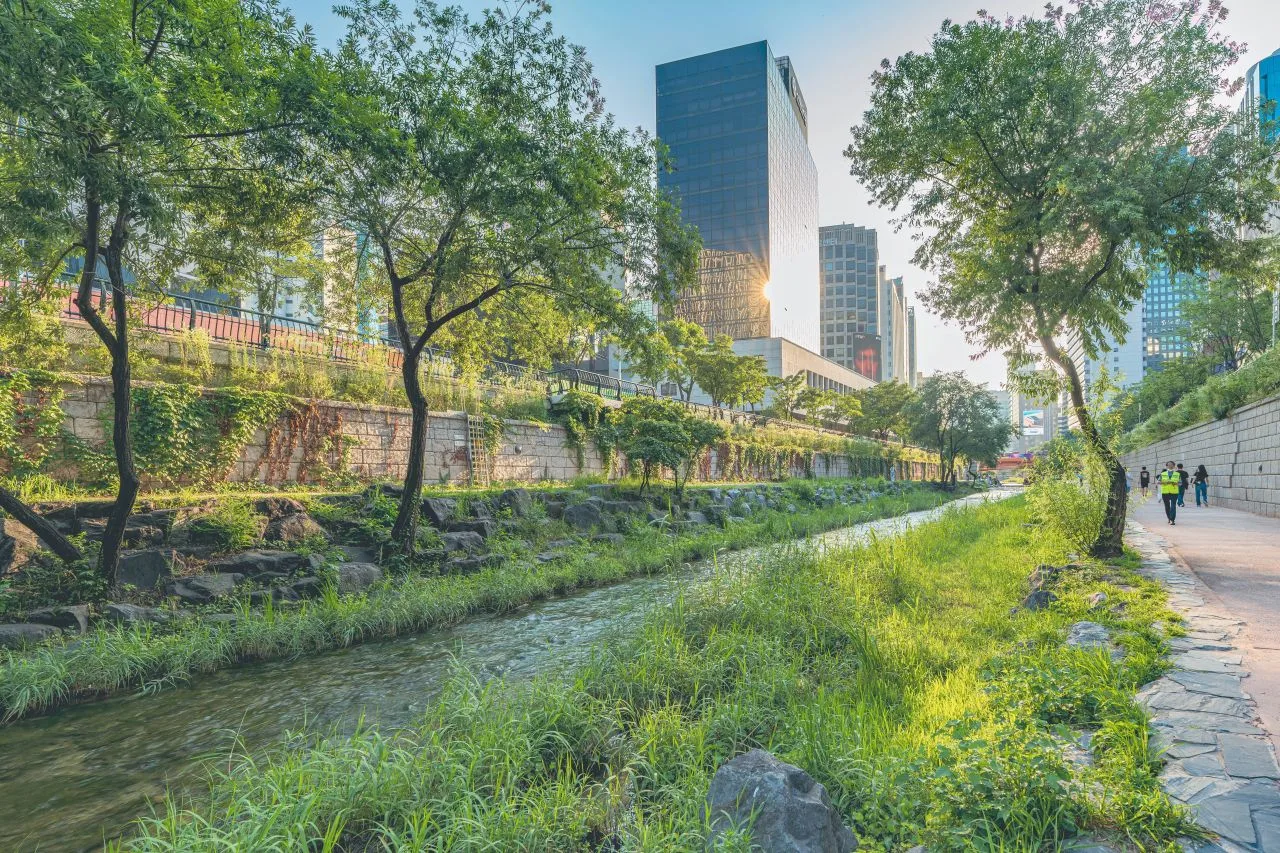
Come down the steps at Cheonggye Plaza on a December evening and the stream below turns into a slow river of light. Paper lanterns line both banks, their reflections wobbling on the black water, and the crowd moves forward at the pace of a gallery queue. This is the Seoul Lantern Festival, the city's largest winter light event, staged along the Cheonggyecheon stream right in the middle of downtown. It costs nothing to enter, it sits on top of several subway lines, and it rewards a little planning. Here is what to know before you go.
What the Seoul Lantern Festival is
The festival began in 2009, tied to the Visit Korea Year campaign, and it used the newly restored Cheonggyecheon stream as its stage. The plan was straightforward: fill a walkable stretch of water with illuminated lanterns and let people stroll past them at night. It worked. More than 520,000 people came during the first twelve-day run, and the event has since grown into Seoul's headline winter attraction, pulling in around two million visitors most years.
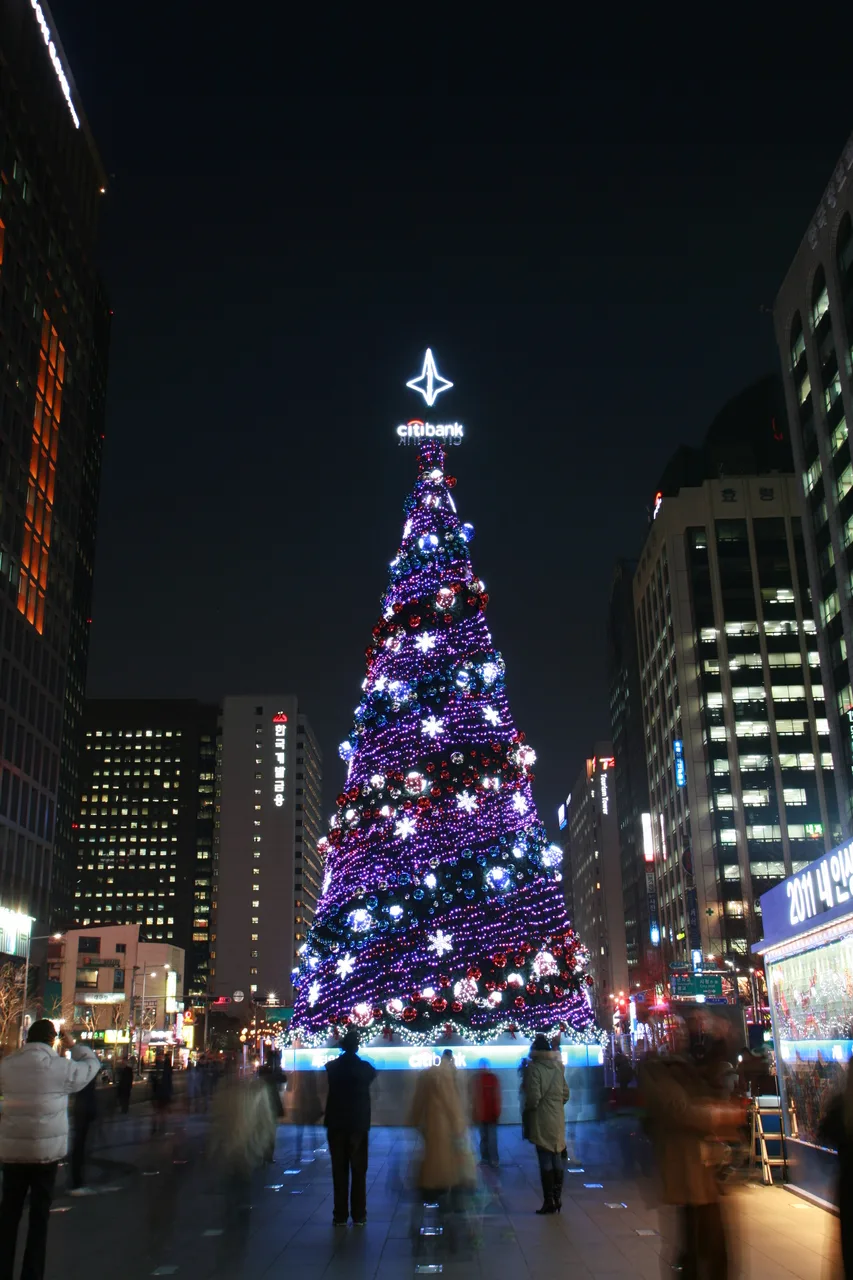
The lanterns themselves mix two traditions. Some are made from hanji, the tough handmade Korean paper, lit from inside so the color glows soft and warm. Others are modern LED installations built for scale and movement. Each edition picks a new theme, so the figures change from one year to the next: Korean folklore one season, historical scenes or popular characters another. The core route runs about 1.2 kilometers from Cheonggye Plaza toward Supyo Bridge, and recent editions have added displays along Uicheon in the north of the city plus a separate holiday market at Gwanghwamun Plaza.
The numbers explain why the streambanks feel so packed. By 2010 the crowd had climbed to roughly 2.3 million, including several hundred thousand foreign visitors, and the 2014 edition drew over three million. For a couple of recent years the main displays moved up onto Gwanghwamun Plaza and Seoul Plaza before returning to the water, so if an older article you read describes it as a plaza event, that is why. Today the stream is back at the center of it.
One point of confusion worth clearing up: this is not the Lotus Lantern Festival (Yeondeunghoe), the Buddhist parade that marks Buddha's birthday in spring. Different event, different season, different part of town.
When it happens, and why the dates move
Here is the honest answer. The timing has shifted, so do not lock in a date without checking. The festival built its name as an early-November event, running for roughly two weeks when the first real cold arrives. Since 2022 the schedule has drifted later into the winter. The 2025 edition, for example, ran from the middle of December into the middle of January 2026.
So treat November as the historical default and nothing more. Before you build a trip around it, confirm the current dates on the official Seoul tourism site (visitseoul.net) or the festival's own page. The lanterns are an evening thing. In past years they switched on around 5 or 6 in the evening and stayed lit until roughly 10 or 11 at night, a little later on weekends, though hours vary by edition, so check those too.
If your visit lands in this window, you are traveling in Korea's cold season, and the walk sits right beside open water, which makes it feel colder still. Our Korea winter guide covers what to actually pack for a Seoul December, from layering to the kind of gloves that still work a phone screen.
Is it free to attend?
Yes. There is no gate, no ticket, and no entry fee for the main lantern walk. You come down to the stream, you walk, and you leave whenever you like. This has been true since the festival started, and it is a big part of why the crowds run into the millions.
A few things around the edges do cost money. Some years the organizers run hands-on activities, like folding a small paper lantern or floating a wish lantern on the water, and those can carry a small charge. The Gwanghwamun market stalls and any food vendors want paying too. Bring some cash and a charged transit card and you are covered for the extras. There is no reserved seating and no VIP section either, so nobody pays to skip the line; everyone walks the same path at the same pace. If you are still sorting out payment and transport for a longer stay, the Korea travel card guide explains how the T-money and rail cards work for foreign visitors, and why picking one up at the airport saves hassle later.
Getting there by subway
The stream starts at Cheonggye Plaza, and that western end is the easiest to reach. From Gwanghwamun Station on Line 5, take Exit 5 and walk about 60 meters to the plaza. From City Hall Station on Line 1 or Line 2, use Exit 4 for a walk of roughly 300 meters. Both leave you near the head of the stream, marked by the tall red and blue Spring sculpture that stands at the plaza.
If you would rather join the walk further along, Jonggak Station on Line 1 sits close to the middle stretch, and Euljiro 1-ga on Line 2 also lands you near the water. On busy evenings the crowd tends to flow one way, from the plaza eastward and downstream, so starting at the top and walking with the current is the least stressful approach.
Skip the idea of driving. Parking around here is scarce and the roads clog on festival nights, while the subway drops you within a few minutes of the lanterns. Tap in with a T-money card and you can hop off at whichever of these stations suits the section you want to see first.
What you will see along the water
The walk is linear and gentle, so you set your own pace. Themed sections line both banks, and because the lanterns sit low near the water, their light doubles in the reflection below. On a still night the effect is genuinely lovely, and it is the main reason photographers show up in the cold.
Expect a range of scales. Large centerpiece lanterns anchor each zone, often shaped as dragons, palace scenes, folk-tale characters, or whatever the year's theme calls for. The Seoul city listing has described past sections with names like Seoul, Your Fairytale and Tales of the Olden Times, which gives you a sense of the register: part storybook, part local history. Smaller lanterns and strung lights fill the gaps between the big pieces. In several past editions you could float a small wish lantern or fold your own paper lantern at a craft station, though the exact activities change year to year. Take your time at the bridges. They give you a clear line down the stream and a wide view of a whole section lit at once, which is hard to get from the banks.
Photographing the lanterns
Blue hour is your friend. The half hour right after the lanterns switch on, while the sky still holds a deep blue, gives you color in both the lanterns and the background instead of a flat black void. It also comes before the heaviest crowds arrive.
Get low. Crouching closer to the water lets you catch the reflection under each lantern, which is the shot that makes this place look like itself. Bridges are the other reliable spot, since they open up the long view down the stream. Phone night mode handles the low light well if you hold steady for a second or two. Tripods are impractical in a moving crowd, so brace your elbows on a railing instead. And accept that people will be in your frame. Waiting for a clean gap is far easier on a weekday or late in the evening than on a Saturday at eight.
Food and what else is nearby
You are in the center of old Seoul, so you are never far from a good meal. Follow the stream east and you reach Gwangjang Market, one of the city's oldest street-food markets, known for bindaetteok (mung-bean pancakes) and mayak gimbap. It makes a solid warm-up before the walk or a place to thaw out after. Our Korean street food guide covers what to order and how to point at it when the menu is only in Korean.
The plaza end puts you a short walk from Gwanghwamun and the main royal palaces. Gyeongbokgung and its neighbors are floodlit and quiet in the evening, and if you want the history behind the walls, the five grand palaces explainer is a useful primer before you go. Deoksugung sits right by City Hall Station if you enter from that side, and its stone-wall road is a pleasant detour. Insa-dong, with its tea houses and craft shops, sits just north of Jongno if you need somewhere warm to duck into between stops along the stream.
Worth knowing: the Cheonggyecheon itself is a year-round walk, not just a festival venue. If your dates miss the lanterns, the restored stream is still one of the calmer places to stroll in central Seoul, and the walk down from the plaza costs nothing any night of the year.
Practical tips for foreign visitors
Dress for more cold than you expect. You will be standing and shuffling beside open water for an hour or more, and that drains your body heat faster than walking does. Thermal layers, a warm hat, and gloves that work a touch screen make the difference between lingering over the lanterns and giving up early.
Time your visit with a little care. Weekend evenings between about 6 and 8 are the worst crush, when the one-way flow slows to a stop. A weekday, or a stretch after roughly 9 at night, buys you room to move and cleaner photos. Keep your bag zipped and in front of you in the thick parts of the crowd, since any dense event draws pickpockets. English signage on the ground is limited, so a subway navigation app helps you find the right exit; the stations themselves have clear English signs and announcements. Public restrooms sit at the plaza and inside the nearby subway stations, which is also where you retreat when the cold gets to your hands. If you are traveling with small kids or anyone who tires easily, plan to walk one direction and exit at a station near the far end rather than looping back through the crowd.
Before you go
The Seoul Lantern Festival is one of the easier winter outings in the city: free to enter, dead central, and doable in an hour if the cold wins or a whole evening if it does not. The one thing to nail down in advance is the date, because it has moved later in recent years and no longer sticks to early November. Confirm the current schedule and hours on the official Seoul tourism site, dress warmly, tap in at Gwanghwamun or City Hall, and start at the plaza. The lanterns take it from there.
Location
Cheonggyecheon, Seoul
View on Google MapsFrequently asked questions
When is the Seoul Lantern Festival held?
It started as an early-November event, but recent editions have run later, from around mid-December into the middle of January. The dates change each year, so check the official Seoul tourism site before planning your trip.
Is the Seoul Lantern Festival free?
Yes. The main lantern walk along the Cheonggyecheon stream is free with no ticket or gate. Optional craft activities and food stalls cost money.
How do I get to the Seoul Lantern Festival?
Take the subway to Gwanghwamun Station (Line 5, Exit 5) or City Hall Station (Lines 1 and 2, Exit 4) and walk to Cheonggye Plaza, the western start of the stream. Jonggak Station on Line 1 is handy for the middle stretch.
Where is the festival located?
Along the Cheonggyecheon stream in central Seoul, running roughly 1.2 kilometers from Cheonggye Plaza toward Supyo Bridge. Recent editions have added displays at Uicheon and a market at Gwanghwamun Plaza.
What time do the lanterns light up?
They come on in the evening, in past years around 5 to 6 pm, and stay lit until roughly 10 or 11 pm, a little later on weekends. Hours vary by edition, so confirm on the official site.
Sources
This guide was researched using the references below. Prices and times change, so confirm anything time-sensitive on the official page before you rely on it.
Related guides
- Jeju black pork: a guide for foreign visitorsDiscover Jeju's famed black pork: its history, unique flavor, and where to savor it on the island.
- Jeju car rental guide for foreignersA comprehensive guide for foreigners on renting a car in Jeju, covering requirements, costs, insurance, and driving tips.
- Jeju Island weather: what to expect each seasonA practical guide to Jeju Island's weather by season, helping you plan the best time to visit based on climate, activities, and crowd levels.
- Flying with Jeju Air: A guide for international travelersA comprehensive guide for international travelers on flying with Jeju Air, covering booking, baggage policies, check-in procedures, and seasonal travel tip
- Korea festivals in May 2026: A guide for visitorsExplore Korea's lively festivals in May 2026, from the dazzling Lotus Lantern Festival in Seoul to the fragrant Rose Festivals in Samcheok and Gokseong.
- Winter in Korea: Snow, festivals and tipsA first-hand winter guide to Korea — snow, ice festivals, ski resorts, seasonal food, and practical tips on when to go and what to pack.