Jeju Island weather: what to expect each season
A practical guide to Jeju Island's weather by season, helping you plan the best time to visit based on climate, activities, and crowd levels.
By Jae Park · Updated Aug 20, 2026
Jeju Island's weather varies dramatically throughout the year, offering unique experiences each season. Understanding these patterns can help you plan the perfect trip tailored to your interests.
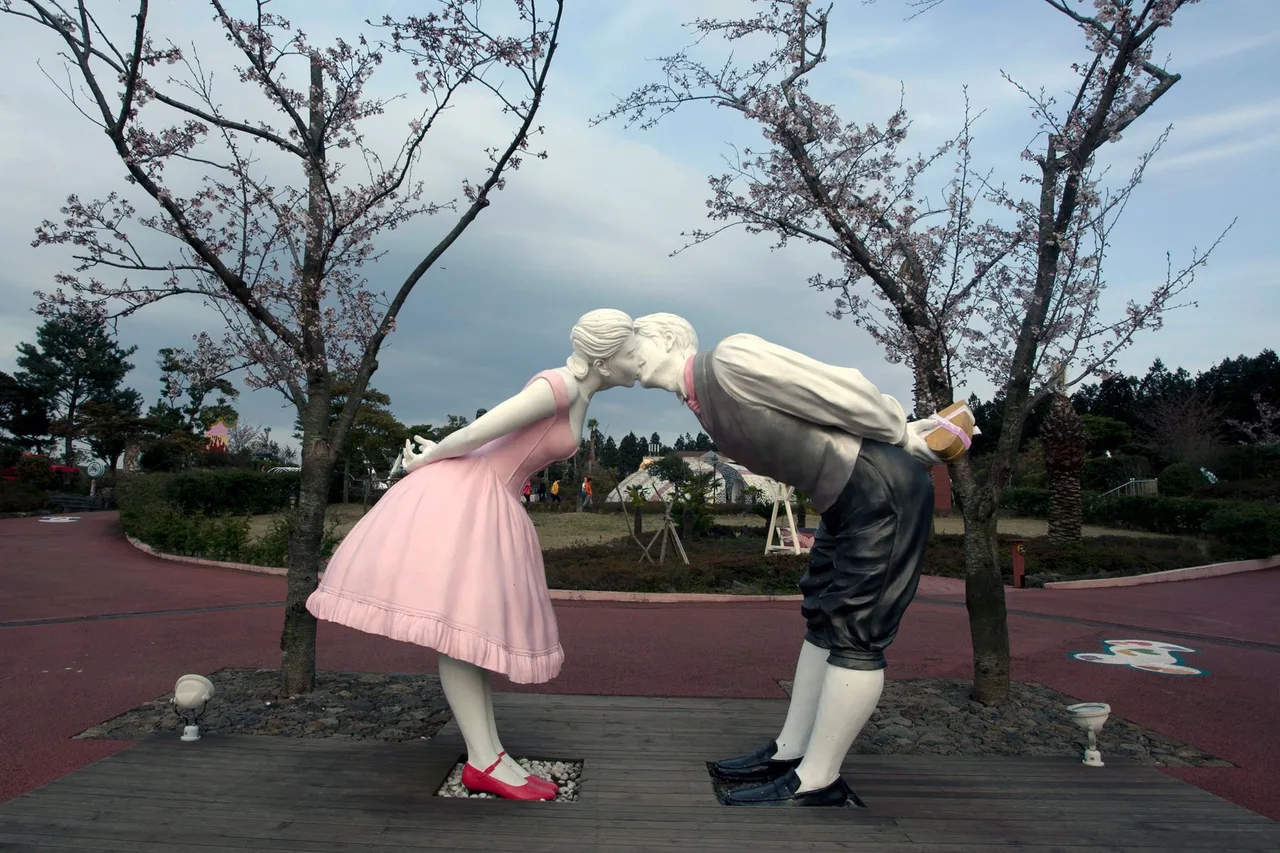
Spring: when do cherry blossoms bloom?
Spring in Jeju runs from March to May, and it’s the season I always recommend to anyone who wants to see the island at its prettiest. Temperatures typically sit between 10°C and 20°C (50°F to 68°F), so you’ll feel a gentle warmth in the air—enough to ditch the heavy jacket, but still cool enough to enjoy a brisk morning walk. The real head-turner, though, is the cherry blossom season. Jeju's cherry trees bloom a bit earlier than those in Seoul, usually peaking from late March into early April. It’s a short window, but completely worth timing your trip for. If you want details on the best spots and timing, I've found our cherry blossom guide gives you a clear edge over the crowds.
What makes spring in Jeju unique is the combination of cherry blossoms with canola flowers. The island’s fields light up with huge blankets of yellow canola blooms, which often overlap with the cherry blossom period. I suggest packing some layers, since mornings and evenings can still get chilly. Bring a windbreaker if you plan to walk along the coast—Jeju is famous for its winds, and spring breezes can catch you off guard. If you’re after photos, sunrise is when the petals look their freshest and the crowds are thinnest. For those who want a quieter experience, the canola fields stick around a bit longer into April. All in all, spring in Jeju blends color, mild weather, and a sense of renewal you won’t get any other time of year.
Summer: how hot and humid does it get?
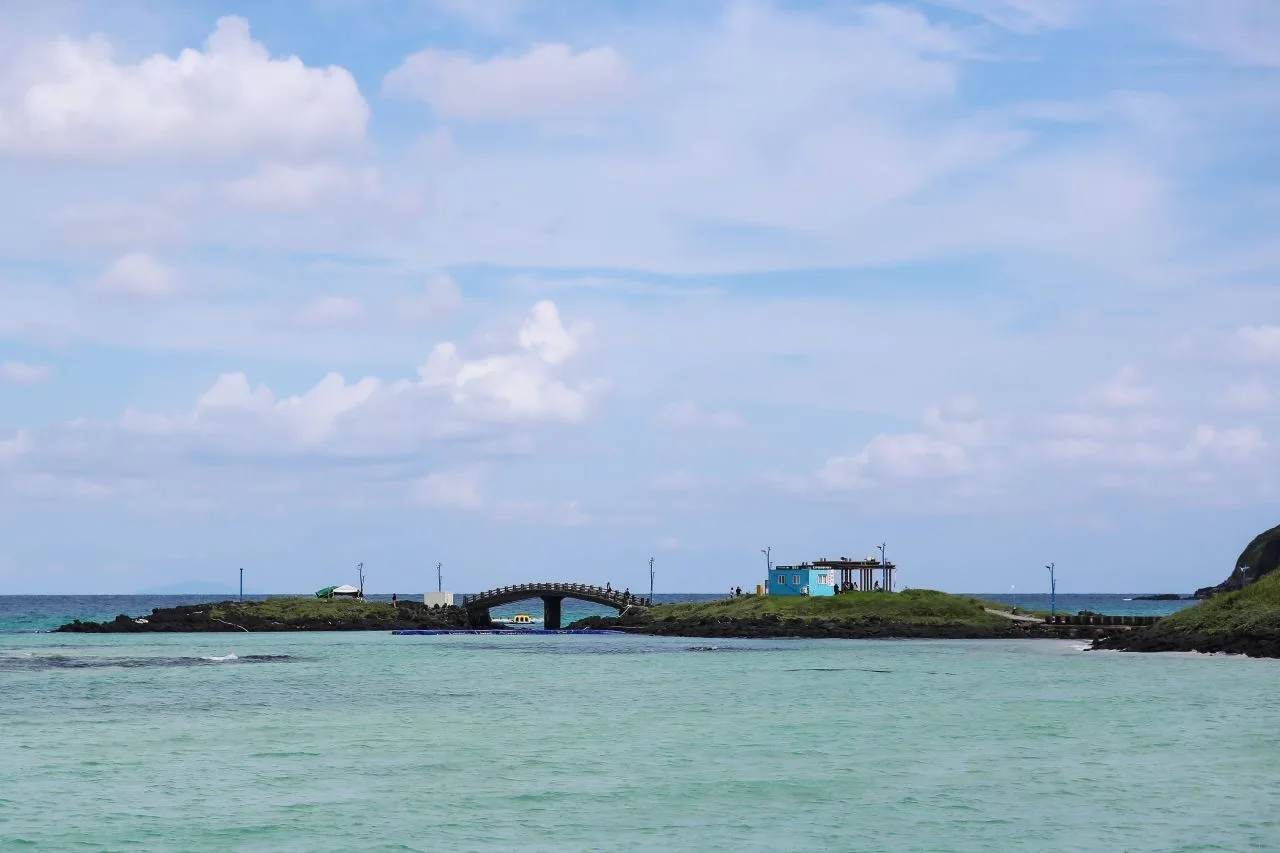
If heat and water sports are your thing, Jeju’s summer—June through August—is the main event. Temperatures here climb to between 23°C and 33°C (73°F to 91°F), and humidity is no joke. You’ll notice the air feels thick, especially in July, which is also when the monsoon rains hit. I always pack quick-drying clothes and a lightweight rain jacket, because those downpours can show up unexpectedly and soak you in minutes. July tends to be the wettest month, so if you’re hoping to avoid the worst of the rain, aim for late June or August.
Despite the humidity, this is Jeju’s busiest season. Beaches like Hamdeok and Hyeopjae are packed with swimmers, families, and people trying every water sport you can think of. I personally like the energy, but be prepared for crowds and higher accommodation prices. If you’re keen on surfing, snorkeling, or just enjoying the sand, early mornings are your friend—the beaches are quieter, and the sun isn’t as intense. Don’t forget strong sunscreen and a hat, because the UV index is high even on cloudy days. Mosquitoes are active, especially in the evenings, so pack repellent or pick some up at a convenience store. For those who don’t handle humidity well, indoor attractions or a breezy café can be a lifesaver. Just know that summer is Jeju in full swing.
Autumn: when is the best time for foliage?
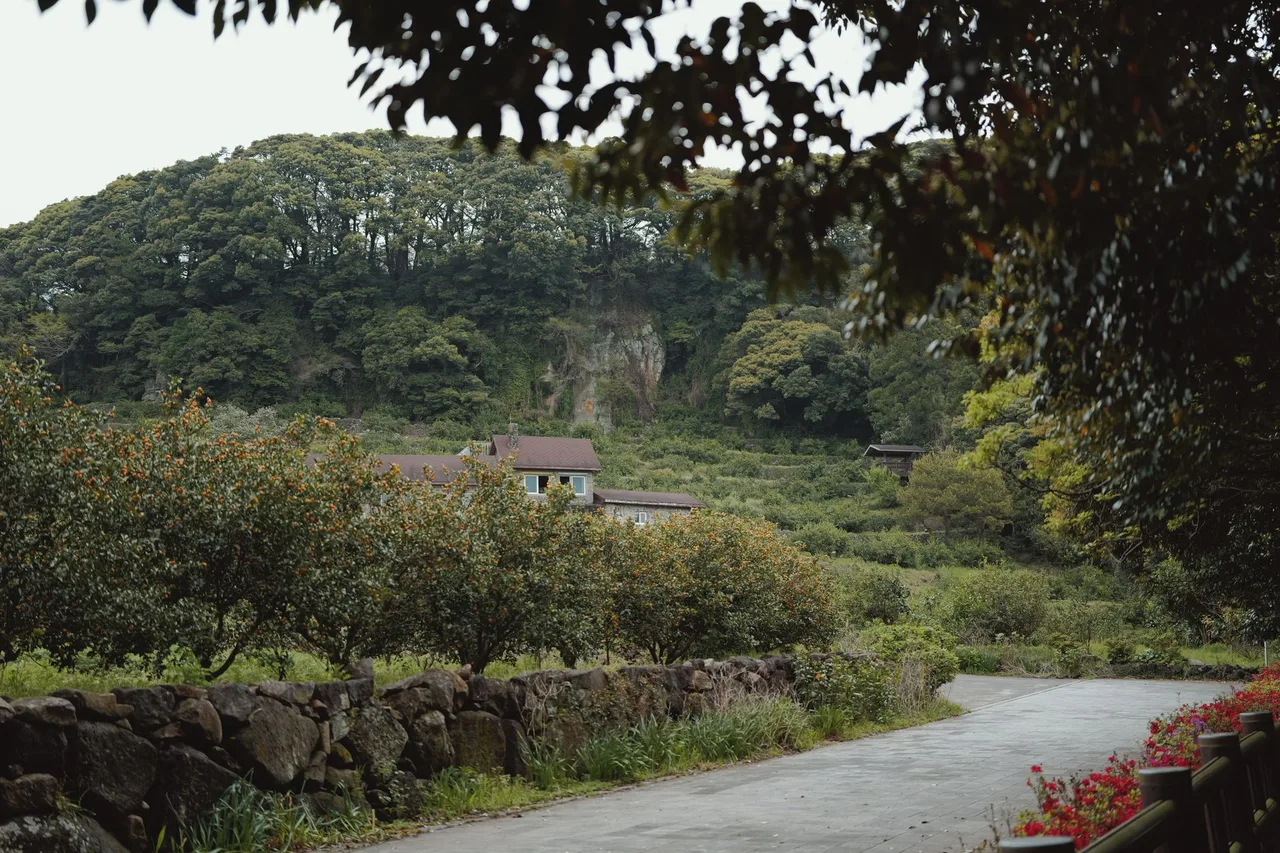
Autumn on Jeju Island, from September through November, is easily my top pick for comfort and scenery. Daytime temperatures hover between 12°C and 23°C (54°F to 73°F), and the air clears out after the summer monsoon, leaving deep blue skies that make everything seem sharper. What really stands out, though, is the fall foliage. If you’ve ever wondered when Hallasan looks its best, the answer is mid-October. That’s when its slopes explode with red, yellow, and orange leaves, and the trails fill up with hikers trying to catch the short-lived color burst. I always suggest checking a local forecast or foliage tracker, since the peak can shift a week or two depending on the year.
Autumn is also a sweet spot for travel: the summer crowds and typhoon threats have faded, and the weather is stable. Layers are still a good idea, as mornings and evenings cool off fast, but you won’t need anything heavy unless you’re hiking to Hallasan’s summit. If you want to plan a leaf-peeping trip across Korea, our autumn foliage guide is a reliable starting point. In my experience, Jeju’s southern coast stays a bit warmer and greener later into the season, thanks to Hallasan’s climate shadow. This is also a great time for scenic drives or cycling, as the island’s back roads are quiet and lined with colorful trees. If you come in autumn, you’ll see Jeju at its calmest and most photogenic.
Winter: does it snow on Jeju Island?
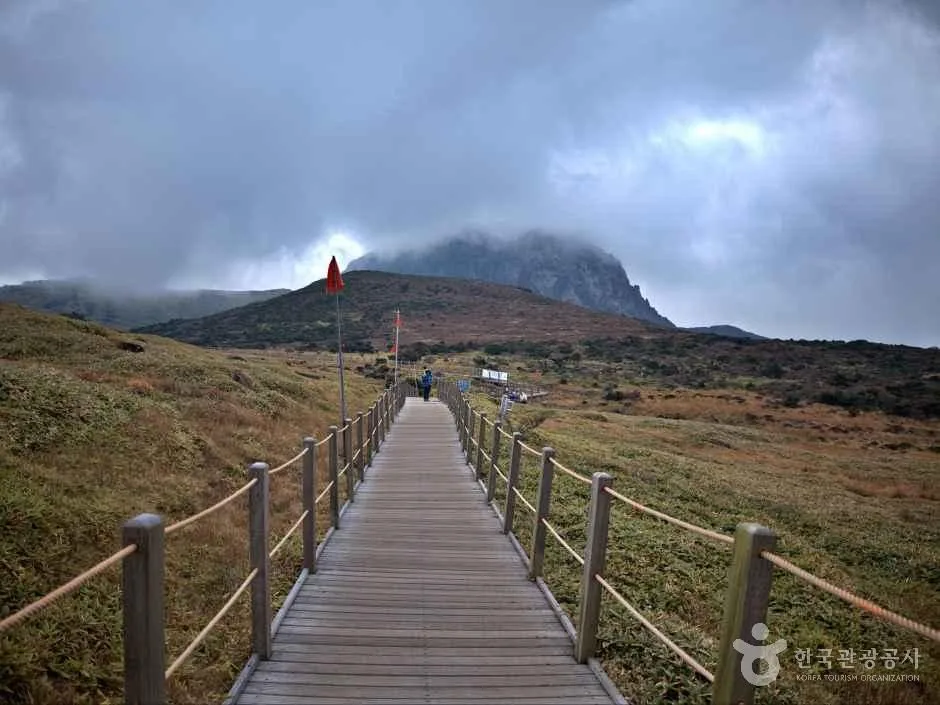
From December to February, winter on Jeju Island brings a chill, with daily temperatures hovering between 2°C and 8°C (36°F to 46°F). If you’re picturing snow-covered fields like in Seoul or Gangwon, keep in mind that snow is actually pretty rare along Jeju’s coast and the lower towns. Most days are cold but dry, and the wind can cut straight through you, so you’ll want to pack a real winter jacket. Where you will see snow, though, is on Hallasan—Jeju’s iconic shield volcano. The summit often gets a proper white cap, turning the upper hiking trails into a totally different world compared to the green lowlands. If you’re hoping to see snow in Korea but want to avoid the mainland crowds, a Hallasan winter trek is a strong bet, but check trail conditions, since closures happen after heavy snowfall or icy weather. Down south, places like Seogwipo feel noticeably milder and sunnier, shielded by Hallasan. Don’t expect snow on the beaches or in town, but you’ll notice the air is crisp and perfect for slower walks or café hopping. If you’re curious about winter across Korea, you can compare Jeju’s milder climate with the rest of the country in our winter guide. Winter travel on Jeju is all about the contrast: icy mountain and green citrus groves, quiet roads, and a more local, everyday pace.
Typhoon season: when should you be cautious?
Typhoon season is something you really feel on Jeju Island, and locals know not to take it lightly. From late August through September, the island sits right in the path of Pacific typhoons. These storms bring fierce winds and heavy, sudden rain that can make even a simple walk to a café into a soaked adventure. If you’re planning a trip during these weeks, I’d keep a close eye on the Korean Meteorological Administration’s forecasts and be ready to adjust your plans—ferry and flight cancellations are common, and some hiking trails or outdoor attractions may close temporarily for safety. While it’s rare for a typhoon to make a direct hit, the storms still whip up rough seas, so boat tours and beach plans are often off the table. I’ve seen travelers arrive at Jeju Airport only to find their plans washed out by a last-minute weather alert. It’s not all doom and gloom, though: after a typhoon passes, the skies clear up and the air feels fresh. For many, traveling just before or after typhoon season is a safer bet, especially if you want to hike or get out on the water. Always check the latest alerts and consider travel insurance if you’re set on late summer.
Best time to visit: balancing weather and crowds
If you want the best balance of pleasant weather and manageable crowds on Jeju, I’d aim for late April to May or late September to October. These shoulder seasons are when the island feels just right: spring brings mild days, cherry blossoms, and the famous yellow canola fields, while autumn means crisp air, clear skies, and fiery foliage on Hallasan. You’ll avoid the high humidity and crowds of summer, and prices for accommodation and car rentals are usually less painful than in July or August. The main Olle walking trails and scenic spots are lively but not packed, so you can actually enjoy the views and take photos without jostling for space. These periods are also prime time for cycling, hiking, or exploring Jeju’s coastal drives—pack a light jacket for cool mornings and evenings. I always recommend booking ahead if you’re coming during these months, since Koreans know this is the sweet spot too. If you’re deciding between spring and autumn, remember that spring can bring a few windy days, while autumn is usually more stable and dry. For anyone with flexibility, these windows are hands-down the best way to experience Jeju’s natural beauty and local life, without fighting through the summer holiday rush.
Regional weather variations: does location matter?
Jeju Island’s weather isn’t the same wherever you go—the southern areas, like Seogwipo, are noticeably milder and sunnier in winter compared to the north, and Hallasan is the reason why. The mountain acts as a giant shield, blocking cold winds from the mainland and trapping warmth on the southern slopes. I’ve found that when you’re down in Seogwipo during the coldest months, you can often get away with a lighter jacket, while folks staying up north near Jeju City might still be shivering in thicker coats.
In winter, Seogwipo’s daytime temperatures often feel a couple of degrees warmer, and you’ll see more blue skies. This makes the southern coast a solid pick if you want to avoid the biting chill or hope to catch some early spring flowers. On the other hand, Hallasan’s summit collects snow while the coast stays clear—a real contrast if you plan to hike.
The northern part of the island, especially closer to Jeju City, tends to get hit with stronger winds and occasional cold snaps, so it feels more like the mainland at times. During typhoon season, weather can be unpredictable everywhere, but the southern coast sometimes escapes the worst of the storms. If you want to maximize your outdoor time in winter or early spring, I’d base myself down south. Just remember, Hallasan’s presence not only divides the scenery but also the climate itself—you really notice it if you cross from north to south in a single day.
Packing tips: what should you bring?
Packing for Jeju really depends on the season, but having the right layers and gear will make your trip a lot more comfortable. In spring and autumn, I always recommend bringing a light jacket or sweater, plus some short sleeves for sunny afternoons. The weather can swing from cool to warm in a matter of hours, especially if you’re exploring both the coast and Hallasan’s higher trails.
For summer, think light and breathable clothing—it gets hot and sticky, with temperatures from 23°C up to 33°C. July’s monsoon rains are no joke, so I’d never skip a compact umbrella or a sturdy rain jacket. Flip-flops are great for the beach, but you’ll want good walking shoes for everything else, since paths can get muddy and slick after a downpour.
Winter on Jeju isn’t as harsh as Seoul, but you’ll still want a proper coat, a warm sweater, and something windproof, especially if you plan to hike or venture north. Snow is rare at sea level but common on Hallasan, so add a hat and gloves if you’re heading up. For every season, comfortable walking shoes are key—I’d skip anything too fancy or flimsy. Jeju’s terrain is rougher than it looks in photos.
No matter when you go, check the weather before you pack. The island’s microclimates can surprise you, and a bit of planning goes a long way in keeping you dry, comfortable, and ready to explore.
By aligning your visit with Jeju's seasonal weather patterns, you can fully enjoy the island's natural beauty and cultural offerings. Always check the latest forecasts before your trip to ensure a comfortable and enjoyable experience.
Location
Jeju Island, South Korea
View on Google MapsFrequently asked questions
When is the best time to see cherry blossoms on Jeju Island?
Cherry blossoms typically bloom in late March to early April on Jeju Island.
Does Jeju Island experience typhoons?
Yes, Jeju Island is affected by typhoons, primarily from late August through September.
Is it possible to hike Hallasan during winter?
Yes, but be prepared for snow and colder temperatures at higher elevations; check trail conditions in advance.
Are beaches in Jeju crowded during summer?
Yes, July and August are peak beach seasons, attracting large crowds and higher accommodation prices.
What should I pack for a trip to Jeju in autumn?
Pack light layers, a jacket for cooler evenings, and comfortable walking shoes for exploring.
Sources
This guide was researched using the references below. Prices and times change, so confirm anything time-sensitive on the official page before you rely on it.
Related guides
- Jeju black pork: a guide for foreign visitorsDiscover Jeju's famed black pork: its history, unique flavor, and where to savor it on the island.
- Jeju car rental guide for foreignersA comprehensive guide for foreigners on renting a car in Jeju, covering requirements, costs, insurance, and driving tips.
- Flying with Jeju Air: A guide for international travelersA comprehensive guide for international travelers on flying with Jeju Air, covering booking, baggage policies, check-in procedures, and seasonal travel tip
- Korea festivals in May 2026: A guide for visitorsExplore Korea's lively festivals in May 2026, from the dazzling Lotus Lantern Festival in Seoul to the fragrant Rose Festivals in Samcheok and Gokseong.
- Seoul Lantern Festival: what to know before you goSeoul's biggest winter light show runs free along the Cheonggyecheon stream downtown. Here is when it is held, how to reach it by subway, and what to see.
- Winter in Korea: Snow, festivals and tipsA first-hand winter guide to Korea — snow, ice festivals, ski resorts, seasonal food, and practical tips on when to go and what to pack.