Hangul alphabet: a guide for beginners
Discover the history, structure, and cultural significance of Hangul, the Korean alphabet, and learn how to read and write it.
By Jae Park · Updated Aug 9, 2026
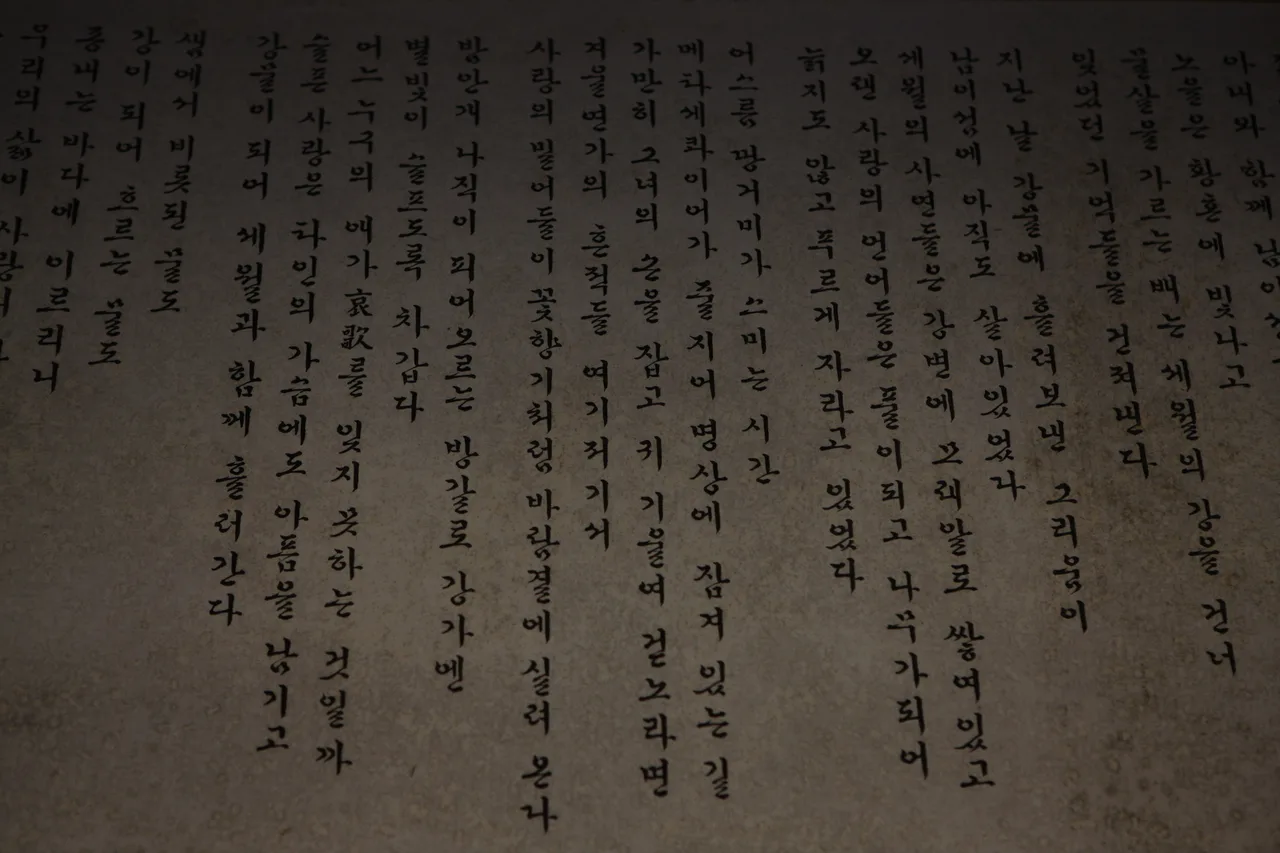
In 1443, King Sejong the Great introduced Hangul, a writing system designed to be easy for commoners to learn and use. This innovative script has since become a foundation of Korean identity and literacy.
Why was Hangul created?
Before Hangul existed, Koreans had to rely on complex Chinese characters, which were not only difficult to learn but also made reading and writing nearly impossible for ordinary people. This meant that literacy was mostly limited to the elite class who had the time and resources to master thousands of intricate characters. King Sejong the Great saw this as a serious problem. He wanted every Korean, regardless of their social standing, to be able to read and write their own language without having to depend on Chinese. In 1443, he ordered the creation of a new script tailored specifically for Korean sounds and grammar.
When I look at King Sejong’s motivation, I can’t help but admire just how forward-thinking it was. He wasn’t content to let his people remain dependent on a foreign writing system. Creating Hangul wasn’t just about literacy—it was about giving Koreans a sense of their own identity. The official proclamation of Hangul, called the Hunminjeongeum, literally means “the correct sounds for the instruction of the people.” The king and his scholars made sure the new script would be logical, easy to learn, and truly suited to Korean speech.
Hangul’s early days weren’t easy. The yangban elite resisted its use, preferring the old Chinese-based system. But over time, as more people realized how accessible Hangul was, it spread rapidly. By the 19th century, everyday Koreans were using it, and today, Hangul is celebrated as a symbol of national pride and unity.
How is Hangul structured?
Hangul looks different from most other writing systems, and that’s because it was designed to be simple and logical. The script is made up of 14 basic consonants and 10 basic vowels. What makes Hangul special is how these letters are combined—not written in a straight line, but grouped into square-shaped syllable blocks. Each block represents one syllable of a word and can include a consonant, a vowel, and sometimes a final consonant.
If you’re just starting to learn, I’d focus on the basic letters first. For example, the consonant ㄱ is pronounced like “g,” and ㅏ is “a” as in “father.” When you put them together, you get 가, which sounds like “ga.” It’s a system that mirrors the spoken language closely, so once you understand the structure, you can start sounding words out almost right away. The logic behind the blocks makes Hangul surprisingly quick to pick up compared to many other scripts.
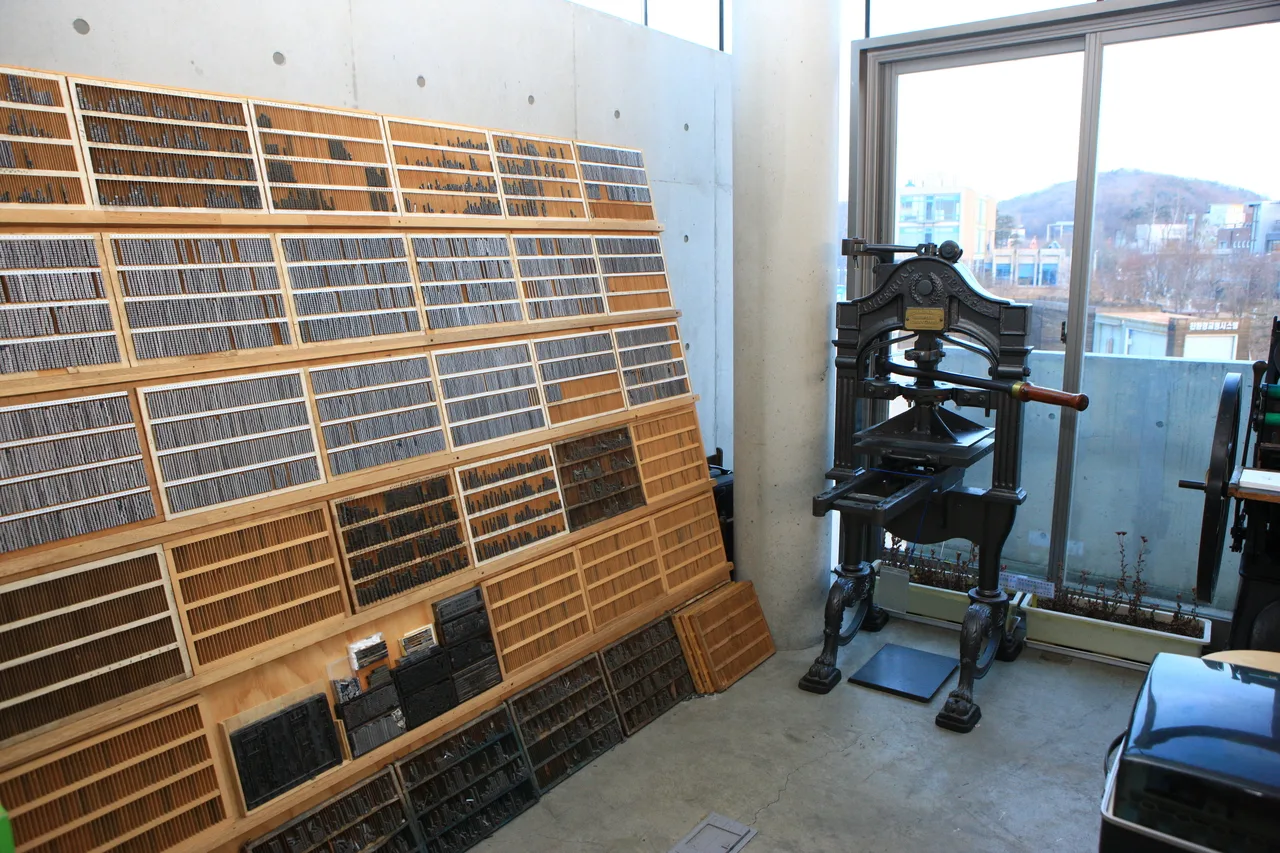
If you want a step-by-step approach, I recommend reading our guide to learning Hangul in a weekend. The key is to practice forming those syllable blocks until it feels natural. In my experience, once you get the hang of how syllables are built, you’ll find reading Korean much less intimidating.
What makes Hangul unique?
What really sets Hangul apart is the science behind its design. The shapes of the consonants aren’t random—they’re actually stylized diagrams of how your mouth and tongue move to make each sound. For example, the letter ㄴ (n) mimics the shape your tongue makes against the roof of your mouth. It’s a level of phonetic logic that I haven’t seen in any other alphabet.
Vowels, on the other hand, were built on philosophical ideas. King Sejong and his scholars based them on concepts of heaven (a dot or short stroke), earth (a horizontal line), and humanity (a vertical line). So when you look at a vowel like ㅗ, you’re seeing more than just a sound—it’s a reflection of these core principles. This approach makes Hangul deeply connected to both language and worldview.
I always tell beginners to appreciate this aspect of Hangul because it’s not just a practical script, it’s a thoughtful one. Few writing systems in the world were created so deliberately to match their language’s sounds and their inventors’ philosophy. This makes Hangul not only easy to learn but also fascinating to study, especially if you’re interested in the connection between language, culture, and thought.
How did Hangul evolve over time?
Hangul began its life in 1443, created by King Sejong the Great specifically to help ordinary Koreans read and write their own language, since the Chinese characters in use at the time were difficult for most people to master. What’s fascinating is that the script’s design was deliberate and thoughtful: consonants mimic the shape of your speech organs, while vowels are rooted in simple lines and dots, inspired by philosophical ideas. Despite these innovations, Hangul wasn’t accepted right away. For centuries, the upper classes preferred to use Chinese characters, seeing Hangul as something for the common folk. This resistance lasted for generations, with Hangul often relegated to private letters or women’s writing. Change came in the 19th century, when Hangul started gaining traction as a symbol of Korean identity and independence, especially under foreign influence and occupation. By the 20th century, Hangul had become the primary script throughout the Korean Peninsula. Today, both North and South Korea use Hangul as their official alphabet for everything from government to pop culture. If you’re curious about the journey Hangul took, the National Hangeul Museum in Seoul lays out the script’s story with historical documents and interactive displays. Seeing centuries-old calligraphy next to modern print makes it clear just how far this alphabet has traveled.

How is Hangul used today?
Hangul is everywhere in Korea now—on subway maps, menus, novels, K-pop lyrics, news apps, and even the latest memes. It’s the script that ties together every part of daily life, and you’ll notice it instantly once you arrive. What I find impressive is how Hangul adapts to every medium, from classic literature to modern texting shorthand. In education, Hangul is the foundation for children learning to read and write, and it’s the script used in newspapers, signage, and even high-tech gadgets. Every October 9th, Korea celebrates Hangul Day, honoring the alphabet with public events, exhibitions, and sometimes free admission to museums and palaces. Even in the digital age, Hangul thrives—Koreans text, tweet, and comment online using the same syllable blocks King Sejong designed. You’ll spot Hangul street signs and shop banners wherever you go, making it easy for newcomers to spot landmarks or navigate. If you’re learning Korean, this is actually a huge advantage—once you get the basics, you can read everything around you, even if you don’t know the meaning yet. Hangul isn’t just historical; it’s the living language of Korea, woven into pop songs, dramas, and everyday conversation. For anyone interested in Korean culture, understanding Hangul is key to seeing how the country expresses itself today.
Tips for learning Hangul
If you’re just starting out, my top advice is to tackle the basic consonants and vowels first—there are 14 consonants and 10 vowels, and they have logical shapes that help you remember them. I’d recommend writing each one by hand a few times; you’ll find the consonant shapes especially stick in your mind once you connect them to how your mouth moves. After that, practice putting them together into syllable blocks, since that’s how all Korean words are built. Don’t worry about trying to memorize complicated words at first. Instead, focus on recognizing patterns in how blocks are formed. It’s surprisingly satisfying to decode a shop sign or K-drama title on your own. For resources, language apps and online tutorials are your friends—I’ve found that interactive courses keep things engaging, and you can test yourself with quizzes or flashcards. The National Hangeul Museum’s website also offers free learning materials if you want to go deeper. Setting aside just 15 minutes a day makes a noticeable difference, especially if you practice reading real-world things like food labels or subway maps. If you want more detailed advice or a step-by-step plan, check out our Korean language guide. Stick with it, and Hangul will start making sense much faster than you think.
Where can you experience Hangul in Korea?
If you want to really see how Hangul shapes Korean life, the National Hangeul Museum in Seoul is the place I’d recommend first. This museum stands out because it gives you the full story of Hangul—not just how it looks, but why it was invented and how it changed Korean society. You’ll find exhibits that break down each consonant and vowel, showing off the clever way King Sejong’s scholars designed the shapes to represent sounds and even the position of your mouth and tongue. The museum’s displays use models, interactive panels, and multimedia to help you actually picture how the script went from royal invention to everyday tool.
What I like about the National Hangeul Museum is that it doesn’t just focus on the past. You’ll see how Hangul is everywhere in today’s Korea, from text messages to street art. There are sections on Hangul in pop culture and how it shows up in digital communication, which makes the script feel really alive. If you’re curious about how the system works, there are hands-on activities where you can practice writing your own syllable blocks or even design Hangul-inspired crafts. The museum is especially good for beginners, since the explanations are clear and you don’t need any Korean to enjoy it.
Located right next to the National Museum of Korea, it’s easy to combine both in one trip. If you’re in Seoul around October 9th, check out the special events for Hangul Day. For anyone serious about understanding Korean language and culture, this museum is a smart and practical first stop.
Embracing Hangul opens the door to understanding Korean language and culture. With its logical design, learning Hangul is an achievable and rewarding endeavor.
Location
National Hangeul Museum, Seoul
View on Google MapsFrequently asked questions
How long does it take to learn Hangul?
Many learners can grasp the basics of Hangul within a few days to a week, thanks to its logical structure.
Is Hangul similar to Chinese or Japanese writing systems?
No, Hangul is a unique alphabet designed specifically for the Korean language, unlike the logographic Chinese characters or the syllabic Japanese scripts.
Why is Hangul considered easy to learn?
Hangul was intentionally designed to be simple and logical, with letters that visually represent their corresponding sounds.
What is Hangul Day?
Hangul Day, celebrated on October 9th in South Korea, commemorates the creation and proclamation of the Hangul alphabet.
Can I visit places in Korea to learn more about Hangul?
Yes, the National Hangeul Museum in Seoul offers extensive exhibits on the history and structure of Hangul.
Sources
This guide was researched using the references below. Prices and times change, so confirm anything time-sensitive on the official page before you rely on it.
Related guides
- Essential Korean phrases for daily lifeMaster key Korean phrases to navigate daily interactions, from greetings to ordering food, enhancing your experience in Korea.
- Essential Korean phrases for travelersMastering key Korean phrases enhances your travel experience, making interactions smoother and more enjoyable.
- Learn Korean language: a practical guide for foreignersMastering Korean is achievable with structured study: start with Hangul, use quality resources, and practice consistently.
- Korean phrases you will hear in K-dramasDiscover essential Korean phrases commonly heard in K-dramas, their meanings, and how to use them in real-life conversations.
- Korean numbers explained for travelersKorea uses two number systems. Learn native and Sino-Korean numbers, when to use each, and how to read prices, tell time, and count in won.
- How to read Korean signs on public transportDecode the Korean you actually see on Seoul's subway and buses: station, exit, transfer, platform, the bus colors, and the T-money card reader.