How to read Korean signs on public transport
Decode the Korean you actually see on Seoul's subway and buses: station, exit, transfer, platform, the bus colors, and the T-money card reader.
By Jae Park · Updated Jul 19, 2026
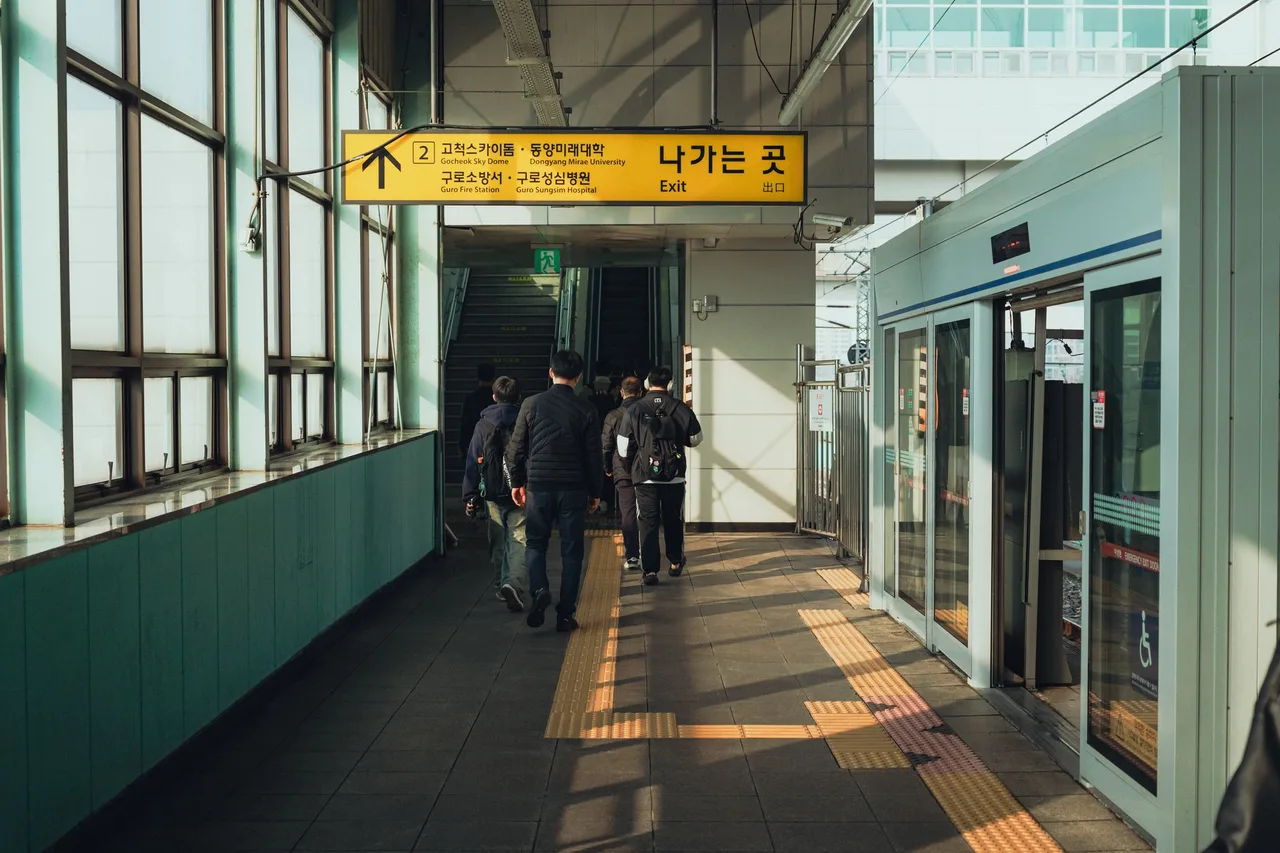
The first time I rode the Seoul subway alone, I stood on a platform at Sindorim reading a sign I only half understood. A green line pointed one way, a longer station name pointed the other, and a row of Korean characters ended in 방면. A train slid in, the doors opened, and I froze for a second because I could not tell whether it was heading where I wanted. Then I looked up, saw the English printed under the Korean, matched the next stop to my map, and stepped on. That two-second hesitation is the one this guide removes.
Here is the good news first. You do not need much Korean to move around Korea. Seoul's system was rebuilt with foreign riders in mind, so almost everything important shows up in English and in numbers as well as in Korean. What actually trips people up is not the language. It is not knowing which handful of words matter, and what the colors and numbers are quietly telling you. Learn about fifteen words and a few visual codes, and the whole network starts to read like an open book.
Why the signs are easier than they look
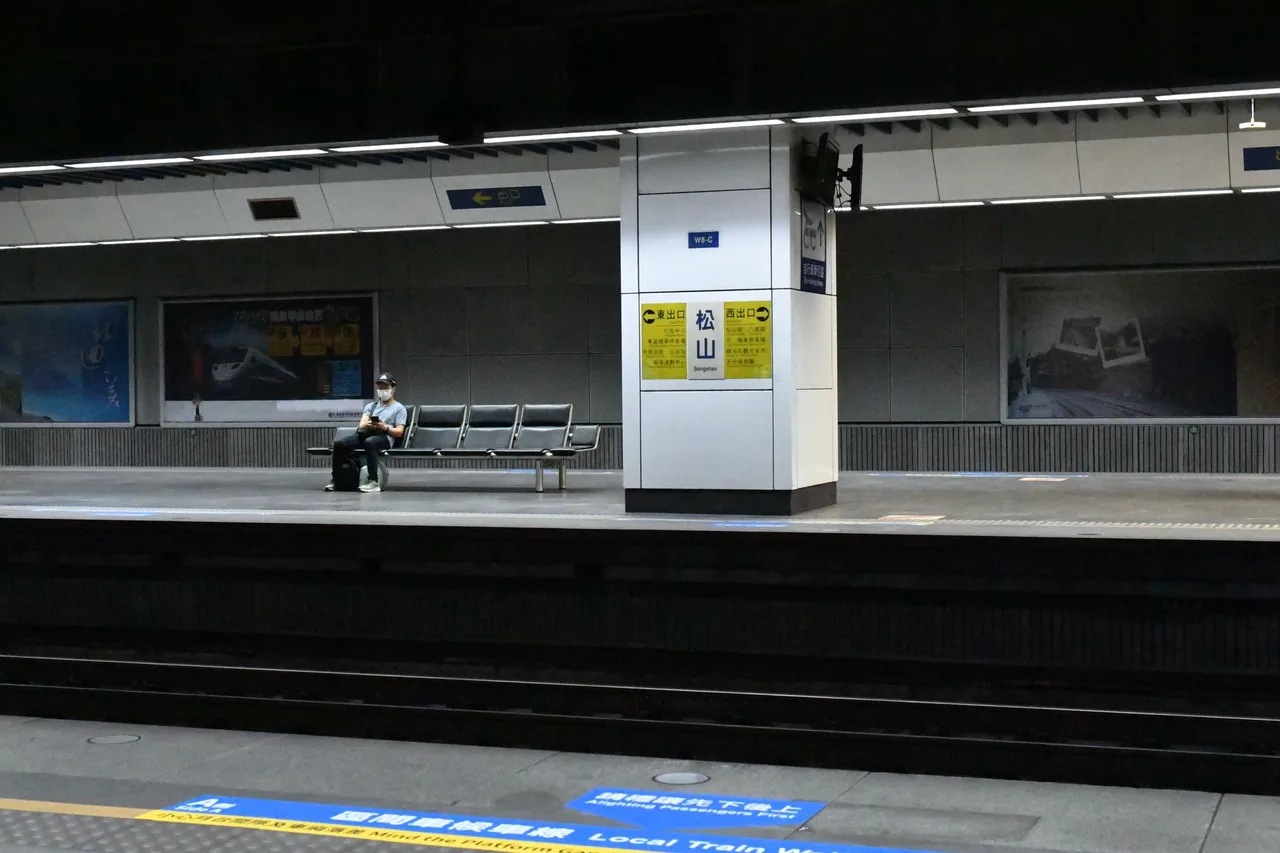
Two facts do most of the work. First, Seoul's subway signage is bilingual, and often trilingual, showing Korean, English, and usually Chinese on the same panel. Station names, exits, transfer arrows, and safety notices all carry an English line. The romanization follows one national standard, the Revised Romanization of Korean that has been official since 2000, so 강남 is consistently written "Gangnam" across maps, platform screens, and recorded announcements.
Second, the network leans on color and number far more than on words. Every line has a fixed color and a number, and every station has its own code, so you can navigate by matching a colored circle and a digit even if you never read a single Korean character. Train announcements are made in Korean and English, and busy interchange stations add Japanese and Chinese.
The Korean is still worth a little effort for the moments when the English is small, missing, or ambiguous, like a paper notice taped to a wall or a bus that prints its destination only in Hangeul. Reading the alphabet takes about a weekend, and our read Hangeul in a weekend guide covers exactly that. Everything below assumes you can sound a word out even when you do not yet know what it means. Once you can half-read a sign, the English and your map app become things you confirm rather than things you lean on completely.
Station names, lines, and numbers
The most useful word underground is 역 (yeok), station. It sits at the end of almost every station name: 서울역 is Seoul Station, 강남역 is Gangnam Station, 홍대입구역 is Hongik University Station. Spot 역 and you know you are looking at a stop.
Lines are identified by both a number and a fixed color. Line 1 is dark blue, Line 2 is green and runs as a giant loop through the center of the city, Line 3 is orange, Line 4 is light blue, and the pattern continues from there. That color repeats everywhere: on the map, on the platform pillars, on the stripe along the train, and on every sign steering you toward the right platform.
Each station also carries a code, a small number inside a colored circle. The first digit is the line and the rest is the station's position on it, so Gangnam is 222, sitting on Line 2. This is genuinely useful, because a few station names look or sound alike, and inside a huge interchange it is faster to follow "orange, 3" than to read a translated name that might be spelled a little differently on two neighboring signs. When you are unsure, chase the color and the number. They are the most consistent thing in the system.
Exits and directions
Back above ground, the word that saves you is 출구 (chulgu), exit. Large stations can have a dozen or more exits scattered over several blocks, and surfacing from the wrong one can leave you a ten-minute walk from where you meant to be. Exits are numbered, so signs read 1번 출구 (Exit 1), 2번 출구 (Exit 2), and onward, where 번 (beon) means "number." Those numbers use Sino-Korean counting, the il-i-sam set worth a quick look in our Korean numbers explained guide. Cafés and locals giving directions rely on them constantly, as in "come out of Exit 3," which is 3번 출구.
Two more words finish the picture. 입구 (ipgu) is entrance, the opposite of 출구, and you will see it at station mouths and building doors. 방면 (bangmyeon) means "in the direction of" or "toward," and it is the key to picking a platform. Korean platforms are labeled by where a train is headed, using the name of a station further down the line plus 방면, as in 사당 방면 for "toward Sadang." A close relative is the ending 행 (haeng), "bound for," so a train marked 사당행 terminates at Sadang. You do not need to know every station name. You just match the 방면 name on the platform sign to a stop that sits beyond yours on the map.
Transfers without the panic
Transfer is 환승 (hwanseung), probably the second most useful word after 역. Inside a station, 환승 signs with arrows lead you from one line to another, always paired with the destination line's number and color. Follow the color you want and you cannot really go wrong. The walk between lines at a big interchange can run several minutes, so give yourself time and trust the arrows rather than second-guessing them.
The platform itself is 승강장 (seungganjang). You will see it on directional signs pointing down to where the trains stop. Put the words together and a sign like 2호선 승강장 신도림 방면 reads as "Line 2 platform, toward Sindorim," which is precisely the sentence you need to choose a staircase.
Transferring is also where the fare system quietly rewards you, because the subway and the buses share one payment network. Tapping from one to the other inside the transfer window counts as a single trip with a discount instead of two full fares, which is why locals hop from train to bus without a thought about cost. There is more on the card itself below and in our Korea travel card guide.
The bus color system
Seoul's buses announce their job through their color, and it is one of the smarter pieces of design in the city. Four everyday types cover most of what you will flag down.
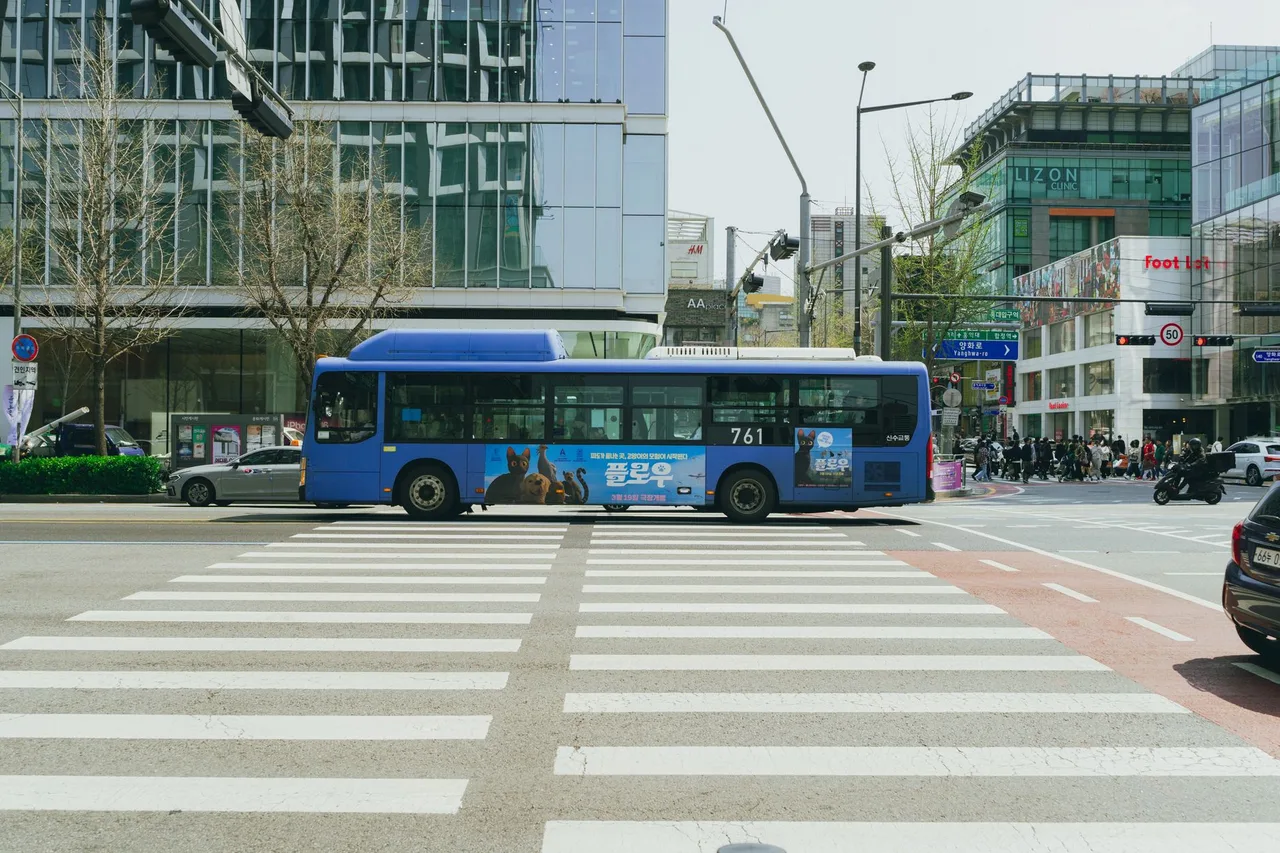
Blue buses are trunk routes (간선). They run long distances across the city, often in the center median bus lanes, and carry three-digit numbers. Green buses are branch or feeder routes (지선). They are shorter, connecting neighborhoods to the nearest subway station or terminal, and carry four-digit numbers. Red buses are wide-area express routes (광역) that run out to suburbs and satellite cities with few stops. Yellow buses are short circulation loops (순환) around a business or tourist district, with two-digit numbers.
The numbers are not random either. Seoul is split into numbered zones, and a bus route number encodes where the route starts and ends, so the digits hint at the geography before you even open a map. You do not have to decode this to ride, but it explains why a 5-series bus and a 7-series bus feel like they belong to different parts of town.
One important caveat: this exact color scheme belongs to Seoul. Other Korean cities run their own systems, and while several have borrowed similar trunk-and-branch logic, the specific colors and numbering rules can differ in Busan, Daegu, or Incheon. Treat blue, green, red, yellow as a Seoul rule and check locally when you travel elsewhere.
Gates, platforms, and the seats to leave alone
At the boundary between the free area and the paid area sits the 개찰구 (gaechalgu), the ticket gate, that row of waist-high turnstiles you tap through. You tap to enter and tap again to leave, which matters for your fare. Around it, 입구 and 출구 again mark the way in and the way out.
On the train, a few seats are not for casual sitting, and the signs are clear once you can read them. 우대석 (udaeseok) is priority seating, usually at the ends of each car, reserved for elderly, disabled, or injured passengers. The seats are often a different color, and it is considered rude to use them otherwise, even on an empty train. 임산부 배려석 (imsanbu baeryeoseok) is the bright pink seat in the middle of each car set aside for pregnant women, and locals leave it open even while standing. You will also meet 여성 (yeoseong), women, on restroom signs and on some late-night women's safety waiting zones marked on the platform. Reading those three labels keeps you out of an awkward and very public mistake.
Reading the T-money card reader
Most visitors pay with a T-money card, a rechargeable tap card sold at any convenience store and covered in depth in our Korea travel card guide. The reader itself is simple once you know what it says. Hold the card flat against the sensor until it beeps once. The screen then shows the fare it just charged and, below that, 잔액 (jan-aek), your remaining balance. A low balance triggers a warning, and you top up at the machines near the gates or at any convenience-store counter.
Buses add one rule you cannot skip: tap on when you board and tap off when you get out. 하차 (hacha) means alighting, getting off, and the reader by the rear door is the 하차 tag. Forget to tap off and you can lose your transfer discount, and on some routes be charged the maximum fare next time. The transfer itself is the 환승 you already know. Tap onto your next bus or train inside the window and the reader deducts a reduced fare, sometimes nothing at all, rather than a fresh one.
The same card works on the AREX train from the airport into the city, which is the easiest first tap you will make. Our Incheon Airport to Seoul guide walks through that ride if you are landing soon.
The words worth memorizing
If you learn nothing else, learn these. They cover the large majority of signs you will meet:
- 역 (yeok) — station
- 출구 (chulgu) — exit, and 입구 (ipgu) — entrance
- 번 (beon) — number, as in 3번 출구, Exit 3
- 방면 (bangmyeon) — toward, in the direction of
- 행 (haeng) — bound for
- 환승 (hwanseung) — transfer
- 승강장 (seungganjang) — platform
- 개찰구 (gaechalgu) — ticket gate
- 우대석 (udaeseok) — priority seat
- 임산부 배려석 (imsanbu baeryeoseok) — seat for pregnant women
- 여성 (yeoseong) — women
- 잔액 (jan-aek) — card balance
- 하차 (hacha) — getting off, the bus tap-off
Screenshot that list and you carry a decoder for almost everything overhead. Pair it with a few spoken lines from our 20 survival Korean phrases guide and you can also ask a station attendant on the rare sign that genuinely stumps you.
A calmer ride
None of this asks for fluency. The Seoul network was built to be read by people who do not speak Korean, with English on the panels, color on the lines, and codes on the stations and exits. The Korean words above are the thin extra layer that turns "I think this is right" into "I know this is right," which is the whole difference between a nervous ride and an easy one. Spend a weekend on the alphabet, keep the word list on your phone, tap on and tap off, and follow the colors. The system stops feeling like a foreign puzzle and starts feeling like a map that happens to be written in two alphabets at once.
Frequently asked questions
Are Seoul subway signs written in English?
Yes. Signage is bilingual and often trilingual, showing Korean, English, and usually Chinese, with names romanized using the national Revised Romanization standard (so 강남 is always "Gangnam"). Lines also carry fixed colors and numbers, and each station has a code, so you can navigate by color and digit even without reading Korean.
What does 역 mean, and what about 출구 and 환승?
역 (yeok) means station and sits at the end of station names, like 강남역 (Gangnam Station). 출구 (chulgu) means exit and is numbered, as in 3번 출구 (Exit 3). 환승 (hwanseung) means transfer, the orange arrows that lead you between lines and the tap that gives you a discounted connecting fare.
What do the Seoul bus colors mean?
Blue buses are long trunk routes across the city (three-digit numbers), green buses are shorter branch or feeder routes to nearby subway stations (four digits), red buses are wide-area express routes to the suburbs, and yellow buses are short circulation loops (two digits). This exact color code is specific to Seoul; other cities such as Busan and Daegu run their own systems.
Do I need to tap my T-money card when getting off the bus?
Yes. Tap on when you board and tap off at the rear-door reader, marked 하차 (hacha, getting off), when you leave. Tapping off is what keeps your transfer discount, and on some routes forgetting it can cost you the maximum fare on your next ride.
What does 방면 on a platform sign mean?
방면 (bangmyeon) means "toward" or "in the direction of." Platforms are labeled by the name of a station further down the line plus 방면, like 사당 방면 (toward Sadang). To pick the right platform, match the 방면 name to any stop that sits beyond yours on the map. The ending 행 (haeng) means "bound for" and marks a train's final stop.
Sources
This guide was researched using the references below. Prices and times change, so confirm anything time-sensitive on the official page before you rely on it.
Related guides
- Hangul alphabet: a guide for beginnersDiscover the history, structure, and cultural significance of Hangul, the Korean alphabet, and learn how to read and write it.
- Essential Korean phrases for daily lifeMaster key Korean phrases to navigate daily interactions, from greetings to ordering food, enhancing your experience in Korea.
- Essential Korean phrases for travelersMastering key Korean phrases enhances your travel experience, making interactions smoother and more enjoyable.
- Learn Korean language: a practical guide for foreignersMastering Korean is achievable with structured study: start with Hangul, use quality resources, and practice consistently.
- Korean phrases you will hear in K-dramasDiscover essential Korean phrases commonly heard in K-dramas, their meanings, and how to use them in real-life conversations.
- Korean numbers explained for travelersKorea uses two number systems. Learn native and Sino-Korean numbers, when to use each, and how to read prices, tell time, and count in won.