Korean numbers explained for travelers
Korea uses two number systems. Learn native and Sino-Korean numbers, when to use each, and how to read prices, tell time, and count in won.
By Jae Park · Updated Jul 19, 2026
The taxi meter read 8,900 by the time we reached my guesthouse in Seoul, and the driver rattled off a price with 팔천구백 buried in the middle of it. I understood the meter. I did not understand him. I ended up cupping a handful of coins and letting him pick out the fare, which works fine and feels slightly ridiculous. That small panic is avoidable, and fixing it does not take a language course.
Here is the thing nobody warns you about before a first trip. Korean does not have one set of numbers. It has two full sets, and they run in parallel for different jobs. Learn which set does what, and prices, clock times, taxi fares, and coffee orders stop sounding like noise.
Why Korea uses two number systems
Korea counts with two separate systems, and both are spelled out in the same Hangeul letters, so you cannot tell them apart by shape on a page. One is native Korean, sometimes called pure Korean: 하나, 둘, 셋 (hana, dul, set). The other is Sino-Korean, built from roots borrowed from Chinese a very long time ago: 일, 이, 삼 (il, i, sam). English quietly does something similar. We count "one, two, three" but switch to Latin-rooted words for "century" and "percent." Korean just draws the line more sharply and more often.
The difference that matters to a traveler is range and job. Native numbers stop at 99. Past that, everyone uses Sino-Korean, which climbs as high as you need, so there is no native word for a 12,000-won lunch. Beyond range, the two sets are not interchangeable even where they overlap. You do not choose based on whether a number is big or small. You choose based on what you are counting. Hours take native numbers. Minutes take Sino. Age is native. Dates are Sino. It feels arbitrary for about a week, then it clicks. On signs and receipts you will mostly see plain Arabic numerals anyway, so the two systems only surface when a number is spoken aloud, or when you want to say one yourself. If sounding out the letters is still slow, spend a weekend on the alphabet first with our guide to reading Hangeul.
The native Korean numbers: hana, dul, set
Native numbers one through ten are the backbone: 하나 (hana), 둘 (dul), 셋 (set), 넷 (net), 다섯 (daseot), 여섯 (yeoseot), 일곱 (ilgop), 여덟 (yeodeol), 아홉 (ahop), 열 (yeol). The tens each get their own word rather than a stacked prefix: 스물 (seumul, 20), 서른 (seoreun, 30), 마흔 (maheun, 40), 쉰 (swin, 50), 예순 (yesun, 60), 일흔 (ilheun, 70), 여든 (yeodeun, 80), 아흔 (aheun, 90). You build the numbers in between by stacking, so 21 is 스물하나 and 35 is 서른다섯. Native counting simply stops at 아흔아홉, which is 99. There is no native hundred.
One quirk will trip you up if nobody flags it. When the first four numbers sit in front of a counting word, they shorten: 하나 becomes 한, 둘 becomes 두, 셋 becomes 세, and 넷 becomes 네. Twenty does the same, with 스물 turning into 스무. So one o'clock is 한 시, not 하나 시, and twenty years old is 스무 살, not 스물 살. You will hear these short forms far more than the full ones, because native numbers almost always show up attached to a counter. Age is the classic native use: 살 (sal) is the counter for years, so 서른 살 is thirty years old. Keep this set ready for hours, ages, and counting things you can point at.
The Sino-Korean numbers: il, i, sam
Sino-Korean one through ten are 일 (il), 이 (i), 삼 (sam), 사 (sa), 오 (o), 육 (yuk), 칠 (chil), 팔 (pal), 구 (gu), 십 (sip). This is the set to memorize cold, because it handles money, dates, minutes, and phone numbers, which is most of what a traveler actually reads. The higher place values are 백 (baek, 100), 천 (cheon, 1,000), 만 (man, 10,000), and 억 (eok, 100 million).
Sino numbers build by pure stacking, which makes them easier than the native set once you have the ten roots. Ten is 십, twenty is 이십 (two-ten), twenty-three is 이십삼 (two-ten-three), fifty is 오십. Then 백 takes over for hundreds: 100 is 백, 200 is 이백, 350 is 삼백오십. The same logic carries through 천 and 만. One detail saves you from a common beginner mistake. When 백, 천, or 만 stand at the very front of an amount, you drop the "one." So 10,000 is 만, never 일만, and 1,000 is 천, not 일천. Zero has its own word in codes and phone numbers: 공 (gong). A phone number starting 010 is read 공일공 (gong-il-gong), digit by digit. There is a second word for zero, 영 (yeong), which shows up more in math and temperatures.
The one rule for choosing a system
Since both sets cover the same small numbers, the real skill is knowing which one a situation wants. Here is the split that covers almost everything a traveler meets.
Use native Korean for counting physical things and people, for someone's age, and for the hour when telling time. If you can point at it and count it, or if it answers "how many," native is usually right.
Use Sino-Korean for money, dates in year-month-day, minutes and seconds, phone numbers, addresses and floor numbers, and bus and subway line numbers. Anything that behaves like a code or a measured amount leans Sino.
A quick memory hook: native counts, Sino labels. You count three coffees and two people with native numbers, then pay a Sino-numbered price and catch the Sino-numbered bus home. The overlap that surprises everyone is time, where a single spoken clock reading uses both at once. That is coming up, because it is the one case where the rule seems to break and actually does not. For the everyday phrases that carry these numbers in real conversation, our list of survival Korean phrases pairs well with this page.
Reading prices in won
Money is pure Sino-Korean plus the word 원 (won). No native numbers ever touch a price. The wrinkle for English speakers is that Korean groups large numbers by 만, which is 10,000, rather than by the thousand. Your brain wants to read commas in threes. Korean reads them in fours.
So 10,000 won is 만 원 (man won), literally "ten-thousand won," with the "one" dropped. The big brown 50,000 note is 오만 원 (oman won), five ten-thousands. A 5,000-won note is 오천 원 (ocheon won). A 12,000-won meal re-chunks as one ten-thousand plus two thousand, so 만 이천 원 (man icheon won). For a number like 150,000, regroup from the right into 15-0000 and read it 십오만 (sibo-man), then add 원. Once the four-digit grouping clicks, any price on a menu becomes readable.
The single most useful money phrase is 얼마예요? (eolmayeyo?), meaning "how much is it?" Say it, then listen for the 만 and 천 landmarks even if you miss a syllable. Korea runs largely cashless, so you will tap a card far more often than you count bills, but market stalls and older taxis still deal in cash, and hearing a price out loud is where these numbers earn their keep. For a full breakdown of what things actually cost, see how much a Korea trip costs.
Telling time: the famous mix
Time is the one place where both systems show up in the same breath, and it is exactly as strange as it sounds until it becomes muscle memory. The hour uses native numbers with the counter 시 (si). The minutes use Sino-Korean with the counter 분 (bun). One reading, two systems, every single time.
So 3:10 is 세 시 십 분 (se si sip bun): native 세 for the hour, Sino 십 for the minutes. Notice the native short form again, 세 rather than 셋. One o'clock is 한 시, two is 두 시, four is 네 시, and twelve is 열두 시 (yeoldu si). From five onward the native word does not shorten, so five o'clock is simply 다섯 시. Minutes stay plain Sino: 오 분 is five minutes, 삼십 분 is thirty. For half past, Koreans very often say 반 (ban), meaning "half," so 4:30 becomes 네 시 반. Morning is 오전 (ojeon) and afternoon or evening is 오후 (ohu), and both come before the time, so 12:30 PM is 오후 열두 시 반.
Put it together for a real sentence. Meeting a friend at 7:20 in the evening, you would say 오후 일곱 시 이십 분: afternoon, native seven for the hour, Sino twenty for the minutes. Practice your own arrival time and your checkout time, since those two clock readings come up on nearly every trip. Miss the minutes and you are still close. Miss the hour and you are a full hour off.
Counters for objects and people
Korean does not let you attach a number straight to a noun the way English usually does. You need a counter word in between, similar to saying "two cups of coffee" or "three sheets of paper," except Korean does it for almost everything. The pattern is noun, then number, then counter: 커피 두 잔 is "two cups of coffee," literally coffee-two-cups.
The counters worth knowing on a trip are few. 명 (myeong) counts people, so a table for two is 두 명. 개 (gae) is the all-purpose counter for objects, and it is the safe default when you forget the exact one, so 세 개 is "three of them." 잔 (jan) counts cups and glasses of a drink. 병 (byeong) counts bottles, handy for water, soju, or beer. 마리 (mari) counts animals, and 장 (jang) counts flat sheets like tickets or paper. All of these take native numbers, so the short forms from earlier come straight back: 한, 두, 세, 네, and 스무. A cafe order is often just noun plus number plus counter, with no full sentence required. Point at the pastry case and say 두 개, hold up two fingers if you like, and you are understood. When the menu itself is the obstacle, our guide to reading a Korean menu covers the words these counters attach to.
Real situations: ordering, shopping, taxis
Three everyday moments put all of this to work. Ordering food is mostly native numbers and counters. Two people wanting two coffees becomes 두 명 at the door and 커피 두 잔 at the counter. A street-food stall selling skewers takes 세 개 for three. You rarely need a full verb.
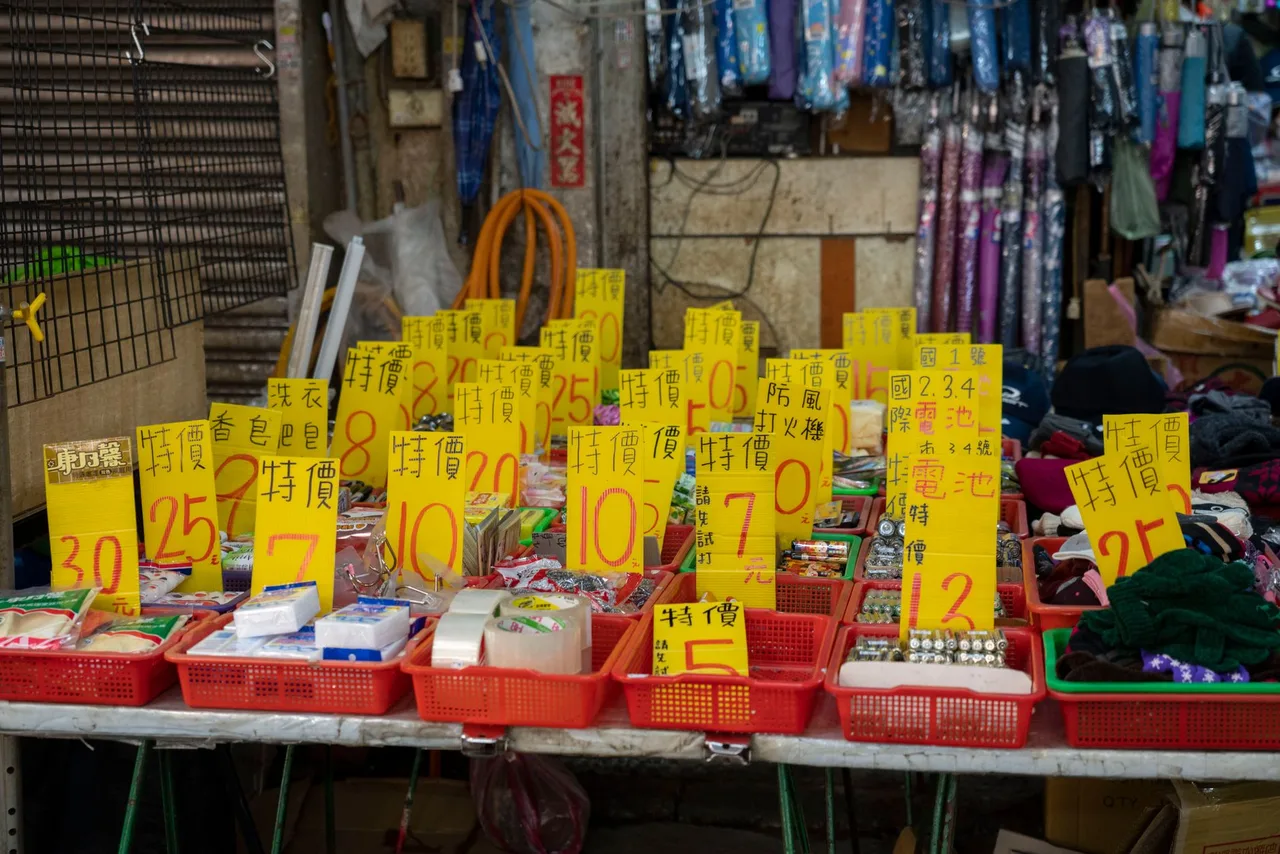
Shopping and paying flip you into Sino. Ask 얼마예요? for the price, then listen for the 만 and 천 in the answer. At a market the number comes back fast and in cash, so knowing that 만 marks the ten-thousand column keeps you from overpaying or fumbling for change. Cards cover most of Korea smoothly, and a travel-friendly card removes even the mental math, so here is our Korea travel card guide if you have not sorted payment yet.
Taxis blend both worlds. The fare on the meter is Sino, read straight off the digits, and 8,900 is 팔천구백 원. If you are naming a destination by street address or building number, that is Sino too. Telling the driver what time you need to arrive pulls in the time rule, native hour plus Sino minute. None of this has to be perfect. Catching the shape of the number, the ten-thousands and the thousands, is usually enough to hand over the right note or nod at the meter with confidence.
Start with the numbers you will actually hear
You do not need all ninety-nine native numbers or the full Sino ladder before you land. Learn native one through ten for orders and counters, Sino one through ten plus 만 and 천 for prices, and the time rule that fuses them. That short list carries you through most menus, markets, and taxi rides. The rest fills in on its own once your ear stops treating every price as a blur and starts catching the landmarks.
Frequently asked questions
When do I use native Korean numbers versus Sino-Korean numbers?
Native Korean (하나, 둘, 셋) is for counting things and people, for age, and for the hour when telling time. Sino-Korean (일, 이, 삼) is for money, dates, minutes, phone numbers, and addresses. If you can point at it and count it, use native; if it behaves like a price or a code, use Sino.
How do you tell time in Korean?
The hour uses native numbers with the counter 시 (si) and the minutes use Sino-Korean numbers with 분 (bun). So 3:10 is 세 시 십 분 (se si sip bun). For half past, Koreans often just say 반 (ban), so 4:30 is 네 시 반.
How do I read Korean won prices?
Prices are always Sino-Korean plus the word 원 (won), grouped by 만 (10,000) rather than by the thousand. 10,000 won is 만 원, 50,000 won is 오만 원, and 12,000 won is 만 이천 원. Ask the price with 얼마예요? (eolmayeyo?).
What are Korean counters and why do I need them?
Korean puts a counter word between a number and a noun, such as 명 (myeong) for people, 개 (gae) for objects, 잔 (jan) for cups, and 병 (byeong) for bottles. Counters take native numbers, so two coffees is 커피 두 잔.
Why does Korean have two number systems at all?
One set is native Korean and the other, Sino-Korean, was borrowed from Chinese a long time ago. Native numbers only reach 99, so anything larger, like most prices, uses Sino-Korean. Both sets are written in the same Hangeul letters.
Sources
This guide was researched using the references below. Prices and times change, so confirm anything time-sensitive on the official page before you rely on it.
Related guides
- Hangul alphabet: a guide for beginnersDiscover the history, structure, and cultural significance of Hangul, the Korean alphabet, and learn how to read and write it.
- Essential Korean phrases for daily lifeMaster key Korean phrases to navigate daily interactions, from greetings to ordering food, enhancing your experience in Korea.
- Essential Korean phrases for travelersMastering key Korean phrases enhances your travel experience, making interactions smoother and more enjoyable.
- Learn Korean language: a practical guide for foreignersMastering Korean is achievable with structured study: start with Hangul, use quality resources, and practice consistently.
- Korean phrases you will hear in K-dramasDiscover essential Korean phrases commonly heard in K-dramas, their meanings, and how to use them in real-life conversations.
- How to read Korean signs on public transportDecode the Korean you actually see on Seoul's subway and buses: station, exit, transfer, platform, the bus colors, and the T-money card reader.