Essential Korean phrases for travelers
Mastering key Korean phrases enhances your travel experience, making interactions smoother and more enjoyable.
By Jae Park · Updated Aug 7, 2026
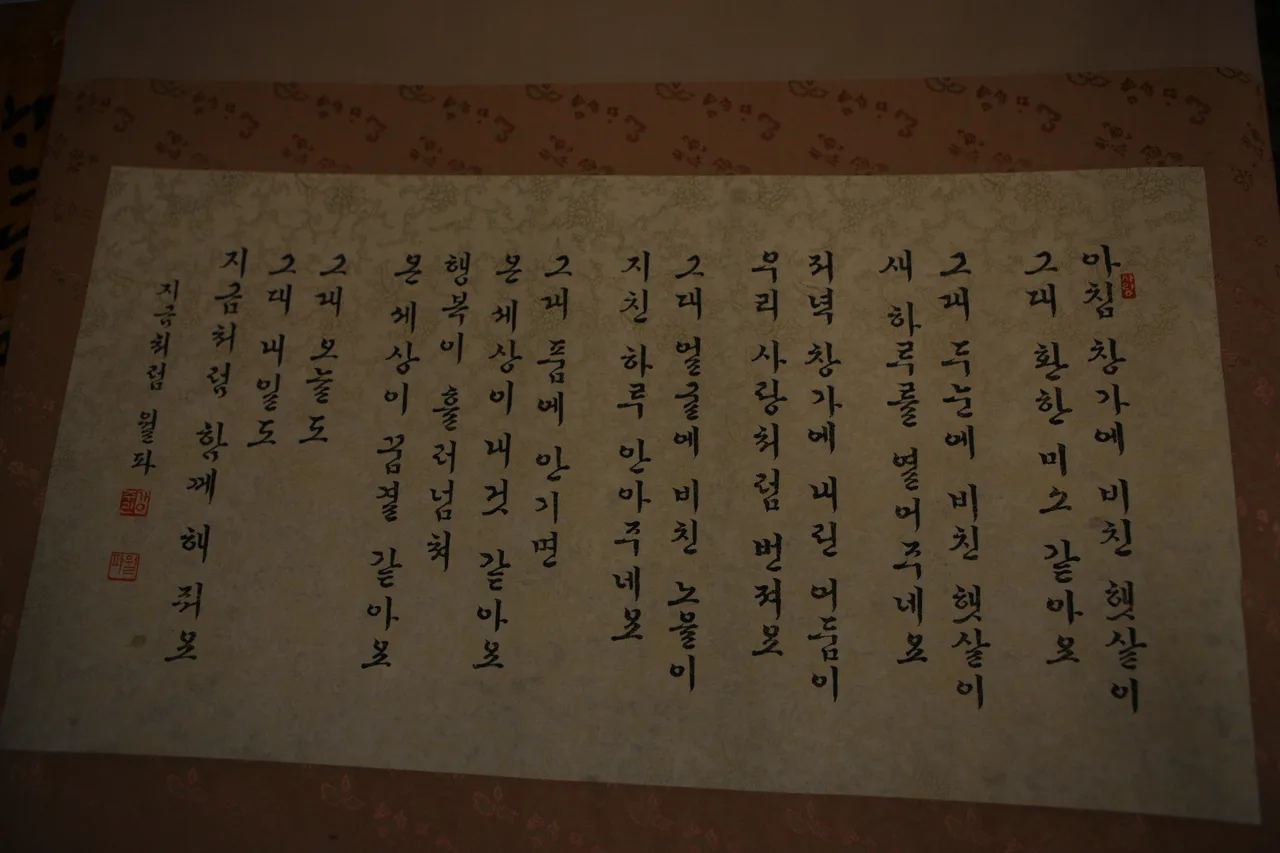
When I first visited Korea, I quickly realized that knowing a few key phrases made a world of difference. Simple expressions like '안녕하세요' (Hello) and '감사합니다' (Thank you) not only eased my interactions but also brought smiles from locals. Here's a guide to essential Korean phrases that will enhance your journey.
Greetings and basic etiquette
If you only learn a handful of Korean words before your trip, make them the common greetings and polite expressions—it makes a bigger difference than you might think. The standard greeting is ‘안녕하세요’ (Annyeonghaseyo), which means ‘Hello’ and is used in almost any situation, from entering a shop to meeting someone for the first time. Say it with a gentle bow or nod for extra politeness. If you want to thank someone, use ‘감사합니다’ (Gamsahamnida), pronounced “gam-sa-ham-ni-da.” This is the safest, most formal way to say “thank you” and is always appreciated, whether you’re accepting change at a convenience store or receiving your meal at a restaurant.
Politeness in Korea isn’t just about words—tone, gestures, and even body language matter. Always speak softly and use formal speech with strangers; Koreans tend to notice and respect visitors who make the effort. You can add ‘주세요’ (juseyo), meaning ‘please’, at the end of requests to sound more courteous. If you’re apologizing, ‘죄송합니다’ (Joesonghamnida) works for “I’m sorry.” Even if you mangle the pronunciation a bit, locals are usually happy you tried.
If you want to go a step further, try small gestures like handing or receiving things with both hands. For more on cultural do’s and don’ts, see our etiquette guide. I’ve found that even a minimal effort with these basics helps open doors—sometimes literally.
Ordering food and drinks
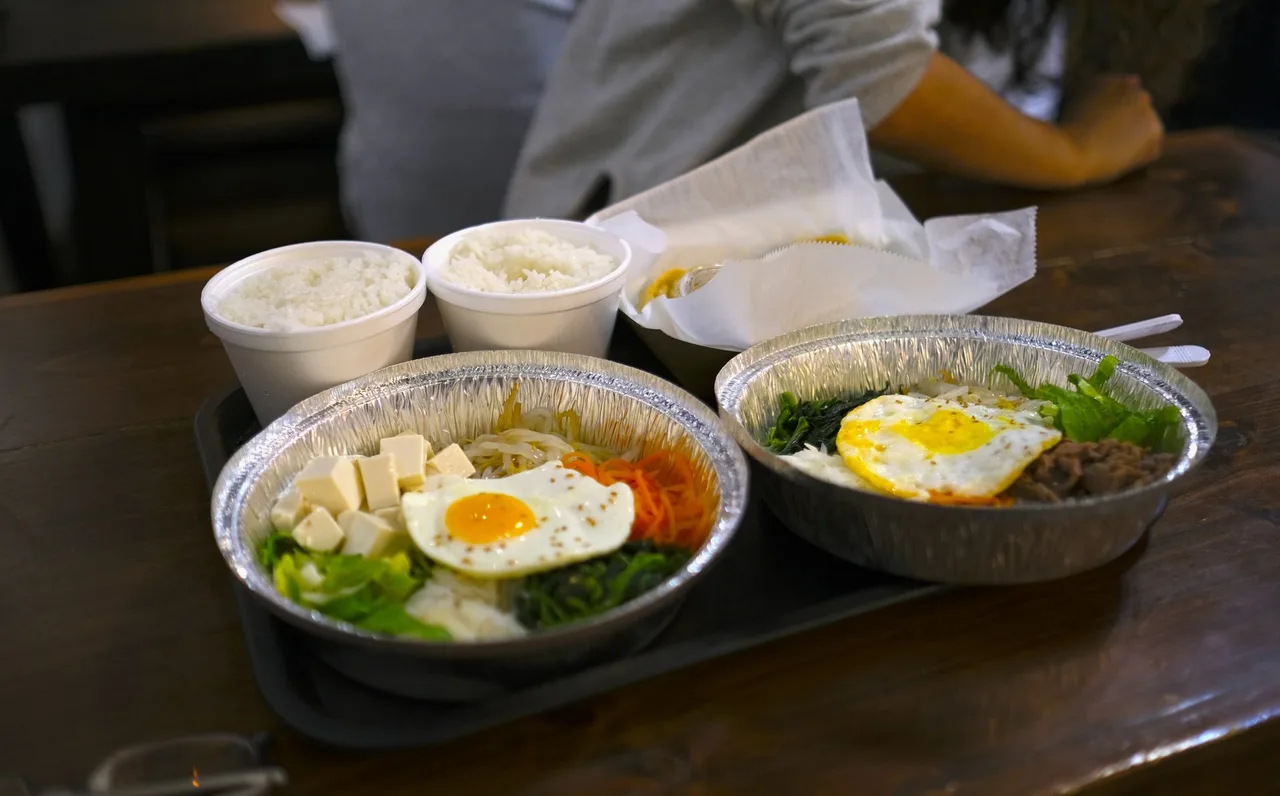
Ordering at a Korean restaurant can feel intimidating if you don’t speak the language, but a few essential phrases go a long way. When you’re ready to order, point to the menu or a dish and say, ‘이거 주세요’ (Igeo juseyo), which means “Please give me this.” It works everywhere from street food stalls to sit-down restaurants. If you want to order more than one item, just add the number before ‘주세요’—for example, ‘두 개 주세요’ (Du gae juseyo) for “Two, please.” Numbers are handy: ‘하나’ (Hana) is one, ‘둘’ (Dul) is two, and ‘셋’ (Set) is three.
If you have dietary preferences or restrictions, you’ll want to know how to say ‘no meat’ (고기 빼주세요, gogi bbaejuseyo) or ‘I’m vegetarian’ (저는 채식주의자예요, jeoneun chaesikjuuija-yeyo). Even if the staff don’t speak English, pointing and using these phrases usually gets your message across. For water, you can ask ‘물 주세요’ (Mul juseyo). If you need help reading the menu, don’t hesitate to gesture politely or use a translation app—most places are used to it.
Honestly, making the effort to order in Korean often gets you a smile or even better service. For more tips on local dining customs, check out how to eat like a local and what to order as a first-timer.
Shopping and bargaining
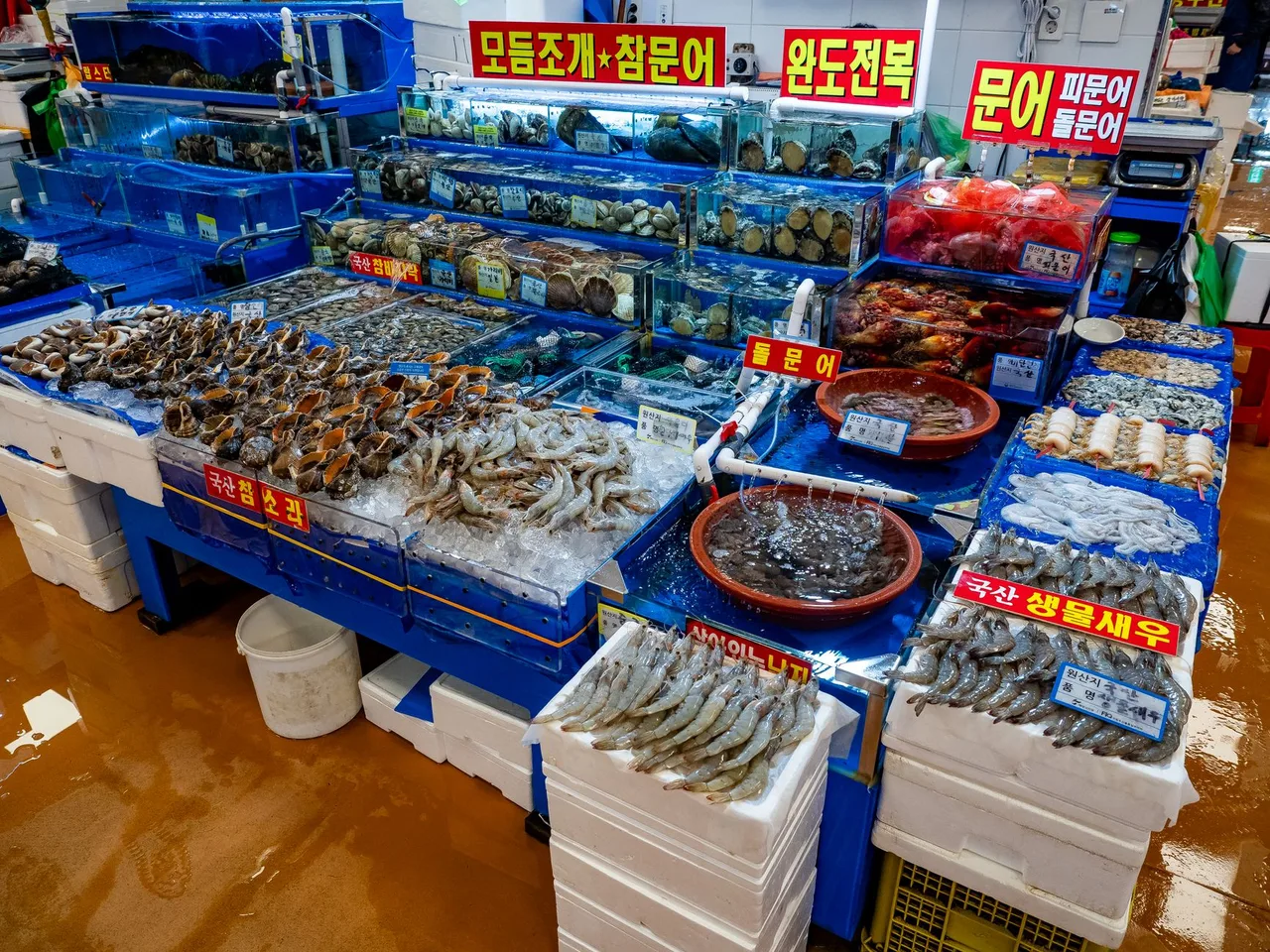
Shopping in Korea is more fun when you can interact with vendors, especially in traditional markets. The phrase you’ll hear and use most is ‘얼마예요?’ (Eolmayeyo?), which means “How much is it?” Say this while pointing at the item you’re interested in, and you’ll usually get a friendly response. If you want to ask for a discount—something that’s expected in some market stalls but not in big stores—try ‘깎아주세요’ (Kkakka juseyo), meaning “Please give me a discount.” While haggling isn’t as aggressive as in some other countries, it’s worth a polite try at markets.
To ask for another size, say ‘다른 사이즈 있어요?’ (Dareun saijeu isseoyo?). Numbers come in handy again: use ‘하나’ (one), ‘둘’ (two), etc., when specifying quantities. If you’re just browsing, a simple ‘그냥 보고 있어요’ (Geunyang bogo isseoyo) lets the seller know you’re just looking.
You’ll find that even a few words of Korean make shopping smoother, and sometimes you’ll get a little extra thrown in for your effort. For snacks and convenience foods, see our convenience store food guide. Don’t be shy—most vendors are happy to help if you approach with a smile and a few polite phrases.
Asking for directions and transportation
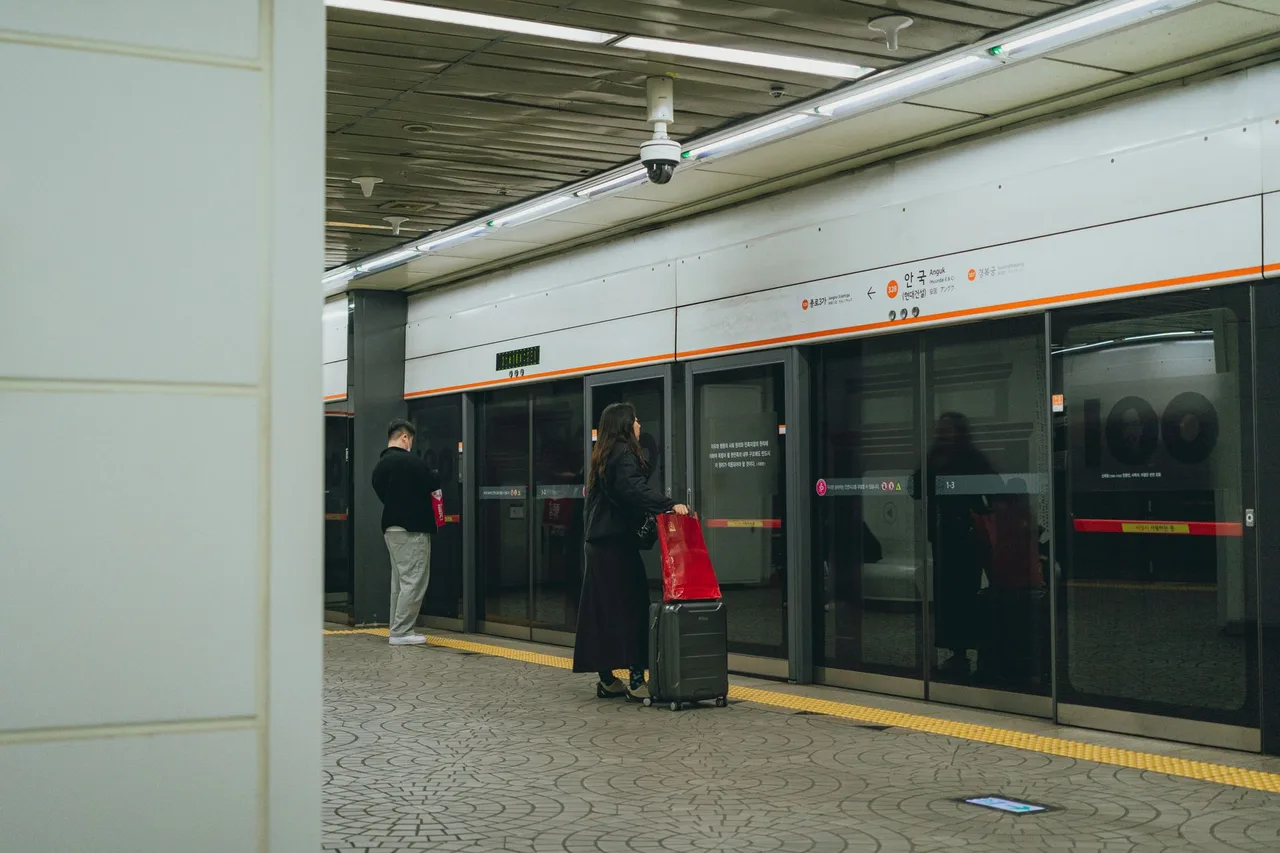
Getting around Korea is a lot easier if you know a handful of useful phrases for public transport and directions. Even in cities like Seoul, where subway maps have English, you’ll probably want to ask for help when things get confusing. The basics I’d always keep handy are '어디예요?' (Eodiyeyo?) meaning “Where is…?”, and '지하철역 어디예요?' (Jihacheol-yeok eodiyeyo?) for “Where is the subway station?”. If you’re lost, '여기 어떻게 가요?' (Yeogi eotteoke gayo?) means “How do I get here?”—just point to your map or phone. When using buses or trains, '이 버스/지하철 이곳에 가요?' (I beoseu/jihacheol igeose gayo?) can be used as “Does this bus/subway go here?” and usually gets a yes or no.
For bathrooms, '화장실 어디예요?' (Hwajangsil eodiyeyo?) is the phrase you’ll use most often. Koreans are used to visitors, so don’t stress if your pronunciation isn’t perfect—they’ll get what you mean, especially if you pair the question with a polite smile. I always recommend downloading a subway app and reading our airport-to-city guide for that first arrival. If you plan to use transit a lot, getting a travel card saves time—see our Seoul travel card guide. Most staff at stations speak some English, but showing your phone or writing your destination in Hangeul helps a lot. Remember to use the formal ending '요' (yo) to sound polite.
Emergencies and seeking help
In an emergency, knowing just a couple of Korean phrases can make a huge difference. The most important is '도와주세요' (Dowajuseyo), which means “Please help me.” You can use this for any situation where you need immediate assistance—people respond quickly when they hear it. If you need medical help, '병원 어디예요?' (Byeongwon eodiyeyo?) means “Where is the hospital?” and '약국 어디예요?' (Yakguk eodiyeyo?) is “Where is the pharmacy?” I always tell travelers to keep these two in mind, especially if you have allergies or medical conditions.
If you need to call the police, you can say '경찰서 어디예요?' (Gyeongchalseo eodiyeyo?) for “Where is the police station?” or just say '경찰!' (Gyeongchal!) in an urgent tone. For lost items or if you’re in trouble, simply saying “도와주세요” and showing a translation app can get someone’s attention fast. Koreans are generally quick to help, even if there’s a language barrier. If you have a hotel card or address, keep it handy to show taxi drivers or officials.
I’d also recommend reading our Korea travel arrival card guide so you know what information you might need to present in a hospital or to local authorities. It’s always better to have a few phrases practiced, just in case—locals appreciate the effort and your trip will feel smoother and safer for it.

Numbers and counting
Numbers come up constantly in Korea, whether you’re buying street food, catching a bus, or checking the time for your train. The first numbers you’ll need are 하나 (Hana) for one, 둘 (Dul) for two, and 셋 (Set) for three. For prices, times, or counting items, you’ll hear these words a lot. When asking prices, combine the number with '얼마예요?' (Eolmayeyo?) to mean “How much is it?”—for example, “이거 얼마예요?” (Igeo eolmayeyo?) is “How much is this?”
Korean has two sets of numbers: native Korean and Sino-Korean (based on Chinese). For most shopping, time, and counting, the native set (하나, 둘, 셋) is fine. For things like money, phone numbers, and addresses, you’ll hear the Sino-Korean set (일, 이, 삼 for 1, 2, 3). It sounds complicated, but for a short trip, just being able to count up to ten and recognize prices will get you through 95% of situations.
If you want more, check out our full guide to Korean numbers. I always recommend learning at least the basics before you go—it’s useful for everything from ordering food to catching the right bus. Vendors and staff are used to pointing at calculators or holding up fingers, so don’t stress if you forget. Still, nothing beats the smile you get when you try in Korean.
Cultural nuances and politeness levels
Korean is a language built on layers of formality, and understanding these nuances can make a huge difference in how you’re received. Whenever I learn a new phrase for travel, I start by checking if it’s the right level of politeness for talking with strangers, older people, or service staff. In Korea, using the formal ending '-요' (yo) or '-니다' (nida) is the safest bet in almost every situation outside of close friends or children. For example, '안녕하세요' (Annyeonghaseyo) is the polite way to say hello, and you’ll hear it everywhere—from taxi drivers to convenience store clerks.
You’ll notice even simple requests like '이거 주세요' (Please give me this) use the polite form. Dropping the polite endings, especially with someone you don’t know well, can come off as rude or awkward, even if your Korean isn’t perfect. It’s not just about grammar; age and social hierarchy play a big role. For instance, people will often ask your age early in a conversation to gauge which speech level to use. If you’re unsure, always default to the most formal option. You really don’t need to master all the different levels as a traveler, but knowing when to add 'yo' or use 'nida' makes a great impression and avoids embarrassment.
If you’re curious about the details of Korean honorifics and how age and status affect speech, I recommend checking out our Korean honorifics and age guide. Practicing polite forms before your trip helps you avoid the classic tourist slip-ups and connects you more smoothly with locals.
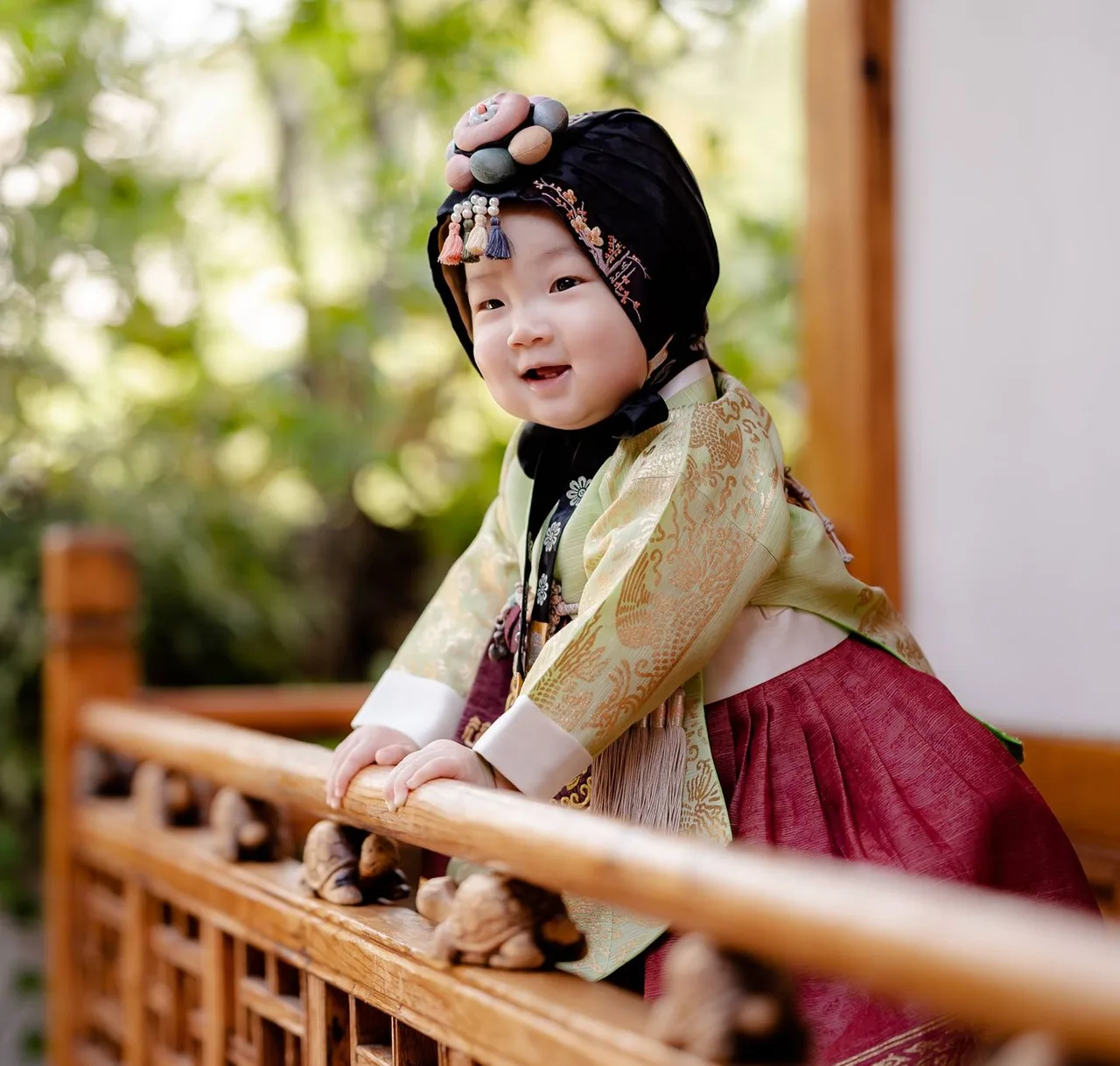
By familiarizing yourself with these phrases, you'll not only navigate Korea more effectively but also connect more deeply with its people and culture. Practice them before your trip, and don't hesitate to use them during your travels.
Frequently asked questions
Do I need to be fluent in Korean to travel in Korea?
No, but knowing basic phrases greatly enhances your experience and interactions.
Are English signs common in Korea?
In major cities, yes, but in rural areas, Korean is predominant.
How can I practice these phrases before my trip?
Use language apps, online courses, or join language exchange groups.
Is it important to use formal language with strangers?
Yes, using polite forms shows respect and is appreciated in Korean culture.
What if I mispronounce a phrase?
Koreans appreciate the effort and will likely understand you.
Sources
This guide was researched using the references below. Prices and times change, so confirm anything time-sensitive on the official page before you rely on it.
Related guides
- Hangul alphabet: a guide for beginnersDiscover the history, structure, and cultural significance of Hangul, the Korean alphabet, and learn how to read and write it.
- Essential Korean phrases for daily lifeMaster key Korean phrases to navigate daily interactions, from greetings to ordering food, enhancing your experience in Korea.
- Learn Korean language: a practical guide for foreignersMastering Korean is achievable with structured study: start with Hangul, use quality resources, and practice consistently.
- Korean phrases you will hear in K-dramasDiscover essential Korean phrases commonly heard in K-dramas, their meanings, and how to use them in real-life conversations.
- Korean numbers explained for travelersKorea uses two number systems. Learn native and Sino-Korean numbers, when to use each, and how to read prices, tell time, and count in won.
- How to read Korean signs on public transportDecode the Korean you actually see on Seoul's subway and buses: station, exit, transfer, platform, the bus colors, and the T-money card reader.