Essential Korean phrases for daily life
Master key Korean phrases to navigate daily interactions, from greetings to ordering food, enhancing your experience in Korea.
By Jae Park · Updated Aug 8, 2026
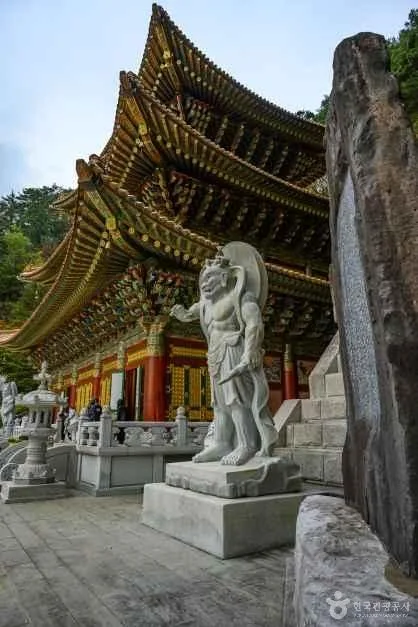
When I first arrived in Korea, I quickly realized that knowing a few key phrases made everyday tasks much smoother. Simple expressions like '안녕하세요' (Hello) and '감사합니다' (Thank you) opened doors to friendlier interactions and a deeper appreciation of the culture.
Greetings and basic expressions
The most important Korean greeting you’ll hear and use is ‘안녕하세요’ (Annyeonghaseyo), which means “Hello.” It’s polite and works in almost every situation, so I always start conversations with it, even if I’m not sure what to say next. You’ll also hear ‘안녕’ (Annyeong) among younger people or close friends, but stick with ‘안녕하세요’ in shops, restaurants, and with strangers. When it’s time to part ways, say ‘안녕히 가세요’ (Annyeonghi gaseyo) if someone is leaving, or ‘안녕히 계세요’ (Annyeonghi gyeseyo) if you’re the one leaving. It’s a small distinction, but locals appreciate it.
If you’re meeting someone for the first time, a simple ‘처음 뵙겠습니다’ (Cheoeum boepgetseumnida) translates to “Nice to meet you,” but honestly, I rarely hear it outside formal settings. For daily life, just a warm ‘안녕하세요’ does the job. You’ll notice how much smoother things go when you greet bus drivers, shopkeepers, or even people in elevators. Koreans value that small gesture—it sets a friendly tone and makes asking for help later much easier.
I recommend checking out our travel phrases guide for situations beyond daily greetings, like asking directions or dealing with emergencies. But if you start with these basic expressions, you’ll already stand out for your courtesy and effort.
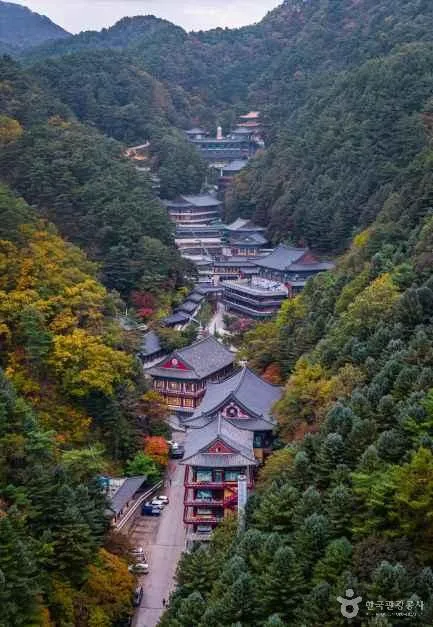
Polite phrases for daily interactions
Using polite language in Korean daily life isn’t just about being “nice”—it’s expected. Saying ‘감사합니다’ (Gamsahamnida) for “Thank you” is one of those habits you’ll want to pick up quickly. I use it constantly: receiving change at a convenience store, after someone holds the door, or when a server brings my food. Even if you don’t say much else in Korean, a sincere ‘감사합니다’ always earns a smile.
Equally important is ‘죄송합니다’ (Joesonghamnida), which means “I’m sorry.” Use this if you bump into someone on the subway, need to squeeze through a crowd, or accidentally mispronounce something. It’s much softer than the English “excuse me,” and shows you respect the other person’s space. You’ll also hear ‘실례합니다’ (Sillyehamnida) to get someone’s attention, but ‘죄송합니다’ covers most minor situations.
It can feel a bit formal at first, but trust me, these phrases make a big difference in crowded cities like Seoul or Busan, where everyone’s moving fast. If you want to go further, you can try ‘고맙습니다’ (Gomapseumnida) for a slightly less formal “thank you.” Still, ‘감사합니다’ is the safest bet. For more on how these expressions fit into local etiquette, our etiquette dos and don’ts guide breaks it down in practical terms.
Essential phrases for dining out
Ordering food in Korea can be straightforward with just a few phrases. When I look at a menu and decide what I want, I simply point and say ‘이거 주세요’ (Igeo juseyo)—“This one, please.” It’s efficient, polite, and works even if you don’t know the dish’s name. Servers expect it and you’ll see locals do the same. If you need the bill, catch the staff’s attention and say ‘계산서 주세요’ (Gyesanseo juseyo), which is “The bill, please.” No need to wave or shout; a quick call of “저기요!” (Jeogiyo—excuse me) gets their attention politely.
If you’re vegetarian or have dietary restrictions, saying ‘채식주의자예요’ (Chae-sik-ju-ui-ja-ye-yo) lets them know you’re vegetarian, though options can be limited. For water, just ask ‘물 주세요’ (Mul juseyo). These phrases are enough to get through most meals without confusion or awkwardness, especially in busy restaurants.
Trying out Korean food is half the fun of being here, but don’t worry if you can’t read the menu yet. Most places have pictures, and staff are used to foreigners pointing and asking. To go deeper into local dining habits and what to order, see our guides on how to eat like a local and what to order as a first-timer.
Shopping and asking for prices
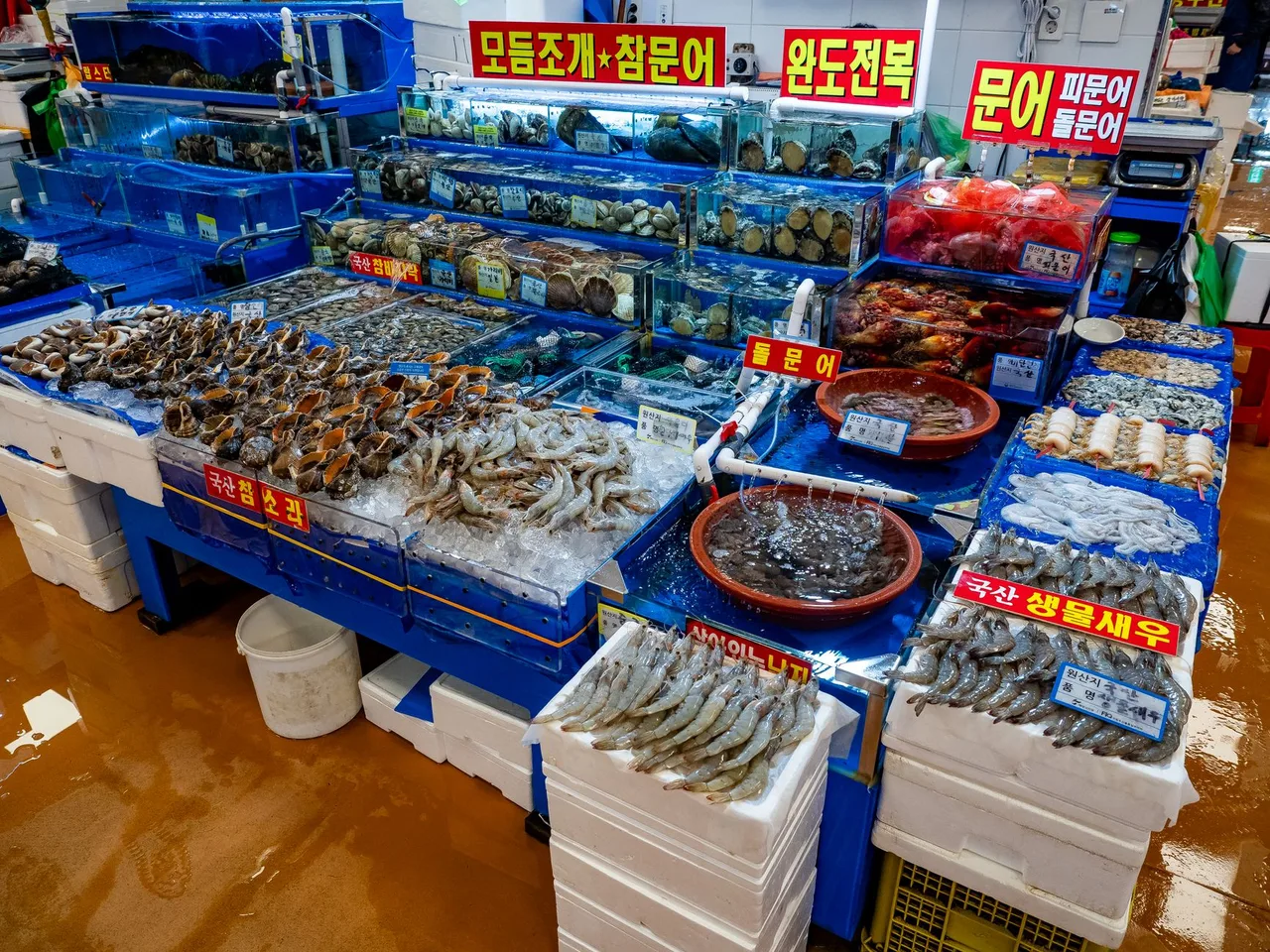
If there’s one phrase you’ll hear and use constantly while shopping in Korea, it’s “얼마예요?” (eolmayeyo?), which simply means “How much is it?” Markets and local shops often don’t display prices as clearly as big supermarkets, so getting comfortable with asking this question will make your life much easier. I always recommend practicing your pronunciation a few times before you go, especially if you’re planning a trip to a traditional 시장 (market) where bargaining is sometimes expected. In most convenience stores or chain retailers, prices are fixed and posted, but stalls in markets, souvenir shops, and even some street vendors expect you to ask. Don’t be shy—Korean shopkeepers are used to foreigners asking for prices, and most will respond slowly if you seem unsure.
A handy extra: if you want to buy something, just point and say “이거 주세요” (“igeo juseyo” – “This one, please”). This removes any ambiguity, especially if you’re not confident with numbers. If you’re confused about what’s available or want to try something new, many vendors are happy to explain—sometimes with a calculator in hand. When you’re done and ready to pay, saying “감사합니다” (“Thank you”) always goes a long way.
Markets are a great place to try this out, and I’ve found the experience much friendlier than you might expect. If you want to practice, check out our Korean convenience store food guide for tips on what to buy and how to order snacks or drinks.
Navigating transportation
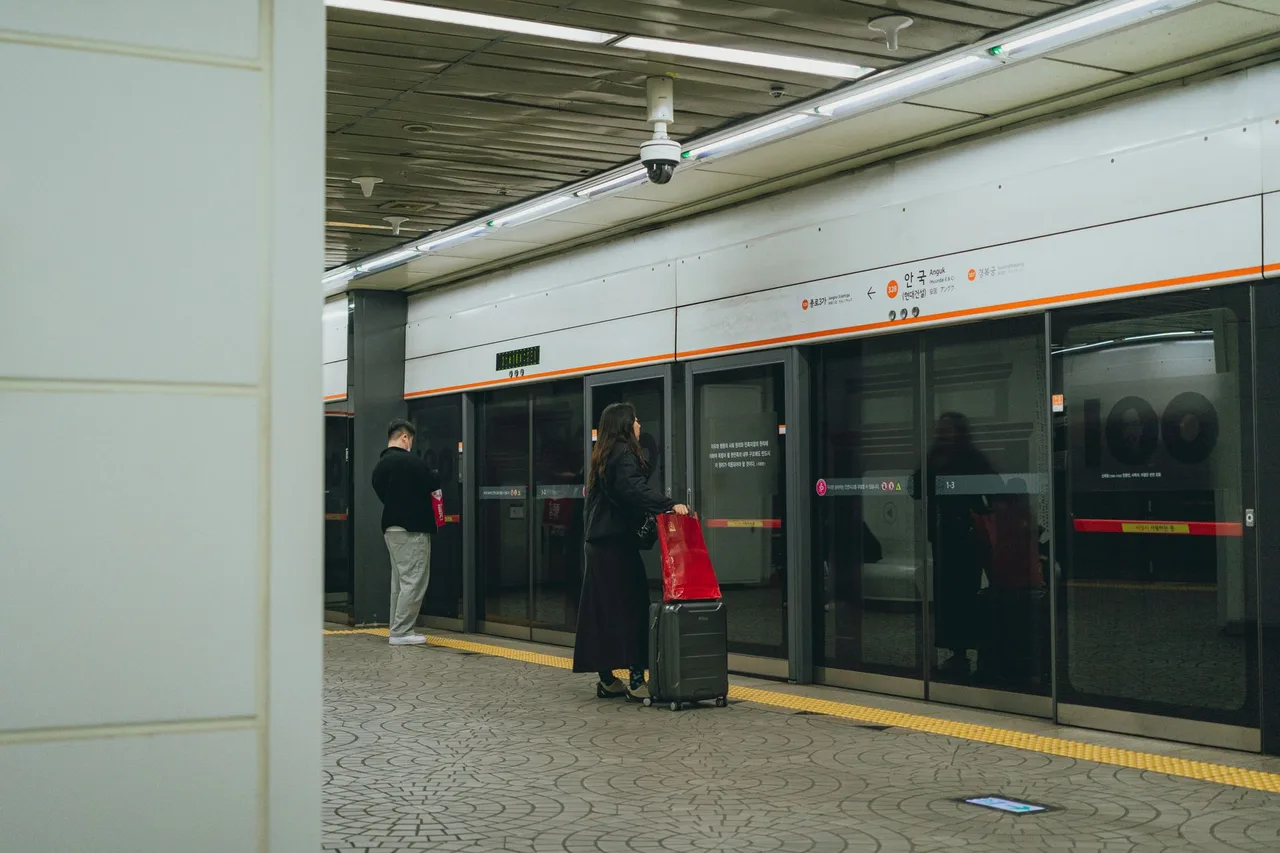
Getting around Korea’s cities is straightforward if you know a few key phrases. The most useful by far is “지하철역이 어디예요?” (jihacheol-yeogi eodiyeyo?), which means “Where is the subway station?” Most Korean cities have extensive subway networks, and you’ll see 지하철 (subway) signs everywhere, but some stations can be a bit hidden behind big intersections or shopping areas. If you’re lost, asking a local this question will usually result in a clear answer, often with gestures pointing the way.
I always recommend learning this phrase because even if you use navigation apps, you might find yourself disoriented when you surface from an underground station or try to find the right entrance. If you’re taking buses, you can swap “지하철역” (subway station) for “버스 정류장” (bus stop): “버스 정류장이 어디예요?” (“beoseu jeongryujangi eodiyeyo?”).
For practical travel tips, Seoul’s T-money travel card is accepted on nearly all buses and subways, making things much simpler—see our Seoul travel card guide for details. And if you’re coming from Incheon Airport, knowing how to ask directions to the airport train or bus can save you a lot of confusion; check our Incheon Airport to Seoul guide for step-by-step arrivals info. Most Koreans are happy to help, and even if they don’t speak much English, repeating “지하철역이 어디예요?” gets the point across every time.
Seeking assistance and emergencies
In an emergency or if you simply need help, the phrase “도와주세요” (dowajuseyo) is the most direct way to ask for assistance. It means “Please help me” and is understood everywhere—whether you’re lost, feeling unwell, or need urgent support. I think every traveler should memorize this one before anything else, since it works in both stressful and everyday situations. If you speak it clearly, even passersby will usually stop and check if you’re okay.
For less urgent situations, “실례합니다” (sillyehamnida, “Excuse me”) is polite for getting someone’s attention, like a staff member or a stranger on the street. If you need medical help, hospital staff and police are trained to recognize “도와주세요”, and many public places have emergency buttons or phones—don’t hesitate to use them.
Carrying a card with your accommodation’s address in Korean can be a lifesaver if you get lost or need to show a taxi driver where to go. For travelers new to Korea, it’s also a good idea to look up the local emergency numbers (119 for fire/medical, 112 for police). If you’re preparing for your trip, our Korea travel arrival card guide explains what information you should have ready in case of emergencies.
Don’t underestimate the comfort a simple phrase can bring in a tense moment. “도와주세요” is short, memorable, and often all you need to get the help you require.
Expressing preferences and needs
It’s surprisingly easy to communicate your preferences and needs in Korea with just a few well-chosen phrases, especially when it comes to food. If you’re vegetarian, saying "채식주의자예요" (Chae-sik-ju-ui-ja-ye-yo) — which means "I am vegetarian" — can help you avoid awkward situations at restaurants. In my experience, many servers will nod in recognition, though you might still want to clarify what you do and don’t eat, since "vegetarian" can mean different things in different places. You’ll want to pair that with "이거 주세요" (Igeo juseyo) for "This one, please," which is handy when you spot a suitable dish on the menu or display.
If you’re concerned about ingredients, don’t hesitate to ask directly about meat or fish. Most Koreans appreciate the effort, and even if the staff’s English is limited, the phrase "채식주의자예요" gets your point across. For vegans, it’s a bit trickier, so check out our vegetarian in Korea guide for extra tips. When you need something specific, "주세요" (juseyo) is your go-to — just add the item name in front. For example, "물 주세요" (mul juseyo) means "Water, please."
Expressing your needs confidently makes dining, shopping, and even getting around much less stressful. Koreans generally appreciate polite directness, so don’t be shy about using these phrases. A little language goes a long way in daily interactions, and you’ll find people more willing to help when you meet them halfway.
By incorporating these phrases into your daily interactions, you'll find navigating life in Korea becomes more intuitive and rewarding. Practice them regularly, and don't hesitate to use them in real-life situations.
Frequently asked questions
What is the most common Korean greeting?
The most common Korean greeting is '안녕하세요' (Annyeonghaseyo), meaning 'Hello'.
How do I ask for the bill in a Korean restaurant?
To ask for the bill, say '계산서 주세요' (Gyesanseo juseyo).
What phrase should I use to get someone's attention in a store?
Use '저기요' (Jeogiyo) to politely get someone's attention.
How do I say 'I don't understand' in Korean?
You can say '이해하지 못해요' (Ihaehaji mothaeyo) to express that you don't understand.
What is the polite way to decline something in Korean?
Saying '괜찮아요' (Gwaenchanayo) politely declines an offer, meaning 'It's okay' or 'No, thank you'.
Sources
This guide was researched using the references below. Prices and times change, so confirm anything time-sensitive on the official page before you rely on it.
Related guides
- Hangul alphabet: a guide for beginnersDiscover the history, structure, and cultural significance of Hangul, the Korean alphabet, and learn how to read and write it.
- Essential Korean phrases for travelersMastering key Korean phrases enhances your travel experience, making interactions smoother and more enjoyable.
- Learn Korean language: a practical guide for foreignersMastering Korean is achievable with structured study: start with Hangul, use quality resources, and practice consistently.
- Korean phrases you will hear in K-dramasDiscover essential Korean phrases commonly heard in K-dramas, their meanings, and how to use them in real-life conversations.
- Korean numbers explained for travelersKorea uses two number systems. Learn native and Sino-Korean numbers, when to use each, and how to read prices, tell time, and count in won.
- How to read Korean signs on public transportDecode the Korean you actually see on Seoul's subway and buses: station, exit, transfer, platform, the bus colors, and the T-money card reader.