Visiting the Korean DMZ: A 2026 Guide for Foreign Travelers
How to visit the Korean DMZ from Seoul in 2026: guided tours only, passport rules, the main sites, and why JSA access at Panmunjom keeps changing.
By Jae Park · Updated Jul 17, 2026
The DMZ sits about an hour north of Seoul, and it is the closest most travelers will ever get to North Korea. This strip of land has separated the two Koreas since the 1953 armistice that paused the Korean War. You cannot drive up and wander in on your own. Access beyond the Civilian Control Line runs through licensed tour operators, a passport check, and a fixed itinerary. Here is how the visit works in 2026, which sites you will actually see, and why the famous Panmunjom section is not always open.
What the DMZ and the JSA actually are
The Demilitarized Zone runs roughly 250 kilometers across the peninsula, from the Han River estuary in the west to the east coast. It is about four kilometers wide, with the Military Demarcation Line down the center and a two-kilometer buffer on each side. The 1953 armistice created it as a separation line, not a peace treaty, so the two Koreas remain technically at war. Decades of restricted human access turned the zone into an accidental wildlife refuge, home to cranes and other species that are rare elsewhere on the peninsula.
Most day tours do not enter the DMZ's inner buffer at all. They visit observation points and museums along its southern edge, inside the Civilian Control Line, a separate restricted band that civilians need permission to cross. The Joint Security Area, or JSA, is the one spot where soldiers from both sides once stood face to face across a line of blue huts at Panmunjom. That area sits under United Nations Command control and follows its own access rules, which is why it gets booked and suspended separately from the standard sightseeing circuit.
Is it safe to visit?
Short answer: yes, for a supervised day trip. Hundreds of thousands of tourists pass through the southern DMZ sites every year, and the standard route has been a routine part of Seoul tourism for decades. You travel by chartered coach, stay with your guide, and follow instructions at each checkpoint. The soldiers you see are on duty, not on alert because of your group.
The caveats are practical rather than dramatic. Tours can be canceled or rerouted at short notice when inter-Korean tension rises, when a military exercise closes a road, or when weather affects the schedule. That risk climbs the closer a route gets to the border, which is part of why the JSA has been on and off for years while the tunnel-and-observatory circuit keeps running. Reputable operators refund or rebook when the government closes a site, so read the cancellation terms before you pay.
There are no landmine walks on any tourist itinerary. Everything you visit is a cleared, marked, and monitored facility. The main physical demand is the tunnel descent, which is steep and low-ceilinged. Anyone with claustrophobia, knee trouble, or a heart condition should sit that portion out and wait at the top, and staff will not push you to go down if you would rather skip it.
The main sites you will actually see
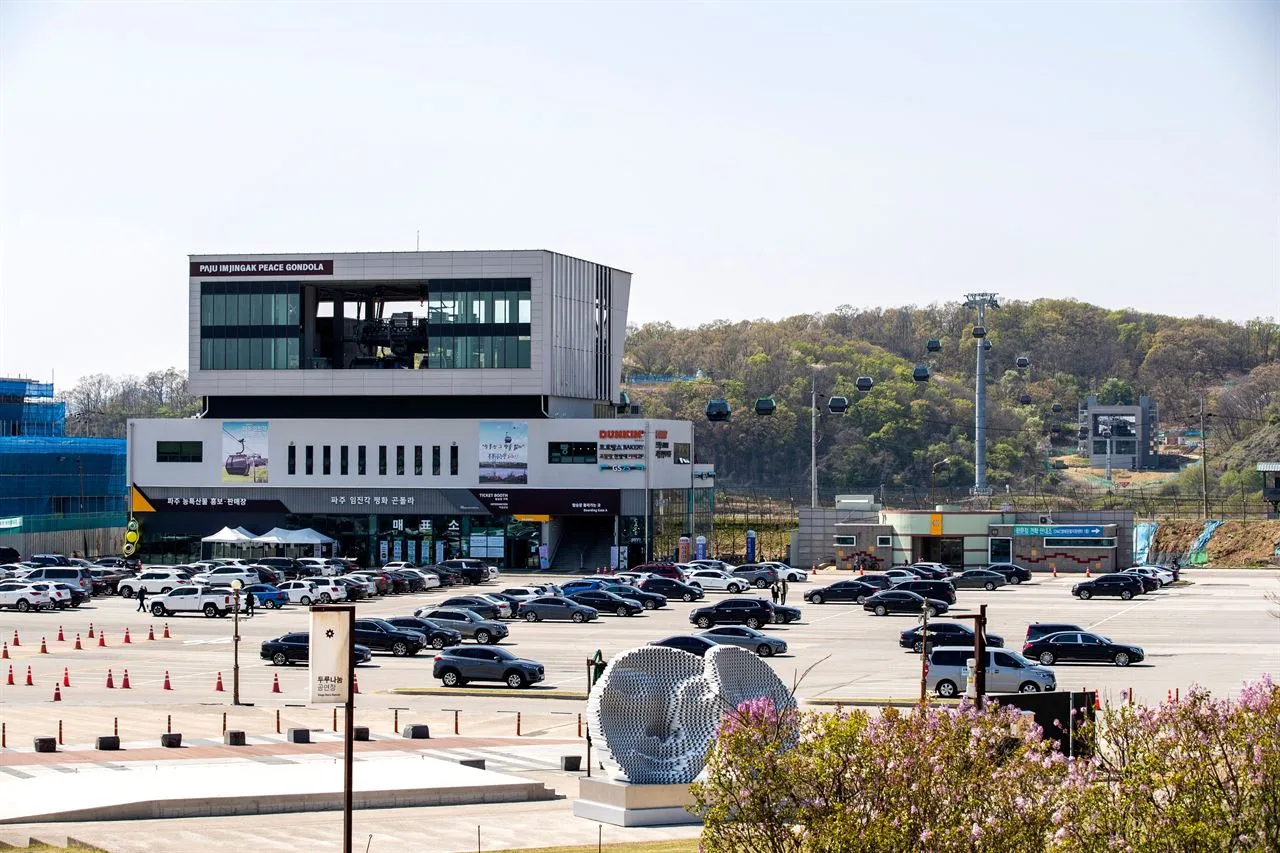
A standard tour strings together four stops on the southern edge. Imjingak Park is the first and the only one you can reach without a tour permit. It holds the Freedom Bridge, where thousands of prisoners were exchanged after the war, a rusted steam locomotive shot up during the fighting, and the Mangbaedan altar where displaced families still hold rites facing their lost northern hometowns.
The Third Infiltration Tunnel is the centerpiece. Discovered in 1978, it runs about 1.6 kilometers underground and stands roughly two meters high, one of four tunnels South Korea found that North Korea had bored toward Seoul. You walk down a long access ramp to reach it, then climb back up the same way. The passage is longer than it looks on the map, and the low ceiling means taller visitors stoop for stretches of it. Photography is not allowed inside, and lockers hold your bags and camera before you go down.
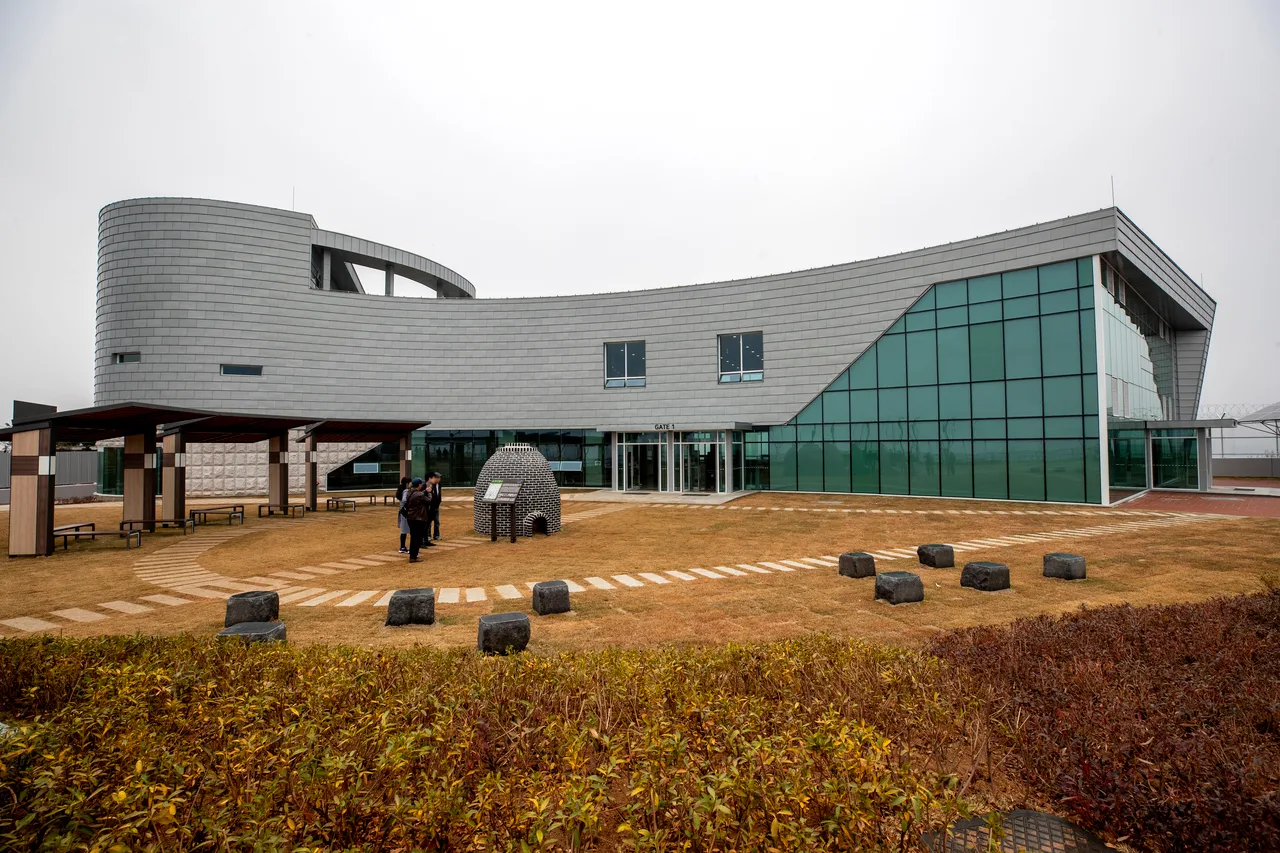
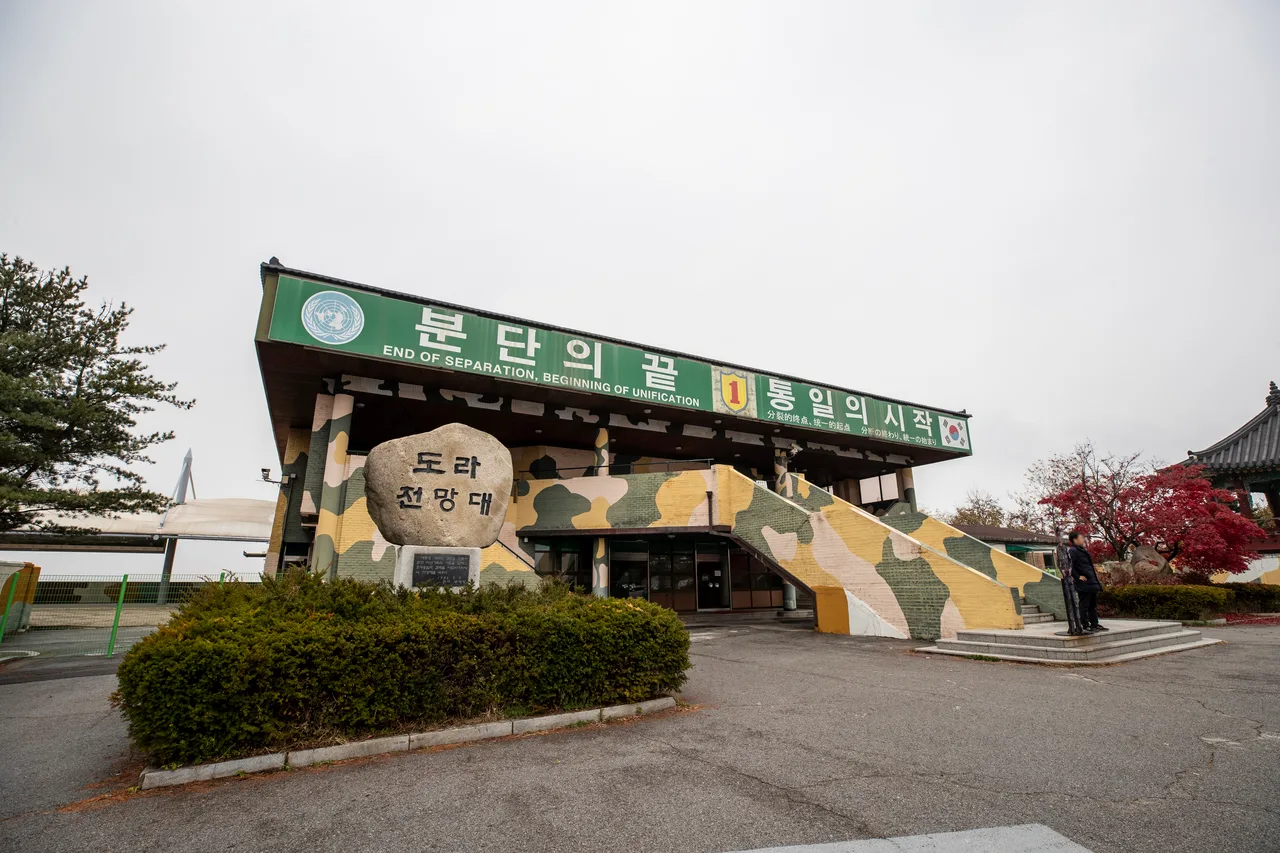
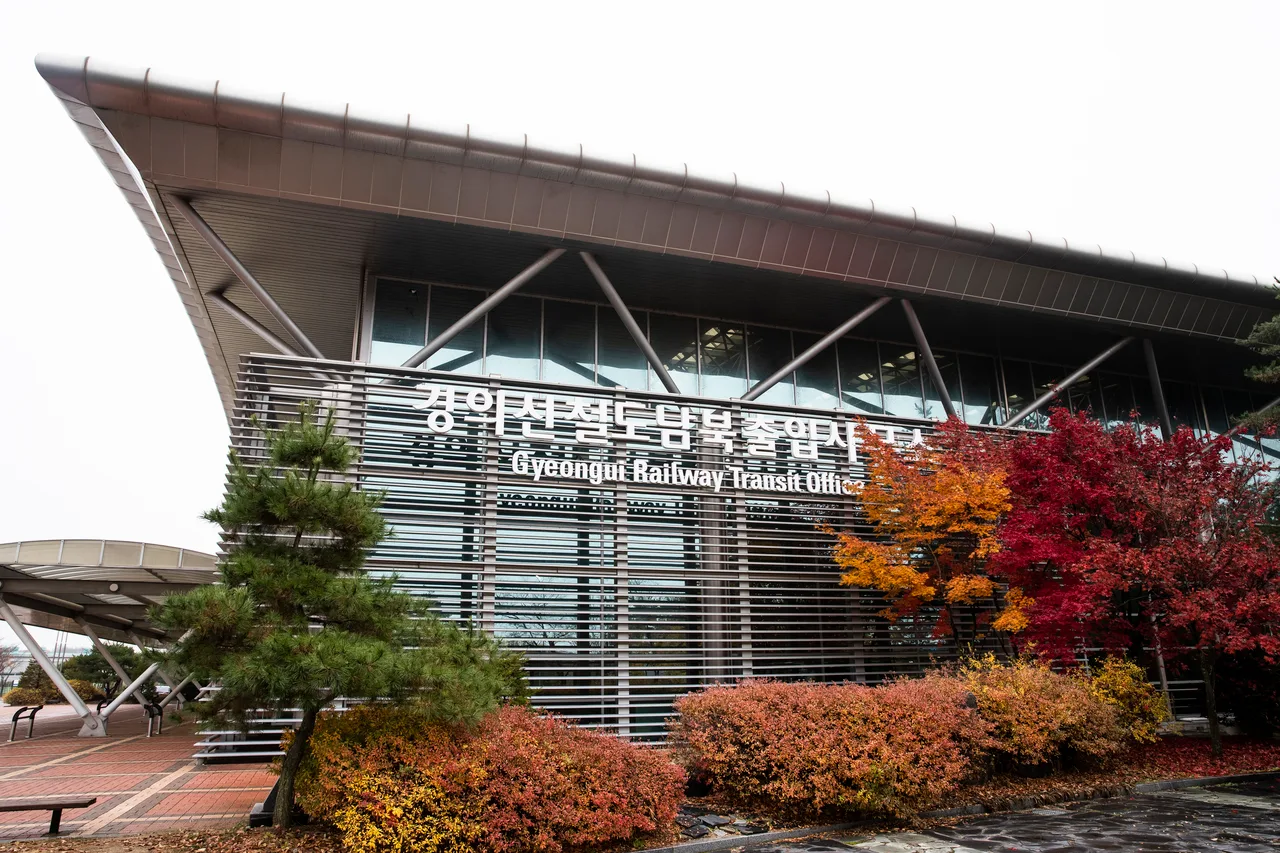
Dora Observatory, first opened in 1987 and rebuilt since, looks across the buffer zone toward the North Korean village of Kijong-dong and, on clear days, the Kaesong area. Binoculars line the deck. Dorasan Station rounds out the loop as the northernmost stop on the Gyeongui rail line, built in hope of one day linking Seoul to Pyongyang and beyond. Trains do not cross today, but the platform signs still point north.
JSA and Panmunjom: what changed
The Joint Security Area is the image most people picture when they think of the DMZ: the blue conference huts straddling the border, guards standing a few meters apart. It is also the part of a visit you can least count on. JSA access runs through United Nations Command rather than the regular tour circuit, and it has a history of sudden, long suspensions.
Tours were halted in mid-2023 after a U.S. soldier bolted across the line during a visit. That closure ran for roughly 18 months. In May 2025, South Korea's unification ministry began a limited reopening, starting with official and educational groups rather than the general public. Reporting through early 2026 indicated that the blue conference buildings and Freedom House stayed closed to ordinary tourists even as some access resumed, and that United Nations Command had moved away from letting visitors step inside the huts.
What this means for you is simple: do not build a trip around the JSA. Treat it as a bonus that may or may not be available on your dates. If seeing into North Korea is the goal, the Dora Observatory and the tunnel deliver that without the JSA's uncertainty. Ask any operator directly whether JSA access is running for your travel window, get the answer in writing, and keep the standard DMZ tour as your fallback. Status can change with little warning.
How to book a tour
Because independent entry is not allowed, booking a licensed tour is the only way in. Dozens of operators run the route, most departing central Seoul between about 7 and 8 in the morning from pickup points near Hongdae, Myeongdong, or major hotels. A half-day tunnel-and-observatory tour generally falls in the range of ₩55,000 to ₩75,000 per person, with full-day versions that add lunch and extra stops costing more. Confirm the current price and exactly which sites are included when you book, since itineraries differ. You can compare DMZ tours on Klook to scan operators, prices, and included sites in one place.
This guide contains affiliate links. If you book through them we may earn a small commission, at no extra cost to you.
Reserve ahead rather than same-day. A week or two of lead time is usually comfortable for the standard DMZ circuit. Anything involving the JSA, when it is running at all, needs far more notice because operators must submit passport details for security clearance in advance, and spots are capped. Nationality restrictions have applied to JSA access in the past, so confirm that your passport qualifies.
I am not linking specific operators here, but a few filters help. Pick a company that states clearly which sites are covered, publishes an honest cancellation and refund policy for government closures, and confirms English-speaking guides if you need one. Standard tours run daily except Mondays and public holidays, when the sites close, so plan your Seoul itinerary around that. If a listing promises guaranteed JSA entry, treat it with caution.
Passport and dress rules
Bring your physical passport. This is the single rule that trips up the most visitors. South Korean soldiers check passports at the Civilian Control Line, and a photo on your phone or a photocopy will not clear you through. No passport means no entry, and operators generally do not refund a miss for that reason. Keep it on you, not in luggage back at the hotel.
Dress expectations are looser than they once were, though they have not vanished. The strictest code applied to the JSA, where ripped jeans, sleeveless tops, sandals, athletic wear, and anything resembling military clothing were turned away, the stated reasoning being that scruffy visitors could be used for propaganda photos. Standard tunnel-and-observatory tours are more relaxed, but smart-casual is still the safe call.
Wear comfortable closed shoes. The tunnel descent is on a hard, sloping surface, and hard hats are issued because the ceiling is low in places. Skip anything you would not want confiscated, since photography is barred inside the tunnel and at marked lines on the observation decks. Children are generally welcome on the standard DMZ route, but the JSA has enforced age limits when open. If you are traveling with young kids or anyone with limited mobility, tell the operator in advance so they can flag the tunnel section.
What to expect on the day
Expect an early, long, and tightly scheduled outing. A coach collects you in central Seoul, and the drive north follows the Han and Imjin rivers past fence lines and guard posts, a view that sets the tone before you arrive. Total tour time usually runs six to seven hours for the half-day option, longer with lunch and add-ons.
At the Civilian Control Line, a soldier boards the bus to check every passport against the manifest. From there the day moves stop to stop: the tunnel, the observatory, Dorasan Station, and Imjingak, in an order that shifts with traffic and closures. Guides narrate the history in English on the standard tours, and there is time at each site to walk around, though not to linger indefinitely.
Photography is the rule to watch. It is fine in most open areas but banned inside the tunnel and restricted to marked zones at the observatory, where a painted line shows how far toward the border you may shoot. Follow the guide's cues rather than guessing. Facilities are basic but present, with restrooms and small shops at the main stops. Bring water and a snack, since meal breaks on a half-day tour can be short or skipped. Dress for the weather, because the observation deck is exposed and windy in winter.
Getting to Seoul and the DMZ
Nearly everyone starts from Seoul, so sort out your base in the city first. If you are flying in, our guide on getting from Incheon Airport to Seoul covers the train and bus options, and a rechargeable transit card, explained in our Korea travel card guide, makes the local legs painless. From central Seoul, your DMZ tour handles the trip north entirely, so you do not need to plan the border leg yourself.
Going fully independent gets you only so far. Public buses and the Gyeongui-Jungang commuter line reach as far as Imjingak Park, which you can visit on your own, but everything past the Civilian Control Line is closed to walk-up visitors. There is no self-drive option into the tunnel or observatory. That is by design, and it is why the organized tour exists.
The DMZ pairs naturally with a wider look at Korean history. Seeing the division line lands harder if you understand what came before it, so many visitors bracket the trip with time in the city's older sites. Our short primer on the Joseon dynasty gives useful context for the peninsula that was split in 1945 and again in 1953. Give the DMZ a full morning, keep the afternoon flexible, and confirm your tour's exact sites the week before you go.
Booking a DMZ tour is less about chasing the JSA and more about seeing the border clearly and safely. Lock in a standard tour, carry your passport, and treat the Panmunjom huts as a maybe. Confirm the day's sites with your operator before you travel, and you will come away with the closest, most honest look at the divided peninsula that a visitor can get.
Location
Imjingak, DMZ, Korea
View on Google MapsFrequently asked questions
Can I visit the DMZ on my own without a tour?
No. Individual entry beyond the Civilian Control Line is not allowed, so you must join a licensed guided tour. Imjingak Park is the only edge site you can reach independently.
Do I need my passport for a DMZ tour?
Yes. Bring your physical passport. South Korean soldiers check it at the Civilian Control Line, and a phone photo or photocopy will not be accepted.
Is the JSA at Panmunjom open in 2026?
Access varies. JSA tours were suspended after a 2023 defection and only partially resumed for limited groups from 2025, with the blue conference huts still restricted. Confirm the current status with your operator.
How much does a DMZ tour cost and how long is it?
A half-day tour typically runs about 55,000 to 75,000 won and takes six to seven hours from Seoul, though prices and included sites vary by operator, so check when you book.
What should I wear and can I take photos?
Wear comfortable closed shoes for the tunnel, and smart-casual is fine on standard tours. Photography is banned inside the tunnel and limited to marked zones at the observatory.
Sources
This guide was researched using the references below. Prices and times change, so confirm anything time-sensitive on the official page before you rely on it.
Related guides
- Exploring Seoul's Buddhist temples: a guide for visitorsDiscover Seoul's Buddhist temples, from the central Jogyesa to the serene Bongeunsa, and learn about their history, architecture, and visitor experiences.
- Exploring Seoul's royal palaces: a guide for visitorsDiscover Seoul's five grand palaces, their unique features, and practical tips for your visit.
- Korean folk villages worth visitingExplore Korea's rich history by visiting these traditional folk villages, each offering unique insights into the country's cultural heritage.
- Gyeongju: A guide to Korea's ancient Silla capitalGyeongju was Silla's capital for nearly 1,000 years. A practical guide to its UNESCO temples, royal tombs, night views, and how to visit by KTX.
- UNESCO World Heritage Sites you can visit in KoreaA first-person guide to Korea's UNESCO World Heritage sites, with real hours, won prices, and directions to Bulguksa, Changdeokgung and Jeju.
- Seoul's five grand palaces, explainedA first-person guide to Seoul's five grand Joseon palaces: real 2026 prices, hours, subway exits, the hanbok free-entry hack, and how to see them without burning out.