K-pop fandom culture, explained
A newcomer's guide to K-pop fandom culture: names and colors, lightsticks, fanchants, photocards, cup-sleeve cafes, comebacks, and fan apps.
By Jae Park · Updated Jul 15, 2026
The first K-pop concert I got to, the lights dropped and ten thousand lightsticks turned the exact same shade in one breath. I was holding mine on the wrong setting, a beat behind everyone. Then a chant started, member names snapped out in order like a drumline, and I mouthed along a syllable late, faking it. That was the night I understood that being a K-pop fan is less like liking a band and more like joining a guild. There are terms, rituals, and unwritten rules, and most of them were built by fans, not companies. Here is the map I wish someone had handed me on the way in.
Every fandom has a name and a color
When a group debuts, or soon after, it gets an official fandom name, and that name is its own tiny lore. ARMY, the BTS fandom, unpacks to "Adorable Representative M.C. for Youth," but it also just means an army standing with the group. BLINK, BLACKPINK's fandom, is Black plus Pink. EXO-L means EXO Lovers, with the L sitting right between the E, the X, and the O of the group's name. Some names are handed down by the agency, some are voted on by fans, and some start as a fan coinage that gets adopted so widely the company makes it official.
Then there is the color. No central body assigns these; an agency or the fans settle on a shade, and it becomes shorthand for belonging. BTS purple. EXO's pearl light yellow. The most-told origin story is BTS's "borahae" (보라해), which member V coined at a 2016 fan meeting when he looked out at a sea of purple. He stitched "bora," purple, to the "-hae" from "saranghae," love, so it lands as "I purple you." He said purple was the last color of the rainbow, so it meant trusting and loving someone to the very end. That is the whole pattern in one word: a fandom color is never just merch. It is a promise printed on everything.
The lightstick, and why fans call it a "bong"
Bong (봉) just means "stick," and it is what fans call the official lightstick. Long before the electronics, first-generation fans in the mid-90s waved balloons in their group's color. H.O.T. fans took white, Sechskies yellow, Shinhwa orange, and rival fandoms filled arenas with clashing walls of it. The color came first; the gadget came later.

The turn came around 2006, when Big Bang sold an official lightstick shaped like a crown, quickly nicknamed the "Bang Bong." Other companies watched an arena fill with glowing yellow crowns and understood the assignment immediately. Within a few years, almost every major group had its own uniquely shaped bong, and the design itself became a collectible. Modern versions pair over Bluetooth, so a venue can control thousands at once and roll waves of color across the floor in time with the song. The crowd stops being an audience and becomes part of the set. Buying your group's bong is a small rite of passage, and turning up waving the wrong group's color is a rookie mistake everyone around you quietly clocks.
Fanchants turn the crowd into an instrument
A fanchant (응원법, eungwonbeop) is the coordinated shouting fans do through a performance: the calling of member names over the intro, the response phrases dropped into the chorus, the extra energy that makes a Korean show feel like one connected body instead of a room watching a stage. It started in the 90s as fans plainly yelling names, then grew structured enough to lock into each song's rhythm.
Here is the part that surprised me most. The fandom writes the fanchant, not the label. After a new song drops, fansites finalize an official chant within a couple of days, post it to X and YouTube, and the whole fandom drills it before the first music-show stage. The agency often reposts the finished version. The one near-universal element is the opening name call, which almost every chant is built around. Learning the chant is the fastest way to stop feeling like a tourist at a show, and picking up a few of the words is honestly a gentle on-ramp to the language, the kind you can start in a weekend. It doubles as etiquette, too: the chant funnels the screaming into the gaps so it lifts the performance instead of burying the vocals.
Photocards, and the thrill of the pull
A photocard, or "poca," is a small idol photo about the size of a credit card, dropped at random into albums and merchandise. Girls' Generation's 2010 album Oh! is generally credited as the first Korean release to tuck in a random photocard, and the idea spread until nearly every release carried them. Because the card inside is random, fans buy multiple copies of the same album hoping to "pull" their bias. In a four-member group your odds are one in four; in a thirteen-member group they are brutal.
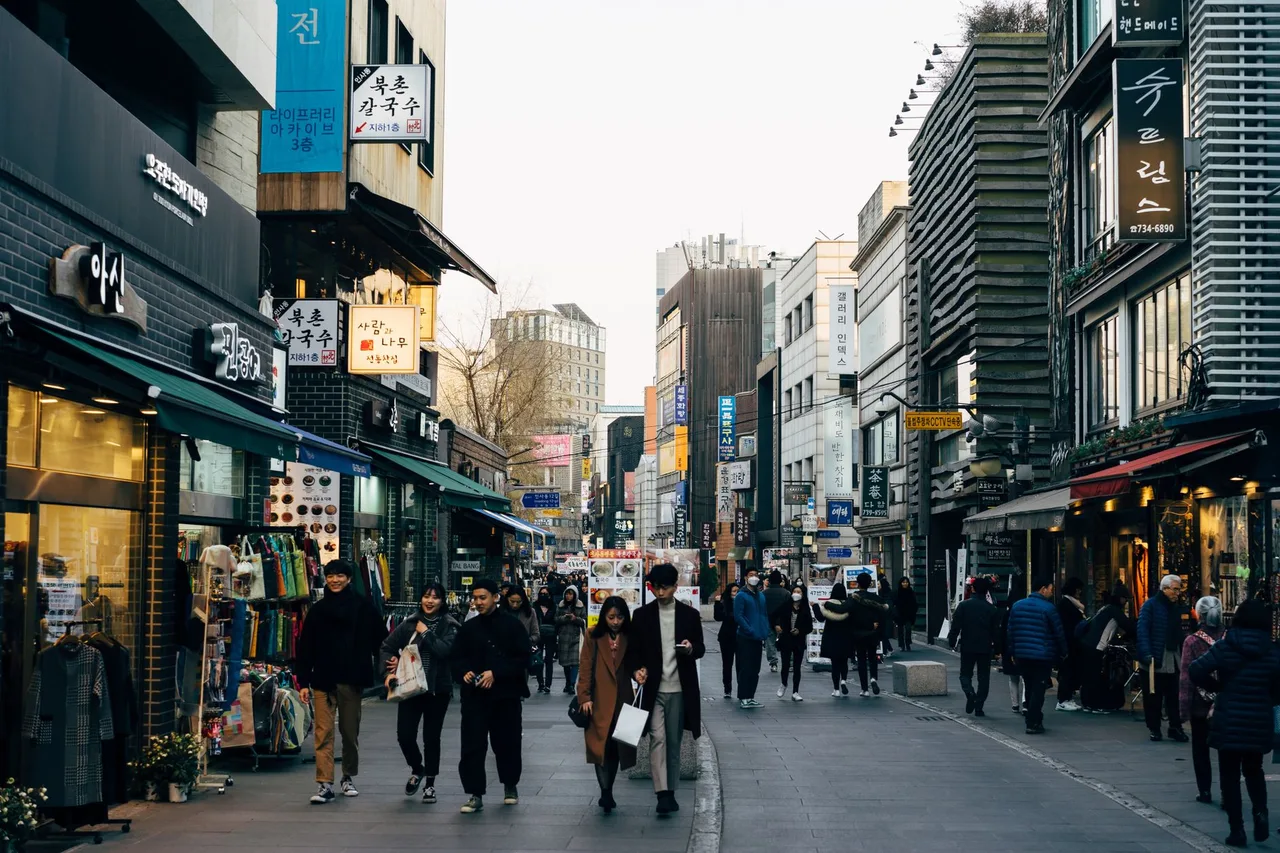
That randomness grew an entire economy. Fans trade and sell pocas on X, Instagram, and dedicated apps to complete a set or finally land the member they wanted. Common album cards go for a few dollars; rare pull cards and event exclusives climb into the hundreds. Long-time collectors will tell you the trade is not really about rarity, though. It is a social ritual with cards as the excuse. You show up to a swap meet, hand over a duplicate you will never miss, walk away with the one you needed, and somewhere in the middle you make a friend. In shopping districts around Seoul, whole shops and card-vending machines exist just to feed this, and wandering one is its own small pilgrimage.
Birthday cafes and cup sleeve events
When a member has a birthday or a group hits an anniversary, fans throw a party for someone who will not attend. Usually a fansite rents a cafe for a day and designs custom cup sleeves, the cardboard heat sleeve that goes around your iced coffee, printed with the idol's face and handed out with a drink. Around that, they add freebies like photocards, mini posters, and keychains, plus decorations, a photo zone, and a message book for fans to sign. The drinks often get renamed to match the theme.
The practice started in Korea and spread to Los Angeles, London, Manila, and beyond, where a neighborhood cafe becomes a fan embassy for one weekend. Under the cute goods sits real machinery: planning chats, translated notices, shared spreadsheets, cafe negotiations, fundraising deadlines, and queue rules. The same organizing energy funds subway-station and billboard birthday ads, so a member's face beams out over commuters who have never heard the group. It reads as excess until you stand inside one. Then it lands as what it actually is, a way for strangers to gather, remember, thank each other, and be recognized in a fandom too big to know everyone.
A "comeback" is a new era, not a return
This word trips up every newcomer. A comeback is not a return from a breakup or a long absence in the Western sense. It is the launch of a fresh release cycle, complete with a new title track and a new concept, meaning the whole aesthetic, styling, and story of the era. Between cycles a group is simply resting, not gone, and the comeback is when they flood back into active promotion.
The cycle is a six-to-eight-week marathon, not a single day. It usually opens with a "scheduler," a calendar posted to social media that tells fans exactly when the teasers, concept photos, tracklist, and music-video preview will land. Concept photos then reveal the era's look, and fans dissect every frame for hidden narrative threads before the song is even out. Release day kicks off two to four weeks of promotion: music-show stages, fan signs, variety bookings. Following a scheduler in real time, refreshing at midnight for the next drop, is one of the purest fandom pleasures. If you want to watch the machine behind all of this up close, you can experience the K-pop industry in Seoul firsthand.
Streaming, voting, and the music-show win
During a promotion cycle, a song competes for a weekly trophy on shows like Inkigayo and Music Bank. The win is calculated, not handed out by a jury. A formula blends digital streaming, album sales, music-video or SNS scores, broadcast points, and live fan voting, each weighted differently by each show. That is why two songs can trade first place on different days of the same week: each program rewards a different metric. Inkigayo leans on digital and social scores, while Music Bank gives more room to a fandom's raw buying power.
This is exactly why fandoms publish streaming guides and voting guides the moment a comeback drops. Concentrated action inside a fixed tracking window is the whole game, so fans loop the right playlists, vote through apps, and buy in the counted week rather than improvising. It can look intense from outside, and it is, but there is a genuinely moving payoff. A group's first-ever win is an emotional milestone, and you will often see members break down crying on stage while the fandom screams the encore chant back at them. Seeing one of these tapings live is a thing you can plan for, since some shows offer audience seats you can book with an English ticketing guide.
Talking back: Weverse and Bubble
The most intimate corner of modern fandom runs on paid messaging apps. Bubble, made by Dear U and launched in 2020, and Weverse DM let you subscribe to a specific member, usually around four or five dollars a month each, and receive texts that read like a friend messaging you through the day. Photos of lunch, a sleepy good-morning, a stray thought after rehearsal. It feels startlingly personal.
The catch is worth understanding before you fall in. It is one-to-many, not one-to-one. The idol writes a single message that goes out to every subscriber at once, and a "Y/N" placeholder auto-fills each fan's chosen nickname, so the text greets you by name and reads like it was written for you alone. They cannot reply to you individually, though your replies do land in an inbox they might scroll through later. Fans openly debate whether this counts as real intimacy or a beautifully engineered illusion, then mostly enjoy it anyway. It is the fan letter reinvented for the phone era, and it keeps the bond warm through the quiet weeks between comebacks.
The unwritten rules
Every fandom runs on norms that nobody prints and everybody enforces. The hard line is sasaeng behavior, the obsessive fans who stalk idols' private lives, camp at airports and hotels, and chase personal flights. Healthy fandoms condemn it flatly and will not share, or even like, a photo traced back to a fansite accused of it. Doxxing is out too: home addresses, family details, phone numbers, and school info are off-limits, full stop.
A few smaller rules keep the peace. Share news only from official or verified sources, and credit translators when you pass along their work. At a fan sign, never skip a member, even if the line puts your bias right in front of you with no one talking to them, because everyone deserves their moment. Find your fandom's streaming and voting guide before a comeback lands, not after it is over. And bring the right color to the show. None of this is enforced by a company. It is peer-kept, learned by watching, and it is a big part of why a culture this size does not collapse into chaos.
None of it happened by accident. Balloons became the bong, fan letters became Bubble, and a scattered crowd of strangers built rituals precise enough to turn a stadium one color on cue. You do not have to do all of it to belong. Pick a group, learn its name and its color, and the rest arrives on its own schedule. If you want to keep pulling this thread, the modern culture hub is a good next stop, and if you ever make it to Seoul, you will feel the whole thing humming under the city.
Sources
This guide was researched using the references below. Prices and times change, so confirm anything time-sensitive on the official page before you rely on it.
Related guides
- Busan International Film Festival: A Visitor's GuideYour comprehensive guide to attending the Busan International Film Festival, including dates, venues, ticketing, and travel tips.
- Korean movies to watch in 2026Explore the standout Korean films of 2026, from historical dramas to innovative thrillers, and discover the industry's evolving trends.
- Korean dramas in 2026: top picks and trendsExplore the standout Korean dramas of 2026, from high-rated series to emerging trends and must-watch titles.
- K-pop groups: a guide for international fansAn in-depth look at the most influential K-pop groups in 2026, their achievements, and the evolving landscape of the genre.
- KPop Demon Hunters: what the record-breaking film got rightThe 2025 Netflix film became the platform's most-watched title and won Best Animated Feature. What it borrowed from real K-pop, and what to watch next.
- Where to buy K-pop albums, photocards, and merch in SeoulA comprehensive guide to the best places in Seoul to purchase K-pop albums, photocards, and merchandise, including major record stores, entertainment compa