K-beauty for beginners: what to buy at Olive Young
A foreigner's guide to shopping K-beauty at Olive Young, Korea's biggest beauty chain: the skincare routine, top affordable brands, and the tax refund.
By Jae Park · Updated Jul 17, 2026
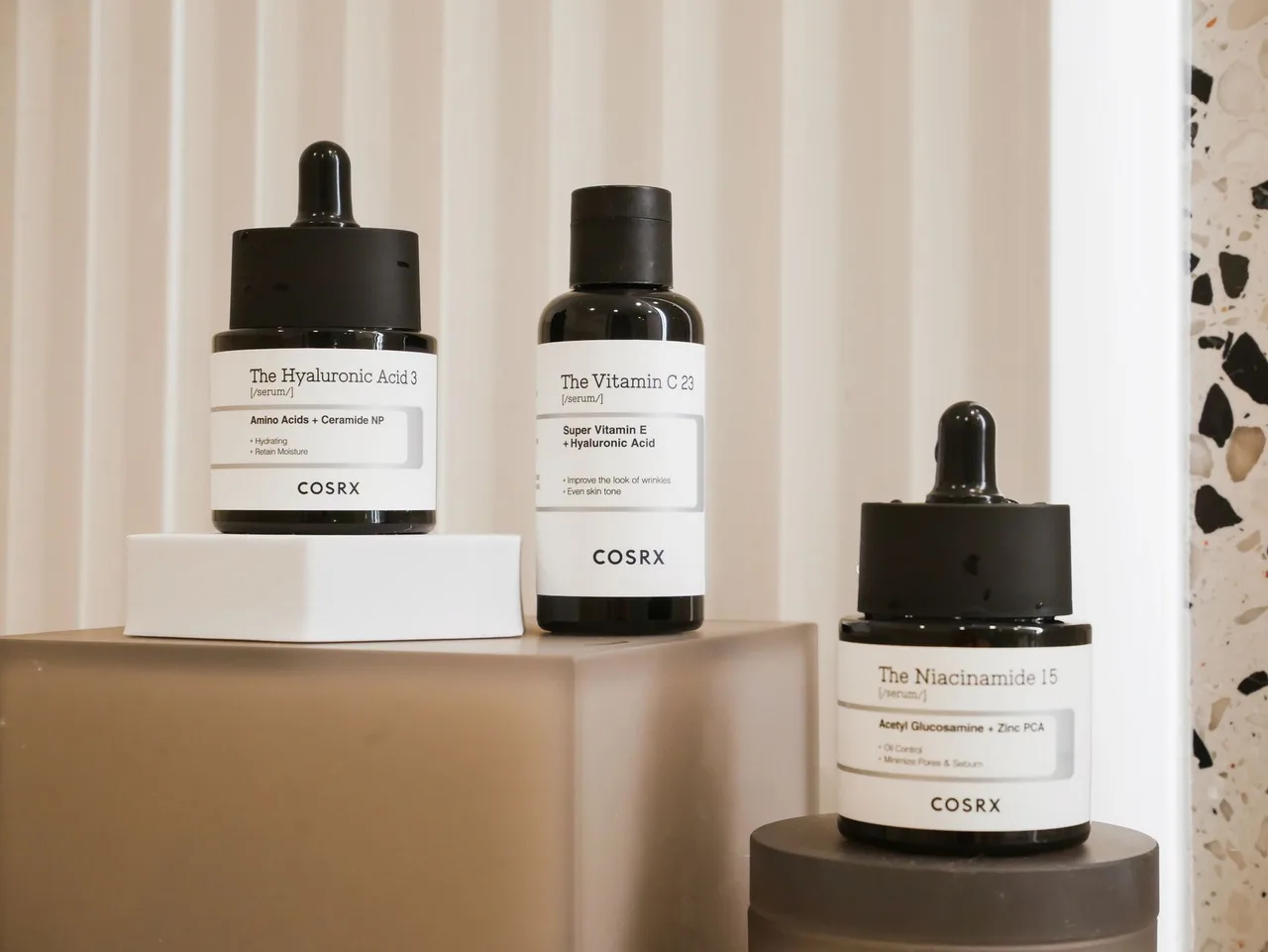
The first Olive Young I ever walked into was the two-floor one in Myeongdong, and I stood in the doorway for a second just taking it in. A staff member pressed a shopping basket into my hands before I'd said a word. Toners lined one wall, a sunscreen display the size of a small pharmacy filled another, and little baskets of sheet masks were stacked by every register. If you've watched K-beauty hauls online and wondered where all of it actually comes from, this is the place most of it comes from. Here's how the store works, what the products actually do, and how to walk out with the right few things instead of a bag full of guesses.
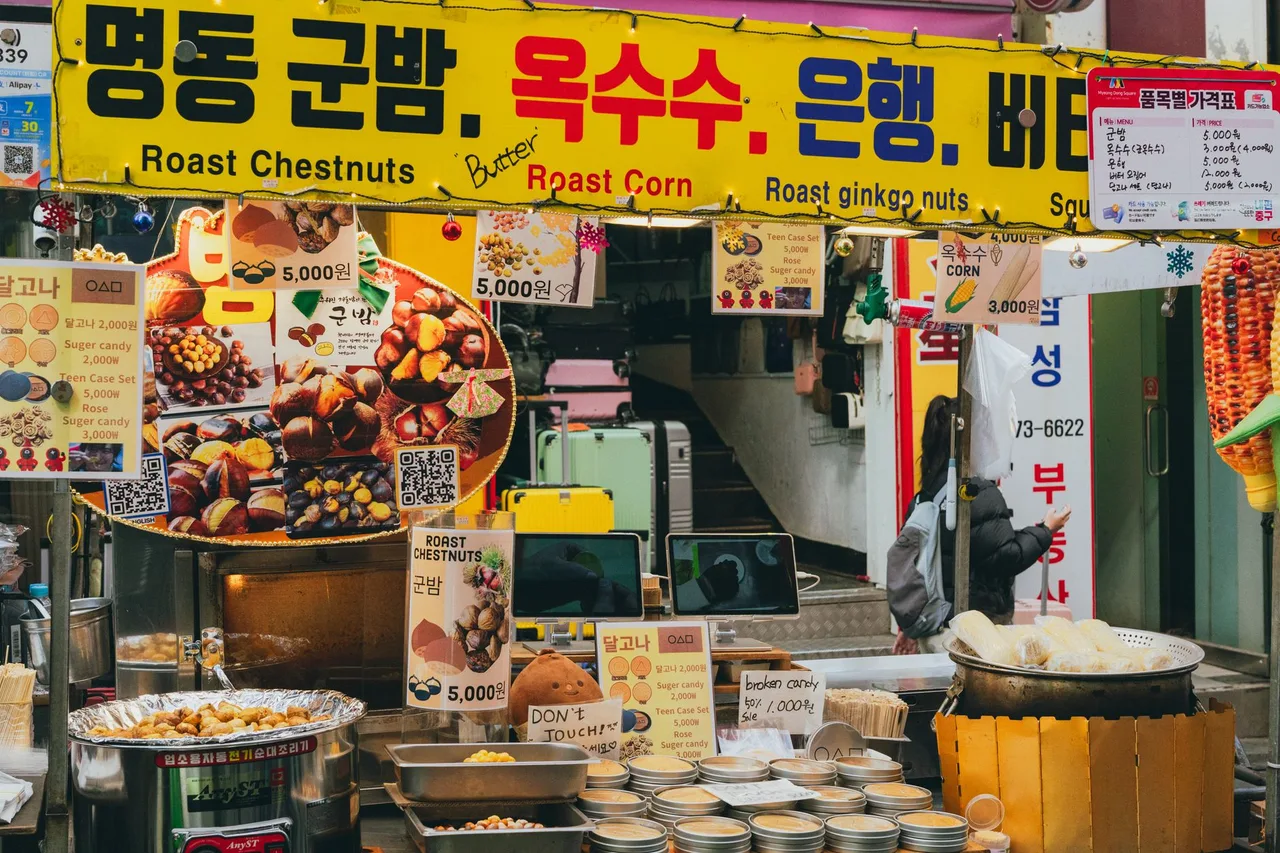
What exactly is Olive Young?
Olive Young is Korea's largest health and beauty chain, run by CJ Olive Young, with well over a thousand stores across the country. Think of it as the middle ground between a drugstore and a Sephora: affordable skincare, makeup, sunscreen, supplements, hair and body care, plus a rotating shelf of snacks and small gifts, all under one roof. Most Korean neighborhoods have at least one, and busy districts have several within a few blocks. For a first-timer the appeal is simple. Instead of tracking down individual brand stores, you get COSRX, Beauty of Joseon, Anua, Round Lab and dozens of others sitting side by side, so you can compare textures and prices in a single trip. The flagship to know is Olive Young Myeongdong Town, the largest branch in the country, spread over two floors in central Seoul and clearly built with foreign shoppers in mind. It carries the widest selection, keeps multilingual signage, hands out free samples, and runs a tax refund counter upstairs. One thing that surprises people: prices are consistent chain-wide, so a small neighborhood store charges the same as the flagship. The only real difference is selection and crowds. If you want calm, duck into a quieter branch. If you want everything in stock and staff who deal with tourists all day, the Myeongdong store earns the trip.
The K-beauty routine, minus the intimidation
You've probably seen the "10-step Korean skincare routine" headlines. Ignore the number. The routine most Korean friends I know actually run daily is four to six steps, and the logic behind it comes down to one rule: apply products thinnest to thickest, so each watery layer soaks in before a richer one seals it on top. Morning and night differ a little. In the morning you cleanse, hydrate with a toner, add a serum if you have a specific concern, moisturize, and finish with sunscreen, which Koreans treat as the one non-negotiable step. At night you swap the sunscreen for a more thorough cleanse and let treatment products work while you sleep. Everything else, the essences, ampoules, sheet masks and eye creams, is optional and layered in when you feel like it. For a beginner the honest starter kit is four items: a gentle cleanser, a hydrating toner, a simple moisturizer, and a good sunscreen. Get comfortable with those and you've covered the part that matters. The extra steps are refinements, not requirements. Olive Young is set up so you can start small and add pieces later, which beats committing to a shelf of bottles on day one and hoping your skin agrees with all of them.
Cleansers and the double-cleanse habit
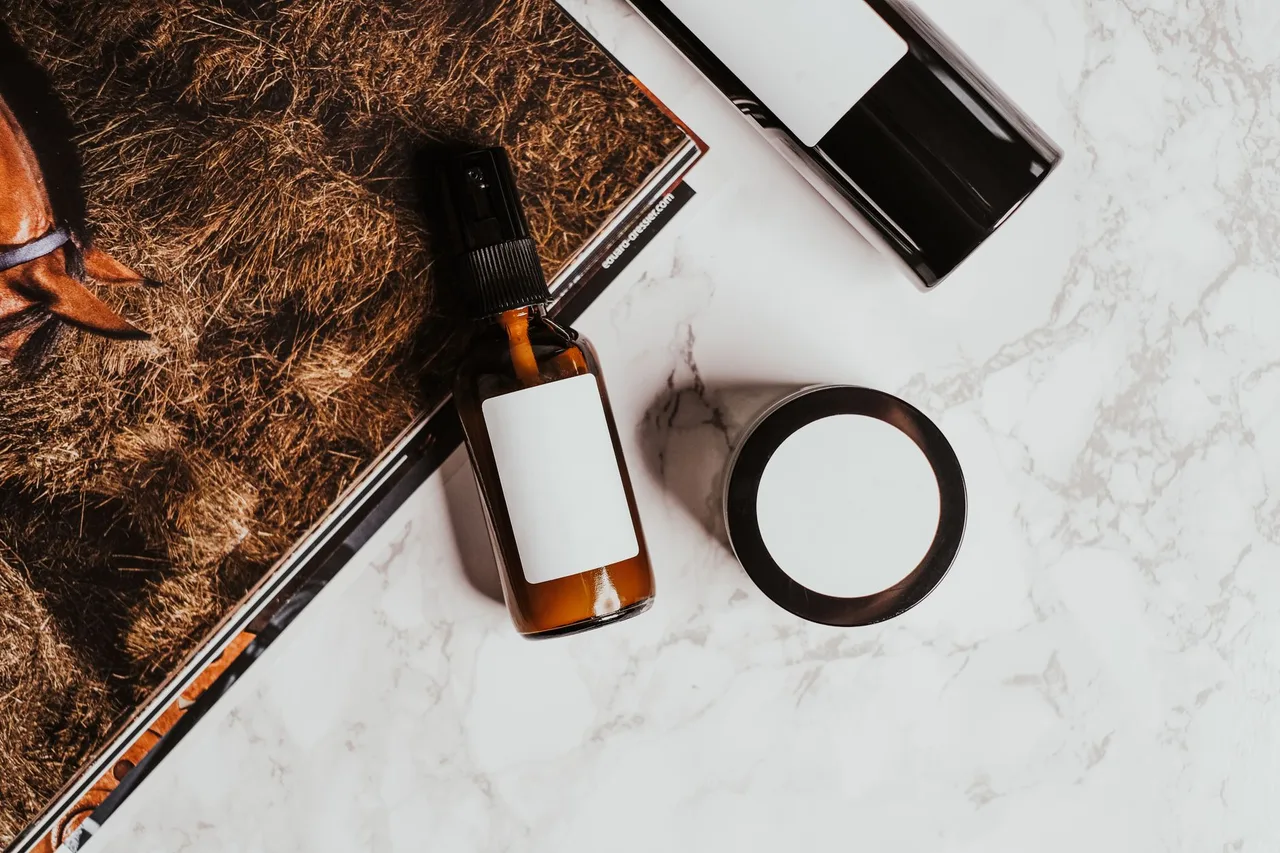
Cleansing is where the Korean routine quietly splits into two steps at night, and it's worth understanding before you buy. Double cleansing means using an oil-based cleanser first, then a water-based one. The oil cleanser, usually a balm or a light oil, breaks down sunscreen, makeup and the sebum that water alone can't shift. You massage it onto dry skin, add a little water so it turns milky, then rinse it clean. The second cleanser, a gel or foam, washes away whatever's left and resets the skin. In the morning most people skip the oil step and just use the gentle cleanser, or simply splash with water. The reason this matters in Korea specifically is the sunscreen. Korean sunscreens are formulated to stay put, which is great for protection and stubborn to remove, so the oil cleanse genuinely earns its place. On the Olive Young shelves you'll find balm cleansers in tubs, cleansing oils in pump bottles, and low-pH gel cleansers designed not to strip the skin. Banila Co, Beauty of Joseon and Anua all make well-liked oil or balm cleansers, and a mild foaming cleanser from almost any of the big brands covers the second step. None of this is expensive, and a good cleanser is the least glamorous but most reliable thing you can buy here.
Toner, essence, serum: the hydration layers
This is the heart of a K-beauty haul, and the shelves can look overwhelming until you know what each thing does. Toner in Korea isn't the harsh astringent your grandmother used. It's a watery, hydrating layer that preps the skin. The most famous ones are Round Lab's 1025 Dokdo Toner, buffered with deep-sea mineral water for plain, gentle hydration, and Anua's Heartleaf 77% Toner, built around heartleaf extract to calm redness and soothe irritation. Some By Mi's AHA BHA PHA 30 Days Miracle Toner is the exfoliating option, using mild acids to smooth texture over time rather than in one go. Essence and serum come next in the stack. An essence is lighter and mostly about hydration, while a serum is more concentrated and aimed at a goal like brightening or plumping. The one nearly everyone brings home is COSRX Advanced Snail 96 Mucin Power Essence, which uses filtered snail mucin to support the skin barrier and leave a dewy finish. Torriden's Dive-In serum, a low-molecular hyaluronic acid formula with a short, clean ingredient list, has become a beginner favorite for exactly that reason. My honest advice: pick one toner and one serum to start. Layering five actives onto unfamiliar skin is how you end up red and irritated, not glowing, and it makes it impossible to tell which product actually did anything.
Moisturizer and the sunscreens everyone flies home with
Moisturizer seals in the hydration underneath it, and Korean formulas skew light, running from gel-creams for oily skin to richer ceramide creams for dry or winter skin. Torriden, Illiyoon and Round Lab all make dependable, affordable ones, and plenty of first-timers just ask a staff member for a match to their skin type. Then there's sunscreen, the category Olive Young is quietly famous for. Korean sunscreens cracked the problem Western ones struggled with, which is high protection without the greasy feel or the chalky white cast. The standout is Beauty of Joseon Relief Sun, a rice and probiotics SPF50+ that goes on like a light serum and became one of Korea's most exported beauty products of the decade. Round Lab's Birch Juice sunscreen is another crowd-pleaser, and for a fresher gel texture people reach for Isntree's Hyaluronic Acid Watery Sun Gel or Skin1004's Centella sun serum if their skin runs sensitive. These cost noticeably less here than abroad, which is why you'll see travelers grabbing three and four at a time. Buy a couple, not ten. Sunscreen carries an expiry date and slowly loses effectiveness once opened, so stock what you'll realistically use within a year rather than filling a suitcase.
Sheet masks and spot care
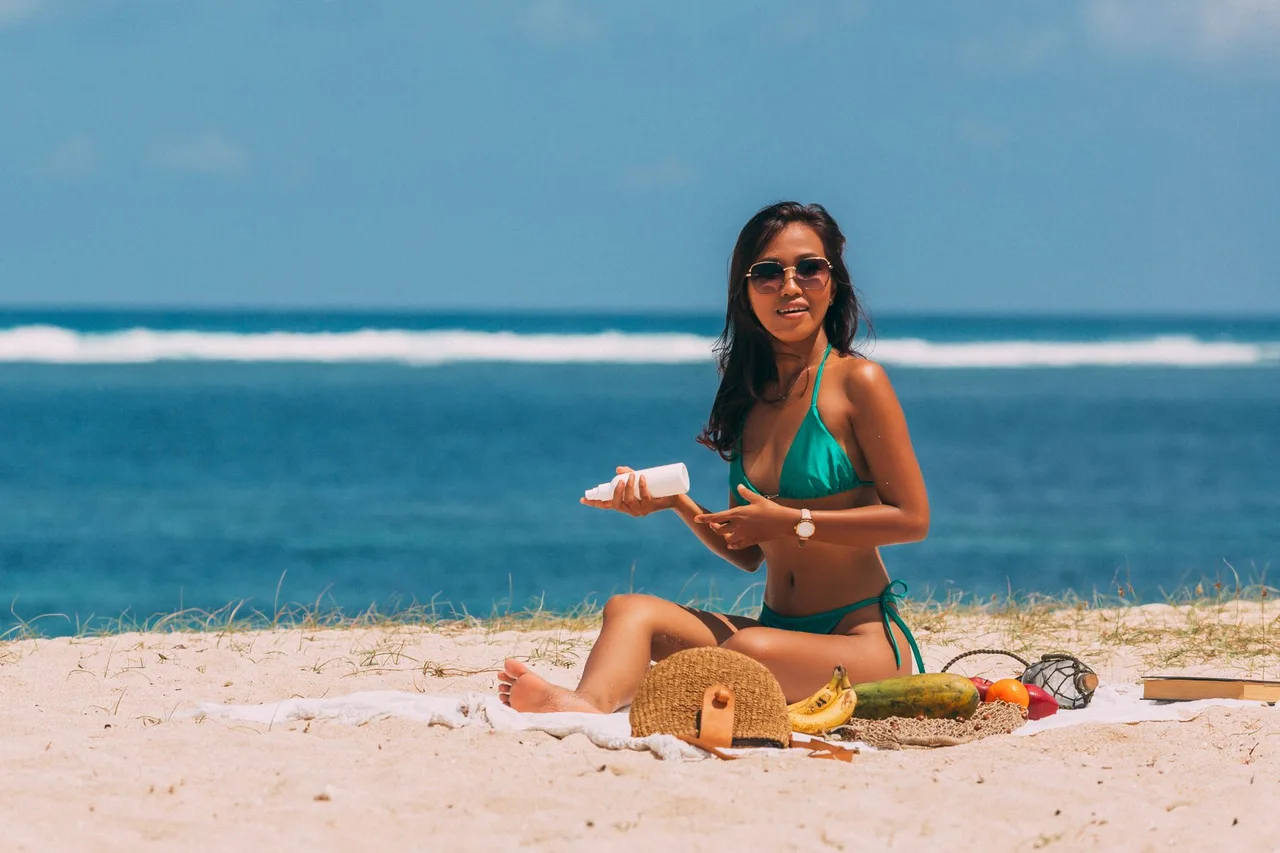
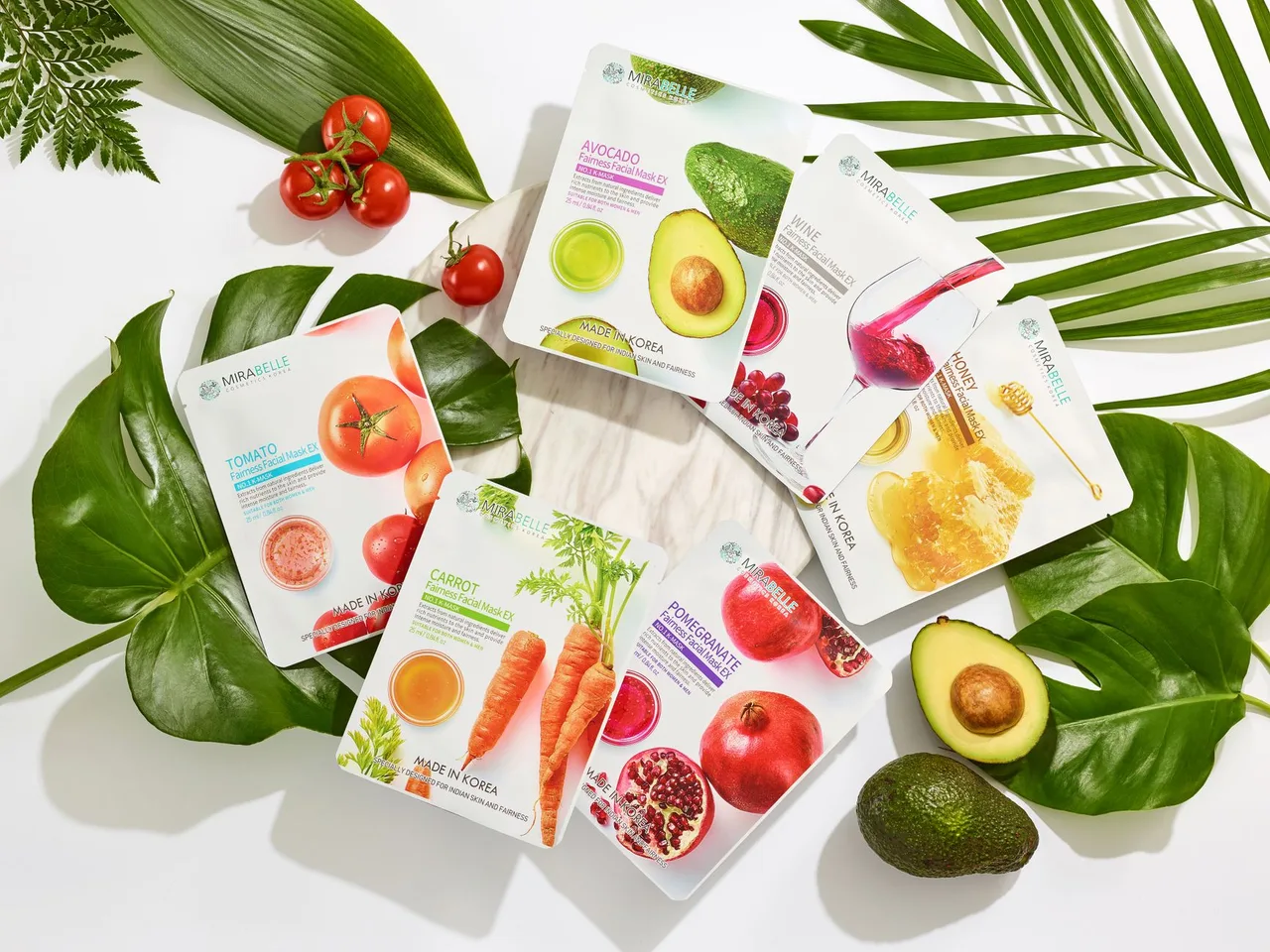
Sheet masks are the cheap thrill of any Olive Young run, often ₩1,000 to ₩3,000 each, and they're the easiest souvenir to justify buying for other people. They're single-use cotton or hydrogel sheets soaked in essence that you lay over your face for fifteen or twenty minutes. Mediheal is the household name and sells masks by the box, while Numbuzin's numbered serum masks are popular for a more treatment-like sheet. Buy a small stack in a few different types rather than one of everything, and check whether there's a box-of-ten deal, which usually beats the single-sheet price. Spot care is the other quiet hero of the aisle. If a blemish shows up mid-trip, COSRX Acne Pimple Master Patch is the little hydrocolloid sticker Koreans swear by. You press one on overnight, it draws out the spot and, just as usefully, stops you picking at it. Some By Mi makes a similar clear spot patch. Neither costs much and both flatten into a pocket or a carry-on. Masks and patches are also the lowest-risk way to experiment, since a single one is pocket change, so they're a smart way to test a brand's feel before you commit to a full-size bottle. Grab a handful, try them across a week, and keep the ones your skin actually likes.
The beginner brands worth knowing
Here's a quick map of the names you'll see repeated, so the shelves feel less random. COSRX is the barrier-and-blemish workhorse, best known for the snail mucin essence and the pimple patches. Beauty of Joseon leans into gentle, rice-based formulas and that hero sunscreen. Anua and Round Lab are the calm-hydration brands, heartleaf and Dokdo toner respectively. Torriden does clean, minimal hyaluronic acid products with short ingredient lists. Numbuzin numbers its whole lineup so you can shop by concern, and its sheet masks travel well. Medicube is the higher-tech, results-focused option, the brand behind the buzzy PDRN and exosome launches. Isntree and Skin1004 are both strong for sunscreens and Centella-based soothing products for reactive skin. Some By Mi is the acne-and-exfoliation specialist behind the Miracle Toner. None of these are luxury labels, and that's rather the point. Most are affordable, widely stocked, and formulated for everyday skin instead of a magazine promise. If you only remember three names, make them COSRX, Beauty of Joseon and Anua, and you'll have cleansing, sun protection and hydration covered between them. From there, ask a staff member or read the little English shelf cards that many Olive Young stores now print for their most popular items.
How to shop as a foreigner: tax refund, English, and stores
Olive Young is one of the easier places in Korea to shop without a word of Korean. Spend ₩15,000 or more in a single visit, show your physical passport at the register, and you get an immediate tax refund of roughly 5 to 7 percent taken straight off the total, so there's nothing to claim later at the airport. A photo of your passport on your phone won't do it. They need the real document in hand. A few categories like sanitary products are excluded, but general skincare and makeup qualify. At the Myeongdong Town flagship the tax refund desk sits on the second floor in the Service Lounge, and the staff there handle tourists all day long. English is manageable across the chain. Signage in tourist districts is multilingual, many shelf tags carry English product names, and staff are used to pointing, translating and steering you toward the right shelf. Payment is easy too, with foreign credit cards accepted almost everywhere. For the rest of your trip, a Korea travel card keeps transit and small purchases simple. The Myeongdong store also sits in the middle of one of Seoul's busiest shopping and eating districts, so it pairs naturally with a wander through the night market. Our Korean street food guide covers the stalls working right outside the door. If your schedule allows, go on a weekday morning, because evenings and weekends turn the flagship into a slow shuffle.
A few things worth knowing before you go
Two habits will save you money and regret. First, buy small and buy for your actual routine. It's tempting to sweep an armful of viral products into the basket, but skincare works better when you add one new thing at a time and can tell what helped and what broke you out. Second, treat prices as a moving target. Most of the popular items land somewhere between ₩10,000 and ₩25,000 and are genuinely cheaper here than overseas, but sales, brand promotion days and the ever-changing bestseller wall mean the exact number shifts week to week. Check the shelf tag, watch for the frequent brand discount events, and use the ₩15,000 tax refund threshold as a natural basket size. Start with a cleanser, a toner, a moisturizer and a sunscreen, throw in a couple of sheet masks for fun, and you'll leave with a real Korean routine instead of an overwhelmed suitcase. The rest you can always come back for. If you're anything like me, you will.
Frequently asked questions
Is Olive Young cheaper than buying K-beauty abroad?
Generally yes. Most popular skincare items run about ₩10,000 to ₩25,000 and cost less than the same products overseas, and foreigners get an immediate tax refund of roughly 5 to 7 percent on purchases over ₩15,000. Prices move with sales, so check the shelf tag.
Can foreigners get a tax refund at Olive Young?
Yes. Spend ₩15,000 or more in one visit and show your physical passport at the register for an immediate refund of about 5 to 7 percent, deducted on the spot. A photo of your passport isn't accepted, and a few items like sanitary goods are excluded.
What should a K-beauty beginner buy first?
Start with four things: a gentle cleanser, a hydrating toner, a simple moisturizer, and a sunscreen. That covers the core routine. Add a serum such as COSRX snail mucin essence and a few sheet masks once you know how your skin reacts.
Where is the best Olive Young to visit in Seoul?
Olive Young Myeongdong Town is the largest branch, with two floors, the widest selection, multilingual signage, and a tax refund counter on the second floor. Prices are the same chain-wide, so any branch works, but the flagship is the most tourist-friendly.
Do I need to speak Korean to shop at Olive Young?
No. Stores in tourist areas have multilingual signage and English product names on many shelf tags, and staff are used to helping foreign shoppers. Foreign credit cards are accepted almost everywhere.
Sources
This guide was researched using the references below. Prices and times change, so confirm anything time-sensitive on the official page before you rely on it.
Related guides
- Busan International Film Festival: A Visitor's GuideYour comprehensive guide to attending the Busan International Film Festival, including dates, venues, ticketing, and travel tips.
- Korean movies to watch in 2026Explore the standout Korean films of 2026, from historical dramas to innovative thrillers, and discover the industry's evolving trends.
- Korean dramas in 2026: top picks and trendsExplore the standout Korean dramas of 2026, from high-rated series to emerging trends and must-watch titles.
- K-pop groups: a guide for international fansAn in-depth look at the most influential K-pop groups in 2026, their achievements, and the evolving landscape of the genre.
- KPop Demon Hunters: what the record-breaking film got rightThe 2025 Netflix film became the platform's most-watched title and won Best Animated Feature. What it borrowed from real K-pop, and what to watch next.
- Where to buy K-pop albums, photocards, and merch in SeoulA comprehensive guide to the best places in Seoul to purchase K-pop albums, photocards, and merchandise, including major record stores, entertainment compa