Korean street food: what to eat and where
A first-person guide to Korean street food: what tteokbokki, sundae, mayak gimbap and hotteok are, real won prices, and Seoul's best markets.
By Jae Park · Updated Jul 15, 2026
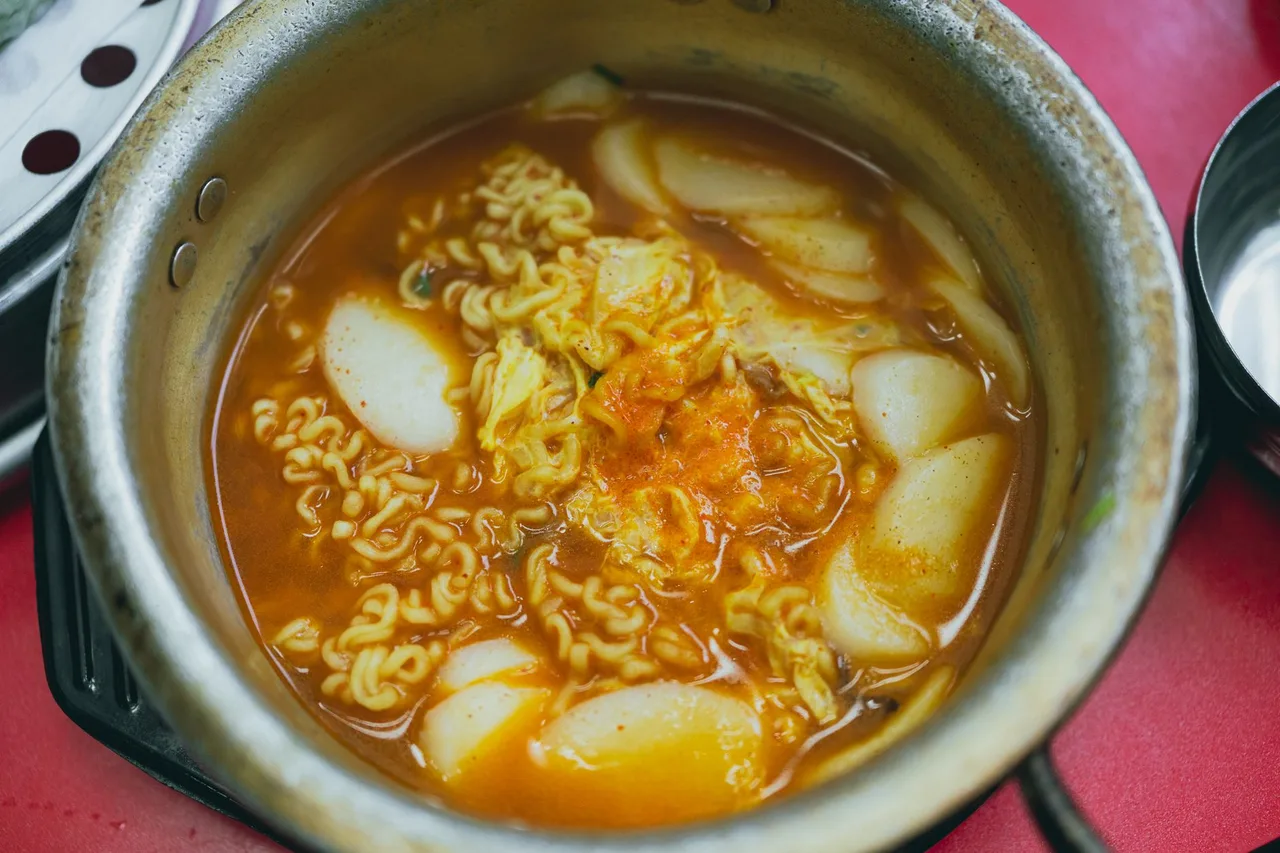
The first time I watched two drama leads split a plate of tteokbokki under an orange plastic tent, I didn't really get why the scene felt so intimate. Then I stood at a real pojangmacha in Seoul near midnight — soju on the crate, fish-cake broth steaming, strangers packed in elbow to elbow — and it clicked. Street food is where Koreans actually live, after work and after a night out. If you fell for Korea through Crash Landing on You or a Jungkook livestream, the carts are where the fantasy turns edible. Here's what to order, where to find it, and roughly what you'll pay.
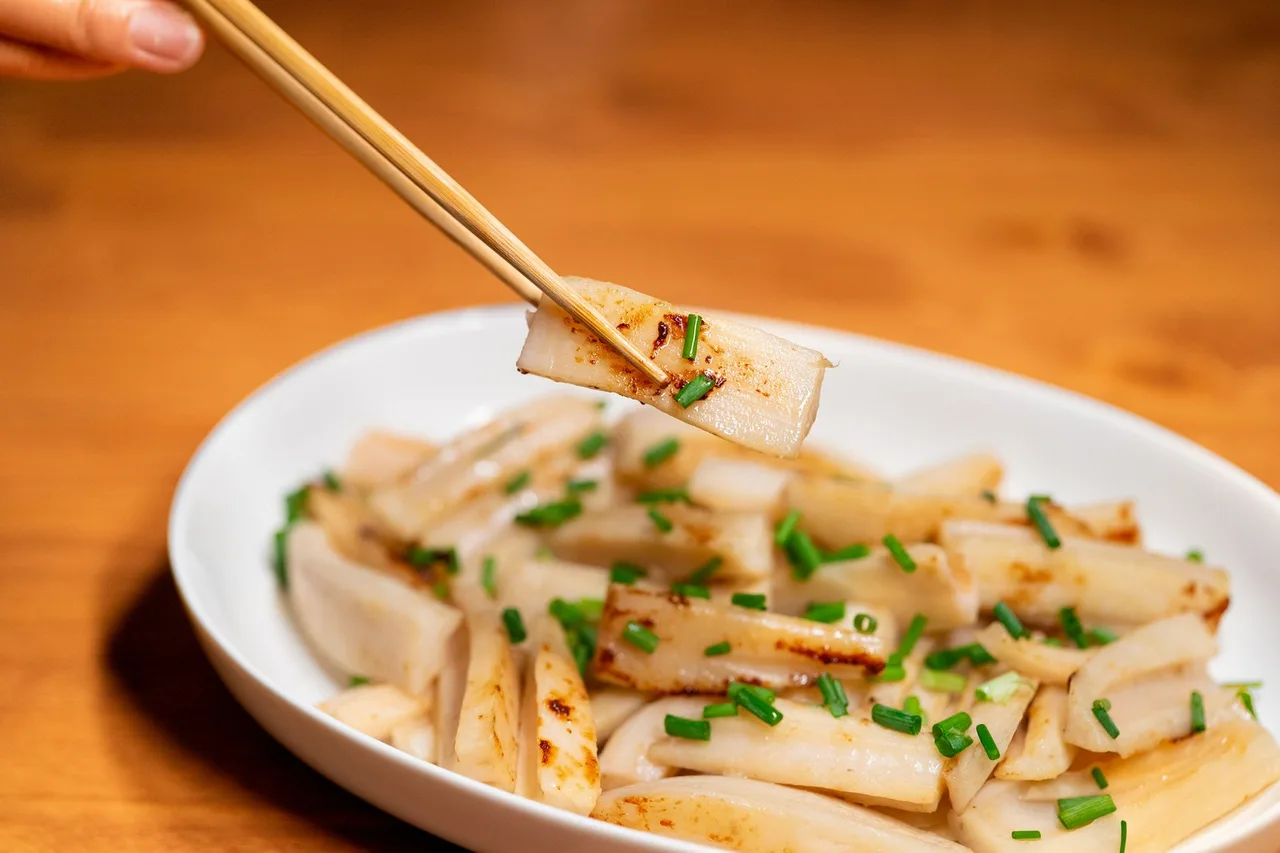
Tteokbokki: the snack that owns every drama scene
Tteokbokki is where most people start, and for good reason. Finger-thick cylinders of rice cake go into a wide pan of gochujang sauce with fish cake and scallion, then simmer until the sauce turns glossy and clings to everything. It reads sweet first, then the chili builds. The version everyone knows is younger than you'd think. Court records describe a mild, soy-braised tteokbokki once eaten by royalty, but the red, spicy one traces to Ma Bok-rim, who in 1953 reportedly dropped a rice cake into black-bean sauce at a restaurant opening, tasted it, and started seasoning tteok with gochujang instead. She sold it in Sindang-dong, and that lane grew into a cluster of tteokbokki restaurants that still runs today.
K-pop turned it into a mood. Idols from SEVENTEEN's Joshua to MAMAMOO's Solar name it as their comfort food on livestreams, and half the mukbang clips you've seen feature a bubbling red pan. A plate at a market stall runs about ₩4,000 to ₩5,000. Order it as part of tteok-twi-sun — tteokbokki, twigim, and sundae on one tray for roughly ₩10,000 to ₩13,000 — and you've got the classic trio in one go. If you can't take heat, ask for it deol maepge, or less spicy; most stalls will nod.
Twigim and odeng: the sidekicks and the free broth
Twigim is Korean tempura, and it's the thing you point at when the tteokbokki needs a partner. Squid rings, shrimp, sweet potato slices, whole chilies, and gimmari — glass noodles rolled tight in seaweed and fried — sit in a glass case beside the pan. You pick, they cut it up, and it usually goes straight into the leftover tteokbokki sauce. Pieces run around ₩1,000 to ₩2,000 each.
Next to the twigim you'll almost always find odeng, also called eomuk: flat sheets of fish cake folded onto skewers and kept hot in a pale anchovy-and-radish broth. One skewer is about ₩500 to ₩1,000. Here's the part first-timers miss. The broth is free and self-serve. Grab a paper cup, ladle some out, and drink it between bites. On a cold night it's the whole point, and refilling is expected.
The word oden gives away the history; the dish came from Japan and picked up a Korean name and a Korean broth. What surprised me most is how social the odeng cart is. People stand shoulder to shoulder around it, eat two or three skewers, drop their coins, and move on without ever sitting down. If you want a quick, cheap, warming bite between shopping stops, this is it. Keep your used skewers, too, because most stalls count them to tally your bill.
Sundae: Korea's blood sausage, and why it isn't scary
Sundae scares people off by description and wins them over by taste. It's a blood sausage: pig intestine stuffed with sweet-potato glass noodles, a little pork, and pig's blood, then steamed and sliced into dark, springy rounds. The glass-noodle-heavy version you see everywhere became standard after the Korean War, when meat was scarce and vendors stretched the filling with cheap dangmyeon. It doesn't taste of iron the way you might fear. It's mild, savory, and a bit chewy.
In Seoul it comes with a small pile of salt and black pepper for dipping, and often a few slices of steamed liver and lung on the side. If offal isn't your thing, wave those away and keep the sausage. A portion runs about ₩6,000 to ₩9,000. Ask for it as sundae, and if you want the stir-fried version — sundae-bokkeum, tossed with vegetables and gochujang on a hot plate — say that instead; it's spicier and meant for sharing.
I'll be honest: I skipped sundae for my first three trips because the photos put me off. A friend finally made me try it at a Sillim-dong stall, and now it's the first thing I order when the weather turns. If you're building a street-food education, don't leave it for last. Pair it with the free odeng broth and you've got a full, warming plate for under ₩10,000.
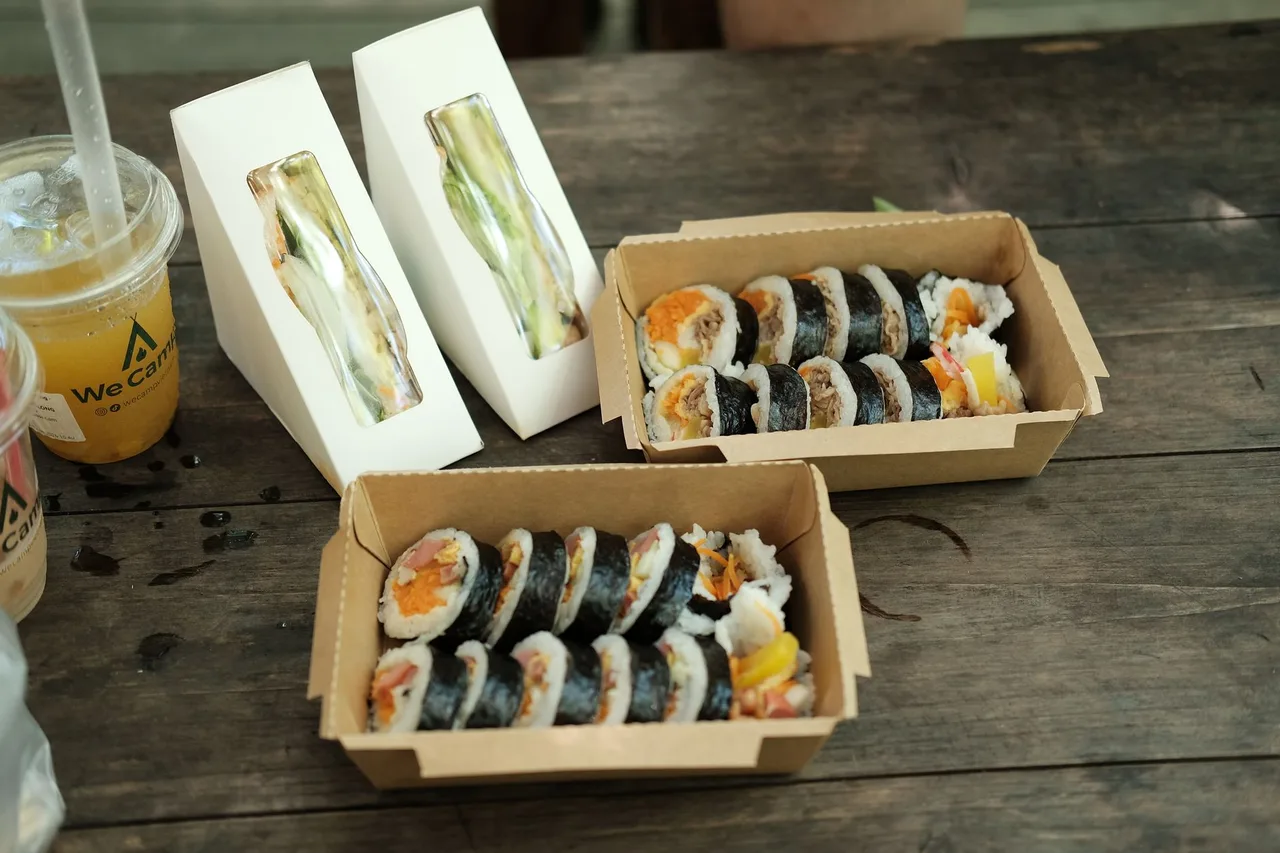
Mayak gimbap and the roll that started at Gwangjang
Gimbap — rice and fillings rolled in seaweed and sliced — is Korea's picnic food, lunchbox food, and hangover food. Its family tree is tangled. It owes something to Japanese norimaki brought over during the colonial period, and something to older Korean habits of wrapping rice in laver. Skip the debate and order the market version.
At Gwangjang Market you'll see stalls piling up tiny rolls no thicker than a thumb: mayak gimbap. Mayak means 'narcotic,' and the name is a joke about how addictive they are with their sweet, tangy hot-mustard dip. The story goes that one shop in the market started tacking 'mayak' onto the name, and it stuck so hard that officials have since floated discouraging drug references in food names. A plate of eight to ten rolls runs about ₩4,000 to ₩6,000, and the mustard sauce is the whole trick — vinegar, sugar, soy, and a hit of Korean mustard that clears your sinuses.
Eat them with your fingers, dunk generously, and don't be shy asking for more sauce. They're small on purpose; you're meant to inhale a plate while standing. If you try one thing at Gwangjang beyond the pancakes, make it these. They travel well, too. I've bought a pack for the train and regretted nothing.
Gwangjang Market: how it works and what it costs
Gwangjang Market opened in 1905 as Korea's first permanent market, and it's still the best single place to eat your way through this list. Netflix's Street Food: Asia put it on the global map in 2019, and that fame is a double-edged sword. The stall the show featured now draws long lines and charges a premium; step one aisle over and you'll pay a third of the price for the same bindaetteok.
Bindaetteok is the market's signature — mung beans ground on a stone mill, mixed with pork and vegetables, and fried into a crisp, heavy pancake. It runs roughly ₩5,000 to ₩8,000, best eaten hot off the griddle with a splash of soy-vinegar and raw onion. The other Gwangjang icon is yukhoe, hand-cut raw beef seasoned with sesame oil, if you're feeling adventurous. Between mayak gimbap, tteokbokki, a pancake, and a beer, budget ₩10,000 to ₩15,000 for a loose afternoon of grazing, or ₩20,000 to ₩30,000 if you go hard.
A few practical notes. Go hungry, and go mid-afternoon on a weekday if you can, because weekends are shoulder to shoulder. Many stalls are cash-first, so carry small bills. Sit at a counter, order a couple of things, and don't try to see the whole market. Pick a food alley and settle in. It's the closest thing Seoul has to a living food museum, and it rewards slowing down.
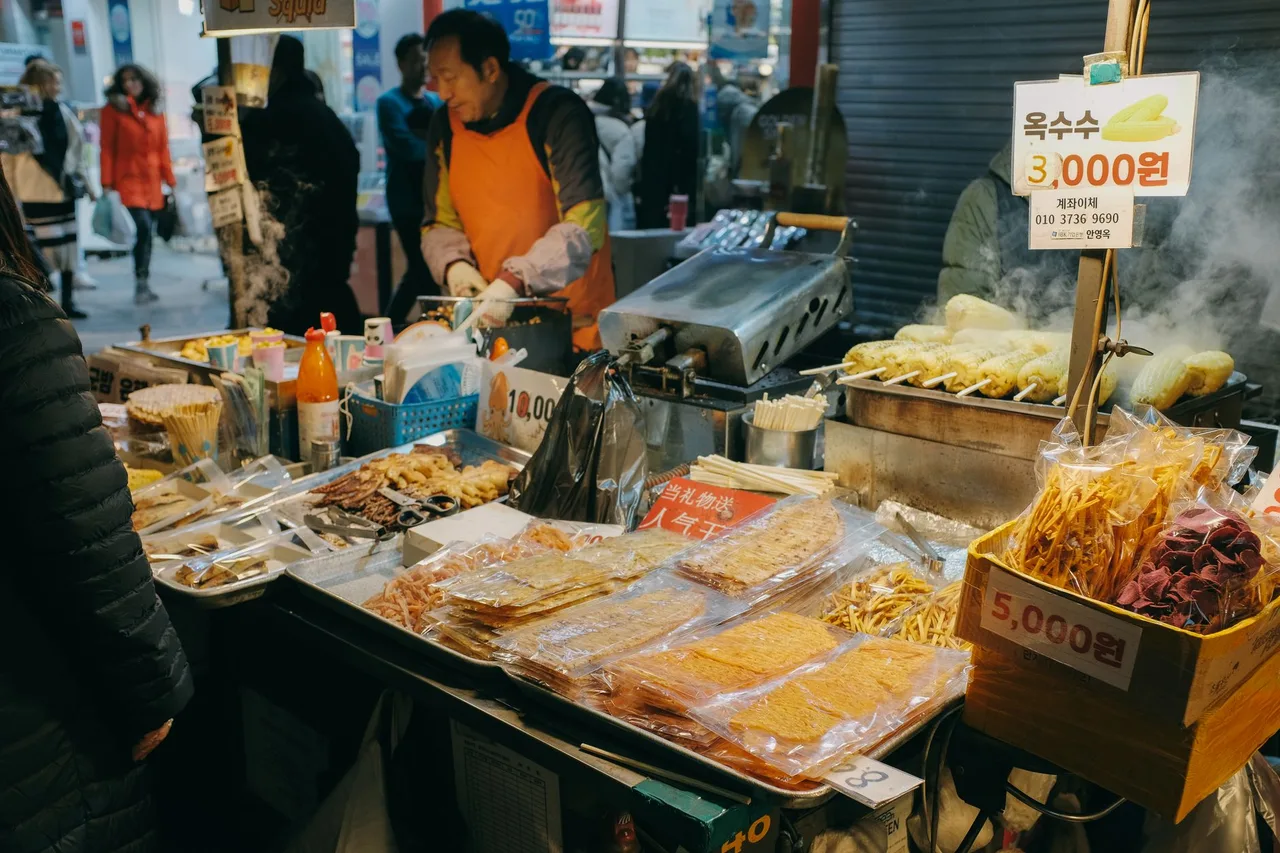
Cold-weather sweets: hotteok, bungeoppang, gyeranbbang
When the temperature drops, a different set of carts appears, and this is my favorite season to eat outside. Hotteok is the headline: a yeasted pancake stuffed with brown sugar, cinnamon, and crushed nuts or seeds, pressed flat on an oiled griddle until the filling melts into hot syrup. It came to Korea with Chinese merchants in the late 1800s and never left. Busan's seed-packed ssiat hotteok is worth a detour. Expect ₩1,000 to ₩2,000, and let it cool a second, because the sugar inside is molten.
Bungeoppang is the fish-shaped one, a crisp waffle-batter shell filled with sweet red bean, sometimes custard. It descends from Japanese taiyaki that arrived during the occupation and took off after the war when wheat flour got cheap. You'll pay about ₩1,000 for two or three, and locals half-joke about which neighborhoods are lucky enough to have a cart nearby in winter.
Gyeranbbang, egg bread, is the savory-sweet outlier: a small loaf of muffin-style batter with a whole egg baked into the top. It reportedly started near Inha University in Incheon in 1984, when a vendor swapped red-bean filling for an egg to feed cold, broke students something more filling. One runs about ₩2,000 and eats like breakfast. All three are winter things — carts run roughly November through March — so time your trip if these are the reason you came.
Myeongdong at night: the market built for first-timers
Myeongdong is the street food strip built for visitors, and I mean that as both a recommendation and a warning. Come evening, the pedestrian lanes fill with carts selling gyeranbbang, grilled squid, tornado potatoes on a stick, cheese-topped everything, and the showpiece — grilled lobster halves buried in melted cheese. It's photogenic, it's easy, and it's pricier than a traditional market.
Rough numbers: gyeranbbang around ₩2,000, a tornado potato about ₩4,000, and that cheese lobster ₩15,000 to ₩18,000. Plan on ₩20,000 to ₩30,000 to eat through the strip properly. The quality is fine rather than transcendent, and portions are aimed at people snacking while they shop, not at a sit-down meal.
So why go? Because it's central, it runs late, the English is easy, and you can try ten things in one lap without committing to a full plate of anything. If it's your first night in Seoul and you're jet-lagged, Myeongdong is a gentle on-ramp. Just know the carts near the main junctions charge the most, and prices drift up during peak tourist season. My routine: do one slow loop, note what looks freshest, then double back for the two or three things worth the money. Save your serious eating for Gwangjang or a neighborhood pojangmacha, and treat Myeongdong as the sampler platter it is.
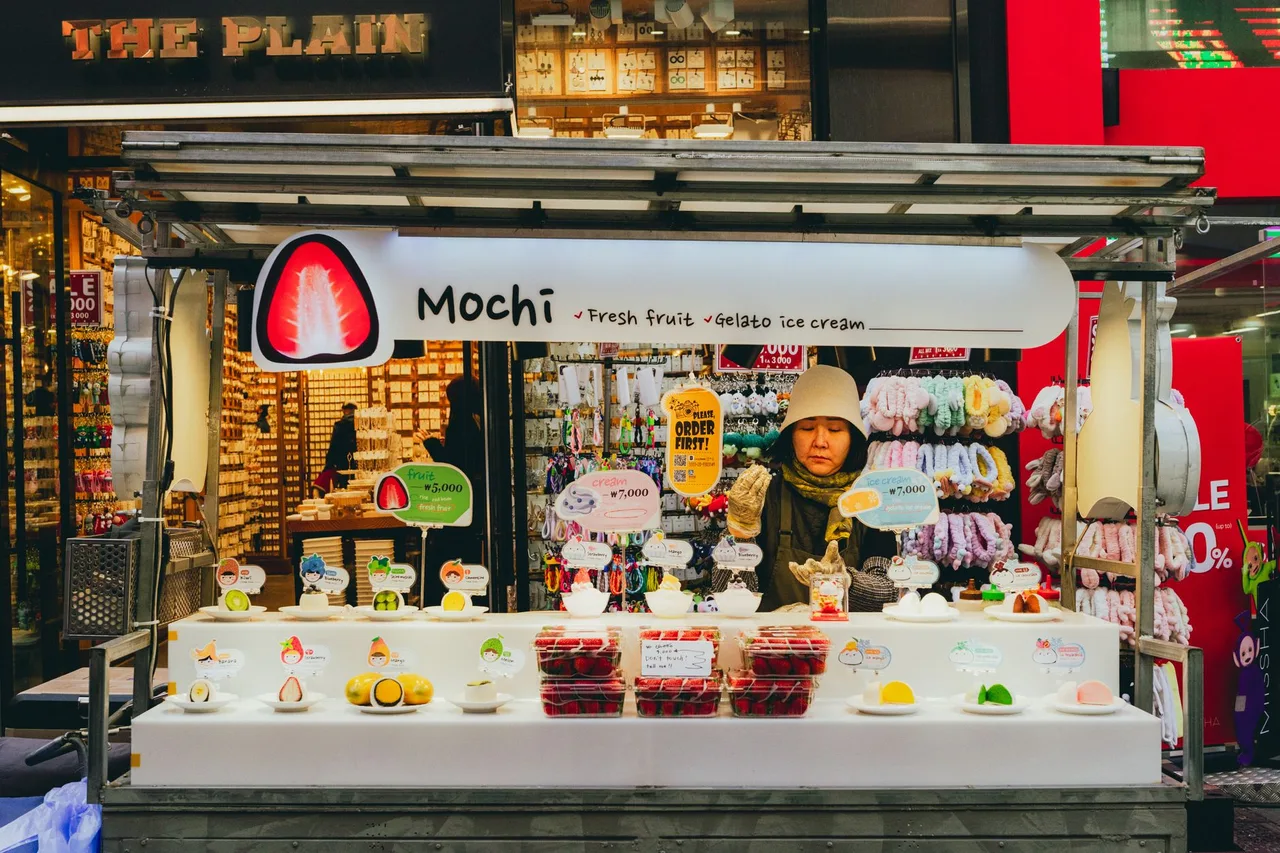
Tongin Market and the brass-coin lunchbox
Tongin Market runs the most charming gimmick in Seoul street food, and it's genuinely fun. Since 2012 the market has sold yeopjeon — old-style brass coins — that you spend at participating stalls instead of cash. You swap won for a tray of coins at the info desk, walk the market picking small portions, and drop coins into each vendor's tin as you go.
Here's how it works. A ₩5,000 set gets you around ten coins; ₩10,000 gets you roughly twenty, and the exchange runs slightly in your favor. Most dishes cost one to three coins, so you assemble a custom tray — a fritter here, a few tteokbokki there, some jeon, a scoop of japchae. You carry it up to the communal dining room on the second floor, where rice and soup are included, and eat. Leftover coins get changed back to cash at the same desk.
Times matter. The coin system generally runs Tuesday to Sunday, roughly 10:30am to 2:30pm, and it shuts when the food sells out, so weekends reward early birds. It's a small, local market a short walk from Gyeongbokgung Palace, which makes it an easy pairing with a morning of sightseeing. For families, or anyone who freezes up ordering in Korean, the coin format takes the pressure off. You point, you pay a coin, you move on. I've sent nervous first-timers here, and they always come back grinning.
How to order without stress
A few habits make street eating smoother. Carry cash in small bills, because plenty of carts still don't take cards, though tap-to-pay is spreading. The big markets sit a few subway stops apart, so it's easy to graze at Gwangjang, then ride over to Tongin or Myeongdong the same afternoon.
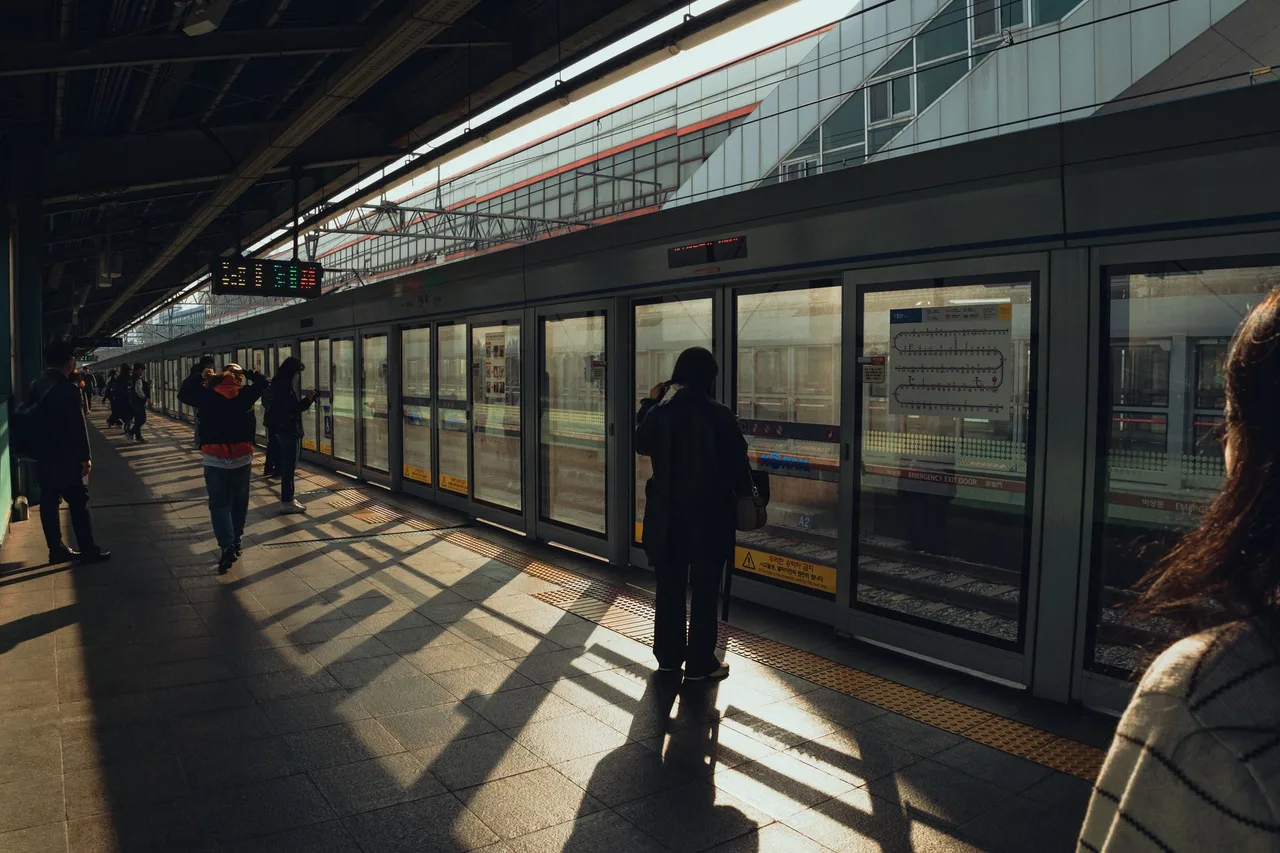
Standing and eating at the stall is normal, and so is splitting one plate between two people. Point if your Korean runs out, and learn a couple of phrases before you go. Seasons matter more than you'd expect: hotteok, bungeoppang, and gyeranbbang are winter carts, grilled and fried things run all year, and markets are calmest mid-afternoon on a weekday. Treat every price here as a friendly ballpark — street food creeps up a little each year and shifts stall to stall, so check the posted number or ask before you order.
If you want to go deeper, start with what to order as a first-timer and how to read a Korean menu, keep a few survival Korean phrases in your pocket, and browse the rest of our food and dining guides. Then go get in line behind the ajummas. They always know the best stall.
Sources
This guide was researched using the references below. Prices and times change, so confirm anything time-sensitive on the official page before you rely on it.
Related guides
- Korean recipes with ground beefExplore easy and flavorful Korean dishes using ground beef, from bulgogi bowls to kimchi mandu, perfect for quick meals.
- Korean BBQ options near Incheon AirportA guide to enjoying authentic Korean BBQ near Incheon Airport, including top restaurant recommendations and practical tips for travelers.
- Korean BBQ in Incheon: A guide for foreignersDiscover the best Korean BBQ spots in Incheon, understand local dining etiquette, and learn how to enjoy this culinary experience like a local.
- Korean BBQ in Seoul: A guide for first-time visitorsDiscover the essentials of enjoying Korean BBQ in Seoul, from ordering and etiquette to top restaurant recommendations and solo dining options.
- Korean chicken recipes to try at homeExplore a variety of Korean chicken dishes, from spicy stir-fries to comforting soups, with recipes and cultural insights.
- Easy Korean recipes for beginnersDiscover simple Korean dishes like kimchi fried rice and bulgogi that you can make at home with minimal ingredients and time.