Korean food in Seoul: a first-timer's eating guide
What to eat in Seoul and what it costs in 2026, from Gwangjang Market pancakes to Korean barbecue, coin lunchboxes, budget eats and vegan spots.
By Jae Park · Updated Jul 17, 2026
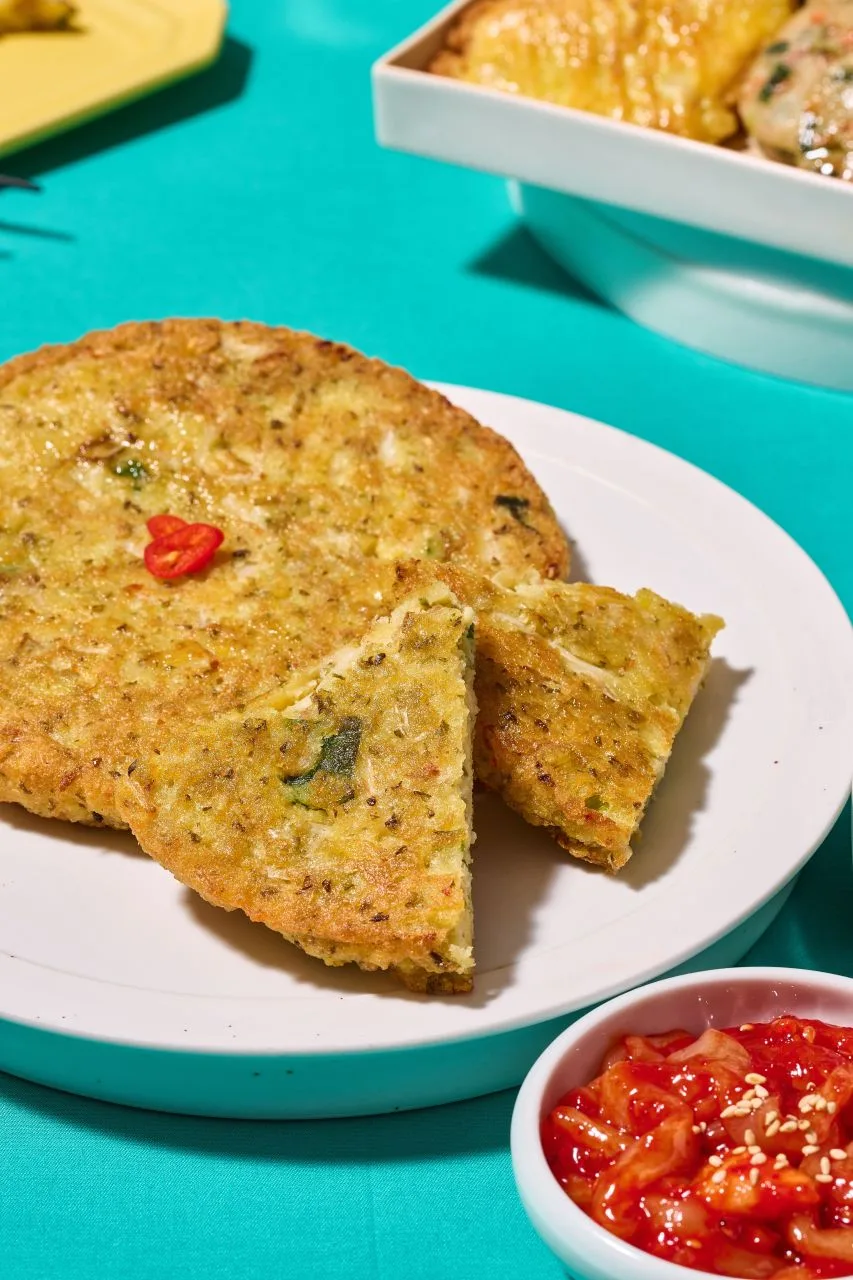
A mung bean pancake at Gwangjang Market costs about 5,000 won, roughly four dollars, and it comes off the griddle in a slick of oil no home kitchen can copy. That plate tells you a lot about how Seoul eats. It is cheap, it is loud, and the best version is usually made by someone who has cooked the same dish for thirty years. The prices below are current for 2026 and move with inflation, so read them as a guide, not a receipt.
Gwangjang Market is where I would send anyone first
Gwangjang opened in 1905, which makes it Seoul's oldest permanent market, and the food aisles still run on the same simple logic. You wander, you point, you sit on a stool. The signature dish is bindaetteok, a mung bean pancake ground fresh and fried to order, around 5,000 won a piece. Add mayak gimbap, thumb-sized seaweed rice rolls dipped in a mustard-soy sauce, at roughly 4,000 to 6,000 won a plate. The nickname mayak means "narcotic," which tells you how people feel about them. Yukhoe, hand-cut raw beef seasoned with sesame oil and pear, has its own row of stalls if you want something richer. The general market runs about 9 a.m. to 6 p.m., but the food alleys stay busy into the night, with many stalls open until 10 or 11. Go before noon or after 8 if you dislike crowds, because the middle of the day gets shoulder to shoulder. Take Line 1 to Jongno 5-ga Station and leave from Exit 8 or 9, which drop you near the food entrance. Bring cash. Some vendors take cards now, but the older ones prefer paper, and small bills move the line faster. If this is your first Korean market, our Korean street food guide breaks the dishes down stall by stall.
Korean barbecue and what you actually pay
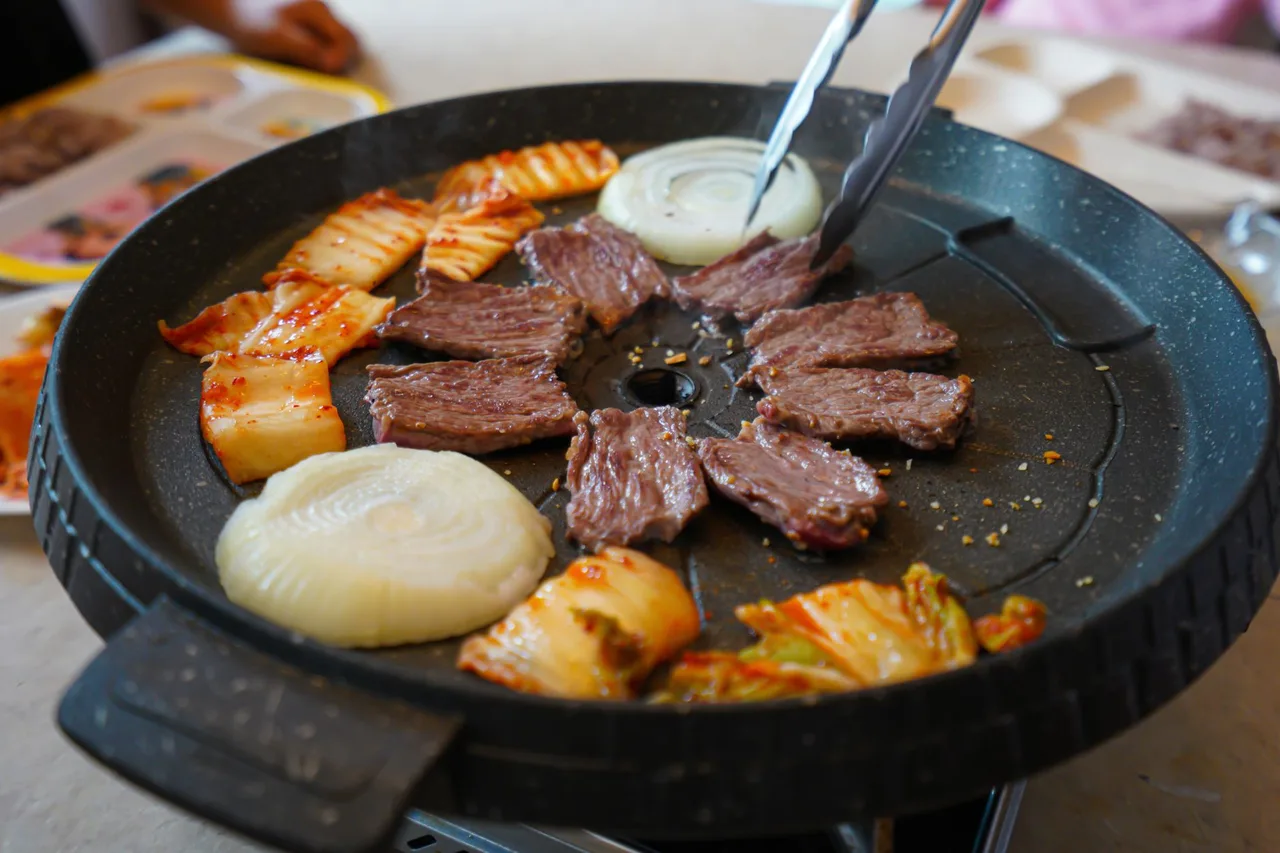
Samgyeopsal, thick-cut pork belly grilled at your table, is the meal most visitors picture, and the price has climbed. In 2026 a single pork belly serving in Seoul runs about 18,000 to 20,000 won for 150 to 200 grams, and the Korea Herald reported the 200-gram portion crossing the 20,000-won line at many restaurants. Because one order rarely fills anyone, plan on 1.5 to 2 servings per person. With rice, a stew, and a drink, a full dinner lands around 35,000 to 50,000 won a head. Neighborhood joints off the tourist streets still do it closer to 12,000 to 15,000 a serving. Beef costs more. Hanwoo, the native Korean breed, is prized and priced like it. At Wangbijib in Myeongdong, a barbecue standby since 2006, hanwoo sirloin runs about 45,000 won, pork belly sits near 19,000, and weekday lunch sets start around 15,000, which is the cheaper way in. At higher-end places the staff grill for you, so you can relax and eat. You wrap the meat in lettuce or perilla with garlic, a slice of grilled kimchi, and a dab of ssamjang. The side dishes, called banchan, are free and refilled on request. For the ordering vocabulary and the difference between cuts, our Korean BBQ 101 guide covers it.
Bibimbap and the rice bowls worth ordering
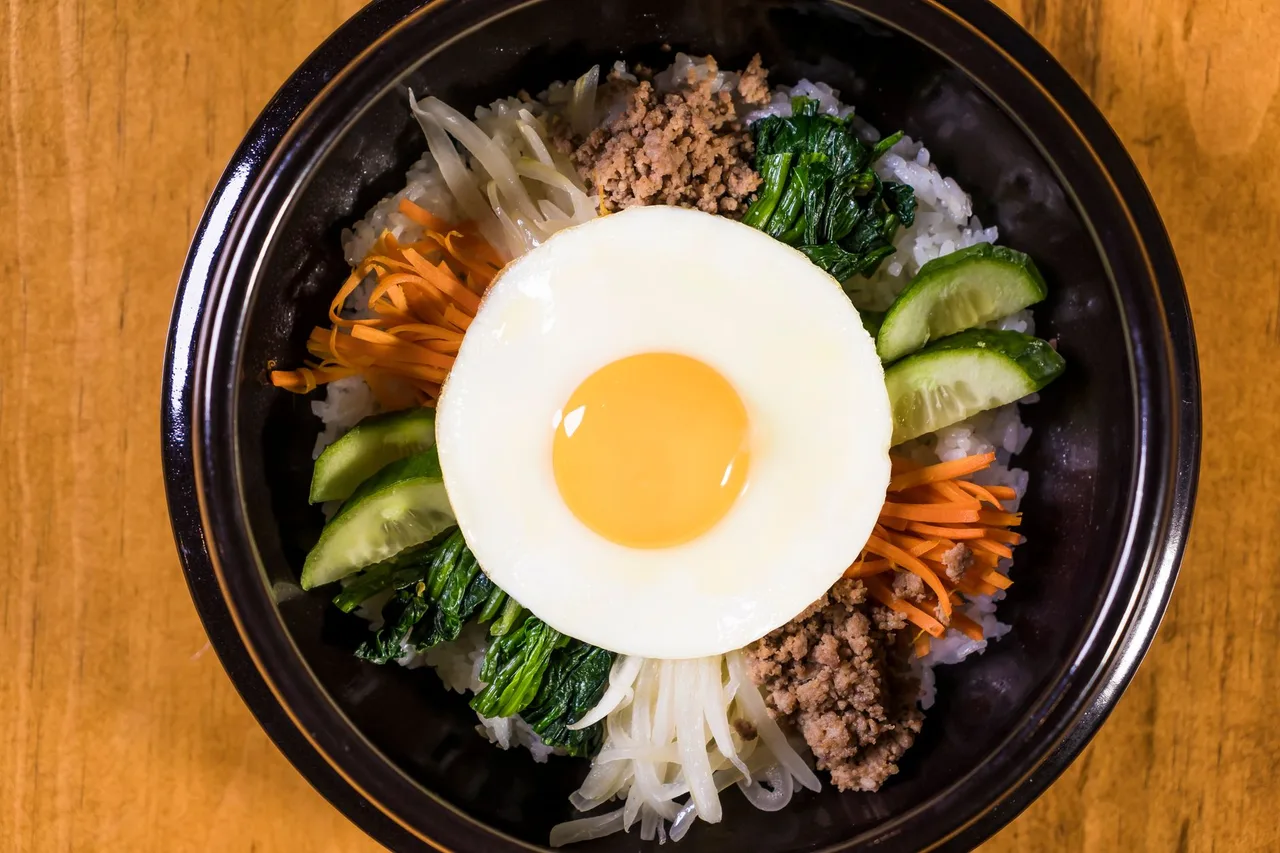
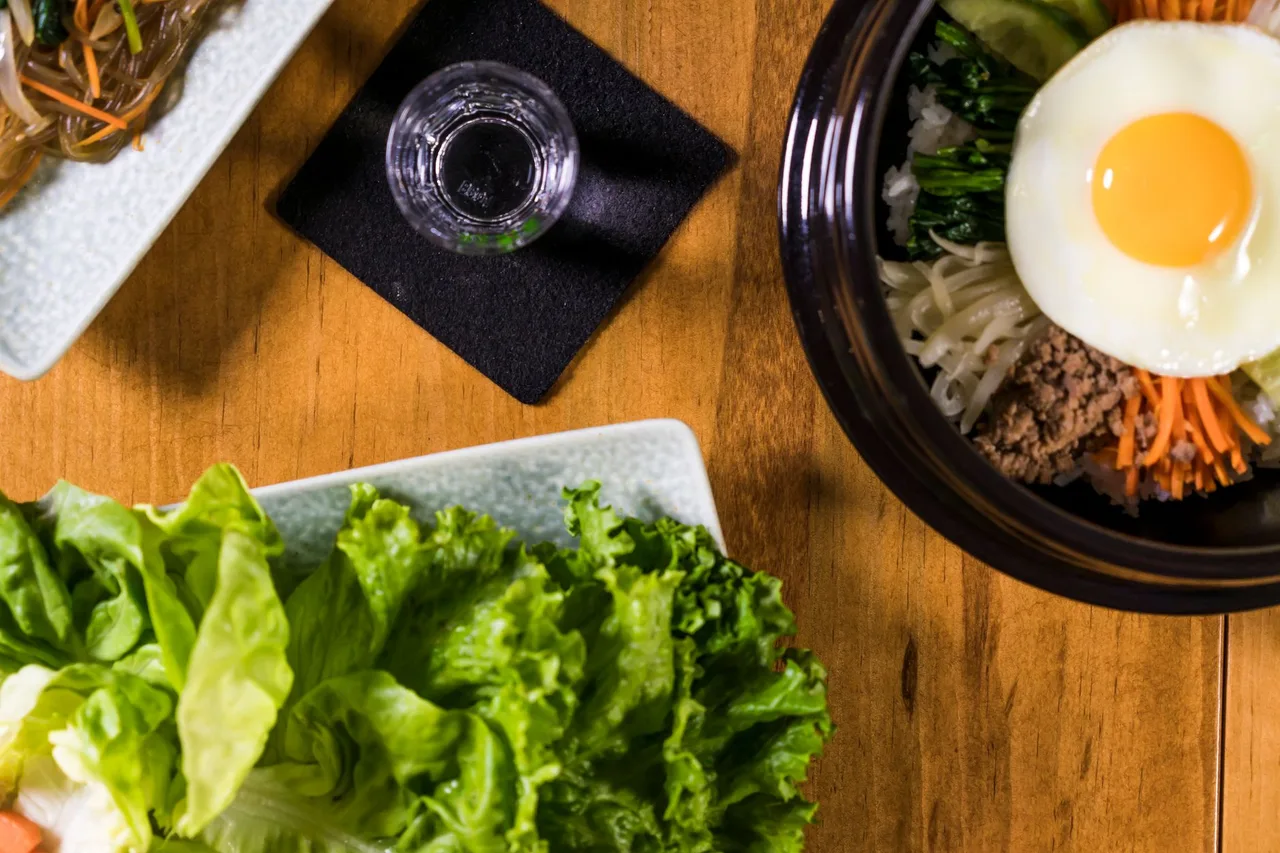
Bibimbap is warm rice under a fan of seasoned vegetables, usually with beef, an egg, and a spoon of gochujang you stir in yourself. A standard bowl at a Seoul diner runs about 8,000 to 12,000 won. Order the dolsot version when you can. It arrives in a heated stone bowl that crisps the bottom layer of rice into a golden crust called nurungji, and scraping that up is half the point. Insadong, the traditional-crafts district north of the river, has a cluster of sit-down places that do the dish well and print English menus, which helps if you are new to reading a Korean board. Prices there track the citywide range, with a few upscale rooms charging past 20,000 for hanwoo versions. If plain bibimbap feels too tame, ask for jeonju-style, which piles on more toppings, or bibimguksu, the same idea built on cold noodles instead of rice. Vegetarians can request it without meat and egg, though check that the gochujang and any broth are meat-free, since many are not. Bibimbap prices have crept up nationally for three straight years, so a bowl that read 9,000 won a while back may say 11,000 now. It is the safest first order for anyone nervous about spice, since you control how much chili paste goes in.
Stews, soups, and the noodle alleys
When the weather turns, Seoul runs on food served bubbling. Kimchi jjigae, a sour-spicy stew of aged kimchi and pork, is the default comfort bowl and usually costs 7,000 to 9,000 won with rice and side dishes included. Sundubu jjigae, soft-tofu stew with a raw egg cracked in at the table, sits in the same range. Budae jjigae, the "army stew" born from Korean War rations, throws spam, sausage, tteok, and instant noodles into a red broth and is built to share. For noodles, go to Namdaemun Market, Korea's largest market, and find Kalguksu Alley near Exit 5 of Hoehyeon Station on Line 4. The narrow lane packs in ajumma cooks ladling out knife-cut noodle soup, often with a side of barley rice and a heap of kimchi, for well under 10,000 won. It opens early, around 6 a.m., and closes about 9 p.m., with the crush hitting between 11 and 2. A few doors over, Galchi Jorim Alley braises hairtail fish in a spicy radish broth for anyone who wants a heartier plate. None of this needs a reservation. You sit where there is space, sometimes elbow to elbow with market workers on their break, and watching the dough get rolled and hand-sliced a meter from your stool beats any chain.
Myeongdong after 5 p.m.
Myeongdong is a shopping district by day and a street-food corridor at night. The stalls roll out in the late afternoon, and by 5 or 6 the main lanes near Lotte Department Store are lined with griddles and fryers. This is the place for spectacle food. Tornado potato, a whole spud spiral-cut onto a skewer and deep-fried, comes dusted with cheese or onion powder. Gyeran-ppang, a small oval bread with a whole egg baked into it, is soft, a little sweet, and savory at the center. Hotteok, a chewy pancake filled with brown sugar, cinnamon, and nuts that melt into hot syrup, is the winter staple you will burn your mouth on. Newer stalls push grilled cheese lobster tails and foot-long corn dogs rolled in sugar. Expect roughly 3,000 to 8,000 won per item, more for the seafood. Tteokbokki, chewy rice cakes in a sweet-spicy sauce, shows up here too, though the market versions tend to be better. Take Line 4 to Myeongdong Station and come out toward the main street. Eat standing, because there is nowhere to sit, and hold your trash until you find a bin, which the vendors appreciate. Come hungry and graze rather than committing everything to one stall.
Tongin Market's coin lunchbox
Tongin Market runs one of the more charming lunch systems in the city. Head to the Dosirak Cafe on the second floor and swap cash for yeopjeon, old-style brass coins worth 500 won each. Five thousand won gets you ten coins and an empty lunchbox. You then walk the ground-floor alley and fill the box at any stall flying the membership sign, paying two to four coins an item. Tteokbokki, japchae, fried things, seasoned vegetables, a scoop of rice, you build the plate you want. Leftover coins are refunded on the way out, so you do not have to spend them all. The cafe runs Tuesday through Sunday and closes Mondays, roughly late morning to mid-afternoon, and it shuts early when the food sells out, so weekends reward an early arrival. The market sits in Seochon, the quiet neighborhood west of Gyeongbokgung Palace, about a ten to fifteen minute walk from Gyeongbokgung Station on Line 3, Exit 2. It pairs well with a palace morning. The coins are also just fun, which counts for something if you are traveling with kids. It is not gourmet food. It is a cheap, hands-on lunch that shows how an ordinary neighborhood market feeds its regulars.
Eating well on a tight budget
Seoul rewards people who do not need a tablecloth. University districts are the cheat code. Around Sinchon, Hongdae, and Konkuk, restaurants compete for broke students, so a bowl of kimchi jjigae or a plate of bulgogi often runs 7,000 to 9,000 won, and the portions are generous. Kimbap shops, the fast-casual backbone of Korean eating, do a seaweed rice roll for 3,000 to 4,500 and a hot stew for a little more. Then there are the convenience stores, which in Korea count as a real meal option, not a last resort. A packaged gimbap, a triangle kimbap, or a heat-it-yourself dosirak lunchbox costs about 2,000 to 5,000 won, and every GS25, CU, and 7-Eleven has a microwave and a hot-water tap for instant ramyeon. Buy the noodles, an egg, and a drink, and lunch comes in under 5,000. Many stores keep a counter with stools by the window for exactly this. Our convenience store food guide lists the items worth grabbing. One more move: lunch specials. A restaurant that charges 15,000 at dinner often runs a set lunch for 8,000 to 10,000 on weekdays, same kitchen, smaller bill. Eating your big meal at midday is the easiest way to cut a Seoul food budget without eating worse.
Table manners that keep you from looking lost
A few habits will help you blend in. Koreans use a spoon and chopsticks together, but not at the same moment. The spoon is for rice and soup, the chopsticks for everything solid, and you generally leave the rice bowl on the table instead of lifting it to your mouth, which is the opposite of the habit in Japan. Side dishes in the center are communal and refillable, so ask for more banchan without hesitation. If you are eating with older Koreans, let the eldest lift a spoon first, and pour drinks for others rather than yourself, holding the bottle with two hands as a small courtesy. Tipping is not part of the culture. The menu price is what you pay, and if you leave cash on the table a server may chase you down to return it. Some hotels and high-end restaurants add a service charge of about 10 percent, called bongsaryo, but that prints on the bill and is not left to you. At casual places you pay at the counter on the way out, not at the table. Water and side dishes are free, and self-serve water is normal. None of this is a test. Get one thing wrong and nobody minds, but getting them right makes the meal go smoother.
Vegetarian and vegan in a meat-first city
Korean food leans hard on meat and seafood, and fish sauce or anchovy stock hides in dishes that look plant-based, including much kimchi and most stew broths. It takes planning, but it works. The safest route, and often the best, is temple food, the Buddhist cuisine built entirely without meat and famously without garlic or onion. Balwoo Gongyang, run in connection with Jogyesa Temple downtown, serves refined set-course temple meals and holds a Michelin mention. Sanchon in Insadong does a more theatrical multi-dish version. For everyday eating, Loving Hut is a vegan Korean chain with several Seoul branches doing meat-free bibimbap, tteokbokki, and kimbap, with mains generally under 12,000 won. PLANT in Itaewon, one of the city's original plant-based spots, runs a more international menu of bowls, sandwiches, and pastries. At a regular restaurant, sanchae bibimbap, the mountain-vegetable version, is a common option, though confirm the gochujang and any broth are meat-free. Learning to say "gogi ppaego juseyo," meaning "without meat, please," goes a long way, and apps like HappyCow map the vegan-friendly kitchens. Our vegetarian in Korea guide keeps the phrases and the hidden-ingredient warnings in one place. Seoul is not the hardest city for this, but it is not the easiest either.
Two practical notes to close. Carry some cash, because market stalls and the oldest kitchens still prefer it even as cards spread everywhere. And download Naver Map or KakaoMap before you arrive, since Google Maps barely works for walking directions in Korea, and Papago handles menu photos better than most translators. Eat your big meal at lunch, keep small bills for the stalls, and let the line at any stand tell you where to eat.
Location
Gwangjang Market, Seoul
View on Google MapsFrequently asked questions
How much does Korean barbecue cost in Seoul?
A single samgyeopsal (pork belly) serving runs about 18,000 to 20,000 won for 150 to 200 grams in 2026. With side dishes, rice and a drink, a full dinner is roughly 35,000 to 50,000 won per person. Neighborhood spots off the tourist streets are cheaper.
What should I eat at Gwangjang Market, and how do I get there?
The signatures are bindaetteok (mung bean pancakes, about 5,000 won), mayak gimbap (mini seaweed rolls, 4,000 to 6,000) and yukhoe (raw beef). Take subway Line 1 to Jongno 5-ga Station and use Exit 8 or 9.
Do you tip at restaurants in Korea?
No. Tipping is not customary and the menu price is what you pay. Some hotels and high-end restaurants add a printed service charge (bongsaryo) of about 10 percent, but you are not expected to leave anything extra at the table.
How does the Tongin Market coin lunchbox work?
Buy yeopjeon brass coins at the second-floor Dosirak Cafe (5,000 won for ten) and an empty lunchbox, then fill it at ground-floor stalls at two to four coins per item. It runs Tuesday to Sunday, closes Mondays and stops when the food sells out.
Is it hard to eat vegetarian or vegan in Seoul?
It takes planning, since fish sauce and anchovy stock are common, but temple food, vegan chains like Loving Hut, and sanchae bibimbap are reliable. Learn to say 'gogi ppaego juseyo' (without meat, please) and use apps like HappyCow.
Sources
This guide was researched using the references below. Prices and times change, so confirm anything time-sensitive on the official page before you rely on it.
Related guides
- Korean recipes with ground beefExplore easy and flavorful Korean dishes using ground beef, from bulgogi bowls to kimchi mandu, perfect for quick meals.
- Korean BBQ options near Incheon AirportA guide to enjoying authentic Korean BBQ near Incheon Airport, including top restaurant recommendations and practical tips for travelers.
- Korean BBQ in Incheon: A guide for foreignersDiscover the best Korean BBQ spots in Incheon, understand local dining etiquette, and learn how to enjoy this culinary experience like a local.
- Korean BBQ in Seoul: A guide for first-time visitorsDiscover the essentials of enjoying Korean BBQ in Seoul, from ordering and etiquette to top restaurant recommendations and solo dining options.
- Korean chicken recipes to try at homeExplore a variety of Korean chicken dishes, from spicy stir-fries to comforting soups, with recipes and cultural insights.
- Easy Korean recipes for beginnersDiscover simple Korean dishes like kimchi fried rice and bulgogi that you can make at home with minimal ingredients and time.