Korean street food names: a guide for foreigners
A comprehensive guide to Korean street food names, their English translations, and what to expect when trying these popular dishes.
By Jae Park · Updated Jul 21, 2026
Walking through the busy streets of Seoul, the aroma of sizzling snacks fills the air, inviting you to explore Korea's lively street food scene. From spicy rice cakes to sweet pancakes, each stall offers a unique taste of Korean culture.
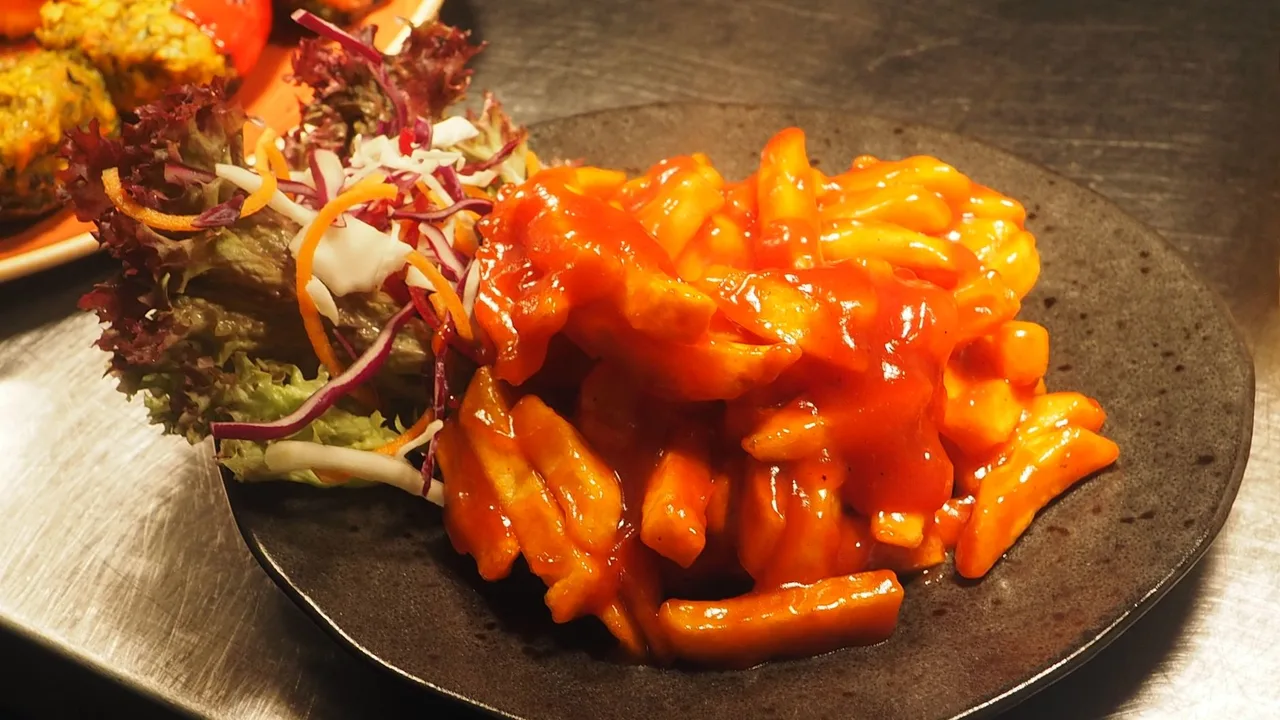
Tteokbokki (떡볶이): spicy rice cakes
Tteokbokki is the undeniable classic of Korean street food, and you’ll spot those bright red trays bubbling away at almost every market and night street stall. The dish centers around thick, chewy rice cakes—tteok—simmered in a sauce made from gochujang, Korea’s trademark fermented red chili paste. This gives the dish its signature sweet-and-spicy punch. It’s not just the rice cakes that make tteokbokki so addictive: vendors usually toss in slices of eomuk (fish cake) and sometimes a hard-boiled egg, which soak up the lively sauce. When you order, you’ll get a bowl or paper tray heaped with piping hot tteokbokki, chopsticks or toothpicks for spearing, and occasionally a bit of extra sauce to mop up.
I’ve found that tteokbokki can differ a lot depending on where you try it. Some stalls make their sauce extra fiery, while others go heavier on the sweet, almost ketchup-like notes. The texture of the rice cakes is key—they should be soft and stretchy, never mushy. I usually make a beeline for the busiest stalls, where food turnover means the rice cakes are always fresh and the sauce never sits too long. If you’re new to Korean food, tteokbokki is a great starting point, and you can read more about what to try first in our food guide.
Hotteok (호떡): sweet filled pancakes
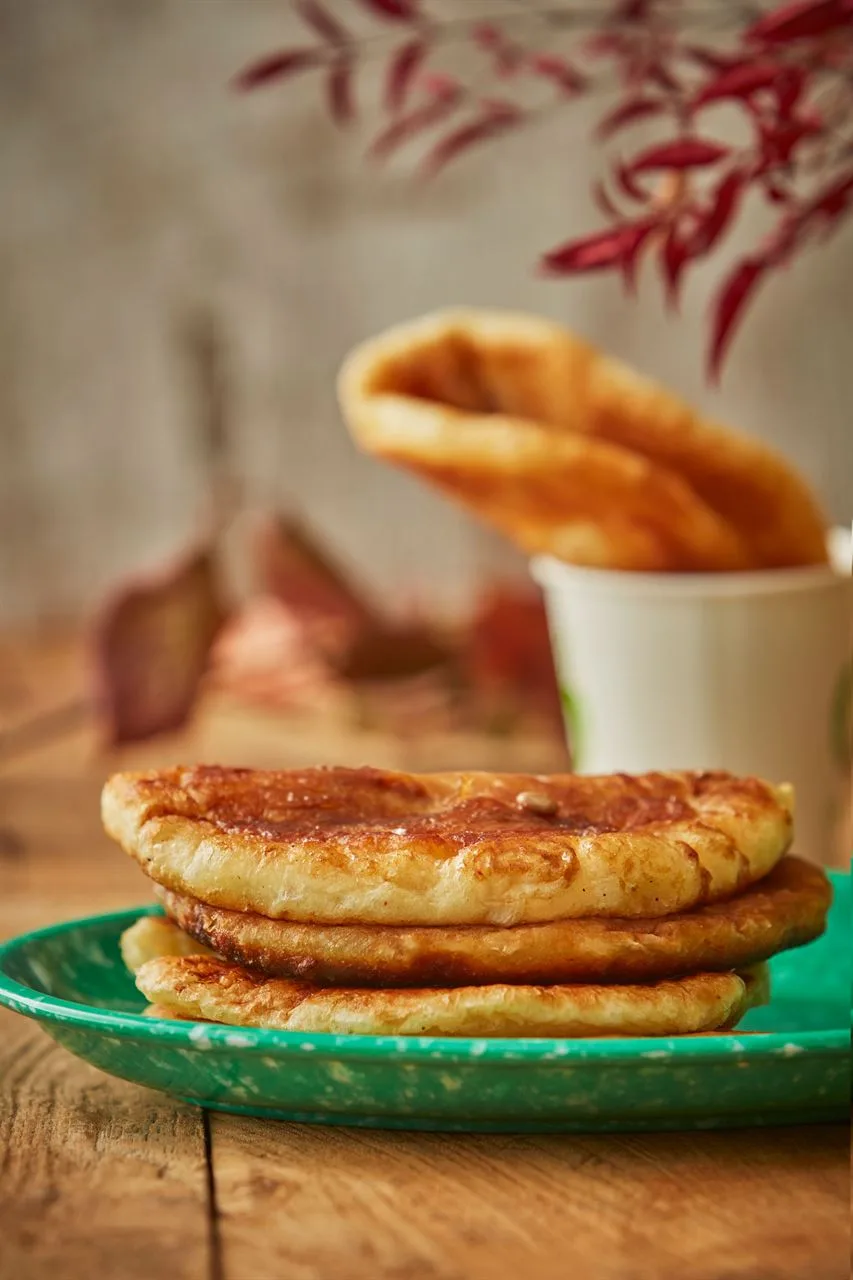
Hotteok is my personal winter weakness. These sweet, golden pancakes are filled with a gooey mixture of brown sugar, cinnamon, and crushed nuts, then pan-fried on a griddle until the outside crisps up and the inside melts into syrup. There’s nothing quite like biting into a fresh hotteok—steam escapes and the filling nearly burns your tongue, but it’s so worth it. The pancake dough puffs up a little as it cooks, giving you a contrast between the crunchy edges and the chewy center.
You’ll find hotteok stands almost everywhere from November through early spring, especially near major shopping streets and subway exits. Some vendors experiment with fillings, adding things like sunflower seeds or even green tea powder to the dough, but the classic sugar-and-nut version is what most locals and tourists crave. I always watch the vendor press each hotteok flat with a special metal tool, which helps caramelize the sugar inside and form those signature crispy patches. Be careful—the filling holds heat like lava. If you’re curious about more beginner-friendly street snacks, check our food guide for tips.
Eomuk (어묵): fish cake skewers
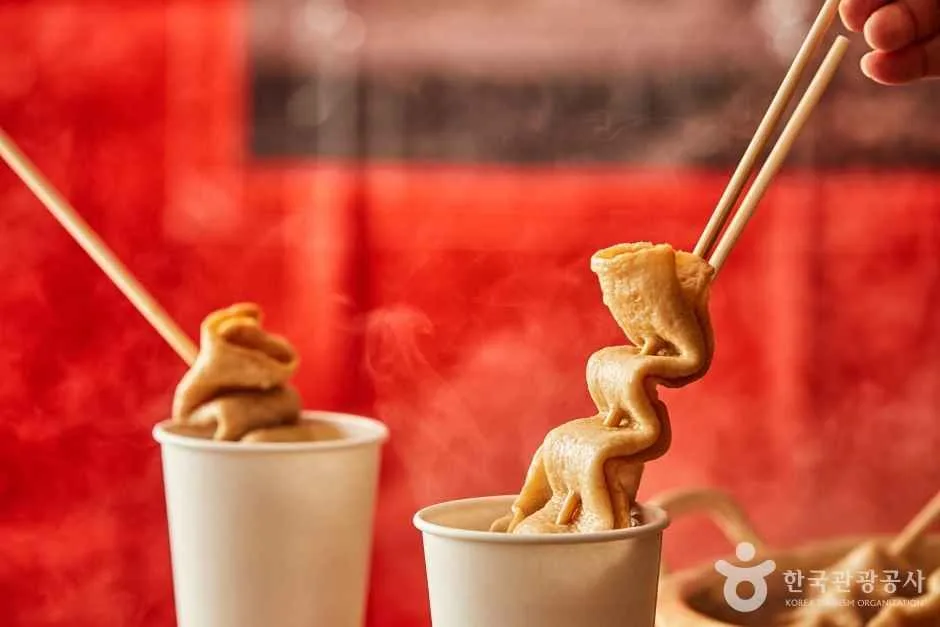
On cold days in Korea, nothing beats wrapping your hands around a steaming cup of eomuk broth, with a skewer or two of fish cake for dunking. Eomuk, also known as odeng, is made from ground fish and wheat flour, formed into pliable cakes and threaded onto long wooden sticks. These skewers sit in a gently simmering, savory broth that’s often subtly flavored with radish and green onion. The broth is free to sip at most stalls, and you can help yourself to as many refills as you like.
What I love about eomuk is its comfort-food simplicity. The fish cakes themselves are springy and mild, soaking up the warmth of the broth. You’ll see locals—especially school kids—grabbing a quick skewer on the way home, and it’s a favorite snack during the colder months. Vendors sometimes offer different shapes or stuffed versions, but the classic ribbon-like fold is the most common. Eomuk is usually inexpensive and makes a great companion to other street foods like tteokbokki. If you’re new to Korean markets and want more ideas for what to try first, don’t miss our food guide.
Gimbap (김밥): Korean rice rolls
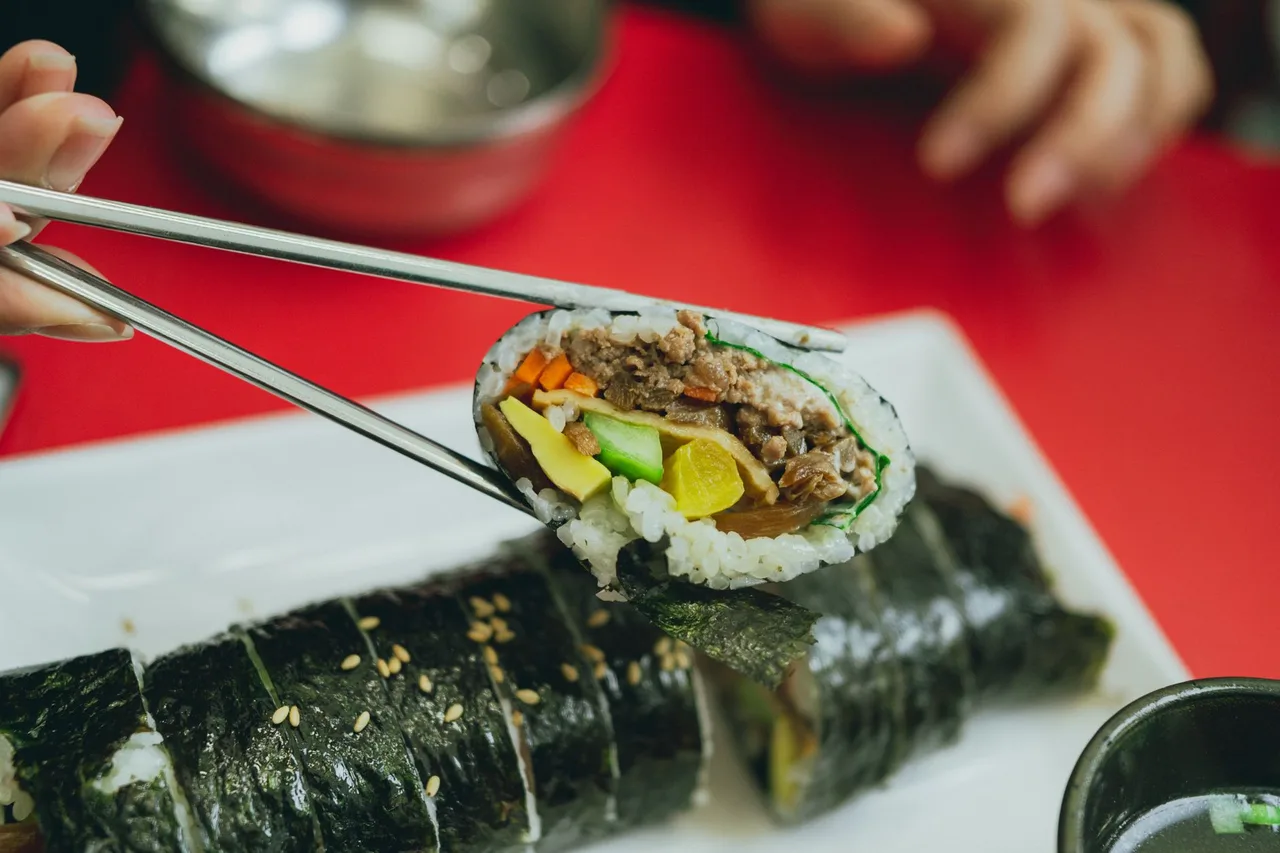
Gimbap is perhaps the most approachable Korean street food for newcomers, thanks to its familiar shape and endless filling possibilities. At its core, gimbap is made from steamed rice (bap) and assorted ingredients like julienned carrots, pickled radish, egg, spinach, and sometimes ham or bulgogi beef, all wrapped tightly in a sheet of roasted seaweed (gim). The roll is sliced into thick, bite-sized pieces, making it perfect for eating on the go or sharing with friends in the park.
What sets gimbap apart from Japanese sushi rolls is that the rice isn't seasoned with vinegar, and the fillings usually don't include raw fish. Instead, you'll find a balance of savory, slightly sweet, and tangy flavors from the pickled vegetables and seasoned meats. I remember my first gimbap from a market stall near a subway station—it was warm, generously filled, and came wrapped in simple foil. The vendor had a dozen variations lined up, from basic "vegetable gimbap" to versions packed with spicy tuna or even cheese.
You'll spot gimbap in traditional markets, subway stations, and street food alleys across Korea. It's also a favorite picnic food, which is why you'll see families and students carrying it in lunchboxes. For more on what to order on your first Korean food adventure, check out our food guide.
If you want something light, portable, and endlessly customizable, gimbap is a street food classic that rarely disappoints.
Sundae (순대): Korean blood sausage
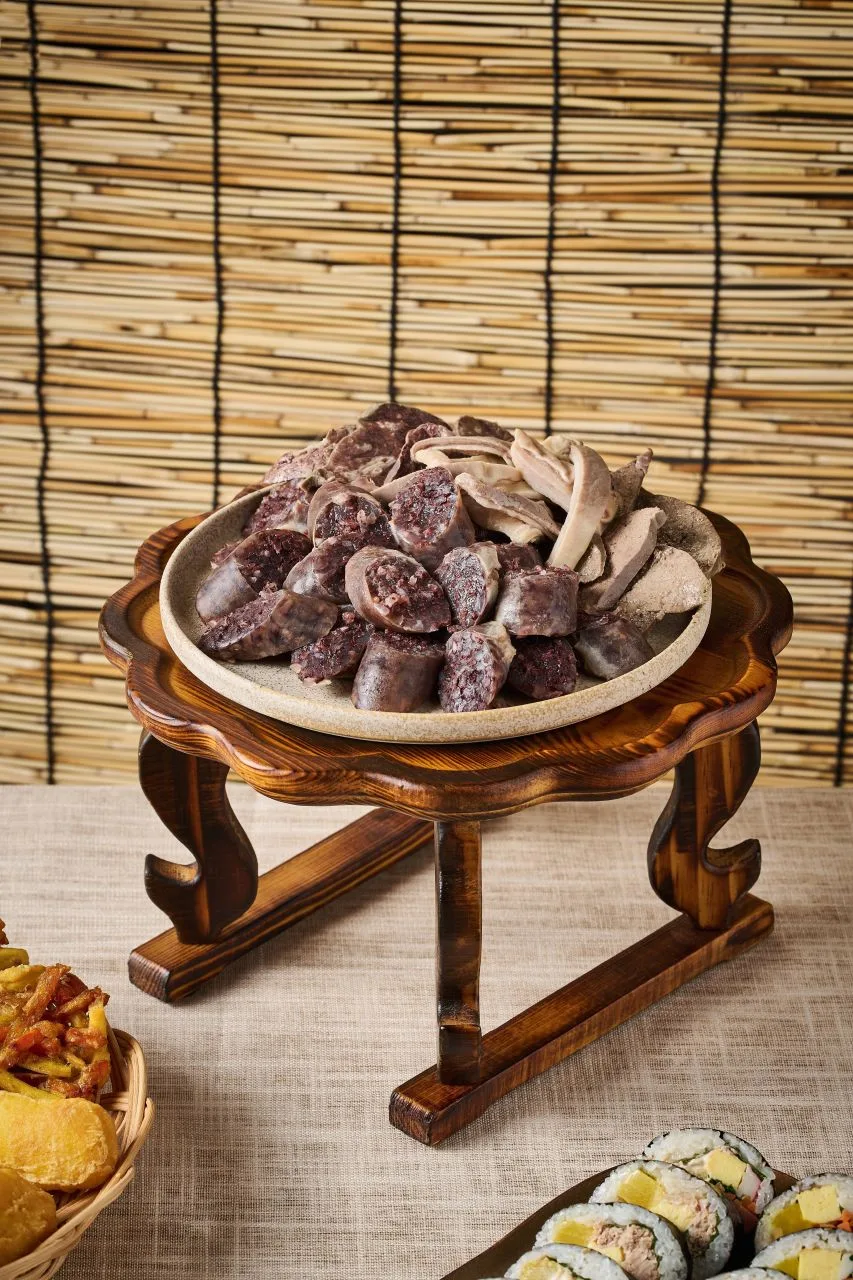
Sundae might be one of the most surprising Korean street foods for foreigners, but it's a staple you’ll see at nearly every market stall. This isn’t your typical European blood sausage—instead, sundaes are made by stuffing pig’s intestines with a mixture of pig’s blood, glass noodles (dangmyeon), and a blend of spices and vegetables. When steamed, the result is a soft, slightly chewy sausage with a mild, earthy flavor.
I first tried sundaes at a crowded market in Seoul. The vendor sliced the sausage into thick coins and served it with a small mound of salt and a side of chili-spiked dipping sauce. You can also order it with accompaniments like steamed liver or lung, but most locals just go for the classic. The glass noodles inside give sundaes a unique bouncy bite, and the flavor is much gentler than people expect—more about texture than intensity.
Sundae is especially popular as a quick, protein-packed street snack for students and workers. It pairs well with a bowl of tteokbokki, as the spicy sauce makes a perfect dip. If you’re curious but hesitant, just ask the vendor for a small portion. For more tips on what to try first, see our food guide.
Sundae is a dish that rewards adventurous eaters with a taste of Korea’s everyday food culture.
Bungeoppang (붕어빵): fish-shaped pastries
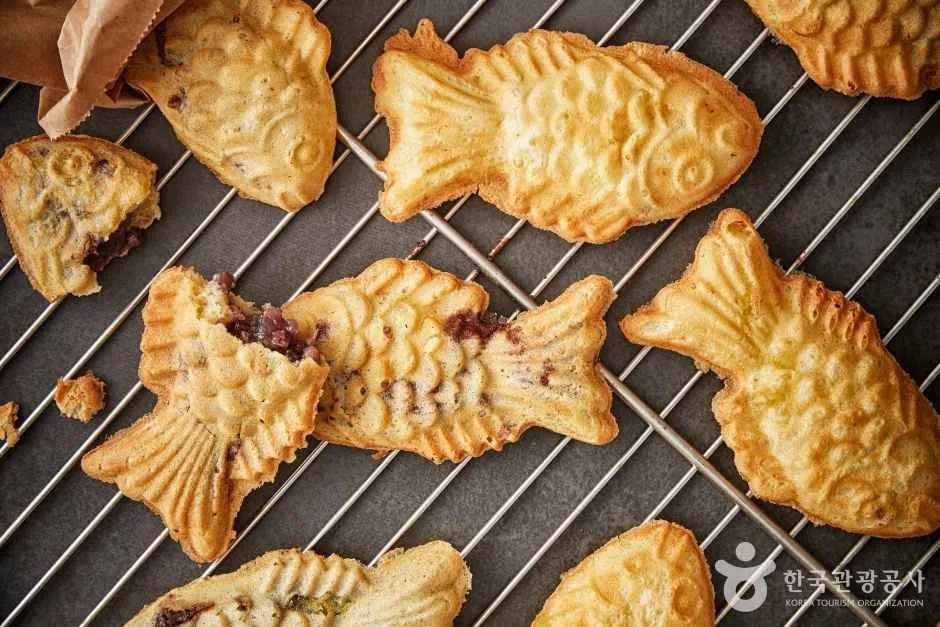
Bungeoppang is the street snack I look forward to every winter in Korea. These whimsical, fish-shaped pastries are filled with sweet red bean paste, and they’re a nostalgic comfort food for many locals. The batter is poured into a special fish mold, filled with a spoonful of red bean filling, and cooked until the outside is golden and crisp, while the inside stays soft and warm.
On cold evenings, you’ll see bungeoppang vendors setting up carts near subway exits and shopping streets, their grills sizzling and the air sweet with the smell of baked dough. The first bite is always the best—the pastry shell flakes beneath your teeth, giving way to the gentle sweetness of red bean. It’s simple, but incredibly satisfying. There are also modern twists: some vendors now offer bungeoppang with custard, chocolate, or cream cheese fillings, but the classic red bean version remains the most beloved.
Bungeoppang is usually sold in small paper bags, often in sets of three or five, making it easy to share with friends. Prices are affordable, and eating one fresh off the grill is a winter ritual for many Koreans. If you’re mapping out your first street food crawl, don’t miss this seasonal favorite—see more tips in our food guide.
Nothing beats standing outside on a chilly evening, hands wrapped around a hot bungeoppang, watching the city lights flicker.
Dak-kkochi (닭꼬치): grilled chicken skewers
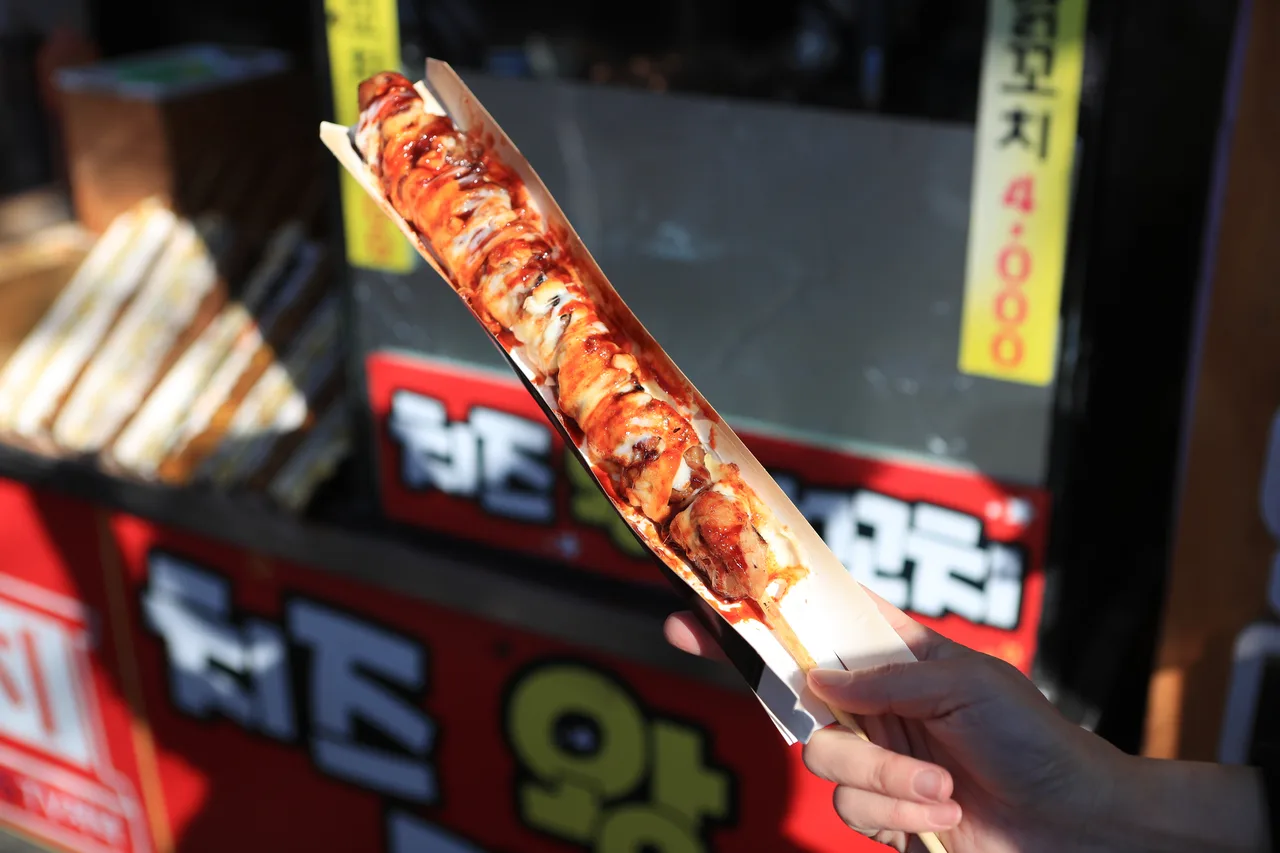
Dak-kkochi are skewers of marinated chicken pieces grilled over charcoal and brushed with a sweet and spicy sauce, making them a popular street snack you’ll spot at nearly every market in Korea. If you’re wandering through a night market or a shopping street, the smoky aroma of dak-kkochi is hard to resist. The vendors usually grill the chicken right in front of you, often asking if you prefer your skewer extra spicy or with more of the sweet glaze. The marinade usually includes gochujang (Korean chili paste), garlic, and sometimes a hint of honey or sugar for that signature balance of heat and sweetness.
What I love about dak-kkochi is the texture—the chicken stays juicy from the marinade, with slightly charred edges from the high-heat grill. Some stalls add sliced green onions or rice cakes onto the skewer for extra flavor and chewiness. Because these are grilled to order, you can usually watch the whole process and chat with the vendor about their sauce or favorite way to eat it. Dak-kkochi are especially common around festivals and school zones, where the after-school crowd lines up for a quick, satisfying bite.
These skewers are generally sold for a few thousand won each, and you’ll find them all over Korea in places like Gwangjang Market or Myeongdong. If you’re new to Korean street food, dak-kkochi is a reliable favorite—see our guide for first-timers for more tips.
Gyeran-ppang (계란빵): egg bread
Gyeran-ppang is a beloved street snack in Korea, known for its unique combination of soft, sweet bread and a whole egg baked right on top. The first time I tried gyeran-ppang, it was a chilly winter evening in Seoul and the vendor handed me a steaming loaf, warm enough to thaw my fingers. The bread itself is a bit like a cross between pound cake and brioche—slightly sweet, fluffy, and moist. On top, the egg is gently baked until just set, creating a contrast between the creamy yolk and the soft bread below.
You’ll see these oval-shaped treats lined up in rows on large griddles at street stalls, especially in busy markets and near subway entrances. Many vendors add a sprinkle of parsley or a touch of black pepper, and some even experiment with cheese or bits of ham for a richer flavor. Biting into gyeran-ppang, you get both the sweetness of the bread and the savory notes from the egg, which makes it surprisingly filling for its small size.
Gyeran-ppang is especially popular during the colder months, and you’ll often spot students and office workers grabbing one for breakfast or an afternoon snack. Prices are affordable, usually around a couple thousand won per piece. If you’re curious about what to try first, this is a safe and satisfying introduction to Korean street food—check our first-timer’s guide for other essentials.

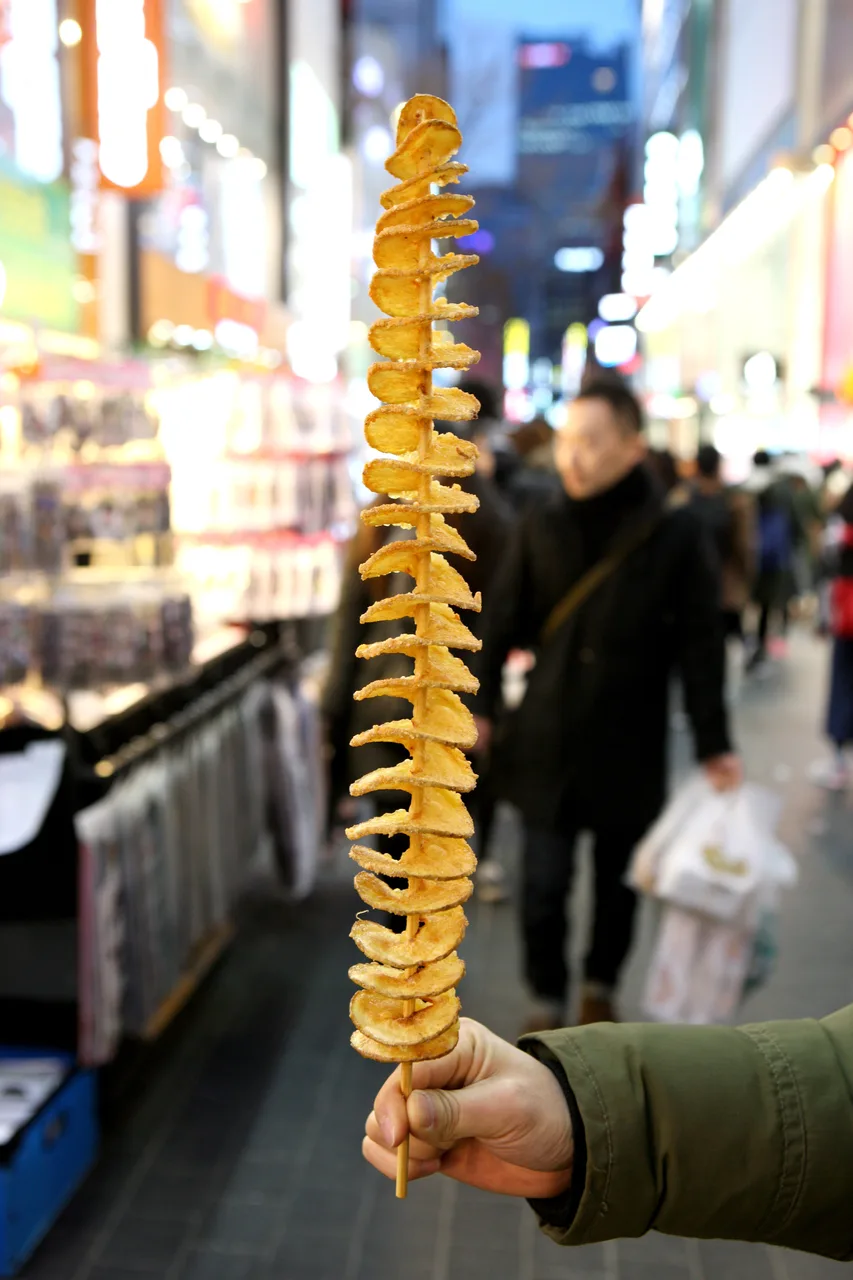
Tornado potato (회오리 감자): spiral-cut fried potato
Tornado potato is one of those street foods that catches your eye before your nose. You’ll spot these impressive spirals—whole potatoes cut in a single continuous ribbon—threaded onto long skewers and deep-fried until perfectly crisp. Vendors use a special spiral cutter right at the stall, then dunk the potato in hot oil, transforming it into a crunchy, golden coil that’s as fun to eat as it is to look at.
Once fried, the tornado potato is dusted with your choice of seasonings: cheese powder is a crowd favorite, but spicy chili, onion, or barbecue flavors are also common. I always go for cheese—it clings to the hot potato, creating a salty, savory finish. The appeal is partly in the novelty; it’s not just a snack, it’s a street food performance. Kids especially love choosing their seasoning and watching the potato get spun, fried, and handed over piping hot.
You’ll find tornado potatoes everywhere from night markets to festival grounds, especially in tourist-friendly areas like Insadong or Hongdae. They’re easy to share or walk with, and a single skewer can be surprisingly filling. Expect to pay between ₩2,000 and ₩5,000 depending on location and toppings. If you’re looking for something fun and photogenic, this is a street food you shouldn’t miss—see our first-timer guide for other must-try snacks.
Exploring Korean street food is a delightful journey through the country's culinary traditions. Don't hesitate to try these dishes and dive into the local flavors.
Frequently asked questions
What is the most popular Korean street food?
Tteokbokki, spicy rice cakes simmered in a sweet and spicy sauce, is widely regarded as the most popular Korean street food.
Are Korean street foods spicy?
Many Korean street foods, like tteokbokki and dak-kkochi, have a spicy flavor, but there are also plenty of mild options such as hotteok and bungeoppang.
Where can I find Korean street food?
Korean street food is commonly found in traditional markets, night markets, and busy shopping districts throughout the country.
How much does Korean street food typically cost?
Most Korean street foods are affordable, typically ranging from ₩1,000 to ₩5,000 per item.
Is it safe to eat street food in Korea?
Yes, Korean street food is generally safe to eat, especially from busy stalls where food turnover is high.
Sources
This guide was researched using the references below. Prices and times change, so confirm anything time-sensitive on the official page before you rely on it.
Related guides
- Korean recipes with ground beefExplore easy and flavorful Korean dishes using ground beef, from bulgogi bowls to kimchi mandu, perfect for quick meals.
- Korean BBQ options near Incheon AirportA guide to enjoying authentic Korean BBQ near Incheon Airport, including top restaurant recommendations and practical tips for travelers.
- Korean BBQ in Incheon: A guide for foreignersDiscover the best Korean BBQ spots in Incheon, understand local dining etiquette, and learn how to enjoy this culinary experience like a local.
- Korean BBQ in Seoul: A guide for first-time visitorsDiscover the essentials of enjoying Korean BBQ in Seoul, from ordering and etiquette to top restaurant recommendations and solo dining options.
- Korean chicken recipes to try at homeExplore a variety of Korean chicken dishes, from spicy stir-fries to comforting soups, with recipes and cultural insights.
- Easy Korean recipes for beginnersDiscover simple Korean dishes like kimchi fried rice and bulgogi that you can make at home with minimal ingredients and time.