Korean BBQ in Incheon: A guide for foreigners
Discover the best Korean BBQ spots in Incheon, understand local dining etiquette, and learn how to enjoy this culinary experience like a local.
By Jae Park · Updated Jul 30, 2026
Incheon, a lively city near Seoul, boasts a rich culinary scene, especially when it comes to Korean BBQ. Whether you're a first-timer or a seasoned enthusiast, exploring Incheon's BBQ spots offers a delightful journey into Korean cuisine.
Top Korean BBQ restaurants in Incheon
If you’re serious about tasting some of the best Korean BBQ in Incheon, I’d start with Mamma’s Korean BBQ and Gyeongbokgung. Mamma’s Korean BBQ, found at 72 Gonghang-ro 424beon-gil in Jung-gu, is one of those places that locals genuinely recommend when asked for something authentic but comfortable. The vibe is cozy, the staff are friendly, and the meats come out fresh—perfect if you want to experience Korean BBQ without any pretense. Their menu focuses on quality cuts, and the staff are usually quite patient with non-Korean speakers, so you won’t feel out of place even if you’re new to this style of dining.
Gyeongbokgung, at 180 Techno park-ro in Yeonsu-gu, is another spot that stands out, especially for anyone curious about traditional full-course Korean BBQ. What sets them apart is their reputation for serving top-grade Korean beef (hanwoo), which is sought after for its flavor and tenderness. Meals here tend to be more elaborate, and you’ll see the table fill up with a colorful array of side dishes. If you’re up for splurging and want to experience the “royal table” approach, this is the place to do it.
There are plenty of other BBQ restaurants worth exploring, but these two are consistently mentioned by both locals and expats. I’d skip any place that looks too much like a chain or is pushing “fusion” menus near tourist-heavy areas—authenticity drops fast. For more on the basics of Korean BBQ before you go, check out our Korean BBQ 101 guide.
Understanding Korean BBQ etiquette
Korean BBQ isn’t just about the food—it’s a communal ritual, and knowing a bit about etiquette makes the meal smoother and more enjoyable. The first thing you’ll notice is that groups usually order their meats together, not individually. It’s common to go for classics like samgyeopsal (pork belly) or galbi (marinated short rib), and the youngest person at the table often gets the unglamorous job of managing the grill. You’ll see them using tongs and scissors to flip and cut the meat, making sure everyone gets equal portions.
Sharing is at the heart of the Korean BBQ experience. Side dishes (banchan), lettuce wraps, and dipping sauces are placed in the middle for everyone to reach. You don’t take all the banchan for yourself—just a bit at a time, and always leave enough for others. It’s polite to use the utensils provided for the shared dishes rather than your own chopsticks.
Drinks like soju or makgeolli are usually part of the meal, and pouring drinks for others (not yourself) is a small but important gesture. If someone pours you a drink, it’s polite to hold your glass with both hands. And if you’re not sure about something, pay attention to what locals do or ask the staff—they’re often happy to walk you through the process.
For a deeper dive into dining manners, see our Korean etiquette guide. A little effort goes a long way in making your meal feel more authentic and less awkward.
How to order and what to expect
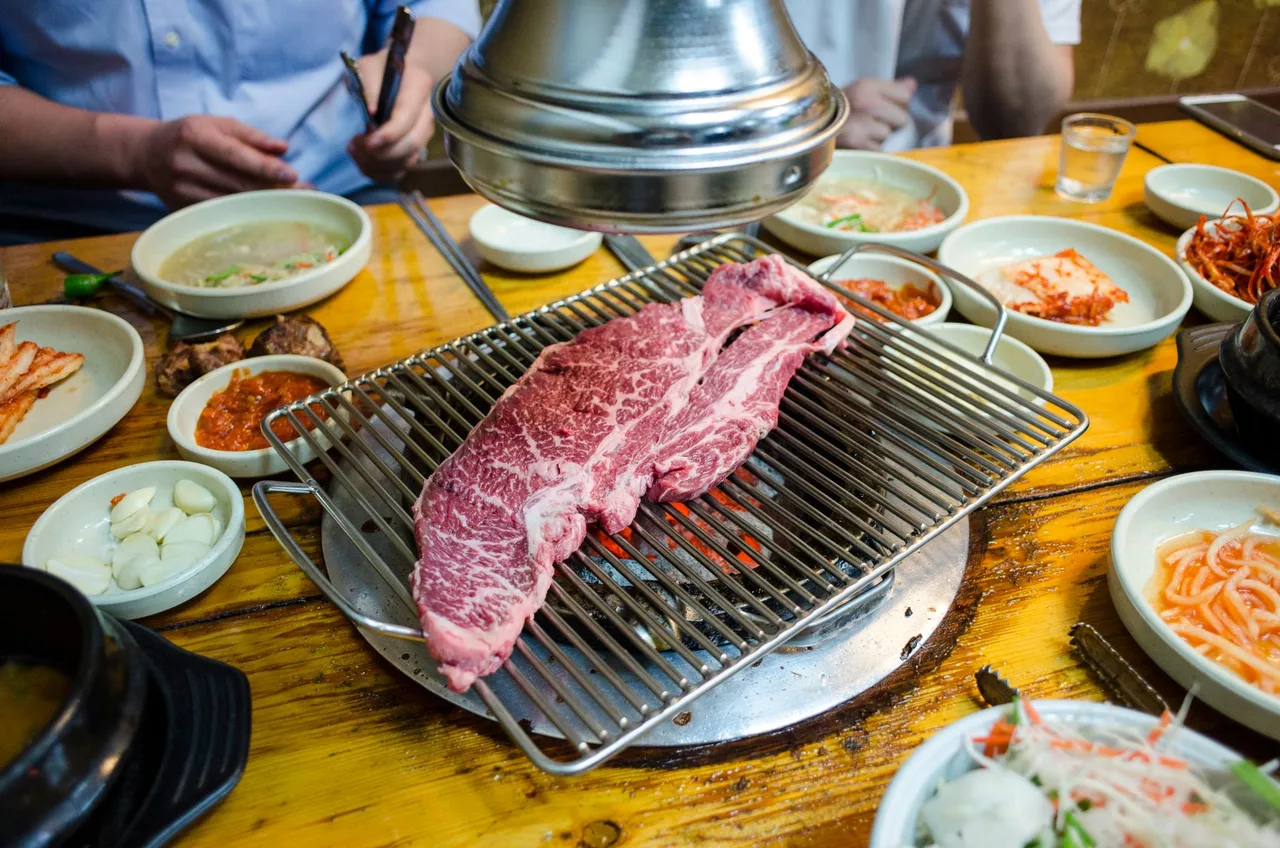
Ordering at a Korean BBQ restaurant in Incheon is straightforward once you know the flow. You’ll typically order your meats first—think samgyeopsal or galbi, which are almost always safe bets for newcomers. Most places will have a menu with pictures, and it’s fine to point if you’re unsure about pronunciation. If you’re vegetarian, don’t worry; grilled vegetables, kimchi, and salads are usually available as part of the banchan spread.
Once you order, the staff bring out raw meats and a tray of side dishes. Someone at your table (often the youngest or most confident with tongs) starts grilling. There’s no rush—the idea is to eat slowly, savoring each bite wrapped in lettuce leaves with bits of garlic, ssamjang (spicy paste), and banchan. Drinks like soju or makgeolli are a popular add-on, and the staff can recommend pairings if you ask.
English menus are increasingly common, especially at places like Mamma’s Korean BBQ and Gyeongbokgung. If you get stuck, simple Korean phrases like “samgyeopsal juseyo” (pork belly, please) or “maekju hana” (one beer) are appreciated. Payment is usually at the register near the entrance, not at your table.
Don’t be surprised if the meal ends with cold noodles or a small soup—it’s a traditional way to finish. For help decoding the menu, our guide to reading Korean menus is worth a look before heading out.
Pairing drinks with your BBQ
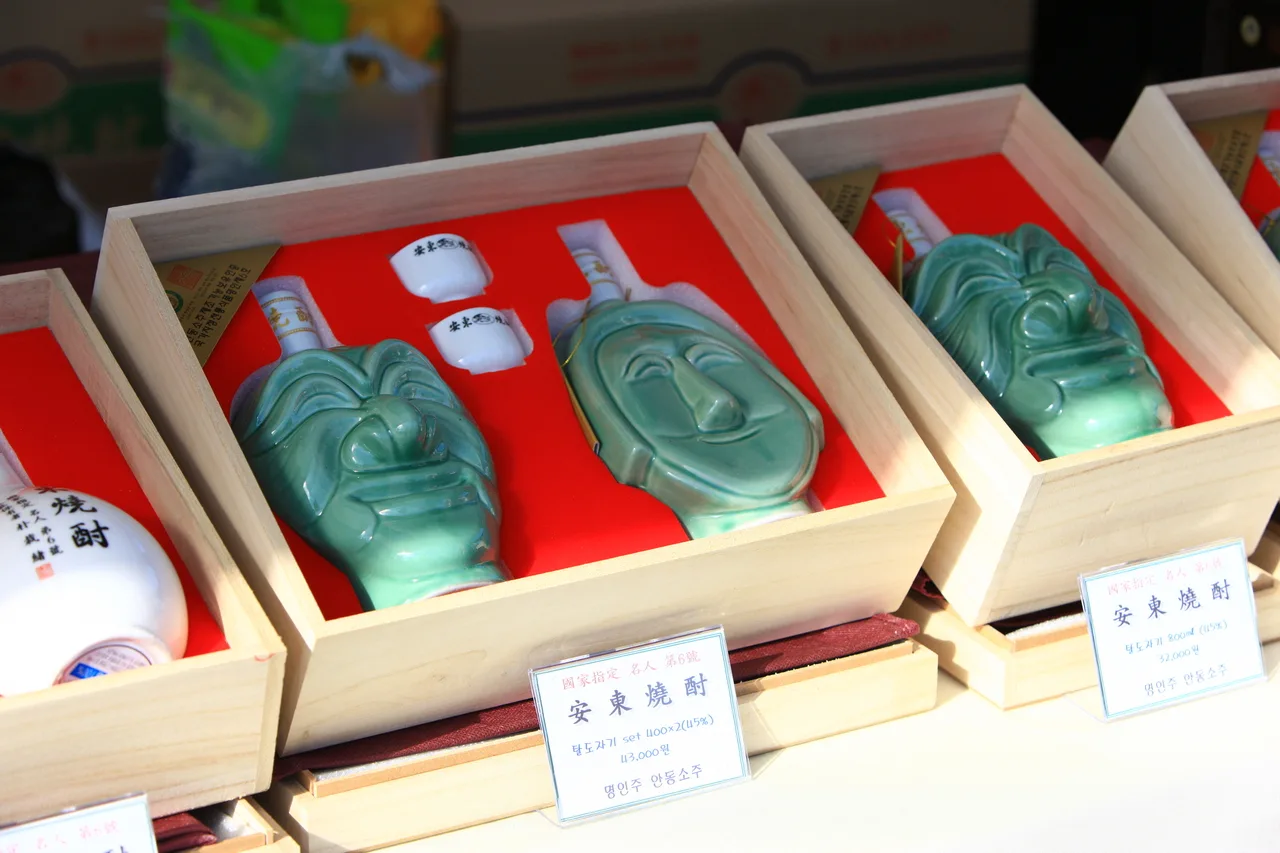
Traditional Korean drinks can really change the mood of your BBQ meal, and in Incheon, you’ll see soju and makgeolli on almost every table. Soju, the clear distilled spirit, is the classic partner for grilled meat. It cuts through the fattiness of samgyeopsal (pork belly) and complements the savory and sweet notes of galbi. If you’re new to soju, I’d suggest starting with the original, unflavored kind—chilled, poured in small glasses, and shared around the table. The ritual of pouring for each other is a big part of the experience, so watch how locals do it and join in.
Makgeolli, on the other hand, is a milky, slightly sparkling rice wine with a gentle sweetness and tang. I find it goes best with grilled vegetables or lighter cuts of meat. Its creamy texture can be a refreshing contrast to spicy or salty side dishes. Some BBQ restaurants in Incheon serve makgeolli in traditional bowls, and the lower alcohol content makes it easy to sip over a long meal. If you’re unsure which to choose, ask the server for their recommendation—they’re usually happy to help pair drinks with your order. And if you want to dig deeper into Korean drinking customs, our Korean drinking culture guide breaks down the etiquette and unspoken rules that will help you fit right in.
Vegetarian options at Korean BBQ
You don’t need to skip Korean BBQ just because you’re vegetarian. While Incheon’s BBQ spots like Mamma’s Korean BBQ and Gyeongbokgung are famous for their meats, they also serve a surprising range of plant-based side dishes and grilled vegetables. You’ll usually find a spread of banchan—think kimchi, pickled radish, seasoned spinach, tofu, and salads—laid out before the grill even heats up. I’ve seen diners request extra helpings of these, and most places will happily oblige. Grilled mushrooms, sweet potatoes, and zucchini are also common, and you can usually ask for a veggie-only grill plate if you’re worried about cross-contamination.
Some restaurants will even prepare a set of vegetables to grill at your table, so don’t hesitate to ask what’s available. If you’re strict about ingredients, it’s smart to check which banchan contain fish sauce or anchovy stock—honestly, it’s not always obvious, and staff are generally willing to clarify. For detailed advice on navigating vegetarian dining in Korea and what phrases to use, see our vegetarian in Korea guide. I’ve found that even in classic BBQ joints, staff are becoming more familiar with plant-based requests, especially in bigger cities like Incheon.
Navigating language barriers
Ordering Korean BBQ in Incheon is a lot easier if you know a few basic Korean phrases. Most BBQ restaurants—especially those in busy areas—will have English menus or staff who understand simple English, but you’ll have a smoother experience if you can say what you want directly. Key phrases like “samgyeopsal hana juseyo” (“one order of pork belly, please”) or “chaeso man juseyo” (“vegetables only, please”) are useful. If you’re unsure about pronunciation, just showing the menu and pointing works too—staff are used to it.
Signs and labels will be in Hangul, so recognizing meat names or the word for “menu” (메뉴, menyu) helps. If you have dietary restrictions, phrases like “go-gi an meogoyo” (“I don’t eat meat”) can save confusion. When in doubt, use translation apps or politely ask, “yeong-eo menu isseoyo?” (“Do you have an English menu?”). I always recommend learning a handful of survival phrases before you go—our guide to 20 survival Korean phrases covers exactly what you’ll need at a BBQ restaurant. Even if you stumble, staff usually appreciate the effort and will try to help you out.
Exploring Incheon's BBQ scene beyond the basics
If you’re ready to go beyond the usual tourist haunts, Incheon’s Korean BBQ scene has plenty to offer—especially if you’re open to trying spots locals actually frequent. While it’s easy to default to the big-name chains, I always suggest looking for independent places that showcase what Incheon does best. For example, Mamma’s Korean BBQ on Gonghang-ro 424beon-gil is a local favorite that delivers fresh cuts of meat and a relaxed vibe; it’s not flashy, but it nails the essentials. The staff are comfortable helping non-Korean speakers, and you’ll notice the banchan (side dishes) are always replenished with a smile.
Another strong contender is Gyeongbokgung on Techno park-ro in Yeonsu-gu. This spot leans into the premium side of things, serving high-quality Korean beef in a more traditional, full-course setup. If you want the kind of meal that comes with attentive service and an array of classic sides, this is the place. I find the experience here gives you a sense of how Korean BBQ can be both a communal and a refined event.
Don’t be afraid to ask for regional specialties—Incheon restaurants often feature cuts or marinades you won’t see in Seoul. Pair your meal with a bottle of soju or makgeolli, and take your time with the grill (remember, the youngest at the table usually handles the tongs). If you’re vegetarian or just want a break from meat, you’ll find grilled vegetables and plenty of kimchi and salads to round out the meal. The best discoveries often happen when you stray off the main roads and let your curiosity guide you.

Exploring Korean BBQ in Incheon is more than just a meal; it's an immersive cultural experience. Embrace the flavors, customs, and camaraderie that come with it, and you'll leave with not just a satisfied palate but also cherished memories.
Location
Incheon, South Korea
View on Google MapsFrequently asked questions
What are some must-visit Korean BBQ restaurants in Incheon?
Mamma’s Korean BBQ and Gyeongbokgung are highly recommended for their quality meats and authentic dining experiences.
Is it necessary to speak Korean to enjoy BBQ in Incheon?
While not necessary, learning basic Korean phrases can enhance your dining experience and help in communication.
Are there vegetarian options available at Korean BBQ restaurants?
Yes, many BBQ restaurants offer vegetable dishes and side items suitable for vegetarians.
What drinks pair well with Korean BBQ?
Traditional Korean beverages like soju and makgeolli are popular choices to complement BBQ meals.
How can I navigate the menu at a Korean BBQ restaurant?
Familiarizing yourself with common Korean BBQ dishes and using translation apps can help in understanding the menu.
Sources
This guide was researched using the references below. Prices and times change, so confirm anything time-sensitive on the official page before you rely on it.
Related guides
- Korean recipes with ground beefExplore easy and flavorful Korean dishes using ground beef, from bulgogi bowls to kimchi mandu, perfect for quick meals.
- Korean BBQ options near Incheon AirportA guide to enjoying authentic Korean BBQ near Incheon Airport, including top restaurant recommendations and practical tips for travelers.
- Korean BBQ in Seoul: A guide for first-time visitorsDiscover the essentials of enjoying Korean BBQ in Seoul, from ordering and etiquette to top restaurant recommendations and solo dining options.
- Korean chicken recipes to try at homeExplore a variety of Korean chicken dishes, from spicy stir-fries to comforting soups, with recipes and cultural insights.
- Easy Korean recipes for beginnersDiscover simple Korean dishes like kimchi fried rice and bulgogi that you can make at home with minimal ingredients and time.
- Authentic Korean dinner recipes to try at homeExplore a selection of authentic Korean dinner recipes, from savory stews to flavorful stir-fries, perfect for bringing the taste of Korea to your table.