Korean recipes with ground beef
Explore easy and flavorful Korean dishes using ground beef, from bulgogi bowls to kimchi mandu, perfect for quick meals.
By Jae Park · Updated Aug 23, 2026
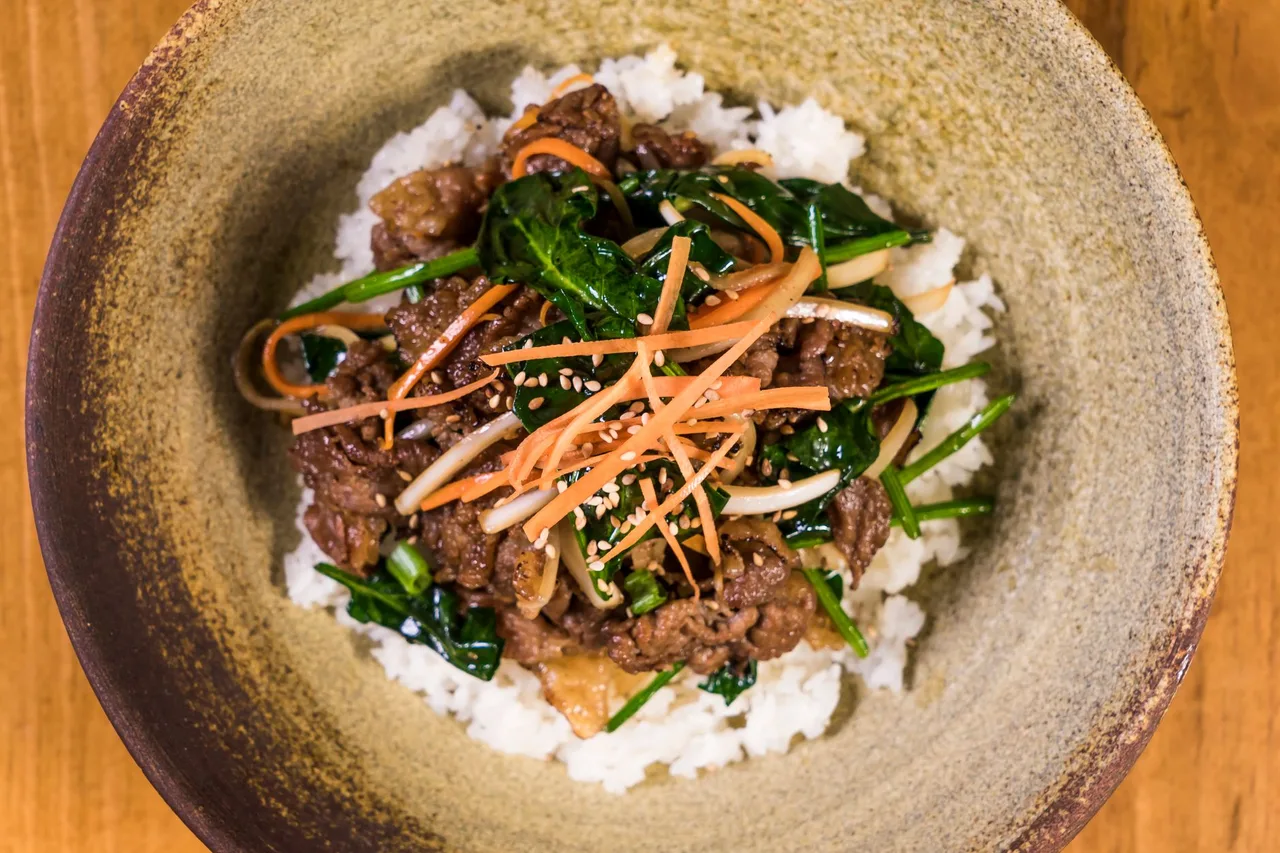
Ground beef isn't just for Western dishes; it's a staple in Korean cooking too. From savory bulgogi bowls to hearty kimchi mandu, these recipes showcase the versatility of ground beef in Korean cuisine.
What is bulgogi and how can you make it with ground beef?
Bulgogi is one of the first Korean dishes many people try, usually as thinly sliced marinated beef grilled at the table. If you're cooking at home, ground beef is a shortcut that keeps all the savory-sweet flavor but is quicker and easier on your wallet. The key is the marinade: soy sauce, sugar, garlic, sesame oil, and a splash of mirin if you have it. Mix the marinade with the ground beef and let it sit for at least 15 minutes—longer if you have time, but honestly, it works even if you're in a rush.
When you cook, use a hot skillet or wok so you can brown the meat and get those little caramelized bits that taste just like the best bulgogi restaurants in Seoul. I always toss in sliced onions and maybe some mushrooms or carrots if they're in the fridge, to soak up the sauce. Serve it over steamed rice and top with sliced green onions or a sprinkle of sesame seeds. It’s a dish that feels special but comes together in under 30 minutes on a weeknight. If you’re curious about how bulgogi fits into the bigger world of Korean BBQ, I’d point you to our Korean BBQ guide, which covers all the grilling traditions.
Adapting bulgogi for ground beef isn’t just a time-saver; it brings the same umami punch and sweetness, making it ideal for anyone wanting real Korean flavor without a trip to the butcher.
How to prepare a ground beef bibimbap?
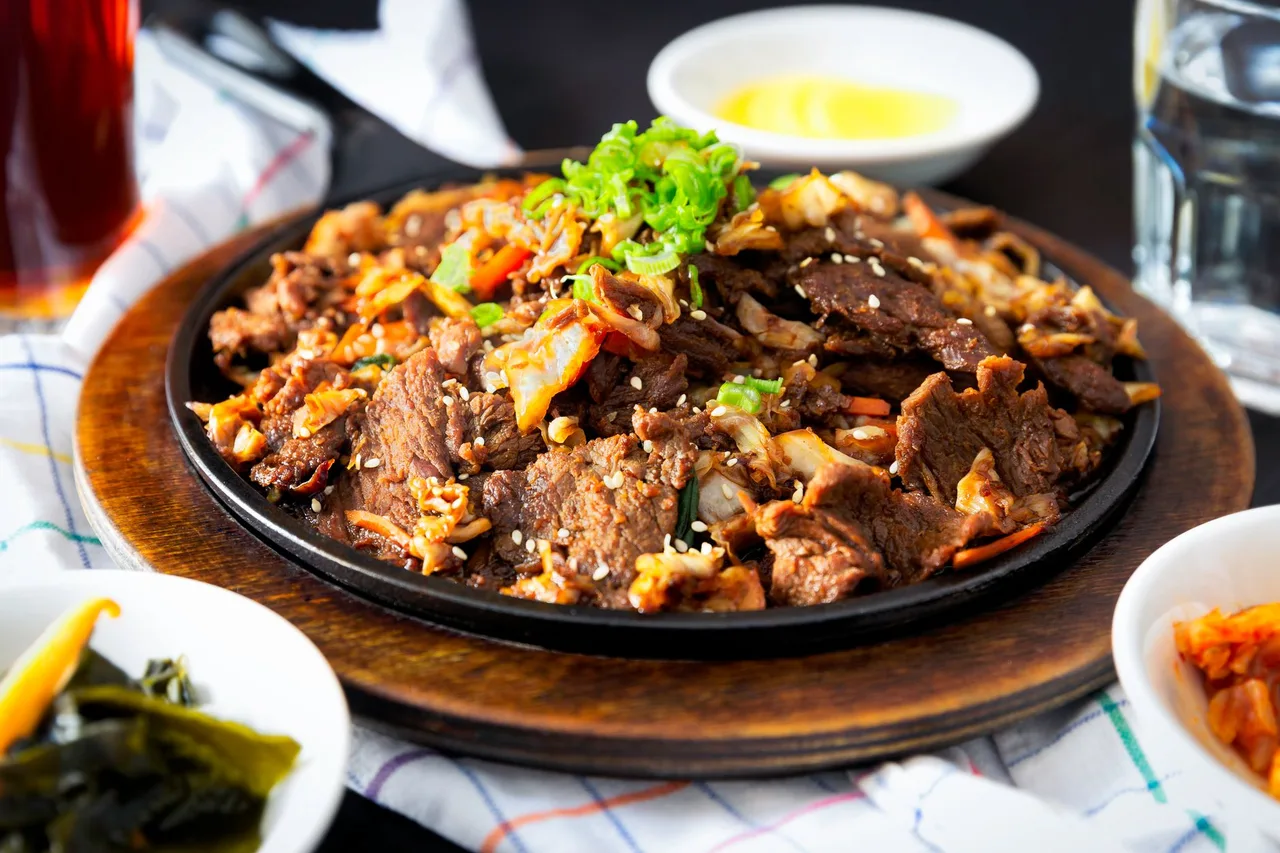
Bibimbap literally means "mixed rice," and it’s the kind of dish where flexibility is the whole point. Traditionally, you’d see an array of seasoned vegetables, a fried egg, and either sliced beef or a vegetarian topping. Swapping in ground beef makes the prep much less fussy, and you still get all the classic flavor and color. I like to quickly sauté the ground beef with garlic, soy sauce, and just a touch of sugar, so it’s savory with a hint of sweetness.
The real fun in bibimbap is arranging your toppings. Quick-blanch spinach, sauté carrots, and fry a sunny-side-up egg. You don’t need a dozen side dishes—just a handful of veggies you have on hand will do. Layer the rice first, then spoon the ground beef and vegetables in sections over the top. Right before eating, I always add a generous dollop of gochujang (Korean chili paste) and a drizzle of sesame oil. Mix everything together at the table for the full experience.
Using ground beef instead of traditional beef strips seriously cuts down on prep and cook time, and you can make enough to feed a family or just yourself for several meals. If you’re new to Korean food and wondering what to try first, bibimbap is a great entry point—see our food guide for first-timers for more ideas on getting started.
Making kimchi mandu with ground beef
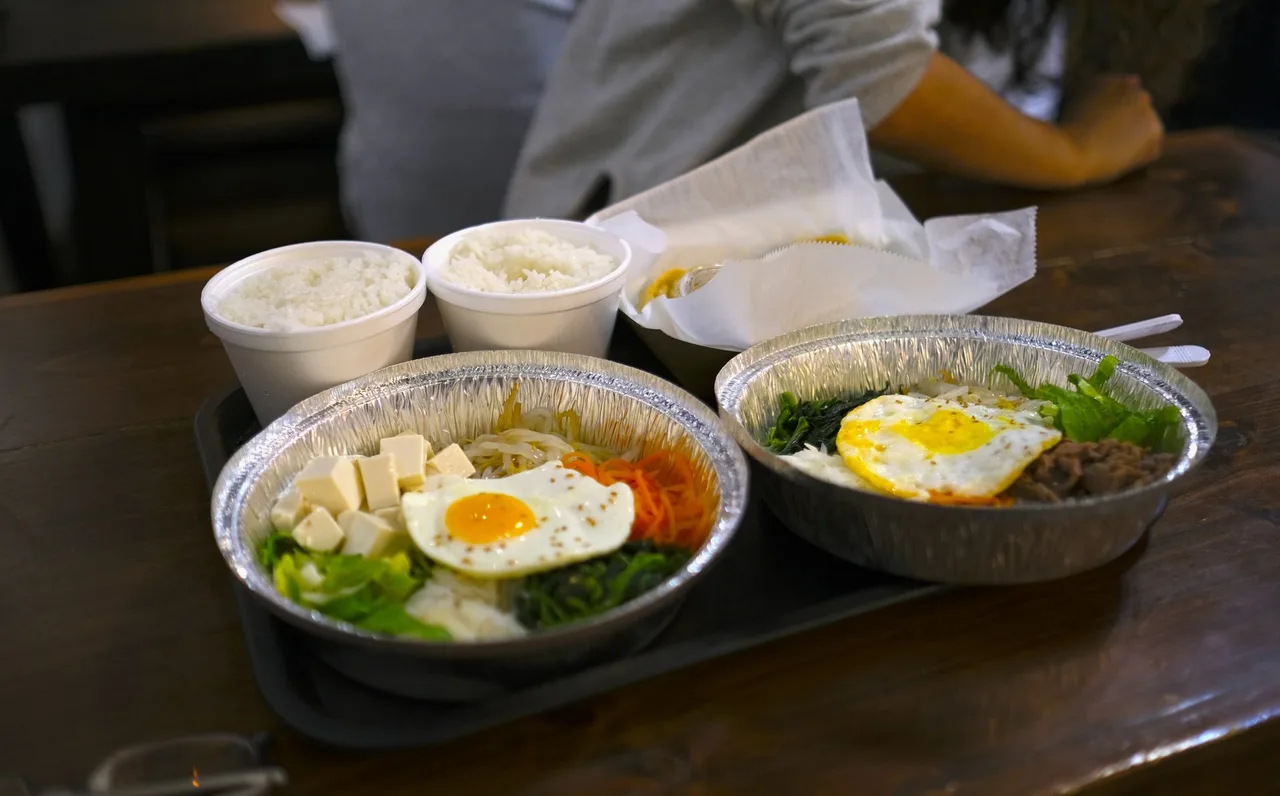
Kimchi mandu are Korean dumplings that pack a punch—the filling blends tangy, spicy kimchi with juicy ground beef. These dumplings are a staple in Korean homes, especially when you have leftover kimchi that’s gotten a bit too sour to eat plain. I always chop the kimchi finely and squeeze out excess liquid so the filling isn’t watery. Then I mix it with ground beef, some tofu for softness, minced garlic, and a little bit of green onion.
You can use store-bought mandu wrappers to save time (look for them in the freezer section if you have an Asian grocery nearby). Place a spoonful of filling in the center, fold and seal with water, and you’re ready to cook. I usually pan-fry until crisp on one side, then steam for a few minutes with a splash of water and a lid on. You can boil them for soup or even deep-fry if you like them extra crunchy.
Kimchi mandu are spicy, savory, and deeply satisfying—perfect as a snack, appetizer, or main dish if you make enough. If you want to see how these dumplings fit into the world of Korean street food, check out our street food guide.
Creating Korean meatballs (Wanja-jeon)
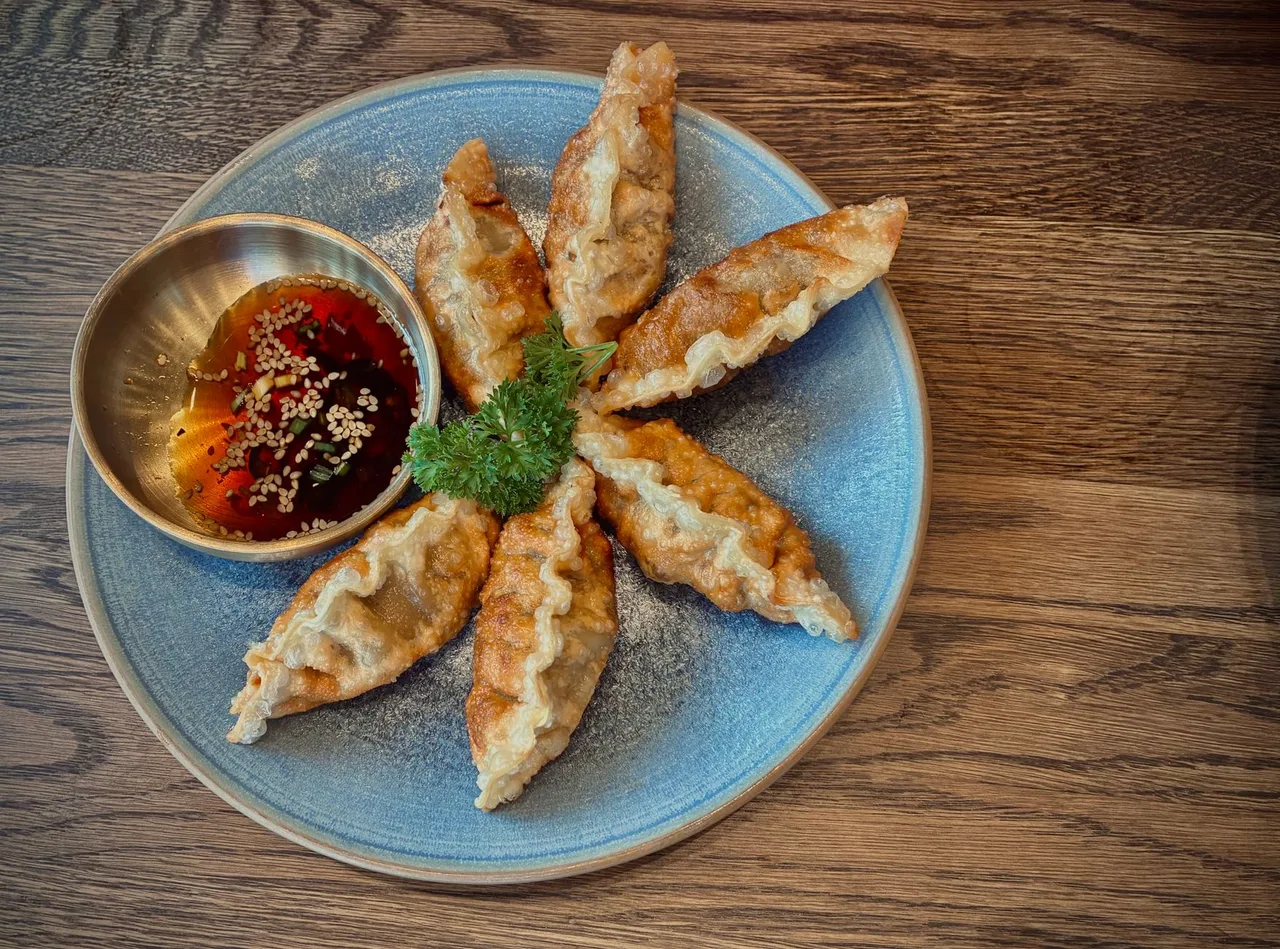
Wanja-jeon are Korean meatballs made from ground beef, and they are one of the most approachable and crowd-pleasing banchan (side dishes) you’ll find on a Korean table. I always recommend this dish if you’re looking for something easy to share or serve as an appetizer. The basic recipe involves seasoning ground beef with a bit of minced onion, garlic, salt, and pepper, then shaping the mixture into small patties. These are typically dipped in flour and beaten egg before being pan-fried until golden on both sides. You’ll notice that unlike Western-style meatballs, Wanja-jeon are usually flatter and more delicate in texture.
What makes Wanja-jeon special is the balance between the savory, slightly sweet meat and the light, crispy coating from the egg. The pan-frying method gives them a gentle crunch without being greasy. Traditionally, they’re served with a simple dipping sauce made from soy sauce, vinegar, and a sprinkle of chopped green onion or chili. I like to make a small batch for a weeknight dinner, but they’re also a staple on Korean holiday tables and at family gatherings.
If you want to explore more classic Korean side dishes and appetizers, check out our food guide. Wanja-jeon pair well with a range of dishes, so don’t hesitate to get creative with your lineup. You can also try variations with tofu or mix in chopped vegetables for extra color and texture.
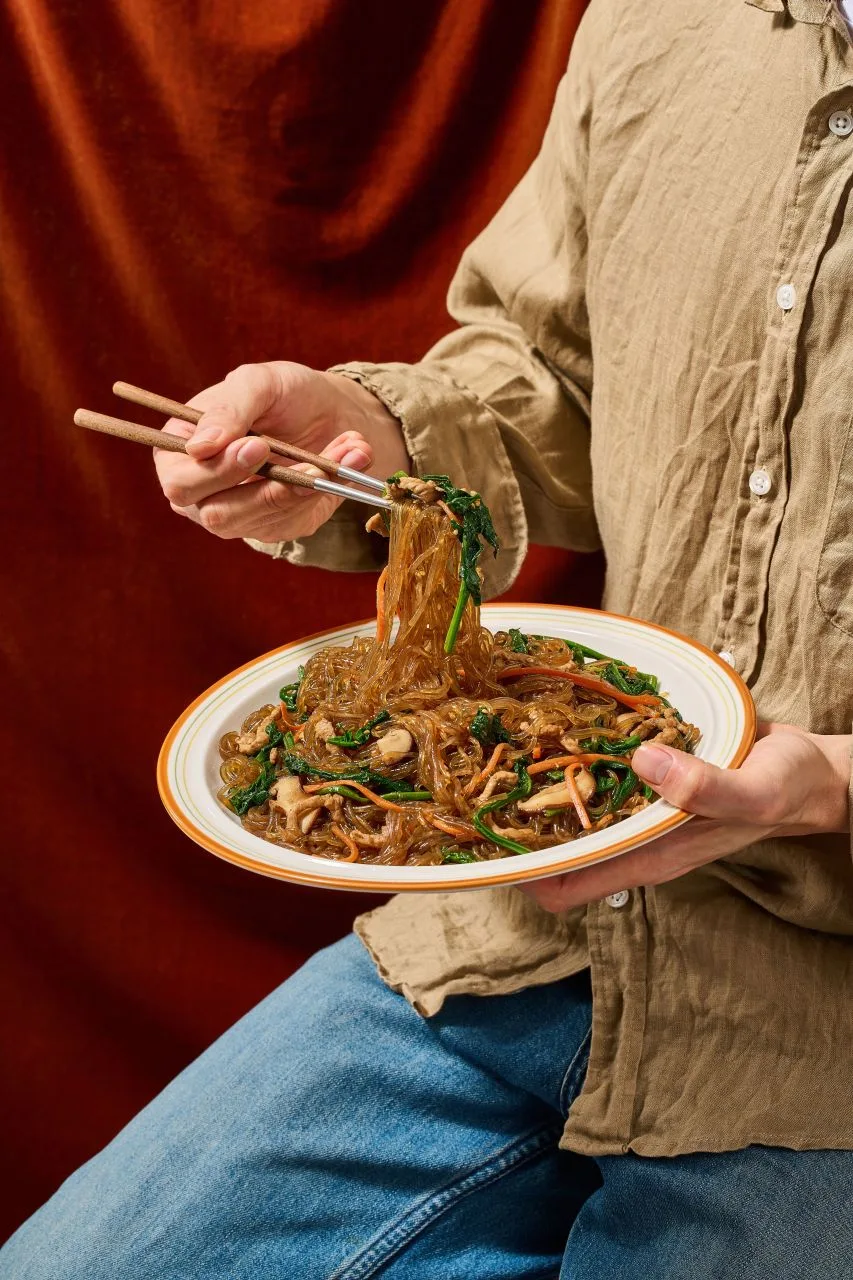
Cooking ground beef japchae
Japchae is a classic Korean noodle dish that brings together chewy sweet potato noodles, a rainbow of sautéed vegetables, and usually strips of beef. Using ground beef instead of sliced steak is my go-to shortcut on busy days. It shaves off some prep time without losing the signature sweet and savory taste that makes japchae so satisfying.
Start by browning your ground beef with a splash of soy sauce, sugar, garlic, and a drizzle of sesame oil. This infuses the meat with flavor from the very beginning. While the beef cooks, boil your dangmyeon (sweet potato noodles) until soft, then drain and rinse them in cold water for that perfect texture. In a separate pan, stir-fry vegetables like carrots, spinach, onion, and bell pepper—whatever you have on hand works. Once everything is ready, toss the noodles, beef, and vegetables together with a bit more soy sauce, sugar, and sesame oil. A quick taste test will tell you if you need a pinch more sweetness or a dash of salt.
Using ground beef makes japchae more approachable if you’re new to Korean cooking; it’s just as delicious and even better for leftovers. For a deeper dive into Korean food terms and dishes, browse our food name guide—it’s especially handy if you’re shopping for ingredients at a Korean grocery.
Preparing ground beef tteokbokki
Tteokbokki is one of Korea’s most beloved street foods, known for its spicy, slightly sweet sauce and chewy rice cakes. I’ve found that adding ground beef to tteokbokki completely transforms it: you get a richer, heartier flavor that makes the dish feel more like a main course than a snack. It’s a simple upgrade that’s especially great if you’re cooking for friends who want something filling but still crave that signature gochujang kick.
To make this version at home, start by sautéing ground beef with some garlic and a pinch of salt until it’s just cooked through. Add water, gochujang (Korean chili paste), sugar, and a splash of soy sauce to the pan, stirring until the sauce is smooth. Toss in your tteok (rice cakes) and simmer everything together until the rice cakes turn soft and the sauce thickens. The beef adds protein and soaks up the spicy sauce, making every bite more satisfying. I usually throw in some green onions and hard-boiled eggs if I have them, but you can keep it classic with just rice cakes and beef.
If you’re curious about other Korean street food favorites, I recommend reading our Myeongdong street food guide. Tteokbokki with ground beef is a fun twist that’s easy to pull off in any kitchen, and it’ll definitely impress anyone who thinks they know tteokbokki already.
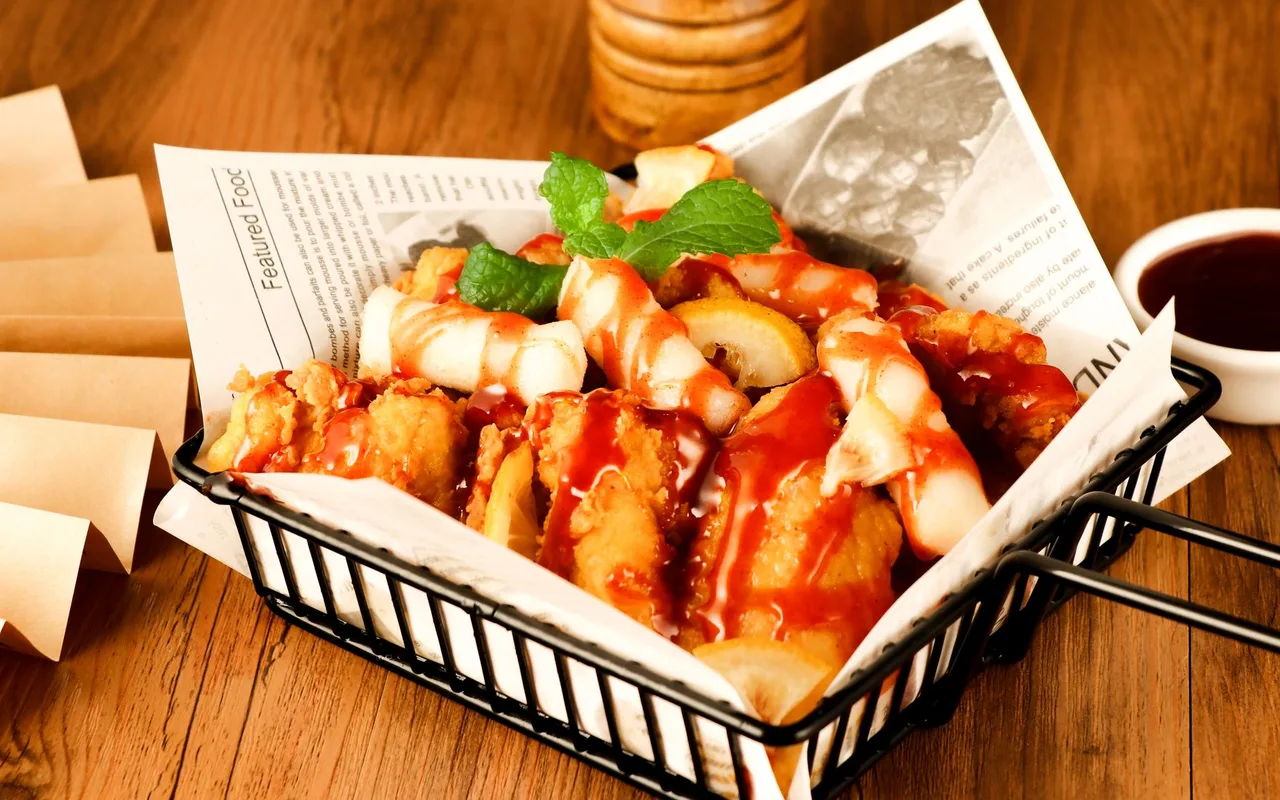
Making ground beef gimbap
Gimbap, those iconic Korean seaweed rice rolls, gets a bold protein upgrade with seasoned ground beef. The traditional version features fillings like pickled radish, egg, and spinach, but swapping in ground beef gives the roll a heartier, more satisfying bite. I often recommend this variation to anyone who wants to turn gimbap from a snack into a full meal. The key is to sauté your ground beef until browned, then season it well—soy sauce, a touch of sesame oil, and a little sugar bring out that signature Korean flavor. Let the beef cool before you start rolling, or your rice will get sticky and hard to work with.
To assemble, lay a sheet of gim (roasted seaweed) on a bamboo mat, spread a thin layer of rice, then spoon a line of your beef, along with classic add-ins like cucumber and carrot. Roll it up tightly and slice into bite-size rounds. Gimbap is a staple at Korean picnics and convenience stores, but the homemade version always wins for me, especially when you can control the ratio of meat to other fillings. Ground beef gimbap packs easily for lunch and holds up well at room temperature, making it a reliable choice for busy days.
If you want to explore more about gimbap’s place in Seoul’s food scene or plan a food crawl, check out our guide to Korean food in Seoul.
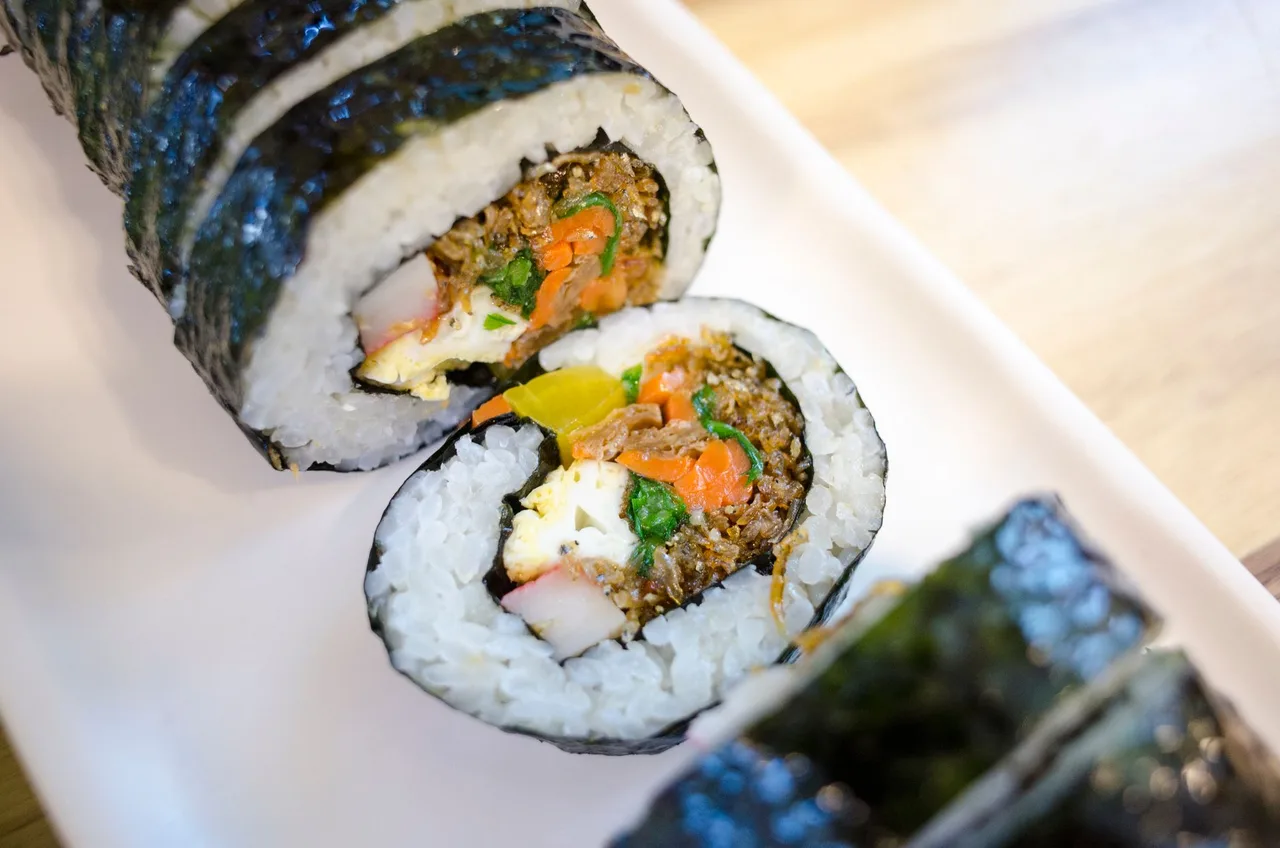
Preparing ground beef doenjang jjigae
Doenjang jjigae, a staple Korean soybean paste stew, takes on a whole new level of comfort with the addition of ground beef. Traditionally, this stew features chunks of tofu, vegetables, and sometimes seafood or sliced beef, but ground beef brings a pleasing heartiness and depth that’s hard to beat on chilly evenings. I usually brown the ground beef first in the pot, letting it render its flavor into the base. Then, add garlic, doenjang (fermented soybean paste), and enough water to create a savory broth.
What’s great about ground beef in doenjang jjigae is how it absorbs the fermented, slightly funky notes of the paste while giving the stew a richer mouthfeel. I like to toss in zucchini, potatoes, and onions, but you can improvise with whatever veggies you have on hand. Let everything simmer until the vegetables are tender and the flavors meld. Serve it bubbling hot with a bowl of rice for a truly satisfying meal.
This is the kind of dish that’s perfect for anyone new to Korean home cooking—simple, forgiving, and deeply flavorful. If you’re curious about what to order first at a Korean restaurant, or want to branch out at home, check out our first-timer’s food guide.
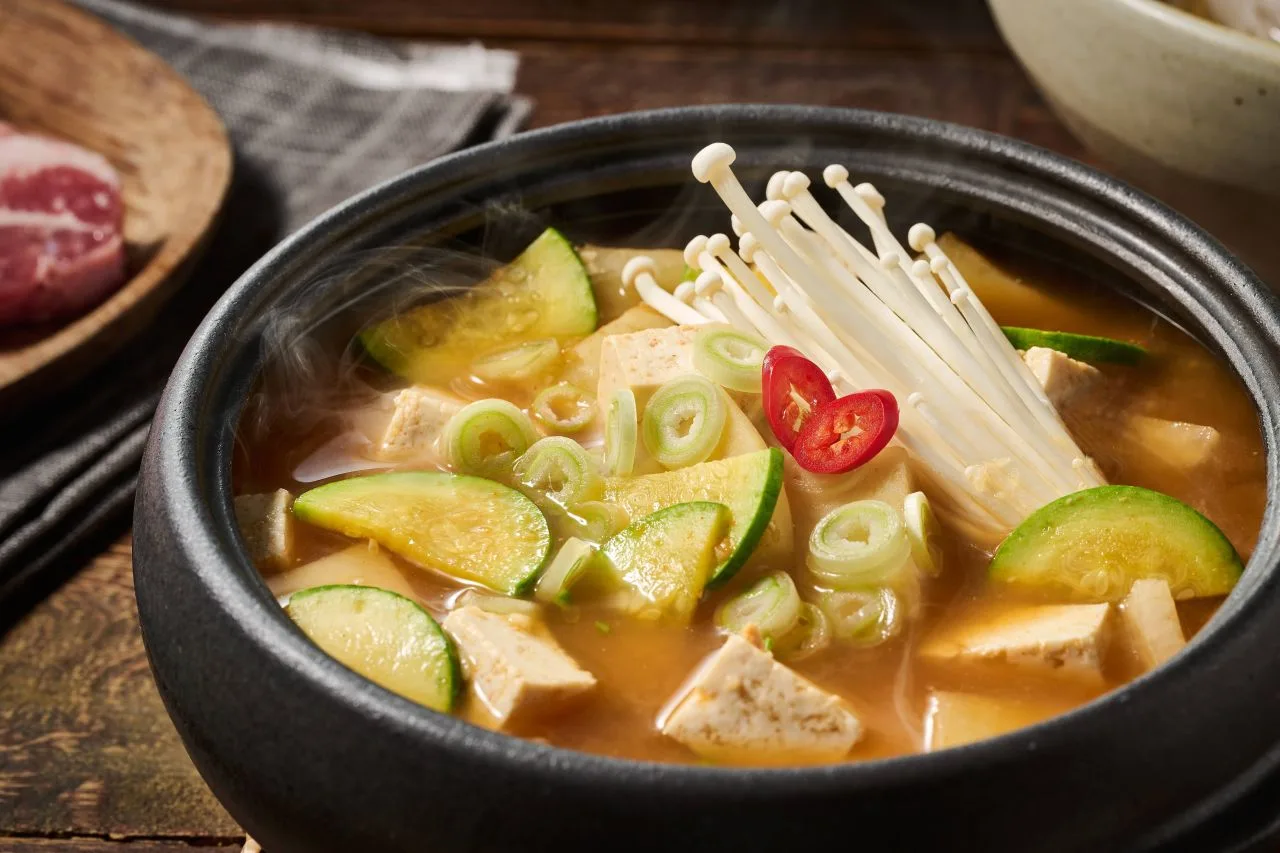
Cooking ground beef kimchi fried rice
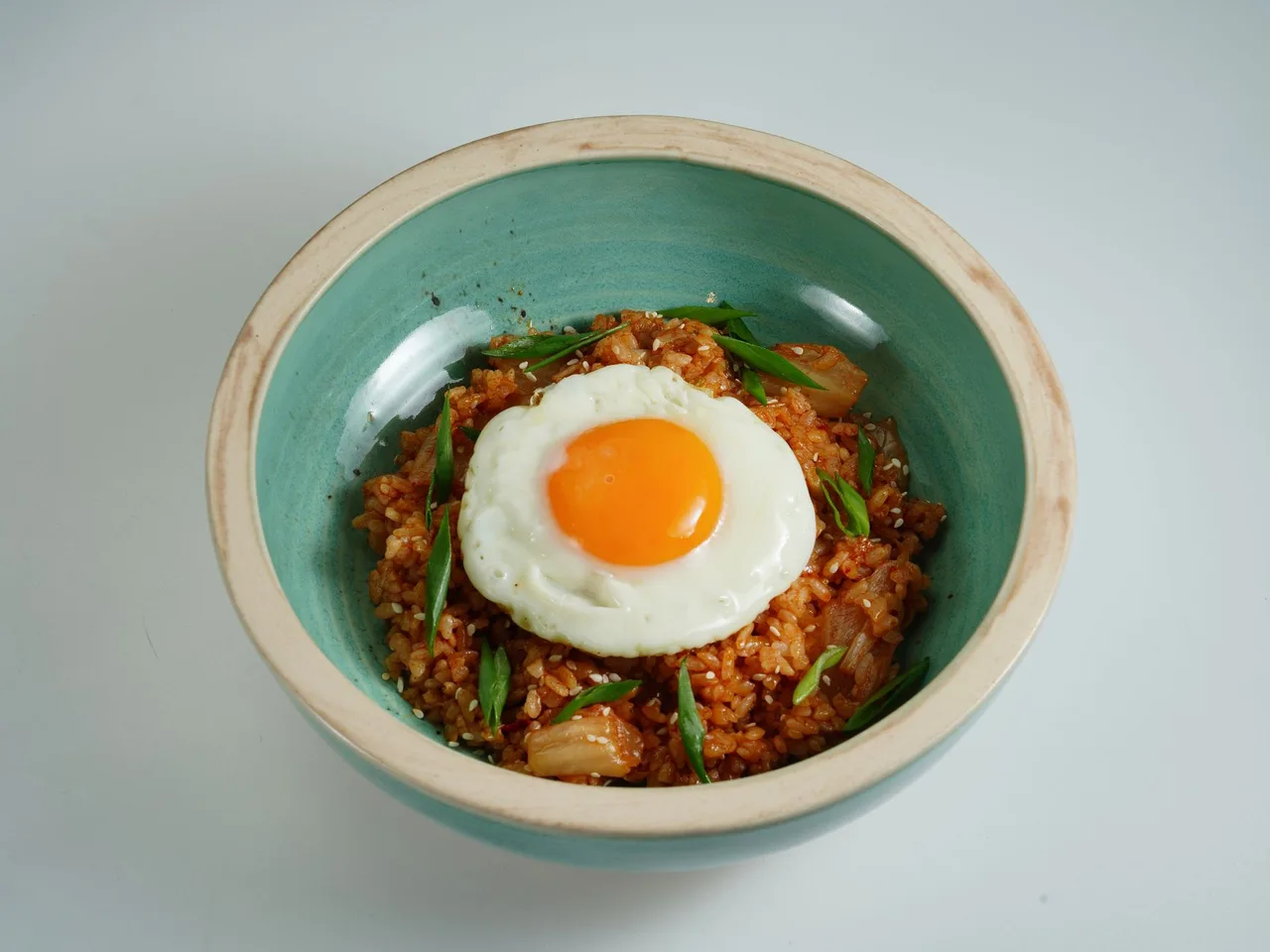
Kimchi fried rice (kimchi bokkeumbap) is my go-to when I want something quick, deeply flavorful, and filling. The classic recipe starts with leftover rice and ripe kimchi, but tossing in some ground beef takes this humble dish into main meal territory. Start by browning the beef in a hot pan—don’t skimp on this step, as the caramelization adds a layer of savoriness that ties everything together. Once the beef is cooked through, add chopped kimchi and a spoonful of kimchi juice for extra punch.
Let everything fry until the kimchi softens and the flavors become one, then add in the rice, breaking up any clumps. Stir-fry until the rice is heated through and has picked up color from the kimchi. I always finish with a drizzle of sesame oil and, if I’m feeling indulgent, top it with a fried egg. Ground beef gives the fried rice a rich, meaty base, so you end up with a dish that’s got both zing and substance.
It’s a lifesaver for busy days and works with whatever’s left in your fridge. For a deeper dive into classic Korean dishes like this, browse our Korean food list for more inspiration.
Incorporating ground beef into these Korean dishes offers a convenient way to enjoy authentic flavors at home. Experiment with these recipes to find your favorites and bring a taste of Korea to your kitchen.
Frequently asked questions
Can I substitute ground beef in traditional Korean recipes?
Yes, ground beef can be used in many traditional Korean dishes like bulgogi, bibimbap, and mandu for quicker preparation without compromising flavor.
Where can I find Korean ingredients for these recipes?
Korean ingredients like gochujang, doenjang, and kimchi are available at Asian grocery stores or online retailers.
Are these ground beef Korean dishes spicy?
Some dishes like tteokbokki and kimchi fried rice are spicy, but you can adjust the spice level to your preference.
How can I make these dishes vegetarian?
You can substitute ground beef with plant-based alternatives like tofu or mushrooms to create vegetarian versions of these dishes.
Can I prepare these dishes ahead of time?
Yes, many of these dishes can be prepared in advance and reheated, making them convenient for meal prep.
Sources
This guide was researched using the references below. Prices and times change, so confirm anything time-sensitive on the official page before you rely on it.
Related guides
- Korean BBQ options near Incheon AirportA guide to enjoying authentic Korean BBQ near Incheon Airport, including top restaurant recommendations and practical tips for travelers.
- Korean BBQ in Incheon: A guide for foreignersDiscover the best Korean BBQ spots in Incheon, understand local dining etiquette, and learn how to enjoy this culinary experience like a local.
- Korean BBQ in Seoul: A guide for first-time visitorsDiscover the essentials of enjoying Korean BBQ in Seoul, from ordering and etiquette to top restaurant recommendations and solo dining options.
- Korean chicken recipes to try at homeExplore a variety of Korean chicken dishes, from spicy stir-fries to comforting soups, with recipes and cultural insights.
- Easy Korean recipes for beginnersDiscover simple Korean dishes like kimchi fried rice and bulgogi that you can make at home with minimal ingredients and time.
- Authentic Korean dinner recipes to try at homeExplore a selection of authentic Korean dinner recipes, from savory stews to flavorful stir-fries, perfect for bringing the taste of Korea to your table.