Korean BBQ in Seoul: A guide for first-time visitors
Discover the essentials of enjoying Korean BBQ in Seoul, from ordering and etiquette to top restaurant recommendations and solo dining options.
By Jae Park · Updated Jul 29, 2026
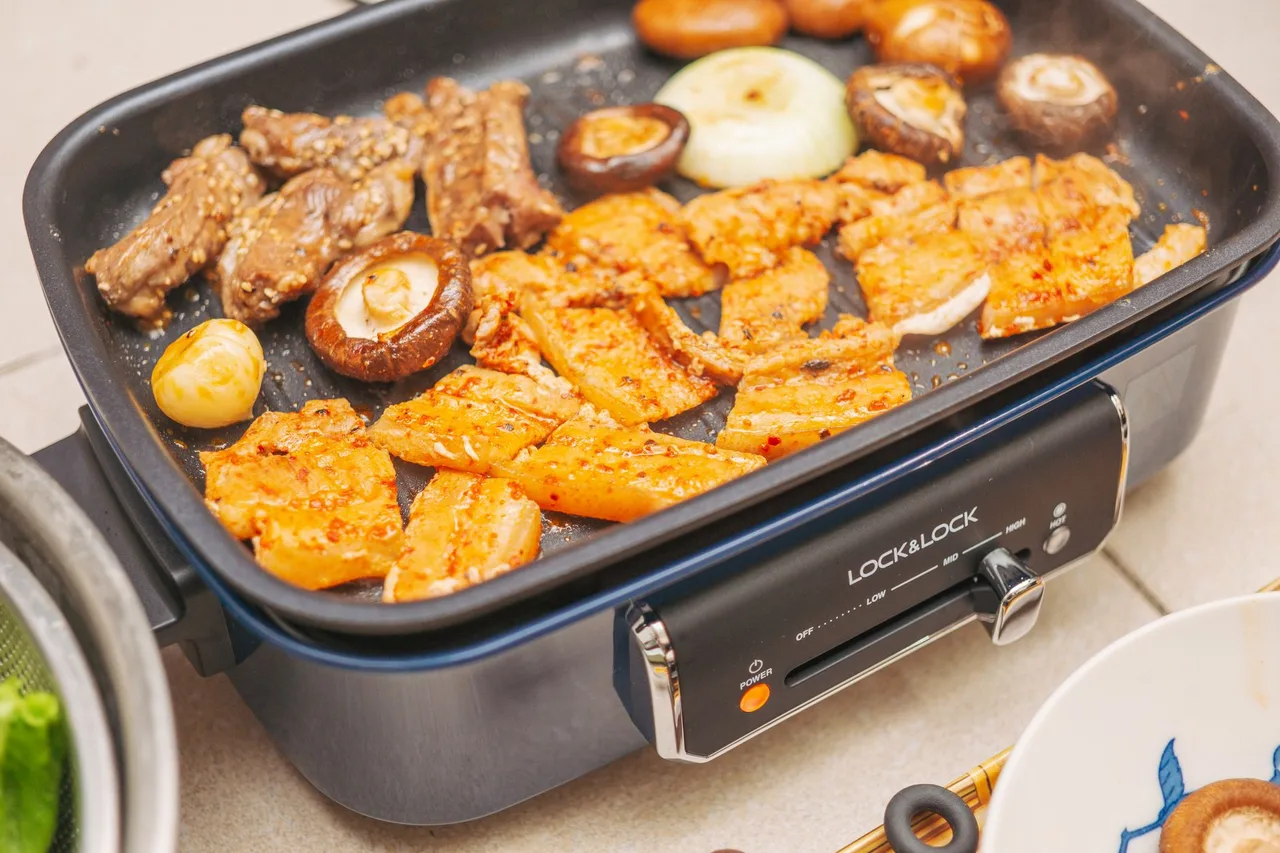
Korean BBQ is a foundation of Seoul's dining scene, offering a communal experience where diners grill meats at their table. Prices typically range from ₩15,000 to ₩25,000 per person for pork options, making it accessible for various budgets.
Understanding the Korean BBQ experience
Korean BBQ is all about grilling meats like pork belly (samgyeopsal) or beef short ribs (galbi) right at your table, surrounded by a parade of side dishes called banchan—think kimchi, pickled radish, and sometimes even sweet potato salad or marinated bean sprouts. If you’re coming from the K-drama world, you’ll instantly recognize those sizzling platters and lettuce wraps, and honestly, the real thing lives up to the hype. The biggest surprise for most first-timers is the sheer variety of flavors you get in one meal. You’ll wrap grilled meat in lettuce or perilla leaves, pile on some banchan, maybe a dab of ssamjang (the spicy-salty sauce), and create a bite that’s totally your own.
Unlike Western steakhouse grilling, Korean BBQ is a communal affair. The table itself has a grill built in, and you’re meant to cook, share, and talk as you go. I always tell friends: don’t stress about “doing it wrong." Most places are relaxed, and at higher-end restaurants, staff often help with the grilling anyway. It’s totally normal to see tables crowded with locals, everyone reaching for banchan and flipping slices of pork belly between sips of soju. If you’re curious about the different cuts or want to go deeper, see our full Korean BBQ 101 guide.
How to order and what to expect
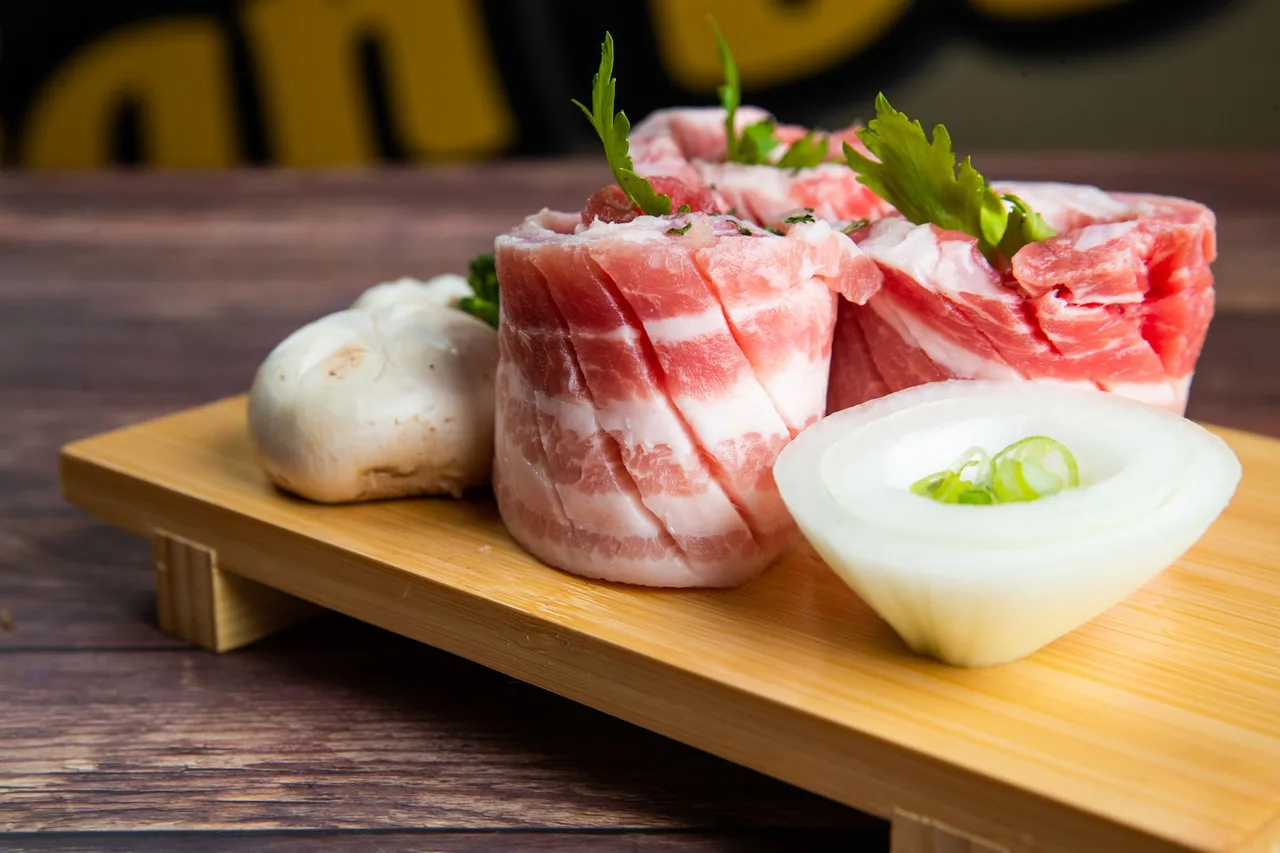
Ordering at a Korean BBQ spot is pretty straightforward, but there are a couple of quirks that trip up newcomers. Meats are almost always ordered by portion (인분, “inbun”), which means one serving, usually 150-200 grams. Here’s something that catches a lot of solo travelers: most places require a minimum of two portions, even if you’re eating alone. I’ve seen people try to order one serving and get politely told “two portions minimum,” so factor that into your budget and appetite. If you’re dining solo but want the full experience, seek out restaurants like 혼밥식당 or 고기한판, which cater to single diners and don’t have the usual group minimums.
Menus often have pictures, especially in touristy areas, and many offer English, but I’d still recommend learning a few basic meat names in Korean or using a translation app for peace of mind. You’ll order your meats first—samgyeopsal (pork belly) and galbi (beef short rib) are classics—then the staff will bring out all the banchan and set up the grill. Expect to pay anywhere from ₩15,000 for all-you-can-eat pork to well over ₩100,000 for top-grade Hanwoo beef, depending on where you go. If you want to study up on Korean menu words before you go, check out our guide to reading a Korean menu.
Etiquette at the BBQ table
Korean BBQ is as much about group dynamics as it is about the food. One of the first things you’ll notice is that it’s considered polite to pour drinks—especially soju or beer—for others at the table, rather than topping up your own glass. When someone older offers you a drink, you should accept it with both hands as a sign of respect. These little rituals can feel formal at first, but they’re an easy way to connect with locals and avoid awkward moments.
Grilling itself is a bit of a team sport. In more casual places, everyone pitches in to turn the meat and make sure nothing burns, but if you’re at a higher-end BBQ restaurant, the staff often swoop in and handle the grilling for you. I always recommend letting them take over if they offer; the meat almost always tastes better when a pro does it. If you’re the guest of honor or the youngest at the table, you’ll probably be expected to help with the grilling or plating the cooked meat for others.
Don’t be shy about asking questions—staff are used to helping first-timers figure out the flow. For a quick primer on these unwritten rules and more, see our Korean etiquette dos and don’ts guide.
Top Korean BBQ restaurants in Seoul
If you want to experience the best of Korean BBQ in Seoul, start with places that locals actually line up for. Palsaik Samgyeopsal is famous for its eight-flavor pork belly—each strip marinated in a different sauce, from spicy chili to mild ginseng. It's a fun way to sample how Korean BBQ brings variety to the table, and the playful presentation makes it a hit with both locals and tourists. Golden Pig (금돼지 식당) is another spot you’ll hear about from Seoul chefs and food writers. It’s the kind of place where the quality of the meat stands out, and you can expect the staff to help grill it to perfection. Both of these restaurants make ordering easy, with English menus available and a steady flow of banchan (side dishes) to keep things interesting.
If you’re new to BBQ, I’d personally avoid the big chains in tourist districts—the experience can feel rushed and a little impersonal. Instead, look for places where you see local families or office workers at dinner. The portions are generous, and the grilling feels more relaxed. For a deeper dive into the city’s food scene, check out our food guide, which covers other can’t-miss dishes you won’t find outside Korea.
Solo dining options
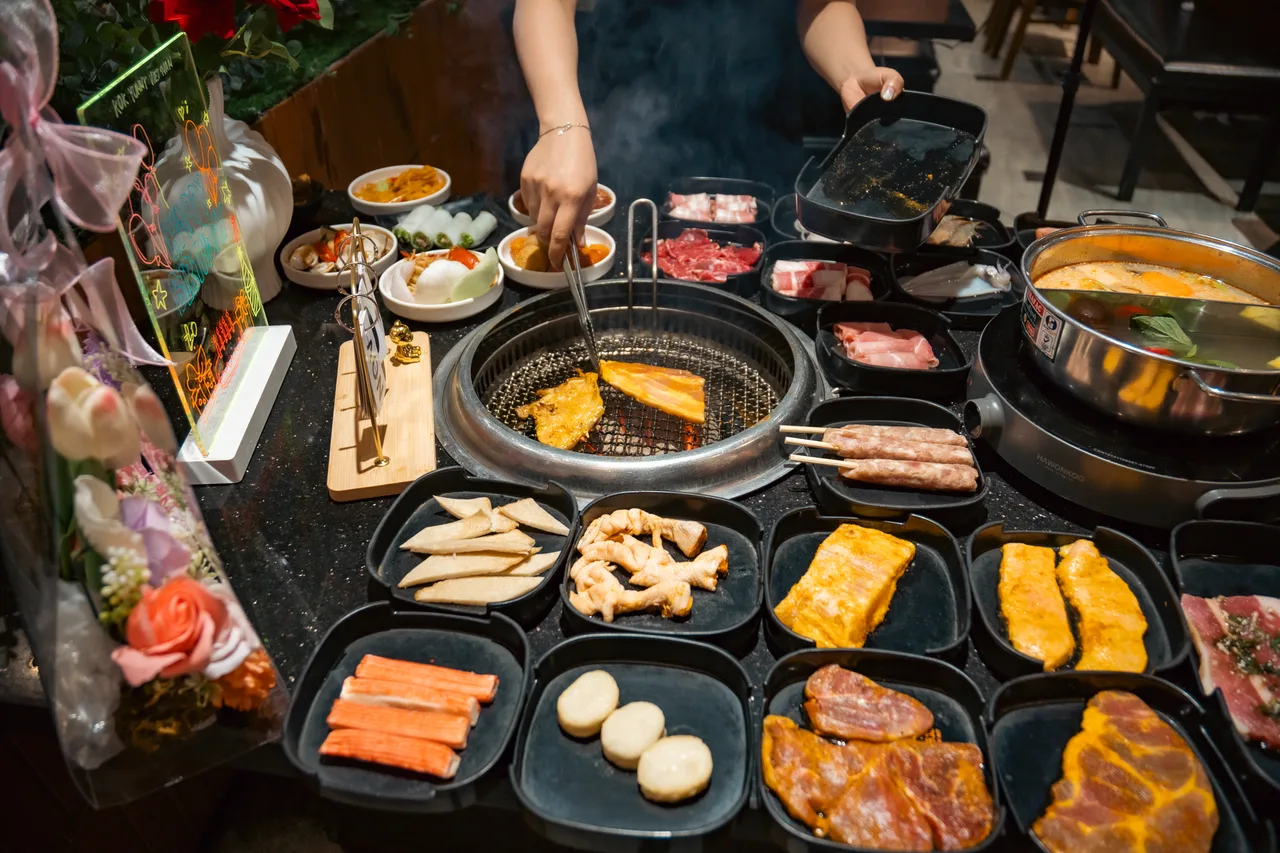
Traditionally, Korean BBQ is a group event, but Seoul’s dining scene has evolved, and solo-friendly BBQ spots are now a real thing. Restaurants like 혼밥식당 and 고기한판 are specifically designed for people eating alone. Here, you’ll find individual grills and smaller portion sizes, so you don’t have to awkwardly order for two just to enjoy some grilled meat. At 혼밥식당, each table is set up for single diners, and the staff are used to foreigners, so you won’t get any side-eye for eating alone. 고기한판 is another solid choice, with a menu that makes it easy to try a little bit of everything without breaking the bank.
What I really appreciate about these places is that they remove the pressure of group dining. You can take your time, experiment with different sauces and banchan, and people-watch without feeling rushed. Most solo-friendly BBQ restaurants offer English menus or picture guides, and they often have efficient ventilation, so you won’t walk out smelling like a smokehouse. If you want more tips on eating like a local, including how to handle menus and customs when you’re on your own, we’ve put together a practical guide at how to eat like a local in Korea.
Understanding the costs
Korean BBQ in Seoul can fit nearly any budget, but prices vary widely depending on the type of meat and restaurant. All-you-can-eat pork BBQ spots are popular for a reason: you can expect to pay around ₩15,000 per person, and that usually includes a steady stream of side dishes and, sometimes, a self-serve bar for lettuce wraps and sauces. This is a great option for students or anyone looking to fill up without spending too much. On the other end of the spectrum, if you’re curious about Hanwoo (Korean native beef, prized for its flavor and marbling), be prepared—premium Hanwoo BBQ can easily run over ₩100,000 per person at top-tier restaurants.
Most BBQ places require you to order at least two portions (인분, about 150-200g each) per meat type, even if you’re solo. If you’re in a tourist-heavy area, prices can be a bit inflated, but you’ll usually get English menus and staff who are used to helping foreigners. For those looking to budget their trip, I recommend mixing it up: try a casual pork BBQ spot one night and splurge on Hanwoo once if you want to see what all the fuss is about. For more on food budgeting and what to expect during your stay, our Korea trip cost guide breaks it all down.
Navigating language barriers
Many BBQ restaurants in popular Seoul districts offer English menus, but knowing a handful of Korean words (or having a translation app ready) can make your meal feel less like guesswork and more like a real experience. I’ve noticed that places near Myeongdong or Hongdae will usually hand you an English picture menu without you even asking. Still, once you get outside those tourist-heavy neighborhoods, English support drops off fast. If you walk into a spot that looks busy with locals, don’t expect perfect English—pointing, smiling, and knowing a few menu basics helps a lot.
I always recommend learning a couple of Korean BBQ essentials. "Samgyeopsal" (pork belly), "galbi" (short ribs), and "inbun" (serving portion) are the minimum if you want to order confidently. Most restaurants require at least two servings per table, so try asking, "Ee inbun juseyo" (이 인분 주세요, "Two portions, please"). You’ll find that staff are patient, but having these phrases ready keeps things smooth and avoids surprises with minimum orders or unexpected cuts of meat.
Translation apps like Papago or Google Translate do work, but they’re not perfect with menu slang or staff recommendations. I’d suggest browsing our 20 survival Korean phrases guide before you go. It covers everything from “Is this spicy?” to “Can I get more side dishes?” If you’re feeling ambitious, learning to read 한글 (Hangeul, the Korean alphabet) takes a weekend and suddenly makes every menu much less intimidating. For me, that’s always been the key to feeling at home in a Korean BBQ joint.
Exploring Korean BBQ in Seoul is a culinary adventure that combines delicious food with cultural immersion. Whether dining solo or with friends, understanding the customs and options available will ensure a memorable experience.
Location
Seoul, South Korea
View on Google MapsFrequently asked questions
How much does Korean BBQ cost in Seoul?
Prices typically range from ₩15,000 to ₩25,000 per person for pork options, with premium beef experiences costing more.
Can I dine alone at a Korean BBQ restaurant?
Yes, while traditional BBQ is geared towards groups, Seoul has many solo-friendly BBQ spots catering to single diners.
Is it customary to tip at Korean BBQ restaurants?
No, tipping is not expected in Korea; the service charge is usually included in the bill.
Do I need to make a reservation for Korean BBQ restaurants?
For popular or premium BBQ spots, it's advisable to make a reservation, especially during peak dining hours.
Are side dishes included in the price at Korean BBQ restaurants?
Yes, side dishes (banchan) are typically included and can often be refilled upon request.
Sources
This guide was researched using the references below. Prices and times change, so confirm anything time-sensitive on the official page before you rely on it.
Related guides
- Korean recipes with ground beefExplore easy and flavorful Korean dishes using ground beef, from bulgogi bowls to kimchi mandu, perfect for quick meals.
- Korean BBQ options near Incheon AirportA guide to enjoying authentic Korean BBQ near Incheon Airport, including top restaurant recommendations and practical tips for travelers.
- Korean BBQ in Incheon: A guide for foreignersDiscover the best Korean BBQ spots in Incheon, understand local dining etiquette, and learn how to enjoy this culinary experience like a local.
- Korean chicken recipes to try at homeExplore a variety of Korean chicken dishes, from spicy stir-fries to comforting soups, with recipes and cultural insights.
- Easy Korean recipes for beginnersDiscover simple Korean dishes like kimchi fried rice and bulgogi that you can make at home with minimal ingredients and time.
- Authentic Korean dinner recipes to try at homeExplore a selection of authentic Korean dinner recipes, from savory stews to flavorful stir-fries, perfect for bringing the taste of Korea to your table.