Korean chicken recipes to try at home
Explore a variety of Korean chicken dishes, from spicy stir-fries to comforting soups, with recipes and cultural insights.
By Jae Park · Updated Jul 28, 2026
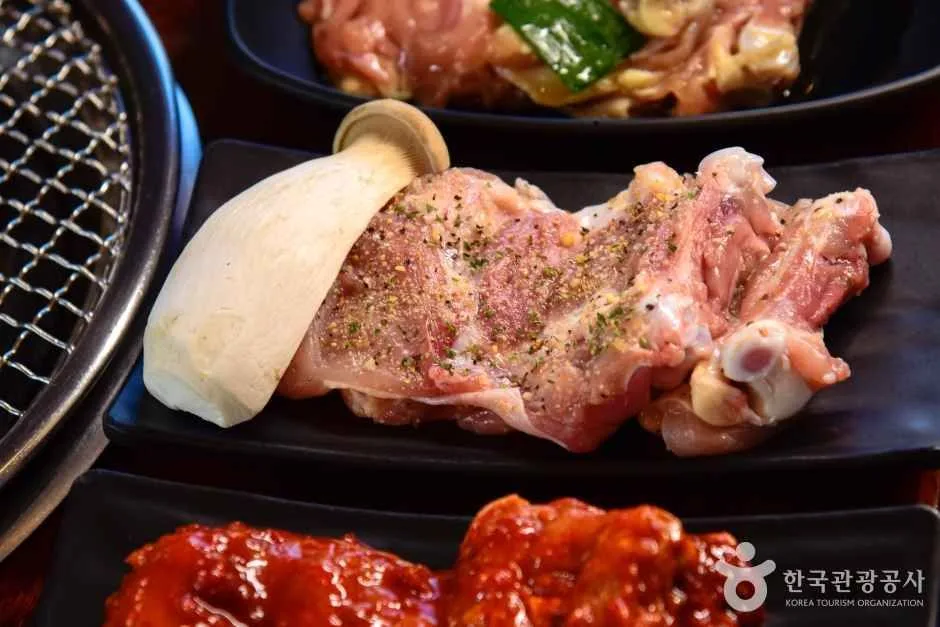
Korean cuisine boasts a rich mix of chicken dishes, each reflecting the country's culinary traditions and regional flavors. From the fiery heat of Buldak to the soothing warmth of Samgyetang, there's a Korean chicken recipe to suit every palate.
Buldak: the fiery 'fire chicken'
Buldak literally means "fire chicken" in Korean, and this dish lives up to the name. What sets buldak apart is its intensely spicy marinade, built around gochujang (Korean red chili paste), garlic, and sometimes a splash of soy sauce or sugar to balance the heat. When you first try buldak, you'll notice the chicken is typically grilled or pan-fried until smoky and just charred, then smothered in that thick, fiery red sauce. The final touch—the part I always look forward to—is a blanket of gooey melted cheese that helps tame the spice just enough so you can go back for another bite.
If you're making buldak at home, you’ll want to use boneless chicken thighs for maximum juiciness. The marinade is the real hero here: I recommend mixing gochujang, minced garlic, a bit of soy sauce, honey or sugar, and chili flakes if you dare. Let the chicken soak for at least an hour, overnight if you can manage. Cook it on a hot pan or grill and don’t rush—those caramelized edges are everything. After cooking, pile it into a heatproof dish, top with shredded mozzarella, and broil until bubbling. Serve it with cold drinks and plenty of rice because buldak pulls no punches.
This dish is a favorite for anyone who loves a challenge and wants to experience the spicy side of Korean food. If you’re curious about more home-friendly Korean recipes, check out our Korean recipes guide.
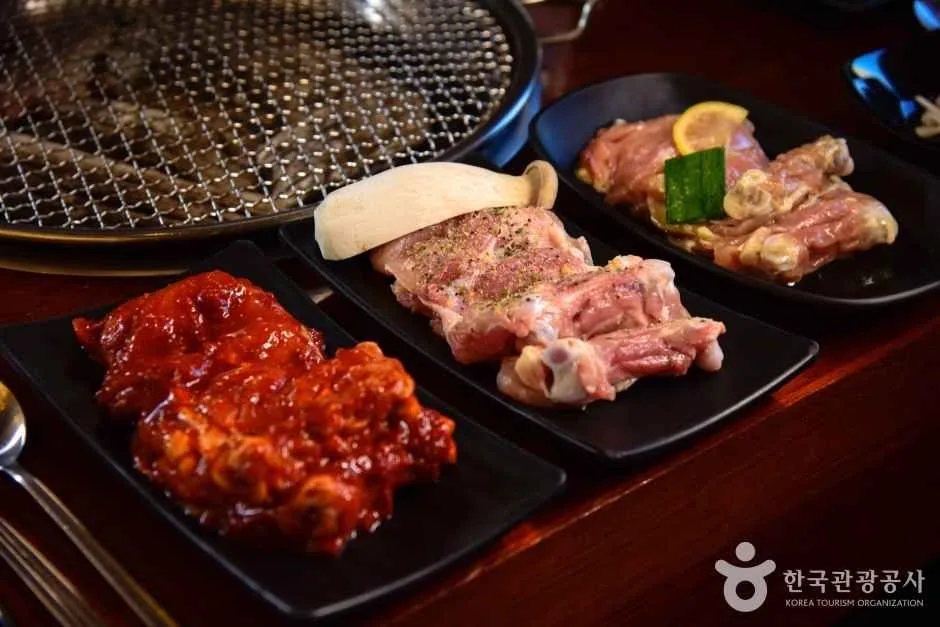
Dakgalbi: spicy stir-fried chicken
Dakgalbi is one of those dishes that instantly transports me to lively Korean restaurants, where friends gather around a sizzling pan. At its core, dakgalbi is chicken stir-fried with gochujang, cabbage, sweet potatoes, carrots, and chewy rice cakes. What makes it fun is the communal cooking—traditionally, everything's cooked at the table, so you can watch the flavors develop right in front of you.
If you're making dakgalbi at home, you don’t need any fancy equipment—a deep skillet or large pan will do. Cut boneless chicken into bite-sized pieces and marinate with gochujang, soy sauce, garlic, and a little sugar. Let it sit to soak up the flavors, then add it to your hot pan along with your vegetables and rice cakes. The key is to stir-fry over high heat so you get a bit of char on the chicken and veggies without overcooking. The rice cakes soak up the spicy sauce and become incredibly addictive. I recommend adding some perilla leaves or a handful of shredded mozzarella near the end for a modern twist, although purists might argue otherwise.
Dakgalbi is great for sharing and makes for a hearty, satisfying meal. Clean-up is easy, and leftovers are even better the next day. If you’re looking for more Korean dinner ideas, I’d point you to our dinner recipes guide.
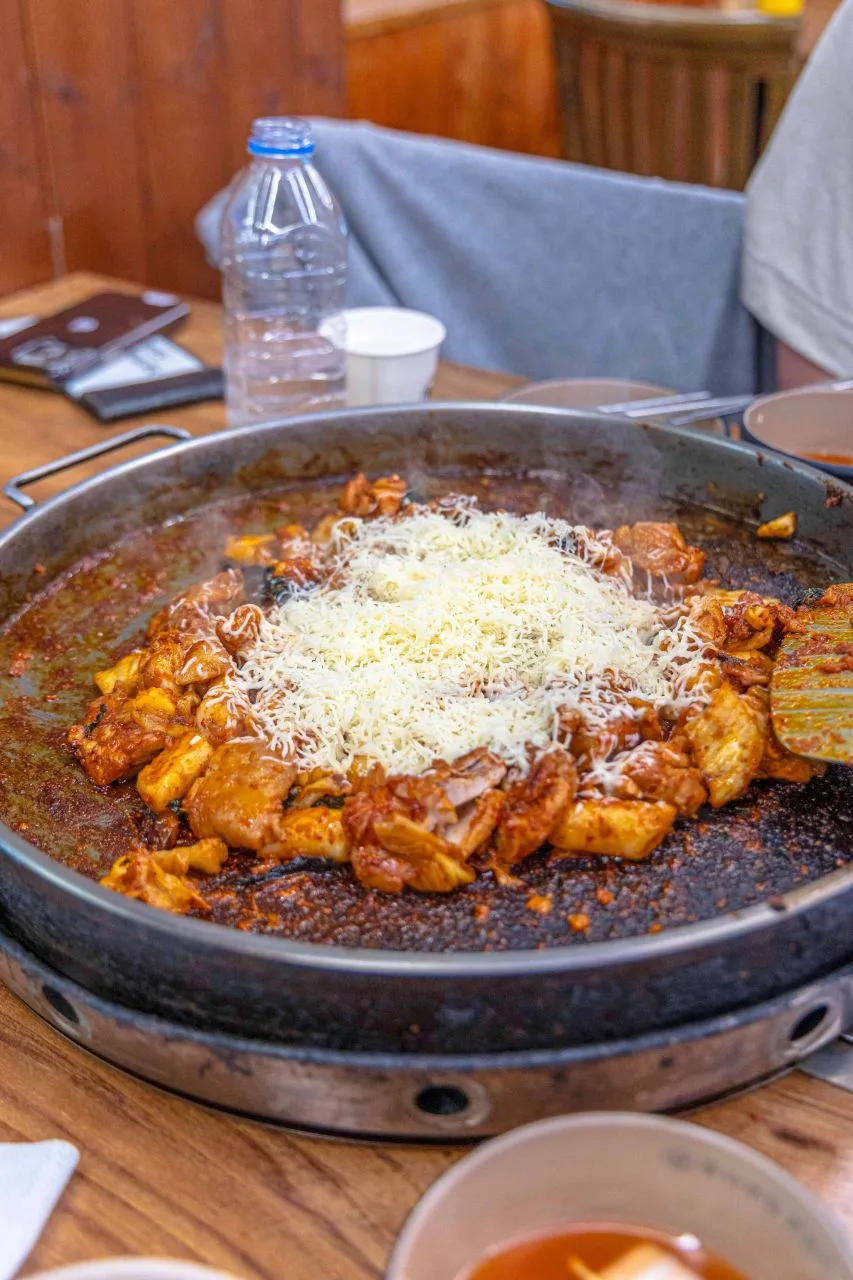
Samgyetang: ginseng chicken soup
Samgyetang is the ultimate Korean comfort food, especially when summer humidity peaks and energy levels dip. At first glance, it’s a simple clear soup, but the real magic is inside: a whole young chicken stuffed with glutinous rice, ginseng, jujube (Korean dates), and garlic, simmered until everything turns silky and fragrant. There’s a tradition in Korea of eating samgyetang during the hottest days, a practice called “iyeol chiyeol”—fighting heat with heat.
Cooking samgyetang at home takes a bit of planning, but it’s not difficult. Look for a small chicken (often labeled “Cornish hen” in Western markets) and rinse it well. Stuff it with soaked glutinous rice, a piece of dried ginseng, a couple of jujubes, and a few cloves of garlic. Tie the legs to keep the stuffing in, then place the bird in a pot with plenty of water. Simmer gently for at least an hour, skimming off any foam. You’ll notice the broth turns milky and the chicken becomes incredibly tender. I like to serve mine with coarse salt and black pepper on the side so everyone can season to taste.
Samgyetang is believed to restore stamina and is a delicious way to experience a slower, more restorative side of Korean food culture. For more comfort food classics, see our Korean food list.
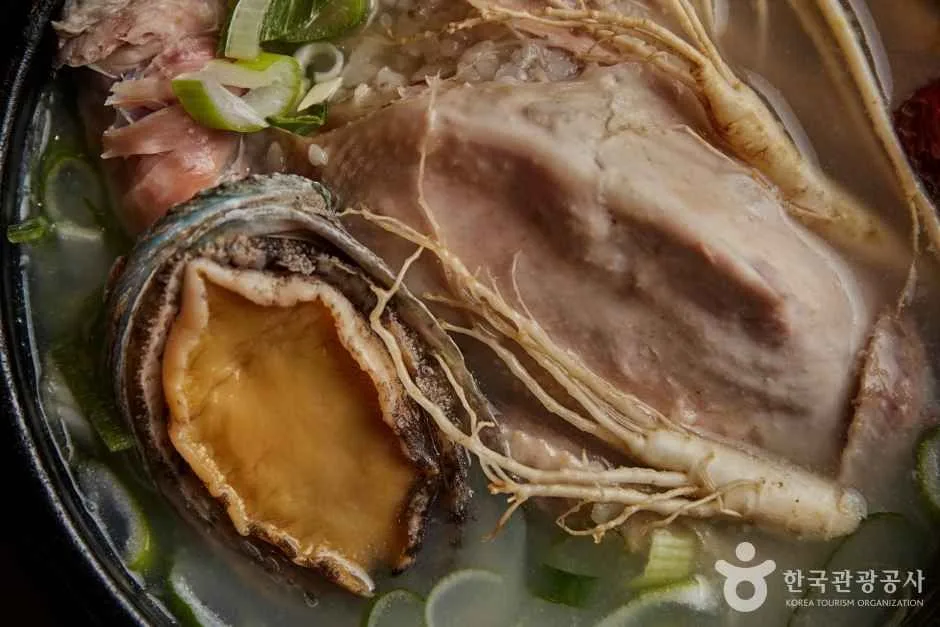
Dakgangjeong: sweet crispy fried chicken
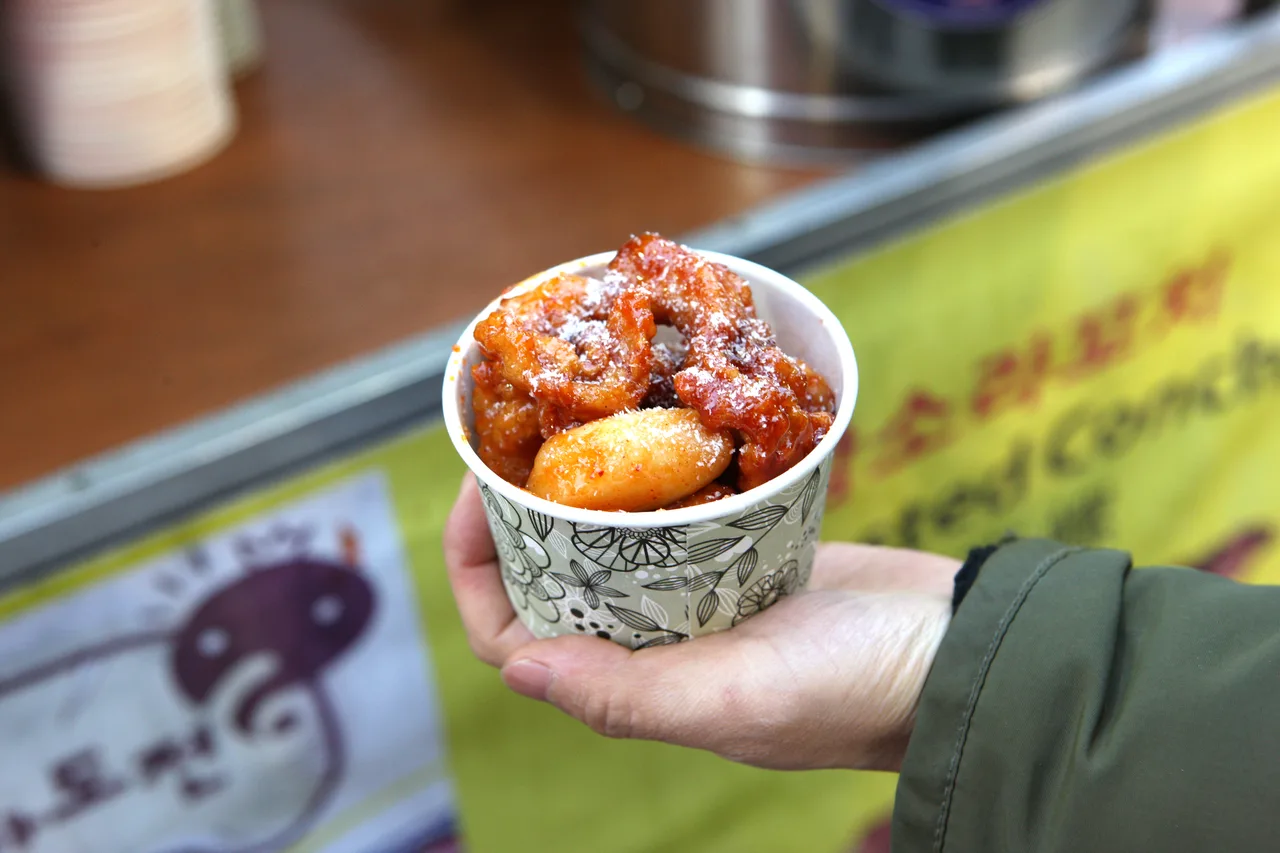
Dakgangjeong might be my top choice if you want to replicate the addictive crunch and sweet heat you find at Korean markets. This dish is all about bite-sized fried chicken pieces, each coated in a glossy, sticky sauce that balances sweetness and spice. What sets dakgangjeong apart from typical fried chicken is its double-fried method, which ensures the coating stays shatteringly crisp even after being drenched in syrupy glaze. When you eat dakgangjeong fresh, you get that satisfying crunch first, followed by the addictive depth of the sauce—sometimes with a hint of ginger or a sprinkle of peanuts for extra texture.
The beauty of dakgangjeong is how versatile it feels. You’ll see it at street food stalls, in lunchboxes, and at home gatherings. Kids love it for the sweetness, adults for the complexity. If you’re trying this at home, don’t rush the frying step; let the pieces cool before their second fry for the right texture. The sauce usually blends soy sauce, rice syrup, garlic, and a dash of chili, but you can adjust the heat to your taste. I always recommend making a bit extra—dakgangjeong disappears fast, especially with a cold beer. For more on the street food side of Korean chicken, see our street food guide.
Jjimdak: braised chicken with vegetables
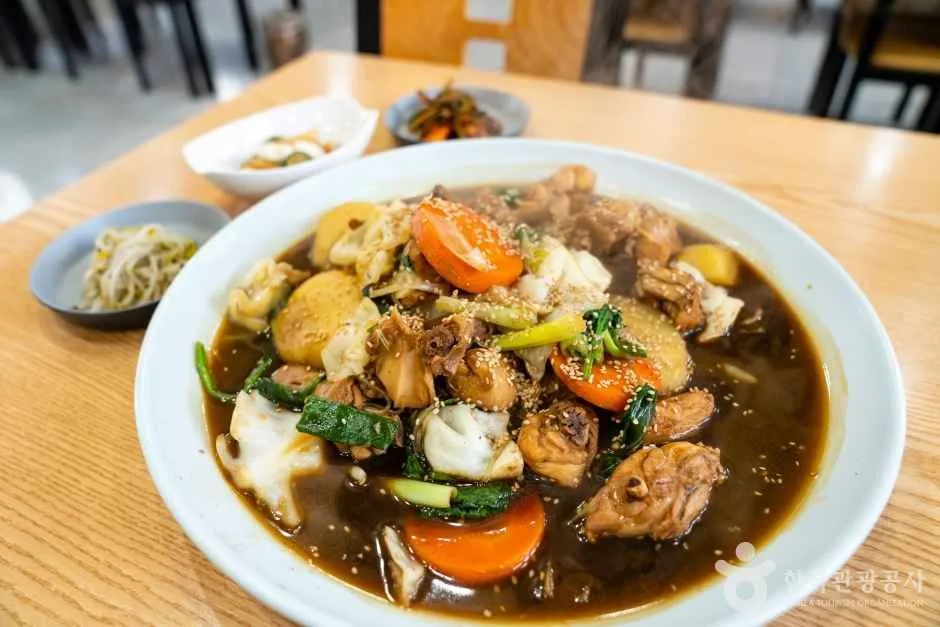
If you’re after a dish that’s both comforting and deeply savory, jjimdak delivers on all fronts. Originating from Andong, jjimdak is a braised chicken dish that combines dark soy sauce, fresh vegetables, and chewy glass noodles in one pot. The result is a meal that’s salty, a little sweet, and packed with umami. Chicken thighs and drumsticks are typical for their richer flavor and tender bite, but you can use whichever cut you have.
What I love about jjimdak is the way the sauce soaks into everything. Potatoes, carrots, onions, and mushrooms all absorb the soy-based broth, while the glass noodles at the bottom pick up every last drop. The dish is usually cooked until the chicken falls off the bone and the vegetables are meltingly soft. I recommend serving jjimdak family-style, right from the pot, so everyone can dig in for their favorite parts. If you want more depth, add a few dried chilies for gentle heat, or a handful of scallions at the end for brightness.
Jjimdak’s origins in Andong reflect a tradition of hearty, shareable meals—and it’s perfect if you’re feeding a crowd. For more dishes like this, check out our Korean food guide for Seoul.
Dakdoritang: spicy chicken stew
Dakdoritang is the dish I reach for when I want something bold, warming, and deeply satisfying. It’s a spicy chicken stew that brings together big chunks of chicken, potatoes, carrots, and onions, all simmered in a gochujang-based broth. The sauce is what makes dakdoritang special: it’s fiery, a little sweet, and loaded with garlic and chili, so every spoonful packs a punch. As it cooks, the chicken and vegetables soak up all that flavor, turning soft and rich.
This stew is a staple in Korean home cooking, especially on a chilly day. You don’t need fancy cuts—bone-in pieces work best because they infuse the broth with extra depth. I always remind people not to skimp on the simmering time; the longer it cooks, the thicker and more developed the sauce gets. If you want to tone down the heat, add a bit more potato or toss in extra onions—they mellow the spice and add sweetness.
Dakdoritang is usually served with a bowl of rice to balance out the spice and help soak up the sauce. It’s also a dish that invites improvisation. Some cooks throw in zucchini or even instant noodles at the end. If you’re looking for more approachable Korean recipes, see our easy Korean recipes guide.
Dak-kkochi: spicy chicken skewers
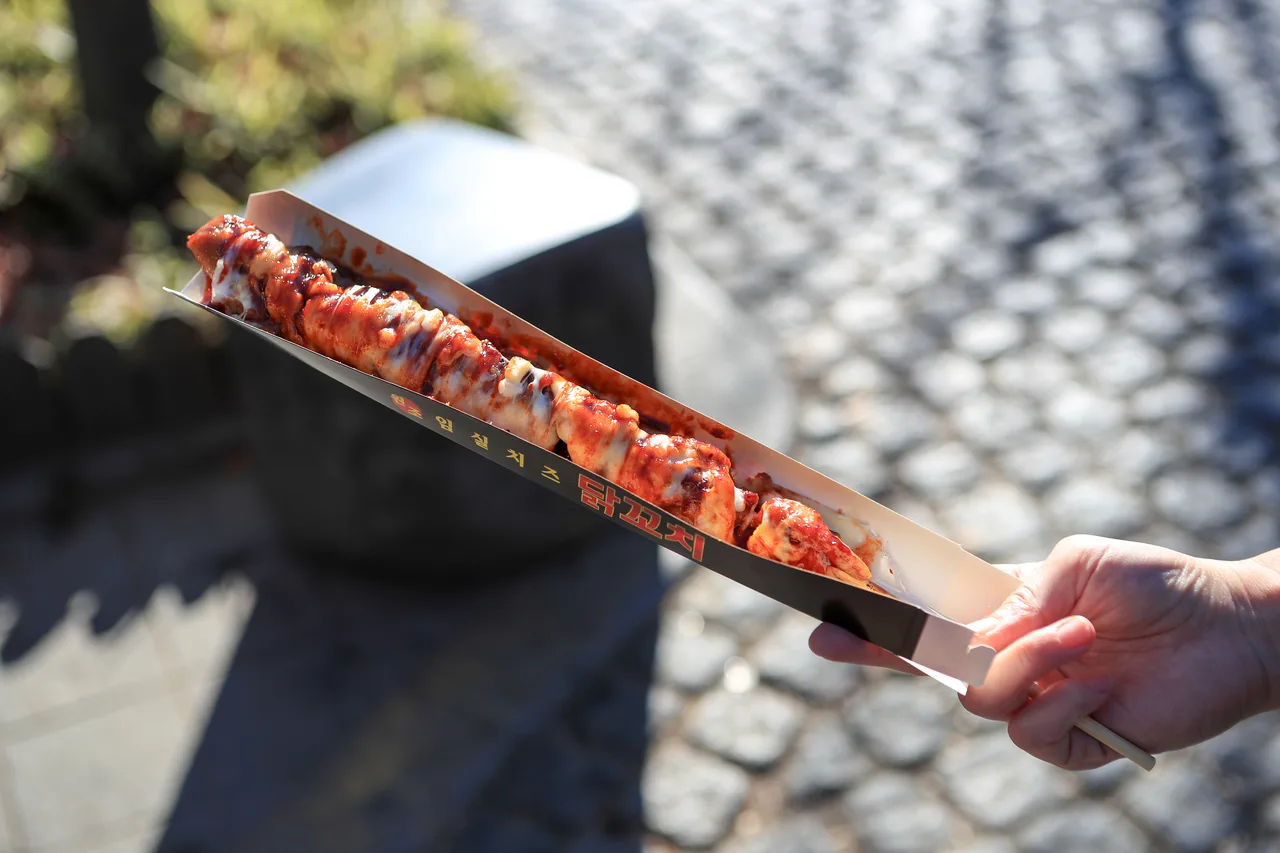
Dak-kkochi is one of those street foods you can’t avoid in Korea, and frankly, you wouldn’t want to. These are skewers threaded with chunks of marinated chicken, grilled over open flames, then brushed with a spicy-sweet sauce that’s heavy on the gochujang but balanced out with just enough sweetness to keep you reaching for another bite. I’ve found that the best dak-kkochi are always sizzling on portable grills at outdoor markets and street food tents, where you eat them standing, sauce dripping onto the wax paper wrapper. The appeal is immediate: char from the grill, sticky glaze, and a kick that builds with every bite.
The sauce is what sets dak-kkochi apart from other skewered meats. You’ll usually get a mix of gochujang, garlic, sugar, and soy sauce, sometimes with a hint of sesame oil. The result is a coating that caramelizes over the heat, giving you that irresistible combination of smoky, spicy, and sweet. Unlike buldak, dak-kkochi is spicy but not punishing, so it’s a good entry point for anyone who wants to try Korean heat without burning out their tastebuds.
If you’re making it at home, I recommend cutting your chicken into even, bite-sized pieces so they cook quickly and evenly. Don’t skimp on the basting—reapply the sauce a couple of times while you grill to build up that sticky layer. You can find practical tips and more street food favorites in our guide to Korean street food tents.
Chicken Bulgogi: Korean BBQ chicken
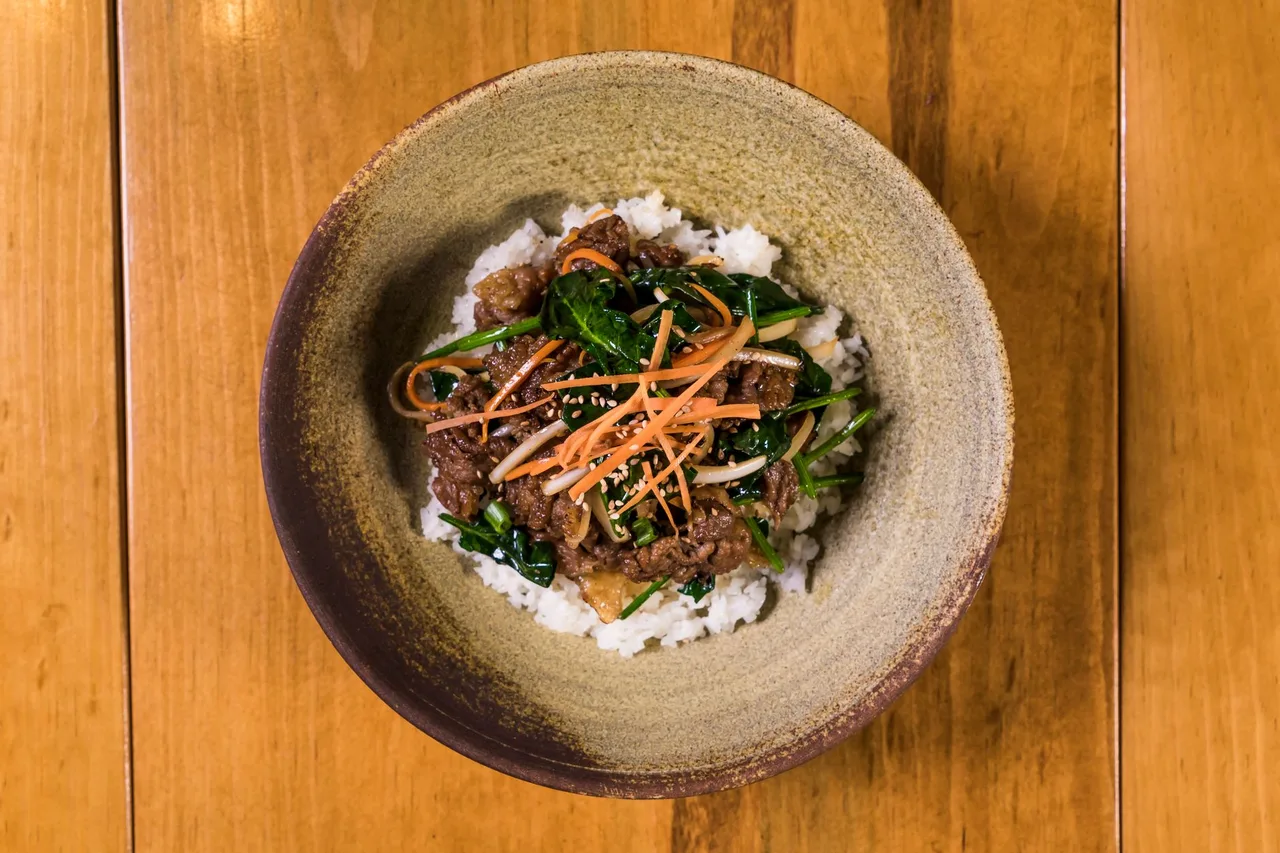
Chicken Bulgogi takes everything people love about classic beef bulgogi—deep flavor, easy grilling, and that signature sweet-savory marinade—and adapts it for chicken. This is the dish I recommend when someone wants Korean barbecue at home without fussing over beef cuts or complicated prep. The chicken is marinated in a mixture of soy sauce, garlic, sugar, and usually some gochugaru (Korean chili flakes) for subtle heat, then grilled or pan-fried until lightly charred and caramelized.
What stands out about chicken bulgogi is how well the marinade penetrates the meat. The natural tenderness of chicken allows it to soak up all the flavors, so even a short marinating time pays off. You’ll notice the pieces stay juicy and pick up a glossy sheen when cooked properly. If you want that restaurant-style edge, grill the chicken over charcoal, but a hot skillet works surprisingly well too. I always make extra marinade to brush on during cooking for an extra layer of flavor.
Chicken bulgogi is great for group meals: serve it with lettuce wraps, sliced garlic, and a dab of ssamjang (spicy dipping sauce), and everyone assembles their own bites. It’s a lighter alternative to pork or beef bulgogi, but it doesn’t feel like you’re missing out on any flavor. For more tips on Korean BBQ techniques and what to expect at real Korean barbecue spots, check out our Korean BBQ 101 guide.
Exploring these Korean chicken recipes offers a delicious way to experience the rich flavors and culinary traditions of Korea. Whether you're cooking at home or dining out, each dish provides a unique taste of Korean culture.
Frequently asked questions
What is the spiciest Korean chicken dish?
Buldak, also known as 'fire chicken,' is renowned for its intense spiciness due to the generous use of gochujang and chili flakes.
Is Samgyetang only eaten in summer?
Traditionally, Samgyetang is consumed during the summer to combat heat with heat, but it's enjoyed year-round for its nourishing qualities.
Can I make Dakgalbi without a tabletop grill?
Yes, Dakgalbi can be prepared in a large skillet or wok on your stovetop, making it accessible for home cooking.
What makes Dakgangjeong different from other fried chicken?
Dakgangjeong is unique for its crispy texture and sweet, sticky glaze, often made with honey or syrup.
Is Chicken Bulgogi the same as Beef Bulgogi?
While both share a similar marinade, Chicken Bulgogi uses chicken instead of beef, offering a lighter alternative with the same savory-sweet flavors.
Sources
This guide was researched using the references below. Prices and times change, so confirm anything time-sensitive on the official page before you rely on it.
Related guides
- Easy Korean recipes for beginnersDiscover simple Korean dishes like kimchi fried rice and bulgogi that you can make at home with minimal ingredients and time.
- Authentic Korean dinner recipes to try at homeExplore a selection of authentic Korean dinner recipes, from savory stews to flavorful stir-fries, perfect for bringing the taste of Korea to your table.
- Korean recipes: a guide for beginnersExplore essential Korean recipes, their cultural significance, and tips for recreating authentic flavors at home.
- Pojangmacha: Korea's street food tentsExplore Korea's pojangmacha—street food tents offering late-night snacks and drinks. Learn about their history, popular dishes, etiquette, and where to fin
- Exploring Myeongdong's street food sceneA guide to Myeongdong's street food, covering must-try dishes, prices, and practical tips for visitors.
- Exploring Korean street food markets: a guide for foreignersDiscover the best Korean street food markets, their specialties, and tips for navigating them as a foreign visitor.