Easy Korean recipes for beginners
Discover simple Korean dishes like kimchi fried rice and bulgogi that you can make at home with minimal ingredients and time.
By Jae Park · Updated Jul 27, 2026
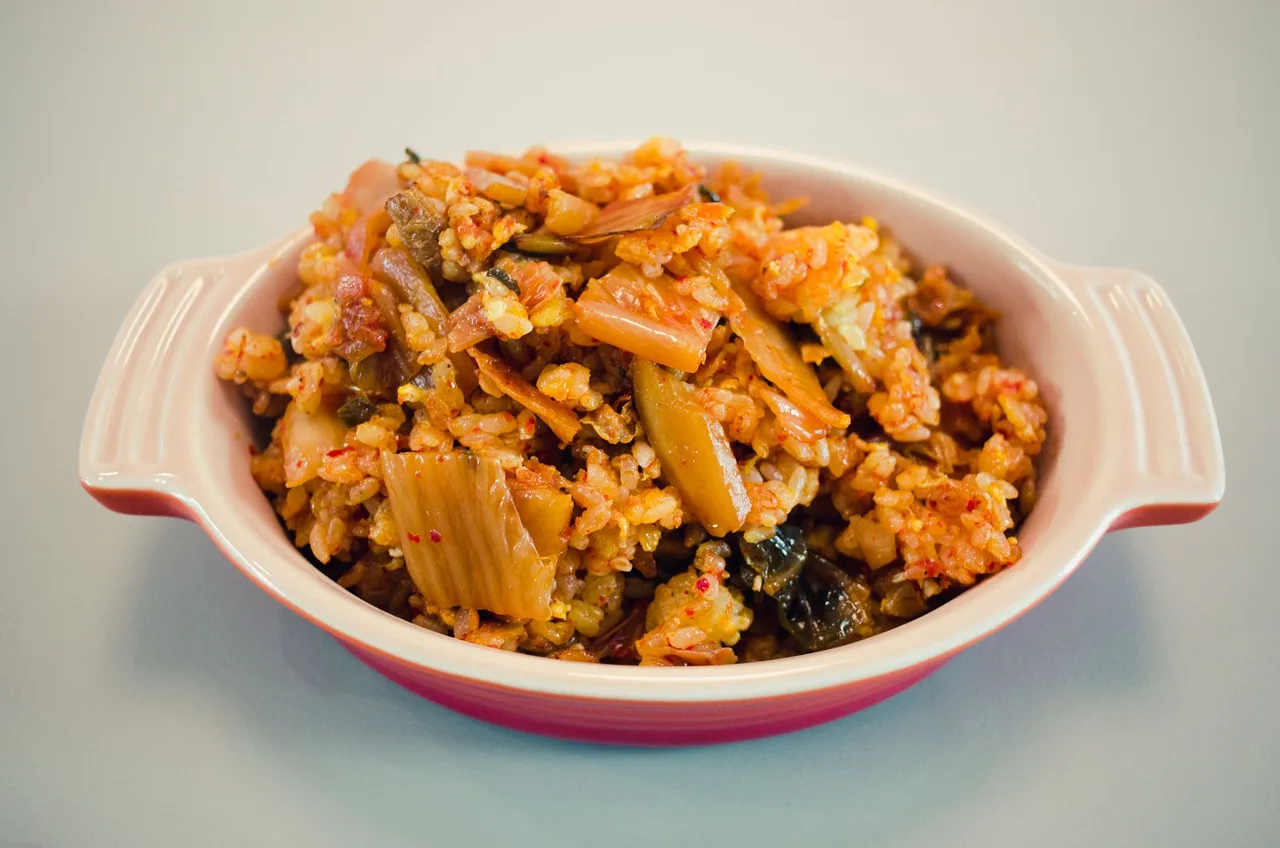
Korean cuisine offers a variety of flavorful dishes that are surprisingly simple to make at home. With a few key ingredients and straightforward steps, you can recreate authentic Korean flavors in your own kitchen.
Kimchi fried rice: a quick and flavorful meal
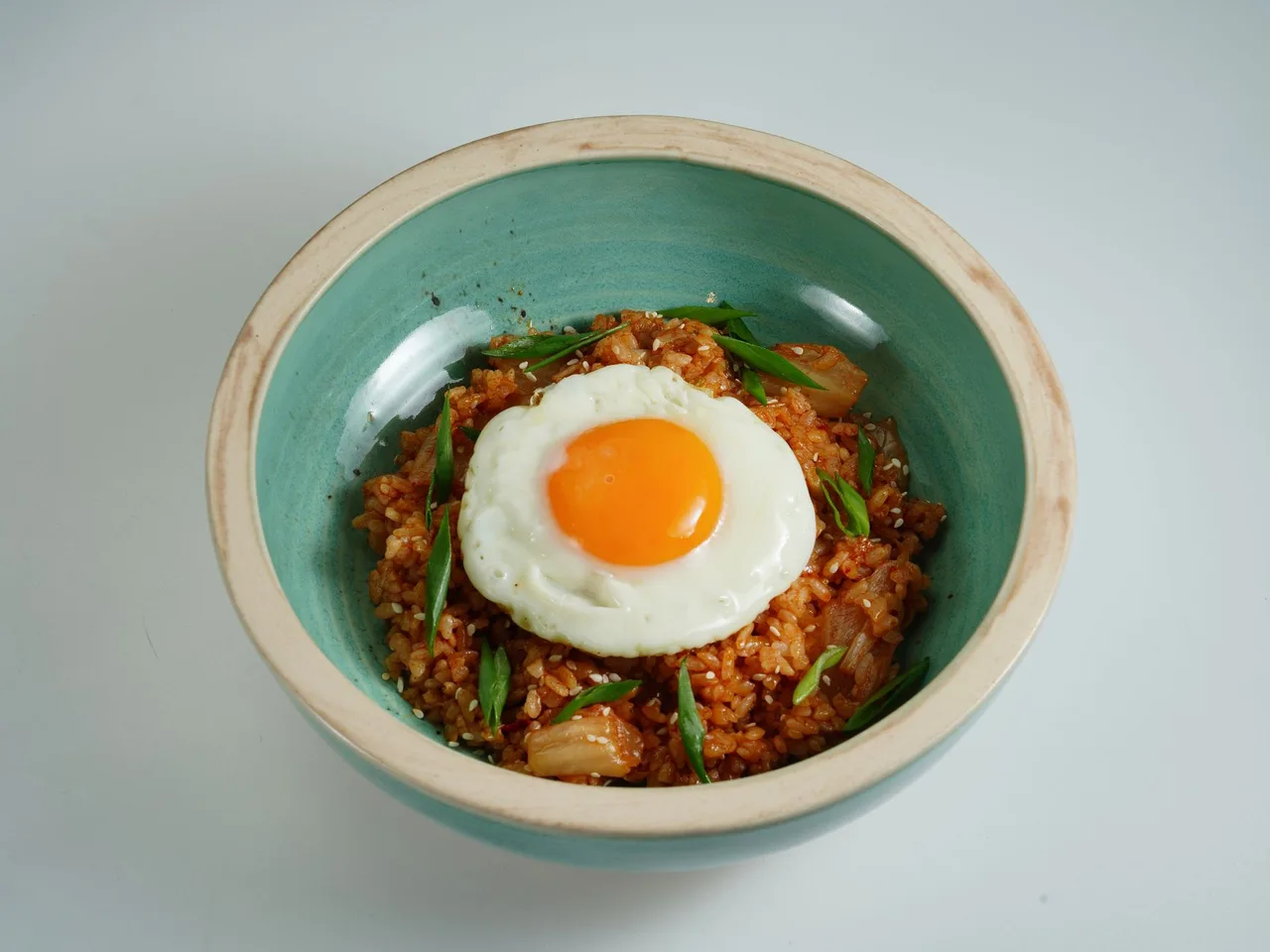
Kimchi fried rice, or kimchi bokkeumbap, is the dish I always recommend to anyone new to Korean cooking because it’s so forgiving and packed with flavor. At its core, you’re just stir-frying leftover rice with well-fermented kimchi, then adding whatever protein you have on hand—classic options are spam, tofu, or even a simple fried egg on top. The real secret is to let the kimchi caramelize a bit in the pan before adding the rice. This step brings out its tangy and spicy notes, making the whole dish taste more complex than you’d expect from something so easy.
You’ll find kimchi fried rice in homes and casual eateries all over Korea, and there’s a reason for that. It’s the ultimate “empty the fridge” meal, but it never feels like a compromise. Most people drizzle a little sesame oil at the end and sprinkle roasted seaweed or sesame seeds over the top. If you want to eat like a local, serve it with a side of simple soup or a few slices of yellow pickled radish.
For beginners, this is a forgiving place to start: you don’t need specialty ingredients beyond kimchi, and you can swap spam for tofu or leave out meat entirely. I always suggest using day-old rice because fresh rice can get mushy. If you’re not sure where to begin with Korean food, kimchi bokkeumbap is honestly the gateway—check out our food guide for more ideas.
Bulgogi: sweet and savory marinated beef
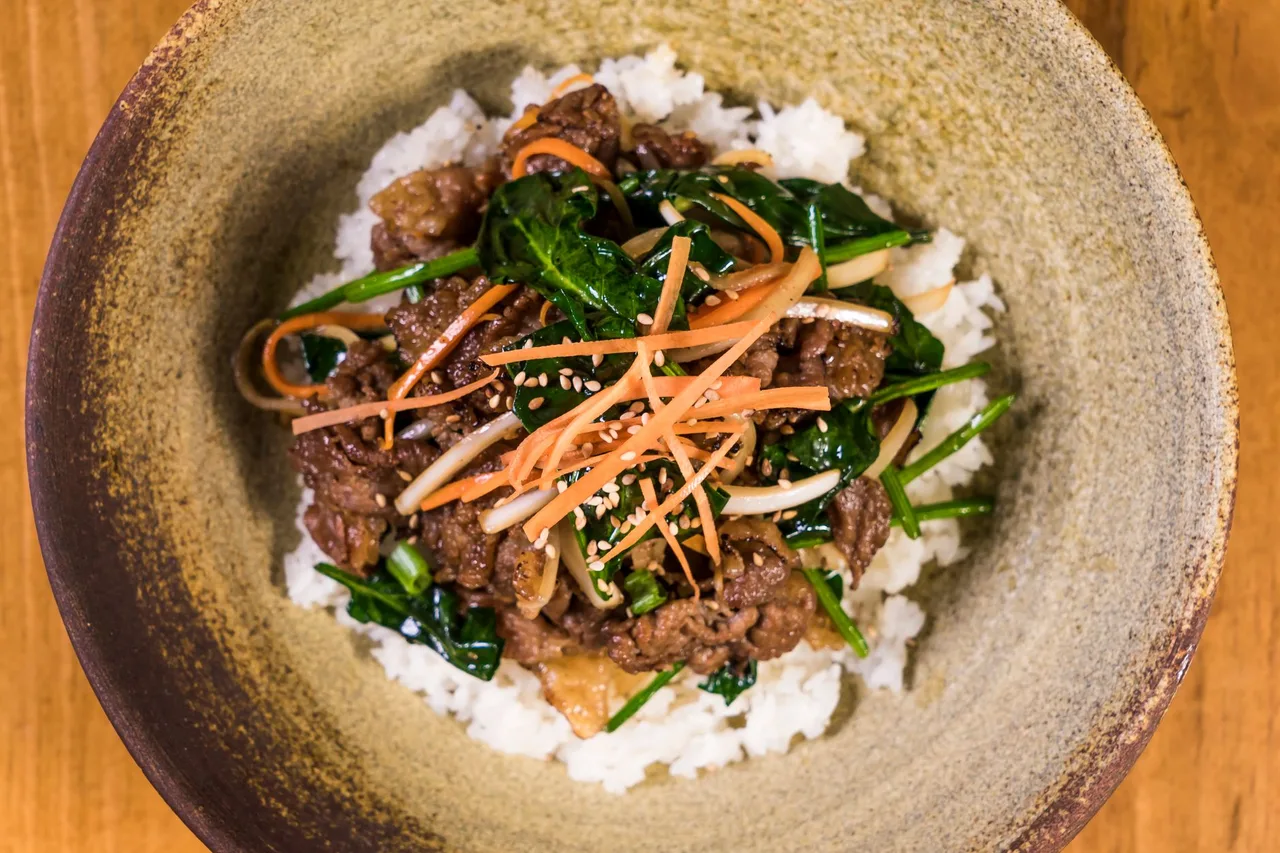
Bulgogi is the dish that changed my mind about marinated meats. The name literally means “fire meat,” but you don’t need a grill—just a frying pan will do. What makes bulgogi special is the marinade: a blend of soy sauce, sugar, sesame oil, garlic, and a splash of pear juice (or grated Asian pear) for sweetness and tenderness. Thinly sliced beef, usually ribeye or sirloin, soaks up all these flavors before being quickly cooked over high heat. The result is beef that’s juicy, sweet, and savory, with a glossy finish that pairs perfectly with rice.
I always recommend bulgogi for people who want to bring a taste of Korean BBQ home without the fuss. If you can’t find pear juice, a bit of apple or even pineapple juice will do in a pinch. Once you’ve got the marinade down, you can experiment with adding sliced onions, mushrooms, or carrots for extra texture. Bulgogi is often served with lettuce leaves for wrapping, along with a dab of ssamjang (Korean dipping sauce), but honestly, it’s just as good piled on a bowl of steamed rice.
If you’d like a crash course in Korean BBQ culture and tricks for the perfect bulgogi, see our Korean BBQ 101 guide. Bulgogi is a crowd-pleaser and a great way to introduce friends and family to the sweet and savory flavors that define Korean home cooking.
Japchae: stir-fried glass noodles with vegetables
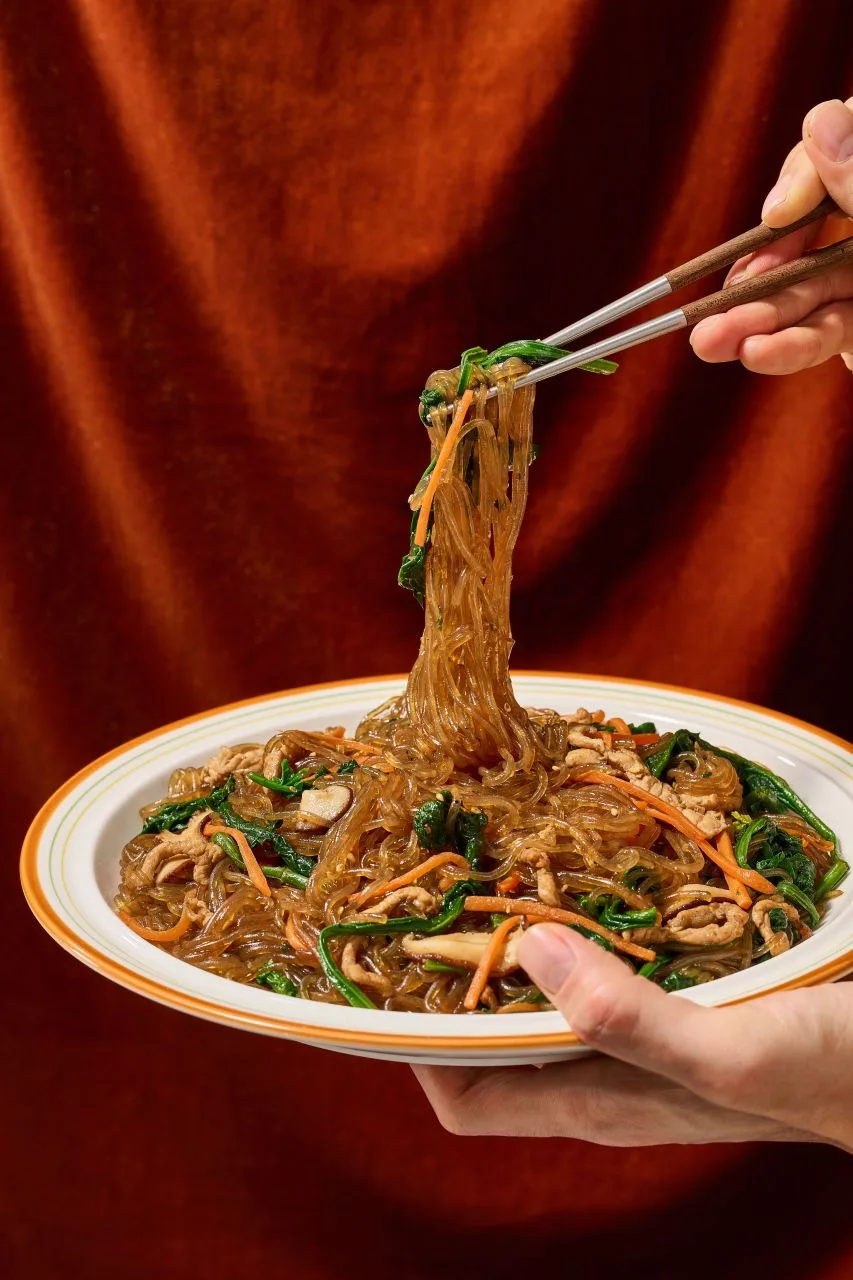
Japchae is one of those dishes that always surprises people who try it for the first time. It’s based on chewy, slightly sweet noodles made from sweet potato starch, tossed with colorful stir-fried vegetables—carrots, spinach, onions, and sometimes mushrooms or bell peppers. Occasionally, thin slices of beef are added, but japchae is just as satisfying as a vegetarian dish. The noodles get their signature glossy finish from a quick toss with soy sauce and sesame oil, which brings everything together into a slightly sweet, savory, and nutty combination.
What I love about japchae is how flexible it is. You can use whatever vegetables you have on hand and adjust the soy sauce or sugar to your taste. It’s a popular choice for Korean holidays and parties, but you’ll see it at everyday meals too. The key is to cook the noodles separately until just tender, then stir-fry each ingredient and combine them all at the end. This keeps the flavors distinct and the texture perfect—not mushy.
If you’re looking to expand your Korean cooking beyond fried rice and BBQ, japchae is a great next step. It’s naturally gluten-free and can be made ahead, making it ideal for meal prep or potlucks. For more classic Korean dishes to try, check out our Korean food list, which highlights japchae and other crowd favorites.
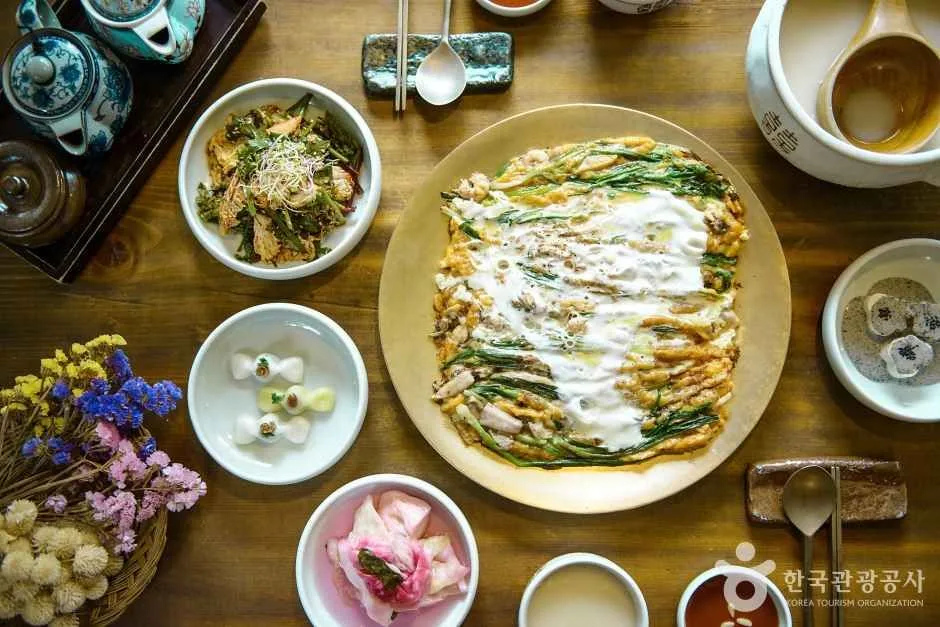
Pajeon: savory scallion pancakes
Pajeon is my go-to for a rainy day or when I want something quick and deeply satisfying—these savory pancakes are packed with scallions and sometimes seafood, held together by a simple batter of flour, water, and eggs. What I like about pajeon is that it’s flexible; if you have a bunch of green onions in the fridge, you’re halfway there. Some people toss in squid or shrimp, but honestly, just scallions make a classic version. Mix the batter, pour it into a hot, oiled pan, and let it sizzle until the edges are golden and crispy. You’ll want to flip it just once for the best texture.
If you’re serving friends, cut the pancake into small squares or wedges and set out a dipping sauce of soy sauce, vinegar, and a pinch of chili flakes. It pairs perfectly with makgeolli (Korean rice wine), but any cold drink works. Pajeon is a staple at Korean bars and markets, but homemade always beats the street version in freshness and crispiness. I’d skip the frozen supermarket versions—they’re never as good as making your own. For more on Korean street eats, check out our Korean street food guide.
Pajeon isn’t just a comfort food; it’s the sort of dish that brings everyone to the table, fuss-free. The best part is you can whip it up in under 20 minutes, and it’s easy to master even if you’ve never made a pancake before.
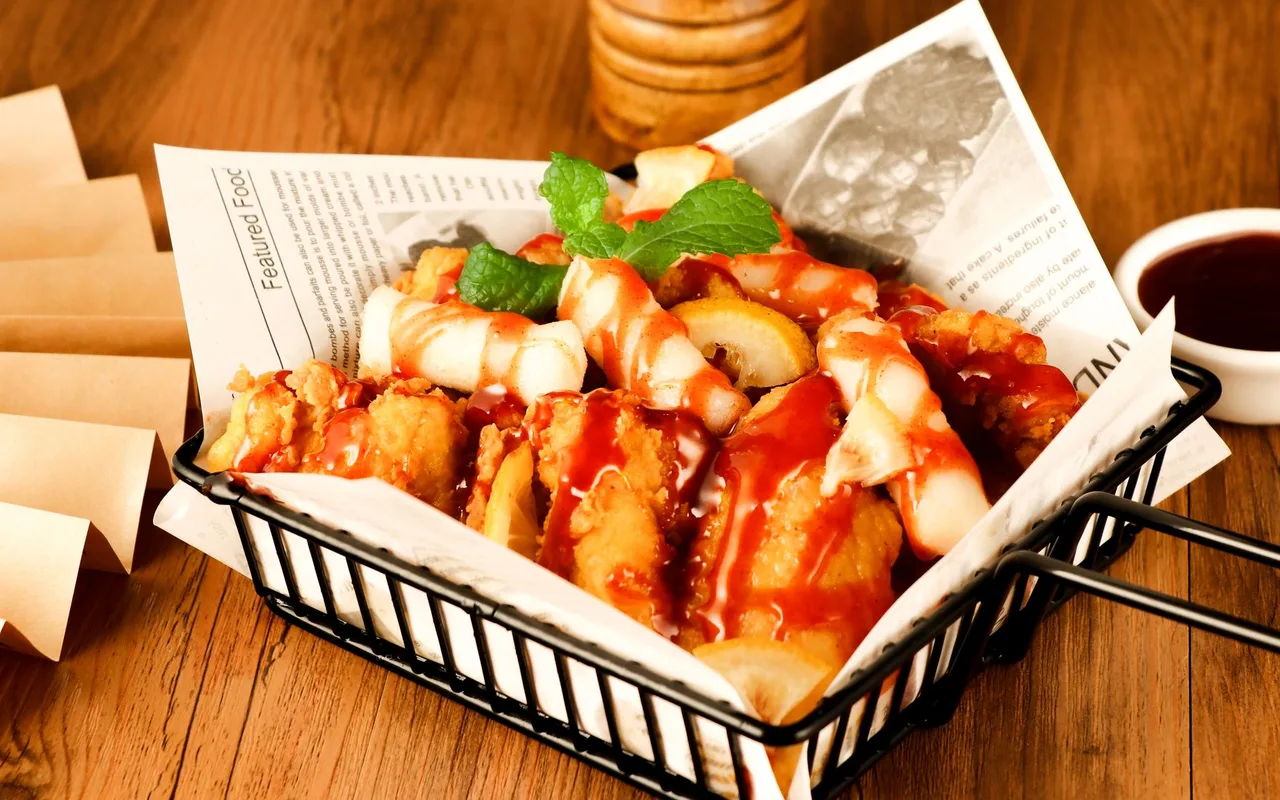
Tteokbokki: spicy rice cake stir-fry
Tteokbokki is the dish I always recommend to anyone craving that signature sweet-spicy Korean flavor—chewy rice cakes simmered in a gochujang (red chili paste) sauce with a hint of sweetness, often joined by fish cakes and hard-boiled eggs. This is the ultimate comfort street food, and making it at home is much easier than you’d expect. The core ingredient is tteok (rice cakes), which you can find in most Asian grocery stores. The sauce is a simple mix of gochujang, sugar, soy sauce, and a bit of garlic. Add in fish cakes if you want the full street vendor experience, but I sometimes skip them if I’m feeling lazy.
Let the rice cakes simmer in the sauce until they’re soft and the whole mixture gets thick and glossy. I always recommend tasting as you go—you can crank up the heat with extra gochugaru (Korean chili flakes) or dial it back with a splash of water. Tteokbokki is usually shared straight from the pan, and for me, that’s part of the fun. Some people add instant noodles or cabbage, but traditionalists keep it simple.
If you want to branch out into other street classics, you’ll find tteokbokki at the heart of Korean market food—learn more in our Korean street food guide. Once you’ve made tteokbokki at home, the packaged versions just don’t compare.
Sundubu jjigae: soft tofu stew
Sundubu jjigae is my idea of the perfect one-pot meal: a spicy, deeply savory stew built around silken soft tofu, vegetables, and sometimes seafood or thinly sliced meat, all bubbling in a broth rich with gochugaru (Korean chili powder) and garlic. The beauty of sundubu jjigae is its comfort—it’s equally popular in restaurants and home kitchens across Korea, especially on cold days. The tofu is the star, and you want the unpressed, very soft kind (labeled ‘sundubu’ or ‘soon tofu’ in stores). Add broth, then layer in vegetables like zucchini and mushrooms, and if you like, drop in clams or beef for extra flavor.
The spicy base comes together quickly: just sauté garlic and chili flakes in oil, add water or broth, and simmer everything together. Right before serving, crack a raw egg into the bubbling pot for extra richness—this is the classic finishing touch, and you eat it straight from the bowl with a spoon of rice.
Making sundubu jjigae at home lets you adjust the spice level and add whatever you have on hand. It’s a great introduction to Korean stews, and if you’re in Seoul, you’ll spot it everywhere, from tiny diners to big franchises. For more local favorites, see our Korean food guide for Seoul. Once you taste sundubu jjigae homemade, you’ll see why it’s a staple in Korean kitchens.
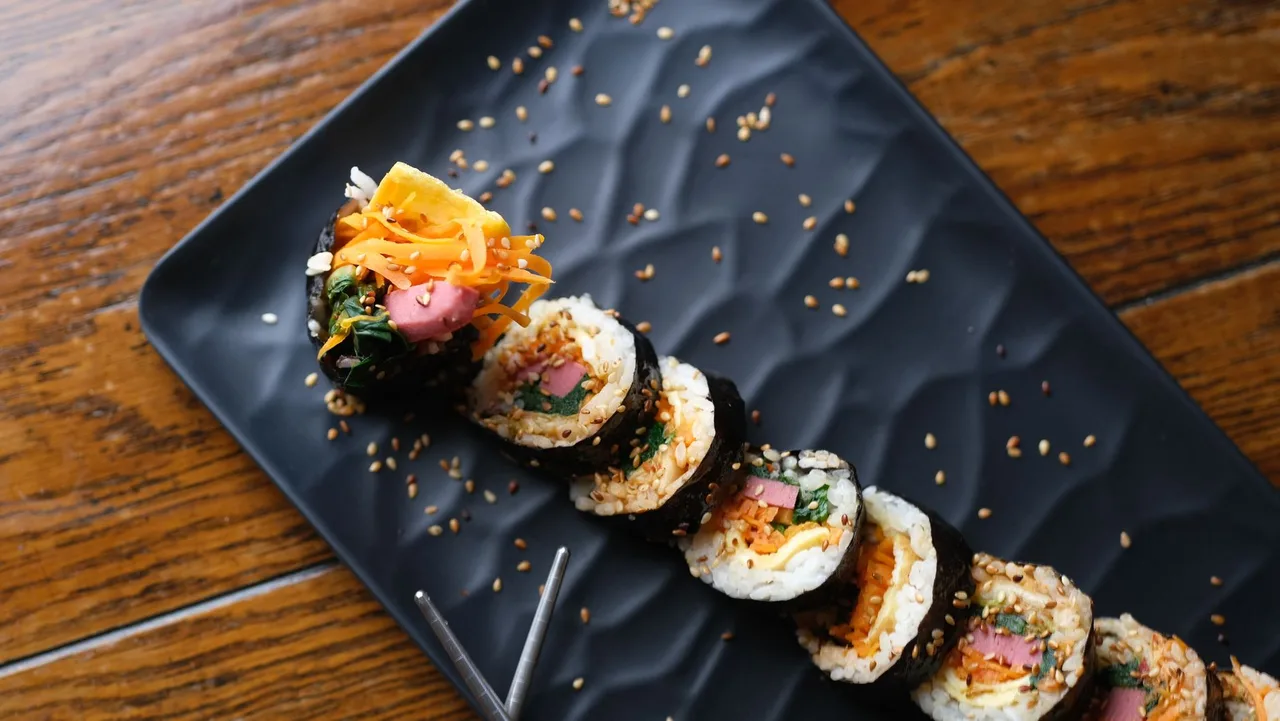
Kimbap: Korean seaweed rice rolls
Kimbap is what I always recommend to friends who want to try making Korean food at home for the first time. At its core, kimbap is simply steamed rice and a mix of fillings like carrots, spinach, egg, and sometimes ham or bulgogi, all wrapped up in a sheet of dried seaweed (gim) and sliced into rounds. There’s no sauce involved, so it’s less messy than sushi, and you can easily adjust the fillings to suit your taste or what you already have in the fridge. You’ll find kimbap in school lunchboxes, at picnic spots, and in pretty much every Korean convenience store—there’s a reason locals think of it as the ultimate grab-and-go meal.
When I make kimbap, I use a sushi mat to get a tight, even roll, but don’t worry if yours looks “rustic” at first—taste always wins. The rice should be lightly seasoned with salt and a touch of sesame oil, not vinegar like Japanese sushi rice. For fillings, classic choices are yellow pickled radish (danmuji), sautéed carrots, cucumber, and strips of cooked egg, but honestly, anything goes. Some folks add tuna salad, kimchi, or even cheese for a modern twist. Slice the finished roll into bite-sized pieces, and you’ve got a portable meal that travels well and never gets old.
If you’re mapping out your first Korean food adventure, check out our food guide for more staples like kimbap. It’s one of those dishes that’s as fun to assemble as it is to eat.
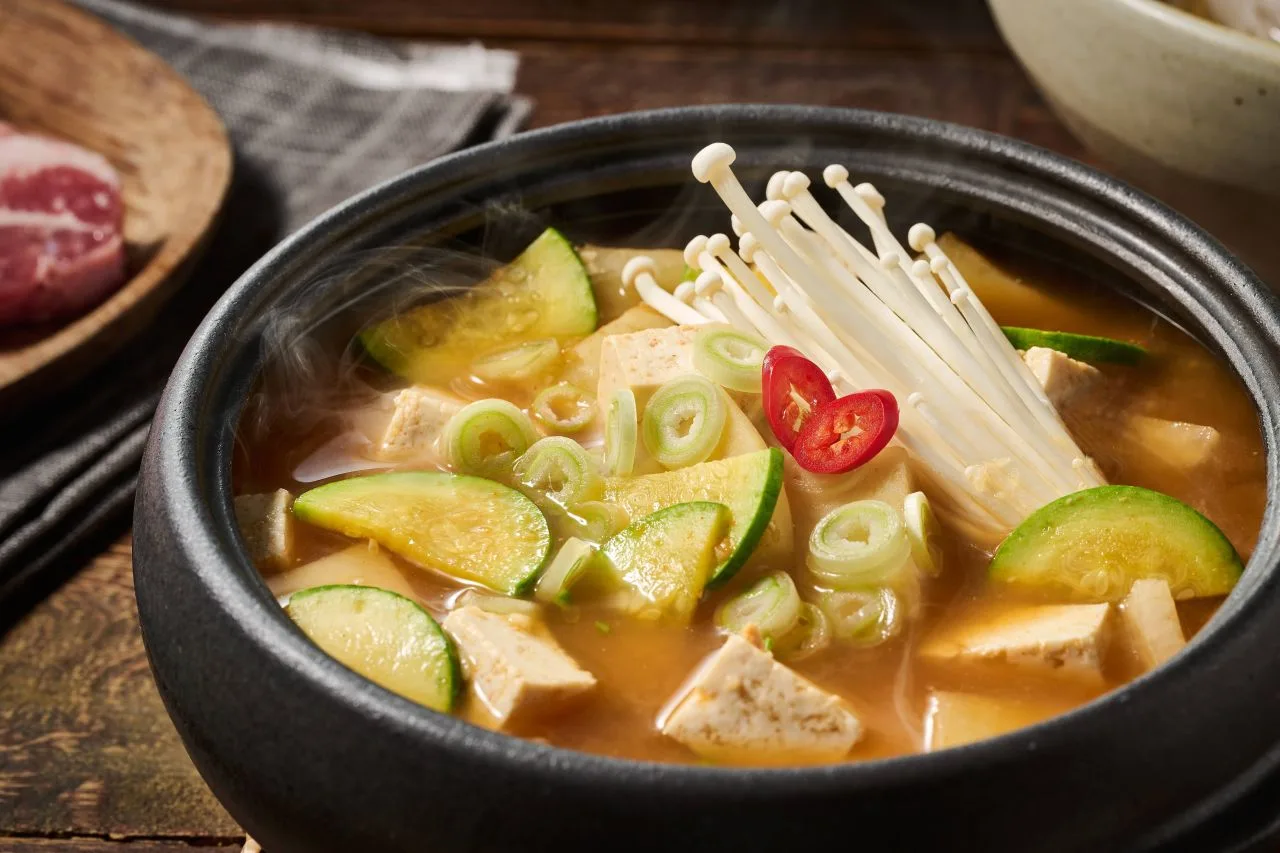
Doenjang jjigae: soybean paste stew
Doenjang jjigae is one of those daily Korean dishes that proves comfort food doesn’t have to be complicated. At its heart is doenjang, a deeply savory fermented soybean paste that gives the stew its signature flavor. Add tofu, zucchini, potatoes, and onion, and you’ve already covered the essentials—some home cooks toss in mushrooms, chili peppers, or even a spoonful of leftover meat or seafood for extra depth. The key is the broth, which simmers everything together into a satisfying, earthy soup that’s both filling and good for using up whatever vegetables are in your fridge.
I always think of doenjang jjigae as the “soup and sandwich” of a Korean table. It’s usually served bubbling hot, straight from the pot, with a bowl of rice and some kimchi on the side. The aroma is unmistakable: savory, nutty, and just a little funky from the fermented paste. If you’re new to Korean flavors, this stew is a great introduction because it’s milder than spicy kimchi jjigae and easy to customize. Some people love it with clams or anchovy broth for a brinier note, while others keep it simple and vegetarian.
You can make doenjang jjigae in under 30 minutes, and the ingredients are basic enough to find at most Asian grocery stores. If you’re diving into Korean home cooking, this is a dish that will quickly become a weeknight staple. For more ideas on iconic Korean soups and stews, browse our Korean food list.
Bibimbap: mixed rice with vegetables
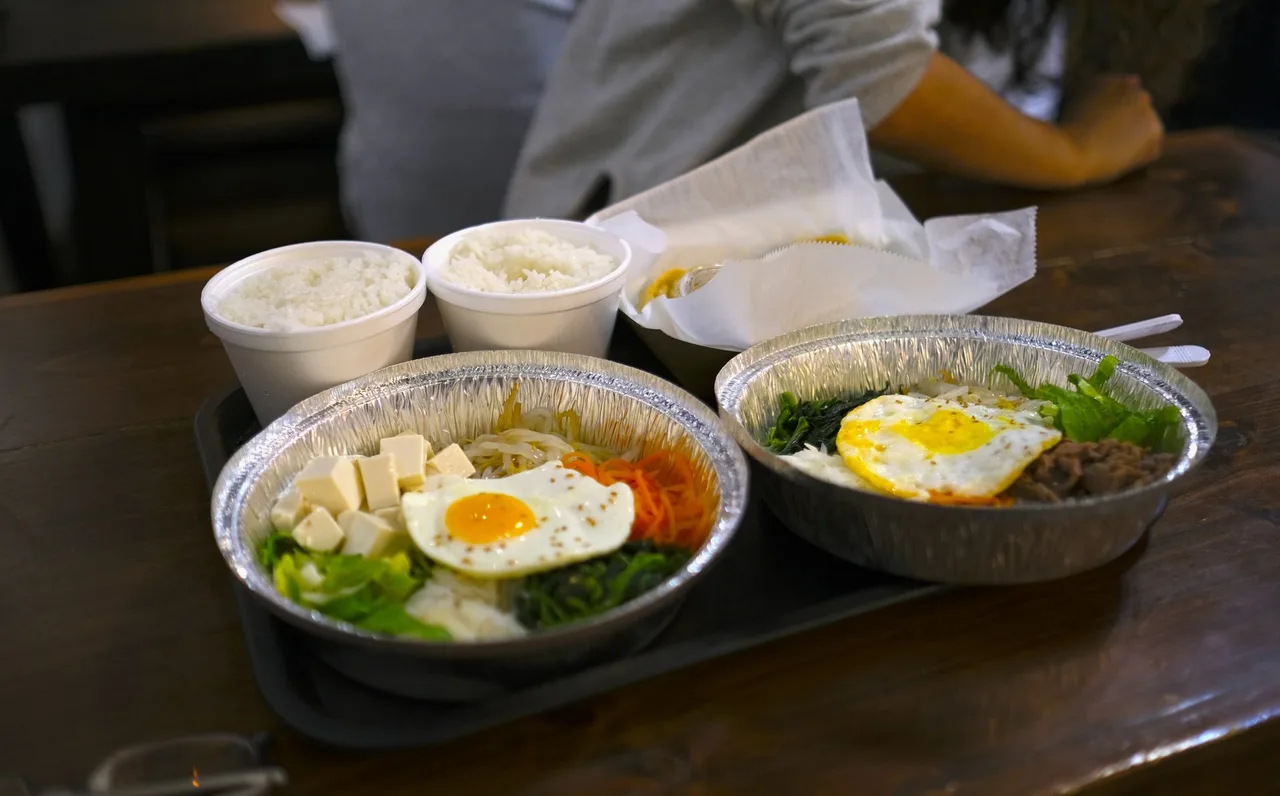
Bibimbap is the dish I suggest when you want something colorful, healthy, and endlessly adaptable. Picture a big bowl of warm rice topped with an array of sautéed and seasoned vegetables—think spinach, carrots, mushrooms, bean sprouts—plus a fried egg right in the center. The secret weapon is gochujang, Korea’s punchy red chili paste, which you swirl in before mixing everything together. Each bite gives you a little bit of everything: crunchy, chewy, spicy, sweet, and savory.
One thing I love about bibimbap is that it’s more of a concept than a strict recipe. Traditionally, the toppings are arranged in neat sections for visual appeal, but at home, you can use any vegetables you have. Leftover bulgogi, grilled chicken, or tofu are all welcome additions. The dish is often served in a stone bowl (dolsot) at restaurants, which crisps the rice at the bottom, but a regular bowl works just fine for an easy weeknight meal.
Mixing it up at the table is half the fun—don’t be shy with the gochujang or a drizzle of sesame oil. If you’re not sure where to start with Korean food, bibimbap is approachable, healthy, and satisfying enough to please just about everyone at the table. For more tips on what to order (and what to skip), see our first-timer’s food guide.
With these easy recipes, you can bring the lively flavors of Korean cuisine into your home kitchen. Start with one dish and soon you'll be exploring the rich culinary traditions Korea has to offer.
Frequently asked questions
What are essential ingredients for Korean cooking?
Key ingredients include gochujang (red chili paste), doenjang (soybean paste), soy sauce, sesame oil, garlic, and kimchi.
Can I make Korean dishes without special equipment?
Yes, most Korean recipes can be prepared with standard kitchen tools like a frying pan, pot, and knife.
Are there vegetarian options in Korean cuisine?
Absolutely, dishes like bibimbap, japchae, and pajeon can be made vegetarian by omitting meat and using vegetable-based broths.
How spicy is Korean food?
Spice levels vary; while some dishes like tteokbokki are spicy, others like bulgogi and japchae are mild.
Where can I find Korean ingredients?
Korean ingredients are available at Asian grocery stores, online retailers, and increasingly in mainstream supermarkets.
Sources
This guide was researched using the references below. Prices and times change, so confirm anything time-sensitive on the official page before you rely on it.
Related guides
- Authentic Korean dinner recipes to try at homeExplore a selection of authentic Korean dinner recipes, from savory stews to flavorful stir-fries, perfect for bringing the taste of Korea to your table.
- Korean recipes: a guide for beginnersExplore essential Korean recipes, their cultural significance, and tips for recreating authentic flavors at home.
- Pojangmacha: Korea's street food tentsExplore Korea's pojangmacha—street food tents offering late-night snacks and drinks. Learn about their history, popular dishes, etiquette, and where to fin
- Exploring Myeongdong's street food sceneA guide to Myeongdong's street food, covering must-try dishes, prices, and practical tips for visitors.
- Exploring Korean street food markets: a guide for foreignersDiscover the best Korean street food markets, their specialties, and tips for navigating them as a foreign visitor.
- Korean street food names: a guide for foreignersA comprehensive guide to Korean street food names, their English translations, and what to expect when trying these popular dishes.