Exploring Seoul's royal palaces: a guide for visitors
Discover Seoul's five grand palaces, their unique features, and practical tips for your visit.
By Jae Park · Updated Aug 13, 2026
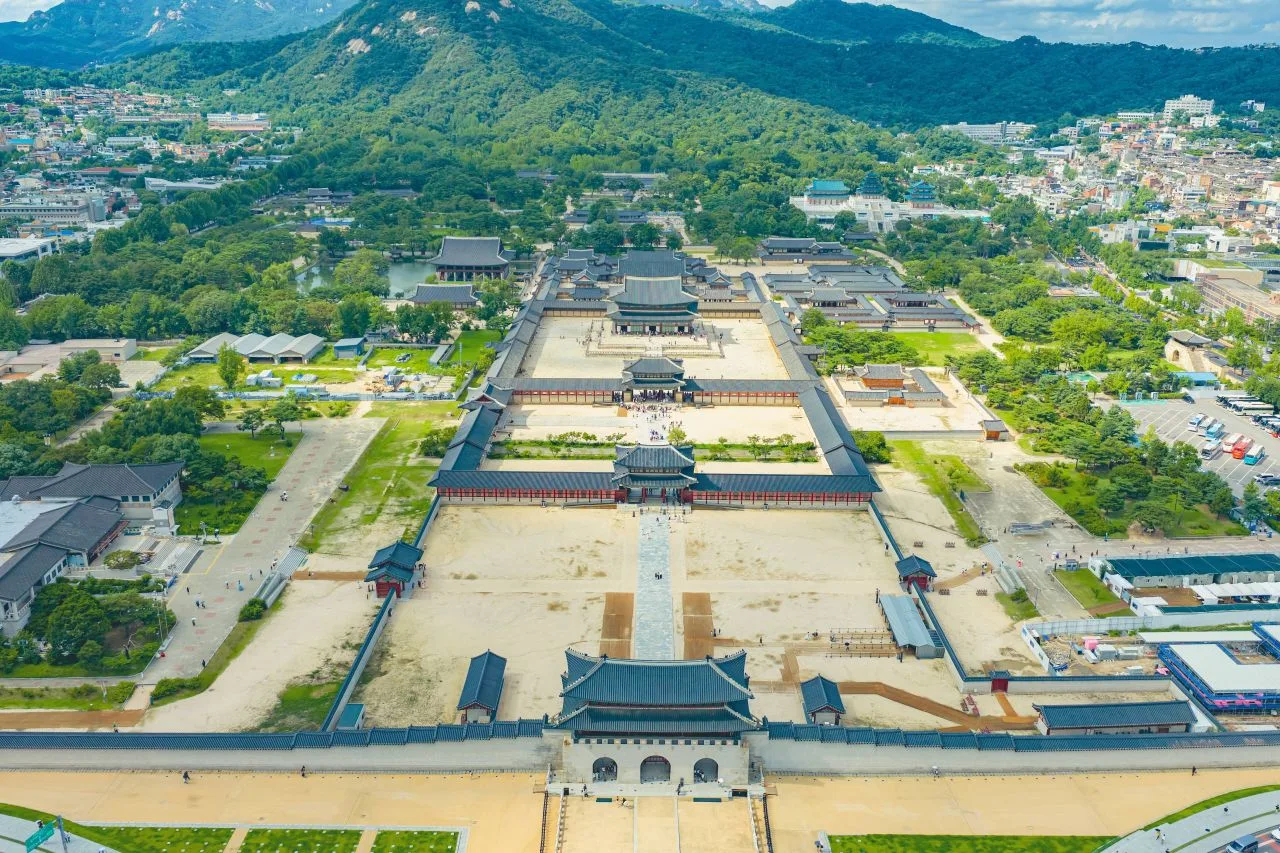
Seoul's skyline juxtaposes modern skyscrapers with historic palaces, offering a glimpse into Korea's royal past. Among these, Gyeongbokgung stands as the largest and most iconic, serving as the primary palace of the Joseon Dynasty.
Gyeongbokgung Palace: the heart of Joseon
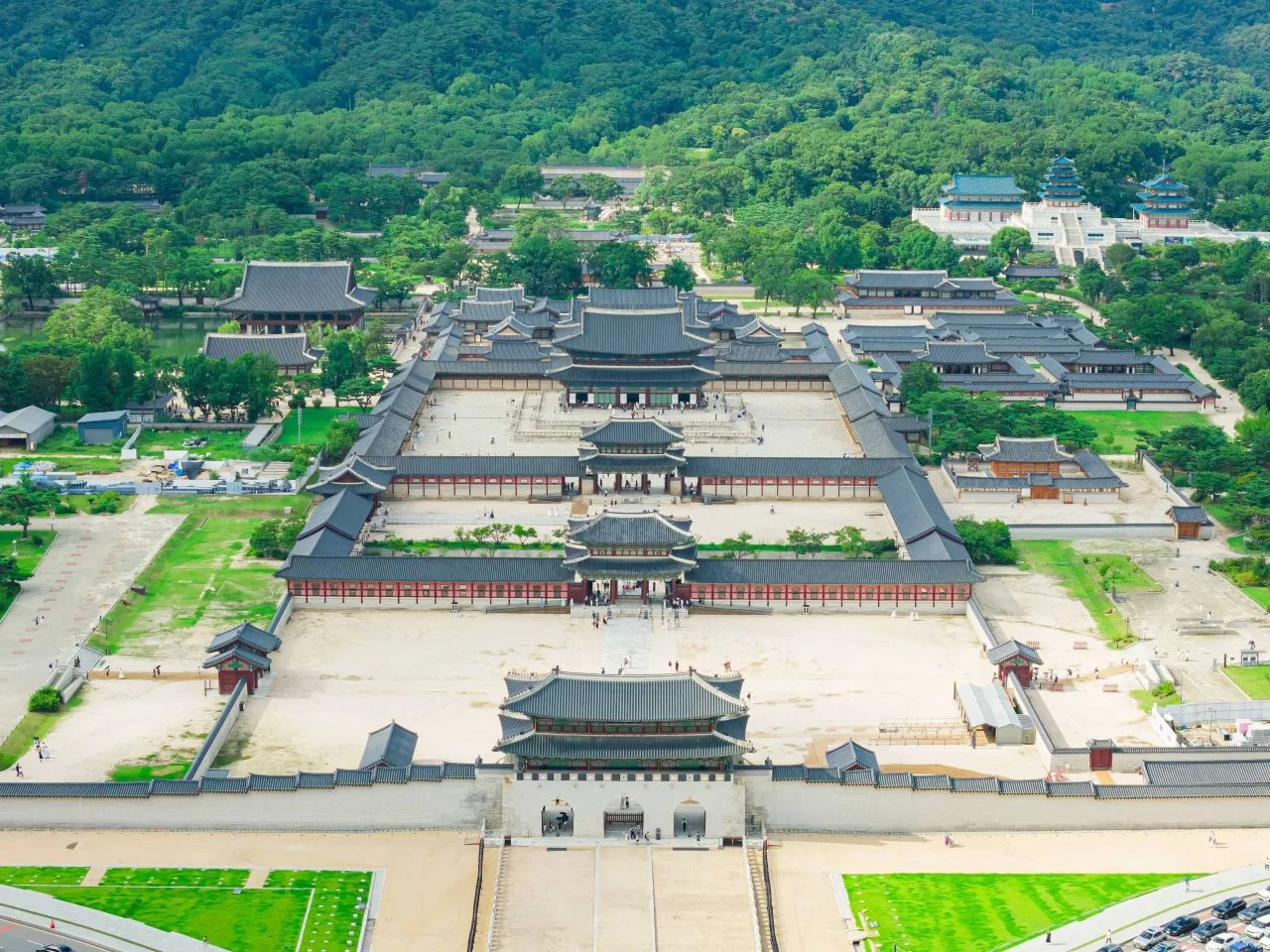
If you only have time for one royal palace in Seoul, Gyeongbokgung is the place to start. Built in 1395, this palace was the main royal residence during the Joseon Dynasty and you can feel that sense of history as you walk its broad courtyards. The Geunjeongjeon, or throne hall, is the centerpiece, where kings once held court. I always make a point to spend time around the Gyeonghoeru Pavilion, which sits above a lotus pond and offers some of the prettiest palace views in Seoul, especially when the water lilies are in bloom.
Gyeongbokgung has seen its share of hardship, especially during the Japanese invasions, but what stands today has been painstakingly restored. You’ll notice how the palace layout was designed to reflect Confucian ideals, with symmetry and open spaces. For a bit of living tradition, time your visit to watch the Royal Guard Changing Ceremony at Gwanghwamun Gate. It’s performed multiple times a day and is a real highlight—even after seeing it more than once, it never gets old.
Admission is ₩3,000, but here’s my favorite tip: wear a hanbok and you get in free. It's a fun way to experience the palace and you'll see plenty of locals and tourists alike dressed up for photos. Gyeongbokgung is closed on Tuesdays, so plan around that. For more background on the five grand palaces, check out our full guide, or if you’re curious about hanbok rental and etiquette, see our hanbok guide.
Changdeokgung Palace and its Secret Garden
Changdeokgung Palace is where I’d go for a quieter, more contemplative palace experience. It’s a UNESCO World Heritage Site, and what really sets it apart is how the buildings blend into the surrounding woods and hills, rather than dominating them. Instead of grand processional spaces, Changdeokgung feels like a royal retreat, with paths winding between halls and ancient trees.
The real highlight here is the Huwon, or Secret Garden, which spans a massive 78 acres behind the main palace. You’ll find centuries-old trees, lotus ponds, and tucked-away pavilions where royals once read poetry or sipped tea. I recommend booking a spot on the Secret Garden tour in advance—access is only by guided tour, and there’s an extra ₩5,000 fee. It’s worth every won, especially during spring or autumn when the landscape is at its best.
Changdeokgung is closed on Mondays, so adjust your itinerary if you want to see both this palace and nearby Changgyeonggung (which is also closed Mondays). For more background on the other royal palaces, see our five palaces guide. If you’re looking for a palace that feels connected to nature, Changdeokgung is the one I always recommend.
Changgyeonggung Palace: a serene retreat
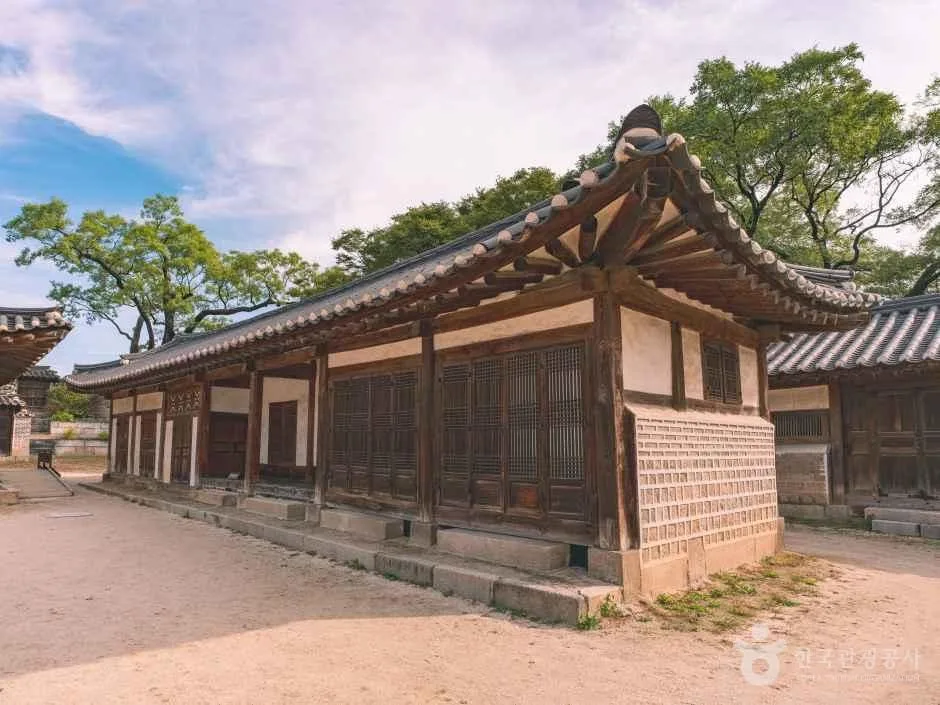
Changgyeonggung Palace doesn’t get the big crowds, but that’s exactly why I like it. Originally built for queens and royal concubines, this palace has a more intimate scale and quiet atmosphere. If you want a leisurely stroll without feeling rushed by tour groups, this is the spot. I always tell friends to take their time and explore the walking paths, especially in spring when the cherry blossoms are out or in autumn for the foliage.
One unique feature here is the Grand Greenhouse (Daeonsil), a Western-style glass conservatory built in 1909. It’s a surprising sight inside a Joseon-era palace and makes for great photos. The grounds themselves are less formal than Gyeongbokgung or Changdeokgung, which adds to the laid-back feeling.
Admission is just ₩1,000, making it the most affordable of the five grand palaces. Like Changdeokgung, it’s closed on Mondays, so aim for another day if you want to combine visits. For more about how Changgyeonggung fits into Seoul’s royal history, see our complete palace guide. I always suggest this palace if you’re looking to slow down and see a softer side of Seoul’s royal past.
Deoksugung Palace: blending tradition and modernity
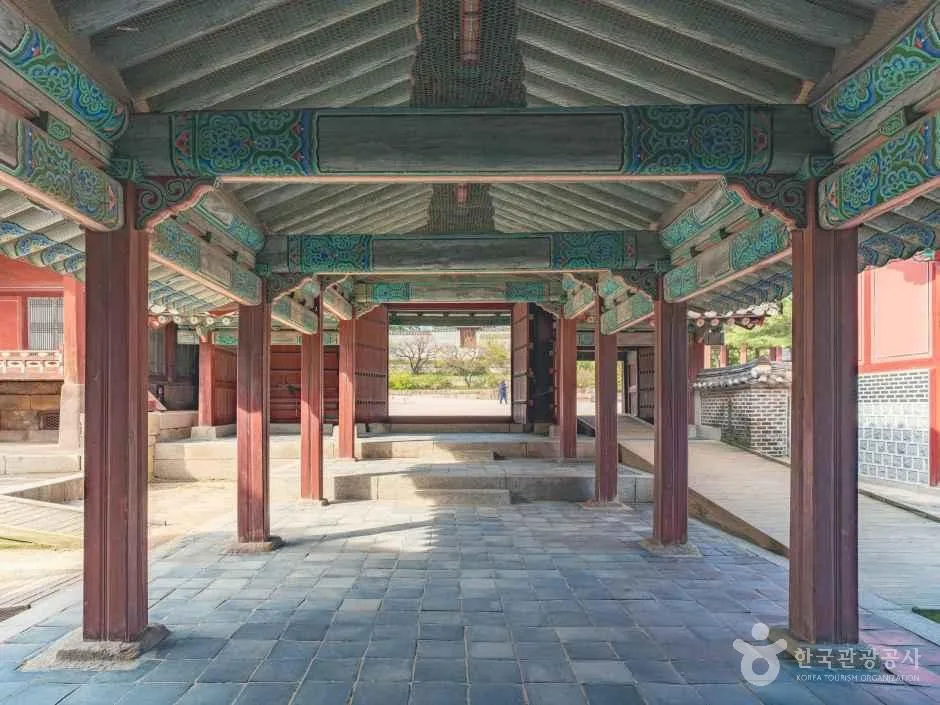
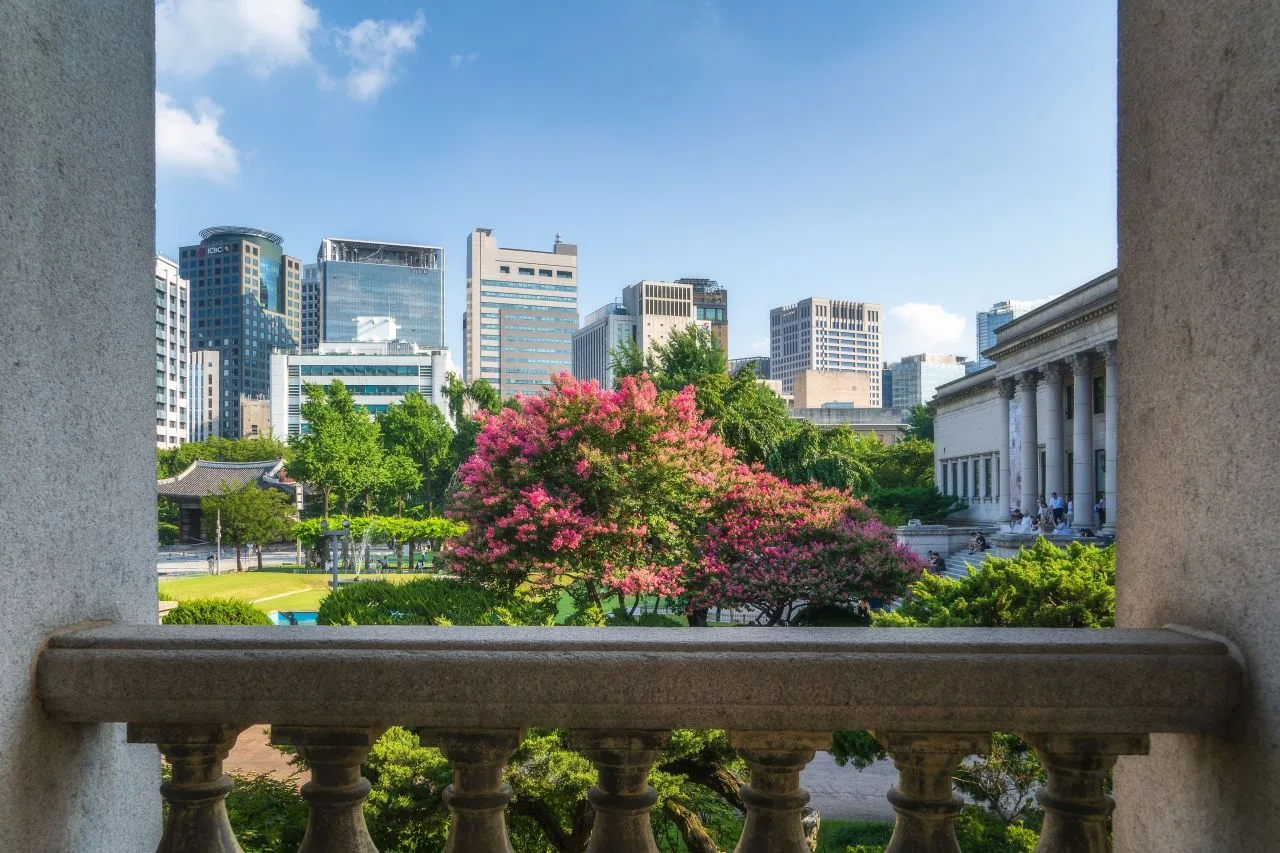
Deoksugung Palace is unlike any other royal site in Seoul thanks to its striking mix of traditional Korean pavilions and distinctly Western buildings. I always point out Seokjojeon Hall to friends—this neoclassical stone mansion, completed in 1910, feels straight out of Europe but sits right beside classic tiled halls and pine trees. It's a short walk from City Hall Station, so you can wander in after lunch or between meetings. One detail that sticks with most visitors is the palace’s changing of the guard ceremony, held three times daily at Daehanmun Gate. The guards wear Joseon-era uniforms and perform a short but colorful show that draws in both tourists and locals.
Admission is a very reasonable ₩1,000, which is hard to beat for this much atmosphere. Deoksugung is closed on Mondays, so plan around that. What I appreciate about Deoksugung is how it feels alive in the city—modern office towers surround the grounds, and you can grab coffee right across the street before ducking back into history. The blend of architecture isn’t an accident: it reflects Korea’s rapid changes in the late 19th and early 20th centuries, when the country was opening to the West but still rooted in tradition. You’ll see this in every corner, from the stately colonnades to the familiar wooden gates.
If you’re curious about how Korea’s royal past meets its modern identity, Deoksugung is the place to see it up close. For an overview of all five palaces, check out our guide to Seoul’s grand palaces.
Gyeonghuigung Palace: the lesser-known gem
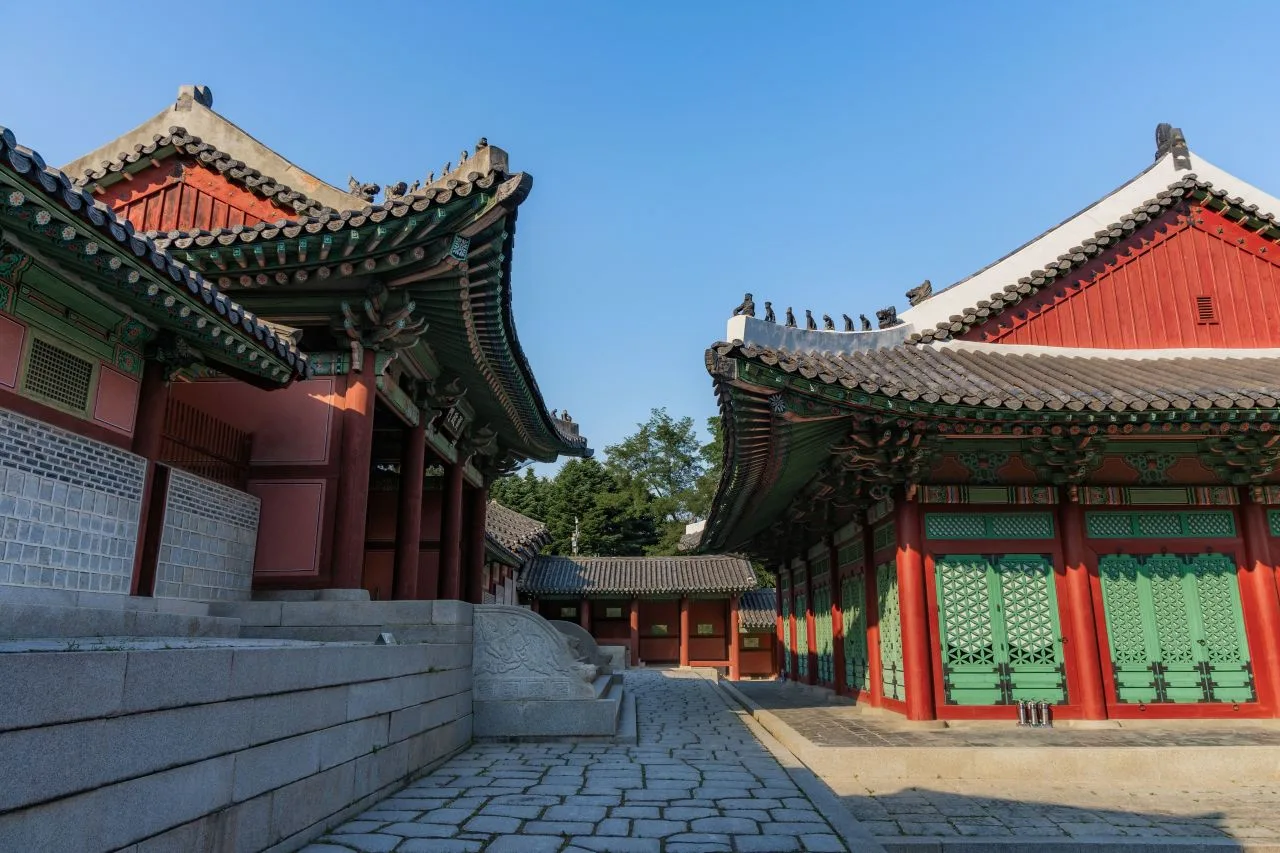
Gyeonghuigung Palace is the one I’d send you to if you want a quiet stroll and a break from the tour bus crowds. Built in 1616 as a secondary palace during the Joseon Dynasty, Gyeonghuigung has always been a bit of an outlier—less flashy and much calmer than the main sites, but with a peaceful energy that’s hard to find elsewhere in central Seoul. I like to recommend it to anyone who’s already seen the headline palaces or prefers a more contemplative visit.
The grounds are free to enter, which makes it an easy stop for anyone on a budget or spontaneous explorers. You won’t find the same grand halls or crowds with selfie sticks here. Instead, expect open courtyards, sloping tiled roofs, and plenty of space to wander at your own pace. Even though Gyeonghuigung was once much larger, what remains today feels almost meditative. You can sit under the trees and easily imagine what life was like for the royal family staying out of the public eye.
The palace is closed on Mondays, so double-check your dates if you’re planning a quieter start to your week. For those interested in how Seoul’s palaces fit together, Gyeonghuigung’s role as a retreat and emergency residence says a lot about the challenges the royal family faced. It’s a great add-on if you’re working through all five sites—our five-palace guide can help you plan your route.
Jongmyo Shrine: honoring royal ancestors
Jongmyo Shrine sits right beside the palaces but feels like a world apart. This UNESCO World Heritage Site isn’t a palace at all but a sacred ground dedicated to the ancestral rites of Joseon’s kings and queens. For me, Jongmyo is where you truly sense the weight of tradition. The annual Jongmyo Jerye ceremony, held every May, is one of Korea’s most important and visually impressive rituals, where music, dance, and ancestral offerings come together in a solemn event that’s open to the public. Even outside of festival days, the atmosphere is deeply respectful—visitors often speak in hushed tones, and the long, straight stone paths encourage slow, thoughtful walking.
Admission is just ₩1,000, well worth it for the chance to see the same halls and spirit tablets that have played a central role in royal ancestor worship for centuries. The shrine is closed on Tuesdays, so avoid that day. Jongmyo’s orderly layout and thick pine groves give it a completely different feel from the surrounding city, and you’ll notice the contrast with the palace grounds right away. For fans of Korean drama or history, understanding how these ancestral rites shaped royal life adds a layer of depth to any palace visit.
If you’re already exploring Seoul’s palaces, Jongmyo is a natural extension—many palace tours end here, tying together the royal family’s daily life and their spiritual obligations. For more background on all five palaces and how Jongmyo fits into the puzzle, see our detailed guide.
Practical tips for visiting the palaces
If you plan to visit more than one of Seoul’s royal sites, the Integrated Palace Ticket is by far the best value: for just ₩10,000, it covers entry to all five palaces plus Jongmyo Shrine, and it’s valid for a full year from purchase. I always recommend starting your day early, especially during peak cherry blossom season in April or when the maples turn in October and November. The crowds can be intense by late morning, especially at Gyeongbokgung and Changdeokgung, so if you’re hoping for photos without selfie sticks in every corner, get there when gates open.
Check each palace’s weekly closing day before you set your itinerary. Gyeongbokgung and Jongmyo Shrine both close on Tuesdays, while Changdeokgung, Changgyeonggung, Deoksugung, and Gyeonghuigung are all closed on Mondays. It’s surprisingly easy to show up and find the doors locked if you haven’t double-checked. If you’re pressed for time or want a quieter walk, Gyeonghuigung rarely sees big crowds and is free to enter.
Don’t forget that visitors wearing hanbok (traditional Korean dress) get free entry to all the palaces. If you’re after the full photo op, there are rental shops near Gyeongbokgung and Changdeokgung. For more detail on each palace’s highlights and quirks, I’d suggest reading our guide to the five grand palaces. And if you want to catch the changing of the guard, both Gyeongbokgung and Deoksugung hold ceremonies several times daily, but be sure to check the current times on the official sites before your visit.
Exploring Seoul's palaces offers a profound insight into Korea's rich history and architectural beauty. Plan your visits thoughtfully to fully appreciate each site's unique charm.
Location
Gyeongbokgung Palace, Seoul
View on Google MapsFrequently asked questions
Which is the largest palace in Seoul?
Gyeongbokgung Palace is the largest and most iconic of Seoul's five grand palaces.
Do I need a separate ticket for Changdeokgung's Secret Garden?
Yes, access to the Secret Garden requires a separate guided tour ticket costing ₩5,000.
Are there any days when the palaces are closed?
Yes, Gyeongbokgung is closed on Tuesdays, while Changdeokgung, Changgyeonggung, Deoksugung, and Gyeonghuigung are closed on Mondays.
Is there a ticket that covers multiple palaces?
Yes, the Integrated Palace Ticket costs ₩10,000 and grants access to all five palaces and Jongmyo Shrine for one year.
Can I enter the palaces for free if I wear a hanbok?
Yes, visitors wearing a hanbok can enter the palaces for free.
Sources
This guide was researched using the references below. Prices and times change, so confirm anything time-sensitive on the official page before you rely on it.
Related guides
- Exploring Seoul's Buddhist temples: a guide for visitorsDiscover Seoul's Buddhist temples, from the central Jogyesa to the serene Bongeunsa, and learn about their history, architecture, and visitor experiences.
- Korean folk villages worth visitingExplore Korea's rich history by visiting these traditional folk villages, each offering unique insights into the country's cultural heritage.
- Gyeongju: A guide to Korea's ancient Silla capitalGyeongju was Silla's capital for nearly 1,000 years. A practical guide to its UNESCO temples, royal tombs, night views, and how to visit by KTX.
- Visiting the Korean DMZ: A 2026 Guide for Foreign TravelersHow to visit the Korean DMZ from Seoul in 2026: guided tours only, passport rules, the main sites, and why JSA access at Panmunjom keeps changing.
- UNESCO World Heritage Sites you can visit in KoreaA first-person guide to Korea's UNESCO World Heritage sites, with real hours, won prices, and directions to Bulguksa, Changdeokgung and Jeju.
- Seoul's five grand palaces, explainedA first-person guide to Seoul's five grand Joseon palaces: real 2026 prices, hours, subway exits, the hanbok free-entry hack, and how to see them without burning out.