Korean folk villages worth visiting
Explore Korea's rich history by visiting these traditional folk villages, each offering unique insights into the country's cultural heritage.
By Jae Park · Updated Jul 21, 2026
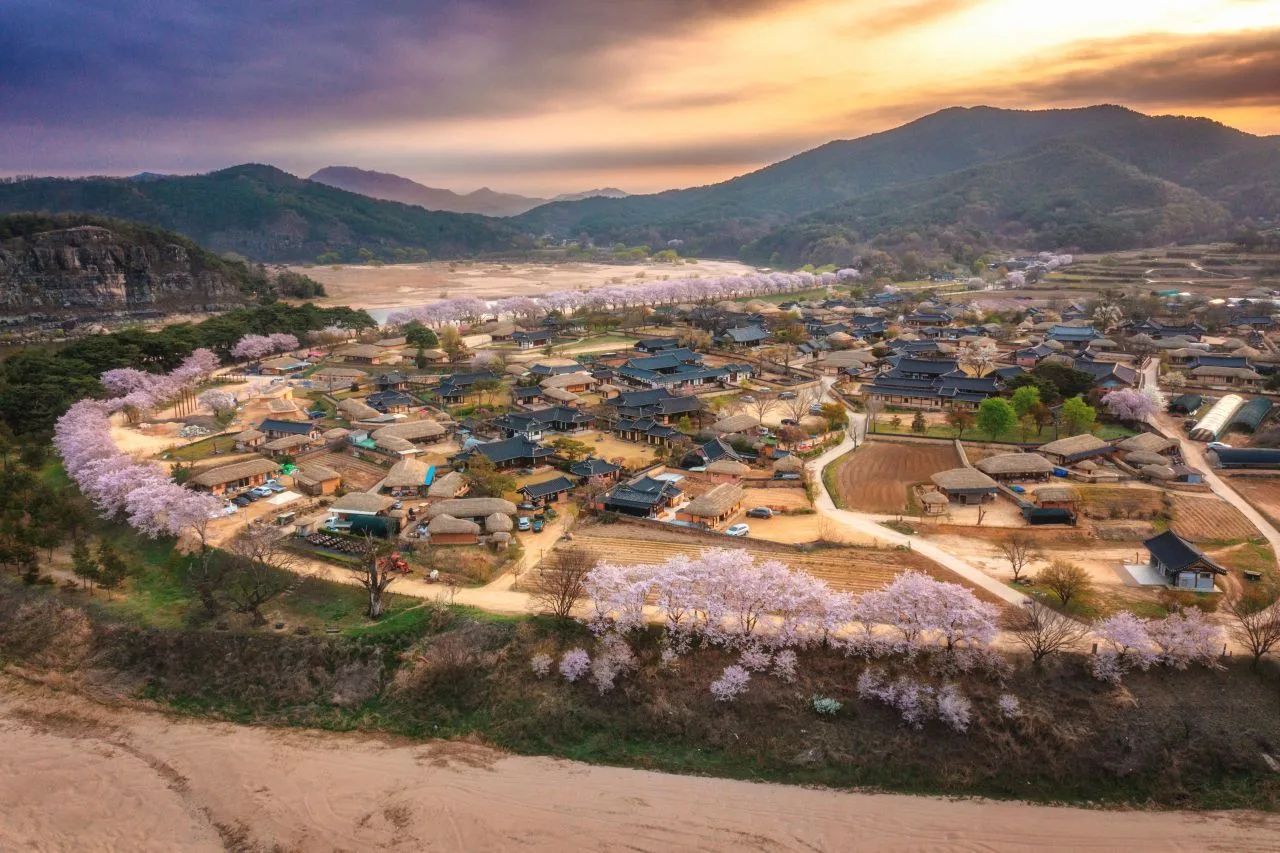
Korea's folk villages provide a unique opportunity to step back in time and experience traditional Korean life firsthand. These villages, preserved or recreated, showcase the architecture, customs, and daily activities of Korea's past.
Hahoe Folk Village: A UNESCO World Heritage Site
Hahoe Folk Village in Andong is probably the best-known example of a living Joseon-era settlement, and its UNESCO World Heritage status draws about a million visitors each year. What strikes you as soon as you arrive is how little the layout and architecture have changed over the centuries—wooden hanok houses with tile or thatched roofs, winding alleyways, and the Nakdong River circling the village like a natural moat. I remember watching local women tending garden patches right beside 400-year-old homes, and seeing traditional mask dance performances that Andong is famous for.
What sets Hahoe apart from other folk villages is its ongoing role in village rituals and Confucian traditions. Many of the houses are still owned by members of the Ryu clan, who have lived here for generations. The village is also known for its mask dance drama (Hahoe Byeolsingut Tallori), which you can often catch on weekends. Even with all the tour groups, the sense of continuity is real. Walking through Hahoe, you get a strong feel for how elite families lived, worked, and celebrated during the Joseon dynasty—something you can read more about in our Joseon dynasty guide.
The surrounding scenery, especially in spring and autumn, is worth the trip alone. Between the preserved architecture and the continued practice of village customs, Hahoe offers a rare window into Korea’s past that doesn’t feel staged for tourists.
Naganeupseong Folk Village: A Living Fortress
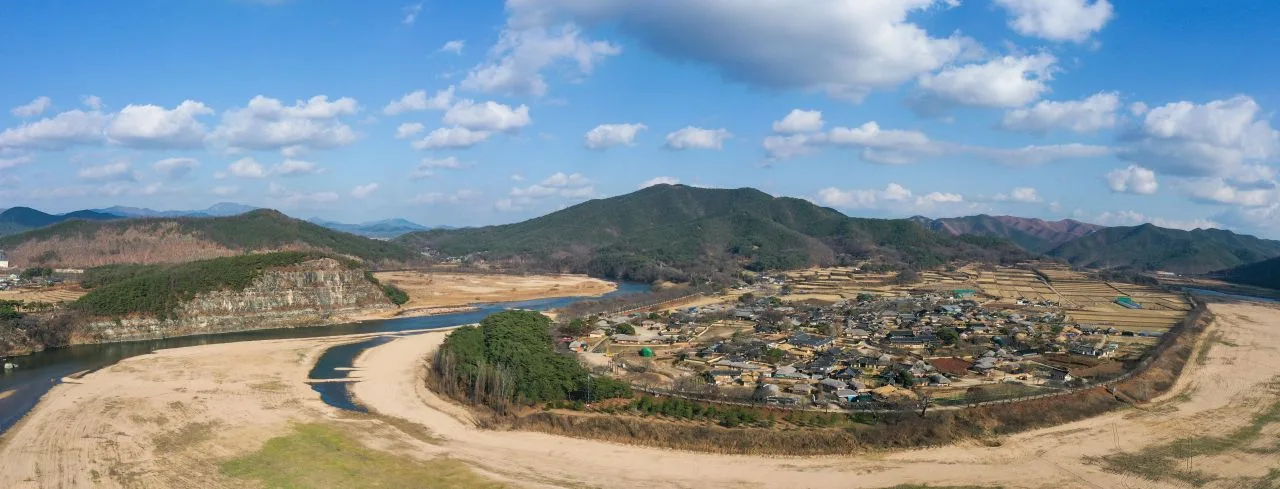
Naganeupseong Folk Village in Suncheon stands out because it’s not just a museum—it’s a real fortress village where people still live in hundreds of earthen-walled thatched homes, just as their ancestors did. The moment I arrived, I was struck by the stone walls that encircle the entire settlement. Naganeupseong is incredibly well preserved. Unlike some folk villages, this one still feels like an active town, with residents drawing water from old wells and drying chili peppers in their courtyards.
The fortress was once an administrative center during the Joseon dynasty, and the defensive walls are still impressive to walk along. The village’s grid layout, government offices, and watchtowers show how towns were organized for both daily life and defense. You’ll see children riding bikes past centuries-old houses and hear the sounds of neighbors chatting over meals, which gives the place a different energy from villages set up purely for tourism.
What I loved about Naganeupseong was the chance to see daily rural life that hasn’t disappeared. The village is also home to local festivals and folk events throughout the year, which makes each visit a bit different. If you’re interested in how Korea’s UNESCO heritage sites preserve living traditions, check out our UNESCO World Heritage Sites guide.
Naganeupseong offers a rare look at fortress-town life that’s still unfolding today, not just preserved behind glass.
Korean Folk Village: A Traditional Theme Park
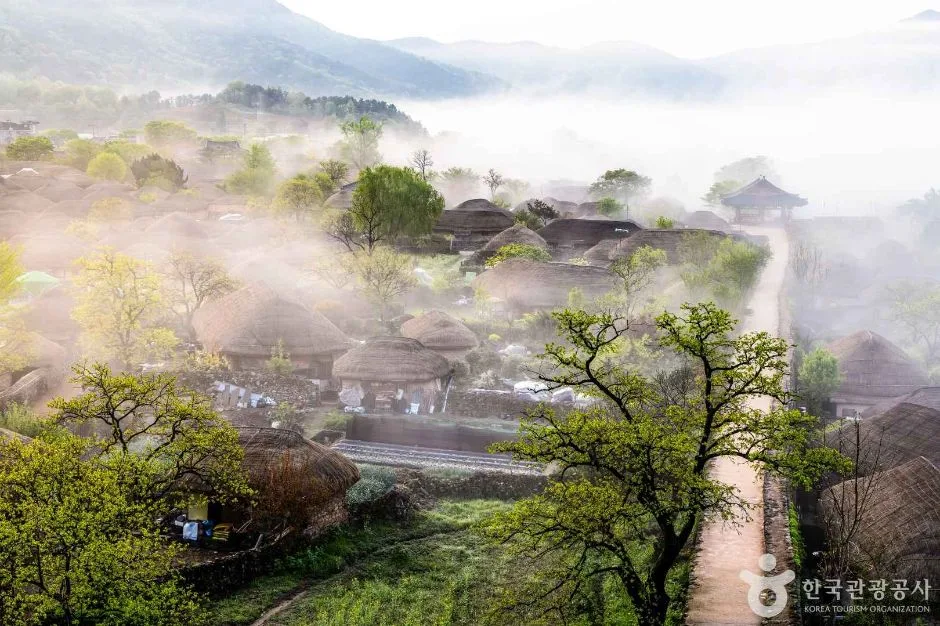
Just a short trip from Seoul, the Korean Folk Village is a huge outdoor museum with over 270 authentic buildings relocated from across the country. What makes this place special isn’t just the architecture—it’s the daily schedule of cultural performances, traditional music, and reenactments that bring the old houses and streets to life. When I last visited, I caught a tightrope walking show and a farmer’s dance parade, both performed with a lot of energy and humor.
The village is laid out like a real Joseon-era town, with everything from noble residences to humble peasant huts, and even a functioning market street where you can try traditional snacks. The staff wear period costumes and you’re encouraged to join in folk games or try your hand at crafts like pottery or paper making. It’s especially popular with families and school groups, but adults will find plenty to enjoy too.
If you’re a fan of historical dramas, you’ll recognize the Korean Folk Village as a filming location for dozens of K-dramas. The performances are a big draw and are explained in English as well, making them easy to follow—see our traditional dance guide for more on what you’ll see here.
The Korean Folk Village is a good choice if you want a hands-on experience of old Korea, without having to travel far from Seoul.
Gyochon Traditional Village: Home of the Choe Clan
Gyochon Traditional Village in Gyeongju is a place where you can see how one of Korea’s most influential families lived for generations. The highlight here is the historic residence of the Choe clan, a family renowned for their contributions to Confucian scholarship and local leadership. Walking through the narrow lanes, you’ll notice the elegant wooden houses, many of which date back centuries. The Choe family’s main house is open to visitors, and you can get a real sense of the social order and daily routines that shaped village life during the Joseon period. What always stands out to me is the attention to detail in the architecture—curved rooftops, neat courtyards, and small family shrines.
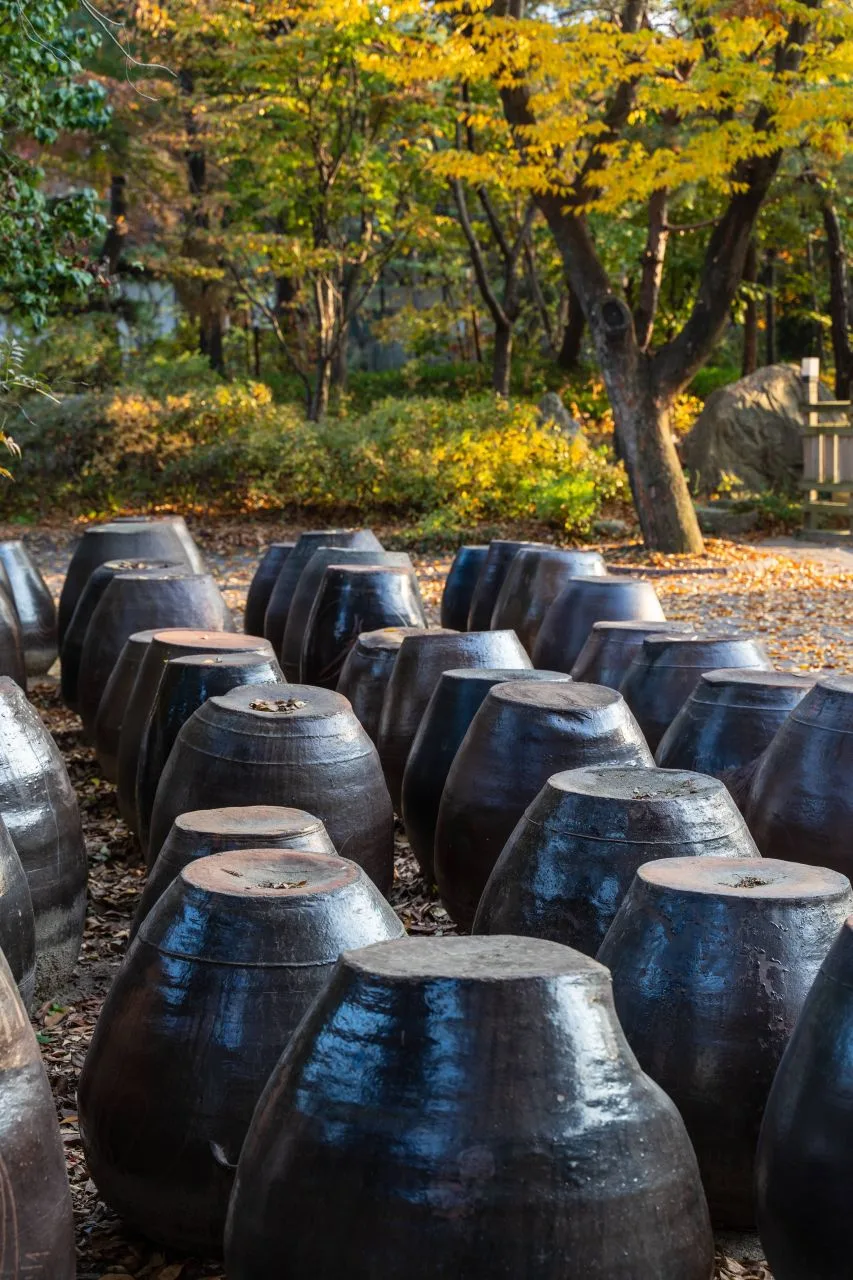
One unique feature of Gyochon is its tradition of rice wine brewing. The village is still associated with high-quality traditional liquors, and some workshops demonstrate the brewing process using old methods passed down through the Choe lineage. If you’re curious about local food, there are cafes and restaurants nearby where you can try Gyeongju’s signature dishes, sometimes paired with a sample of makgeolli (Korean rice wine).
Gyochon is just a short walk from other Gyeongju landmarks, making it easy to combine with a visit to Bulguksa or the ancient tombs. If you want to dive deeper into the city’s heritage, check out our Gyeongju heritage guide. For anyone interested in Korea’s traditional homes and community life, you’ll find Gyochon offers a genuine window into the past.
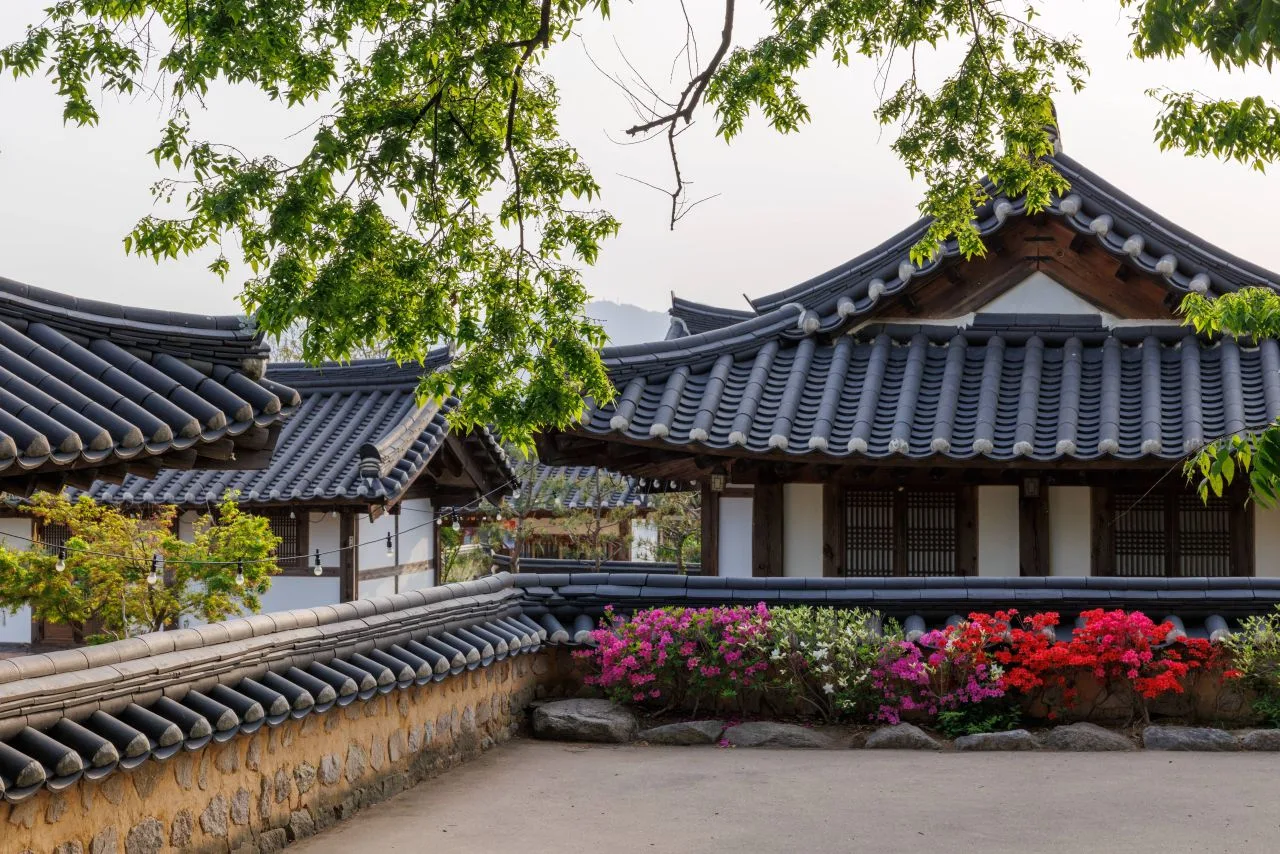
Seongeup Folk Village: Jeju's Cultural Gem
Seongeup Folk Village on Jeju Island gives you a glimpse into a way of life that’s truly unique to this volcanic island. The first thing you’ll spot are the iconic thatched-roof houses, built low to the ground with lava rock walls to withstand Jeju’s fierce winds. I remember being surprised by how different these homes felt from those on the mainland—there’s a distinct island character, shaped by Jeju’s climate and history.
What makes Seongeup stand out is the way it preserves not just buildings, but local customs too. Villagers still practice traditional crafts, and you might see demonstrations of Jeju’s legendary horse culture or hear stories about the semi-mythical women divers, the haenyeo. There are small shrines and fortress gates that hint at the island’s turbulent past, when villages had to defend themselves from invasions.
Many visitors, myself included, enjoy wandering through the maze of stone walls and peeking into open courtyards where chili peppers dry in the sun. Local guides often share stories about family rituals, farming, and Jeju dialect—details you won’t find in any textbook. Seongeup is a living village, and while some houses are open for tours, others are still private homes.
For travelers with an interest in UNESCO sites and Korea’s regional diversity, Seongeup is a rewarding stop. You can learn more about Korea’s world heritage villages in our UNESCO world heritage guide.
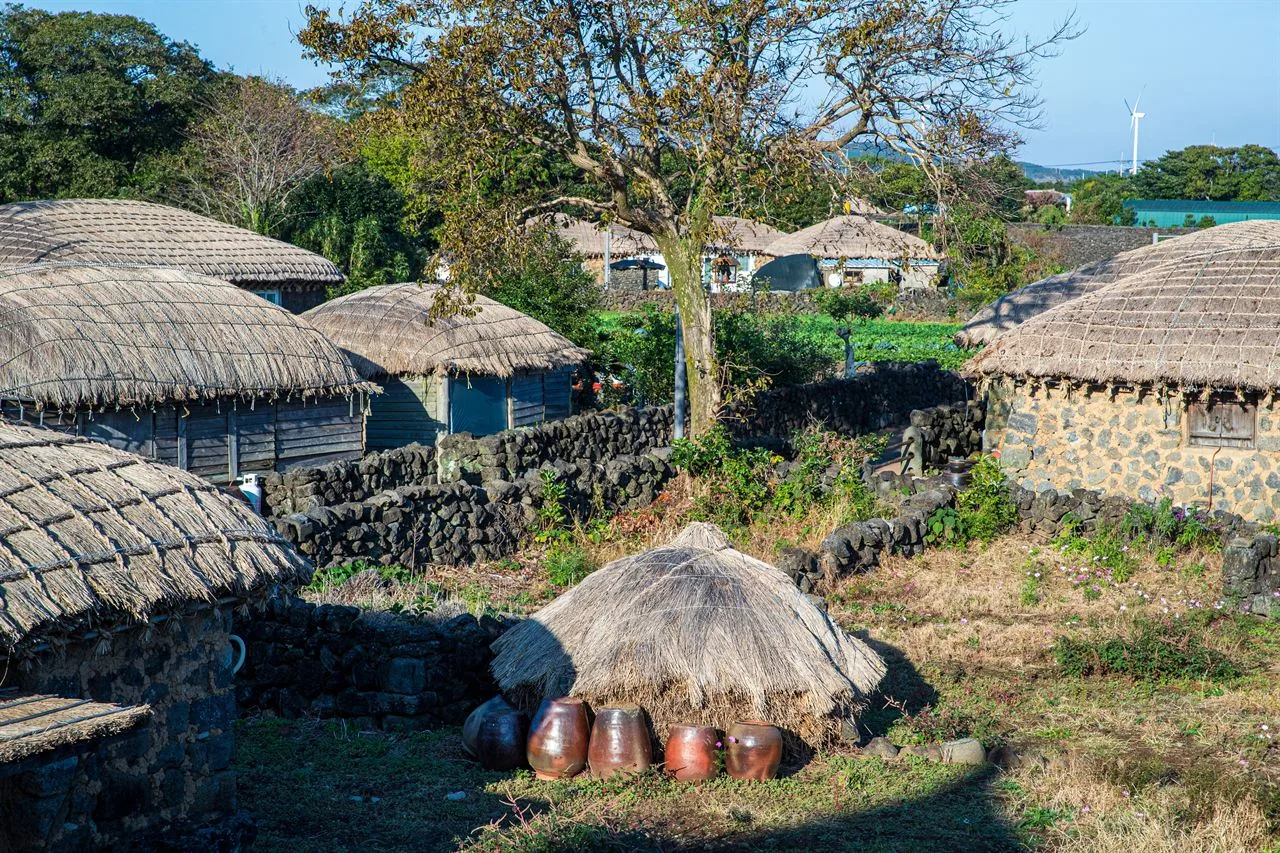
Yangdong Folk Village: A Glimpse into Joseon Aristocracy
Yangdong Folk Village, located just outside Gyeongju, offers a rare chance to see what life was like for Korea’s old nobility. Recognized as a UNESCO World Heritage Site, Yangdong is laid out according to Confucian principles, with aristocratic houses on the hills and humbler homes below. When I visited, I was struck by the harmony between the village and its natural surroundings—the tiled roofs and wooden beams seem to blend into the forested hillsides.
Yangdong was home to two prominent clans, and their ancestral residences are still standing. Walking the winding paths, you’ll notice how the architecture reflects social status: the grandest houses have multiple wings, expansive courtyards, and even their own study pavilions. Some homes are open to visitors, and you can often spot descendants of the original families tending the gardens or giving informal tours.
What sets Yangdong apart is its atmosphere. Unlike reconstructed folk villages, this place feels lived-in and authentic. Traditional rituals, such as ancestral rites, are still practiced here, keeping the Joseon spirit alive. If you’re interested in Korea’s Confucian traditions or want to understand the roots of Hallyu period dramas, Yangdong is a fitting backdrop.
It’s an easy day trip from Gyeongju, and for those curious about the broader history of the Joseon dynasty, our 10-minute Joseon guide gives helpful context before you go. Yangdong’s blend of history, architecture, and rural beauty makes it one of the most evocative villages I’ve visited.
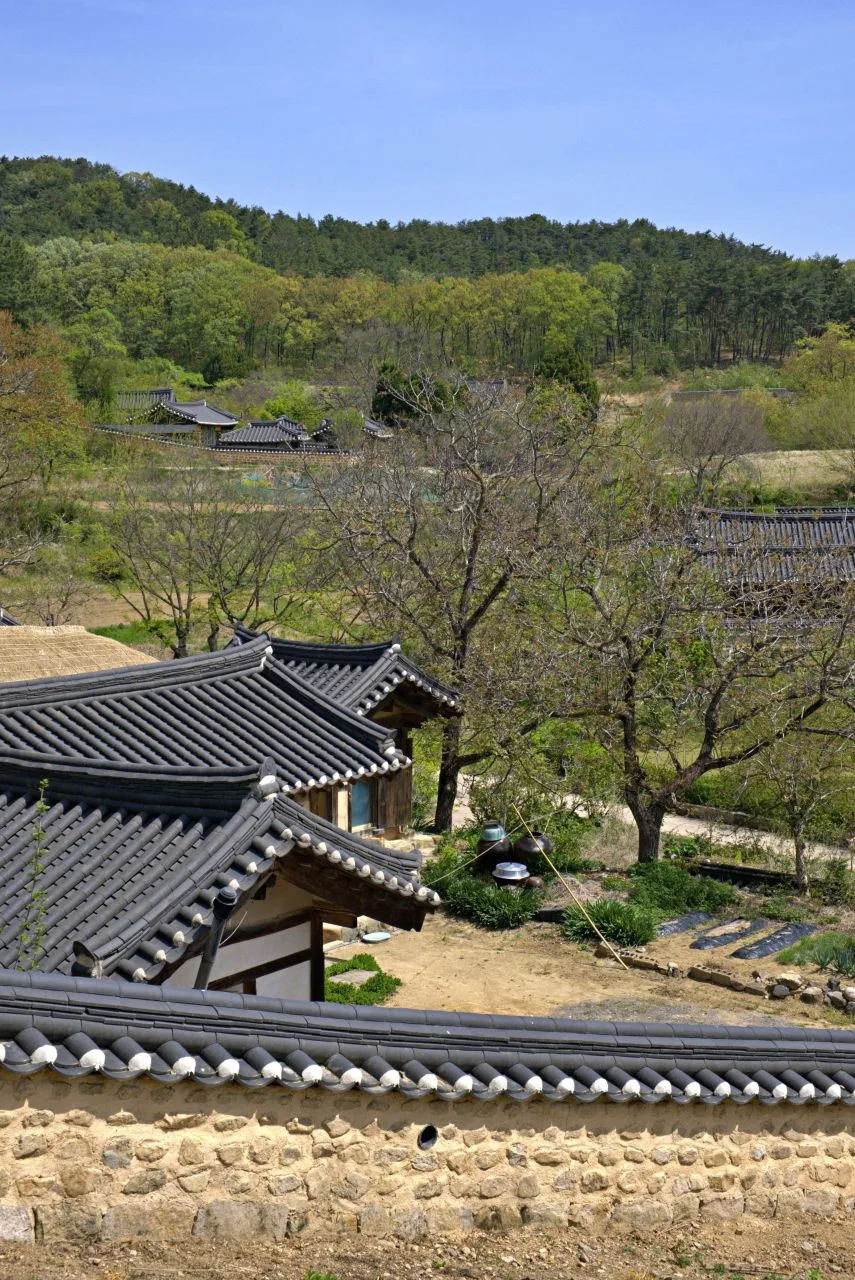
Oeam Folk Village: A harmonious blend of nature and tradition
Oeam Folk Village in Asan is one of those places where the landscape feels just as important as the architecture. The first time I visited, the air was thick with the scent of pine and earth, and the thatched-roof homes seemed to settle perfectly into the rolling fields and old stone walls. The village is famous for its beautiful natural setting, with traditional houses carefully preserved amid gardens and streams, creating a peaceful atmosphere that feels unchanged for centuries. Walking along its narrow lanes, you’ll see homes built in the traditional style, some with tiled roofs and others with thatch, each telling a story of the families who lived here.
Unlike some folk villages that feel curated for tourists, Oeam is still very much a living village. Locals tend to vegetable patches and dry chili peppers on woven mats, making it easy to forget the modern city isn’t far away. The village layout follows the principles of pungsu-jiri (Korean geomancy), so houses and gardens harmonize with the surrounding hills and water. It’s not just about the buildings—the entire landscape is part of the experience. If you’re interested in traditional Korean music, Oeam sometimes hosts folk performances, echoing through the courtyards and fields. For those curious about the roots of gugak (Korean traditional music), check out our guide here.
Visiting Oeam gives you a sense of how everyday life and nature were deeply connected in old Korea. It’s a gentle, honest place—perfect for anyone who wants to experience folk traditions in their natural context.
Visiting these folk villages offers a profound understanding of Korea's long cultural history. Plan your trip to include one or more of these destinations to experience the country's traditions firsthand.
Location
Hahoe Folk Village, Andong
View on Google MapsFrequently asked questions
Are these folk villages accessible year-round?
Yes, most of these villages are open throughout the year, but it's advisable to check specific opening hours and any seasonal events before visiting.
Is there an entrance fee for these villages?
Some villages charge an entrance fee, while others are free. For example, the Korean Folk Village near Seoul has an admission fee, whereas Hahoe Folk Village has a nominal fee.
Can I participate in traditional activities at these villages?
Yes, many villages offer hands-on experiences such as traditional crafts, cooking, and performances. It's best to check in advance for available programs.
Are guided tours available in these villages?
Guided tours are available in several villages, often in multiple languages. Booking in advance is recommended to ensure availability.
How can I get to these folk villages from Seoul?
Transportation options vary; some villages are accessible by public transport, while others may require a car or organized tour. For instance, the Korean Folk Village is easily reachable by bus from Seoul.
Sources
This guide was researched using the references below. Prices and times change, so confirm anything time-sensitive on the official page before you rely on it.
Related guides
- Exploring Seoul's Buddhist temples: a guide for visitorsDiscover Seoul's Buddhist temples, from the central Jogyesa to the serene Bongeunsa, and learn about their history, architecture, and visitor experiences.
- Exploring Seoul's royal palaces: a guide for visitorsDiscover Seoul's five grand palaces, their unique features, and practical tips for your visit.
- Gyeongju: A guide to Korea's ancient Silla capitalGyeongju was Silla's capital for nearly 1,000 years. A practical guide to its UNESCO temples, royal tombs, night views, and how to visit by KTX.
- Visiting the Korean DMZ: A 2026 Guide for Foreign TravelersHow to visit the Korean DMZ from Seoul in 2026: guided tours only, passport rules, the main sites, and why JSA access at Panmunjom keeps changing.
- UNESCO World Heritage Sites you can visit in KoreaA first-person guide to Korea's UNESCO World Heritage sites, with real hours, won prices, and directions to Bulguksa, Changdeokgung and Jeju.
- Seoul's five grand palaces, explainedA first-person guide to Seoul's five grand Joseon palaces: real 2026 prices, hours, subway exits, the hanbok free-entry hack, and how to see them without burning out.