Exploring Seoul's Buddhist temples: a guide for visitors
Discover Seoul's Buddhist temples, from the central Jogyesa to the serene Bongeunsa, and learn about their history, architecture, and visitor experiences.
By Jae Park · Updated Aug 14, 2026
Seoul's Buddhist temples offer a unique blend of history, architecture, and spiritual practice. From the busy city center to tranquil mountain settings, these temples provide a glimpse into Korea's rich religious heritage.
Jogyesa Temple: the heart of Korean Buddhism
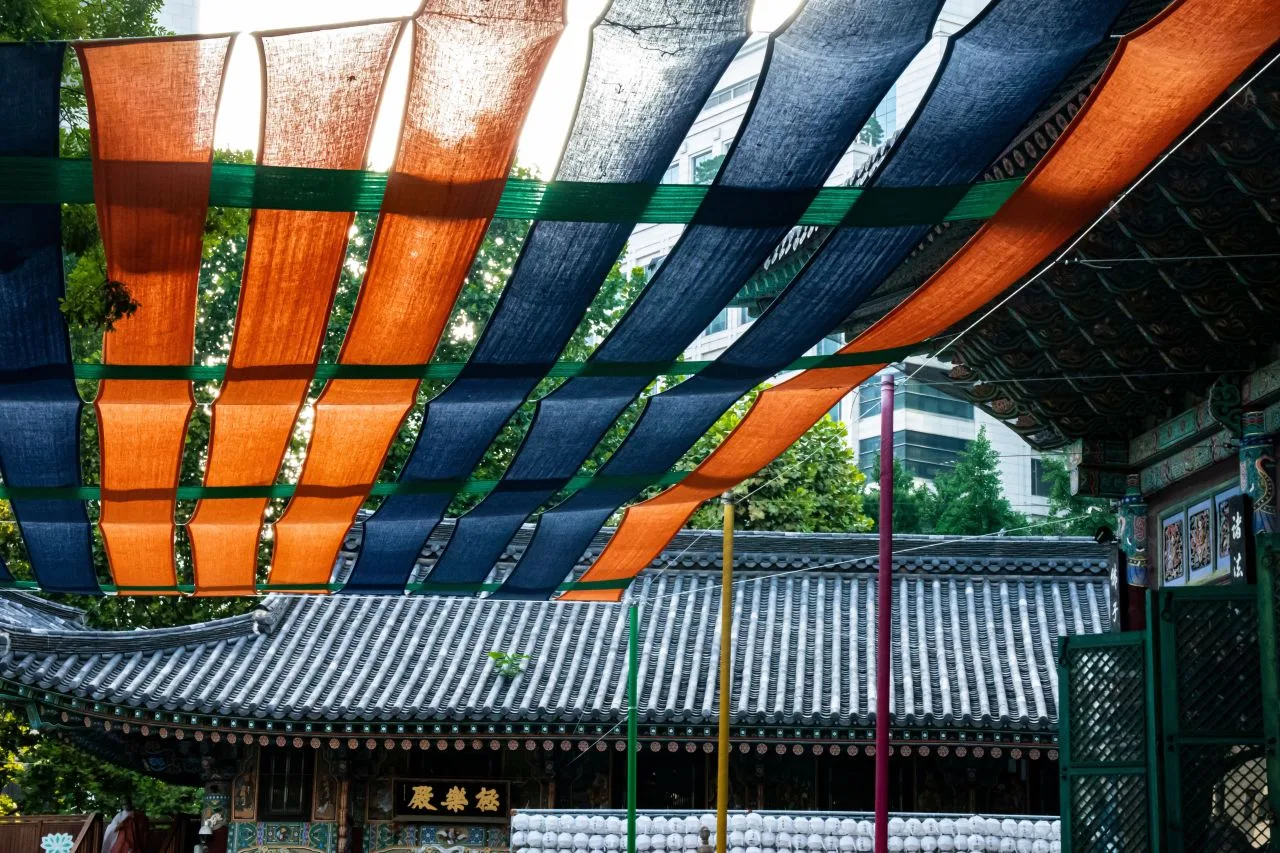
If you're after a temple that truly sits at the center of Korean Buddhism, Jogyesa is the place to start. Right in the heart of Insadong, Jogyesa Temple is not just a peaceful break from Seoul's city rush—it's the headquarters of the Jogye Order, the largest sect of Korean Buddhism. The temple was established in 1910, and you can feel its deep roots in the way monks and locals treat the grounds as a living, breathing spiritual space, not just a tourist photo stop. The main hall is usually busy with worshippers, especially during the annual Lotus Lantern Festival in May. That festival, held for Buddha's birthday, is genuinely something special: thousands of colorful lanterns light up the temple and surrounding streets, and you’ll see performances and parades that spill into Insadong.
Jogyesa is also one of the most accessible places in Seoul to try a temple stay. These programs let you taste monastic life for a night or a weekend—think meditation at dawn, tea ceremonies, and simple vegetarian meals. It’s a great way to see what daily Buddhist practice is really about, even if you’re a total beginner. I recommend checking their English-language offerings ahead of time, as spots can fill up during busy seasons. If you’re curious about what to expect, we’ve broken down the basics in our templestay guide for foreigners. Always dress modestly and be ready to slip your shoes off before entering any prayer hall—Jogyesa is welcoming, but it’s also a working temple, and a bit of respect goes a long way.
Bongeunsa Temple: a tranquil escape in Gangnam
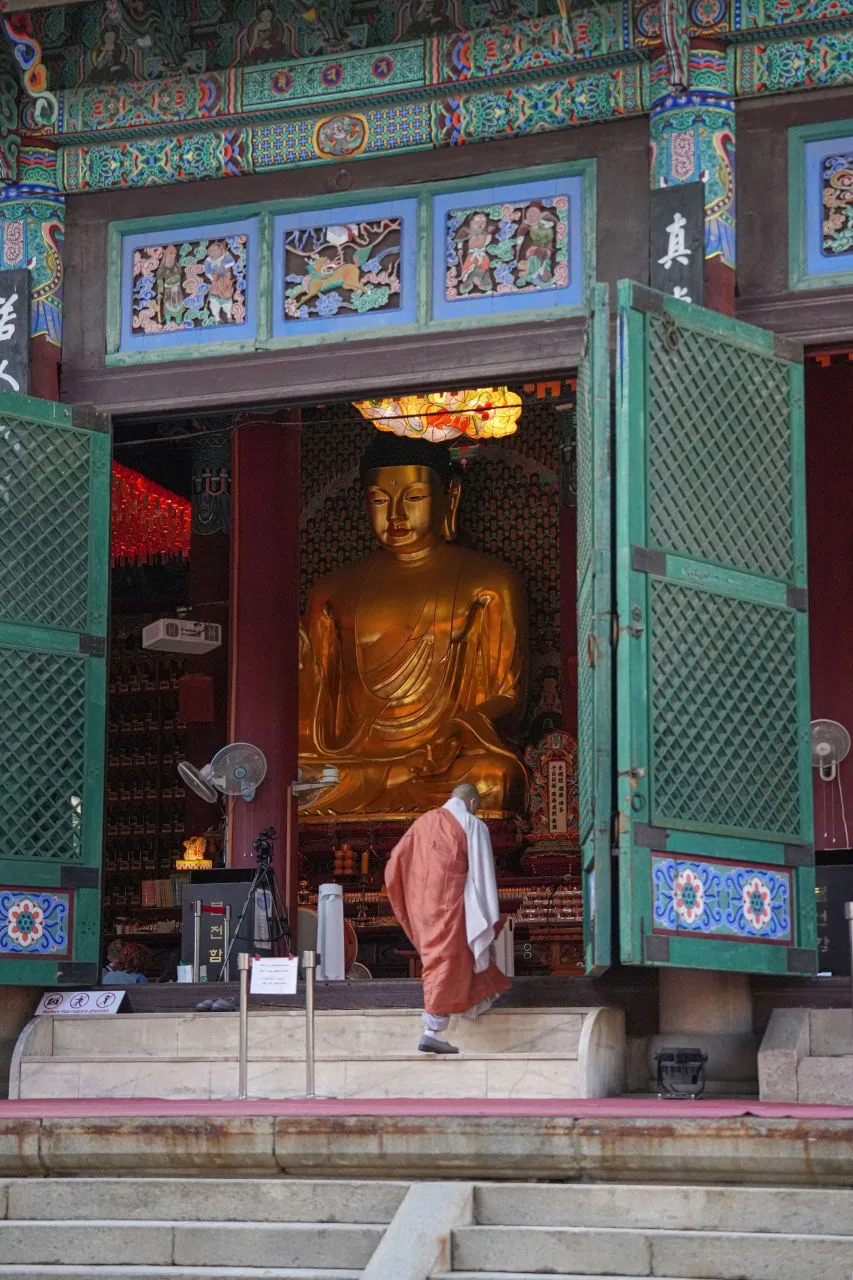
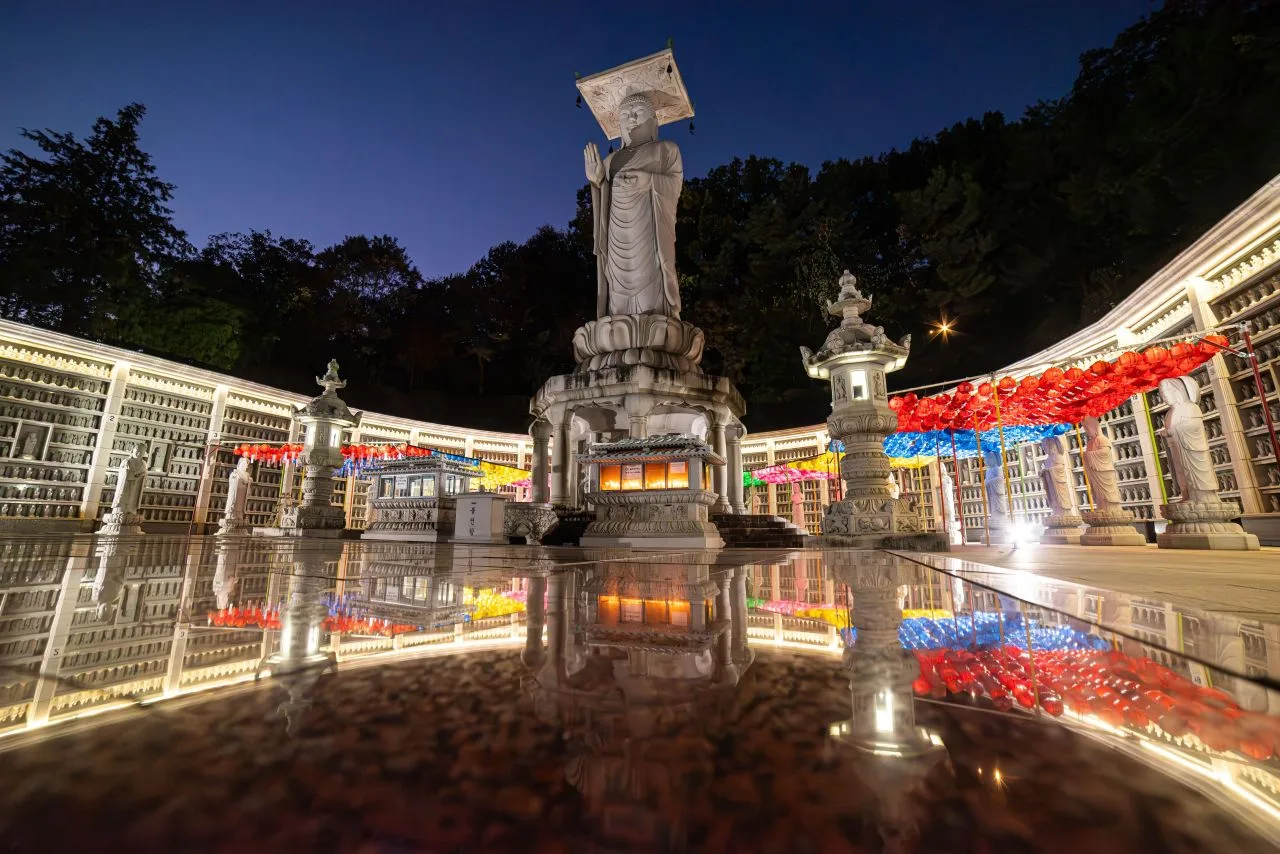
Bongeunsa Temple offers a completely different vibe from Jogyesa—more retreat than city landmark, even though it sits right across from COEX Mall in the thick of Gangnam. Founded back in 794 during the Silla Dynasty, Bongeunsa is one of Seoul’s oldest temples, and you can sense that history as soon as you walk up the wooded path. What really sets it apart is the massive 23-meter statue of Maitreya Buddha, which stands watch over the complex. I always tell visitors: the contrast between the temple’s calm grounds and the glass towers of Gangnam is dramatic, and it’s this collision of old and new that makes Bongeunsa special.
If you want to go deeper than a quick look around, Bongeunsa’s temple stay programs are well run and open to foreigners. Expect meditation sessions, tea with monks, and a gentle introduction to Buddhist rituals. You don’t need to be religious—just open-minded and ready to slow down. If you’re noise-sensitive, mornings are the quietest, especially if you come on a weekday. Bongeunsa also hosts special events throughout the year and is a peaceful spot for reflection during Seoul’s hotter months; the pine and bamboo groves offer real shade and a break from the city’s pace. For more on what a temple stay involves, check our templestay guide for foreigners before you book.
Geumseonsa Temple: mountain serenity near Bukhansan
If you prefer your temples with a mountain backdrop, Geumseonsa Temple is the spot to aim for. Sitting on the southwest foot of Bukhansan National Park, it feels far removed from central Seoul, yet you can get there in under an hour from downtown. The site’s history is a story of survival: destroyed during the Japanese Occupation, Geumseonsa was lovingly restored in 1955 and is now designated as Tangible Cultural Heritage No. 161 by Seoul. The restoration work means the complex is both historic and well maintained, and the panoramic views of the city from the temple grounds are among the best you’ll find without a serious hike.
Geumseonsa’s main draw is its peaceful setting. The air feels cleaner, the crowds are thinner, and the whole place is designed for quiet reflection. Temple stay programs here are especially appealing if you want to combine Buddhist practice with natural beauty. You’ll wake up to bird song and maybe even catch a sunrise over the city’s northern hills. Like most Seoul temples, Geumseonsa asks that you dress modestly, keep noise to a minimum, and check in advance about photography rules—some areas are off limits for photos. For those interested in a deeper experience, the temple stay is well suited to English speakers and newcomers to Buddhist culture. Our templestay guide for foreigners breaks down how to book and what to expect.
Gilsangsa Temple: a modern sanctuary in the city
Gilsangsa Temple stands out in Seoul as a relatively new yet deeply peaceful Buddhist sanctuary, having opened its doors in 1997 on what used to be a traditional Korean house. If you ask locals about a temple that feels both modern and grounded in community, this is the name that comes up. The grounds are lush and green, especially in spring and early summer, making it a favorite for those who want a break from the city without leaving the city. What always strikes me about Gilsangsa is how it doesn’t just serve as a religious site but as a hub for cultural activity. You’ll find everything from art contests to small concerts happening here, all under the philosophy of the ‘Clean and Fragrant’ movement—an initiative aimed at creating a healthy and harmonious society. I appreciate that it’s not just about rituals or worship; it’s a place that invites everyone, regardless of background, to participate in retreats or simply wander the shaded paths. The fact that Gilsangsa is built atop a former hanok estate is also symbolic, blending old Seoul with contemporary spiritual needs. If you’re looking for a temple experience that’s relaxed but meaningful, and especially if you’re interested in cultural programs, Gilsangsa is an excellent starting point before you branch out to other, more historic temples. For those considering a deeper dive, check out our guide to temple stay programs for foreigners.
Understanding temple etiquette: dos and don'ts
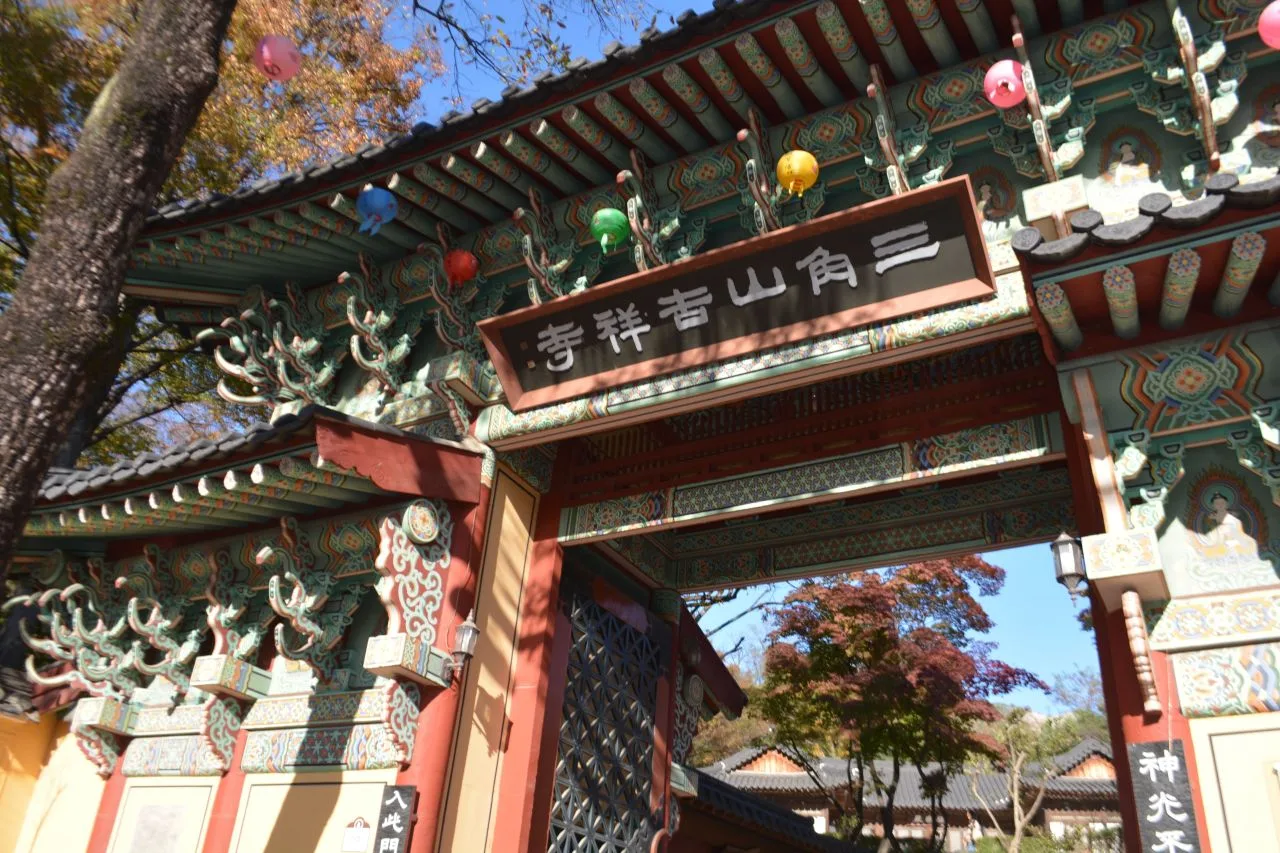
Temple etiquette in Korea might feel intimidating at first, but once you know the basics, you’ll feel much more at home. The most important rule is modesty—dress respectfully with shoulders and knees covered. I’ve seen people turned away at the temple gates for wearing shorts or sleeveless shirts, so save yourself the hassle and plan your outfit accordingly. Before entering any prayer hall, always remove your shoes. There’s usually a rack or a designated spot outside the entrance. Inside, keep your voice down; temples are living places of worship, not just sightseeing spots. You’ll notice that locals often bow before entering the main Buddha hall and when exiting—this simple gesture of respect goes a long way, and no one expects perfection from a foreigner, just sincerity.
Photography inside temples can be a gray area. Some halls allow it, while others have clear signs prohibiting photos. When in doubt, ask a monk or temple volunteer; they’re generally happy to help. I recommend keeping your phone on silent and refraining from phone calls anywhere on temple grounds. Lastly, avoid pointing your feet toward the Buddha statues or sitting with your legs stretched out in the main hall—this is considered disrespectful. For more practical tips on navigating Korean manners and customs, see our etiquette guide.
Participating in temple stay programs
If you’re really curious about what daily life is like for Korean monks, a temple stay program is the way to go. Many of Seoul’s major temples offer these stays, giving visitors a structured, hands-on introduction to Buddhist practices. Expect to wake up early, participate in meditation, and join in tea ceremonies or even Buddhist chanting. I always tell friends that a temple stay is less about religion and more about slowing down and paying attention. You don’t have to be Buddhist (or even particularly spiritual) to benefit from the experience. The monks and staff usually provide explanations in simple English, and activities are designed for both first-timers and those looking for a deeper experience.
The core of most programs involves meditation, mindful eating, and sometimes community chores, all intended to help you reconnect with yourself. You might find yourself making lotus lanterns or trying your hand at traditional crafts in the evening. What’s unique about temple stays in Seoul is the blend of monastic routine with accessibility—unlike more remote temples, you can finish your stay and be back in the city center within an hour. If the idea of meditating at dawn or sharing silent meals sounds appealing, I recommend reading our detailed guide to temple stay programs for foreigners to see which temple fits your interests and how to book ahead.
Seasonal festivals and events at temples
If you want to experience Buddhist culture in Seoul at its liveliest, time your visit for one of the major temple festivals. The best known is the Lotus Lantern Festival at Jogyesa Temple, which lights up Insadong each May for Buddha’s birthday. You’ll see thousands of colorful lanterns strung above the temple courtyard, each one hand-crafted, and on festival evenings, processions wind through the streets carrying lanterns shaped like lotus flowers, dragons, and even pagodas. Cultural performances, traditional music, and hands-on craft booths make the whole area feel like a celebration—a side of Korean Buddhism you won’t get on an average day. If you want the full effect, visit after sunset when the lanterns glow against the dark, and join the crowds watching the parade. This festival is a highlight of the city’s spring calendar, and you can find a detailed guide to it in our Seoul Lantern Festival guide.
Other temples have their own seasonal rhythms. Gilsangsa Temple, for example, is known for art contests and concerts throughout the year, often tied to their focus on community well-being and the ‘Clean and Fragrant’ movement. While not as crowded as Jogyesa’s festival, these smaller events offer a quieter window into contemporary temple life. Bongeunsa and Geumseonsa also mark Buddha’s birthday and other Buddhist holidays with ceremonies, but the crowds tend to be smaller and the atmosphere more meditative. If you’re looking for an event that combines tradition with a chance to actually try Buddhist practices—or just want to see Seoul’s temples at their most animated—plan around these festival dates. Always check the official temple sites for current schedules, as events may shift from year to year.
Exploring Seoul's temples offers a unique insight into Korea's spiritual traditions. Whether you're seeking tranquility, cultural experiences, or historical knowledge, these temples provide a meaningful addition to your visit.
Location
Jogyesa Temple, Seoul
View on Google MapsFrequently asked questions
Are temple stay programs available in English?
Yes, many temples in Seoul offer temple stay programs with English-speaking guides to accommodate international visitors.
Is there an admission fee for visiting these temples?
Most temples in Seoul are free to enter, but some may request a small donation or charge a fee for special programs and events.
What is the best time to visit Seoul's temples?
Spring and autumn are ideal times to visit, offering pleasant weather and the opportunity to experience seasonal festivals like the Lotus Lantern Festival in May.
Can I participate in meditation sessions at the temples?
Yes, many temples offer meditation sessions open to the public, often as part of their temple stay programs or regular schedules.
Are there any dress codes for visiting temples?
Visitors should dress modestly, covering shoulders and knees, and remove shoes before entering prayer halls to show respect.
Sources
This guide was researched using the references below. Prices and times change, so confirm anything time-sensitive on the official page before you rely on it.
Related guides
- Exploring Seoul's royal palaces: a guide for visitorsDiscover Seoul's five grand palaces, their unique features, and practical tips for your visit.
- Korean folk villages worth visitingExplore Korea's rich history by visiting these traditional folk villages, each offering unique insights into the country's cultural heritage.
- Gyeongju: A guide to Korea's ancient Silla capitalGyeongju was Silla's capital for nearly 1,000 years. A practical guide to its UNESCO temples, royal tombs, night views, and how to visit by KTX.
- Visiting the Korean DMZ: A 2026 Guide for Foreign TravelersHow to visit the Korean DMZ from Seoul in 2026: guided tours only, passport rules, the main sites, and why JSA access at Panmunjom keeps changing.
- UNESCO World Heritage Sites you can visit in KoreaA first-person guide to Korea's UNESCO World Heritage sites, with real hours, won prices, and directions to Bulguksa, Changdeokgung and Jeju.
- Seoul's five grand palaces, explainedA first-person guide to Seoul's five grand Joseon palaces: real 2026 prices, hours, subway exits, the hanbok free-entry hack, and how to see them without burning out.