Korean wedding traditions explained
Explore the rich mix of Korean wedding traditions, from the symbolic exchange of wooden ducks to the lively hanbok attire, blending ancient customs with mo
By Jae Park · Updated Jul 23, 2026
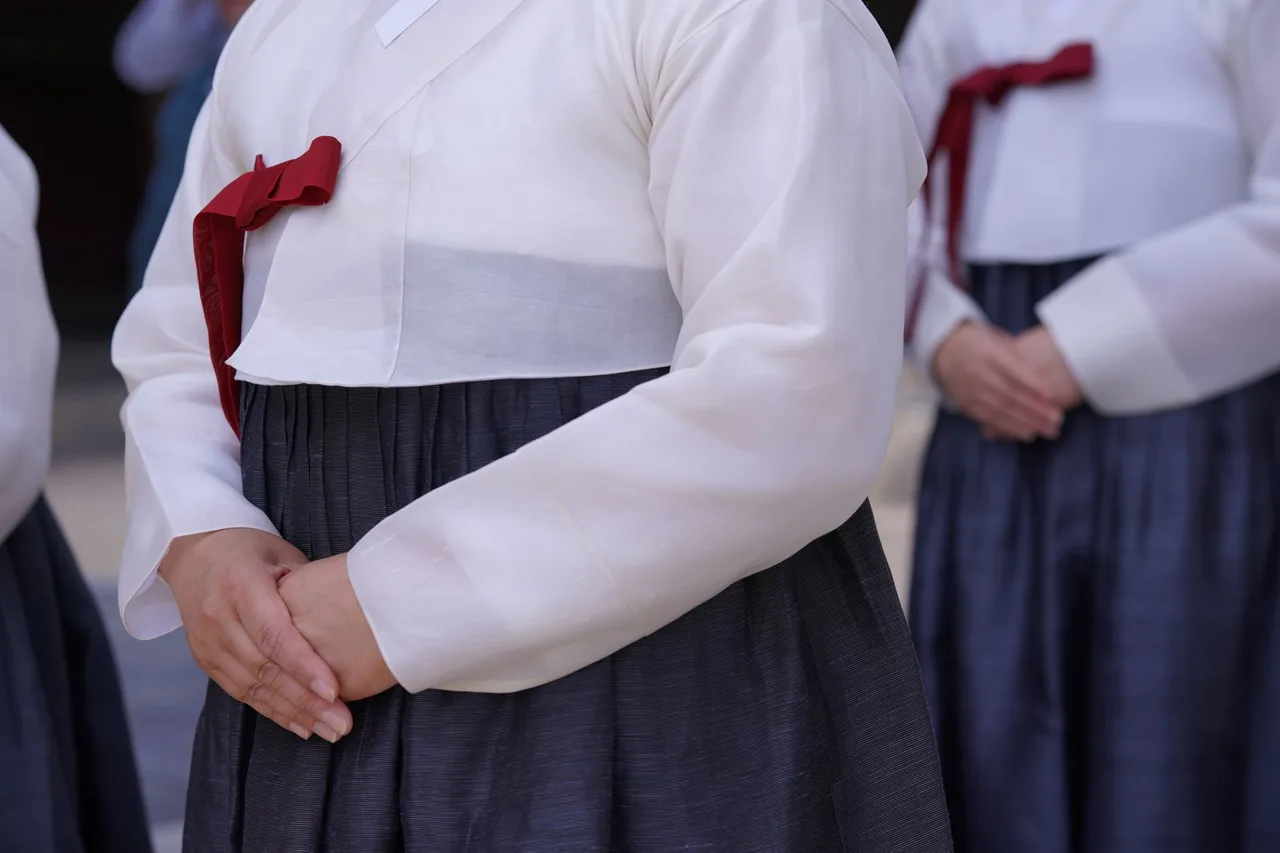
In Korea, weddings are a harmonious blend of time-honored traditions and contemporary customs. For instance, the exchange of wooden ducks, symbolizing lifelong fidelity, remains a cherished ritual even in modern ceremonies.
The significance of the wooden duck exchange
At every traditional Korean wedding I’ve attended, one of the most memorable moments is when the groom presents a wooden duck to the bride’s mother. This isn’t just a quaint gesture—it’s a powerful symbol rooted in the belief that ducks mate for life. In Korea, the wooden duck exchange marks the groom’s promise of lifelong fidelity and steadfastness to his new family. Watching this scene, you can sense the gravity of the commitment, especially for the bride’s mother, who receives the duck as a sign that her daughter will be cherished and protected.
This custom reflects the broader values of Korean marriage, where loyalty and harmony between families are deeply prized. The wooden duck, often hand-carved and sometimes painted in traditional colors, becomes a keepsake for the bride’s family, displayed in their home as a reminder of the union. I’ve seen older relatives proudly show off these ducks, some passed down for generations, reinforcing the idea that marriage is not only about the couple but also about the lasting ties between families.
For many, the wooden duck is more than decor—it’s a daily reminder that a marriage should be faithful and enduring, just like the bond between two ducks. Even as modern weddings in Korea have evolved, this exchange remains a heartfelt moment that bridges old values with new beginnings.
Traditional Korean wedding attire
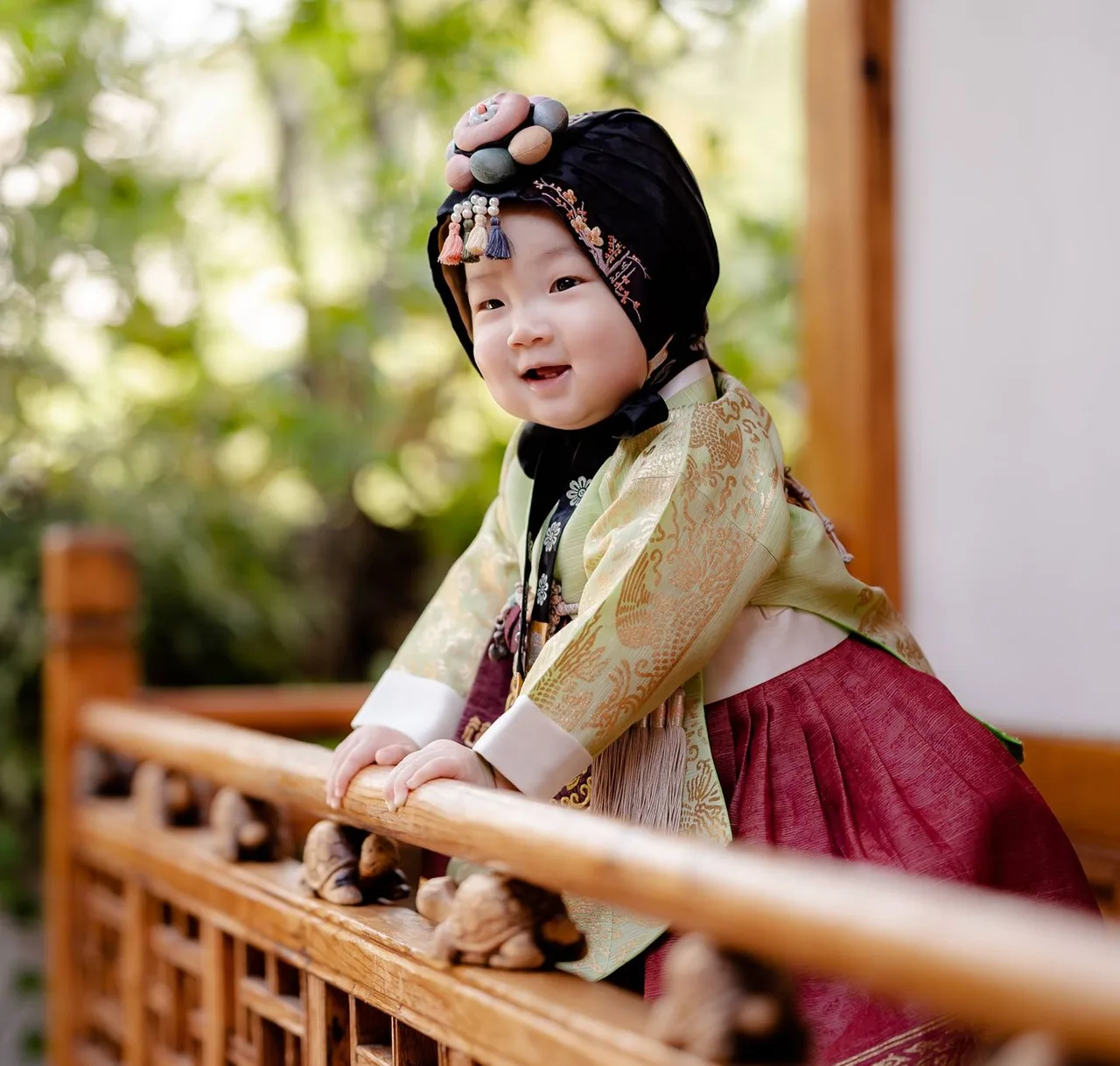
If you’ve ever seen a Korean wedding, you’ll remember the burst of color and symbolism in the traditional attire. Brides wear a hanbok, often with a red skirt (chima) and blue jacket (jeogori), colors chosen not just for beauty but for what they represent—red for good fortune and blue for harmony. The hanbok is typically adorned with embroidered patterns that wish happiness, fertility, and longevity upon the new couple.
The groom, meanwhile, puts on a dark green robe called a gwanbok, which has its roots in official court garments from centuries ago. The gwanbok lends a stately look, signaling the groom’s role as the new head of a household. I always find it striking how the formal lines and deep colors of the gwanbok contrast with the bride’s more playful palette, yet together, they create a visual harmony that’s unmistakably Korean.
Accessories are just as meaningful. Brides might wear a headpiece called jokduri or a long ribbon (norigae) hanging from their waist, each symbolizing hopes for a joyful marriage and many children. Even modern couples who opt for Western-style ceremonies often change into hanbok for the family photos and Pyebaek, showing that these garments remain a powerful link to tradition. If you’re curious about trying on or learning more about hanbok, check out our hanbok guide for a deeper dive.
The role of the Pyebaek ceremony
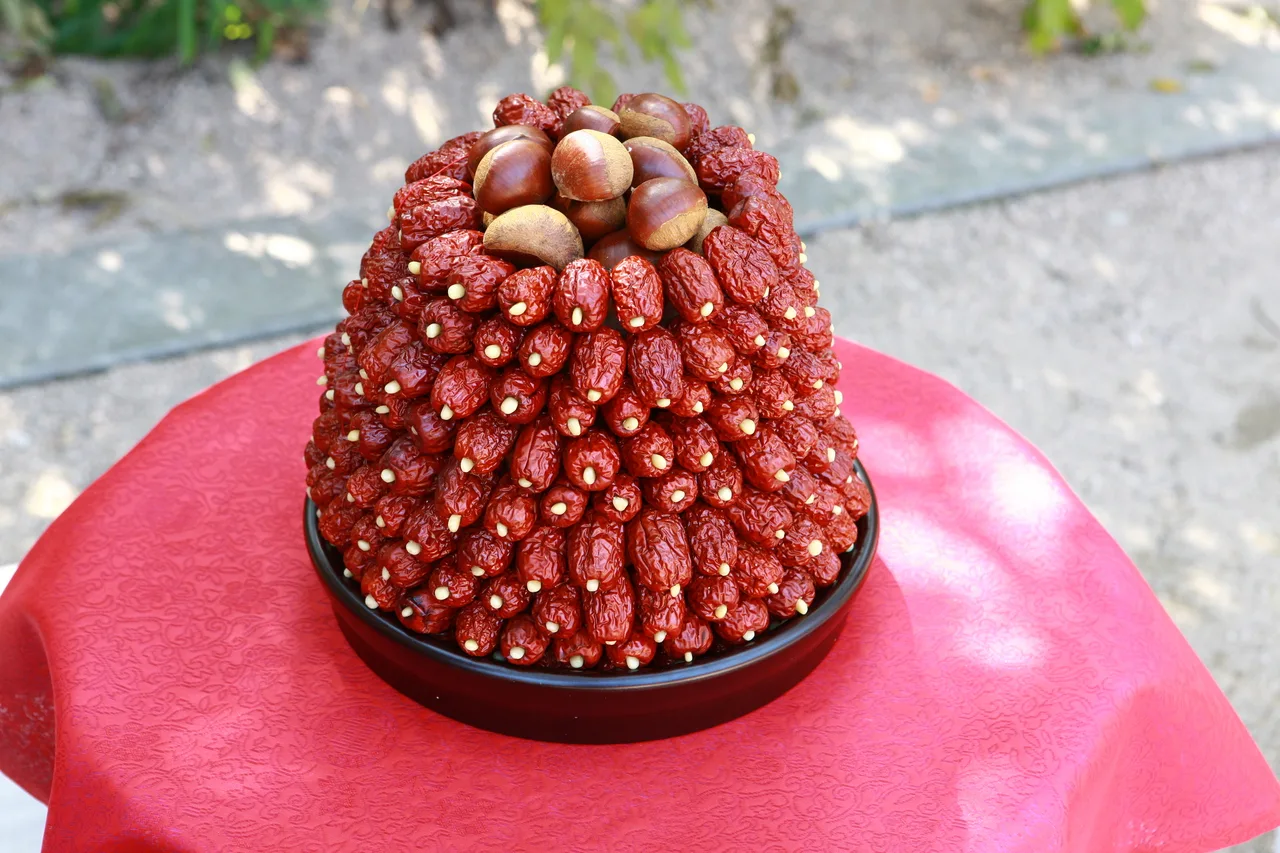
After the main ceremony and the whirlwind of group photos, the Pyebaek is when things get personal and meaningful for the families. During Pyebaek, the newlyweds bow deeply before the groom’s parents and offer them dates and chestnuts. These aren’t just snacks—dates and chestnuts are symbols of fertility and wishes for many healthy children. The parents, in turn, toss the dates and chestnuts back to the couple, and the number the bride catches in her dress is said to predict how many children the couple will have.
This ritual is a striking reminder of how Korean weddings are as much about honoring elders and joining families as they are about the couple themselves. The bows are deep and formal, reflecting the influence of Confucian respect for elders, and I’ve found these moments often bring out real emotions from parents and grandparents. Sometimes, you’ll see the parents offer advice or blessings, making the Pyebaek an intimate, heartfelt endnote to the day’s celebrations.
Even in today’s streamlined wedding halls, the Pyebaek endures as a way for families to formally welcome the bride and acknowledge the new bond. For those interested in the deeper customs around respect and etiquette in Korea, see our guide on Korean etiquette dos and don'ts.
Modern wedding venues and ceremonies
Contemporary Korean weddings have a rhythm and style all their own. When I attended my first wedding in Seoul, I was struck by how different it felt from the lengthy, formal affairs I’d seen back home. Most modern weddings unfold in specialized venues called “wedding halls” (웨딩홀), which are found throughout Korean cities. These halls are designed for efficiency, expertly hosting several ceremonies in a single day. The typical ceremony lasts only about 30 minutes, and it’s not uncommon for guests to see another wedding party lining up for their turn as they leave.
Inside, the atmosphere is a blend of tradition and modernity. Brides might wear a white dress for the main event, but it’s not unusual to spot a traditional hanbok during the reception or the Pyebaek ceremony. The ceremony itself is streamlined, often omitting lengthy speeches or religious rituals. What stands out is the sense of order: guests check in at the entrance, leave their cash gifts, and quickly find their seats. After the main wedding, there’s usually a buffet meal for all attendees, which adds to the communal, celebratory mood.
For foreigners, attending a Korean wedding can be a fascinating introduction to local etiquette and customs. Things like punctuality and quiet observation during the ceremony are valued. If you’re invited, it’s worth brushing up on Korean wedding etiquette, as even small gestures are noticed. Personally, I enjoyed how the efficiency of the wedding hall never seemed to overshadow the warmth of the occasion.
The practice of cash gifts (Chugeum)
One of the first things you’ll notice at a Korean wedding is the registration desk near the entrance. Here, guests present cash gifts in white envelopes, a custom known as Chugeum (축의금). There’s something refreshingly straightforward about this practice. Instead of shopping for a gift, the expectation is to offer a monetary contribution, which shows communal support for the couple starting their life together.
When I attended my friend’s wedding, I learned that the amount you give depends on your relationship to the couple and local expectations. The envelope is handed over at the desk, where your name is recorded for the bride and groom’s records. In return, you typically receive a meal ticket for the post-ceremony buffet. This exchange is not just transactional; it’s a symbolic gesture of encouragement, rooted in the idea that the community helps the newlyweds embark on their journey. I’ve seen relatives and close friends give larger amounts, while colleagues or acquaintances might give a more modest sum.
The cash gift tradition is also deeply practical, as it helps cover the cost of the wedding itself, which can be substantial. Etiquette matters here—using a crisp, new envelope and writing your name clearly is considered polite. If you’re unsure about the details, reading up on Korean wedding etiquette is a good idea before attending.
Pre-wedding photoshoots
Before the wedding even begins, most Korean couples take part in an elaborate pre-wedding photoshoot. This isn’t just a quick portrait session; couples spend hours (sometimes days) in studios or on location, trying out a range of outfits and backdrops. From classic romantic themes to playful or even cinematic concepts, the photos become a statement of the couple’s personality and story. I remember watching my cousin and her fiancé pose in traditional hanbok for one set, then change into formalwear for another, each scene carefully crafted by a professional team.
These photos are more than keepsakes—they’re usually displayed at the wedding venue, lining the hallway or set up in the main reception area. Guests enjoy flipping through photo albums or admiring large prints, which serve as a conversation starter and a showcase of the couple’s journey together. It’s common for couples to share their favorite shots on social media, too, making the experience part of the wider celebration.
For those invited to a Korean wedding, don’t be surprised if you find yourself featured in a few group photos on the big day as well. The pre-wedding shoot, though, is all about the couple and their creative vision. If you’re curious about etiquette for participating in or complimenting these photos, it’s worth reading up on Korean wedding etiquette.
The influence of Confucian values
Confucian values have shaped Korean wedding traditions for centuries, placing family, respect, and hierarchy at the center of each ritual. When I attended my first traditional wedding in Korea, what stood out most was how every gesture—especially the deep bows and formal greetings—was aimed at honoring elders and uniting two families, not just two individuals. The Pyebaek ceremony is a clear example: after the main ceremony, the newlyweds offer dates and chestnuts to the groom's parents, an act that not only symbolizes hopes for many children but also demonstrates gratitude and deference. This exchange is far from a casual gesture; you can feel the seriousness and emotion as the couple kneels and bows deeply, sometimes until their foreheads touch the floor.
The influence of Confucianism goes beyond Pyebaek. The bowing ceremonies, where the couple pays respect to both sets of parents, are rooted in the belief that marriage is a union of families and an opportunity to reaffirm bonds across generations. It’s not just about the couple’s happiness, but about reinforcing social order and filial piety—a core Confucian principle. Even the seating arrangements and order of events often reflect a careful attention to hierarchy and respect, which you’ll notice if you observe closely.
If you want to understand why these rituals matter, it helps to know a bit about Korea’s Confucian past. The Joseon dynasty, which lasted for over 500 years, deeply embedded these values in daily life. For more, you might check out our guide to the Joseon dynasty.
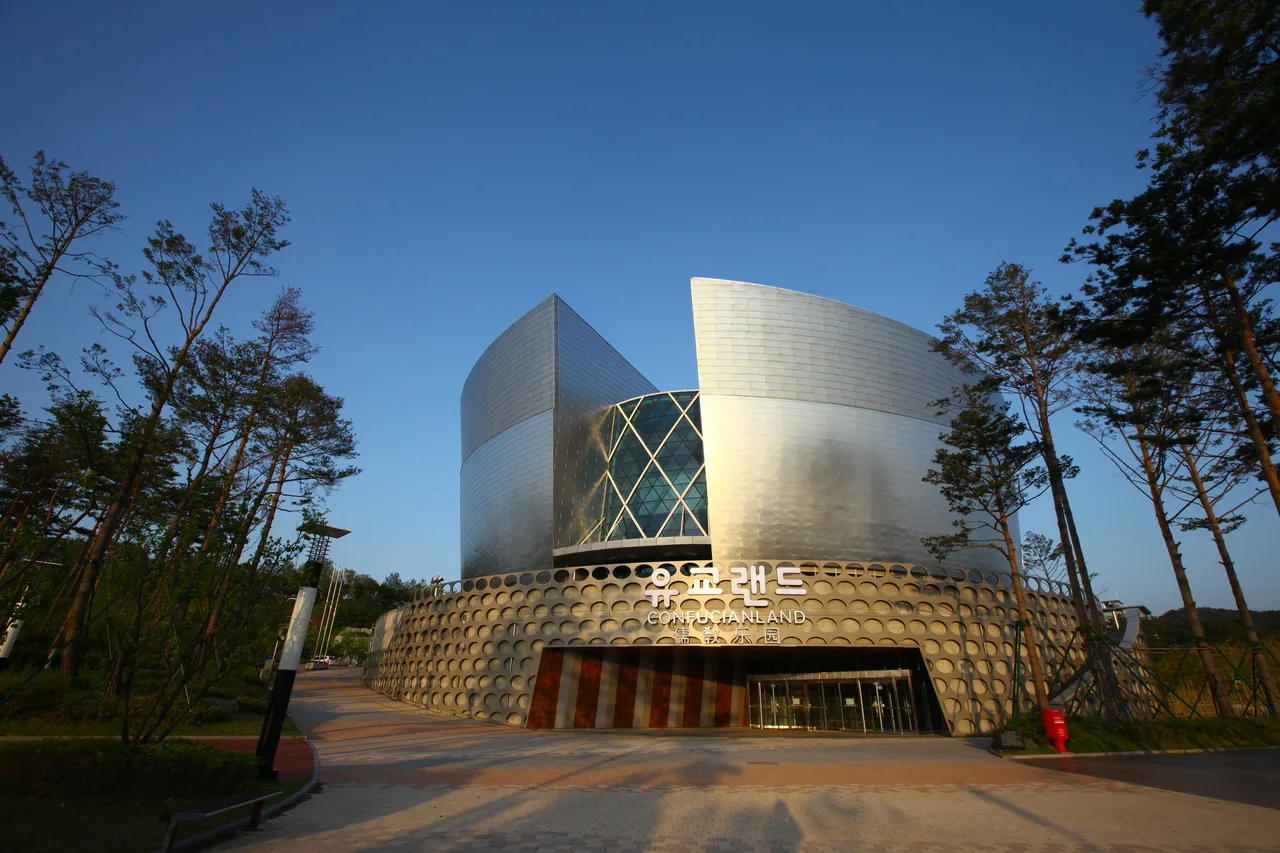
Understanding these traditions offers a deeper appreciation of Korean weddings, where each ritual and custom reflects profound cultural values and familial bonds.
Frequently asked questions
What is the significance of the wooden duck in Korean weddings?
The wooden duck symbolizes lifelong fidelity, as ducks are believed to mate for life; the groom presents it to the bride's mother to signify his commitment.
What attire do brides and grooms wear in traditional Korean weddings?
Brides wear a vibrant hanbok, often in red and blue, adorned with symbols of happiness and fertility, while grooms don a dark green robe called gwanbok.
What is the Pyebaek ceremony?
The Pyebaek is a post-wedding ritual where the couple offers dates and chestnuts to the groom's parents, symbolizing fertility and respect.
How long do modern Korean wedding ceremonies typically last?
Modern Korean wedding ceremonies often last about 30 minutes, reflecting a blend of efficiency and tradition.
What is Chugeum in the context of Korean weddings?
Chugeum refers to the practice of guests presenting cash gifts in white envelopes at a registration desk, reflecting communal support for the couple.
Sources
This guide was researched using the references below. Prices and times change, so confirm anything time-sensitive on the official page before you rely on it.
Related guides
- Korean dining etiquette: a guide for foreignersMastering Korean dining etiquette enhances your experience and shows respect for local customs. This guide covers essential table manners, from seating to
- Hanboknam: Your guide to renting hanbok in SeoulDiscover how to rent traditional Korean hanbok at Hanboknam in Seoul, including locations, pricing, and tips for an authentic experience.
- Hanbok rental in Seoul: a guide for visitorsExperience Seoul's heritage by renting a hanbok near Gyeongbokgung Palace. This guide covers top rental shops, costs, and tips for a memorable visit.
- Korean age and honorifics explainedUnderstanding Korean age systems and honorifics is essential for navigating social interactions in Korea, as they reflect respect and social hierarchy.
- Korean Templestay: A Foreigner's Guide to Temple LifeLive monastic life at a Korean Buddhist temple for a night or two. What you do, which temples run English programs, and how to book on the official site.
- Hanbok: what it is and where to wear itA K-fan's guide to hanbok: parts, history, colors, holiday and wedding wear, modern styles, Seoul rental prices, and free palace entry.