Hanbok rental in Seoul: a guide for visitors
Experience Seoul's heritage by renting a hanbok near Gyeongbokgung Palace. This guide covers top rental shops, costs, and tips for a memorable visit.
By Jae Park · Updated Aug 10, 2026
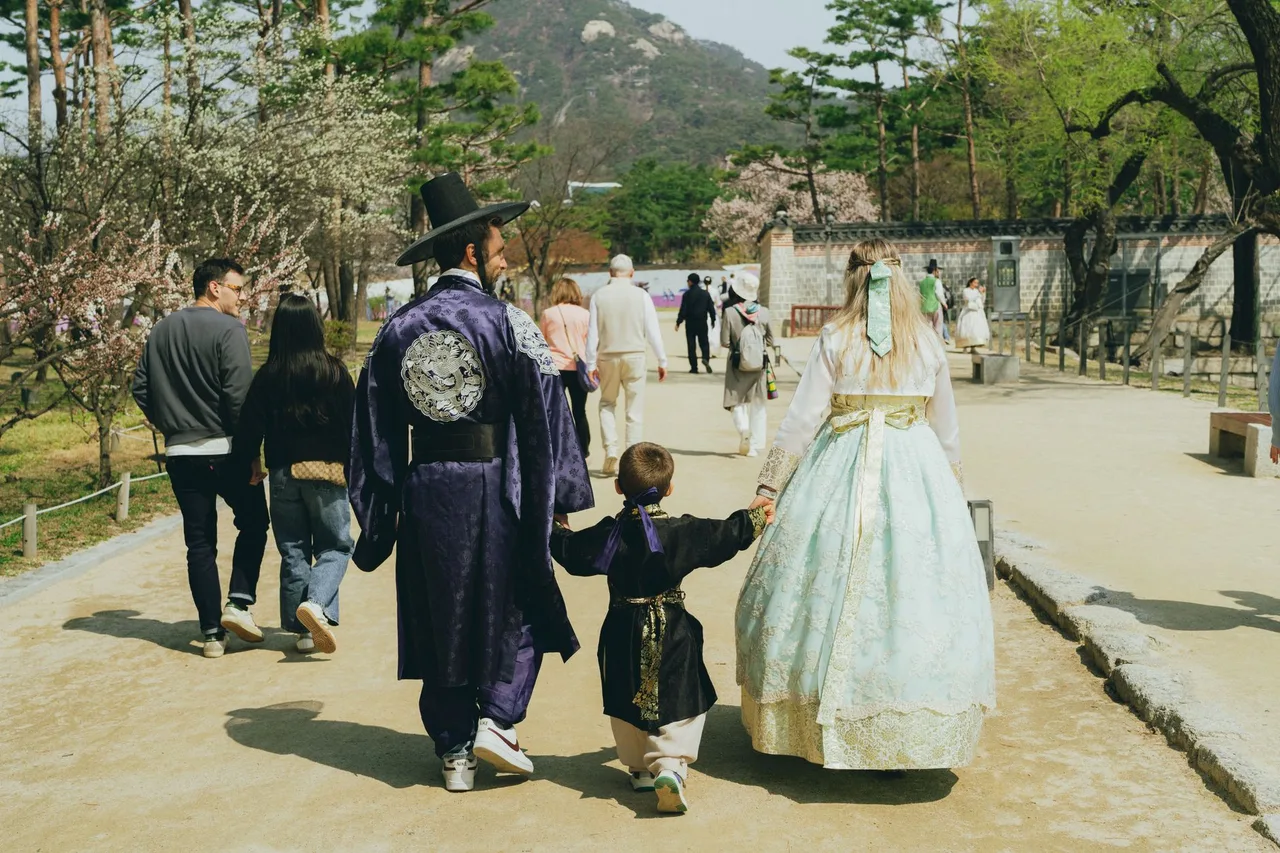
Strolling through Seoul's historic districts in a hanbok isn't just a photo opportunity; it's a deep dive into Korea's rich traditions. Many visitors choose to rent these traditional garments, especially near Gyeongbokgung Palace, to enhance their cultural experience.
Why rent a hanbok in Seoul?
Wearing a hanbok in Seoul doesn’t just make for memorable photos—it actually grants you free entry to all of the city’s royal palaces, including Gyeongbokgung, Changdeokgung, and Deoksugung. I always recommend hanbok rental to visitors because it’s one of the few experiences that combines cultural participation with real savings. The sense of occasion you get walking through palace gates in traditional clothing is hard to match; you’ll see locals and travelers alike pausing for group photos and admiring each other’s outfits.
There’s a practical side, too. With palace entry fees typically around 3,000–4,000 KRW per site, renting a hanbok can pay for itself if you plan to visit more than one. Most rental shops are located just steps from the main palace entrances, so you can change and be on palace grounds within minutes. If you’re interested in Korean dramas or K-pop, you’ll recognize these hanbok styles from historical series and idol shoots—costumes range from simple to elaborate, including accessories like hairpieces and handbags.
I always tell friends to check out the palaces first, but don’t skip Bukchon Hanok Village or Insadong for photos. You’ll blend right in with other hanbok-clad visitors, making the experience feel festive and authentic. For a breakdown of Seoul’s five grand palaces (and which ones are best for photos or history buffs), see our palace guide.
Top hanbok rental shops near Gyeongbokgung Palace
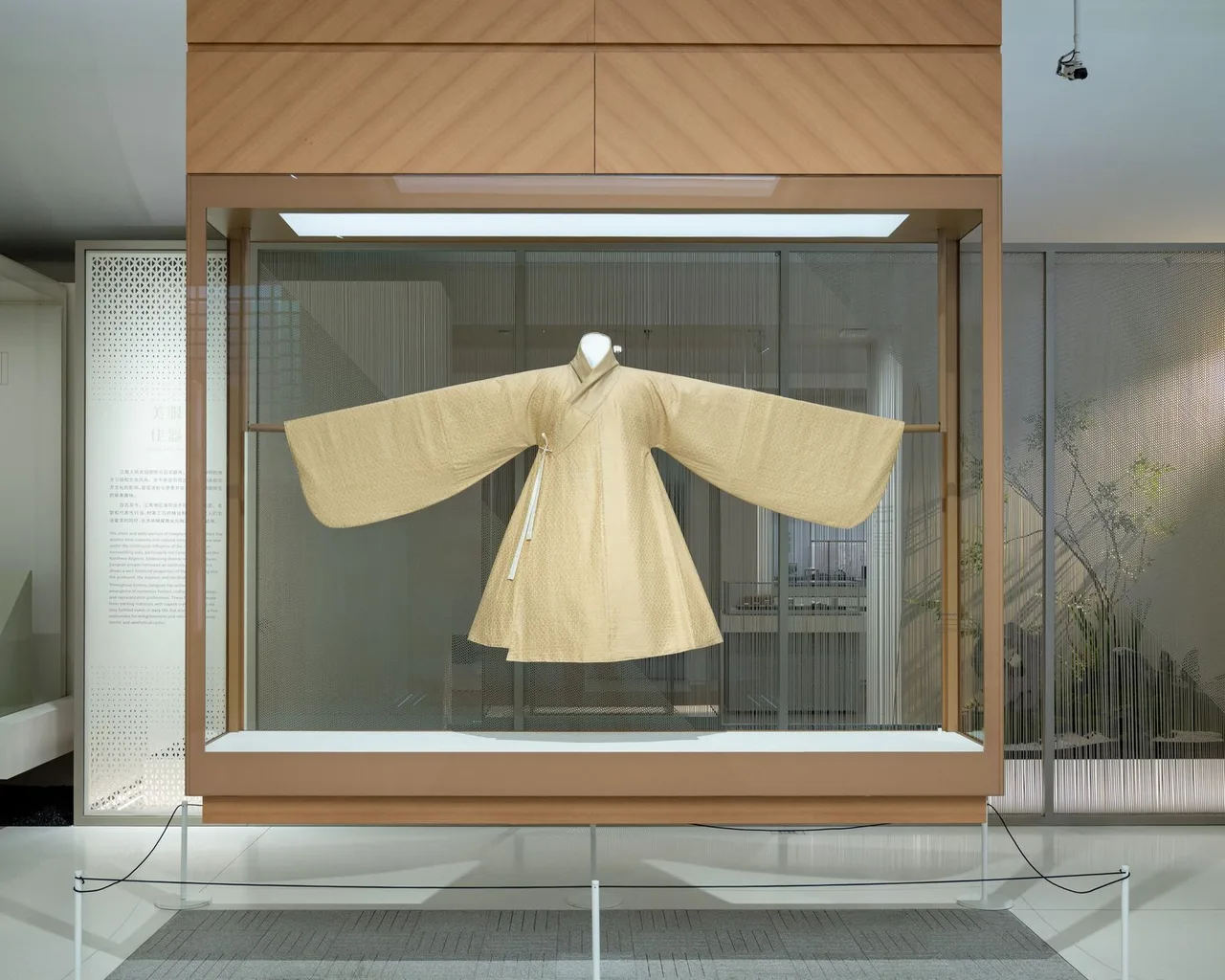
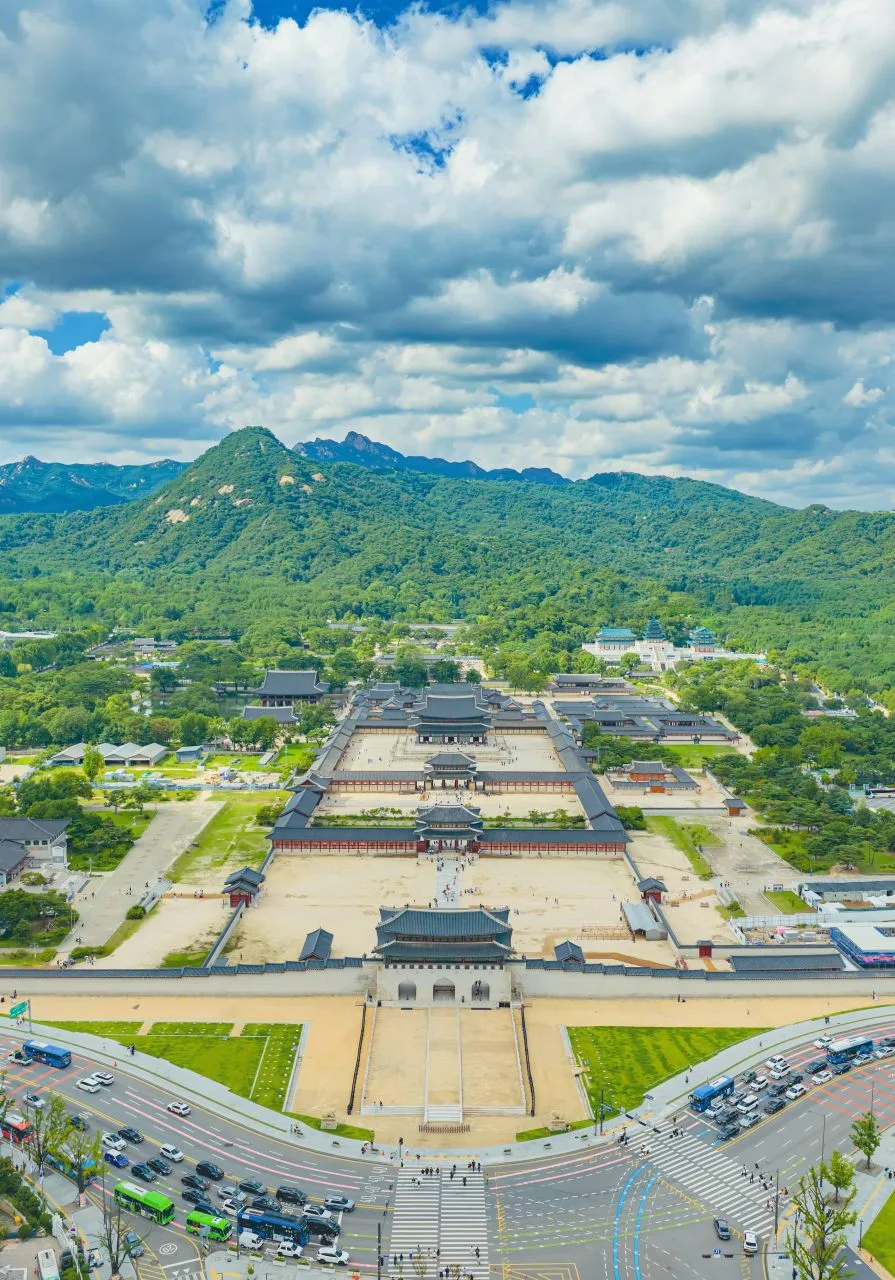
Several reputable hanbok rental shops cluster around Gyeongbokgung Palace, so you’re never far from slipping into traditional Korean dress. In my experience, location and variety matter most—shops near Gyeongbokgung Station (Line 3) are the most convenient if you want to maximize your time in the palace and nearby Bukchon Hanok Village.
Studio KJD is on the pricier side, starting at 40,000 KRW for a 4-hour rental, but their selection is elegant and they offer professional photoshoots if you want to go all out. For a more budget-friendly option, Gowoonsol Hanbok starts at 15,000 KRW for 4 hours and still offers a wide range of colors and styles—perfect if you just want the classic look without the frills. Oneday Hanbok is a favorite among international visitors: it’s about 50 meters from Gyeongbokgung Station’s Exit 4, and rentals start at 24,000 KRW for 4 hours. I find their process straightforward, and they have clear English instructions.
If you want sheer variety, YES Hanbok boasts over 1,000 designs, with prices from 30,000 to 40,000 KRW depending on style. Seohwa Hanbok offers a flat rate of 24,000 KRW for four hours, so you don’t have to worry about hidden fees. All of these shops accept walk-ins, but reserving ahead is smart during weekends or holidays. For more about the palaces themselves, check out our Seoul palace guide.
Rental costs and packages
Hanbok rental prices in Seoul are refreshingly straightforward, but they can vary quite a bit depending on shop, style, and rental duration. Expect to pay anywhere from 15,000 KRW for a basic hanbok at a place like Gowoonsol Hanbok (for 4 hours), up to 40,000 KRW for more premium or elaborate styles at Studio KJD or YES Hanbok. If you want to splurge on a longer experience, Studio KJD offers overnight rentals at 100,000 KRW, though most visitors stick with 4-hour or all-day options.
Most shops around Gyeongbokgung Palace offer 4-hour packages in the 20,000–30,000 KRW range. Seohwa Hanbok, for example, sets a flat rate of 24,000 KRW for 4 hours and 32,000 KRW for all day. Oneday Hanbok is similar, charging 24,000 KRW for 4 hours and 32,000 KRW for all-day. YES Hanbok and Gowoonsol Hanbok both have tiered pricing, with fancier designs costing a bit more. No matter where you go, the process is simple: you’ll usually need to leave an ID and sometimes a refundable cash deposit.
A few shops include free hair styling and accessories (like bags or hats), but check in advance since extras can add up. My advice: have an idea of your budget and how long you’ll want to explore, and don’t be afraid to ask for a breakdown of costs before you commit. For a sense of how hanbok rental fits into your overall travel budget, see our Korea trip cost guide.
What to expect during the rental process
When you walk into a hanbok rental shop near Gyeongbokgung Palace, expect a smooth process with plenty of help from staff who are used to first-timers. Most shops don't require a reservation, but it's smart to book ahead if you're coming during popular seasons or weekends; some days get busy and the best styles go fast. The staff will guide you through racks of hanbok in every color and pattern, and they're quick to help you find the right fit—even if your Korean is rusty. I always recommend taking a moment to look at the accessory options: hair ribbons (daenggi), small purses, and even traditional hats can really complete the look, and many shops offer basic accessories and hair styling for free or a small extra fee.
Once you've picked your hanbok, you'll change in a private area, and staff are usually on hand to help tie the dress or fasten the jeogori jacket properly. You'll be asked to leave a deposit, often your passport or another form of ID, plus a cash deposit that's fully refunded when you return everything in good condition. Rental durations are flexible—choose from 2-hour, 4-hour, or all-day packages depending on your schedule. If you're worried about your belongings, most shops provide lockers or secure storage so you can wander hands-free. Just remember, traditional footwear isn't always included, so wear comfortable shoes for exploring palace grounds. For more on etiquette while wearing hanbok, check out our Korean etiquette guide.
Best times to rent a hanbok
If you want the full hanbok experience without crowds or limited choices, visit a rental shop on a weekday morning. I've noticed that by late afternoon, especially on weekends, shops can get quite busy and the most popular hanbok styles may already be out with other customers. Early in the day, you'll have your pick of size and color, and the fitting process feels more relaxed—no queues, no pressure to choose quickly. Shops near Gyeongbokgung Palace open between 9:00 and 10:00 am, and coming just after opening gives you the best shot at trying on a few options before making your choice.
Season can also make a difference. During Korean school holidays, public holidays, and festival periods, expect more visitors. Spring and autumn are particularly popular for hanbok rental, with pleasant weather and beautiful backgrounds for photos, especially if you're hoping to catch cherry blossoms or fall foliage. If you're planning your hanbok outing in autumn, our Korea autumn foliage guide can help you time your visit for the most stunning views. No matter when you go, checking the weather beforehand is a good move—hanbok is lightweight, so plan layers if it's chilly. If you want photos at Gyeongbokgung Palace with fewer people in the background, getting there right as the gates open is your best bet.
Cultural etiquette when wearing a hanbok
Wearing a hanbok isn’t just about putting on a costume—it's about respecting centuries of tradition and showing care for something meaningful to many Koreans. When you’re dressed in hanbok, you’re representing not only yourself but also the culture behind the garment. That means treating the hanbok with care, keeping it clean, and avoiding sitting on dirty surfaces or eating messy foods while wearing it. Shops expect you to return everything in good condition, and it’s worth taking that responsibility seriously so the next visitor can enjoy it too.
While you’re exploring palaces or taking photos in public, be mindful of your behavior. Hanbok is still worn on important holidays and ceremonies, and people appreciate when visitors act with a bit of decorum—no running or overly playful posing in sacred or formal settings. It's also considered polite to bow slightly when greeting or thanking staff while in hanbok, reflecting the traditional manners associated with wearing it. If you’re visiting a temple or palace, remember to stay quiet and respectful, especially in areas where ceremonies might be happening. For more tips on what’s appropriate, see our Korean etiquette guide. I find that showing respect while wearing hanbok leads to warmer smiles from locals and a deeper experience overall.
Capturing the perfect hanbok photos
If you’ve ever scrolled through social media and wondered where those dreamy hanbok photos are taken, Seoul’s Bukchon Hanok Village and Insadong are hands-down two of the best backdrops. Bukchon Hanok Village gives you those iconic scenes with rows of traditional Korean houses — I find the alleys here perfect for that classic hanbok shot against aged wooden doors and tiled roofs. Go early on a weekday if you want to avoid crowds; mornings are quieter, letting you snap photos without a line behind you or selfie sticks in your frame. Just be patient, as some corners can still get busy with other hanbok-wearers eager for their own moment.
Insadong is another spot I always recommend, especially if you want a mix of hanbok and modern Seoul. The area is full of quirky tea houses, antique shops, and calligraphy signs. Grab a few shots in front of a traditional teahouse, then walk over to Ssamziegil Mall for a more playful, artsy background. If you’re looking for those palace shots, Gyeongbokgung is hard to beat — the palace gates, stone courtyards, and gardens all make your hanbok pop. Wearing a hanbok even gets you in for free, so you can spend as long as you like finding just the right angle.
A quick tip: comfortable shoes will save your feet, since you’ll be walking a lot. Most shops don’t include traditional shoes unless you pay extra, and trust me, you won’t want to hike Bukchon’s hills in stiff sandals. For inspiration, check our K-drama filming locations guide — you’ll spot several places where stars have wandered in hanbok. 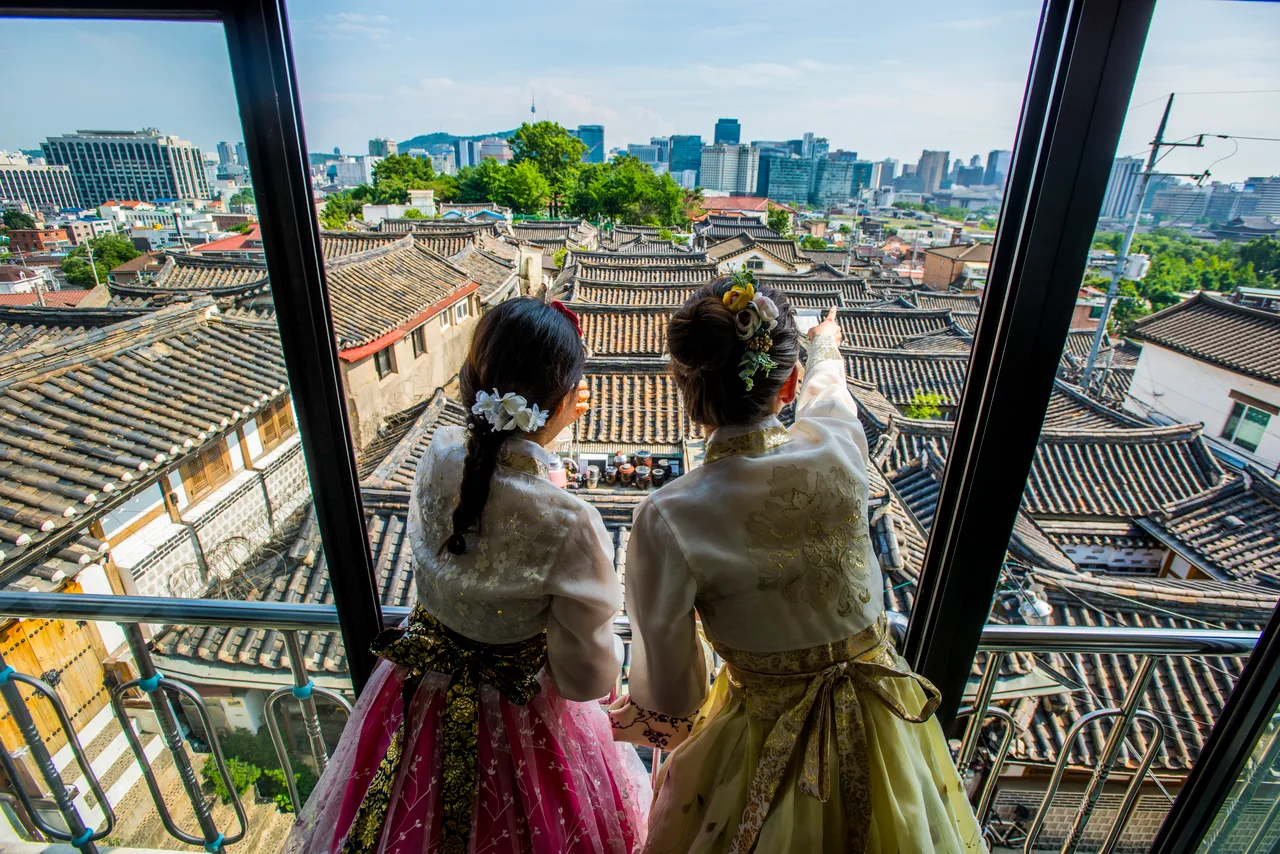
See more filming locations here
Renting a hanbok in Seoul is a unique way to connect with Korean culture. Plan ahead, choose a reputable rental shop, and enjoy your journey through history.
Location
Gyeongbokgung Palace, Seoul
View on Google MapsFrequently asked questions
Do I need to make a reservation for hanbok rental?
While walk-ins are accepted, it's advisable to make a reservation, especially during peak tourist seasons, to ensure availability.
Are there hanbok sizes available for all body types?
Yes, most rental shops offer a wide range of sizes, from XXS to XXXL, accommodating various body types.
Can I rent accessories along with the hanbok?
Many rental packages include basic accessories like hairpieces and bags, with options to rent additional items for a fee.
Is there a deposit required for hanbok rental?
Yes, a deposit is typically required, often in the form of an ID and a cash amount, which is refunded upon the return of the hanbok.
What should I do if I return the hanbok late?
Late returns may incur additional fees, so it's important to adhere to the agreed rental period or inform the shop in advance if you anticipate a delay.
Sources
This guide was researched using the references below. Prices and times change, so confirm anything time-sensitive on the official page before you rely on it.
Related guides
- Korean dining etiquette: a guide for foreignersMastering Korean dining etiquette enhances your experience and shows respect for local customs. This guide covers essential table manners, from seating to
- Hanboknam: Your guide to renting hanbok in SeoulDiscover how to rent traditional Korean hanbok at Hanboknam in Seoul, including locations, pricing, and tips for an authentic experience.
- Korean wedding traditions explainedExplore the rich mix of Korean wedding traditions, from the symbolic exchange of wooden ducks to the lively hanbok attire, blending ancient customs with mo
- Korean age and honorifics explainedUnderstanding Korean age systems and honorifics is essential for navigating social interactions in Korea, as they reflect respect and social hierarchy.
- Korean Templestay: A Foreigner's Guide to Temple LifeLive monastic life at a Korean Buddhist temple for a night or two. What you do, which temples run English programs, and how to book on the official site.
- Hanbok: what it is and where to wear itA K-fan's guide to hanbok: parts, history, colors, holiday and wedding wear, modern styles, Seoul rental prices, and free palace entry.