Korean dining etiquette: a guide for foreigners
Mastering Korean dining etiquette enhances your experience and shows respect for local customs. This guide covers essential table manners, from seating to
By Jae Park · Updated Aug 12, 2026
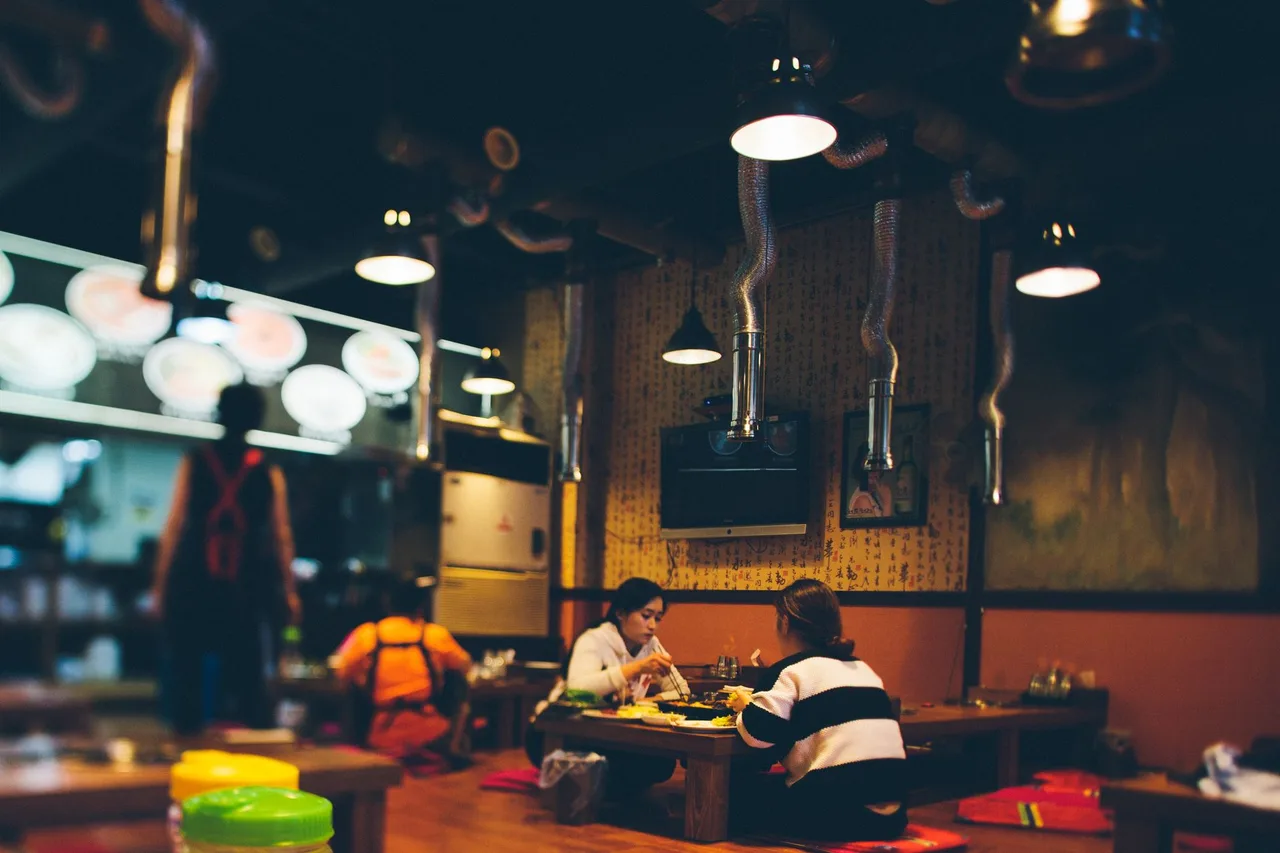
Sitting down to a meal in Korea is more than just eating; it's a social ritual steeped in respect and tradition. Understanding the nuances of Korean dining etiquette can transform your experience and help you connect more deeply with the culture.
Seating arrangements and hierarchy
In a traditional Korean dining setting, where you sit is more than just a matter of comfort—it’s a sign of respect and social order. The eldest or most senior person in the group is always given the seat farthest from the door, which is considered the place of honor. This isn’t just an old-fashioned rule; you’ll notice it still plays out at both family gatherings and work dinners. Younger or junior guests are seated closer to the entrance, sometimes even by the host, who might gesture or guide people to their spots. If you’re new to Korea or tagging along with locals, I’d recommend waiting to be shown where to sit—choosing a seat at random can come across as presumptuous.
The pecking order at the table usually follows age first, then status. For example, if you’re out with colleagues, the boss or oldest team member takes the honored spot. The rest arrange themselves accordingly, with everyone subtly checking who should sit where. At a family meal, you’ll see grandparents or parents furthest from the door. I’ve found that trying to guess the “right” seat can be stressful if you’re not used to it, but locals appreciate when foreigners show awareness of the custom. If you’re ever not sure, just ask politely—better to check than end up in the wrong chair. For more on the do’s and don’ts that go beyond seating, you’ll find practical tips in our Korean etiquette guide.
Waiting for elders to begin
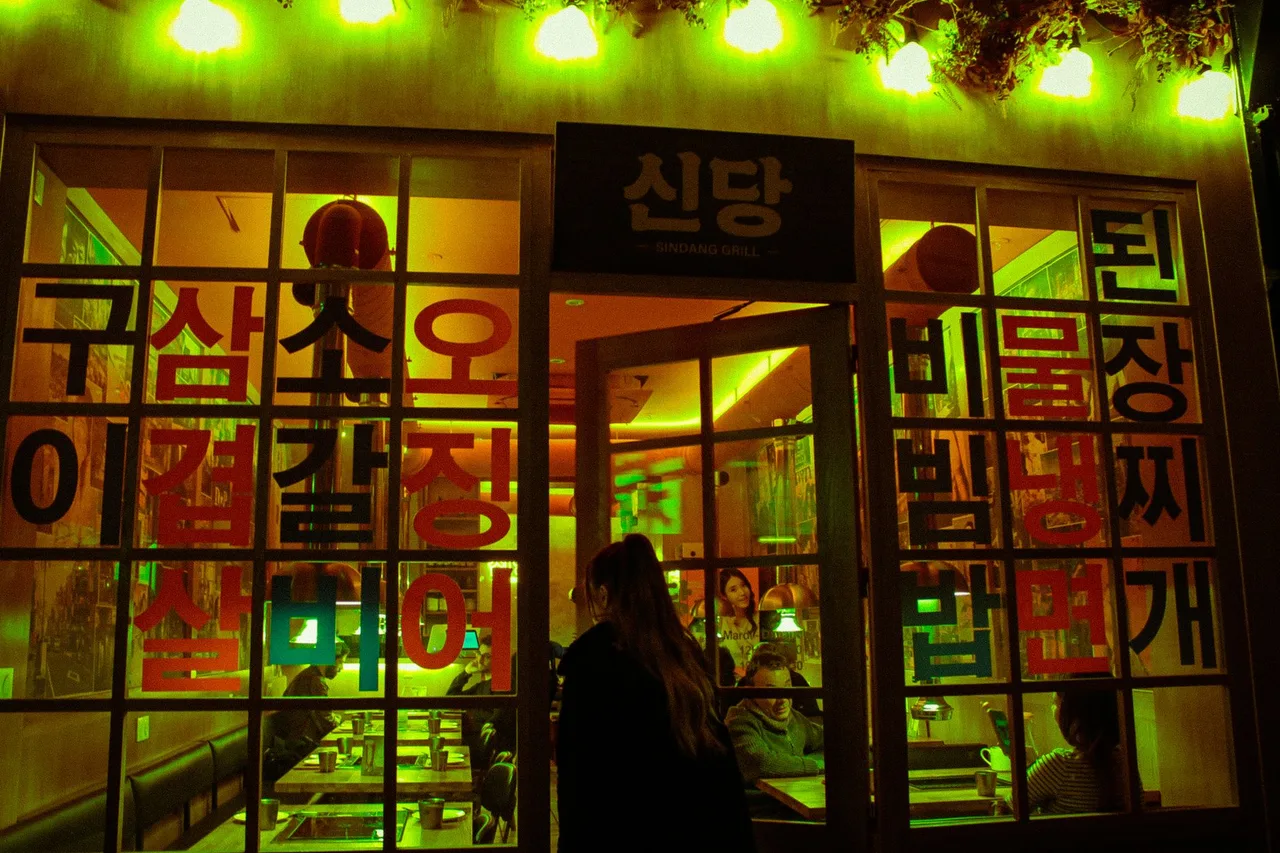
It’s considered basic manners in Korea to wait for the eldest or most senior person to start eating before anyone else picks up their chopsticks or spoon. The meal rarely begins with a dramatic announcement, but everyone at the table will quietly glance toward the honored guest, waiting for their first bite. If you’re eating out with Koreans, you’ll quickly notice this subtle pause at the start of the meal—one of those unwritten rules that doesn’t get explained but is always followed.
This gesture of waiting isn’t just about politeness; it’s a way of showing respect for age and hierarchy. It’s particularly important at formal dinners, extended family gatherings, or any meal with someone older or in a position of authority. I’ve seen even locals hesitate, chopsticks poised, if the eldest person is still chatting or hasn’t poured their soup. It can feel awkward if you’re hungry or in a hurry, especially when delicious banchan dishes are sitting right in front of you, but patience here goes a long way. Trying to start before the senior person has eaten is a real faux pas and will draw a quiet but definite look of surprise.
If you’re unsure who the eldest is, just wait a moment and follow the group’s cue. Someone will usually give a small nod or start eating, signaling that it’s fine for everyone else to begin. For more details on Korean dining manners and other etiquette tips, check out our Korean etiquette do’s and don’ts guide.
Proper use of utensils
Korean meals come with a set of metal chopsticks and a long-handled spoon, and the rules for using them are surprisingly specific. Chopsticks are mainly for picking up side dishes (banchan), bits of meat, or slices of kimchi, while the spoon is reserved for rice and soup. This is different from many other Asian countries, where people lift the rice bowl to their mouth, but in Korea, lifting your rice bowl off the table is seen as bad manners. You keep the bowl on the table and use the spoon to eat rice, which can feel awkward at first if you’re used to eating rice with chopsticks.
Another tip: don’t stab your chopsticks upright into your rice bowl. This gesture is associated with funerals and is considered taboo. Likewise, passing food directly from your chopsticks to someone else’s is frowned upon for the same reason. Instead, if you want to share, place the food on their plate. You’ll also notice that it’s polite to serve others before yourself, especially if you’re seated with elders or superiors. This small gesture is a sign of care and respect at the table.
If you’re still getting the hang of it, take your cues from the people around you. Koreans will appreciate any effort to follow these customs. For more practical tips on eating like a local and handling utensils, see our how-to-eat guide.
Sharing and serving food
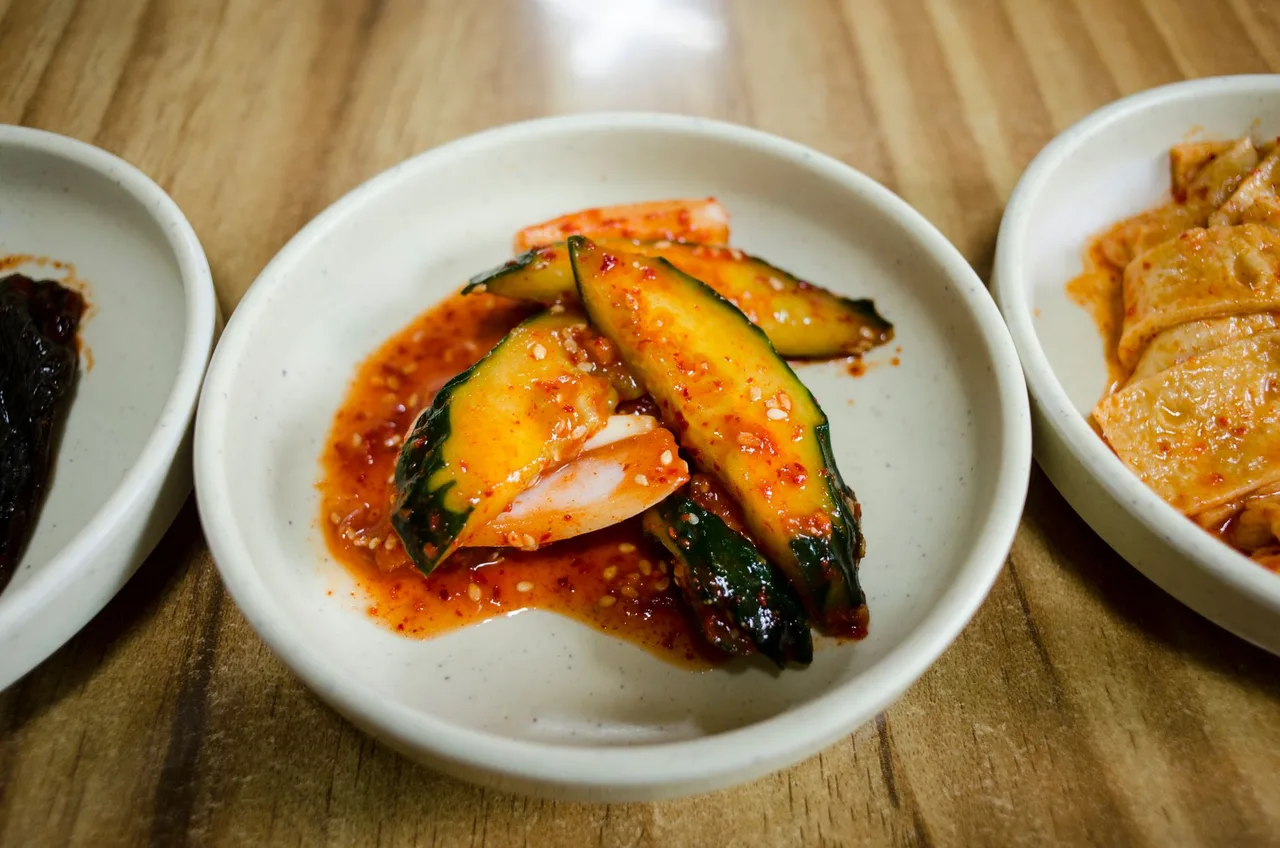
Korean meals are structured around sharing, so you'll find that most dishes—especially the side dishes called banchan—are placed in the center of the table for everyone to reach. If it’s your first time, it might feel a bit awkward not having your own plate of food, but I’ve found that the communal setup is exactly what brings people closer together at the table. The unspoken rule is to serve others before serving yourself, particularly those who are older or hold higher status. It’s a small gesture, but it’s one that people genuinely notice and appreciate. You’ll see diners using the communal chopsticks or serving spoons for the main dishes, and it’s best not to dig in until the eldest person starts eating. This etiquette isn’t just about hierarchy—it’s about showing respect and gratitude for everyone at the table.
The shared nature of the meal also means you’ll want to pace yourself so that everyone gets a fair share of each dish. If you’re unsure about how to start, just watch what others do with the first round of banchan and follow suit. I recommend taking small portions at a time, which lets you try everything without seeming greedy. For visitors new to Korean food, our food guide breaks down the most common dishes and what to expect at your first Korean meal. The more you participate in the sharing, the more natural and enjoyable the whole experience becomes.
Pouring and receiving drinks
One of the most distinct parts of Korean dining etiquette is how drinks are poured and received. The rule is simple but strictly followed: never pour your own drink. Instead, pour for the people around you, starting with the eldest or most senior at the table. If someone starts to refill your glass, you’ll want to lift it with both hands as a sign of respect, especially if they are older or you’re not close friends yet. I always keep an eye out for when someone’s glass is getting low—offering to pour is a small act of courtesy that goes a long way in Korean company.
When it’s your turn to pour, use both hands, or at least support your pouring hand with your free hand. This isn’t just for soju or beer, either; it applies to any drink being shared. If you accidentally try to refill your own glass, you might get a few raised eyebrows, so it's best to wait for someone else to take the initiative. During casual meals, people will often take turns pouring for each other throughout the evening, and it becomes a comfortable rhythm once you get used to it. If you want to learn more about the unique rituals and games that come with Korean drinking culture, our detailed drinking culture guide covers everything from etiquette to the social dos and don’ts.
Chopstick taboos to avoid
There are a couple of chopstick habits that should be avoided at all costs in Korea, and I can’t stress this enough because they have serious cultural meaning. Never stick your chopsticks upright in your rice bowl. This gesture is identical to the way rice is offered to deceased ancestors at funerals, and doing it at the table, even by mistake, can make everyone uncomfortable. The same goes for passing food directly from your chopsticks to someone else’s. This act closely mirrors a ritual in Korean funerals where bones are passed from chopstick to chopstick during cremation ceremonies.
Instead, if you’d like to share something with someone, place it on their plate or bowl rather than handing it over mid-air. These taboos aren’t just old superstitions—they’re still actively observed in homes and restaurants, so it’s best to be mindful. You’ll also notice that Koreans typically use chopsticks for side dishes and the spoon for rice and soup, which helps avoid these awkward situations in the first place. For more on what to do and not do at the Korean table, our etiquette guide is a good resource to check before your next meal.
Expressing gratitude after the meal
After finishing a meal in Korea, you'll notice everyone at the table saying '잘 먹었습니다' (jal meogeosseumnida), which means "I ate well" or, more naturally, "Thank you for the meal." This phrase isn’t just a polite habit—it's an essential way to acknowledge the effort of whoever provided or prepared the food. Even if you’re dining at a restaurant, saying this as you stand up or to your host is seen as good manners. I always recommend learning this phrase before your trip, as it’s the most authentic way to wrap up a meal and show respect, no matter where you eat. If you want some extra language help, our guide to essential Korean phrases covers this and other useful expressions.
In group settings, especially when you’re invited into someone’s home or eating with colleagues, saying '잘 먹었습니다' together creates a sense of communal appreciation. You don’t have to say it loudly, but do make sure it’s audible enough for others to hear. It’s also common courtesy to direct the phrase toward the oldest or most senior person at the table first, especially if they’re the host. Even in casual spots, I’ve seen locals say it automatically—so it’s not just for formal occasions. If you’re unsure of the pronunciation, you can practice by breaking it down: "jal" (like 'jalapeño'), "meo" (as in 'muh'), "geos" (like 'guss'), "seum-ni-da." Trying this phrase goes a long way in showing you respect Korean dining etiquette, and you’ll likely get a warm reaction for your effort.
By observing these dining customs, you'll show respect for Korean traditions and enrich your cultural experience. Embracing these practices will make your meals more enjoyable and meaningful.
Frequently asked questions
Is it acceptable to pour my own drink in Korea?
No, it's customary to pour drinks for others and have them pour for you; pouring your own drink is considered impolite.
Can I lift my rice bowl while eating in Korea?
No, unlike some other Asian cultures, in Korea, it's customary to keep your rice bowl on the table and use a spoon to eat from it.
What should I say before starting a meal in Korea?
Before eating, it's polite to say '잘 먹겠습니다' (jal meokgetseumnida), meaning 'I will eat well,' to show appreciation.
How should I handle shared side dishes during a Korean meal?
Use serving utensils or the opposite end of your chopsticks to take food from communal dishes, and take small portions to ensure everyone can share.
Is it okay to leave food on my plate in Korea?
It's considered respectful to finish all the food on your plate, as leaving food can be seen as wasteful.
Sources
This guide was researched using the references below. Prices and times change, so confirm anything time-sensitive on the official page before you rely on it.
Related guides
- Hanboknam: Your guide to renting hanbok in SeoulDiscover how to rent traditional Korean hanbok at Hanboknam in Seoul, including locations, pricing, and tips for an authentic experience.
- Hanbok rental in Seoul: a guide for visitorsExperience Seoul's heritage by renting a hanbok near Gyeongbokgung Palace. This guide covers top rental shops, costs, and tips for a memorable visit.
- Korean wedding traditions explainedExplore the rich mix of Korean wedding traditions, from the symbolic exchange of wooden ducks to the lively hanbok attire, blending ancient customs with mo
- Korean age and honorifics explainedUnderstanding Korean age systems and honorifics is essential for navigating social interactions in Korea, as they reflect respect and social hierarchy.
- Korean Templestay: A Foreigner's Guide to Temple LifeLive monastic life at a Korean Buddhist temple for a night or two. What you do, which temples run English programs, and how to book on the official site.
- Hanbok: what it is and where to wear itA K-fan's guide to hanbok: parts, history, colors, holiday and wedding wear, modern styles, Seoul rental prices, and free palace entry.