Korean Templestay: A Foreigner's Guide to Temple Life
Live monastic life at a Korean Buddhist temple for a night or two. What you do, which temples run English programs, and how to book on the official site.
By Jae Park · Updated Jul 21, 2026
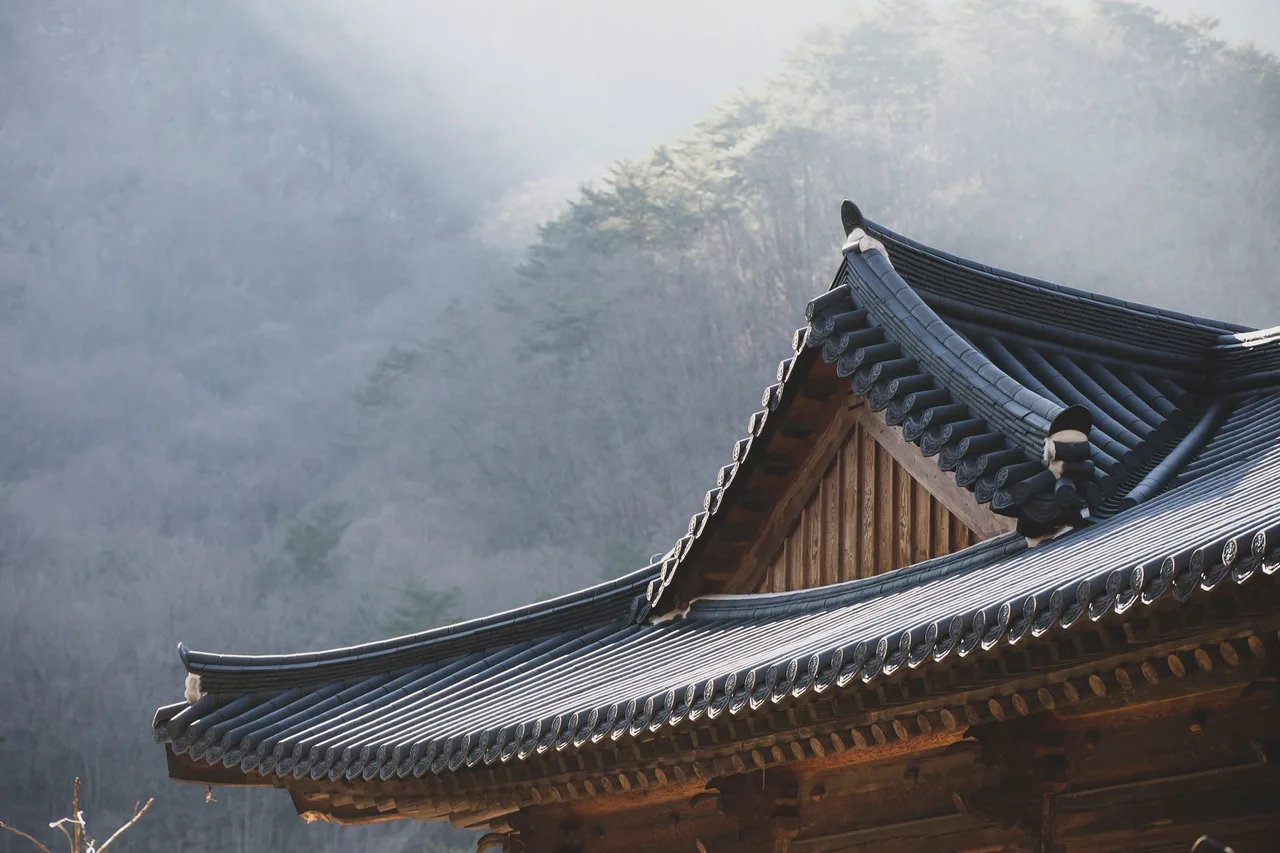
A templestay puts you inside a working Korean Buddhist temple for a night or two, following the same daily rhythm the resident monks keep. You sleep on a heated floor, wake before sunrise for chanting, eat vegetarian food in silence, and spend the hours in between meditating, walking mountain paths, or talking quietly with a monk over tea. It is not a hotel with a temple theme. It is a short, guided taste of monastic life, run officially at temples across the country and open to anyone, Buddhist or not. Here is how the program works, what a stay involves, and how to book one in English.
What a templestay actually is
The Templestay program was set up by the Jogye Order, Korea's largest Buddhist order, and permanently launched around the time the country co-hosted the 2002 FIFA World Cup. The aim was to open temple life to travelers who had nowhere to experience it. Since 2004 the program has been run by the Cultural Corps of Korean Buddhism, the order's cultural body, which standardizes the programs and manages the booking system.
It grew fast. The program started with 31 temples and now runs at well over a hundred sites nationwide, from small mountain hermitages to large city temples. A smaller group, roughly two to three dozen, offers programs specifically in English, with translated materials and sometimes a bilingual guide or a resident monk who speaks the language.
What you get is genuine access rather than a performance. The temples hosting you are active places of practice, and you follow the real schedule the community keeps every day. Most first-timers are surprised by how physical it feels. Bowing, sitting still for long stretches, and rising in the dark all ask something of the body, and that effort is part of the point. You are meant to slow down and pay attention, not to be entertained.
A typical overnight schedule
No two temples run identical timetables, so treat the following as a common shape rather than a fixed itinerary. You usually arrive in the afternoon, check in, change into the loose temple uniform you are given, and sit through a short orientation on etiquette and bowing. A guided walk around the grounds often follows, covering the temple's history and its main halls.
Evening centers on the yebul, the chanting ceremony held in the main Buddha hall, followed by a first sitting of Seon meditation. Lights go out early, often by nine, because the morning starts in the dark. Many temples wake guests around 4 a.m. for the pre-dawn chanting, and this is usually when the 108 prostrations happen. Breakfast is served monastic style, in silence.
The rest of the morning tends to be lighter: a tea conversation with a monk, a craft such as making a lotus lantern, a longer meditation, or free time to hike the surrounding hills. Some temples add a community work period, cleaning a hall or sweeping the courtyard, which is treated as a form of practice rather than a chore. Checkout usually falls around lunch on the second day. The exact times, and which activities appear, depend on the temple and the program you pick, so read the listing carefully before you commit.
The core practices, explained
Three practices sit at the heart of most stays, and knowing what they involve makes them far less intimidating.
The 108 prostrations, baekpalbae, are a repeated full bow. You stand, kneel, touch your forehead to the floor, and rise, and you do it 108 times, once for each of the defilements Buddhism counts. Temples often have you thread a bead onto a string with each bow, so you finish with a mala you can keep. It is repetitive and, by the end, genuinely tiring, yet many people call it the most memorable part of the stay.
Seon, the Korean form of Zen, is meditation. You will usually practice jwaseon, seated meditation, learning how to hold your posture, breathe, and settle a busy mind, and sometimes haengseon, slow walking meditation. A monk guides the posture and the timing, so you are not left to guess.
Dado, also called chadam, is the tea conversation. You sit with a monk, drink green tea, and can ask about temple life, meditation, or Buddhism in plain terms. At English-program temples this is often the warmest, most open part of the day. The bow you use to greet monks and enter the halls, hands pressed together at the chest, is called hapjang. For the fuller picture on gestures like this, see our guide to Korean etiquette dos and don'ts.
Barugongyang, the formal meal
Meals at a templestay are vegetarian, and at least one is usually eaten in the formal monastic style called barugongyang. You receive a set of four nested wooden bowls, unwrap them in a set order, and serve yourself only as much as you will finish. The meal is eaten in silence, seated on the floor, with no conversation.
The discipline is in the ending. You are expected to leave nothing behind. At the close, water and a slice of radish or a piece of kimchi are passed around, and you use the vegetable to wipe every grain of rice and trace of sauce from each bowl, then drink the water. Waste is treated as a failing, and the ritual makes that idea concrete in a way a lecture never could.
Not every meal follows this form. Many temples serve a more relaxed spread of temple food for at least one sitting, so you taste Korean Buddhist cuisine without the full protocol. The cooking avoids meat and the pungent vegetables such as garlic and onion that are traditionally thought to stir the mind. What is left is seasonal and plant-based: mountain greens, tofu, rice, and clear soups. If you have allergies or strict dietary needs, tell the temple when you book, because substitutions on the day are limited.
Experience programs versus rest programs
Templestay listings fall into two broad types, and picking the right one matters more than picking the right temple.
Experience-type programs are structured and full. You join most or all of the scheduled activities, from chanting and prostrations to a craft session and guided meditation. This is the option for a first stay, when you want to actually do the things a temple is known for. Lotus lantern making often appears here, where you fold pink paper petals onto a frame to build the lamp that stands for light cutting through ignorance. If handwork appeals to you, our roundup of where to try Korean crafts covers similar experiences beyond the temple.
Rest-type programs, sometimes labeled healing or relaxation, strip the schedule back. You might join a single evening meditation and one tea session, then have long stretches free to sleep, read, walk the forest trails, or simply sit. These suit repeat visitors and anyone whose main goal is to unplug rather than learn a routine. Some temples also run short day programs of two to four hours for people who cannot stay overnight.
Read each listing for two things: how much English support is offered, and how demanding the schedule is. A full experiential program with a 4 a.m. start is a very different weekend from a quiet rest stay, and the booking page usually tells you which one you are getting.
Which temple to choose
More than a hundred temples take part, so narrow your choice by location, language, and the kind of stay you want.
In Seoul, Jogyesa sits in the city center and Bongeunsa faces the Gangnam skyline across from the COEX mall. Both run regular programs, some with English support, and both are easy to reach by subway, which makes them the simplest pick if you are short on time or wary of a remote stay.
For something more storied, Haeinsa in Gayasan National Park houses the Tripitaka Koreana, more than 80,000 wooden printing blocks of the Buddhist canon carved in the 13th century and listed by UNESCO. The setting is deep in the mountains and the mood is scholarly. It features in our guide to Korea's UNESCO World Heritage sites. Beomeosa, on the edge of Busan, is another large mountain temple that is still reachable on city transit.
Golgulsa, near Gyeongju, is the outlier. It is the home of Sunmudo, a Buddhist martial art, and every program there builds in Sunmudo training alongside the usual meditation and bows, which draws travelers who want something more active. Note that guidance at some temples is delivered in Korean, so if language is a concern, confirm English support first. The Lotus Lantern International Meditation Center on Ganghwa Island was set up with foreign visitors in mind and runs its program in English.
Booking in English and what it costs
The official booking site is templestay.com, run by the Cultural Corps of Korean Buddhism, and it has a full English version at eng.templestay.com. This is the platform to use. It lists every participating temple, filters programs by region and by language, and shows dates and what each stay includes. Book directly there rather than through resellers.
Reserve ahead. Spring and autumn weekends fill quickly, and English-program slots are limited, so a week or more of lead time is wise, and more in peak season. Give the temple your arrival details and any dietary or health needs when you book.
Cost varies by temple and program, and you should treat any figure as a rough guide rather than a set price. Overnight stays commonly land somewhere around 50,000 to 150,000 won per person, roughly 40 to 110 US dollars, and that usually covers the room, meals, and the loaned uniform. The Cultural Corps has periodically discounted the foreigner rate at a set of popular temples, including Seoul's Jogyesa and Busan's Beomeosa, to about 30,000 won a night, so it is worth checking whether a promotion is running when you book. Day programs cost less. The exact price always appears on each program's own page.
What to bring and the rules that matter
Temples hand out a uniform for the activities and usually provide basic soap and toothpaste, but little else, so pack for the gaps. Bring your own toiletries and a towel, several pairs of socks, and comfortable clothes to wear under the uniform on travel days. Closed walking shoes matter, since sandals and flip-flops are generally not allowed on temple paths. Mountain temples run cold at night even outside winter, so a warm layer earns its place in the bag. A little cash helps too, as small temple shops may not take cards.
The rules come down to respect and quiet. You take your shoes off before entering any hall, and bare feet are not welcome inside, which is why socks matter. Dress modestly outside the uniform, with no shorts or sleeveless tops. Keep noble silence in the meditation halls and during meals, and turn phones off or to silent, since some temples ask you to hand them in for the night. Alcohol and smoking are not permitted anywhere on the grounds. Greet monks and enter sacred spaces with the hapjang bow. None of this is meant to catch you out. Staff explain the essentials at orientation, and following along politely is all that is asked.
A templestay rewards a certain openness. If you like the idea of a quiet, active break with early mornings and simple food, and you are willing to bow, sit still, and put your phone away for a day, you will likely leave calmer than you arrived. It asks for no faith, no fitness, and no Korean beyond hello. Pick a temple that matches how much structure you want, book on the official site while English slots last, and arrive ready to follow the rhythm the monks keep.
Frequently asked questions
Do I need to be Buddhist to do a templestay?
No. Programs are open to people of any faith or none. You take part in the practices as cultural experiences, not religious obligations, and no belief is required.
How much does a templestay cost?
It varies by temple and program. Overnight stays commonly run about 50,000 to 150,000 won per person, and the Cultural Corps has discounted the foreigner rate at some popular temples to around 30,000 won a night. Check the exact price on each program's page.
Are templestay programs available in English?
Yes, at a limited number of temples. Roughly two to three dozen offer programs in English. Filter by language on the official site, eng.templestay.com, and confirm English support before booking.
What should I bring?
Toiletries and a towel, several pairs of socks, comfortable clothes to wear under the loaned uniform, closed walking shoes, a warm layer for cold nights, and some cash. The temple provides the uniform and basic soap and toothpaste.
Can I use my phone during the stay?
Most temples ask you to keep phones silent or off, and some collect them for the night to keep the environment quiet. Plan for a day or two mostly offline.
Sources
This guide was researched using the references below. Prices and times change, so confirm anything time-sensitive on the official page before you rely on it.
Related guides
- Korean dining etiquette: a guide for foreignersMastering Korean dining etiquette enhances your experience and shows respect for local customs. This guide covers essential table manners, from seating to
- Hanboknam: Your guide to renting hanbok in SeoulDiscover how to rent traditional Korean hanbok at Hanboknam in Seoul, including locations, pricing, and tips for an authentic experience.
- Hanbok rental in Seoul: a guide for visitorsExperience Seoul's heritage by renting a hanbok near Gyeongbokgung Palace. This guide covers top rental shops, costs, and tips for a memorable visit.
- Korean wedding traditions explainedExplore the rich mix of Korean wedding traditions, from the symbolic exchange of wooden ducks to the lively hanbok attire, blending ancient customs with mo
- Korean age and honorifics explainedUnderstanding Korean age systems and honorifics is essential for navigating social interactions in Korea, as they reflect respect and social hierarchy.
- Hanbok: what it is and where to wear itA K-fan's guide to hanbok: parts, history, colors, holiday and wedding wear, modern styles, Seoul rental prices, and free palace entry.