Korean age and honorifics explained
Understanding Korean age systems and honorifics is essential for navigating social interactions in Korea, as they reflect respect and social hierarchy.
By Jae Park · Updated Jul 22, 2026
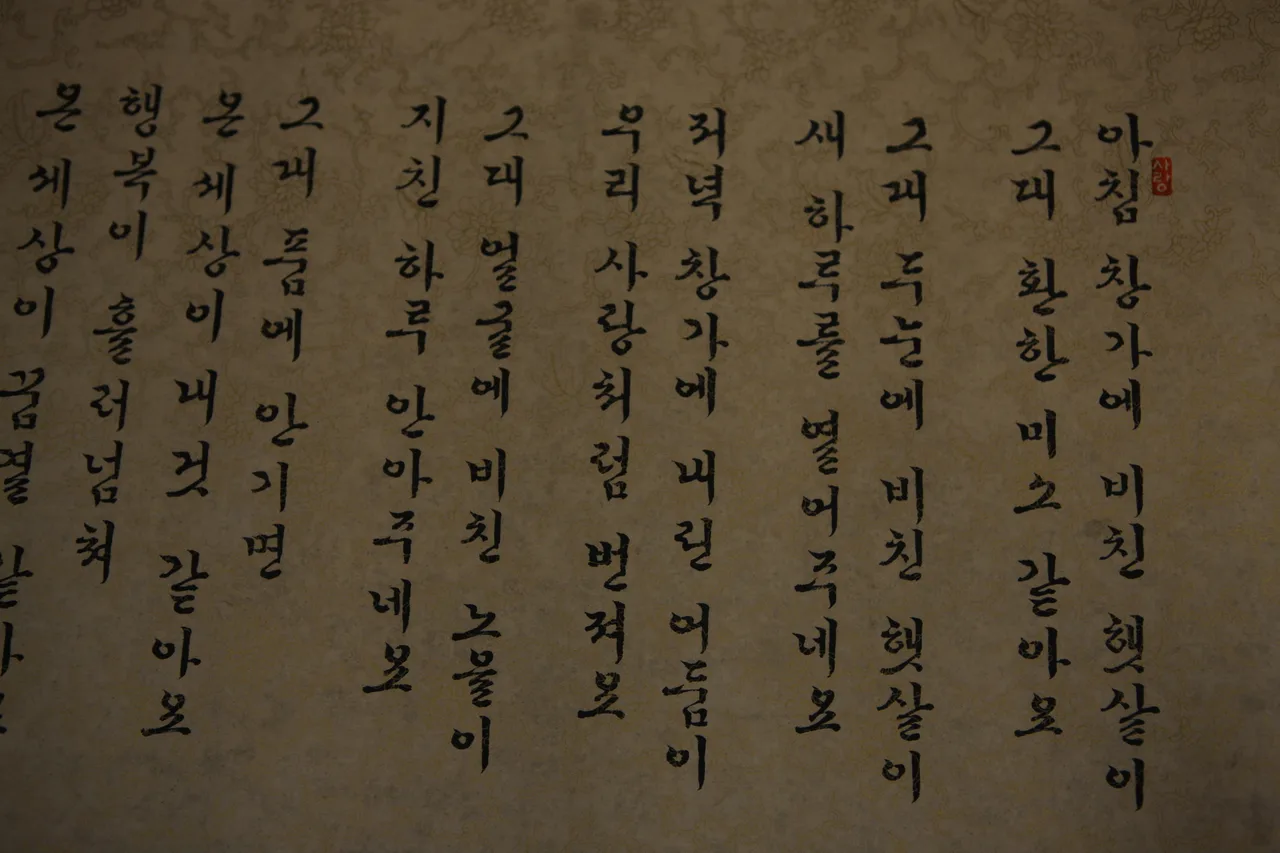
In Korea, age isn't just a number—it's a foundation of social interactions, influencing language, behavior, and relationships. The traditional Korean age system often makes individuals appear one or two years older than their international age, and honorifics are deeply embedded in daily communication.

How does the Korean age system work?
The Korean age system, known locally as 세는 나이 (saeneun nai), has always struck me as both fascinating and a little confusing when I first tried to figure out why my Korean friends seemed to age so fast. In this traditional method, a newborn is considered one year old at birth, not zero as in most other countries. Then, instead of adding a year on their actual birthday, everyone collectively gets a year older each January 1st. So, if you were born on December 31st, you would be considered two years old the very next day, even though you’ve only been alive for a couple of days.
In daily life, this means your “Korean age” is usually one or two years older than your international age. Koreans also use two other methods: the “year age” (연 나이), which simply subtracts your birth year from the current year (our guide to Korean numbers helps if counting years in Korean trips you up), and the international age (만 나이), which matches the global standard of starting at zero at birth and adding a year on each birthday. But in most social situations, especially among locals, the traditional Korean age system still dominates. You’ll often be asked your age soon after meeting someone—it’s not just small talk but a way to figure out how to address you and set the tone for your relationship. If you ever get tripped up by this system, don’t worry. Even locals sometimes have to clarify which age system they’re talking about.
What changed with the 2023 age reform?
In June 2023, South Korea officially switched to the international age system (만 나이) for legal and administrative matters, ending decades of confusion over how old someone “really” is in official documents. Before this reform, it wasn’t uncommon to see different ages listed on various forms—one for your passport, another for your school records, and yet another for something like a medical appointment. This led to misunderstandings and sometimes even legal disputes. The government decided it was time to align with global standards, so as of mid-2023, your “legal age” in Korea is always calculated the same way as in most other countries: starting at zero when you’re born and adding a year on each birthday.
This was a big adjustment, especially for older generations who grew up with the traditional system. However, in daily conversation and social life, many Koreans still refer to their “Korean age,” and it’s common to clarify which system you mean when discussing age. The reform mostly impacts things like contracts, official IDs, and public services—so if you need to fill out paperwork or sign up for something in Korea, you’ll be using your international age. But don’t be surprised if someone at a dinner table still asks for your Korean age to figure out how to address you. The reform simplified official processes, but social customs often take longer to change.
Why is age significant in Korean culture?
Age isn’t just a number in Korea—it’s the backbone of social order. From the moment you meet someone, age gives you a clear roadmap for how to speak, act, and even what to call the other person. When I first arrived, I quickly realized that asking “How old are you?” wasn’t considered rude here; it’s practical. This is because age determines your place in the social hierarchy. If someone is older, you’ll use formal speech (존댓말), show more deference in your behavior, and address them with appropriate honorifics.
Korean honorifics are more than just polite language. They’re woven into every interaction, signaling respect and defining relationships. For example, adding ‘씨’ (ssi) to a first name is neutral and polite, while ‘님’ (nim) attached to titles like ‘선생님’ (seonsaengnim, teacher) shows elevated respect. Even family-like terms such as ‘오빠’ (oppa) or ‘언니’ (eonni) depend on both the speaker’s and listener’s genders and ages. Using the right speech level—formal or casual—matters. Getting it wrong can feel like a big faux pas, so most people play it safe with 존댓말 until the relationship feels close enough to drop to 반말, the casual form.
If you want to blend in, watch how locals interact, especially in group settings. It’s always safer to err on the side of formality at first. The attention to age may seem strict, but it actually helps everyone know where they stand and, in many ways, makes navigating social life in Korea more predictable.
What are Korean honorifics and why are they important?
Honorifics in Korean are not just polite words—they’re a crucial part of how people signal respect, social rank, and even emotional distance or closeness. From the moment you say hello in Korea, the language you choose immediately reveals your understanding of hierarchy and manners. As someone who’s navigated everything from casual dinners with friends to formal meetings at work in Seoul, I've seen firsthand how using the right honorifics can smooth interactions, while getting them wrong can cause awkwardness or even offense.
Korean society is deeply influenced by Confucian values, where age and status dictate the way you speak to others. This isn’t limited to elders or authority figures: even among classmates or co-workers, a person's age or position determines which honorifics and speech level you should use. When you meet someone, one of the first questions is often about age, not out of nosiness, but as a way to gauge how to address each other properly. Failing to use the right honorifics can come across as disrespectful, arrogant, or simply uneducated—a theme our dos and don'ts of Korean etiquette returns to often.
The importance of honorifics goes beyond language—it’s a window into Korean social structure, showing deference to those older or in higher positions. If you’re ever unsure, it’s considered better to err on the side of being too formal. Over time, you’ll notice how the correct use of honorifics helps you build trust, avoid misunderstandings, and even make deeper connections in both personal and professional settings.
Common honorific titles and their usage
Korean honorific titles are everywhere, and getting comfortable with them is one of the first hurdles for language learners. The most universal is '씨' (ssi), a polite and neutral suffix attached to someone’s first name. For example, if you meet someone named Minji, calling her “Minji-ssi” is respectful and safe in nearly any setting. It’s the go-to option when you’re not sure what to use, particularly with acquaintances or colleagues of similar status.
Then there’s '님' (nim), which ramps up the politeness. You’ll hear it with job titles or formal roles, like “선생님” (seonsaengnim) for teachers or “사장님” (sajangnim) for a company president. Using 'nim' signals a higher level of respect and is important in both professional and service situations. I remember the first time a barista called me “손님” (sonnim, customer), and it immediately made the exchange feel more courteous.
Family-like titles are also woven into everyday interactions. Words like '오빠' (oppa) and '언니' (eonni) are used by women to address older male and female friends or siblings, respectively, while men use '형' (hyeong) for older males and '누나' (nuna) for older females. These aren’t just for family—they’re common between close friends, and you’ll recognize them from watching shows, as our essential K-drama Korean phrases roundup covers, but only when the age difference fits. Using these terms before you’re invited to can seem overly familiar or presumptuous.
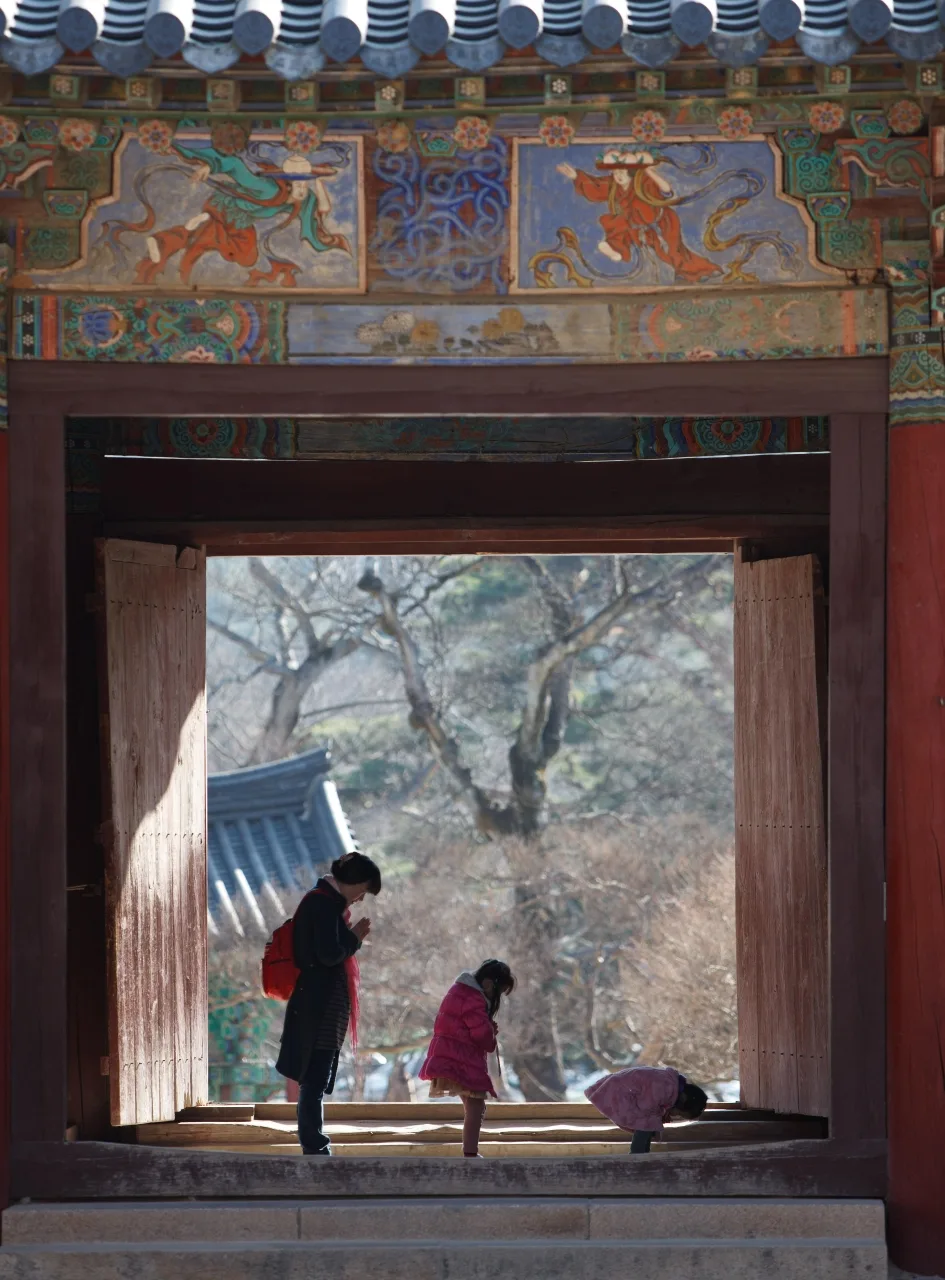
Knowing when and how to use each title is something you pick up by watching and listening. When in doubt, start with '씨' or the person’s job title plus '님', and let them tell you if they prefer something else.
Understanding speech levels in Korean
Korean isn’t just about the words you choose, but also the formality of your speech. There are multiple speech levels, with the two most common being formal polite (존댓말) and casual (반말). When you’re new to Korea, you’ll probably find yourself sticking to 존댓말 at first, since it’s the safest choice for most situations. This is the speech level you’ll hear in customer service, business meetings, and when talking to anyone older or not particularly close to you.
반말, or informal speech, is used with close friends, younger people, or those you’ve agreed to speak casually with. It drops the formal endings, making conversations lighter and more relaxed. But using 반말 without clear permission can be jarring or even offensive, especially to someone older or outside your inner circle.
Switching between speech levels is a social dance. I’ve noticed that even after months of speaking only 존댓말, younger Koreans might suddenly invite you to use 반말 as a sign of friendship. But you shouldn’t initiate this shift yourself—instead, wait for the other person to suggest it. The ability to move between these levels fluidly shows not only language skill but also social awareness.
When you’re unsure, always default to 존댓말. Over time, you’ll pick up cues from locals and get a feel for when it’s okay to relax the formality. Getting speech levels right isn’t just about grammar—it’s about fitting into Korean social life.
Practical tips for using honorifics correctly
If you want to avoid awkward moments in Korea, pay close attention to how locals use honorifics and speech levels in daily conversation. Koreans are acutely aware of age and social hierarchy, so they instinctively adjust their language depending on who they’re talking to. When you first meet someone, it’s safest to use the formal polite speech level, known as 존댓말, and add a respectful suffix like ‘씨’ (ssi) to their name; pairing this with a few survival Korean phrases makes early introductions smoother. For example, calling someone “Minji-ssi” is both neutral and polite, and it works in almost any setting.
As you get to know someone, you might notice the shift to more casual language (반말), but don’t make the switch yourself until you’re invited to. It’s easy to slip up if you come from a culture where age isn’t so central to social interaction, but in Korea, speaking too casually to someone older or higher in status can leave a bad impression. When in doubt, stick with 존댓말 and watch how others address each other. I’ve sometimes been surprised at how even people close in age keep things formal, especially at work or in public.
Titles like ‘님’ (nim) show an extra degree of respect and are often paired with job titles, such as “선생님” (seonsaengnim, teacher). In more personal relationships, you’ll hear terms like ‘오빠’ (oppa) or ‘언니’ (eonni), but these are gendered and based on age, so don’t use them unless you’re sure they fit. The key is to observe, start formal, and let the relationship and setting dictate when it’s okay to relax. This approach not only prevents misunderstandings but also shows genuine respect for Korean social norms.
Mastering Korean age systems and honorifics enhances your ability to communicate respectfully and effectively, fostering deeper connections within Korean society.
Frequently asked questions
How do I calculate my Korean age?
Traditionally, you are considered one year old at birth and add a year every January 1st, regardless of your actual birthday.
Is the traditional Korean age system still used?
While the international age system is now used for legal purposes, the traditional system is still prevalent in social contexts.
What does '오빠' (oppa) mean?
'오빠' is used by females to address an older brother or close older male friend.
When should I use '씨' (ssi)?
'씨' is a neutral and polite honorific used with a person's first name to show respect.
How can I avoid offending someone with incorrect honorifics?
When in doubt, use formal speech and honorifics; it's better to be overly polite than risk disrespect.
Sources
This guide was researched using the references below. Prices and times change, so confirm anything time-sensitive on the official page before you rely on it.
Related guides
- Korean dining etiquette: a guide for foreignersMastering Korean dining etiquette enhances your experience and shows respect for local customs. This guide covers essential table manners, from seating to
- Hanboknam: Your guide to renting hanbok in SeoulDiscover how to rent traditional Korean hanbok at Hanboknam in Seoul, including locations, pricing, and tips for an authentic experience.
- Hanbok rental in Seoul: a guide for visitorsExperience Seoul's heritage by renting a hanbok near Gyeongbokgung Palace. This guide covers top rental shops, costs, and tips for a memorable visit.
- Korean wedding traditions explainedExplore the rich mix of Korean wedding traditions, from the symbolic exchange of wooden ducks to the lively hanbok attire, blending ancient customs with mo
- Korean Templestay: A Foreigner's Guide to Temple LifeLive monastic life at a Korean Buddhist temple for a night or two. What you do, which temples run English programs, and how to book on the official site.
- Hanbok: what it is and where to wear itA K-fan's guide to hanbok: parts, history, colors, holiday and wedding wear, modern styles, Seoul rental prices, and free palace entry.