A K-pop fan's first concert in Seoul: what to expect
How to survive your first K-pop concert in Seoul: buying tickets as a foreigner, the major venues, lightsticks and fan chants, merch queues, and etiquette.
By Jae Park · Updated Jul 19, 2026
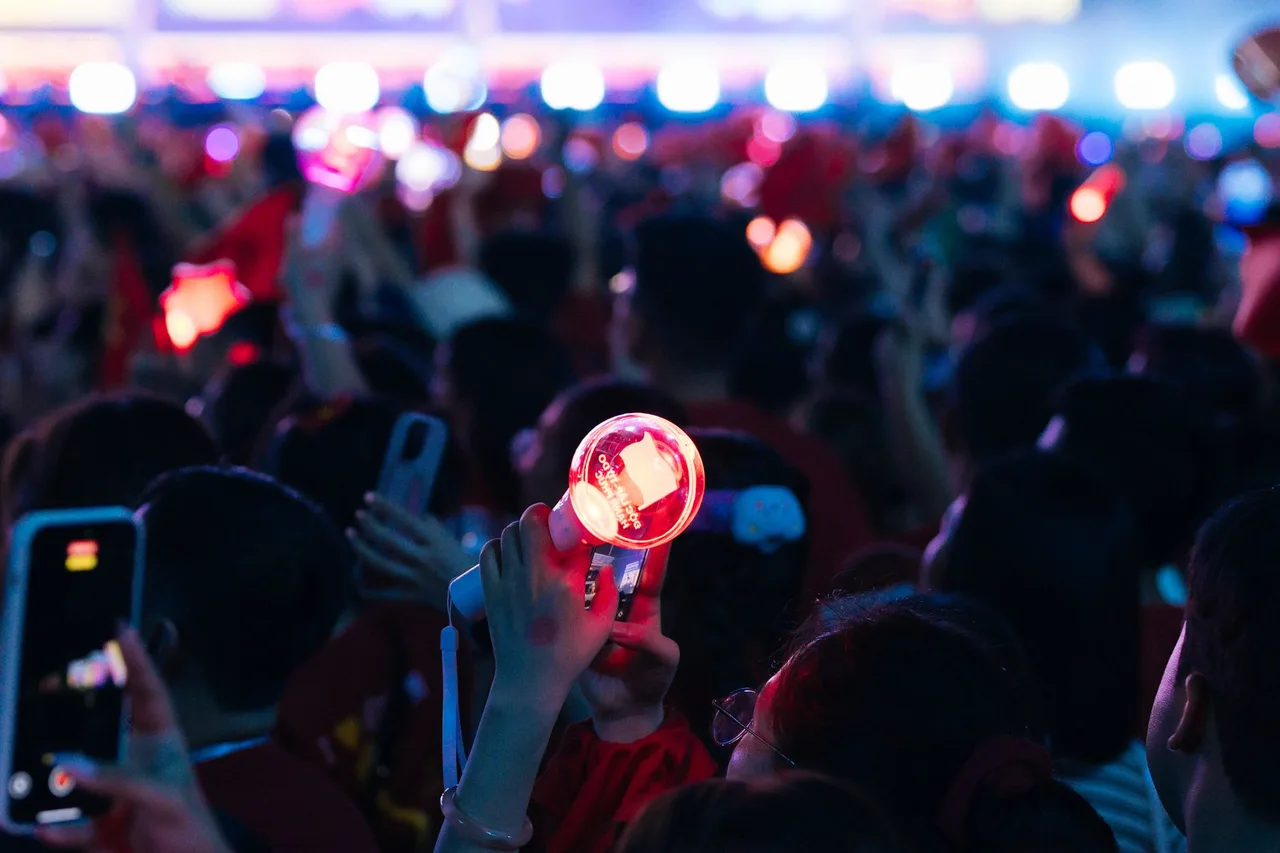
The house lights cut out at KSPO Dome and fifteen thousand lightsticks flipped to the same shade of pink in one second, like someone had thrown a master switch on the room. I fumbled mine, still stuck on white, while the crowd around me launched into a name chant I only half knew. My first K-pop concert in Seoul was equal parts euphoria and low-grade panic, mostly because nobody had told me how any of it actually worked. Getting into that room is genuinely hard for an overseas fan, and the show itself runs on rules you pick up by watching. Here is what I wish someone had handed me before I flew in.
How ticketing actually works, and why it is hard
The honest part first: this is the step that stops most foreign fans. Big Korean tours sell fast, sometimes in seconds for the top groups, and you are up against locals and resale bots. The first rule is to use the global version of the platform. Korea has three main players: Interpark, now branded NOL, plus Yes24 and Melon Ticket, which is run by Kakao. Each has a foreigner-facing site with an English interface where you sign up with an email instead of a Korean phone number. The Korean-language sites demand a Korean phone number or an identity check most tourists cannot pass, so people waste sale day stuck at that wall.
Then there is the fan-club wall. A large share of the good seats, often most of them, go through a fan-club presale before general sale even opens. That usually means paying for an official membership, then finding the "fanclub verification" or authorization button on the ticket site and linking your membership a few days ahead. Set your card up for 3D Secure before sale day too. When it opens, log in early, sync your clock, and click the instant tickets go live. If you strike out, watch for cancelled tickets, which fans call chwi-ketting, released back into the system when unpaid orders lapse. Pickup for foreigners is almost always will-call at the venue box office, and you need your booking number and your passport. Our English-language ticketing walkthrough covers the click-by-click.
Where the shows actually happen
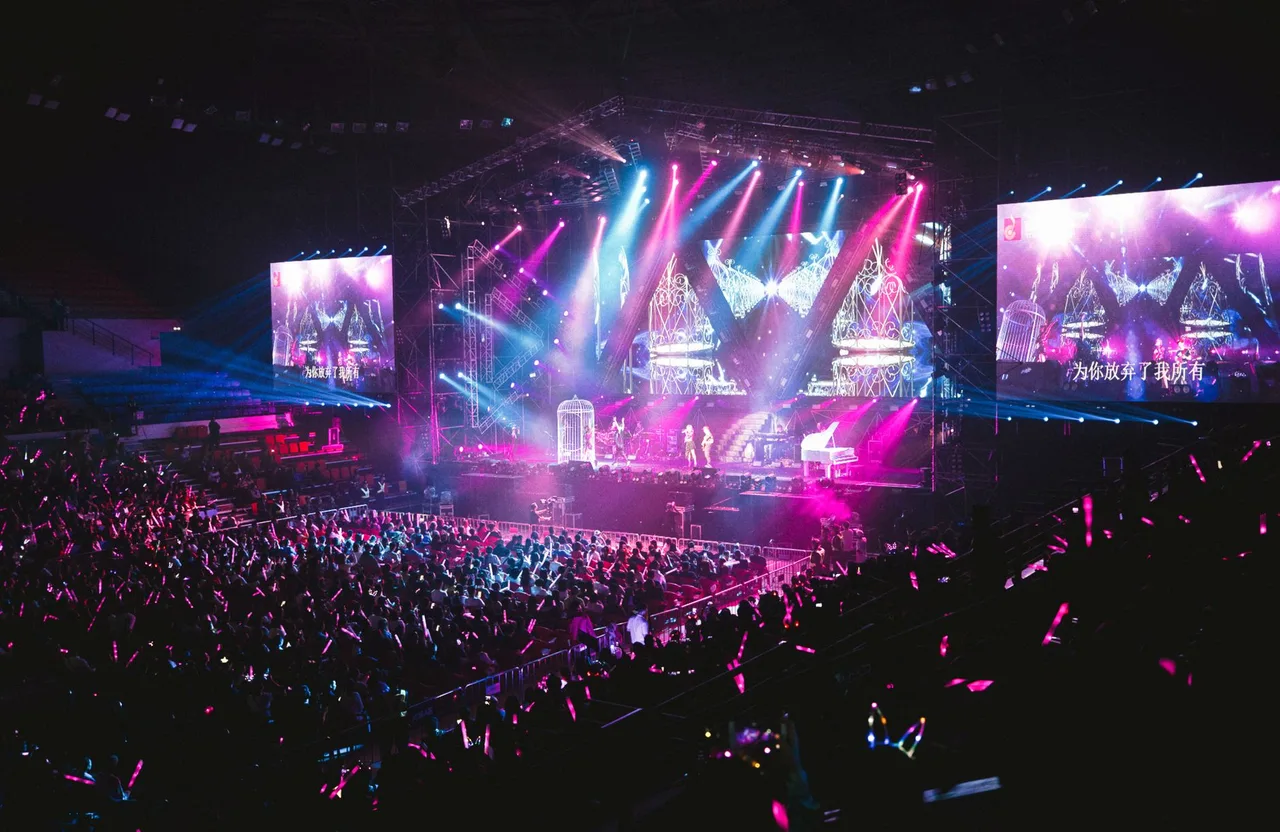
Seoul has fewer big rooms than the industry needs, so learn the main ones. KSPO Dome in Olympic Park, built for gymnastics at the 1988 Olympics, holds around 15,000 and is the city's most-booked indoor arena. Gocheok Sky Dome out in Guro is Korea's only fully enclosed dome, a baseball stadium that seats tens of thousands and gets used for the biggest tours. Inspire Arena, which opened in December 2023 beside Incheon Airport, seats about 15,000 and has quietly become a default since it was purpose-built for concerts rather than converted from a sports hall.
Jamsil is the confusing one. The Jamsil Sports Complex has a smaller indoor arena that hosts mid-size shows, but the giant Jamsil Olympic Stadium, the 70,000-seat one, has been closed for a long renovation and is not expected back until late 2026. That closure, plus tight limits on using the World Cup Stadium's grass, is why Seoul has a real venue shortage right now, and why so many tours end up at Inspire or head out to Goyang instead. The practical lesson: check exactly which venue your ticket names before you book anything else. A show billed as "Seoul" might really mean Incheon or Goyang, and the trip out there reshapes your whole day, from what time you leave to how you get home.
Lightsticks and fan chants
The official lightstick, the 응원봉 (eungwonbong), is the one piece of gear you genuinely need. Every group has its own shaped stick in its own color, and modern ones pair to the venue over Bluetooth so the production can push color waves across the floor in time with the music. When it works, the crowd stops being an audience and turns into part of the lighting rig. Bring your group's official stick, charge it fully, and register it in the fan app if the tour asks. Turning up with the wrong group's color, or a cheap knockoff that will not sync, is the kind of rookie move the people around you notice right away.
Then there is the fan chant, the 응원법 (eungwonbeop): the coordinated call-and-response fans shout through each song, built around calling the members' names over the intro. Here is the surprising part. Fans write these, not the label. Within a day or two of a song dropping, fansites post the official chant to YouTube and X, and the fandom drills it before the first stage. Learn the chants for two or three songs before you go and you stop feeling like a tourist standing still in a moving crowd. It doubles as etiquette, since the chant funnels the screaming into the gaps so it lifts the vocals instead of burying them. Our fandom culture guide breaks the chants and colors down further.
Merch, queues, and the photocard mats
You will spend more time in line than you expect, and much of it before the doors even open. The official merch booth, what fans call the MD line, usually opens four to six hours ahead, and for big tours a day-before pre-open is common too. The prized items, and the sealed photocard sets, tend to sell out inside the first half hour. If you are traveling with friends, split up: one person holds the merch queue while another sorts entry or grabs food. Bring cash, roughly ₩50,000 to ₩100,000 in mixed bills, because not every booth handles foreign cards cleanly and lines move faster when you are not fumbling.
Around the venue you will find the trading culture in full swing. Hours before showtime, fans lay out mats or blankets and set up binders of duplicate photocards, spread face-up in clear sleeves. The etiquette is calm and quiet: look, point at the card you want, show what you have to trade or offer a small amount, and keep it low-key. Nobody haggles aggressively, and shoving a phone in someone's face to livestream their cards is frowned on. It is one of the friendliest parts of the whole day, and you can walk off with your bias's card and a couple of new contacts. Prices swing wildly depending on the member and the set, so treat any number you hear as a starting point rather than a fixed rate.
What you can bring, and what gets you turned away
Read the official event notice for your specific show, because rules shift by venue and artist, but the pattern is consistent. Cameras are the big one: DSLRs, mirrorless bodies, and detachable lenses are almost always banned, and so are tripods, selfie sticks, and anything drone-shaped. Your phone is fine, though whether you can film at all depends on the show, and if staff tell you to stop, stop immediately. Bags over roughly A3 size, about 30 by 42 centimeters, get refused at most venues, so travel light and leave the suitcase at the hotel or a station locker.
What you actually want on you: your passport, which has to match the name on the ticket, a fully charged power bank because the day is long and photos will drain your battery, and a light layer since indoor arenas run the air conditioning cold. Your lightstick, obviously. Outside food and drink, oversized banners, and homemade LED signs are usually turned away as well. The entry itself runs on a numbered queue tied to your ticket, so your entrance number decides how close you file in, not how hard you push at the gate. There is no advantage to shoving, and the lines are orderly in a way that surprises first-timers used to a free-for-all. Arrive early, find your entry number on the ticket, and relax into the wait.
Getting to the venue
Give yourself far more time than the map suggests, especially on a show day when tens of thousands of people funnel toward one station. Grab a T-money card so you are not stuck at the gate; our Korea travel card guide explains how it works on subways and buses. For KSPO Dome, ride to Olympic Park Station on Line 5 or Line 9 and follow the crowd. Gocheok Sky Dome sits right by Guil Station on Line 1, roughly a three-minute walk from the exit. The Jamsil venues sit on Line 2 and Line 8, near the Sports Complex stops.
Inspire Arena is the one to plan around, since it stands next to Incheon Airport rather than in the city. A free shuttle bus runs from both airport terminals around the clock, which is handy if you land the day of the show, and for big events the venue often lays on paid shuttles from spots like Hongdae, Myeongdong, and Dongdaemun. If you are heading straight from arrivals, our airport-to-Seoul guide helps you slot the concert into your first day on the ground. Budget for the trip home too, because a full dome emptying at once can mean a long, slow shuffle to the platform and a wait for the first train you can squeeze onto.
Language, etiquette, and reading the room
You do not need Korean to get through a concert, but a few habits smooth the edges. Download a translation app like Papago before you go; it handles signs, staff instructions, and the fine print of the event notice better than guessing. Staff at the big venues are used to foreign fans and will point you the right way, and your passport plus booking number solves most box-office moments without a shared language.
The etiquette is mostly common sense once you see the shape of it. Keep the lightstick low and controlled so you are not clipping your neighbor on every beat. Follow the chant instead of screaming over the quiet passages. Do not block aisles for photos, and do not film if the show has said not to. During the ment, the talking segment where members speak to the crowd, fans often hush to listen and then respond together, so take your cue from the people around you rather than leading. And bring the right color, since a stray wrong-group stick in a sea of one shade stands out. Nobody expects you to have every ritual down on day one. Showing that you are trying, waving the right color and mouthing along, is enough to be folded into the room.
After the lights come up

The show ends and a second event begins: getting out. Tens of thousands of people head for the same subway line at once, so if you can, hang back twenty minutes rather than joining the crush. That downtime is when fans compare merch, finish trades they started earlier, and slowly come down from it. Plenty of people carry the night into a nearby café or a late Korean BBQ to replay every moment before the adrenaline fades.
If the tour spawned a birthday or anniversary cup-sleeve event nearby, it may run the same weekend, so check fan accounts before you fly home. Hold on to your ticket stub and any freebies, because those are the souvenirs that actually mean something later. And if the concert lit a longer fuse, the city rewards it: you can trace K-drama filming locations around Seoul or go deeper into the machinery with our guide to experiencing the K-pop industry in Seoul. To fill the days around the show, you can browse things to do in Seoul on Klook.
This guide contains affiliate links. If you book through them we may earn a small commission, at no extra cost to you.
Your first show in Seoul is chaotic, a little expensive, and genuinely overwhelming in the best way. Plan the ticketing hard, travel light, learn a chant or two, and let the rest happen. Most fans book the next one before the ringing in their ears has faded.
Frequently asked questions
Can foreigners buy K-pop concert tickets in Korea?
Yes, through the English or global versions of Interpark (now NOL), Yes24, and Melon Ticket, using an email signup and passport pickup at the venue. The hard part is that a large share of good seats sell through fan-club presales that require a paid membership and verification, and popular shows can sell out in minutes.
Do I need a Korean fan-club membership to get tickets?
Often, yes. Many of the best seats sell in a fan-club presale, which usually means buying an official membership, then linking and verifying it on the ticket site a few days before the sale. A general sale exists too, but it is smaller and tends to sell out even faster.
What should I bring to a K-pop concert in Seoul?
Your passport matching the name on the ticket, your official lightstick, a power bank, some cash for merch, and a light layer for cold air conditioning. Leave DSLR or mirrorless cameras, tripods, selfie sticks, and any bag larger than about A3 size at home.
Which Seoul venues host K-pop concerts?
Mainly KSPO Dome in Olympic Park, Gocheok Sky Dome in Guro, Inspire Arena near Incheon Airport, and the Jamsil arena. Always check your ticket, since the big Jamsil Olympic Stadium is closed for renovation until late 2026 and some 'Seoul' shows are actually at Inspire in Incheon or out in Goyang.
How early should I arrive for merch and entry?
For merchandise, four to six hours before doors is normal, and the best items often sell out within the first 30 minutes. Even if you skip merch, come well ahead for the numbered entry queue and security check.
Sources
This guide was researched using the references below. Prices and times change, so confirm anything time-sensitive on the official page before you rely on it.
Related guides
- Busan International Film Festival: A Visitor's GuideYour comprehensive guide to attending the Busan International Film Festival, including dates, venues, ticketing, and travel tips.
- Korean movies to watch in 2026Explore the standout Korean films of 2026, from historical dramas to innovative thrillers, and discover the industry's evolving trends.
- Korean dramas in 2026: top picks and trendsExplore the standout Korean dramas of 2026, from high-rated series to emerging trends and must-watch titles.
- K-pop groups: a guide for international fansAn in-depth look at the most influential K-pop groups in 2026, their achievements, and the evolving landscape of the genre.
- KPop Demon Hunters: what the record-breaking film got rightThe 2025 Netflix film became the platform's most-watched title and won Best Animated Feature. What it borrowed from real K-pop, and what to watch next.
- Where to buy K-pop albums, photocards, and merch in SeoulA comprehensive guide to the best places in Seoul to purchase K-pop albums, photocards, and merchandise, including major record stores, entertainment compa