Seoul travel guide for foreigners
A comprehensive guide for foreigners visiting Seoul, covering transportation, budgeting, accommodations, dining, attractions, and cultural etiquette.
By Jae Park · Updated Jul 22, 2026

Seoul seamlessly combines centuries-old palaces with cutting-edge skyscrapers, offering visitors a unique blend of history and modernity. Navigating the city is straightforward, thanks to its efficient public transportation system and diverse accommodations catering to various budgets.
How to get around Seoul
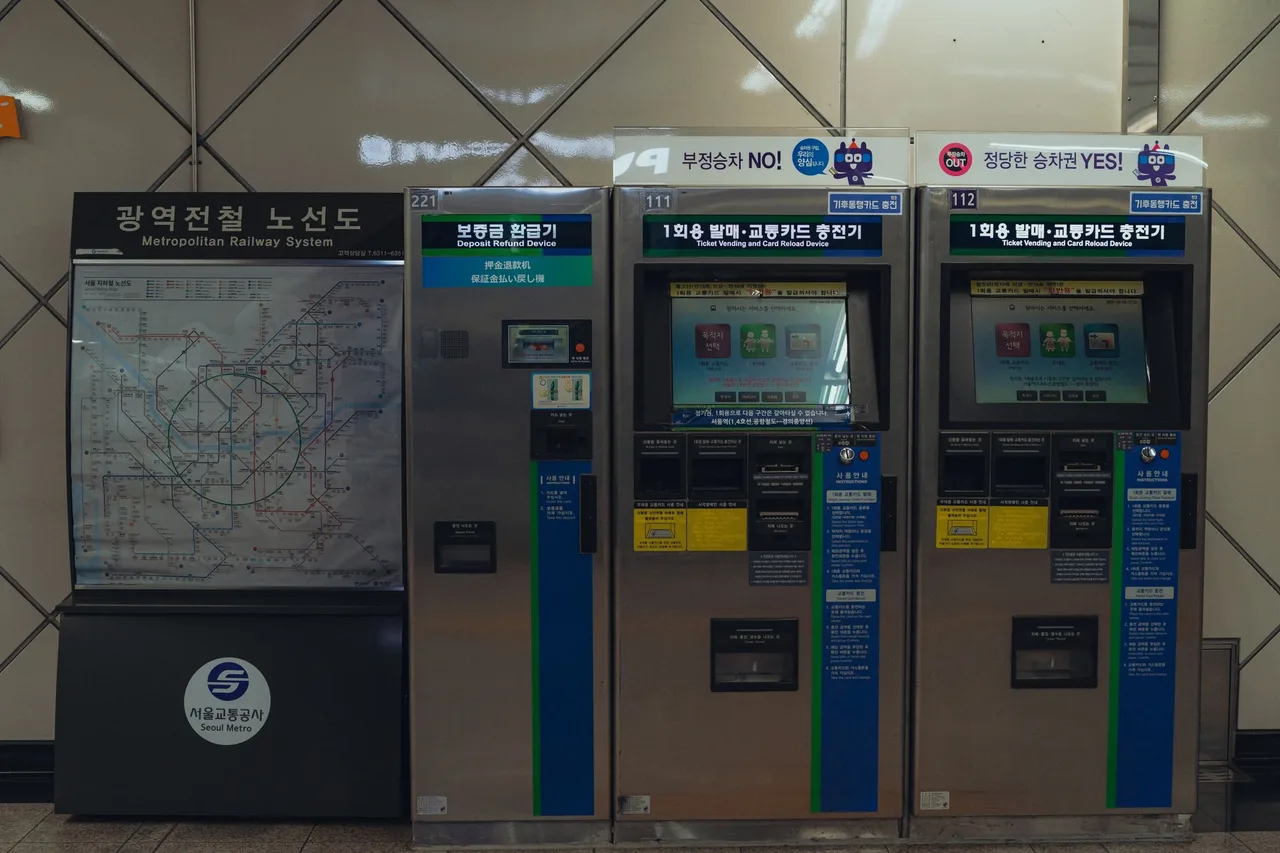
Seoul’s public transportation system is honestly one of the easiest ways to get around any major city I’ve visited. The subway, buses, and taxis all work together, and you can use a single rechargeable T-money card across every mode. I remember my first week in Seoul, standing in a convenience store, a friendly cashier pointing out the T-money cards by the register—they cost just ₩2,500–₩4,000 and saved me a ton of stress. You can buy one at most subway stations too, and topping up is as simple as handing over cash at a GS25 or 7-Eleven.
The Seoul Metro covers the entire city, with clear English signage and frequent trains even late into the evening. Buses fill in the gaps, reaching neighborhoods the subway doesn’t; routes can look intimidating, but Google Maps or Naver Map will plot a route—just tap your T-money card when boarding and exiting. Taxis are everywhere and relatively affordable for short trips, though drivers may speak limited English. I usually found apps like Kakao Taxi helpful for calling a cab with less confusion about addresses.
If you’re planning more than a couple of rides a day, the T-money card pays for itself quickly and saves you from fumbling for coins. For more step-by-step tips on using Seoul’s transit and travel cards, check out our guide to the Seoul travel card. It’s worth learning the basics early, as mastering the transport system makes the city feel much smaller.
Budgeting for your Seoul trip
Seoul can fit almost any budget, but knowing what you’ll likely spend per day helps avoid surprises. Based on current figures, budget travelers typically spend about ₩80,000–₩120,000 per day, covering hostel beds, street food, a T-money card, and a couple of attractions. If you’re like me and want a private room, sit-down meals, and a few more taxis, expect daily costs in the ₩180,000–₩300,000 range. For those seeking premium comfort (think four-star hotels and high-end dining), daily spending can easily reach ₩500,000 or more.
Eating in Seoul is surprisingly flexible. A filling street snack like tteokbokki runs around ₩3,000, while a nice restaurant meal can soar to ₩100,000 or more, especially in upscale districts. Admission to the top sights, such as Gyeongbokgung Palace, is affordable—usually under ₩5,000. Public transport is also gentle on your wallet, with subway rides costing less than ₩1,500 each way when using a T-money card.
I found that little things add up: coffee shop stops, convenience store snacks, or the occasional late-night fried chicken delivery. If you want a more detailed breakdown of what real travelers spend, see our full Korea trip cost guide. No matter your style, it helps to plan your budget, so you can splurge on the experiences that matter most to you.
Where to stay in Seoul
Accommodation in Seoul is as varied as the city itself, and where you stay shapes your whole trip. Personally, I’ve stayed everywhere from student hostels in Hongdae—great for nightlife and live music—to sleek hotels in Gangnam, where business travelers and K-pop fans alike crowd the lobbies. The city offers everything: budget hostels, mid-range guesthouses, cozy boutique hotels, and international luxury chains.
Hongdae is perfect if you want youthful energy and late-night eats, while Insadong and Bukchon put you near traditional culture, hanok houses, and quaint tea shops. Myeongdong is the classic shopping and beauty hub, central for tourists but often crowded. Gangnam, immortalized by K-pop, is more upscale, with premium hotels and trendy restaurants. Wherever you book, public transport is so efficient that you’re rarely far from the action, but I recommend choosing based on what you want out of your stay—nightlife, culture, or convenience.
Most accommodations are easy to book online, with English-friendly options on all the major platforms. Prices swing from ₩20,000 per night for a hostel bed in Hongdae to ₩400,000 or more for a luxury suite in Gangnam. My tip: double-check the location’s proximity to a subway line, as this will save you time and money. For more on booking and choosing the right area, see our neighborhood and hotel guides.
Dining options in Seoul
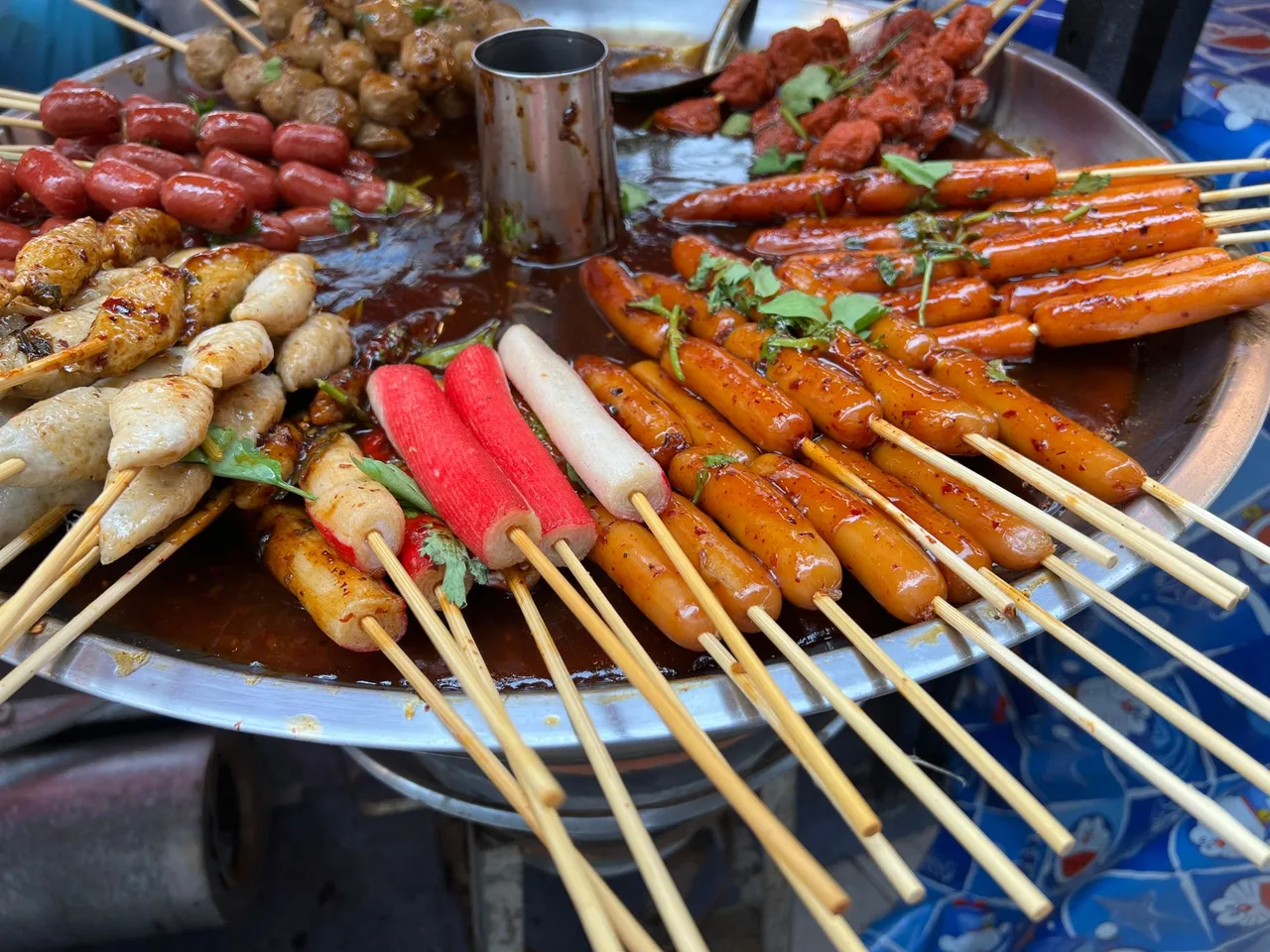
Seoul’s food scene really does run the gamut, from budget-friendly street snacks to high-end dining that’ll make your credit card sweat. If you’re after a quick bite, you’ll find classics like tteokbokki (spicy rice cakes) at open-air stalls or markets for around ₩3,000–₩5,000 per serving. These stalls are everywhere, especially in places like Myeongdong and Hongdae, and I can never resist grabbing a skewer or a cup of fishcake broth on a chilly evening. For a more substantial but still affordable meal, casual eateries (like kimbap shops or small BBQ joints) generally charge ₩8,000–₩15,000 for a hearty portion, often with free refills of kimchi and side dishes.
If you’re celebrating or want to see how Seoul’s chefs push creative boundaries, there’s no shortage of upscale restaurants. Modern Korean fine dining, especially in areas like Cheongdam or Itaewon, can easily cost ₩70,000–₩100,000 per person, and some tasting menus go even higher. It’s a huge jump from street food, but the experience (and plating) is something you won’t forget. One thing I’ve noticed as a visitor: even in pricey places, service is included, and there’s no expectation of a tip.
To eat like a local, don’t just follow the crowds—try asking for recommendations or join the lunch rush at a small pojangmacha (tent bar). For more practical tips and local eating etiquette, check out our how to eat like a local in Korea guide.
Must-visit attractions in Seoul
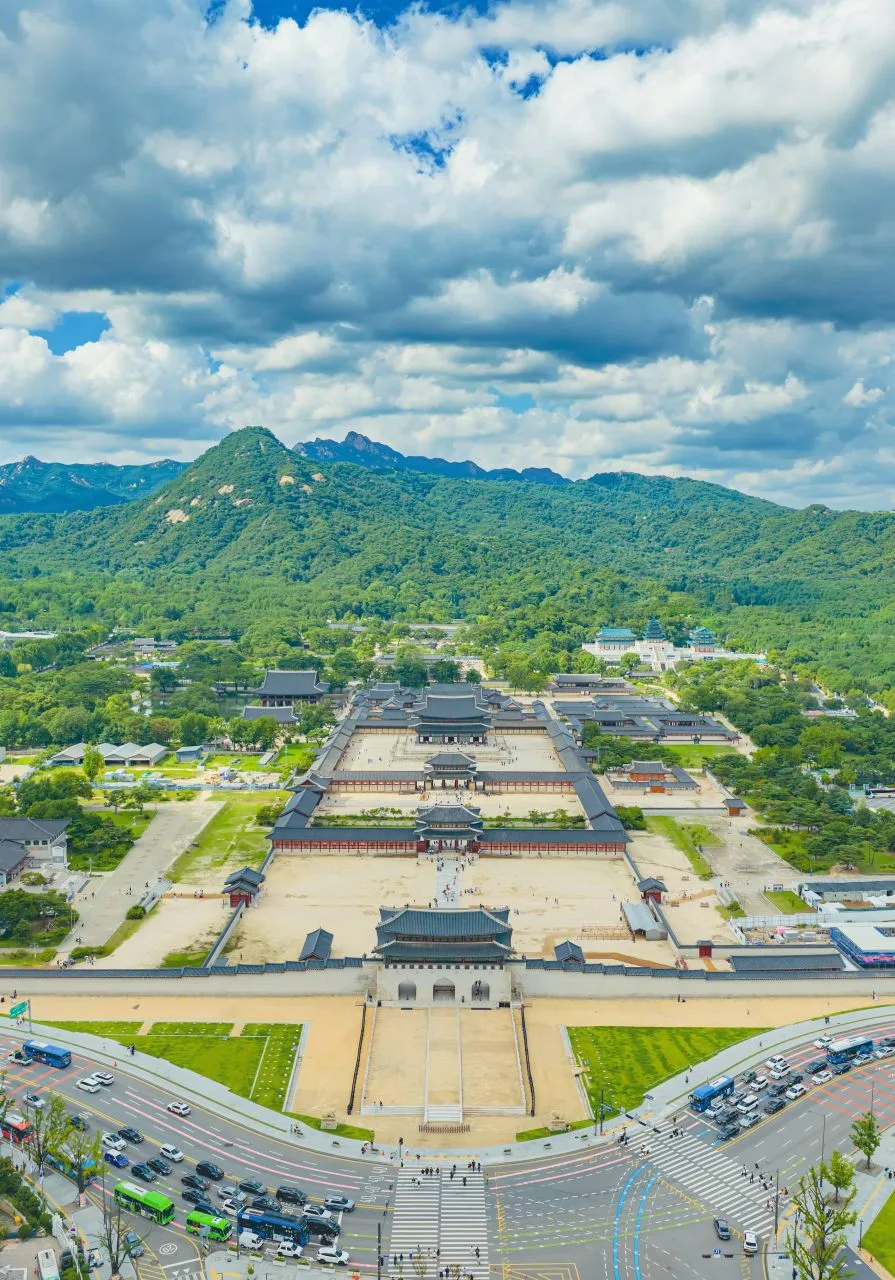
Seoul’s top attractions are more than just photo ops—they’re windows into layers of Korean history and pop culture you’ll recognize from dramas and K-pop videos. Gyeongbokgung Palace is my personal favorite for a first visit. Walking through its grand gates (especially if you rent a hanbok) feels like stepping back into the Joseon era. The changing of the guard ceremony is a crowd-pleaser, and the palace grounds are sprawling enough to find pockets of quiet even during peak hours. Our explainer on Seoul’s five grand palaces digs into the differences if you want to go deeper.
Just a short walk away, Bukchon Hanok Village offers a completely different vibe. Here, traditional hanok houses climb the hills, and you’ll see artists, boutique shops, and residents going about their daily lives. It’s a rare chance to observe living history, but keep your voice down—people really do live here.
N Seoul Tower is, admittedly, a bit touristy, but the panoramic views from the top are worth the cable car ride. I’ve watched both locals and visitors leave love locks on the fence, which makes for a fun photo if you’re traveling as a couple or with friends. These three spots are just the start: each reveals a different facet of Seoul’s identity, from royal tradition to everyday urban life.
Cultural etiquette and tips
Getting a handle on local customs can make your time in Seoul a lot smoother—and sometimes even save you from awkward moments. One of the first things you’ll notice is the habit of removing shoes before entering someone’s home or certain traditional restaurants. I learned quickly to wear socks without holes, just in case! This practice is about keeping indoor spaces clean and is taken seriously in Korean households.
Another thing that surprises many visitors: tipping is not expected in Seoul. Service charges are already included in your bill at restaurants and hotels, so leaving extra cash can actually cause confusion. I’ve had servers run after me to return a tip I left by reflex.
Public behavior leans polite but reserved. Don’t be surprised if people don’t make small talk with strangers, especially on public transit. When paying or handing something to someone, using both hands is a simple way to show respect. If you’re invited to drink soju, it’s polite to pour for others rather than yourself and to turn away slightly when drinking with elders.
For a deeper look at what to do—and what not to do—read our Korean etiquette dos and don'ts guide. These small gestures go a long way in making you feel at home in Seoul.
Seasonal events and festivals
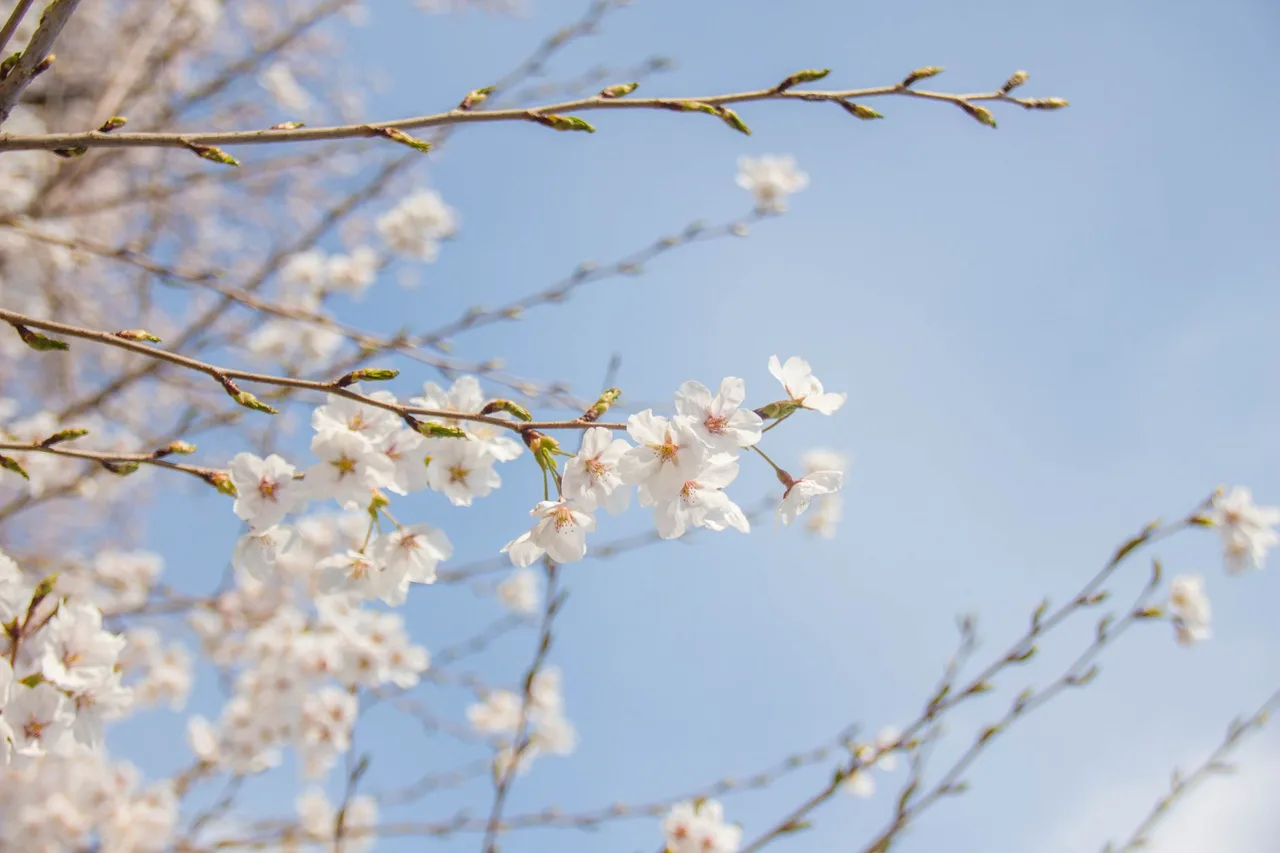
Seoul's calendar is packed with seasonal festivals that locals genuinely look forward to, and if you plan your trip right, you can catch traditions and celebrations you’ll remember far more than any museum. The Cherry Blossom Festival in spring is one of those moments when the whole city seems to come alive; imagine walking along the Han River or through Yeouido Park with thousands of pale pink petals floating overhead. I still remember how everyone—from couples to families—spreads out picnic mats, snapping photos as the blossoms reach their peak. If you want tips on the best spots and timing, see our cherry blossom guide.
Autumn brings the Seoul Lantern Festival, which transforms the Cheonggyecheon Stream into a shimmering river of light. Lanterns shaped like traditional palaces, animals, and even K-pop stars’ likenesses float along the water, drawing crowds every evening. It’s the kind of festival where you’ll see locals and visitors mingling, all bundled up in jackets, sharing snacks from nearby stalls. While dates shift slightly each year, the festival typically lights up the city in November, and there’s something magical about seeing Seoul’s skyscrapers glow above the lanterns.
Aside from these, Seoul’s event calendar is full of neighborhood celebrations, food fairs, and cultural performances tied to the seasons. It’s worth checking local listings or asking your hotel about what’s on during your stay. These festivals aren’t just about sightseeing—they’re a chance to join in the rhythm of city life, whether you’re catching cherry blossom petals or wandering among lanterns on a chilly autumn night.
Planning ahead and familiarizing yourself with Seoul's transportation, accommodations, and cultural norms will ensure a rewarding and enjoyable visit to this dynamic city.
Location
Seoul, South Korea
View on Google MapsFrequently asked questions
What is the best way to get around Seoul?
The most efficient way to navigate Seoul is by using the subway and bus systems with a T-money card, which allows seamless transfers and discounted fares.
How much should I budget for a trip to Seoul?
Daily budgets vary: budget travelers may spend ₩80,000–₩120,000, mid-range travelers ₩180,000–₩300,000, and luxury travelers ₩500,000 and above.
Are credit cards widely accepted in Seoul?
Yes, credit cards are accepted in most establishments, but it's advisable to carry some cash for small vendors and street markets.
What are some must-visit attractions in Seoul?
Key attractions include Gyeongbokgung Palace, Bukchon Hanok Village, and N Seoul Tower, each offering unique cultural experiences.
Is tipping customary in Seoul?
Tipping is not customary in South Korea, as service charges are typically included in bills.
Sources
This guide was researched using the references below. Prices and times change, so confirm anything time-sensitive on the official page before you rely on it.
Related guides
- Things to do in Seoul this weekendExplore Seoul this weekend with the Hangang River Festival, Official HIGE DANdism concert, and more. Enjoy cultural events, concerts, and outdoor activitie
- Top things to do in Seoul, KoreaExplore Seoul's rich history, lively neighborhoods, and unique experiences with our curated guide to the city's top attractions and activities.
- 10-day South Korea itinerary for first-time visitorsA comprehensive 10-day itinerary covering Seoul, Gyeongju, Busan, and Jeju Island, blending cultural landmarks, natural beauty, and culinary experiences.
- Top places to visit in SeoulExplore Seoul's blend of ancient palaces, lively markets, and modern attractions with this guide to the city's must-visit spots.
- Seoul travel passes: a comprehensive guide for visitorsExplore Seoul efficiently with travel passes like the Discover Seoul Pass and Climate Card, offering free entry to attractions and unlimited transit rides.
- Seoul travel cards: T-money, Climate Card, and WOWPASS explainedA guide to Seoul's travel cards for foreigners, covering T-money, Climate Card, and WOWPASS, including purchase, usage, and benefits.