10-day South Korea itinerary for first-time visitors
A comprehensive 10-day itinerary covering Seoul, Gyeongju, Busan, and Jeju Island, blending cultural landmarks, natural beauty, and culinary experiences.
By Jae Park · Updated Jul 25, 2026
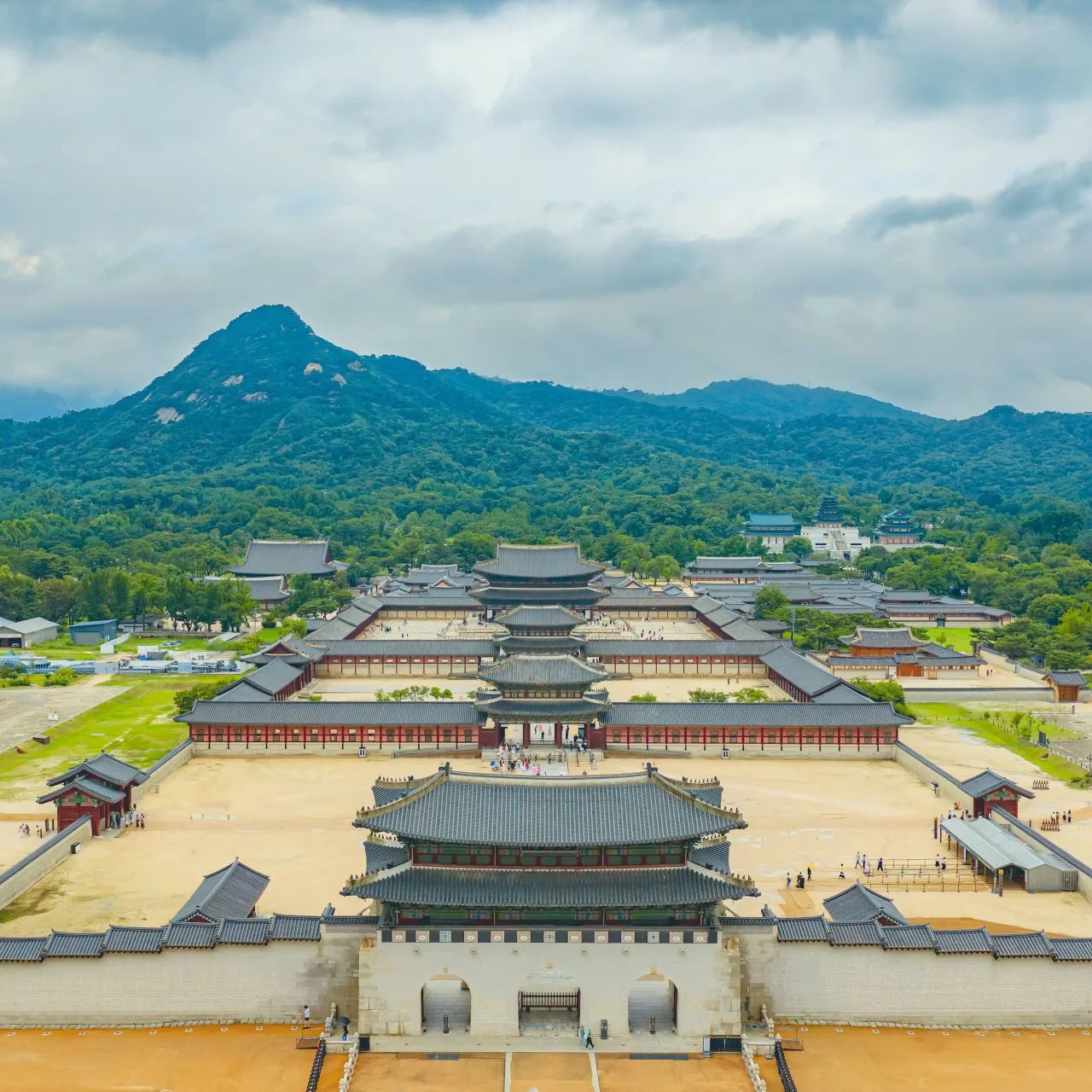
South Korea offers a captivating blend of ancient traditions and modern innovations. Over 10 days, you can explore historic palaces in Seoul, ancient temples in Gyeongju, coastal attractions in Busan, and volcanic landscapes on Jeju Island.
Days 1–3: Exploring Seoul's cultural and modern highlights
Seoul hits you with a satisfying clash of dynastic history and high-tech energy, all walkable within a single day. I always start first-timers at Gyeongbokgung Palace, the grandest of the Five Grand Palaces from the Joseon Dynasty—there’s something grounding about watching the changing of the guard with the city skyline peeking over the palace walls. If you want context before you go, our palace guide explains the symbolism behind the architecture. Just uphill from there, Bukchon Hanok Village lets you wander narrow lanes lined with hanok (traditional houses), some of which are still family homes; I’ve found it best to go early in the day, before the crowds and Instagrammers descend.
Insadong is a short walk away, and I always linger here for tea in an old-school teahouse or to browse antique shops. For a complete contrast, Myeongdong’s neon-lit streets are perfect for sampling street snacks and checking out the latest K-beauty trends—don’t be shy about haggling or asking for samples. When you crave Seoul’s forward-facing side, Dongdaemun Design Plaza (DDP) stands out as a futuristic landmark hosting design pop-ups and evening light shows. And if you want a city view, N Seoul Tower is the classic choice (even the cable car ride up is fun).
If you have time, a guided tour to the DMZ is both sobering and fascinating, taking you to sites like the Third Infiltration Tunnel and Dora Observatory. For K-drama fans, several of these spots double as filming locations—this guide points you to the exact scenes.
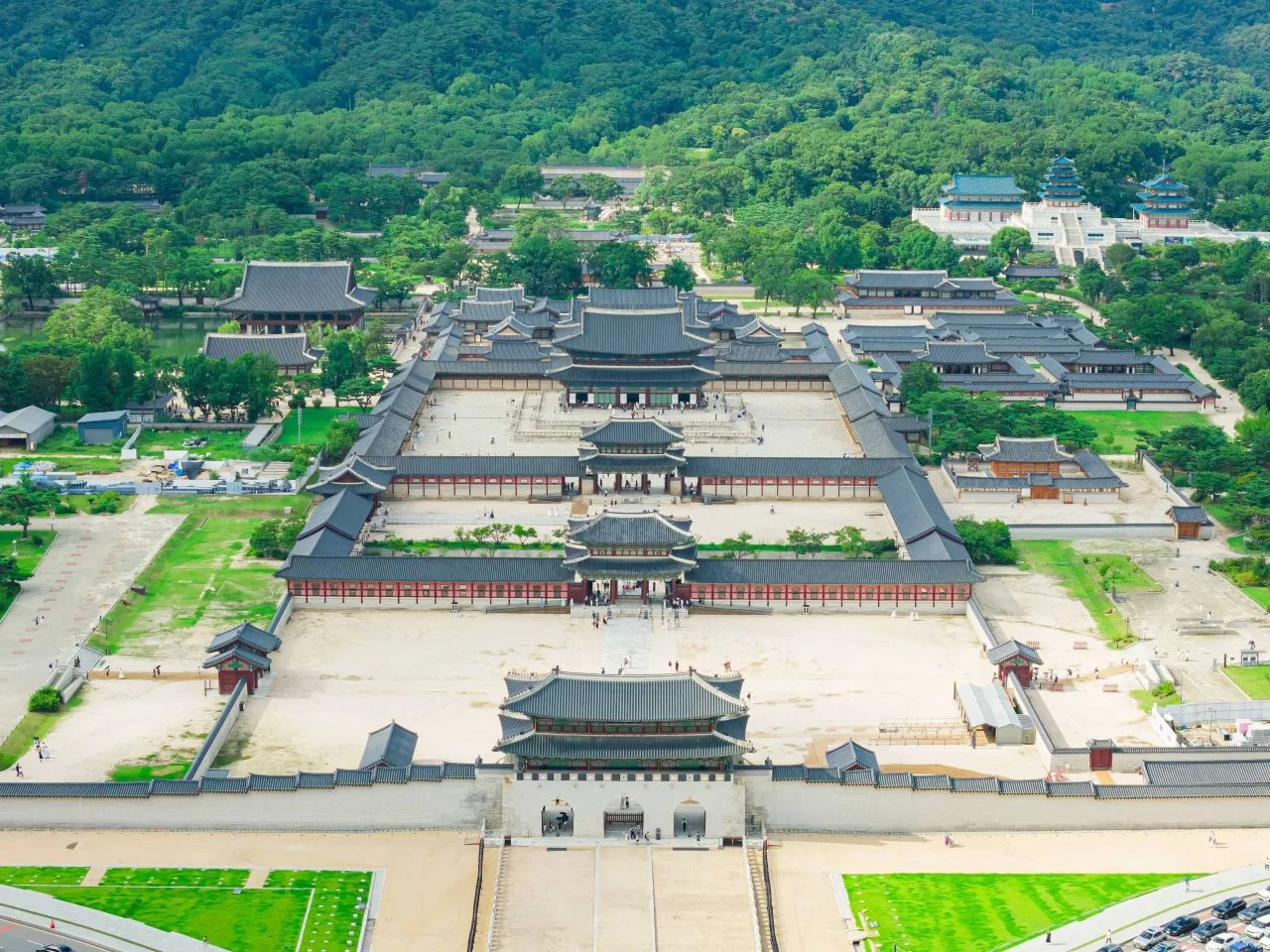
Day 4: Journey to Gyeongju, the ancient capital
Leaving Seoul behind, Gyeongju is a completely different experience and my personal favorite for getting a feel of “old Korea.” The KTX high-speed train whisks you there in just over two hours, making it absolutely doable for even a short trip. Once you arrive, the city feels almost like a museum without walls. Tumuli Park is one of the first stops—here, you’ll see grassy mounds that are actually ancient tombs of Silla kings and nobles. There’s a quiet reverence to the place, especially early in the morning when the mist lingers.
Cheomseongdae Observatory, the oldest surviving astronomical observatory in Asia, is just a short walk away. Its stone tower looks simple, but it’s a marvel to think this was built in the 7th century for stargazing. I always tell friends to imagine the Silla astronomers tracking constellations right where you stand. Anapji Pond comes alive in the evening, with beautifully reconstructed pavilions reflected in the water—locals come here on dates, and it’s a good spot for photos as the sun sets.
Gyeongju isn’t just about ticking off sites; it’s about the atmosphere. You’ll hear cicadas in the summer, see hanbok-clad visitors, and spot small traditional cafes tucked in alleys. For more detail on what to see and why these sites matter, check out our Gyeongju heritage guide.
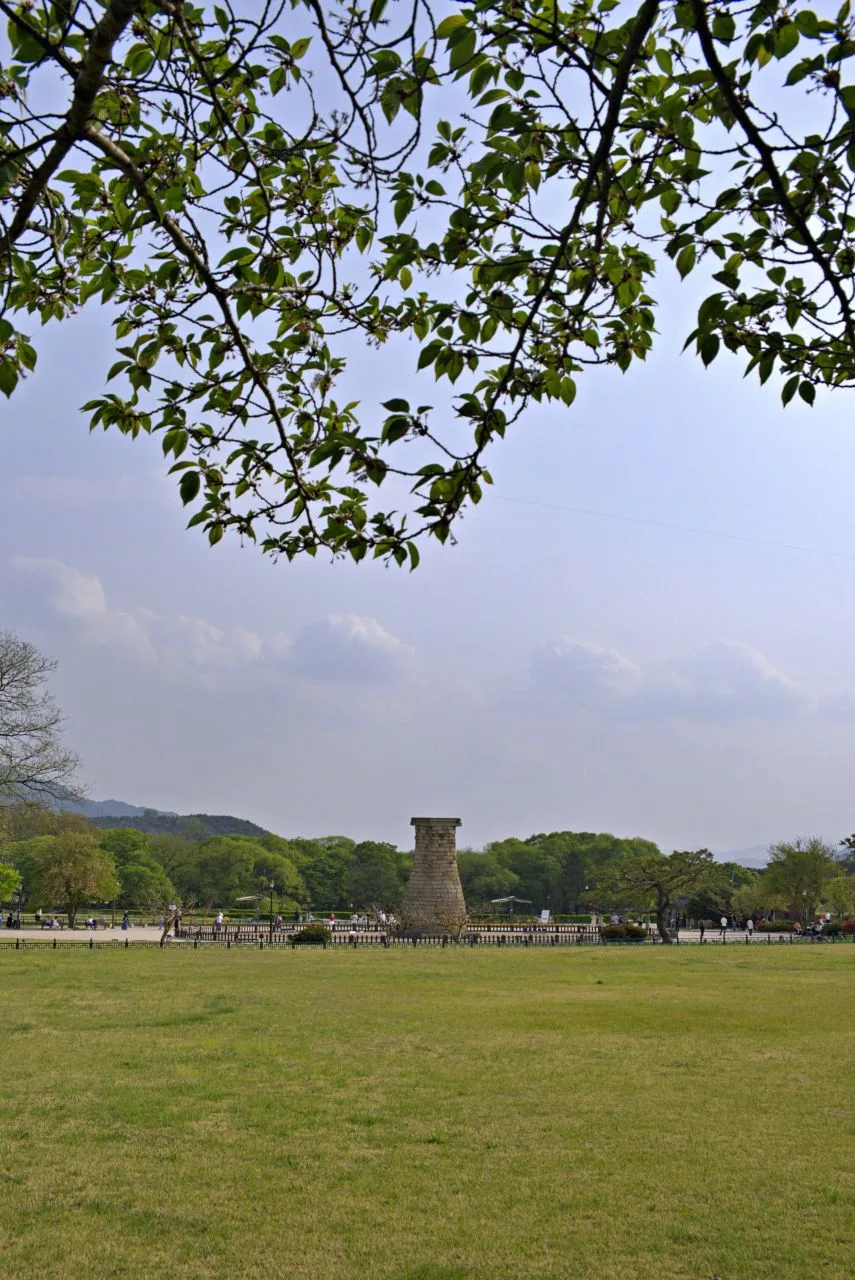
Day 5: Discovering Gyeongju's UNESCO World Heritage sites
Gyeongju’s reputation as “the museum without walls” really shines on day five, especially at its two UNESCO World Heritage sites. Bulguksa Temple is a masterpiece of Silla-era Buddhist architecture. I was genuinely awed the first time I saw its stone pagodas and stepped through the intricate gates, and it’s not hard to see why it’s a pilgrimage site for both locals and visitors. The temple’s mountain setting gives it a peaceful vibe, and you can often hear monks chanting if you arrive early.
From there, a winding road leads up to Seokguram Grotto, where a monumental Buddha statue gazes serenely out toward the East Sea. The grotto itself is a feat of engineering, with perfect symmetry and a cool, quiet interior that makes you pause. Back in town, Gyerim Forest is small but atmospheric, said to be the legendary birthplace of Kim Alji, founder of the Gyeongju Kim clan. It’s a nice, shaded stop on a hot afternoon.
Woljeonggyo Bridge, reconstructed in its original Silla style, is beautiful at dusk when the lights come on and the reflection glows in the river. As you wrap up the day, try ssambap—rice and grilled meat wrapped in lettuce with spicy sauces. It’s a specialty here and sometimes comes with an array of small side dishes that nearly fill the table. For more on Korea’s UNESCO sites and what makes them special, see our dedicated guide.
Days 6–7: Experiencing Busan's coastal charm
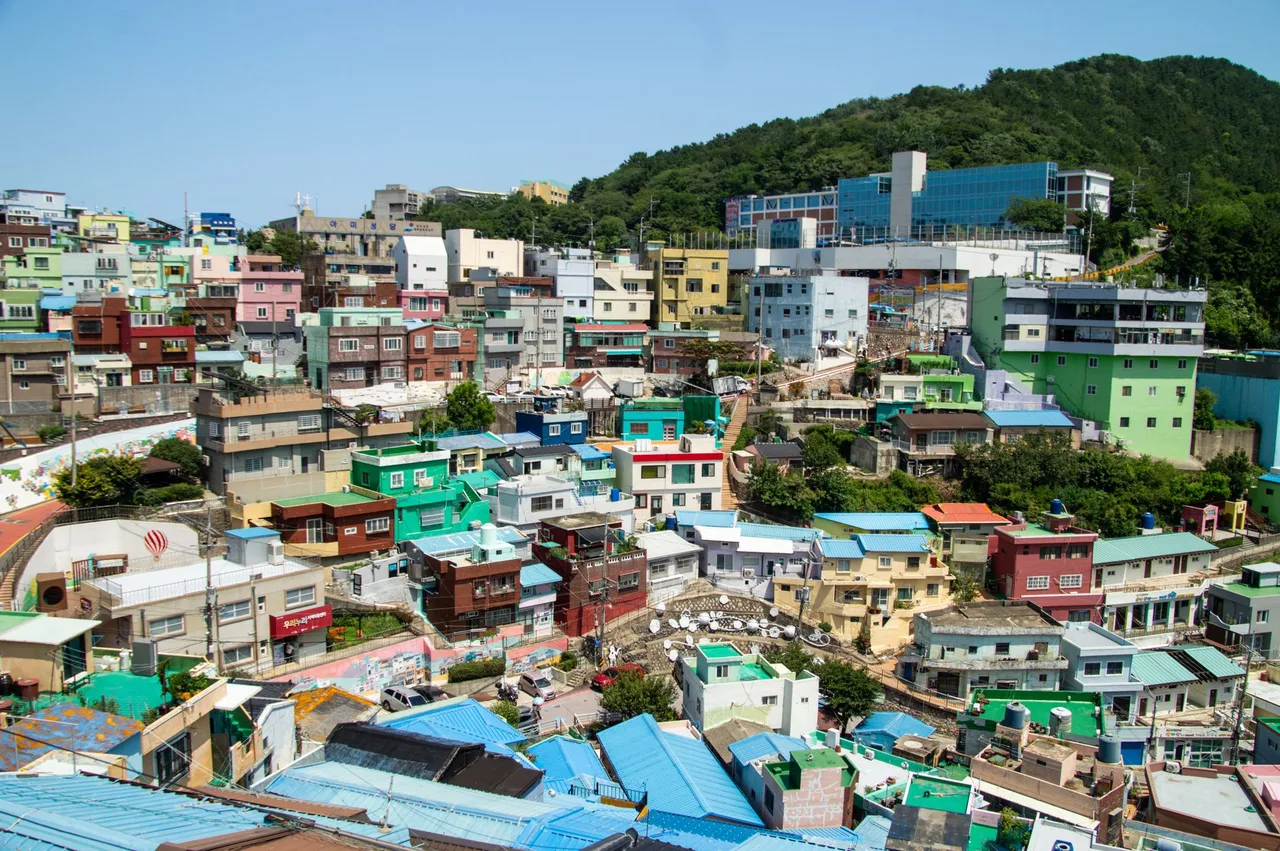
After soaking in Gyeongju’s ancient atmosphere, the KTX whisks you across the country to Busan in under three hours. I still remember the first time I arrived—there’s something about the salty air and the way the city seems to wrap around its blue inlets. Gamcheon Culture Village is a perfect place to start: the hillside is covered in pastel houses and quirky art installations. You’ll find narrow alleys lined with murals, tiny cafés, and locals selling homemade tteok (rice cakes).
Next, head to Jagalchi Fish Market, Korea’s largest seafood hub. Early mornings are busiest, but at any hour, you can pick out live fish or shellfish and have it prepared right on the spot. I recommend trying hoe (raw fish)—it’s a whole different experience from Japanese sashimi, especially when dipped in gochujang and wrapped in lettuce. If you’re hungry for more, we have a Korean street food guide with tips on what to snack on.
Later, unwind at Gwangalli Beach, where the sand is fine and the view of Gwangan Bridge lights up at night. The area is packed with restaurants and bars, so you can enjoy grilled clams with a cold beer, just like locals do. Don’t miss Haedong Yonggungsa Temple, perched dramatically on a seaside cliff. The temple is especially peaceful in the early morning, looking out over the waves. Two days in Busan is just enough to taste the city’s laid-back nightlife, walk along the coast, and discover why Busan is beloved even by Seoulites.
Days 8–10: Exploring Jeju Island's natural wonders
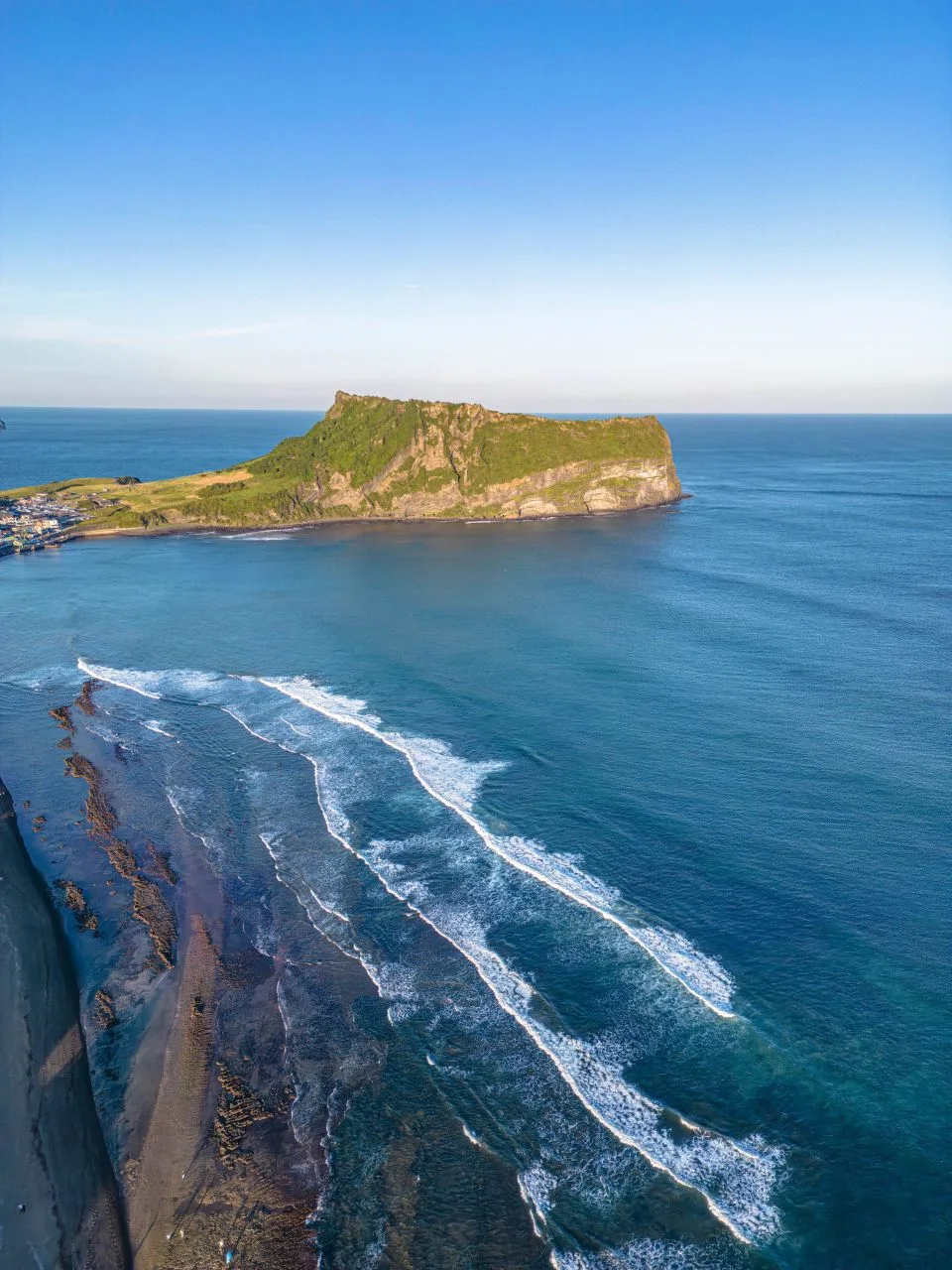
Jeju Island feels worlds away from mainland Korea, even though it’s just a quick domestic flight from Busan. The real draw for me is how different the landscape feels—volcanic peaks, lush forests, and black lava beaches. Start with Seongsan Ilchulbong, or Sunrise Peak, a volcanic tuff cone that rises right from the sea. Early risers hike up before dawn for sunrise views, but even in daylight the panorama is stunning.
Manjanggul Lava Tube is another highlight: walking through its cool, damp corridors, you realize you’re inside one of the world’s longest lava tunnels. The rock formations are otherworldly and the air feels ancient. For more hiking, Hallasan National Park offers trails up Korea’s highest mountain. The paths range from easy strolls to challenging climbs, and I always notice how the plant life changes with elevation.
When you’re ready to relax, Hyeopjae Beach on the island’s west side has powdery white sand and shallow, turquoise water—ideal for an afternoon picnic or just watching the sea. Food is a big part of Jeju’s appeal too. Black pork BBQ has a smoky, rich flavor you won’t find elsewhere in Korea, and the local mandarins are sold everywhere, often fresh from roadside stands. Jeju is also known for summer festivals celebrating its food and culture; if you’re timing your trip, our Korea summer festivals guide is worth a look. Three days here lets you slow down, breathe in ocean air, and end your trip on the island’s unique note.
Understanding South Korea's transportation options
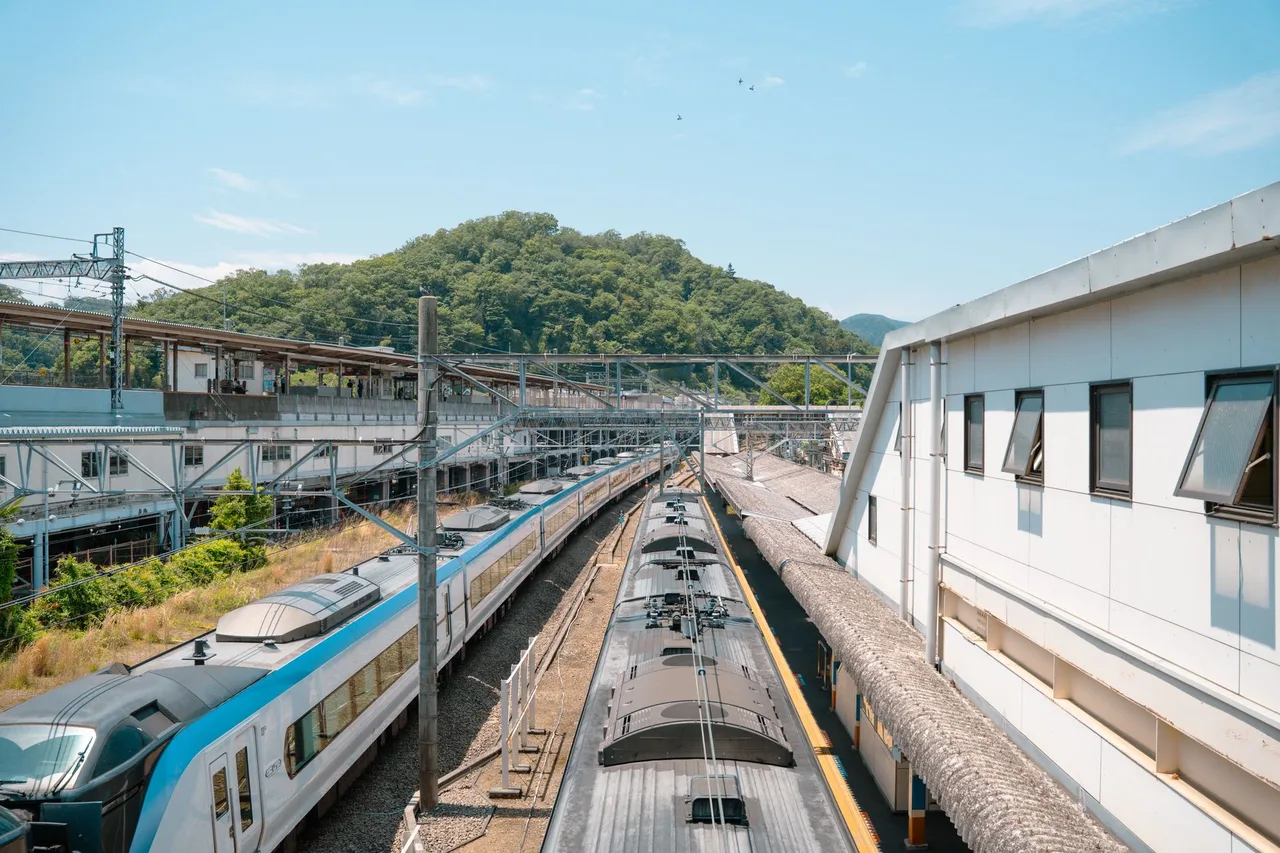
Getting around South Korea is more straightforward than it might seem. For intercity travel, the KTX high-speed train connects Seoul, Gyeongju, and Busan at speeds up to 300 km/h, making cross-country trips comfortable and fast. I used to worry about navigating new stations, but signage is clear and tickets can be reserved in English online or at kiosks. For public transportation in cities, pick up a T-money card—it works on subways, buses, and even some taxis across the country. You can top it up at any convenience store and just tap in and out as you go. For a full explainer, see our Korea travel card guide.
When heading from Busan to Jeju Island, domestic flights are the norm, with frequent departures from Gimhae Airport. Jeju’s own bus network covers most tourist spots, but renting a car is popular if you’re comfortable driving. For navigation, I always download both Naver Map and Kakao T; Google Maps is limited in Korea, but these apps offer real-time directions and even English menus. Kakao T is especially handy for calling taxis without needing to speak Korean. I’d recommend having both apps ready before you arrive, as they’re lifesavers for finding the quickest routes and hailing a ride when your feet give out.
Budgeting for your 10-day South Korea trip
Expect to spend about ₩150,000 to ₩290,000 per day on a typical 10-day trip to South Korea, depending on your travel style and choices. When I plan my own trips, I usually set aside ₩100,000 to ₩200,000 per night for accommodation. This range covers basic hotels and guesthouses in Seoul, Gyeongju, Busan, and even Jeju, though you might pay more for boutique hotels or during peak seasons. For meals, ₩30,000 to ₩50,000 a day is a fair estimate if you mix up street food, local restaurants, and the occasional sit-down dinner. Street food in places like Myeongdong or Jagalchi Fish Market can be a bargain, while specialty dishes (like Jeju black pork or Busan seafood) cost a bit more but are worth the splurge.
Transportation is another big chunk of the budget. KTX trains and buses connecting Seoul, Gyeongju, and Busan average ₩20,000 to ₩40,000 per day when you factor in intercity tickets and daily subway or bus rides (a T-money card makes city rides much easier). Don’t forget to budget for entrance fees—palaces, temples, and museums usually charge between ₩2,000 and ₩15,000 per ticket. And there’s always that extra bit for souvenirs, snacks, or a spontaneous activity.
If you want a detailed breakdown, check out our full cost guide for more examples and money-saving tips. I’ve found that a flexible budget gives you room to enjoy Korea’s food, culture, and experiences without stressing over every won.
Best times to visit South Korea
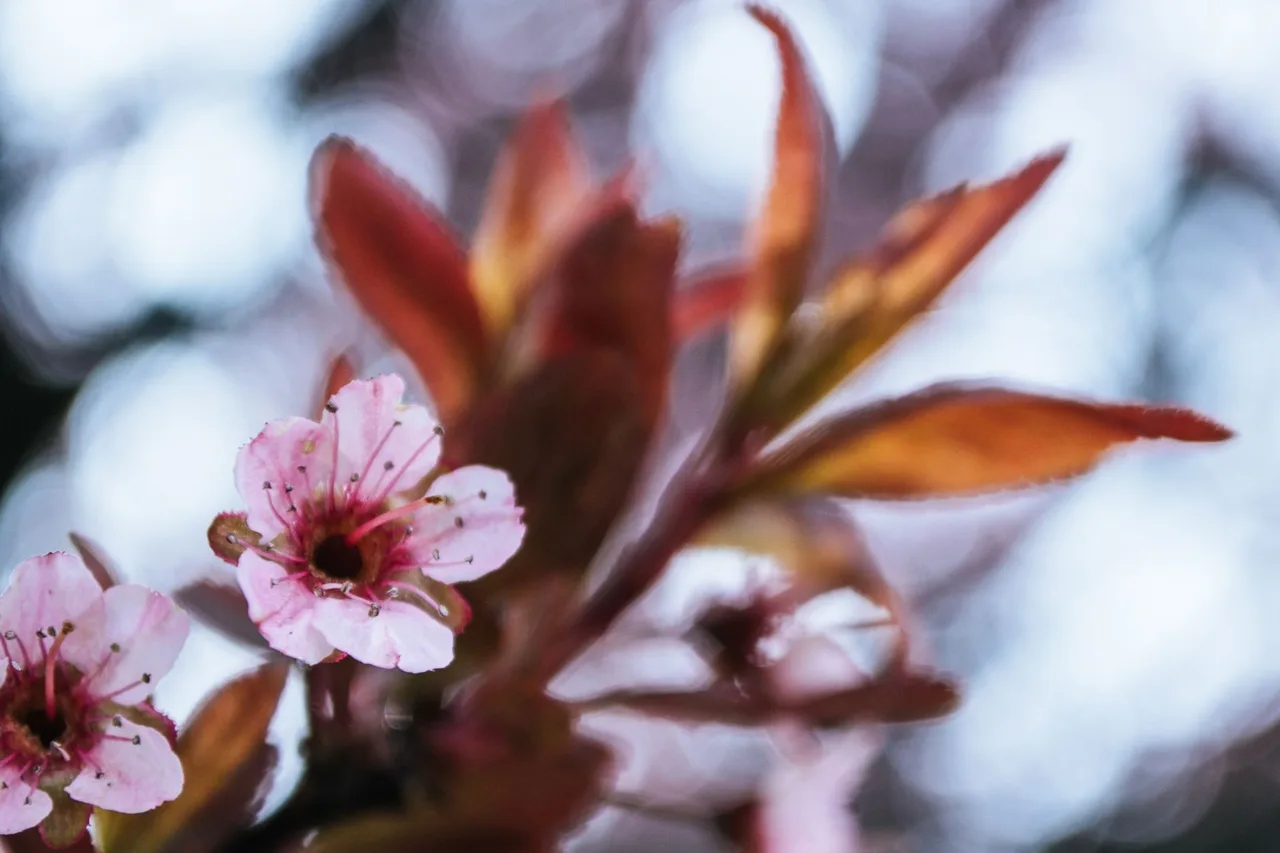
The best times to visit South Korea are during spring (March to May) and autumn (September to November), when the weather is comfortable and the scenery is at its most beautiful. In spring, cherry blossoms turn city streets and palace grounds into a sea of soft pink, drawing locals and travelers out for picnics and photos. I usually plan my own trips for April, since it’s when Seoul and Gyeongju’s cherry blossoms are in full swing. You can read more about the exact timing and best viewing spots in our cherry blossom guide.
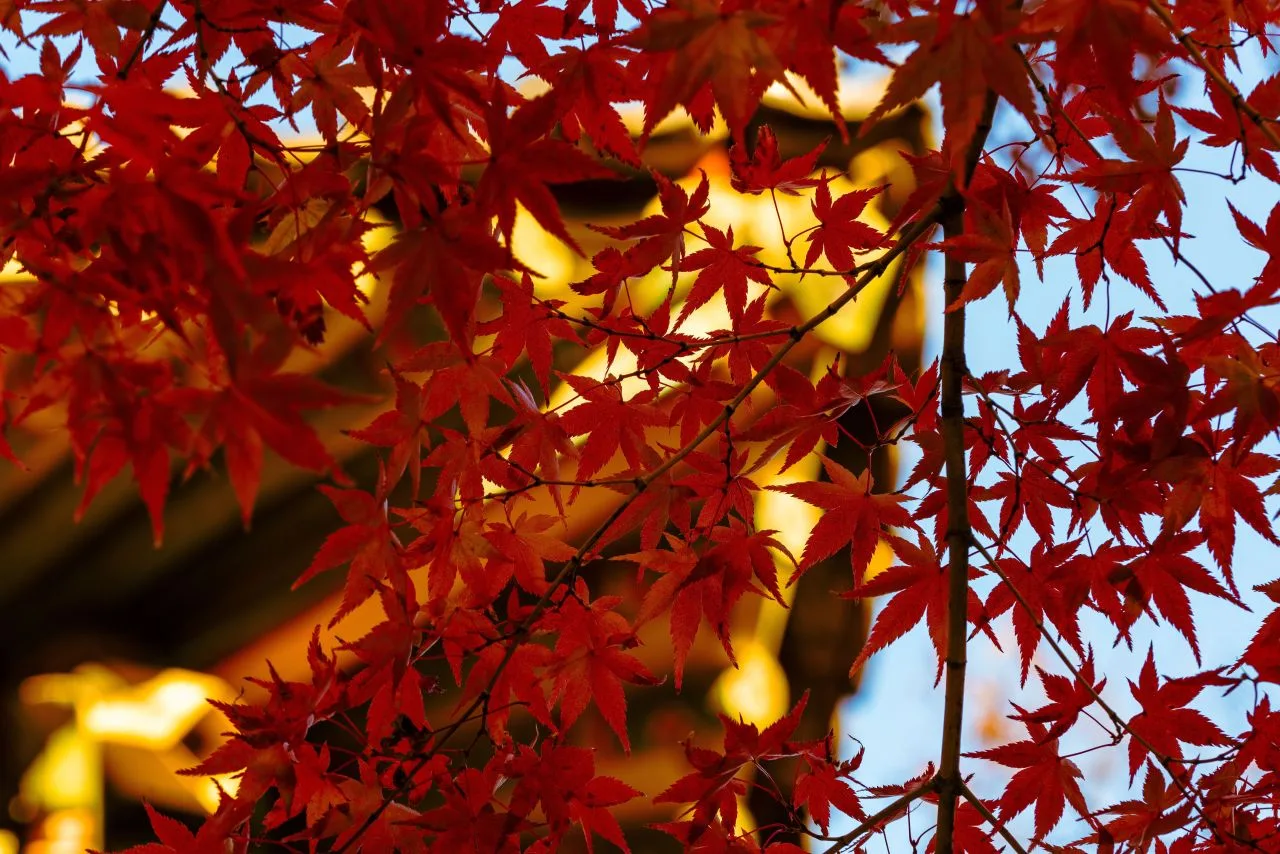
Autumn, from September to November, is just as impressive—the mountains and city parks blaze with red, orange, and yellow leaves. The air is crisp but not cold, and the skies are often clear. If you love hiking or want to see Korea’s temples and palaces framed by colorful foliage, autumn is ideal. Have a look at our autumn foliage guide for recommended places and timing.
Summer (June to August) is hot and humid, with temperatures often climbing over 30°C. It’s beach season in Busan and Jeju, but be prepared for occasional heavy rain or typhoons. Winter (December to February) is cold, especially in Seoul and Gyeongju, with temperatures sometimes dropping below freezing and the chance of snow. Each season has its charm, but for comfortable sightseeing and the best photo ops, spring and autumn are hard to beat.
Essential Korean phrases for travelers
Knowing a few basic Korean phrases goes a long way when traveling in South Korea, even if most young people speak some English. After dozens of trips, I’ve found that just saying “안녕하세요” (Annyeonghaseyo—hello) or “감사합니다” (Gamsahamnida—thank you) always gets a smile. For shopping or eating out, “얼마예요?” (Eolma-eyo?—How much is this?) is the phrase I use most, especially in markets and street stalls. And trust me, asking “화장실 어디에요?” (Hwajangsil eodieyo?—Where is the restroom?) will come in handy everywhere.
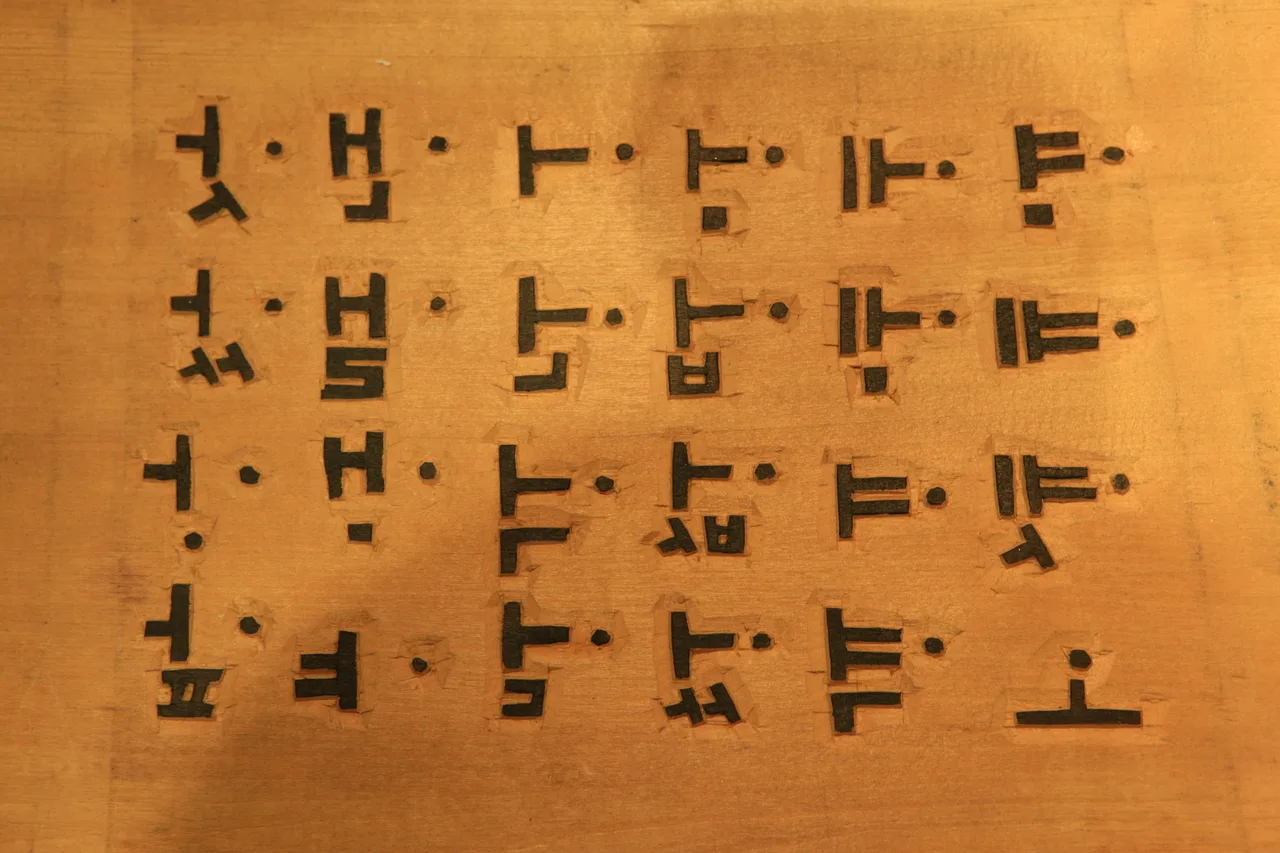
Understanding Korean numbers is a lifesaver when reading prices, train schedules, or subway lines. You’ll also want to pick up simple transportation terms, like “역” (yeok—station) or “출구” (chulgu—exit). Practice these before your trip or use a translation app if you get stuck, but don’t worry—locals appreciate any effort.
To build your travel vocabulary, see our survival phrases guide for more real-life examples, or try our quick Hangeul reading tutorial if you want to recognize signs and menus. A little language goes a long way in making daily interactions in Korea easier and friendlier.
This 10-day itinerary offers a well-rounded introduction to South Korea's diverse attractions. Adjust the plan to suit your interests and travel style, ensuring a memorable and enriching experience.
Location
South Korea
View on Google MapsFrequently asked questions
What is the best time of year to follow this 10-day South Korea itinerary?
Spring (March–May) and autumn (September–November) are ideal, offering pleasant weather and scenic natural beauty.
How should I budget for a 10-day trip to South Korea?
Plan for daily expenses including accommodations (₩100,000–₩200,000), meals (₩30,000–₩50,000), and transportation (₩20,000–₩40,000), plus additional costs for entrance fees and souvenirs.
What transportation options are available for this itinerary?
Utilize KTX trains for intercity travel, T-money cards for public transportation, and domestic flights for longer distances; download Naver Map and Kakao T apps for navigation and ride-hailing.
Are there any cultural tips I should be aware of when visiting South Korea?
Learn basic Korean phrases, respect local customs such as removing shoes before entering homes, and be mindful of dining etiquette like using both hands when receiving items.
Is it necessary to book accommodations and transportation in advance?
Yes, especially during peak travel seasons, it's advisable to book accommodations and transportation in advance to ensure availability and better rates.
Sources
This guide was researched using the references below. Prices and times change, so confirm anything time-sensitive on the official page before you rely on it.
Related guides
- Things to do in Seoul this weekendExplore Seoul this weekend with the Hangang River Festival, Official HIGE DANdism concert, and more. Enjoy cultural events, concerts, and outdoor activitie
- Top things to do in Seoul, KoreaExplore Seoul's rich history, lively neighborhoods, and unique experiences with our curated guide to the city's top attractions and activities.
- Top places to visit in SeoulExplore Seoul's blend of ancient palaces, lively markets, and modern attractions with this guide to the city's must-visit spots.
- Seoul travel passes: a comprehensive guide for visitorsExplore Seoul efficiently with travel passes like the Discover Seoul Pass and Climate Card, offering free entry to attractions and unlimited transit rides.
- Seoul travel guide for foreignersA comprehensive guide for foreigners visiting Seoul, covering transportation, budgeting, accommodations, dining, attractions, and cultural etiquette.
- Seoul travel cards: T-money, Climate Card, and WOWPASS explainedA guide to Seoul's travel cards for foreigners, covering T-money, Climate Card, and WOWPASS, including purchase, usage, and benefits.