Top things to do in Seoul, Korea
Explore Seoul's rich history, lively neighborhoods, and unique experiences with our curated guide to the city's top attractions and activities.
By Jae Park · Updated Aug 1, 2026
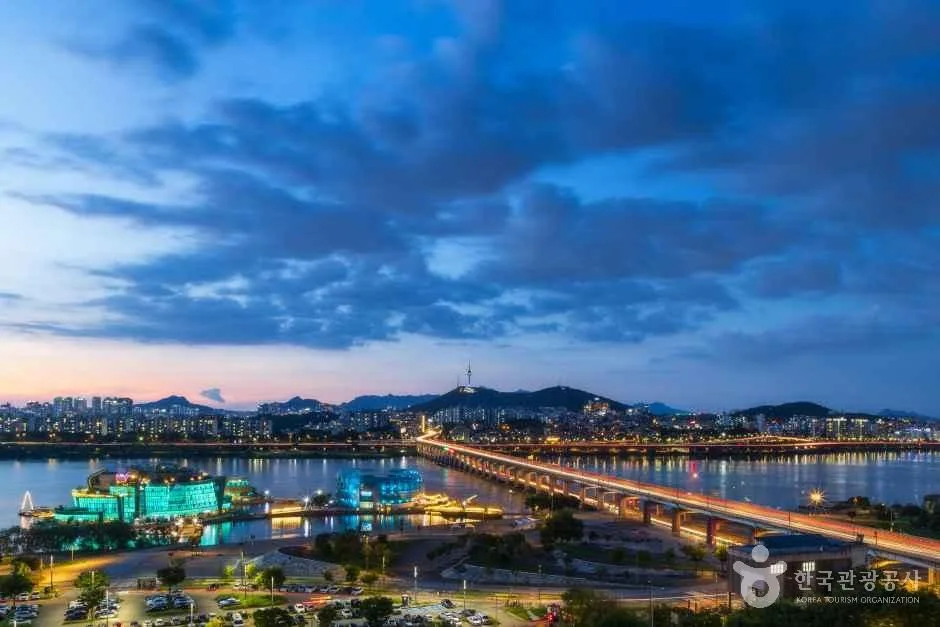
Seoul seamlessly blends centuries-old traditions with cutting-edge modernity, offering visitors a unique mix of experiences. From exploring ancient palaces to indulging in contemporary culinary delights, the city caters to a wide array of interests.
Explore Gyeongbokgung Palace
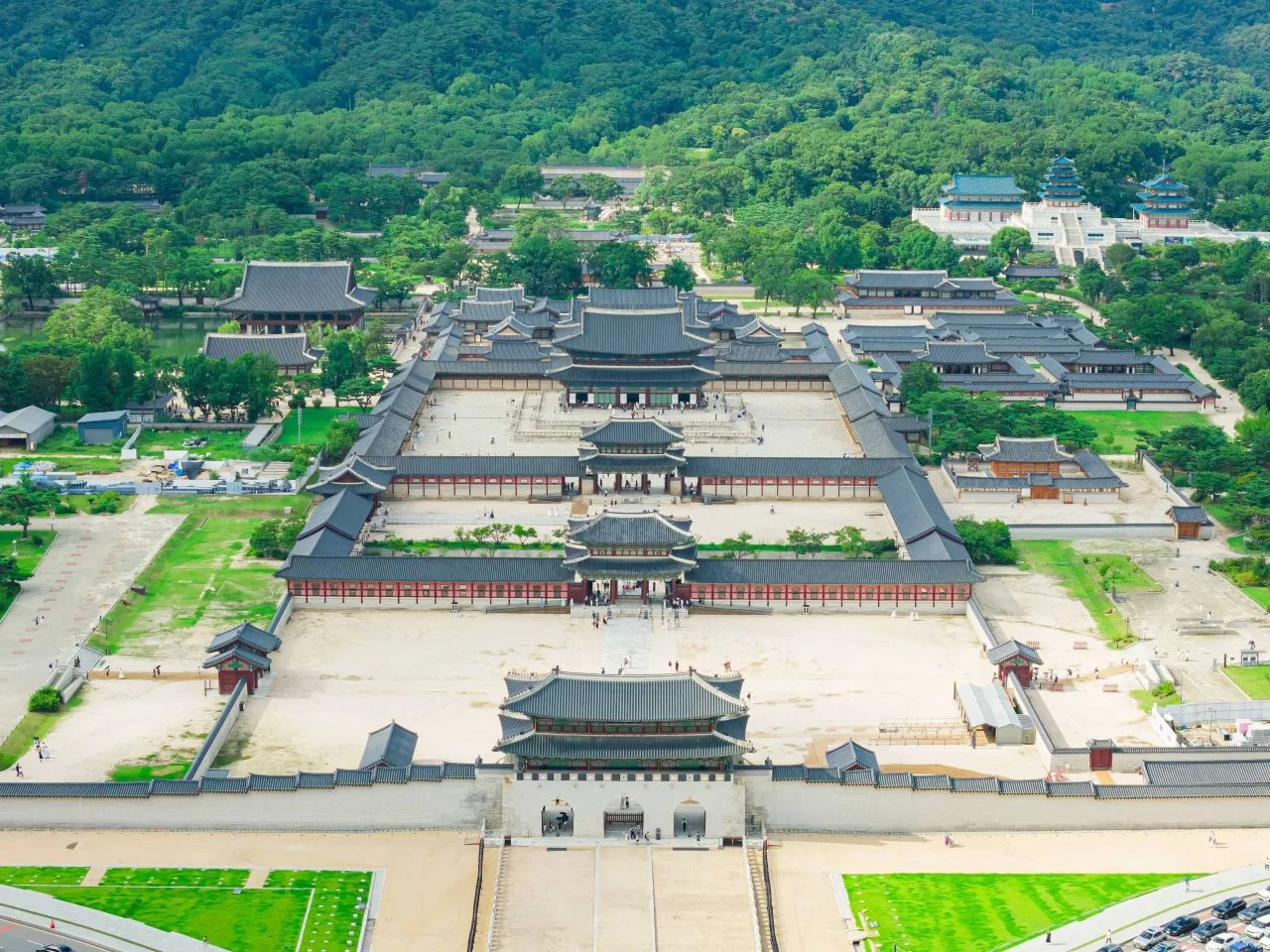
Gyeongbokgung Palace, built in 1395, is the largest and most iconic of Seoul’s five grand palaces, standing as a vivid reminder of Korea’s Joseon Dynasty roots. If you’re visiting Seoul for the first time, this is where I’d start. The complex covers a huge area and you can easily spend a couple of hours exploring the ornate gates, pavilions, and tranquil ponds. One of the highlights is the Royal Guard Changing Ceremony, held several times daily at Gwanghwamun Gate. It’s a colorful, photogenic spectacle, and even locals will pause to watch as the guards, dressed in traditional uniforms, march and perform. Admission is about ₩3,000, but if you rent or wear a hanbok (traditional Korean clothing), you get in for free—an easy way to add an extra layer of fun and snap some authentic photos.
I always tell people not to rush through Gyeongbokgung. There’s a quiet dignity to the palace grounds, especially if you wander behind the main halls where crowds thin out. The palace is also conveniently located near other major sites, so you can pair your visit with nearby museums or a walk through the historic neighborhoods. If you’re interested in the broader story of Seoul’s royal palaces, I recommend reading our guide to the five grand palaces before you go.
---
Stroll through Bukchon Hanok Village
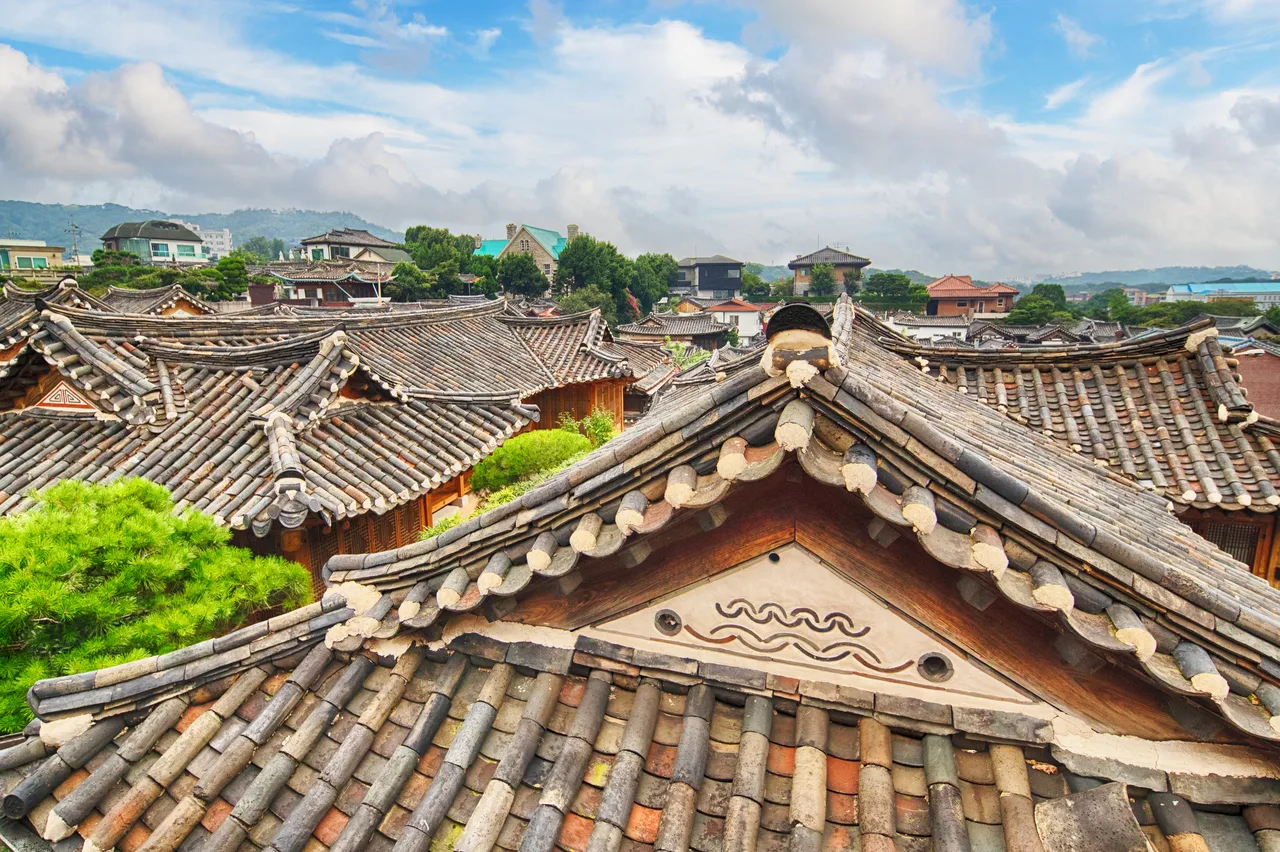
Bukchon Hanok Village is my favorite place in Seoul for wandering without a plan. Tucked between Gyeongbokgung and Changdeokgung Palaces, Bukchon is a living neighborhood filled with hanoks—traditional Korean houses with elegant tiled roofs and wooden frames. Walking through its narrow alleys feels like stepping back in time, but with the city’s skyline peeking over the rooftops, you’re never far from modern Seoul.
What makes Bukchon special isn’t just the architecture, but the way you see contemporary life and history sharing the same space. Some hanoks are still private homes, while others have become quaint guesthouses, tea rooms, or small craft shops. I always advise visitors to tread quietly and respectfully—this is a residential area, and you’ll often spot residents going about their day. Early morning or late afternoon is the best time to stroll, when the light is soft and tour groups are thinner. If you’re a fan of K-dramas, you might recognize some of these winding lanes from your favorite shows, and our drama filming locations guide highlights a few of the most photogenic spots.
You don’t need a ticket to explore Bukchon, but I recommend comfortable shoes—the hills can be steep. It’s an ideal place to slow down, take photos, and get a sense of the quieter side of Seoul.
---
Shop and dine in Myeongdong
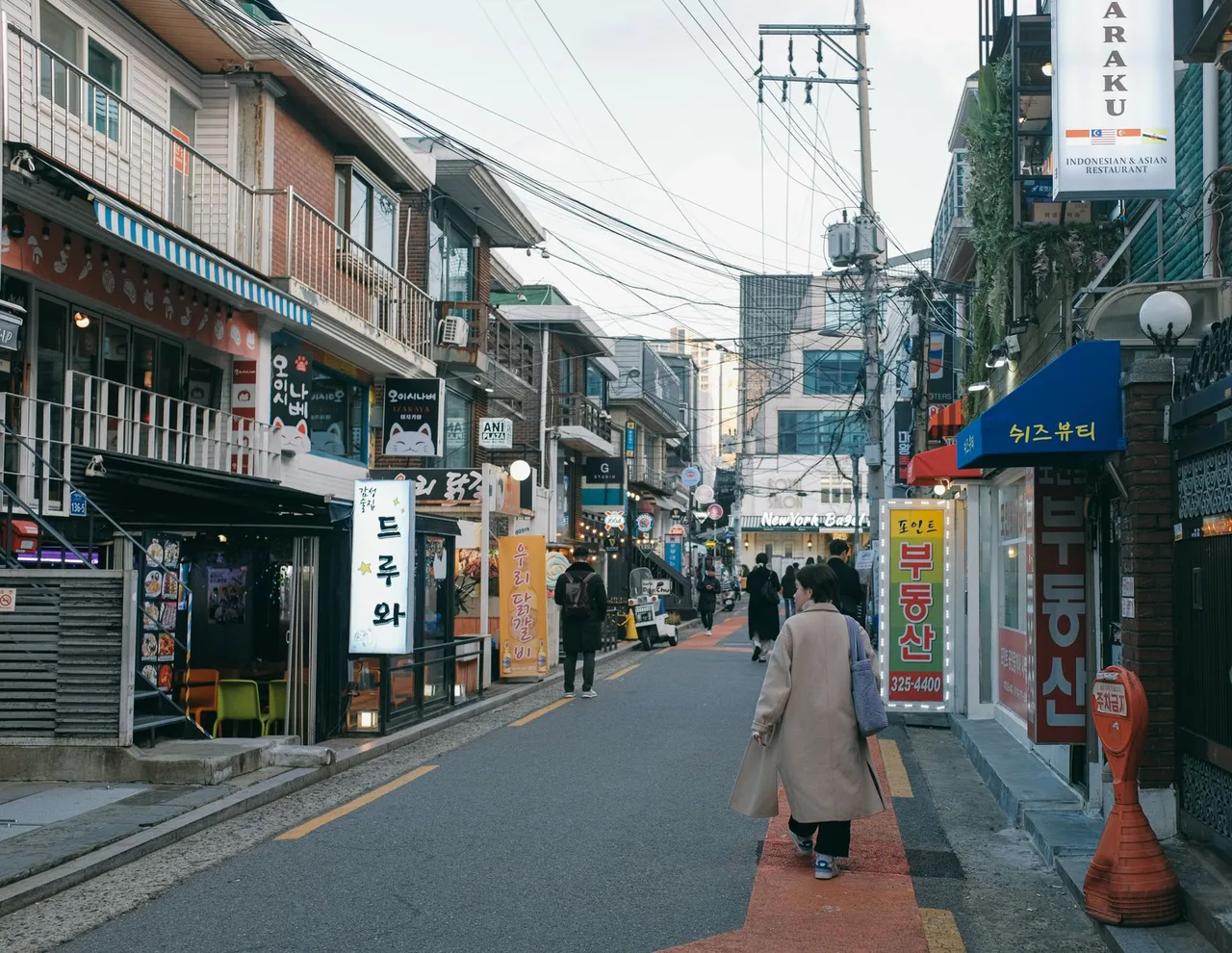
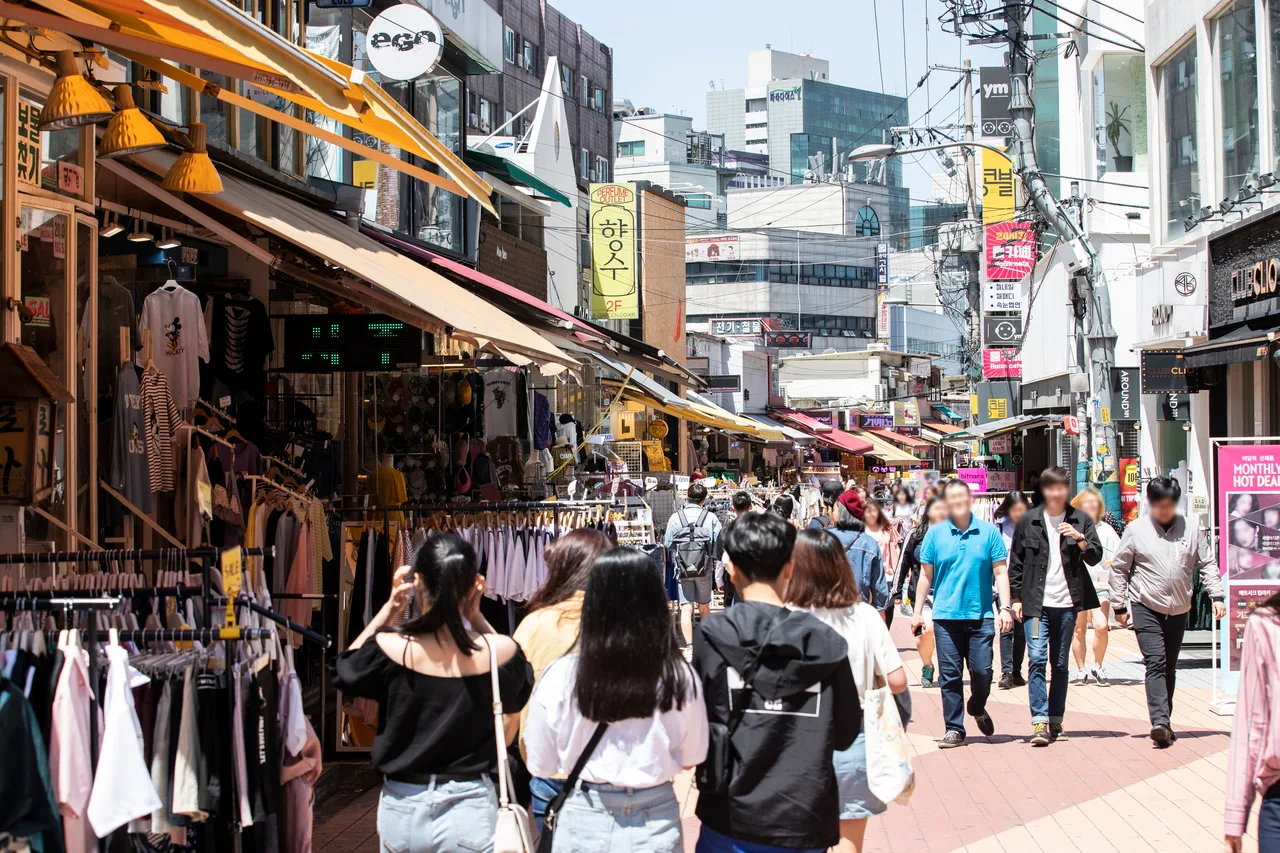
If you want to experience the energy of Seoul’s shopping scene, Myeongdong is the place I always mention first. It’s a district that never seems to slow down, packed with fashion boutiques, cosmetic stores, and endless food stalls. For K-beauty fans, it’s paradise: brands like Innisfree, Etude House, and Olive Young line the main street, often with exclusive deals you won’t find elsewhere. I’ve seen people spend hours just hopping from one beauty shop to another, hunting for the latest product launches.
The real draw for me, though, is the street food. From spicy tteokbokki (rice cakes) to fluffy egg bread and crispy fried chicken skewers, the variety is dizzying. You’ll see vendors grilling, frying, and serving up snacks right in front of you, and it’s perfectly normal to eat as you wander. Prices vary, but you can fill up without breaking the bank. Even if shopping isn’t your thing, the spectacle of neon lights, music, and crowds is worth a walk-through.
Myeongdong is most alive in the afternoon and evening, so time your visit to catch the district at its peak. If you’re new to Korean skincare, check out our K-beauty beginners’ guide to make sense of the options before you go.
Visit N Seoul Tower
N Seoul Tower, perched atop Namsan Mountain, is where you’ll find some of the best panoramic views in all of Seoul. The moment you step out onto the observation decks, the city’s sprawl stretches out in every direction—especially stunning at sunset or after dark when the lights flicker on. You’ll see locals and couples lining up to snap photos and add their locks to the famous “love padlock” fences, a ritual that’s become almost as iconic as the tower itself. The walk up Namsan is a highlight if you’re up for a bit of exercise, but there’s also a cable car for an easier ascent. I always recommend timing your visit for late afternoon so you can catch both daylight and nighttime cityscapes without having to come back twice. The areas around the base of the tower are great for a snack break or just people-watching—there’s a steady stream of both tourists and Seoulites. If you’re planning your itinerary, N Seoul Tower is a solid anchor in any first-time Seoul travel plan. For more ideas on what to see around the city, check out our guide to Seoul travel places.
Experience Hongdae's nightlife
Hongdae is where Seoul’s youthful side really comes alive after dark. Anchored around Hongik University, this neighborhood pulses with live music, indie bands, and street performances that spill out onto busy streets. The energy here is hard to overstate—crowds ebb and flow from neon-lit bars, quirky cafes, and clubs with barely a lull, especially on weekends. If you want to catch a local band or DJ, just follow the sound; many venues have open doors and you can often catch a set without a cover charge. What I like about Hongdae is you never feel out of place, no matter your age or style—everyone seems to be here for a good time. You’ll also find street food stalls and late-night eateries to fuel you through the night, and the people-watching is top notch. For those interested in K-pop or just the creative pulse of modern Seoul, Hongdae is a natural stop. You’ll want to check our K-pop industry guide if you want to dig deeper into this scene.
Relax along the Han River
If you need a break from Seoul’s pace, the Han River is where I’d head every time. The river cuts through the heart of the city, lined with wide parks that draw families, cyclists, joggers, and friends out for picnics. There’s a calm here you won’t find in the shopping districts or palace grounds—just open sky, green spaces, and the occasional breeze off the water. Renting a bike is easy and gives you access to dozens of kilometers of riverside paths, but you can just as easily grab some convenience store snacks and sprawl out on the grass. I’ve found the Han River parks to be a favorite spot for locals, especially during the warmer months, with people barbecuing or flying kites as the sun goes down. It’s also the stage for some of Seoul’s best festivals and summer events, so check for seasonal happenings if you’re visiting mid-year. For an even more festive experience, take a look at our Korea summer festivals guide.
Discover Insadong's traditional markets
Insadong is where I always send friends who want to feel Korea’s artistic side without the tourist kitsch of bigger shopping streets. The main road and its side alleys are lined with antique shops, small art galleries, and traditional tea houses that make it easy to spend hours wandering. You’ll find everything from delicate calligraphy brushes to hand-painted ceramics, and if you’re lucky, you might stumble into a gallery showing new work by a local artist. I find it’s the best place to pick up souvenirs that don’t feel mass-produced—think old Korean coins, vintage postcards, or hand-carved wooden stamps.
Tea culture is woven into the Insadong experience. I always recommend taking a break in one of the old-school tea houses hidden upstairs or behind wooden doors. These spaces are quiet, with low tables and floor seating, serving traditional teas and snacks that have been part of Korean daily life for centuries. If you’re curious about what to order or the etiquette, check out our guide to Korean tea culture.
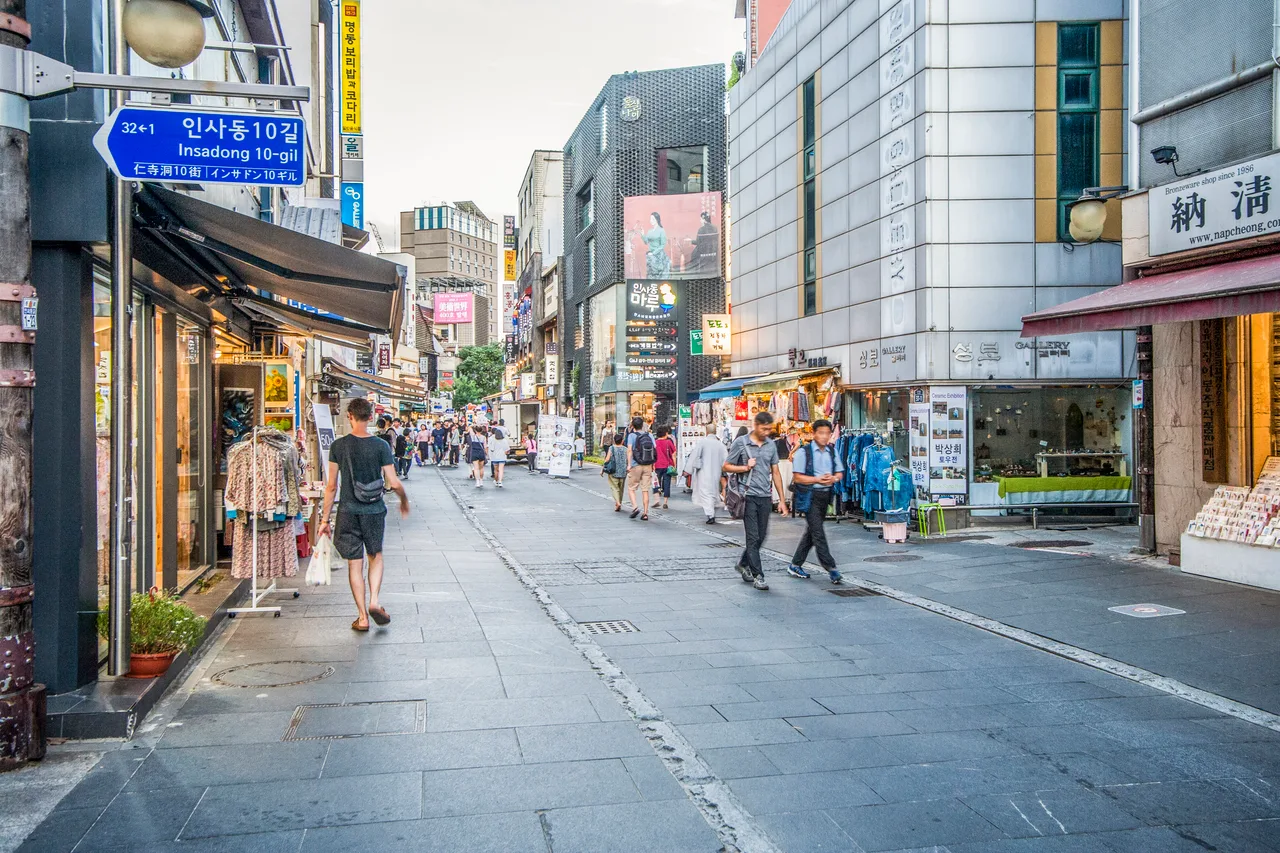
Insadong isn’t just about shopping—it’s a window into Korea’s creative traditions. From street calligraphers to craftspeople restoring old paper fans, the whole area feels like a living museum. Skip the big-name chain cafés here and focus on the independent spots that have been around for decades. I always leave Insadong with something small, a piece of the city’s story in my bag.
Explore Dongdaemun Design Plaza
Dongdaemun Design Plaza, or DDP, is where Seoul’s creative pulse beats loudest. The first time I saw its futuristic curves, I understood why it’s become such a symbol of the city’s modern ambitions. Designed by Zaha Hadid, DDP looks like it belongs in a sci-fi movie, but it’s very much part of the present—hosting fashion shows, major art exhibitions, and design events all year.
If you’re interested in contemporary Korean design, this is the place to see what’s trending now. The exhibitions change frequently, so I always check the schedule ahead of my visit. Even the outdoor spaces around DDP are worth exploring, especially at night when the building lights up and the area comes alive with pop-up stalls and night market food. I’ve found some of my favorite street food here, from tteokbokki to creative fusion snacks you don’t see elsewhere.
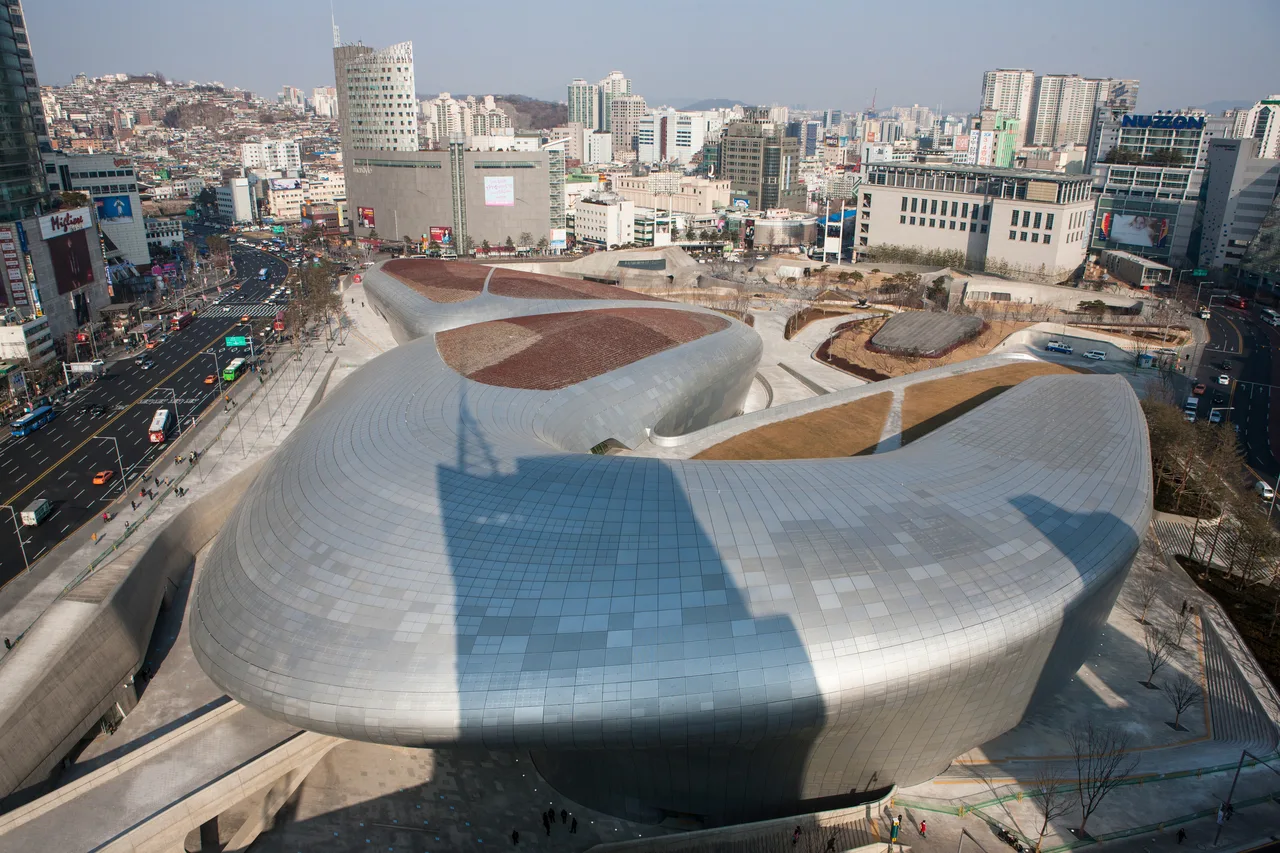
You don’t need to be an architecture buff to appreciate DDP; just walking the undulating ramps and open courtyards is an experience. For fashion lovers, Dongdaemun’s surrounding market district is legendary—open well into the night, with everything from fabric shops to fast fashion vendors. DDP isn’t just a place to take cool photos; it’s where you feel the city’s energy and see how tradition and innovation coexist in modern Korea.
Enjoy Lotte World amusement park
Lotte World is Seoul’s answer to a rainy day or any day you want a break from sightseeing. As the world’s largest indoor theme park, it’s a reliable escape no matter the weather, and having both indoor and outdoor sections means there’s always something going on. I recommend starting indoors, where you’ll find classic rides, parades, and performances beneath a glass dome. The atmosphere is lively but not overwhelming, and it’s surprisingly easy to navigate even if you don’t speak Korean.
If you’re traveling with kids or just love roller coasters, the outdoor Magic Island area adds another layer of adventure, with more thrill rides and a castle backdrop that feels straight out of a K-drama. Lotte World isn’t just about rides, though—the ice skating rink is a highlight, especially in the winter months, and there are plenty of places to grab a snack or rest between attractions.
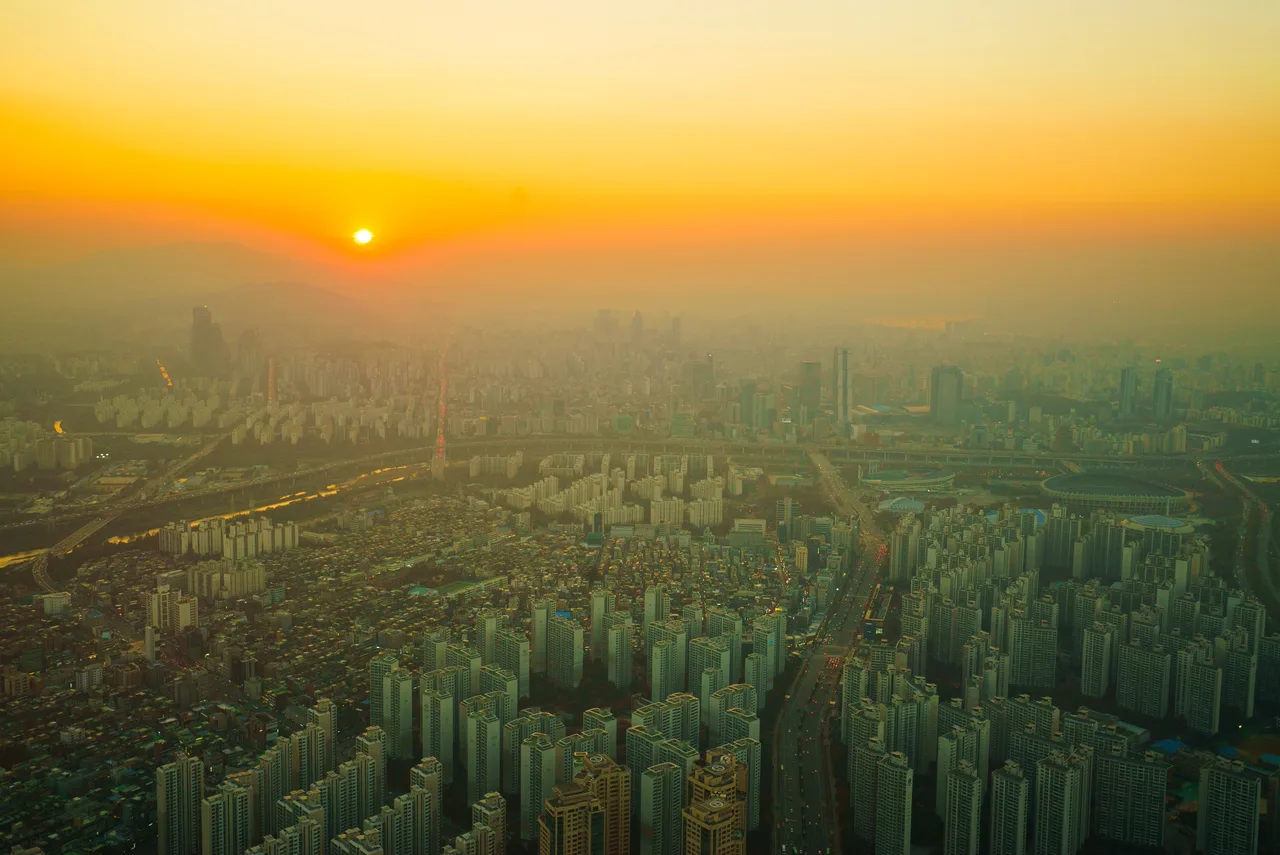
I find Lotte World’s location incredibly convenient, with direct subway access so you don’t need to worry about complicated transfers. If you’re planning a longer stay in Seoul, consider pairing Lotte World with other stops on our 10-day Korea itinerary—it’s a great way to balance history and modern fun. Don’t expect Disneyland-level theming, but for an authentic local amusement park experience, Lotte World delivers every time.
Seoul's diverse attractions ensure that every visitor finds something to cherish, from historical sites to modern entertainment hubs. Plan your itinerary to experience the city's multifaceted charm.
Location
Seoul, South Korea
View on Google MapsFrequently asked questions
What is the best time to visit Seoul?
Spring (April to June) and autumn (September to November) offer pleasant weather and vibrant natural scenery, making them ideal times to visit Seoul.
Is public transportation in Seoul tourist-friendly?
Yes, Seoul's public transportation system is extensive and user-friendly, with English signage and announcements to assist tourists.
Are there any traditional markets worth visiting in Seoul?
Yes, markets like Gwangjang Market and Namdaemun Market offer authentic Korean street food and traditional goods.
Can I experience K-pop culture in Seoul?
Absolutely, areas like Hongdae and Gangnam are known for their K-pop culture, with numerous entertainment venues and themed cafes.
Are there any day trips from Seoul worth considering?
Yes, destinations like the DMZ, Nami Island, and Suwon's Hwaseong Fortress are popular day trips from Seoul.
Sources
This guide was researched using the references below. Prices and times change, so confirm anything time-sensitive on the official page before you rely on it.
Related guides
- Things to do in Seoul this weekendExplore Seoul this weekend with the Hangang River Festival, Official HIGE DANdism concert, and more. Enjoy cultural events, concerts, and outdoor activitie
- 10-day South Korea itinerary for first-time visitorsA comprehensive 10-day itinerary covering Seoul, Gyeongju, Busan, and Jeju Island, blending cultural landmarks, natural beauty, and culinary experiences.
- Top places to visit in SeoulExplore Seoul's blend of ancient palaces, lively markets, and modern attractions with this guide to the city's must-visit spots.
- Seoul travel passes: a comprehensive guide for visitorsExplore Seoul efficiently with travel passes like the Discover Seoul Pass and Climate Card, offering free entry to attractions and unlimited transit rides.
- Seoul travel guide for foreignersA comprehensive guide for foreigners visiting Seoul, covering transportation, budgeting, accommodations, dining, attractions, and cultural etiquette.
- Seoul travel cards: T-money, Climate Card, and WOWPASS explainedA guide to Seoul's travel cards for foreigners, covering T-money, Climate Card, and WOWPASS, including purchase, usage, and benefits.