Top places to visit in Seoul
Explore Seoul's blend of ancient palaces, lively markets, and modern attractions with this guide to the city's must-visit spots.
By Jae Park · Updated Jul 24, 2026
Seoul seamlessly blends its rich history with modern innovation, offering visitors a diverse range of experiences. From ancient palaces to busy shopping districts, the city caters to all interests.
Gyeongbokgung Palace: A journey through royal history
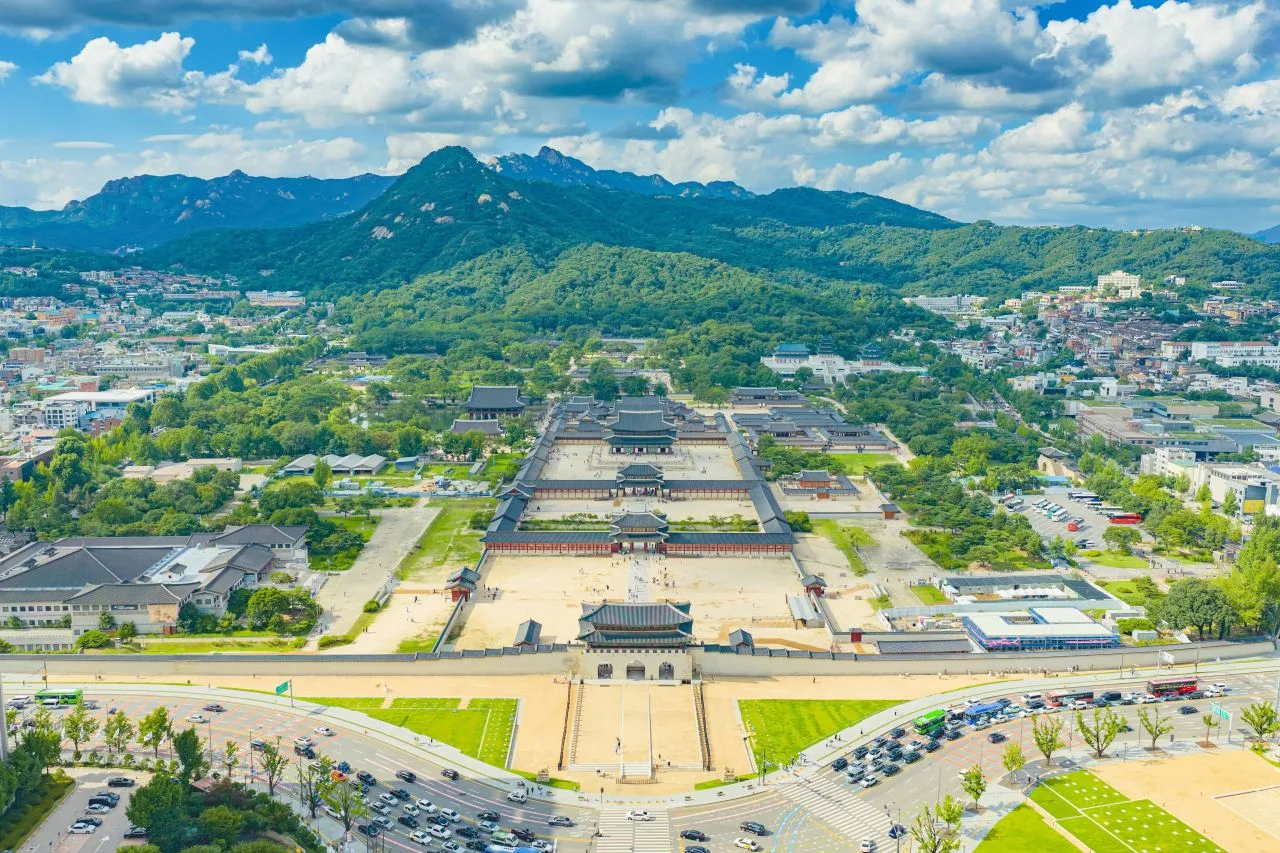
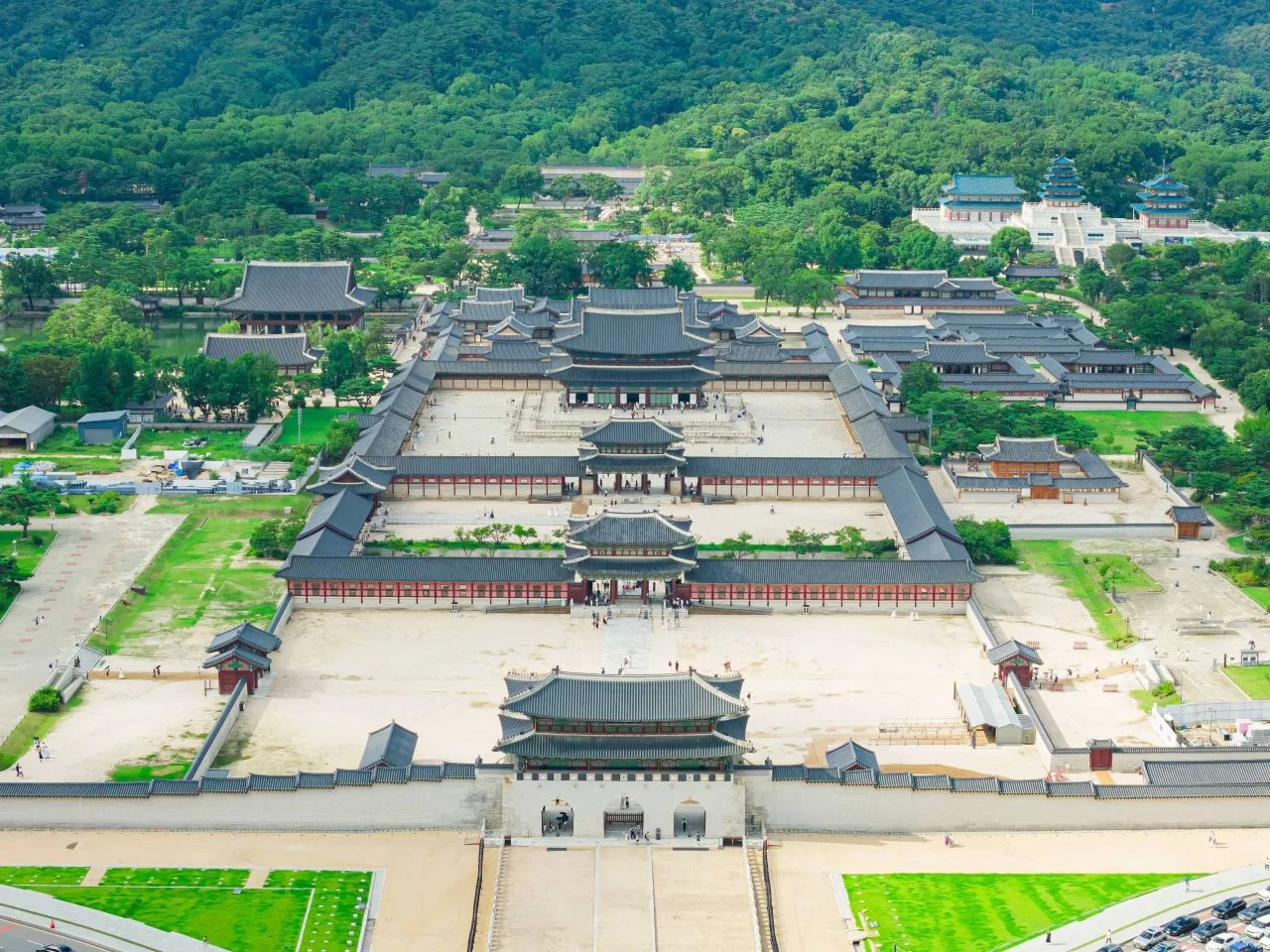
Gyeongbokgung Palace, built in 1395, stands as the most iconic symbol of Korea’s royal past. As the main residence of the Joseon Dynasty kings, its massive stone courtyards and ornate wooden halls instantly transport you back centuries. I always recommend arriving early, just before the Royal Guard Changing Ceremony at Gwanghwamun Gate—watching the guards in their colorful uniforms is one of those rare, free experiences that feels authentically Korean. The ceremony is held several times a day, and you don’t need a ticket to watch; just stand by the main gate and enjoy the show.
Entry to the palace grounds costs ₩3,000, but here’s a tip: if you rent or wear a hanbok (traditional Korean attire), admission is completely free. This has made hanbok rental shops around the palace quite popular—especially among K-drama and K-pop fans hoping to recreate scenes from their favorite shows. Inside, you can explore the throne hall, king’s quarters, and tranquil lotus ponds. Each corner has its own story, and the sheer scale of the complex can be surprising even for regular visitors like me.
Gyeongbokgung isn’t just about the buildings. It’s a living piece of Seoul’s history, and wandering its grounds gives you a sense of how the city’s past and present connect. For a deeper dive, check out our guide to Seoul’s five grand palaces.
Bukchon Hanok Village: Traditional architecture in the heart of the city
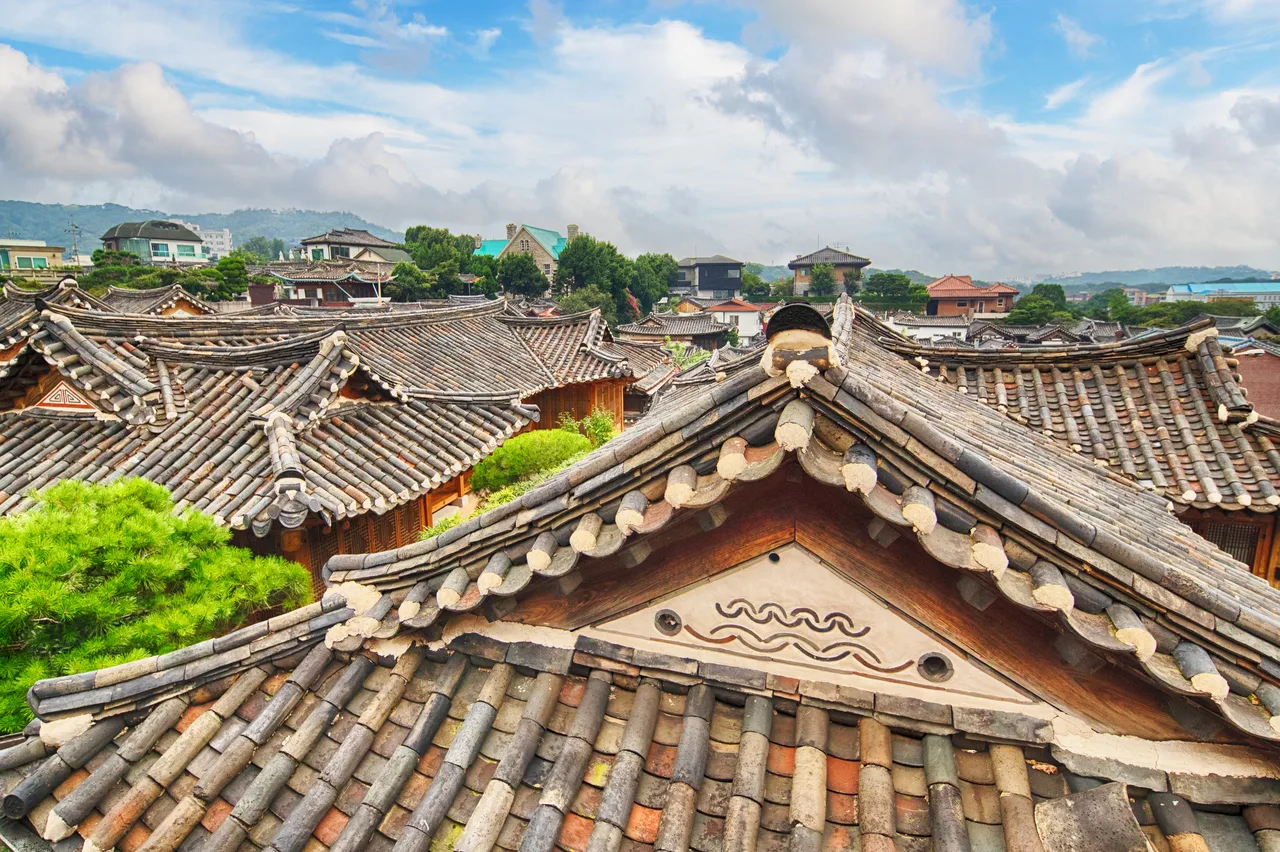
Bukchon Hanok Village sits quietly between Gyeongbokgung and Changdeokgung Palaces, offering a rare look at Seoul’s traditional side. The area is famous for its hundreds of hanoks—wooden Korean houses with curved tiled roofs and small courtyards. Whenever I walk these narrow lanes, I’m struck by how close you feel to the rhythms of old Seoul. It’s not a museum, but a real neighborhood where people live and work, giving you a candid view into daily life.
Many hanoks have been thoughtfully restored, and you’ll spot everything from artisan workshops to intimate tea houses behind their wooden gates. Some hanoks serve as small museums or cultural centers, where you can try calligraphy or learn about Korean crafts. Others are guesthouses, letting you actually spend the night in a space that feels very different from a modern hotel. I find the quietest moments come early in the morning, before groups arrive—then, you can really hear the echo of footsteps on stone and appreciate the details of the tiled eaves.
Bukchon is especially loved by photographers and travelers hunting for that classic Seoul photo. If you’re curious about more traditional villages, our Korean Folk Village guide is a good next step.
Myeongdong: A shopper's paradise
Myeongdong is the place I send anyone who wants to see Seoul’s modern energy up close. This district is packed with beauty and skincare shops, fashion boutiques, and enough street food stalls to tempt you at every corner. You can easily spend hours here, comparing the latest K-beauty launches or hunting for quirky accessories you won’t find anywhere else. The neon signs and crowds can feel overwhelming at first, but that’s part of the appeal—especially at night when everything lights up.
What stands out to me in Myeongdong is how it blends shopping with street food culture. You’ll see vendors frying hotteok (sweet pancakes), grilling skewers, and serving up spicy tteokbokki right on the sidewalk. It’s easy to snack as you browse, and sometimes the food carts draw longer lines than the shops. For those interested in Korean skincare, many of the flagship stores offer English-speaking staff and generous samples. If you’re new to K-beauty, our Olive Young guide can help you make sense of it all.
Myeongdong isn’t just about buying things—it’s about feeling the pulse of Seoul. I always leave with something unexpected in my bag, and a few new street food favorites.
N Seoul Tower: Panoramic views of the city
N Seoul Tower stands tall atop Namsan Mountain, offering visitors sweeping 360-degree views that stretch across Seoul’s ever-changing skyline. I still remember my first ride up in the cable car, watching the city shrink beneath the tree canopy before stepping out to crisp mountain air. If you’re up for a bit of exercise, the hike through Namsan Park is scenic and rewarding, with winding trails and lookout points along the way. Once at the top, the tower’s observation deck is a favorite spot for couples, especially around sunset when the city glows and the Han River reflects the evening light. The tower isn’t just about the view—there are cafes, restaurants, and gift shops inside, so you can linger over coffee or pick up a souvenir. On my last visit, I noticed the famous “Locks of Love” fences, where couples leave padlocks as a symbol of their relationship—a tradition that’s become iconic here. Whether you take the cable car up for convenience or hike for the accomplishment, the experience is a true Seoul memory. Don’t forget your camera, because the cityscape really is photogenic from every angle.
Insadong: The cultural heart of Seoul
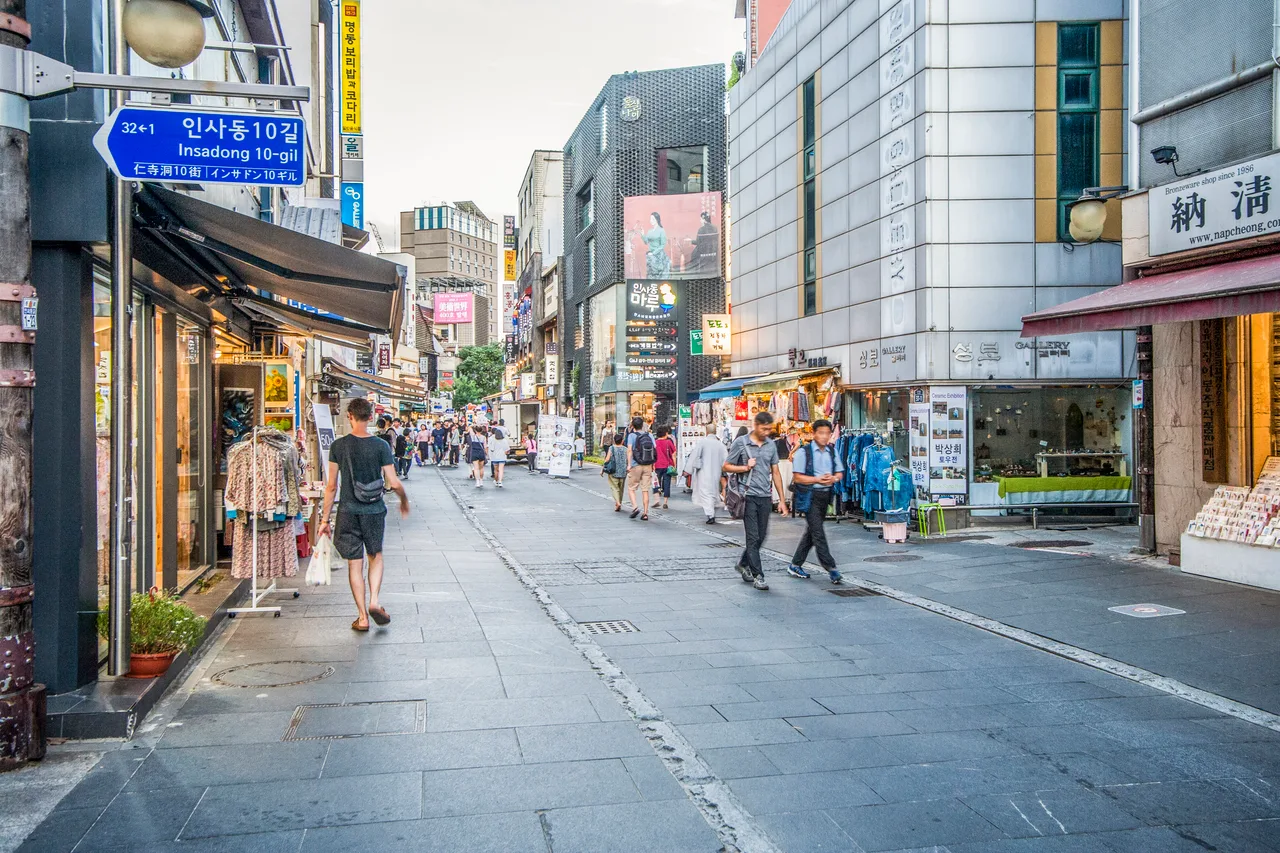
Insadong is where you’ll feel Seoul’s old-meets-new energy most clearly. The main street and its alleys are lined with art galleries, antique shops, and traditional tea houses that hint at Korea’s long artistic tradition. I like to wander here when I’m looking for unique gifts—a hand-painted fan, calligraphy brushes, or ceramics you won’t find in typical stores. The area is alive with street performers and small exhibitions, and it’s easy to lose track of time browsing handcrafted goods or watching an artist at work. The tea houses are my favorite part, offering a peaceful break from the crowds. If you’re curious about Korean tea, don’t miss our guide to Korean tea culture, since some of the best places to try it are tucked into these winding streets. Insadong has always been a gathering place for artists and intellectuals, and today it’s just as welcoming to visitors looking to connect with Korea’s creative side. On weekends, the area gets busy, but that’s half the fun—the atmosphere is lively and there’s always something new to discover.
Dongdaemun Design Plaza: A hub of modern design
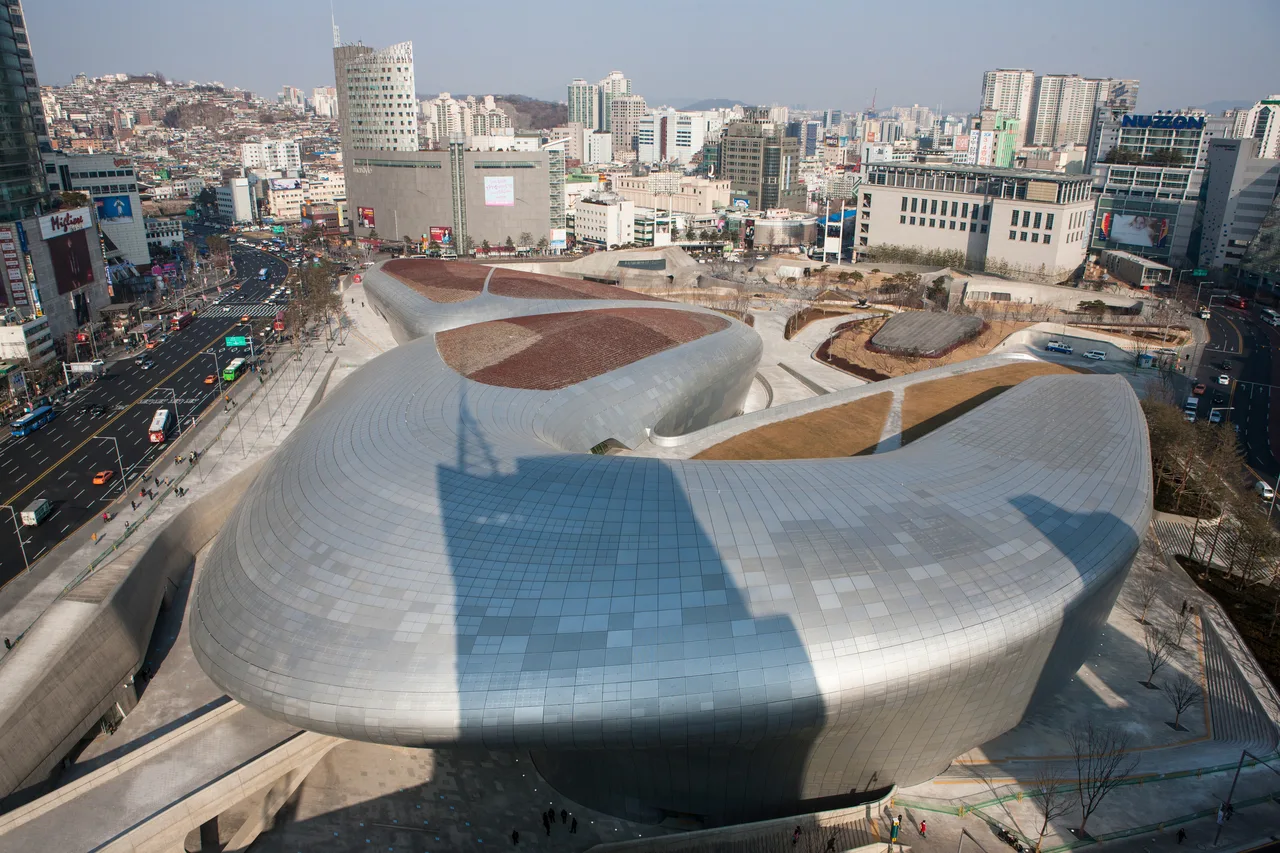
Dongdaemun Design Plaza, or DDP, is impossible to miss thanks to its futuristic curves and silver façade. Designed by Zaha Hadid, the building itself is as much a reason to visit as the events it hosts. I was genuinely impressed the first time I walked under the sweeping arches and saw how seamlessly the structure blends into the surrounding plaza. DDP is the heartbeat of Seoul’s design and fashion scene. Throughout the year, you’ll find fashion shows, product launches, and art exhibitions happening here. I once stumbled into a design market by accident and ended up chatting with local artists selling their work. The plaza is open day and night, and the LED rose garden looks especially surreal after dark. If you’re interested in Korea’s creative industries, this is where trends often start. There’s also a design museum and plenty of pop-up shops, so even if you’re not attending a big event, you can still get a taste of what’s current in Korean design. The whole Dongdaemun area is lively, but DDP is the clear focal point for anyone curious about Seoul’s modern, innovative side.
Hongdae: The youthful and artistic district
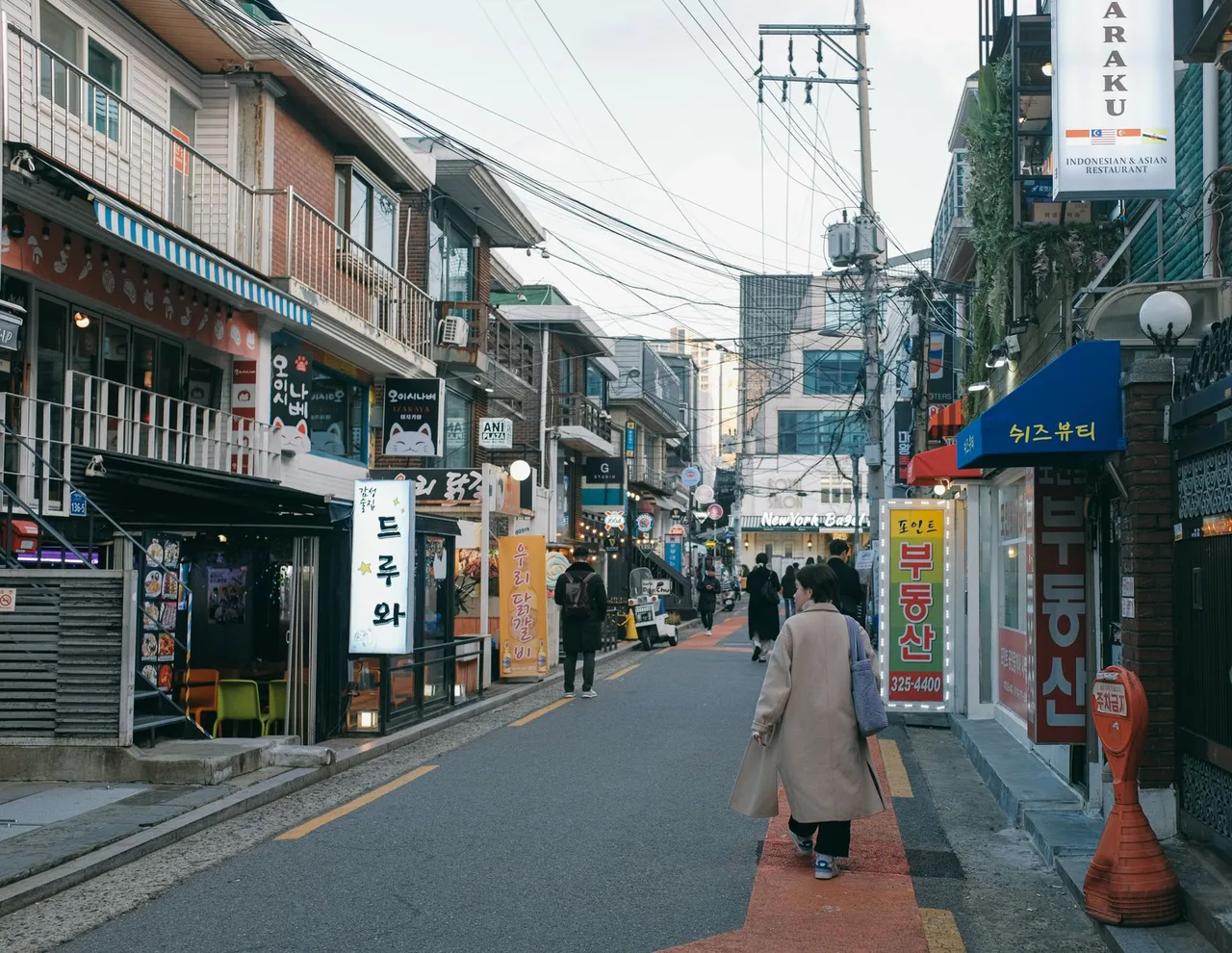
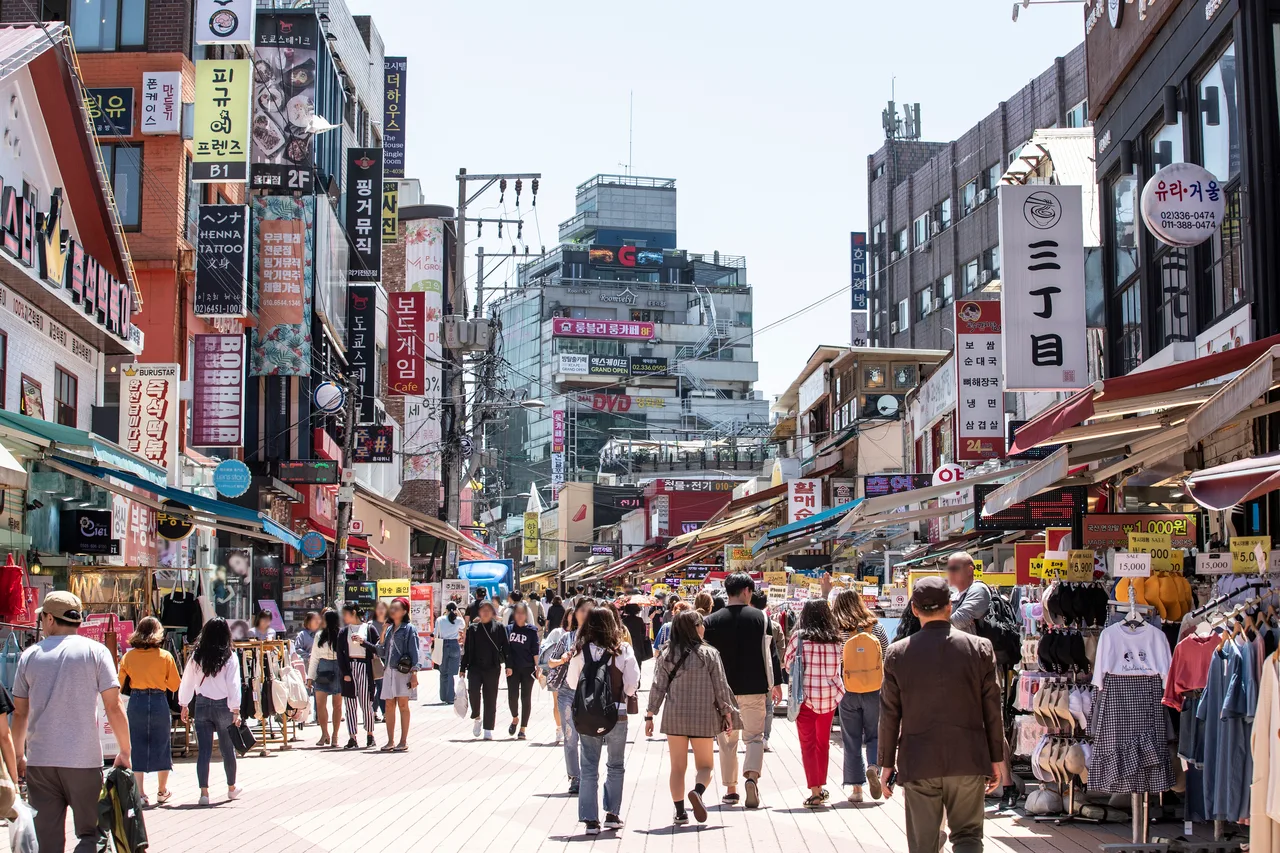
If you want to see where Seoul’s youth culture really thrives, Hongdae is the place. Located just steps from Hongik University, this area has a pulse that’s hard to find anywhere else in the city. The streets are alive with indie musicians busking on weekends, and you’ll often catch spontaneous dance crews performing for enthusiastic crowds. Even if you’re not a night owl, the atmosphere here is infectious any time of day.
Hongdae is also a haven for those who love quirky or creative spaces. There’s a seemingly endless line-up of unique cafes—some themed, some just beautifully decorated—where students and artists linger over coffee and conversation. Independent boutiques and small art galleries line the alleys, showcasing everything from handmade jewelry to experimental paintings. It’s one of the few places in Seoul where you can still feel that raw, creative energy that hasn’t been polished away by big brands.
The district’s nightlife is legendary, with bars, clubs, and live music venues tucked into every corner. But for me, the real charm is in its casual street culture. I love wandering the main drag on a Friday night, picking up an iced coffee, and watching the crowds ebb and flow. If you’re into K-drama locations or themed cafes, check out our guide to K-drama cafes and spots in Seoul. Hongdae is the kind of place that keeps surprising you, no matter how many times you visit.
Lotte World: Fun for all ages
For pure entertainment, you can’t beat Lotte World. This massive complex is famous for having the world’s largest indoor theme park, which means you can enjoy rides and attractions year-round, rain or shine. The indoor park is only half the story—just outside, you’ll find the Magic Island amusement park with roller coasters and a fairytale castle set on a lake. I remember my first visit here: even as an adult, it was impossible not to get swept up in the excitement.
But Lotte World isn’t just about thrill rides. The complex also houses a sprawling shopping mall, a luxury hotel, movie theaters, and even an ice-skating rink. It’s a place where families, couples, and groups of friends can easily lose track of time. On weekends and holidays, it can get crowded, but if you visit on a weekday morning, the lines tend to be much shorter.
What I appreciate most is how accessible everything is once you’re inside. Since it’s all connected, you can hop from the theme park to the food court to the shops without ever stepping outside. If you’re traveling with kids or just want to let your inner child run wild, Lotte World delivers. It’s a place where you can make a full day of memories, rain or shine.
Han River Parks: Relaxation amidst the city
When you need a breather from Seoul’s urban rush, the Han River parks are the answer. Stretching along the riverbanks, these parks offer miles of cycling paths, picnic spots, and grassy fields where locals and visitors unwind. Yeouido Hangang Park stands out, especially during spring when cherry blossoms turn the paths into a pink-and-white tunnel. On weekends, you’ll see families flying kites, couples renting tandem bikes, and friends sharing fried chicken on picnic mats.
The river parks aren’t just for lazy afternoons. You can rent bikes, try water sports like kayaking or paddleboarding, or simply people-watch as the sun sets over the city skyline. I’ve spent entire afternoons here just reading under a tree or joining a pickup soccer game. Unlike other tourist spots, Han River parks let you blend in with Seoulites going about their everyday leisure.
If you’re in Seoul during cherry blossom season, Yeouido is a must for the full flower-viewing experience—check out our cherry blossom guide for timing tips. Even outside of spring, the river parks are worth visiting in any season. Bring a snack, rent a bike, and see a side of Seoul that’s laid-back and refreshingly local.
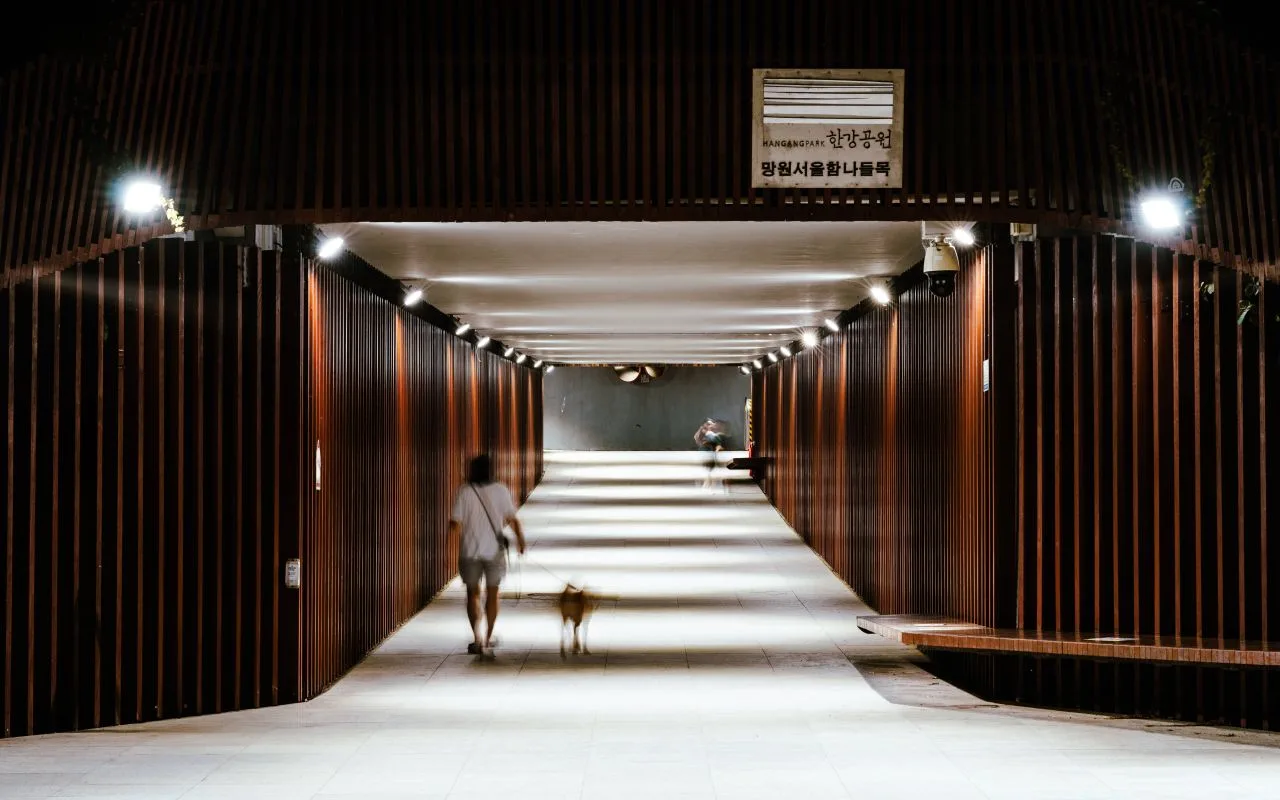
Seoul's diverse attractions ensure that every visitor finds something to cherish. Whether you're exploring ancient palaces or enjoying modern entertainment, the city promises unforgettable experiences.
Location
Seoul, South Korea
View on Google MapsFrequently asked questions
What is the best time to visit Seoul?
Spring (April to June) and autumn (September to November) offer pleasant weather and beautiful natural scenery, making them ideal times to visit Seoul.
Is public transportation in Seoul tourist-friendly?
Yes, Seoul's public transportation system is extensive and user-friendly, with signs and announcements available in English, making it convenient for tourists.
Are there any free attractions in Seoul?
Many attractions, such as the Royal Guard Changing Ceremony at Gyeongbokgung Palace and exploring Bukchon Hanok Village, are free of charge.
Can I use credit cards in Seoul?
Credit cards are widely accepted in Seoul, but it's advisable to carry some cash for small vendors or street food stalls.
Is it necessary to speak Korean to navigate Seoul?
While knowing basic Korean phrases can be helpful, many signs are in English, and younger Koreans often speak some English, making it manageable for non-Korean speakers.
Sources
This guide was researched using the references below. Prices and times change, so confirm anything time-sensitive on the official page before you rely on it.
Related guides
- Things to do in Seoul this weekendExplore Seoul this weekend with the Hangang River Festival, Official HIGE DANdism concert, and more. Enjoy cultural events, concerts, and outdoor activitie
- Top things to do in Seoul, KoreaExplore Seoul's rich history, lively neighborhoods, and unique experiences with our curated guide to the city's top attractions and activities.
- 10-day South Korea itinerary for first-time visitorsA comprehensive 10-day itinerary covering Seoul, Gyeongju, Busan, and Jeju Island, blending cultural landmarks, natural beauty, and culinary experiences.
- Seoul travel passes: a comprehensive guide for visitorsExplore Seoul efficiently with travel passes like the Discover Seoul Pass and Climate Card, offering free entry to attractions and unlimited transit rides.
- Seoul travel guide for foreignersA comprehensive guide for foreigners visiting Seoul, covering transportation, budgeting, accommodations, dining, attractions, and cultural etiquette.
- Seoul travel cards: T-money, Climate Card, and WOWPASS explainedA guide to Seoul's travel cards for foreigners, covering T-money, Climate Card, and WOWPASS, including purchase, usage, and benefits.