What is minhwa, Korean folk painting?
Minhwa, meaning 'painting of the people,' is Korean folk art created by anonymous artists to depict everyday life and convey symbolic meanings.
By Jae Park · Updated Jul 22, 2026
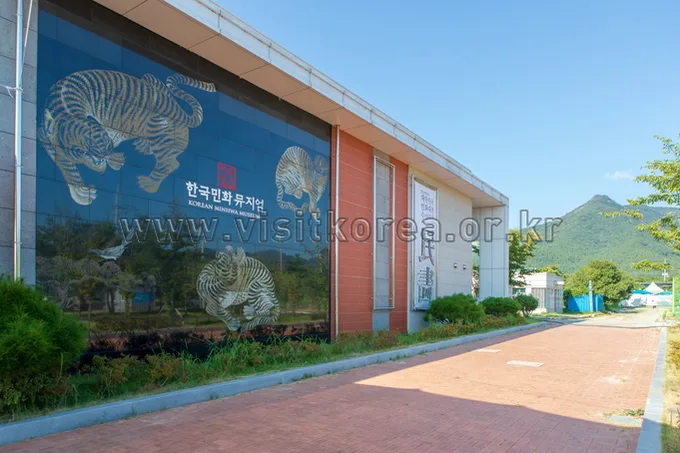
In the late Joseon dynasty, as Korea's commoner class gained prosperity, a unique art form called minhwa emerged. These lively paintings, crafted by anonymous artists, adorned homes and ceremonial spaces, reflecting the hopes and beliefs of everyday people.
Origins and historical context
Minhwa, which translates to "painting of the people," first appeared during Korea’s late Joseon dynasty, roughly from the 17th to the 19th centuries. What sets minhwa apart from the formal court and literati painting of the time is both its audience and its creators: these works were made by anonymous, often itinerant artists who typically had no formal training. You can almost sense the hands of ordinary people behind the brushstrokes—minhwa was rooted in the daily lives, values, and beliefs of commoners, rather than the elite. Many of these paintings were intended for use in the home, either as decoration or as objects thought to provide protection and good fortune.
It’s fascinating to see how these folk paintings served practical functions. Families would hang them on walls or doors, believing in their power to ward off evil spirits or attract prosperity. Minhwa responded directly to the hopes and worries of everyday life, and the artists often traveled from village to village selling their work. This accessibility helped minhwa flourish as a truly grassroots art form. Over time, the genre evolved, reflecting changes in society and the spiritual climate of the era. Although modernization and colonial rule in the early 20th century led to its decline, minhwa saw a revival in the 1980s and is now recognized as an essential part of Korean visual culture. Today, if you visit places like the National Folk Museum of Korea, you’ll see minhwa celebrated for its honest, unpolished approach and the stories it tells about the lives of ordinary Koreans.
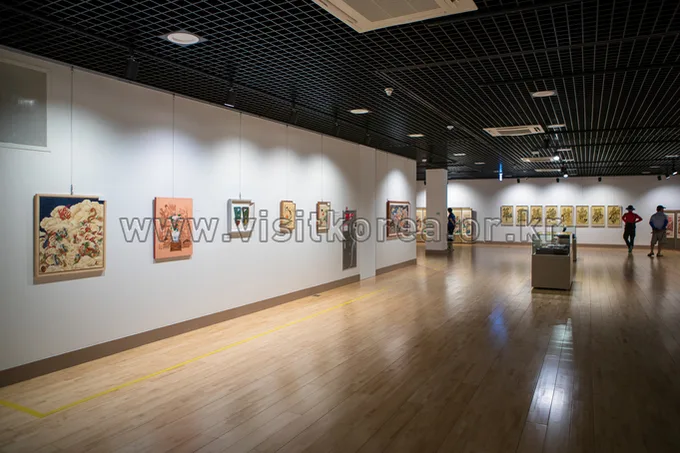
Common themes and motifs
What I find most charming about minhwa is its almost playful use of symbols and motifs, each loaded with meaning. Tigers, for example, appear frequently, and not as fearsome beasts but as somewhat comical guardians. In Korean folk belief, tigers offer protection from evil, making them a reassuring presence in household paintings. Magpies are another favorite, often depicted alongside tigers; they represent good news or coming fortune. There’s a delightful optimism in seeing a magpie perched above a tiger, as if the universe itself is delivering a lucky message.
Peonies are also common, their lush blooms signifying wealth and prosperity. When you see a painting filled with peonies, it’s easy to imagine the family who owned it hoping for abundance in their lives. Carp, meanwhile, swim through the waters of minhwa compositions, symbolizing academic or career success—especially meaningful for parents wishing their children a bright future. What ties all these motifs together is their connection to the hopes and values of everyday Koreans. Minhwa isn’t just decorative; it’s a visual language for expressing wishes and anxieties, a kind of folk talisman for the home. When I spot these motifs in museums or markets, I’m reminded that minhwa was, and remains, a way for people to shape their destinies through art.
Artistic characteristics
One of the things that drew me to minhwa the first time I saw it was how different it looked from the polished, formal art in palaces or scholarly homes, the kind you can still see across Seoul’s five grand palaces. Minhwa is bold and direct, using bright colors and simple lines that jump out at you. The artists often ignored the strict rules of perspective and proportion found in academic painting. Instead, they favored a more naive, sometimes almost childlike, way of seeing the world. This lack of refinement gives minhwa a feeling of honesty and approachability—I’ve seen people smile as they recognize familiar animals or plants, depicted in ways that feel both whimsical and sincere.
The untrained artists behind minhwa were not concerned with realistic representation. Instead, they focused on expressive storytelling. Tigers might have oversized heads and exaggerated features, while peonies bloom impossibly large. This freedom from convention allowed the artists to emphasize the symbolic meaning of each subject, making the intent of the painting clear for anyone who viewed it. Minhwa’s accessibility is part of its enduring appeal: you don’t need an art history degree to appreciate its charm. Even today, contemporary Korean artists find inspiration in minhwa’s unfiltered style, borrowing its bold colors and playful spirit to create new works that still speak to the hopes and humor of ordinary people.
Symbolism and cultural significance
Each element in minhwa, or Korean folk painting, carries a specific symbolic meaning tied to the everyday hopes and beliefs of the people who made and displayed them. Tigers, for example, are one of the most striking figures you’ll encounter in these works. They aren’t always depicted as fierce, regal animals—instead, minhwa tigers often have an almost comical air, intended to protect homes from evil spirits rather than inspire fear. Magpies are another favorite: their presence in a painting signals the arrival of good news or the promise of happiness. When you spot lush peonies, think of prosperity and wealth, as these flowers were believed to attract abundance. Carp swimming upstream symbolize success and perseverance, particularly in exams or personal ambitions, since the carp’s journey is likened to overcoming great obstacles.
The way these images were combined was never random. Minhwa paintings often hung in homes during special occasions, like weddings or birthdays, to bring luck, ward off misfortune, or encourage a particular blessing. For ordinary Koreans who couldn’t afford aristocratic or religious art, minhwa served as a way to weave their deepest wishes and everyday anxieties into something both beautiful and meaningful. Even today, when I see a minhwa tiger with a slightly goofy grin, I can’t help but smile at the very human hope for safety and joy that it represents.
Decline and revival
Minhwa’s popularity faded sharply in the early 20th century, as Korea underwent dramatic changes under colonial rule and modernization. During this period, Western artistic values and mass-produced goods started to replace many traditional crafts, and the anonymous, folk origins of minhwa were often dismissed as unsophisticated. It’s not hard to imagine how the humble, heartfelt motifs of minhwa fell out of favor during a time when the country’s identity itself was under threat.
Yet, minhwa was far from forgotten. In the 1980s, as Korea experienced a cultural awakening and renewed pride in its traditions—the same wave that revived folk arts like pansori storytelling and traditional gugak music—artists and scholars began to rediscover minhwa’s expressive power. I remember reading about how exhibitions in Seoul reintroduced these once-overlooked paintings to new generations, sparking a wave of interest in folk art. Today, minhwa isn’t just a relic of the past—it inspires contemporary artists and is featured in modern design, crafts, and even fashion. It’s common to find exhibitions dedicated to minhwa, and cultural festivals often incorporate live painting demonstrations. This revival has helped cement minhwa as a living tradition, cherished for its humor, warmth, and the glimpse it offers into the everyday dreams of ordinary Koreans.
Where to see minhwa today
You can experience minhwa firsthand at several places in Korea, with the National Folk Museum of Korea in Seoul being one of the most accessible and rewarding stops. There, you’ll find original minhwa paintings displayed alongside artifacts that put the art in context, making it easy to appreciate how these images once fit into daily life. Galleries such as Gallery Hyundai also feature rotating exhibitions that often highlight contemporary takes on minhwa, showing how modern artists are reinterpreting folk motifs.
But minhwa isn’t limited to formal museums. I’ve wandered through traditional markets and found stalls selling vivid minhwa paintings, sometimes painted right there by local artists. Cultural festivals, especially those themed around folk traditions or seasonal celebrations, often have minhwa exhibitions or hands-on workshops. If you’re feeling adventurous, many cultural centers and art studios offer workshops where you can try your hand at painting a tiger or magpie in the minhwa style, one of several places to try Korean crafts. This is a chance not only to learn the techniques but also to connect with the stories and wishes woven into each brushstroke. Even for a casual visitor, seeing minhwa in these settings brings the art form to life, far beyond the pages of a history book or a gallery wall.
Experiencing minhwa firsthand
If you’re curious about what it feels like to paint minhwa yourself, Korea offers plenty of opportunities to do just that. Cultural centers and art studios across the country regularly run minhwa workshops that welcome both locals and visitors, regardless of prior art experience. These sessions typically introduce you to the basics of traditional painting techniques—like the use of natural pigments and bold brushstrokes—and guide you through the process of creating your own piece featuring classic motifs such as tigers, peonies, or magpies. What I found most rewarding during a minhwa class in Seoul was the way instructors explained not just the technical steps but also the symbolic meanings behind each element. For example, as you paint a tiger, you learn how this animal was believed to guard households and bring safety. Painting a peony isn’t just about color and shape; you’re told why this flower represents prosperity and why it appears so often in folk art. Workshops often take place in community art spaces or even at local festivals, and you’ll usually get to bring your finished work home. Beyond technique, these sessions give you a real sense of minhwa’s role in everyday Korean life and its enduring appeal. It’s not unusual to see participants—from tourists to lifelong Seoulites—sharing stories about why they chose certain symbols or reminiscing about similar paintings seen in their grandparents’ homes. Creating minhwa by hand, even as a beginner, connects you to a centuries-old tradition that was always meant to be shared and enjoyed by ordinary people.
Exploring minhwa offers a unique insight into Korea's cultural heritage and the everyday lives of its people. Whether through visiting exhibitions or participating in workshops, engaging with this art form provides a deeper appreciation of its enduring significance.
Location
National Folk Museum of Korea, Seoul
View on Google MapsFrequently asked questions
What does 'minhwa' mean?
Minhwa translates to 'painting of the people' and refers to Korean folk art created by anonymous artists to depict everyday life and convey symbolic meanings.
What are common motifs in minhwa?
Common motifs include tigers, magpies, peonies, and carp, each symbolizing virtues like protection, good fortune, wealth, and success.
Where can I see minhwa in Korea?
Minhwa can be viewed at the National Folk Museum of Korea in Seoul, Gallery Hyundai, and during cultural festivals and traditional markets.
Can I learn to paint minhwa?
Yes, many cultural centers and art studios in Korea offer workshops where you can learn traditional minhwa painting techniques.
How did minhwa evolve over time?
Minhwa emerged during the late Joseon dynasty, declined in the early 20th century, and experienced a revival in the 1980s, continuing to influence contemporary art today.
Sources
This guide was researched using the references below. Prices and times change, so confirm anything time-sensitive on the official page before you rely on it.
Related guides
- Where to buy Korean pottery: a guide for foreignersDiscover where to purchase authentic Korean pottery, from traditional markets in Seoul to renowned ceramic towns, and learn about the rich history behind t
- Exploring traditional Korean art stylesAn in-depth look at traditional Korean art styles, including painting, ceramics, and crafts, highlighting their history and cultural significance.
- An introduction to Korean traditional dance for visitorsA clear guide to Korean traditional dance for foreigners: court and folk forms, buchaechum, talchum, salpuri, seungmu, and where to watch them live.
- Korean tea culture and where to experience itA visitor's guide to Korean tea, from Boseong's green tea fields and the darye ceremony to jujube and citron brews and where to drink it in Seoul.
- Korean traditional music (gugak) and where to hear itWhere to hear Korean traditional music in Seoul, from the National Gugak Center's Saturday concerts to Jongmyo rite music, plus what the sounds mean.
- Where to try Korean crafts: pottery, calligraphy and hanjiTry Korean pottery, calligraphy and hanji papermaking in Insadong, Icheon and Jeonju, with real prices, subway routes and how to book.