Exploring traditional Korean art styles
An in-depth look at traditional Korean art styles, including painting, ceramics, and crafts, highlighting their history and cultural significance.
By Jae Park · Updated Aug 15, 2026
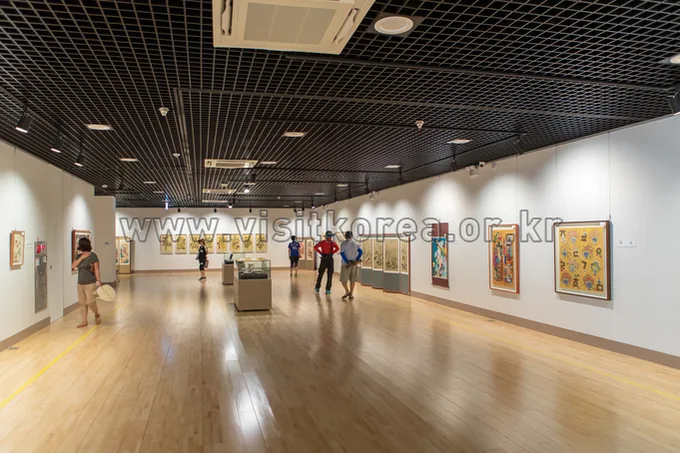
Traditional Korean art is a testament to the nation's rich history and cultural values, encompassing diverse styles such as painting, ceramics, and crafts. Each form reflects the unique aesthetics and philosophies that have evolved over centuries.
The evolution of Korean painting
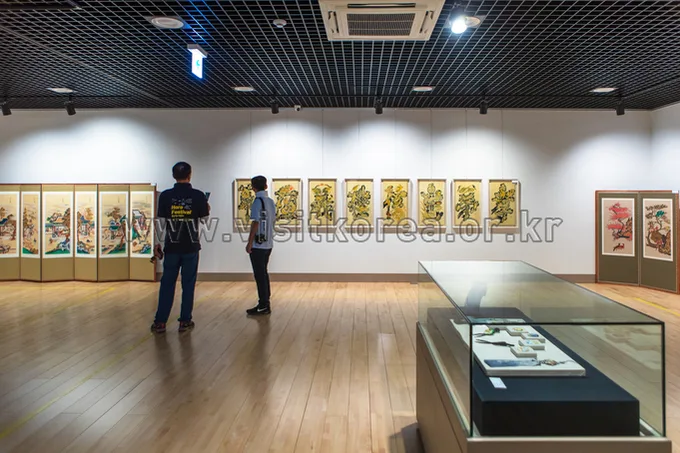
Korean painting has evolved through the centuries, with each dynasty shaping its own distinctive styles and themes. If you look at the Goryeo dynasty (918–1392), you’ll find Buddhist paintings that are intricate and full of vivid color—these works were prized for their spiritual detail as much as their technical skill. Joseon dynasty artists (1392–1910) took a different approach, championing what’s called “true-view” landscape painting. Here, the focus shifted to realistic depictions of actual Korean scenery, a marked difference from the idealized landscapes popular in China or Japan at the time. What I find especially interesting is the emergence of minhwa, or folk painting, during the Joseon period. Unlike court art, minhwa reflects the everyday hopes and anxieties of ordinary people. The imagery is bold, colorful, and packed with symbolism—think tigers for protection, magpies for good news, and peonies for wealth. If you’re curious about the philosophy behind these works, our Korean folk painting (minhwa) guide unpacks more of their hidden meanings. I always recommend visitors pay attention to how Korean painting is less about glorifying power and more about capturing real life, beliefs, and the natural world around us. Today, you’ll see contemporary Korean artists reimagining these traditions in new ways, but the roots in observation and symbolism remain strong.
Ceramics: from celadon to white porcelain
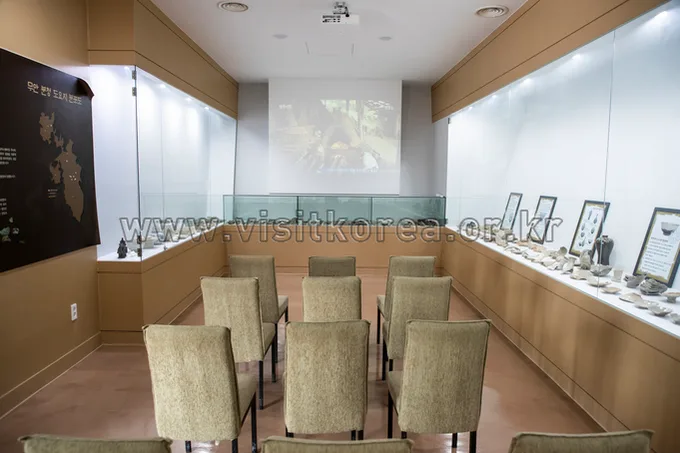
Korean ceramics are a perfect example of how art and daily life intertwine, adapting to both changing tastes and social values over time. The Goryeo dynasty is famous for its jade-green celadon pottery, which you’ll recognize by its translucent glaze and delicate inlaid patterns. These pieces weren’t just decorative; they symbolized refinement and status among Goryeo’s elite. But if you fast-forward to the Joseon dynasty, you’ll notice a dramatic shift: suddenly, simple white porcelain dominates. Joseon’s Confucian ideals favored restraint and purity, so their ceramics reflect that with minimalist forms and subtle beauty. There’s a middle chapter here too, often overlooked—Buncheong ware, which developed in the 15th century. Buncheong ceramics have a more rustic, spontaneous feel, with earthy tones and playful, sometimes even whimsical, painted designs. I love how Buncheong’s rougher aesthetic makes each piece feel personal and approachable, a world away from the formality of Goryeo celadon. If you’re interested in how these shifts mirror broader changes in Korean society, you’ll want to read our Joseon dynasty overview. Korean ceramics aren’t just for museum shelves; they’re still used and reinterpreted in Korean homes and modern pottery studios today. The variety you’ll see in a single collection tells a story of changing eras and philosophies, all through clay and glaze.
Traditional crafts: hanji and bojagi
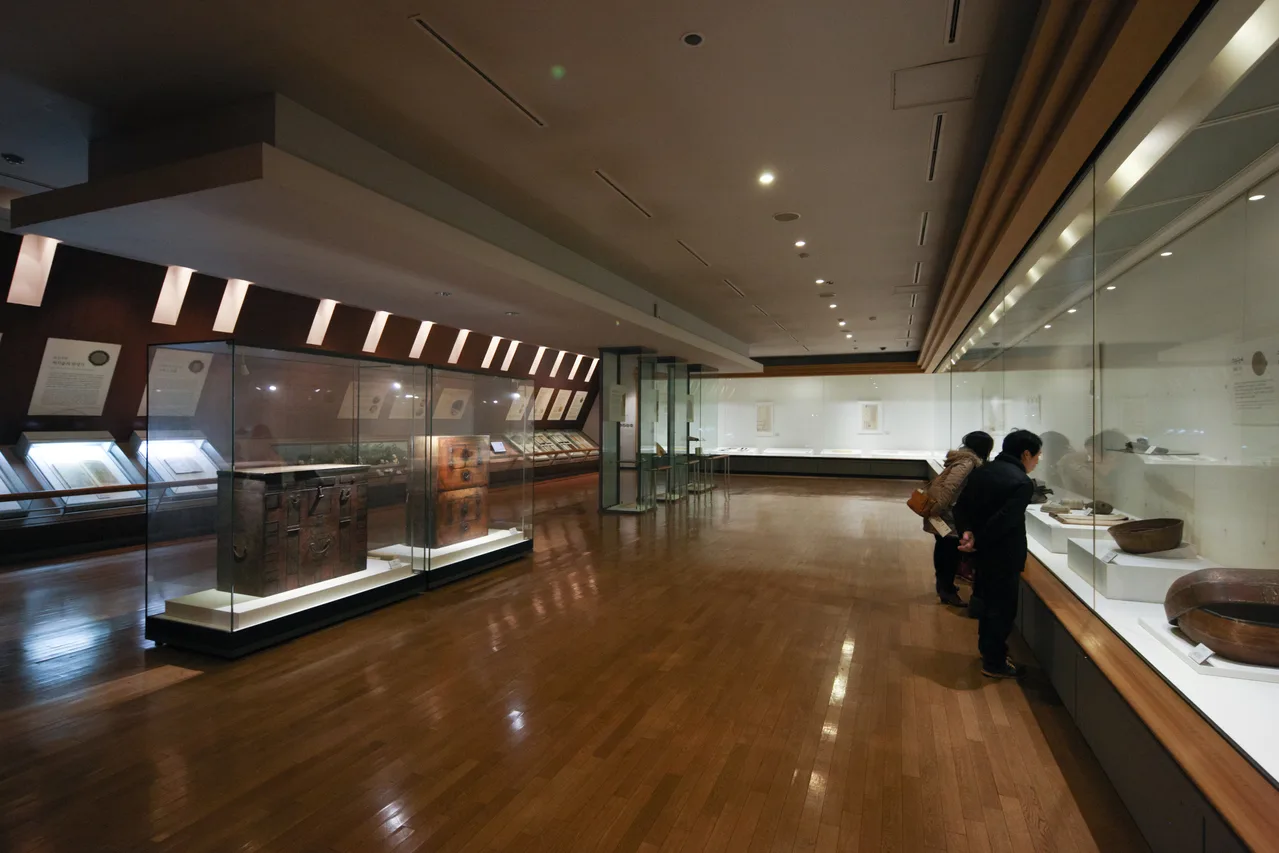
Hanji and bojagi are two crafts that, for me, really showcase the everyday ingenuity of Korean traditional art. Hanji is a type of paper made from mulberry bark—don’t think of the thin, fragile sheets you’re used to. This paper is incredibly strong and flexible, which is why it was used for everything from books and calligraphy to window coverings and even clothing linings. What I appreciate about hanji is how it turns a humble material into something both beautiful and practical, and you can still find artisans making it by hand in small workshops across Korea. Bojagi, on the other hand, is the art of wrapping—these are colorful cloths, often pieced together in patchwork or embroidered with symbols of good luck. Traditionally, bojagi was used for wrapping gifts or everyday items, but the cloth itself is a statement, turning the act of giving or storing something into a kind of ritual. If you want to get hands-on, our guide to trying Korean crafts is a good place to start. I always tell people that hanji and bojagi aren’t just relics of the past; they’re living traditions. You’ll see hanji lamps and modern bojagi-inspired fashion all over Seoul, a testament to how these crafts continue to evolve while staying true to their roots.
The art of Korean calligraphy
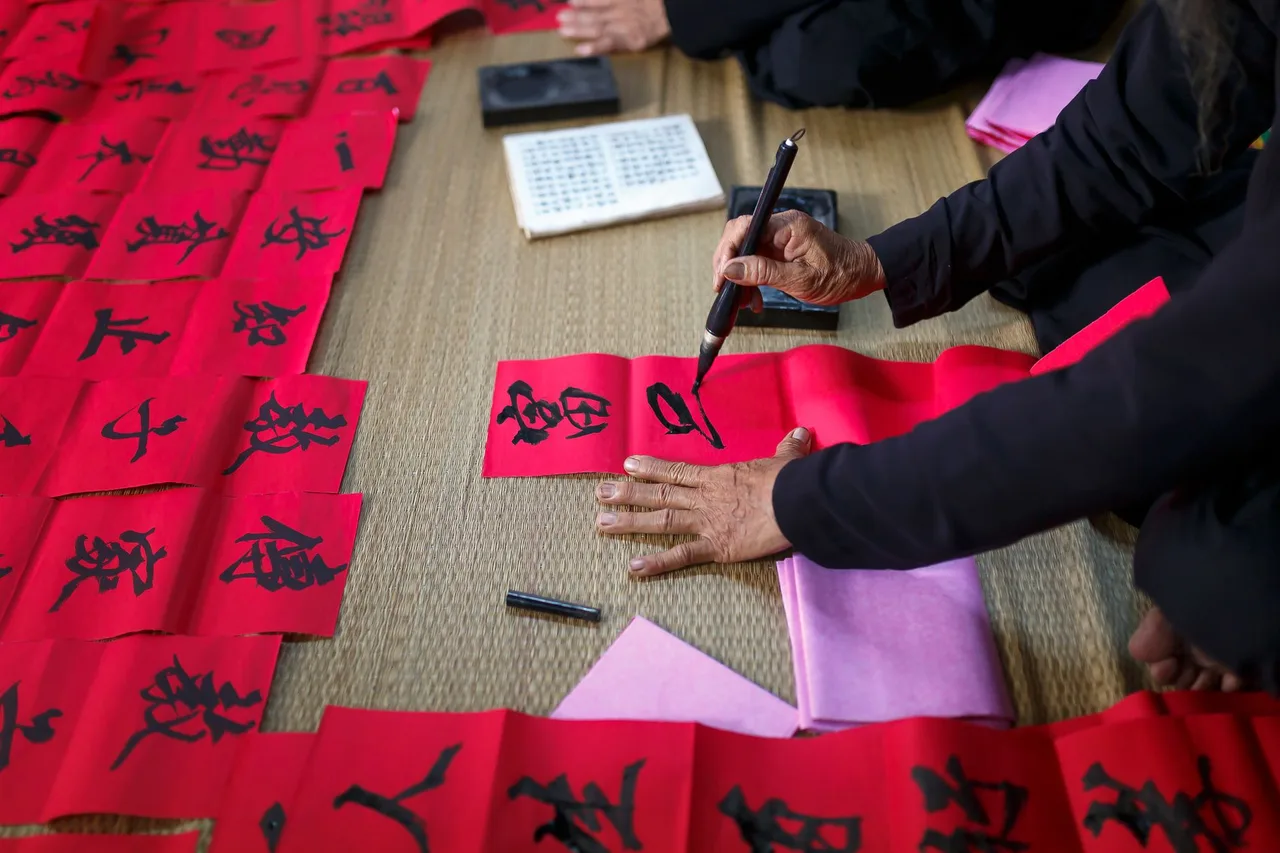
Korean calligraphy, or 'seoye', is all about the energy and flow within each brush stroke, with a focus on balancing the shapes and spaces of the characters. The first time I watched a master calligrapher in action, I realized this wasn’t just writing—it’s a performance that captures personality, mood, and even philosophy. While you’ll notice Chinese influences right away, Korean calligraphy gradually developed its own flair, especially after Hangul was created in the 15th century. This allowed for more expressive and distinctly Korean styles, moving away from the strictly formal Chinese models.
The tools matter, too. Traditional calligraphy is done with a soft brush, ink stone, and hanji (mulberry paper), which holds ink beautifully and brings out the texture of each stroke. Even beginners can sense how the brush’s pressure and speed change the outcome. In the Joseon dynasty, scholars practiced calligraphy as both an intellectual pursuit and a way to cultivate their character. I’ve found that trying calligraphy, even just once, makes you see Hangul and Hanja characters in a new light—each letter feels alive. If you want to appreciate the full beauty of seoye, check out local exhibitions or try a short class. They’ll often start you with Hangul, which has its own rhythm and elegance. For a primer on the Korean alphabet itself, see our guide here.
Korean knotting: maedeup
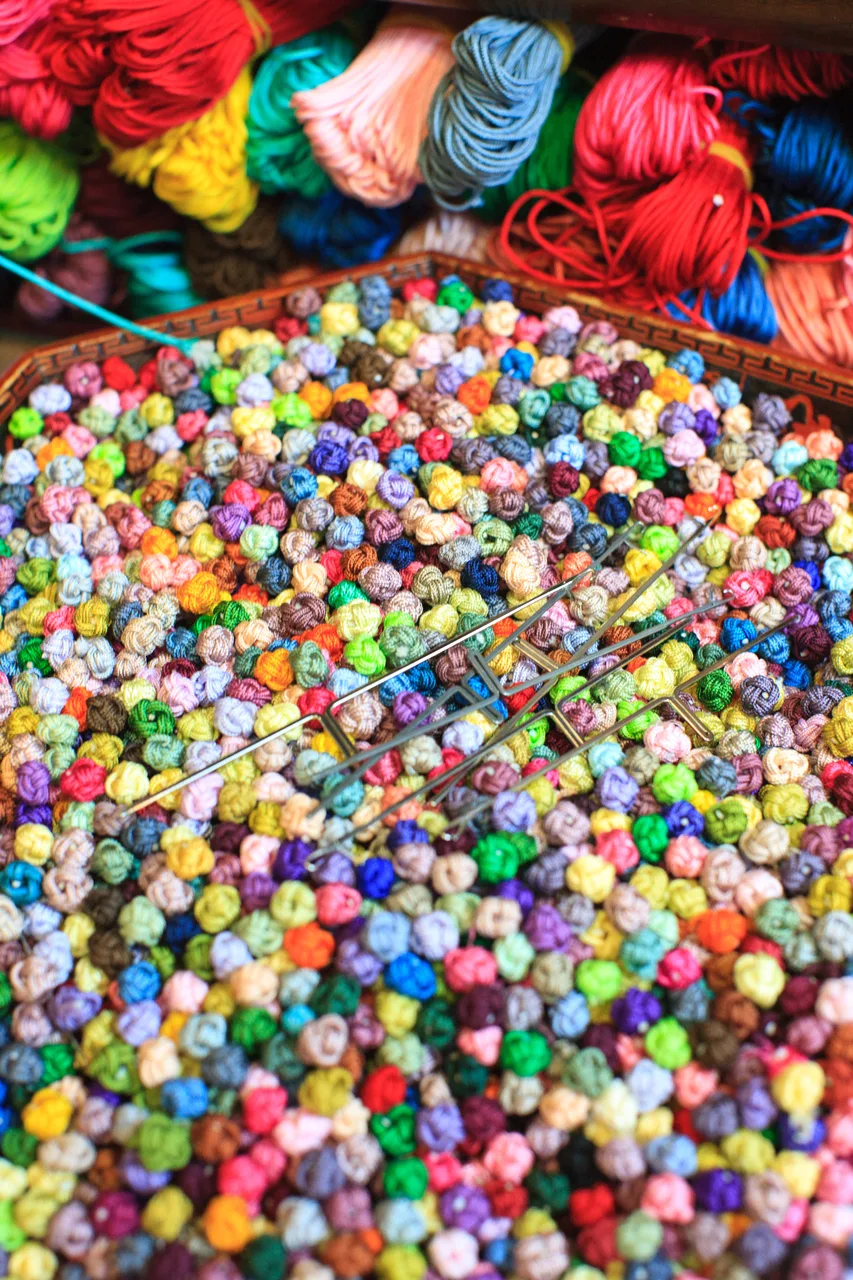
Maedeup is the traditional craft of Korean decorative knotting, and it’s one of those arts where the meaning is woven right into the design. Traditionally, these knots were made from silk or cotton threads and used everywhere—from the norigae (ornamental pendants) that hang from hanbok sashes, to the colorful cords on ceremonial objects. What I like about maedeup is that each knot has a purpose and symbolism. Some knots represent good fortune, others long life or happiness, and you’ll spot them in places of celebration, like weddings or big family events.
Unlike the rougher, more utilitarian knots you might see in other cultures, Korean maedeup is all about delicacy and repetition. The process involves intricate looping and tightening, often requiring a steady hand and a lot of patience. If you pick up a traditional Korean ornament or accessory, take a closer look at the knots—many are made using centuries-old techniques that have barely changed. I’d recommend trying a maedeup class if you’re curious; it’s surprisingly meditative. The craft is also deeply tied to ceremonial attire and rituals, adding a layer of meaning to what might otherwise be simple decoration. You can learn more about how maedeup appears in wedding traditions in our in-depth guide.
Influence of Buddhism on Korean art
Buddhism’s influence on Korean art is everywhere, especially if you’ve ever visited a temple or seen a centuries-old statue. When Buddhism arrived during the Three Kingdoms period, it shaped not just religious life but the very look and feel of Korean sculpture, painting, and even architecture. I’ve noticed how Buddhist statues in Korea often strike a balance between serenity and naturalism—there’s a softness in the faces and a calm in the poses that’s unique compared to other East Asian traditions.
During the Goryeo dynasty, Buddhist paintings became especially intricate and colorful, often used in rituals or as offerings. You’ll see murals and scrolls depicting bodhisattvas, guardians, and scenes from Buddhist cosmology, many layered with gold or vivid mineral pigments. The temples themselves are works of art, with their sweeping roofs, painted beams, and carved details reflecting Buddhist ideals of harmony and transcendence. If you’re interested in seeing these influences up close, I’d start with a temple visit—many in Seoul and beyond have galleries or small museums attached. For a step-by-step on the best temple sites and what to look for in Buddhist art, check our temple guide. It’s the kind of experience that reveals how intertwined Korean art and spirituality really are.
Modern interpretations of traditional art
Contemporary Korean artists are taking traditional art forms and pushing them into new territory, creating a fascinating blend of old techniques and modern sensibilities. You can see this most clearly in how artists reinterpret centuries-old crafts like celadon ceramics, hanji paper, and bojagi wrapping cloths, mixing them with non-traditional materials or digital media. I find that this approach keeps Korean art alive and evolving rather than boxed in as museum pieces. For example, some painters use the motifs of 'minhwa' (Korean folk painting) but reimagine them with bold, abstract colors or unexpected canvases, while ceramicists might apply the inlay techniques of Goryeo celadon to large-scale installations or contemporary sculpture.
This kind of fusion isn’t just about aesthetics. Artists today are often commenting on Korea’s rapid modernization, its relationship with tradition, and even global issues, all through a distinctly Korean lens. You’ll notice that modern calligraphers experiment with the harmony of brush strokes and character forms, sometimes integrating hangul with multimedia or performance art. Textile artists are reworking bojagi patchwork into fashion pieces or gallery installations, maintaining the symbolism of good fortune but making it relevant to a new audience. Even maedeup, the intricate knotting once reserved for hanbok accessories, now appears in jewelry and pop culture collaborations.
If you’re interested in how Korean art keeps reinventing itself, I’d recommend exploring contemporary galleries or searching out exhibitions that specifically highlight these reinterpretations. For those who want a wider look at how tradition meets modernity in Korean culture, our Korean film guide is a great next step—cinema here often does with story what visual artists do with materials.
Exploring traditional Korean art offers a profound understanding of the nation's cultural heritage. Engaging with these art forms, whether through museum visits or hands-on experiences, provides a deeper appreciation of Korea's artistic legacy.
Frequently asked questions
What are the main types of traditional Korean painting?
Traditional Korean painting includes styles such as 'minhwa' (folk painting), 'true-view' landscape painting, and Buddhist art.
How did Korean ceramics evolve over time?
Korean ceramics evolved from the intricate celadon of the Goryeo dynasty to the minimalist white porcelain of the Joseon era.
What is hanji and how is it used?
Hanji is traditional Korean paper made from mulberry bark, used for calligraphy, books, and even clothing due to its durability.
What is the significance of bojagi in Korean culture?
Bojagi are traditional Korean wrapping cloths used for various purposes, symbolizing good fortune and often featuring patchwork designs.
How has modern Korean art incorporated traditional styles?
Contemporary Korean artists blend traditional techniques with modern aesthetics, creating works that honor heritage while embracing innovation.
Sources
This guide was researched using the references below. Prices and times change, so confirm anything time-sensitive on the official page before you rely on it.
Related guides
- Where to buy Korean pottery: a guide for foreignersDiscover where to purchase authentic Korean pottery, from traditional markets in Seoul to renowned ceramic towns, and learn about the rich history behind t
- What is minhwa, Korean folk painting?Minhwa, meaning 'painting of the people,' is Korean folk art created by anonymous artists to depict everyday life and convey symbolic meanings.
- An introduction to Korean traditional dance for visitorsA clear guide to Korean traditional dance for foreigners: court and folk forms, buchaechum, talchum, salpuri, seungmu, and where to watch them live.
- Korean tea culture and where to experience itA visitor's guide to Korean tea, from Boseong's green tea fields and the darye ceremony to jujube and citron brews and where to drink it in Seoul.
- Korean traditional music (gugak) and where to hear itWhere to hear Korean traditional music in Seoul, from the National Gugak Center's Saturday concerts to Jongmyo rite music, plus what the sounds mean.
- Where to try Korean crafts: pottery, calligraphy and hanjiTry Korean pottery, calligraphy and hanji papermaking in Insadong, Icheon and Jeonju, with real prices, subway routes and how to book.